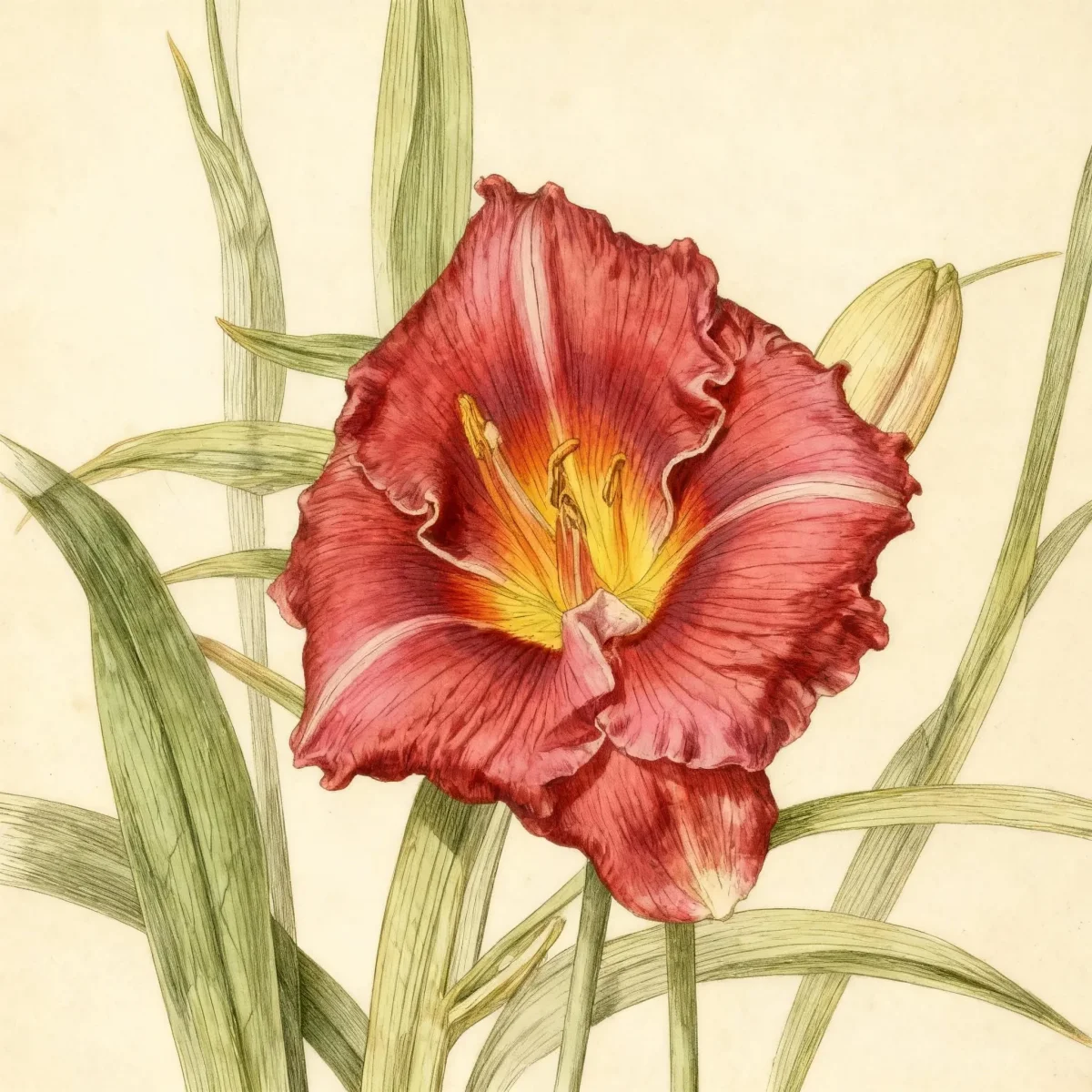
Daylily (Hemerocallis 'Lady Florence')
Hemerocallis 'Lady Florence' is a robust Daylily, offering ruffled, golden-yellow blooms from May to July. Low maintenance and adaptable, perfect for borders.
Scroll down to discover growing tips, care requirements, companion plants, and more
Complete Plant Information
Overview
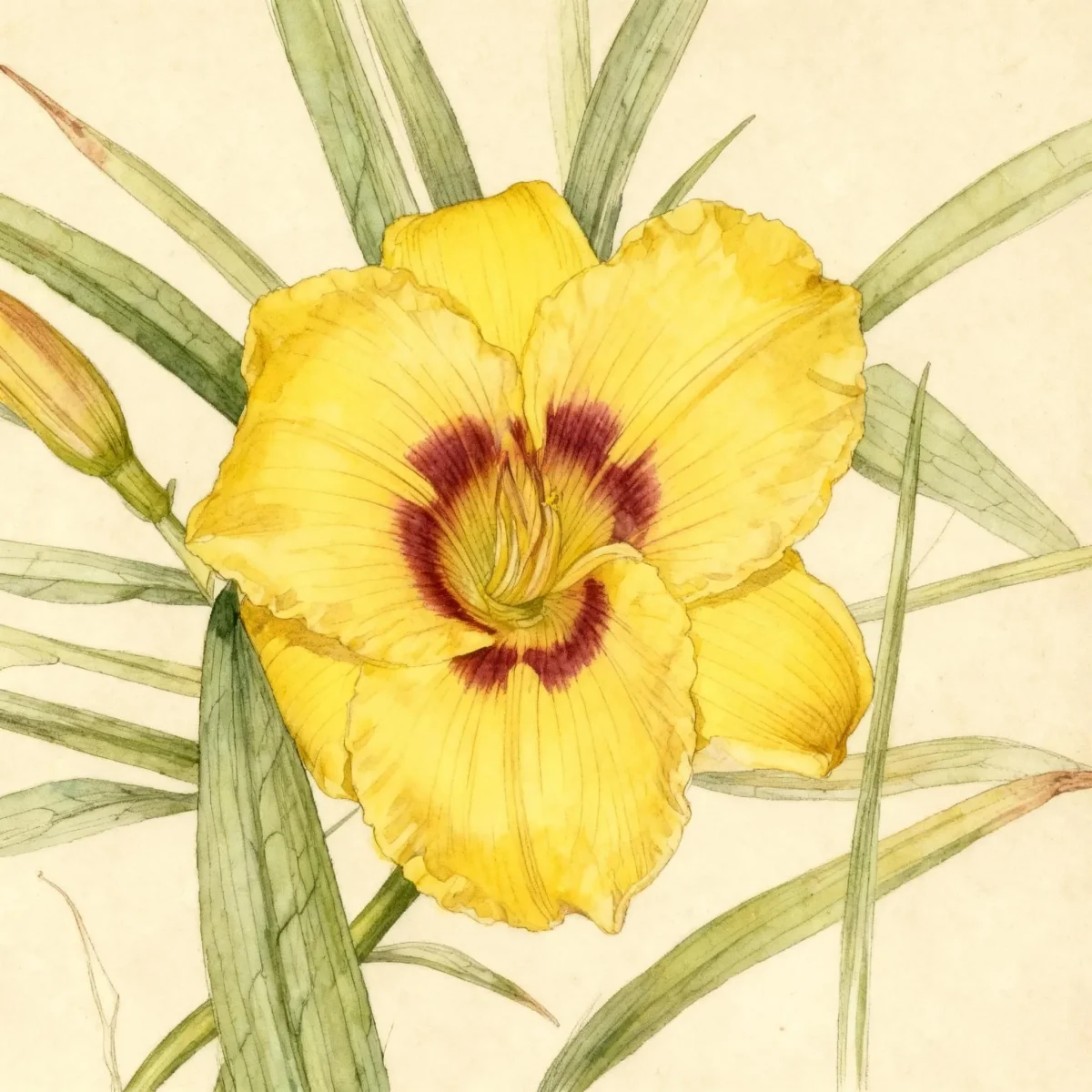
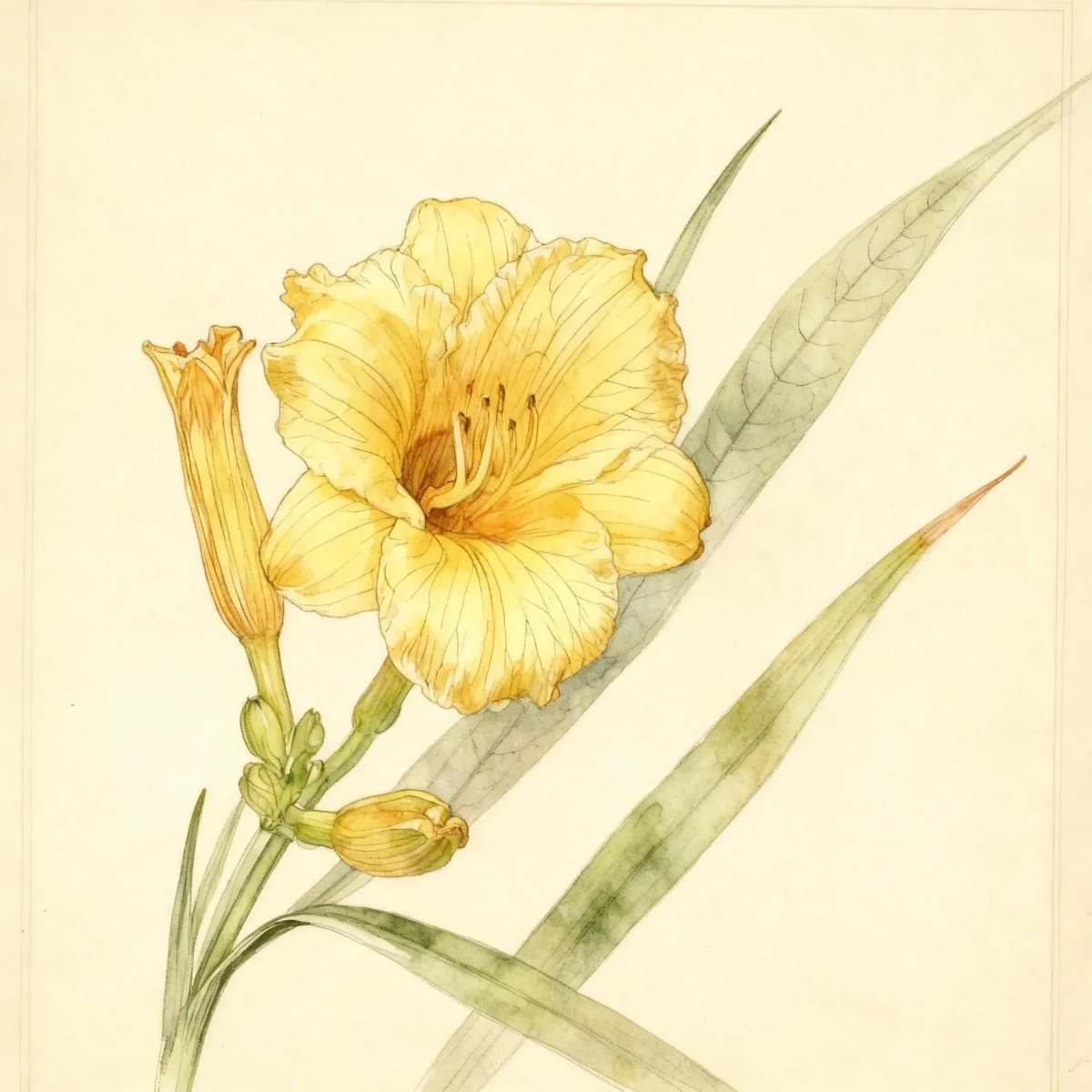
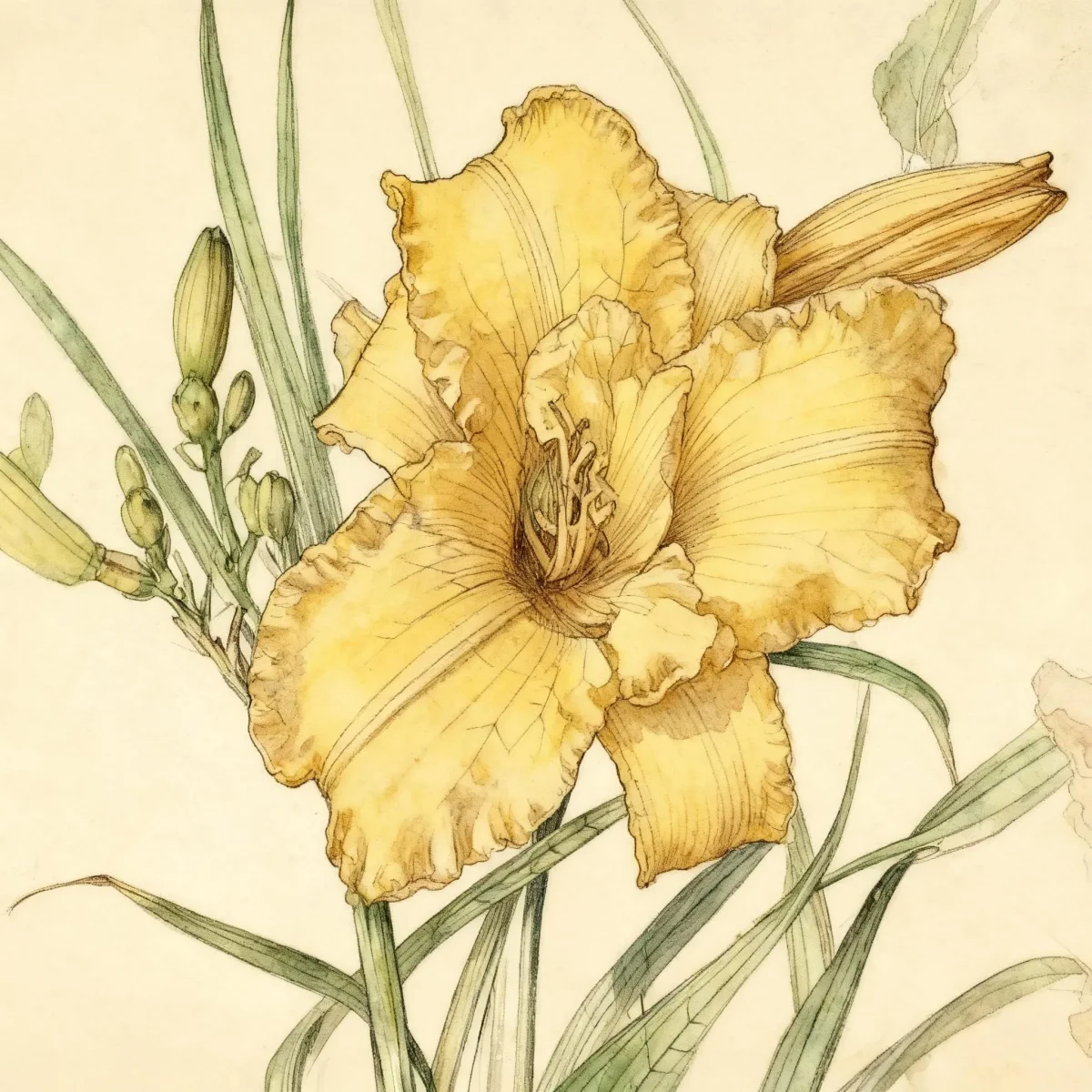
Hemerocallis ‘Lady Florence’ is a cultivar of the beloved Daylily, prized by gardeners for its reliable performance and striking floral display. This herbaceous perennial features rich, 5-inch diameter golden flowers with attractive ruffling, providing excellent garden color during the early to mid-season bloom period. As a member of the Asphodelaceae family, this Daylily establishes quickly, creating neat clumps of linear, arching foliage.
The appeal of Hemerocallis ‘Lady Florence’ lies in its blend of manageable size and low maintenance requirements, thriving in conditions ranging from full sun down to partial shade. Growing to about 2 to 2.5 feet tall, it adds vertical structure without overwhelming smaller garden spaces. Its adaptability makes it one of the most popular perennial choices across temperate regions.
Gardeners value the visual succession of blooms; although each individual flower lasts only a day, the plant produces abundant scapes ensuring a long overall flowering display. Planting Hemerocallis ‘Lady Florence’ ensures a splash of enduring yellow beauty with minimal ongoing effort, making it ideal for both novice and experienced horticulturists.
Fast Facts
- Plant Family: Asphodelaceae
- Plant Type: Herbaceous perennial
- Hardiness Zones: USDA Zones 4-9
- Size at Maturity:
- Height: 2-2.5 ft
- Spread: 1.5-2 ft
- Bloom Time: May to July
- Bloom Description: Golden yellow
- Sun Exposure: Full sun to part shade
- Water Needs: Medium
- Maintenance Level: Low
How to Grow
Planting Hemerocallis ‘Lady Florence’ is best done in the spring or fall, ensuring the plant has time to establish its fibrous roots. These Daylilies perform best in average, medium moisture, well-drained soils. While they tolerate a wide range of soil types, deep, fertile loams will yield the most vigorous growth and abundant blooms for your Hemerocallis ‘Lady Florence’.
Routine care is minimal. Water needs are medium; ensure deep watering during dry spells, especially throughout summer heat and humidity, to keep the foliage looking attractive. Deadheading spent flowers daily promotes neatness, and it is advisable to remove the entire scape (flower stalk) once blooming has completely finished.
As winter dormant varieties, these Daylilies benefit from a cold period of winter dormancy, meaning they are best suited for zones cooler than Zone 9. To maintain vigor, plan to divide your Daylily clumps every 3 to 4 years, typically in the spring in colder climates or the fall if winters are mild. Remember that hybrid daylilies will not breed true if you attempt to propagate them via seed.
Landscape Uses
The robust habit and attractive color of Hemerocallis ‘Lady Florence’ make it extremely versatile in landscape designs. These easy-to-grow herbaceous perennials excel when planted in borders, where their defined clump size (1.5 to 2 feet spread) provides excellent structure. They function beautifully as informal edging along walkways or driveways, softening hard lines.
Consider mass planting this Daylily over large areas for a dramatic swathe of golden color during early summer. While the standard size works well in the middle of a border, smaller or dwarf cultivars (if available in this line) are excellent choices for rock gardens or container displays. Pair Hemerocallis ‘Lady Florence’ with plants that appreciate similar sun and moisture levels, such as ornamental grasses or late-season bloomers like Salvias, to extend visual interest throughout the season.
Standout Features
Flower Qualities
- Showy
Noteworthy Characteristics
Hemerocallis is a genus of about 15 species of herbaceous perennials commonly known as daylilies, native primarily to Asia and central Europe. Hybridizers have registered over 60,000 cultivars, drastically expanding the color palette beyond its natural forms. Hemerocallis ‘Lady Florence’ specifically showcases ruffled, 5-inch diameter, rich golden flowers held high on scapes above fine, dark green foliage.
Tolerances
- Rabbit
- Erosion
- Air Pollution
Potential Problems
Daylilies are generally known for being highly adaptable and relatively pest-free perennials. The primary management task involves keeping an eye out for occasional minor pests such as thrips, aphids, or mites. In certain humid regions, Daylily rust can become a concern, requiring preventative fungicidal treatments if observed. A notable benefit is that rabbits tend to avoid consuming the foliage of the Daylily.
Frequently Asked Questions
What hardiness zones is Daylily suitable for?
Hemerocallis ‘Lady Florence’ is highly adaptable, thriving in USDA Zones 4 through 9.
How large does Daylily grow?
This cultivar typically reaches a mature height between 2 and 2.5 feet, with a spread of 1.5 to 2 feet.
When does Daylily bloom?
The bloom time for Hemerocallis ‘Lady Florence’ is generally from May through July, featuring beautiful golden yellow flowers.
What sun exposure does Hemerocallis ‘Lady Florence’ need?
This plant performs best with full sun exposure but tolerates partial shade well.
Conclusion
Hemerocallis ‘Lady Florence’ provides gardeners with a dependable, low-effort source of bright summer color, thanks to its tolerance for various conditions and relatively simple care regimen. Integrating this handsome Daylily into your landscape ensures excellent texture and robust golden blooms throughout the peak season. Before planting, confirm that your growing area falls within USDA Zones 4-9, and ensure well-drained soil to maximize the beauty of your new Hemerocallis ‘Lady Florence’.
Companion Planting
Selecting appropriate neighbors ensures an aesthetically pleasing and ecologically balanced garden area. Daylilies, including Hemerocallis ‘Lady Florence’, pair wonderfully with plants that share an affinity for medium moisture and full to partial sun. Consider incorporating Siberian Iris (Iris sibirica) or Peonies, as they bloom slightly before or after the golden yellow display of the Daylily, providing continuous seasonal interest. Plants with contrasting foliage textures, such as Hostas in shaded areas, help frame the linear leaves of the Daylily effectively.
Design Ideas
The moderate height and spread of Hemerocallis ‘Lady Florence’ make it an excellent foundational element near paths or patios. For a classic cottage garden look, group three or five plants together; this massing effect highlights the golden flowers beautifully when they are in full production. In contemporary designs, repeating rows of this Daylily along structural lines can provide excellent color repetition throughout the garden beds. Because of its air pollution tolerance, this cultivar is also a sound choice for planting closer to roadsides or urban areas where ornamental value needs to be resilient.