Daylily (Hemerocallis 'Lady Rose')
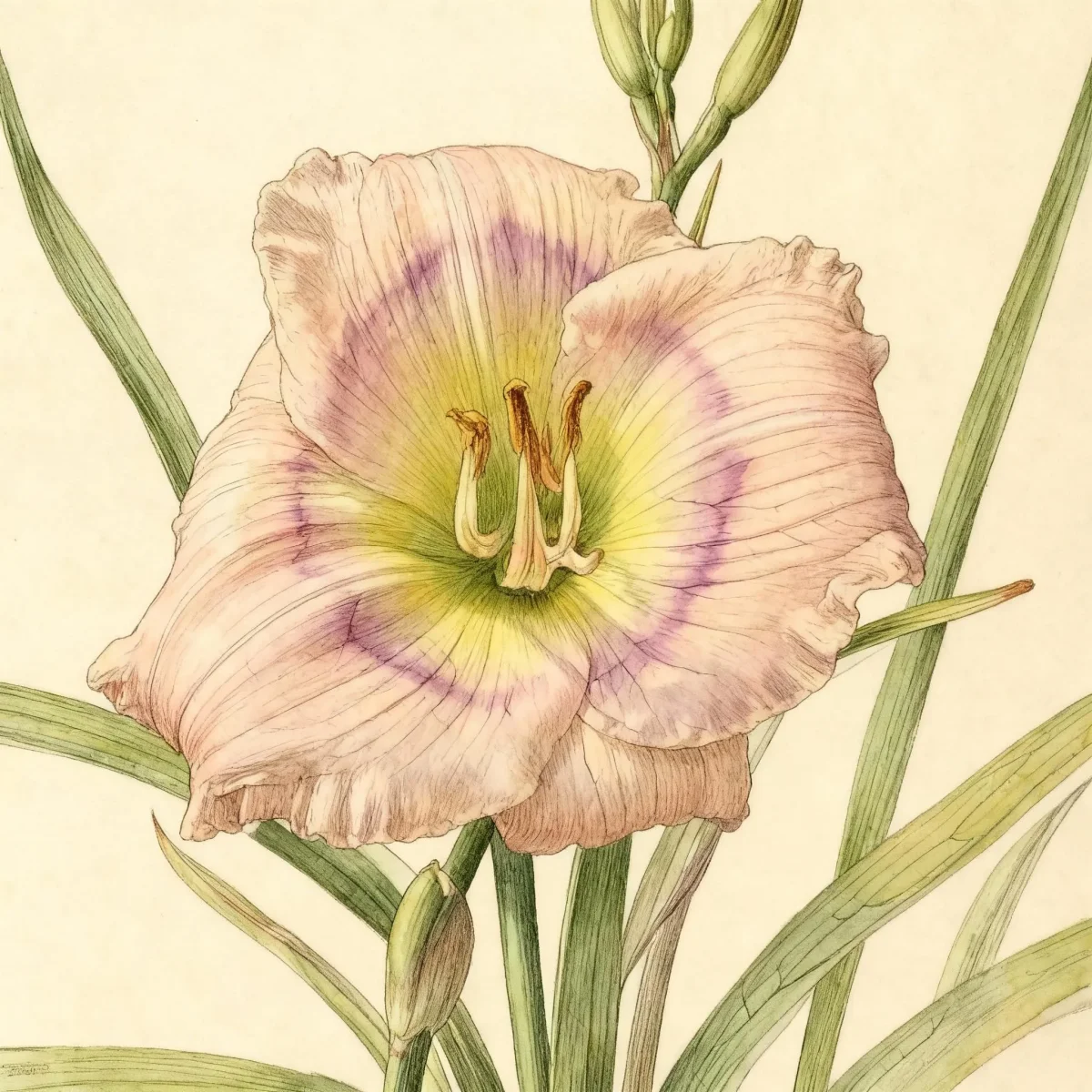
Hemerocallis 'Lady Rose' is a low-maintenance, showy Daylily featuring pale pink to rose blooms from June through July.
Scroll down to discover growing tips, care requirements, companion plants, and more
Complete Plant Information
Overview
Hemerocallis ‘Lady Rose’ is a highly valued Daylily cultivar prized for introducing soft rosy tones into the summer garden. This herbaceous perennial produces abundant flowers, ensuring long-lasting color display even though individual blooms last only a single day. Its robust nature makes it a reliable choice for nearly any garden setting.
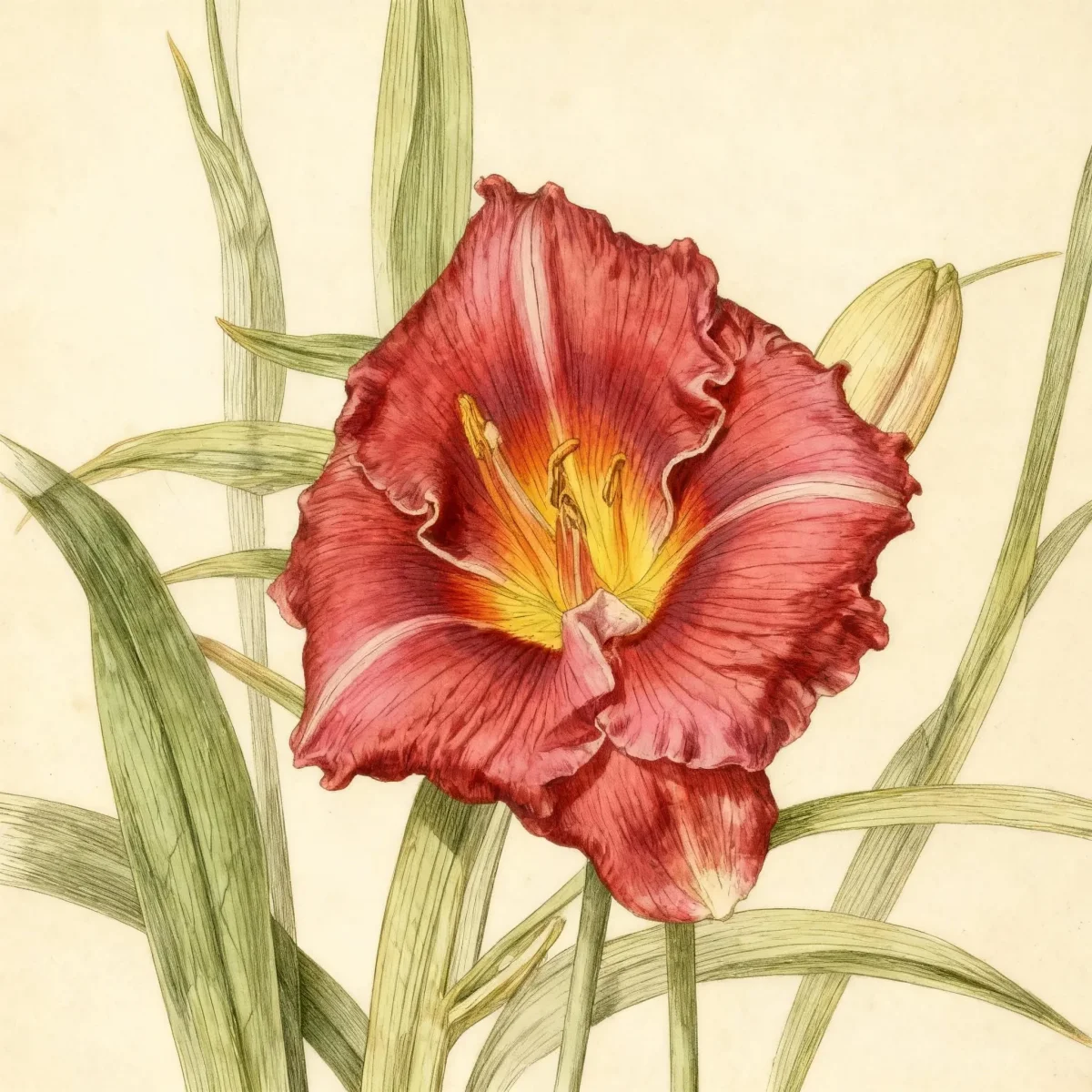
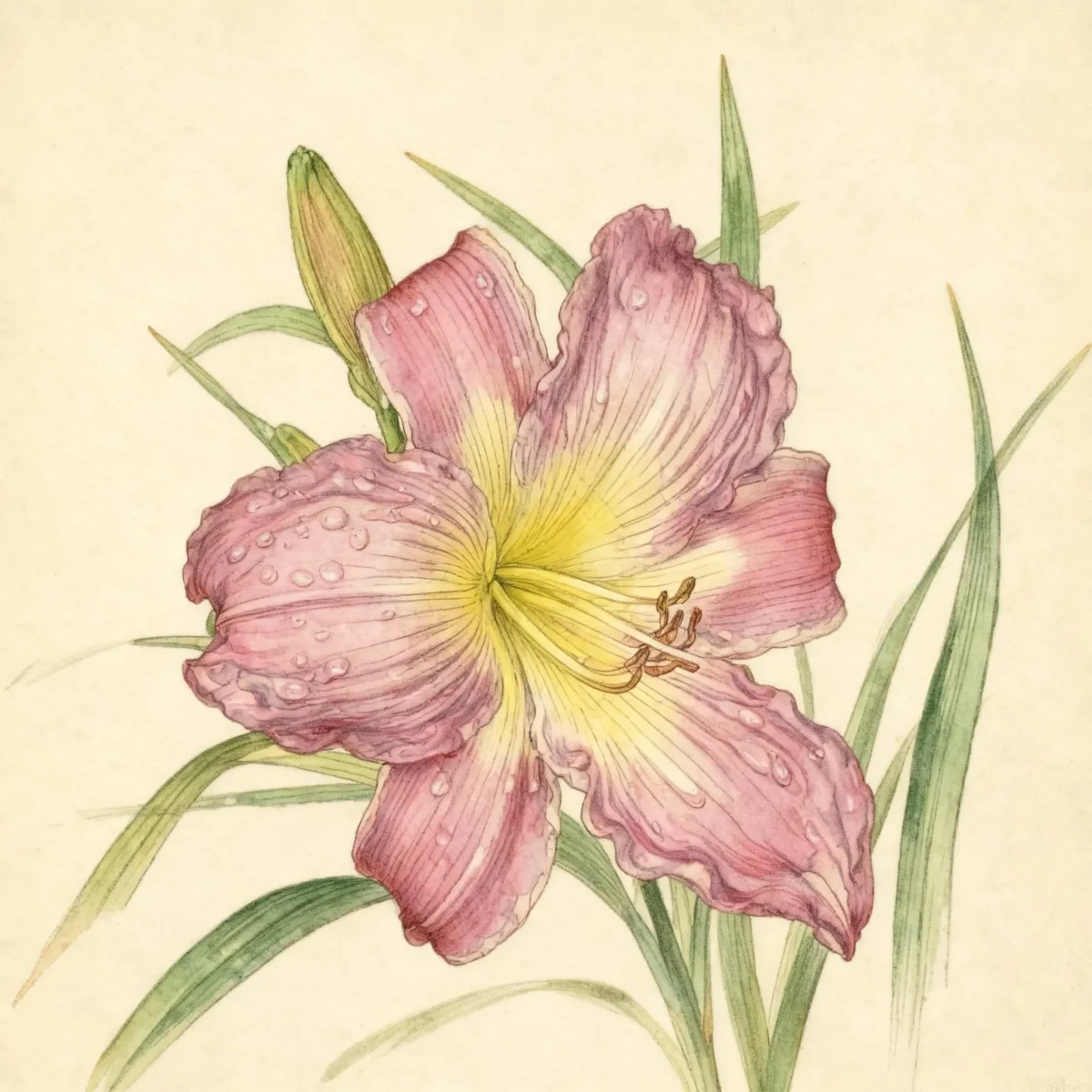
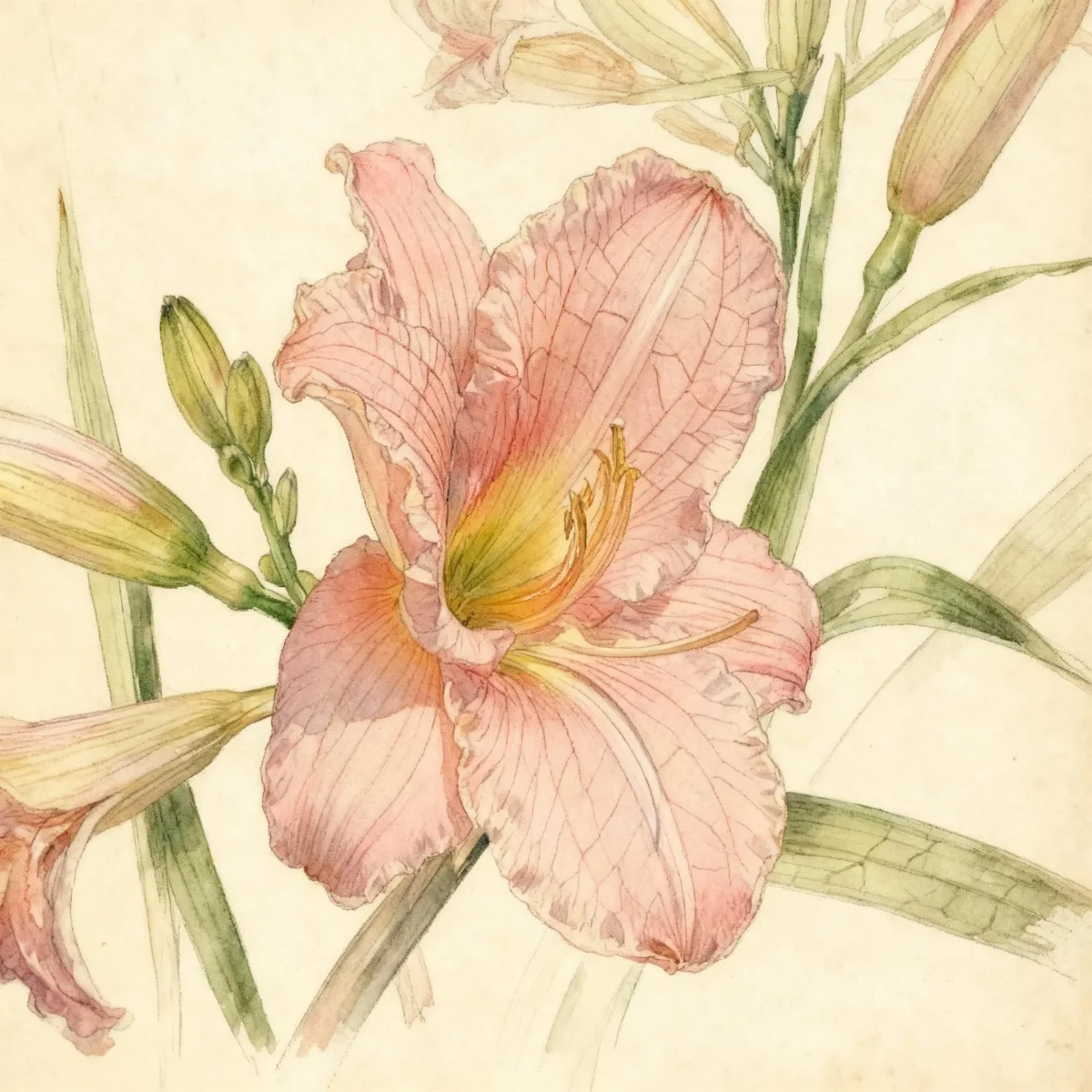
This specific variety features distinctive 6-inch diameter flowers displaying pale pink to warm rose hues highlighted by noticeable white midribs on the petals. As a low-maintenance plant, the Hemerocallis ‘Lady Rose’ offers significant aesthetic returns for minimal input, thriving in a wide range of conditions once established.
Gardeners appreciate the Daylily genus for its adaptability, ease of care, and reliable summer performance. Hemerocallis ‘Lady Rose’ reaches a modest height, perfect for mass planting or defining borders where its foliage and blooms can be easily admired during its peak season from June through July.
Fast Facts
- Plant Family: Asphodelaceae
- Plant Type: Herbaceous perennial
- Hardiness Zones: USDA Zones 4-9
- Size at Maturity:
- Height: 1.5-2 ft
- Spread: 1-1.5 ft
- Bloom Time: June to July
- Bloom Description: Pale pink to rose with white petal midribs
- Sun Exposure: Full sun to part shade
- Water Needs: Medium
- Maintenance Level: Low
How to Grow
Planting Hemerocallis ‘Lady Rose’ is best achieved in the spring or fall, placing the crown (where the leaves meet the roots) level with the soil surface. These Daylilies perform exceptionally well in average, medium-moisture, well-drained soils, though they generally prefer deep, fertile loams for optimal vigor. Full sun exposure encourages the most prolific bloom production, though they tolerate light afternoon shade.
Ongoing care for your Daylily is straightforward. Deadhead spent flowers daily to maintain neatness, promptly removing the scapes (flower stalks) once blooming finishes. While tolerant of summer heat and humidity, deep watering during dry spells is crucial to keep the arching, blade-like foliage looking attractive.
For long-term health, plan to divide clumps of Hemerocallis ‘Lady Rose’ every three to four years, ideally in the spring, especially in colder regions like Zone 4. Remember, hybrid daylilies like this one will not grow true to type if sown from seed. Ensure winter dormancy is respected for best results; gardeners in warmer zones pushing the limits of Zone 9 may find foliage behaves differently.
Landscape Uses
The versatile nature of the Daylily makes Hemerocallis ‘Lady Rose’ an indispensable herbaceous perennial for diverse landscape designs. Their neat, clumping habit makes them excellent for creating defined borders along walkways or driveways where their low maintenance is appreciated. They can also be deployed effectively in mass plantings over large areas to create striking color drifts in the mid-summer landscape.
Due to their moderate height (1.5 to 2 feet), these plants serve well as middle-layer specimens in perennial beds, pairing beautifully with lower-growing groundcovers or taller structural shrubs behind them. While dwarf versions suit rock gardens, the standard size of ‘Lady Rose’ is ideal for blending into traditional cottage gardens or mixed perennial borders that demand reliability.
Standout Features
Flower Qualities
- Showy
Noteworthy Characteristics
Hemerocallis is a genus known widely as daylilies, originating from Asia and Europe, with modern plants being almost exclusively complex hybrids developed for diverse colors and forms. Each flower of the Hemerocallis ‘Lady Rose’ typically lasts only one day, but they are borne in succession over a long period, providing continuous visual interest. This specific cultivar exhibits 6-inch, pale pink to rose flowers with salient white midribs, rising on scapes to about 22 inches above the green, arching foliage.
Tolerances
- Rabbit
- Erosion
- Air Pollution
Potential Problems
Daylilies are renowned for being extremely adaptable and are generally quite easy to grow, meaning pest issues are uncommon. When problems do arise, they are typically minor, involving occasional occurrences of mites, aphids, or thrips, which can usually be managed with targeted insecticidal soap if necessary. A greater concern in specific humid regions can be Daylily rust, a fungal issue presenting as yellow powdery pustules; good air circulation and avoiding overhead watering helps mitigate this. Fortunately, rabbits tend to avoid chewing on the foliage of the Hemerocallis ‘Lady Rose’.
Frequently Asked Questions
What hardiness zones is Daylily suitable for?
Hemerocallis ‘Lady Rose’ is hardy in USDA Zones 4 through 9.
How large does Daylily grow?
This variety typically reaches a height between 1.5 and 2 feet tall, with a spread of 1 to 1.5 feet wide.
When does Daylily bloom?
The primary bloom time for Hemerocallis ‘Lady Rose’ is June to July, featuring pale pink to rose flowers with white petal midribs, and it exhibits repeat blooming potential.
What sun exposure does Daylily need?
For best results, plant Hemerocallis ‘Lady Rose’ where it receives full sun to part shade exposure.
Conclusion
Hemerocallis ‘Lady Rose’ offers gardeners a reliable splash of mid-season color with minimal fuss, cemented as a favorite due to its low maintenance and attractive rose-pink flowers. Successfully integrating this Daylily into your planting scheme relies on ensuring adequate drainage and dividing mature clumps periodically. Check your local USDA hardiness zone compatibility now and plan for planting during the appropriate spring or fall season to enjoy this beautiful cultivar.
Companion Planting
Selecting appropriate companions is key to maximizing the visual appeal of Hemerocallis ‘Lady Rose’ throughout the season. Since daylilies prefer medium moisture and full sun, pair them with perennials that share similar cultural needs, such as Coneflowers (Echinacea), Russian Sage (Perovskia), or ornamental grasses like Switchgrass (Panicum). Planting low-growing edging plants, such as Creeping Thyme or Dianthus, at the base of the Daylily clump helps hide the fading foliage, maintaining visual interest after the flowers conclude their cycle.
Propagation Tips
While hybrid daylilies like ‘Lady Rose’ will not reproduce true to type from seed, propagation for gardeners is straightforward through division. Division should ideally occur in early spring before new growth fully emerges or in the early fall, allowing roots to establish before winter. Dig up the entire clump, gently separate the fans (individual plants) with sharp, clean pruners if necessary, and replant immediately at the original depth. Ensure each separated fan has a healthy section of the root system attached to guarantee success.