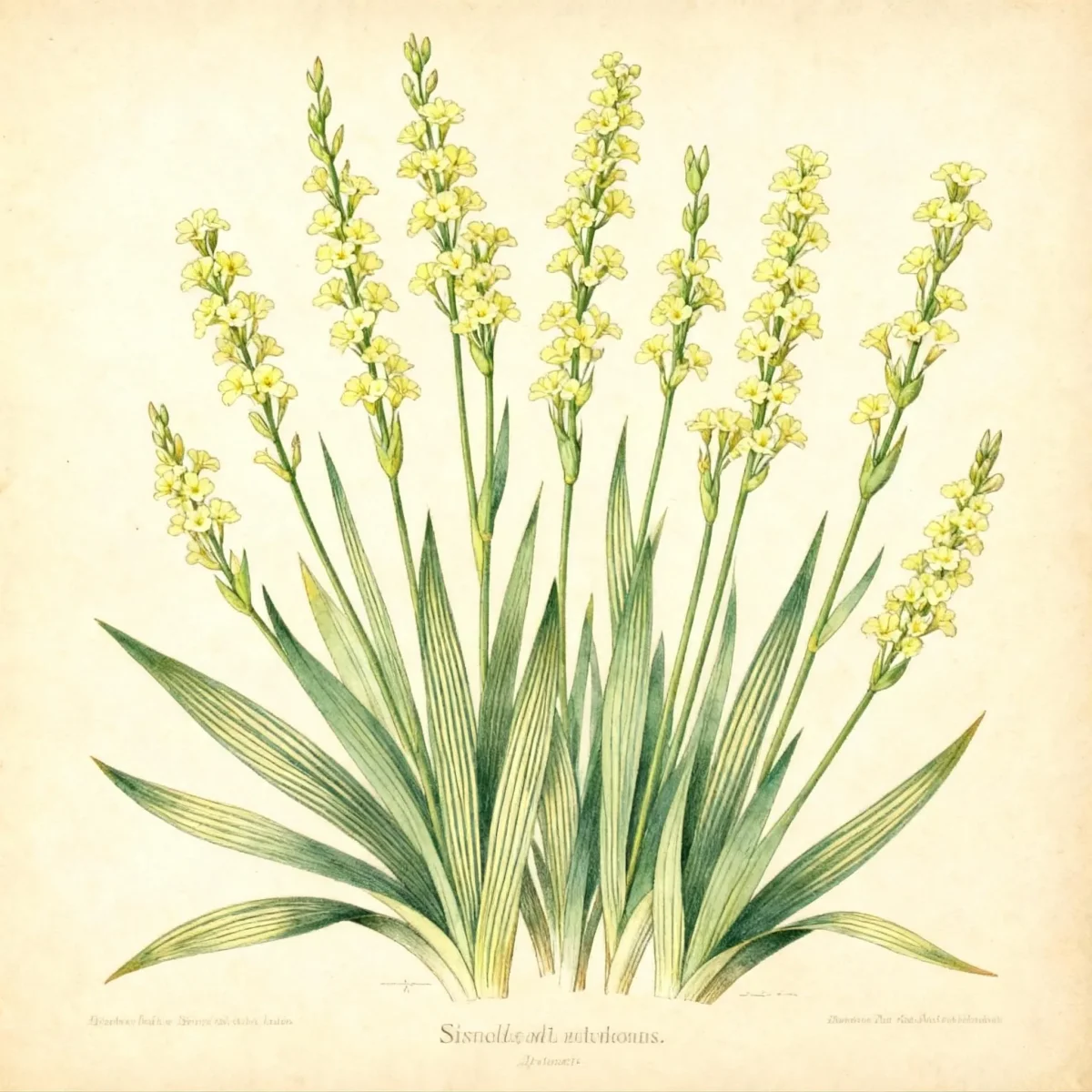
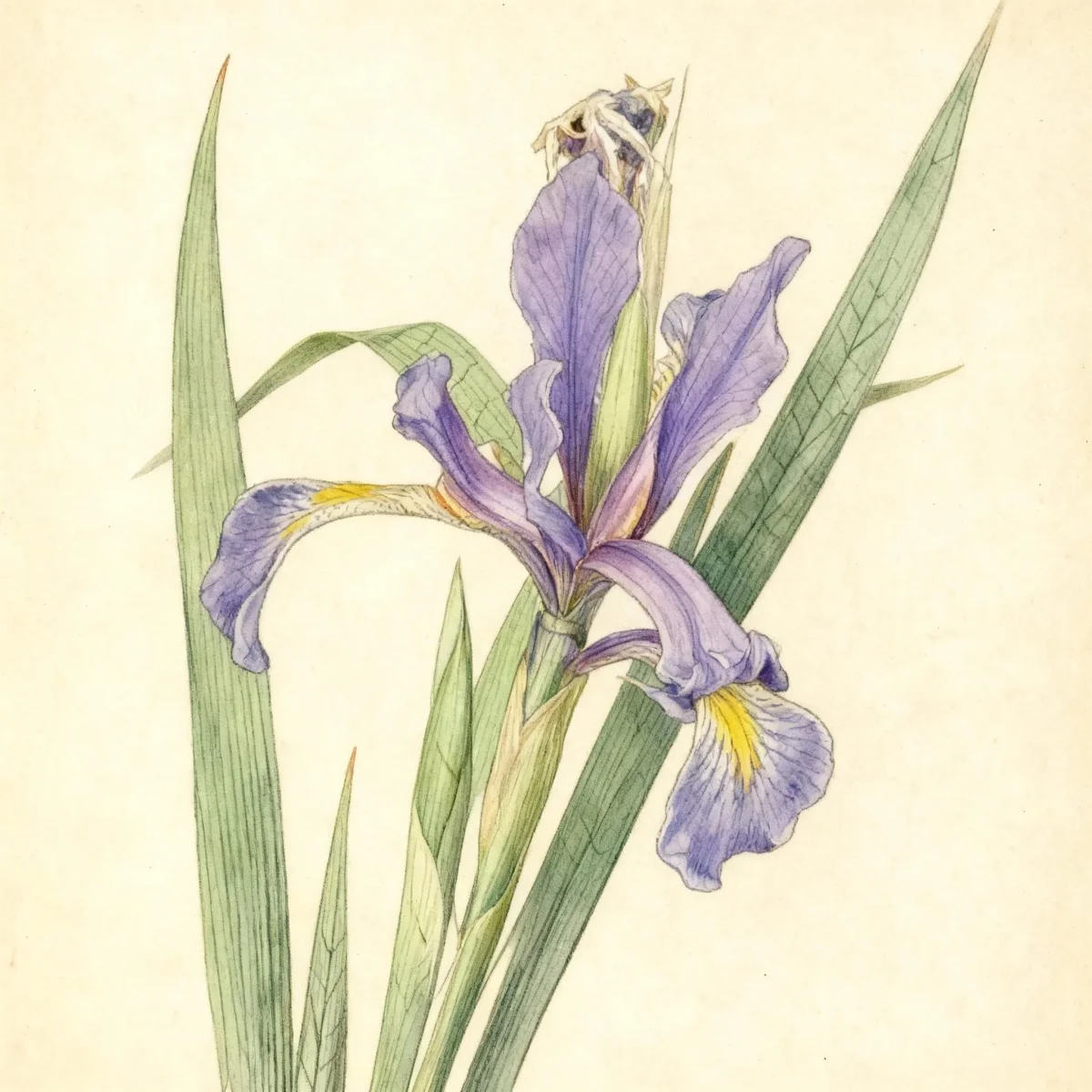
Sisyrinchium (Sisyrinchium 'Quaint and Queer')
Discover Sisyrinchium 'Quaint and Queer', a medium-maintenance perennial known for its unique milk chocolate brown blooms in late spring.
Scroll down to discover growing tips, care requirements, companion plants, and more
Complete Plant Information
Overview
Sisyrinchium ‘Quaint and Queer’ is a distinctive herbaceous perennial highly valued for its unique flower coloration, setting it apart from the more common blue-eyed grasses within the Sisyrinchium genus. This vigorous grower forms neat clumps of iris-like green foliage, providing excellent texture even when not in bloom. Its value lies in adding surprise color accents to the spring garden.
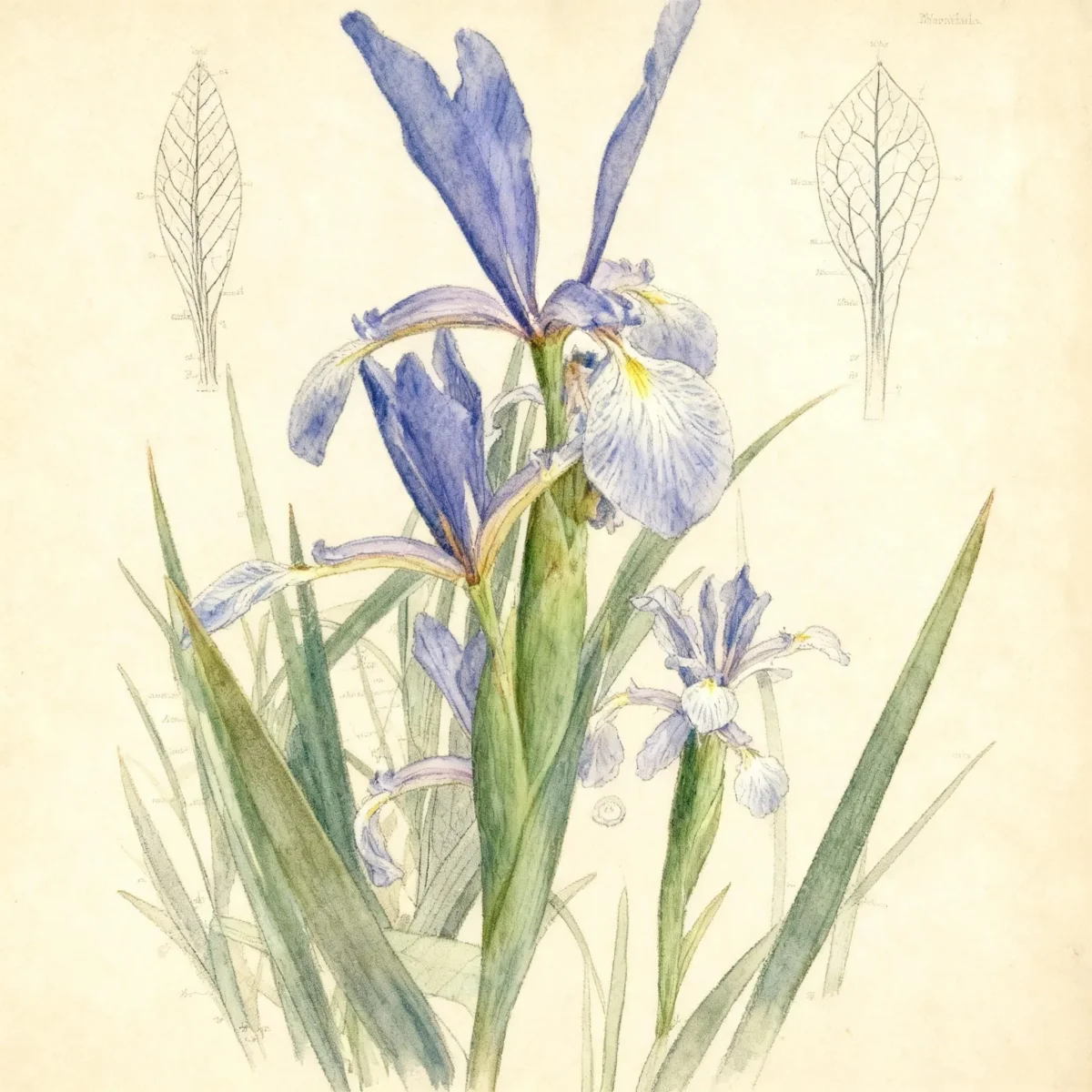
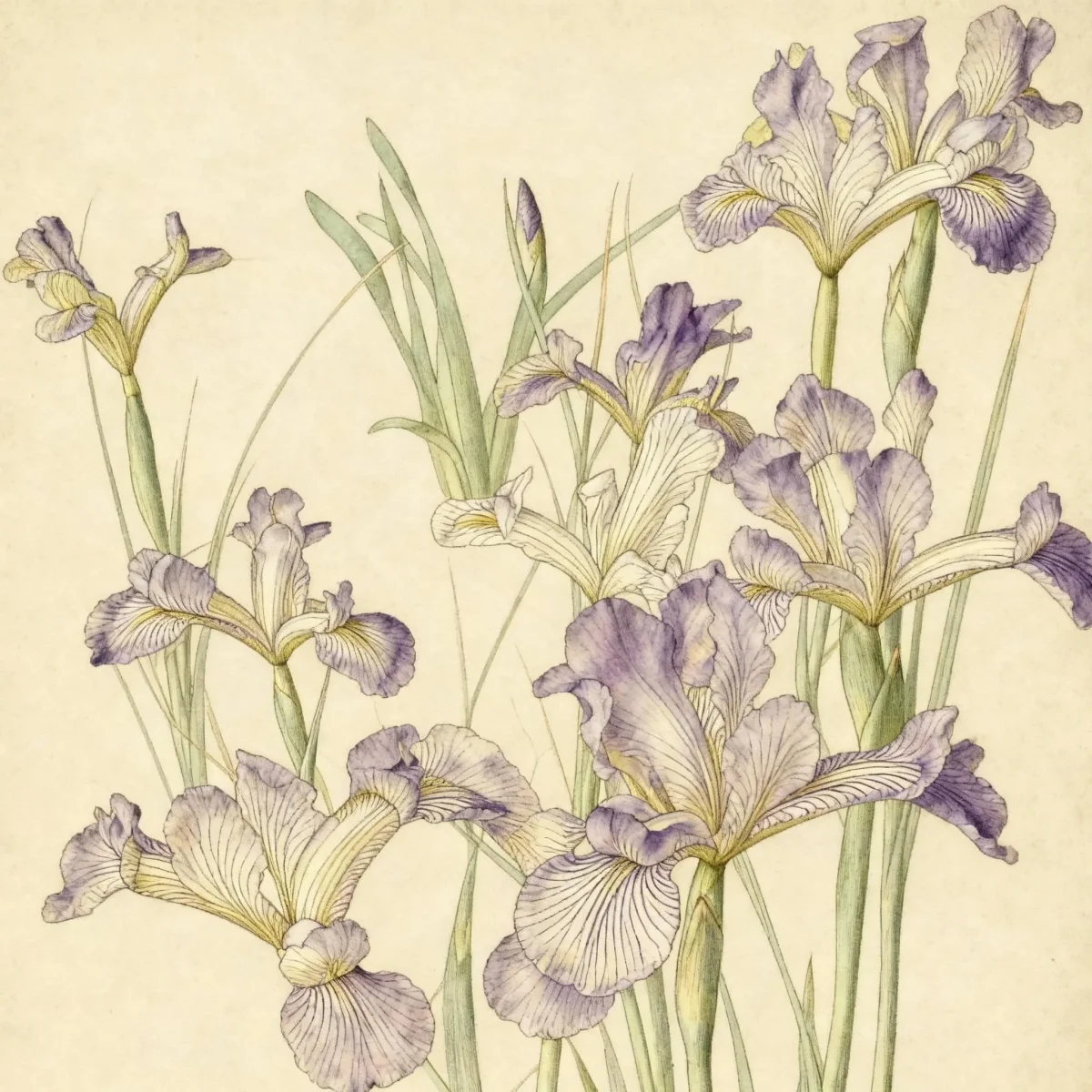
This clump-forming perennial rises to about one foot tall, featuring flattened stems that hold the unusual flowers just above the grassy foliage. While the genus Sisyrinchium is part of the iris family (Iridaceae) and not true grasses, its appearance mimics them, making it useful for adding fine texture contrast. Gardeners appreciate the dependable performance of Sisyrinchium ‘Quaint and Queer’ in sunny, well-drained locations.
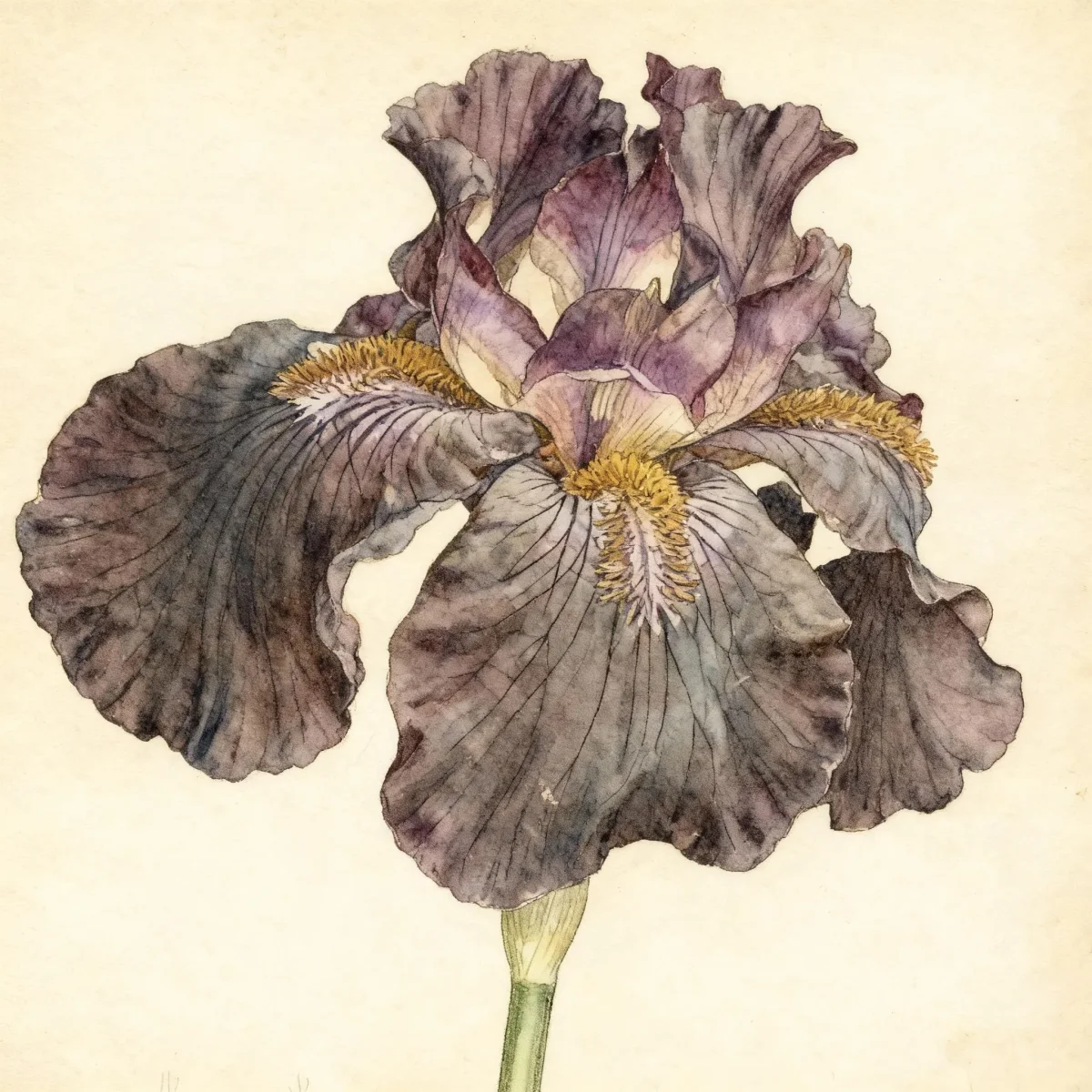
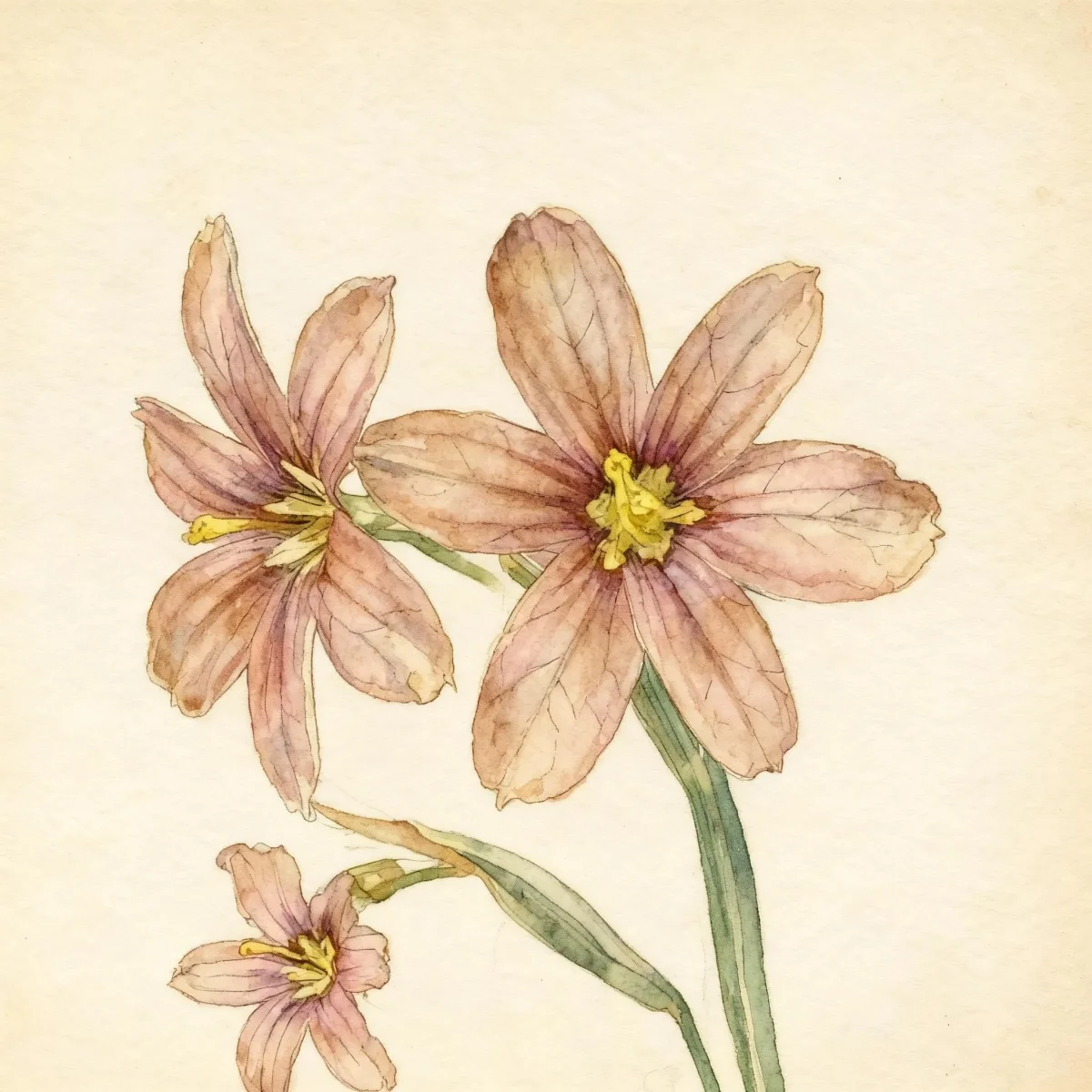
The bloom of Sisyrinchium ‘Quaint and Queer’ is truly memorable, often described as a milk chocolate brown, contrasting sharply with the typical blue or yellow relatives. For optimal health and rebloom, ensure it receives consistent moisture without becoming waterlogged. Plan for its early summer bloom to maximize the aesthetic impact of Sisyrinchium in your landscape design.
Fast Facts
- Plant Family: Iridaceae
- Plant Type: Herbaceous perennial
- Hardiness Zones: USDA Zones 6-9
- Size at Maturity:
- Height: 0.5-1 ft
- Spread: 0.5-1 ft
- Bloom Time: May to June
- Bloom Description: Milk chocolate brown
- Sun Exposure: Full sun
- Water Needs: Medium
- Maintenance Level: Medium
How to Grow
Planting Sisyrinchium ‘Quaint and Queer’ is best accomplished in the spring when the threat of hard frost has passed, allowing the roots to establish before summer heat. Select a site providing full sun exposure, although this Sisyrinchium variety tolerates light shade. The soil must be medium moisture and, critically, well-drained, as standing water will quickly lead to rot.
Ongoing care requires attention to moisture; plants prefer consistently moist soils that never fully dry out, necessitating regular watering during dry spells. Fertilizing is rarely required if the soil is reasonably fertile, but division every 2-3 years is necessary to maintain vigorous clumps of this perennial. After the flowers fade in early summer, you may shear the foliage back to refresh the plant’s appearance for the remainder of the season.
Winter preparation is important, especially near the cooler limits of its range. Since Sisyrinchium ‘Quaint and Queer’ is only reliably hardy to Zone 6, those gardening in cooler areas should provide ample winter mulch and perhaps a protected location, such as near a southern wall, to ensure survival through the colder months. Good drainage remains paramount even in winter dormancy.
Landscape Uses
Sisyrinchium ‘Quaint and Queer’ is ideally suited for use in masses or groups, lending texture and subtle color to the edges of garden beds. Its relatively short stature (under 1 foot tall) makes it an exceptional choice for border fronts where it won’t obscure later-blooming perennials. Consider planting it along pathways or walkways where its fine, grassy foliage provides neat, year-round structure.
The unique milk-chocolate flowers make this species a fascinating inclusion in rock gardens or mixed perennial borders where it can surprise viewers accustomed to blue or yellow Sisyrinchium flowers. Its low-growing habit also makes it an effective filler in containers or window boxes, used beneath taller, sun-loving specimens.
Because it thrives in consistently moist, well-drained soil, pair Sisyrinchium ‘Quaint and Queer’ with other moisture-loving, sun-tolerant companions such as certain Sedums, Heuchera cultivars, or smaller varieties of Iris that share similar cultural needs for a harmonious grouping.
Standout Features
Flower Qualities
- Showy
Noteworthy Characteristics
Sisyrinchium is a genus of about 90 species of annuals and perennials native to North and South America. Although their foliage is grass-like, the blue-eyed grasses belong to the iris family not the grass family. Genus name comes from the ancient Greek name for another plant. ‘Quaint and Queer’ is a vigorous, clump-forming perennial which features a 6” tall clump of flat, narrow, linear, iris-like, green foliage. Flowers appear on flattened stems rising just above the foliage to 9-10” in late spring, displaying colors described as yellowish-brown to milk chocolate brown.
Tolerances
Potential Problems
Generally, gardeners will find that Sisyrinchium ‘Quaint and Queer’ suffers from no serious insect or disease problems. This low-maintenance characteristic makes the Sisyrinchium genus appealing for organic gardening approaches. The primary threat comes not from pests, but from cultural issues, specifically poor drainage which can lead to crown and root rot, particularly over winter.
To mitigate cultural issues, ensure heavy clay soils are amended substantially with grit or organic matter to improve drainage before planting Sisyrinchium. Overcrowding is another factor; prompt division every few years prevents fungal issues from taking hold in dense, aging clumps that may retain too much moisture.
Frequently Asked Questions
What hardiness zones is Sisyrinchium ‘Quaint and Queer’ suitable for?
Sisyrinchium ‘Quaint and Queer’ thrives in USDA Hardiness Zones 6 through 9. Gardeners in Zone 6 should provide adequate winter protection, such as heavy mulching.
How large does Sisyrinchium ‘Quaint and Queer’ grow?
This perennial typically reaches a height between 0.5 and 1 foot tall, with a similar spread of 0.5 to 1 foot wide, forming a dense, attractive clump.
What sun exposure does Sisyrinchium ‘Quaint and Queer’ need?
For the best flowering and most robust growth, Sisyrinchium ‘Quaint and Queer’ requires full sun, although it can tolerate periods of light shade during the day.
When does Sisyrinchium ‘Quaint and Queer’ bloom?
This variety produces its distinctive flowers, described as milk chocolate brown, throughout the late spring and early summer, typically from May to June.
Conclusion
Sisyrinchium ‘Quaint and Queer’ offers a genuinely unique textural element and unexpected flower hue for sunny borders and rock gardens. The combination of fine, iris-like foliage and unusual milk chocolate brown blooms ensures this Sisyrinchium stands out in the spring landscape. Before planting, confirm your location falls within USDA Zones 6-9 and ensure excellent soil drainage to guarantee a successful and beautiful display season after season.
Companion Planting
When selecting companions for Sisyrinchium ‘Quaint and Queer’, prioritize plants that share the love for full sun and medium, consistent moisture. Plants that form low mats or mounds work well, as they won’t compete too heavily with the Sisyrinchium’s fine foliage. Consider low-growing Creeping Thyme varieties or small ornamental grasses that can handle similar light and water levels.
Hosta cultivars that prefer sun or partial sun, especially those with variegated or blue foliage, can offer a beautiful contrast to the fine texture of the Sisyrinchium. Since this plant must have good drainage, avoid pairing it directly with boggy soil lovers, focusing instead on intermediate moisture-loving plants suitable for open woodland garden settings.
Design Ideas
Use Sisyrinchium ‘Quaint and Queer’ prolifically as an informal edging plant along curving, mulch-covered paths to define the border subtly. Planting in drifts of five or seven, rather than single specimens, allows the foliage clumps to merge, creating a rich carpet of texture before the unique blooms appear. This perennial also shines when placed in strategic pockets within a gravel or rock garden, where the sharp lines contrast wonderfully with stone textures.