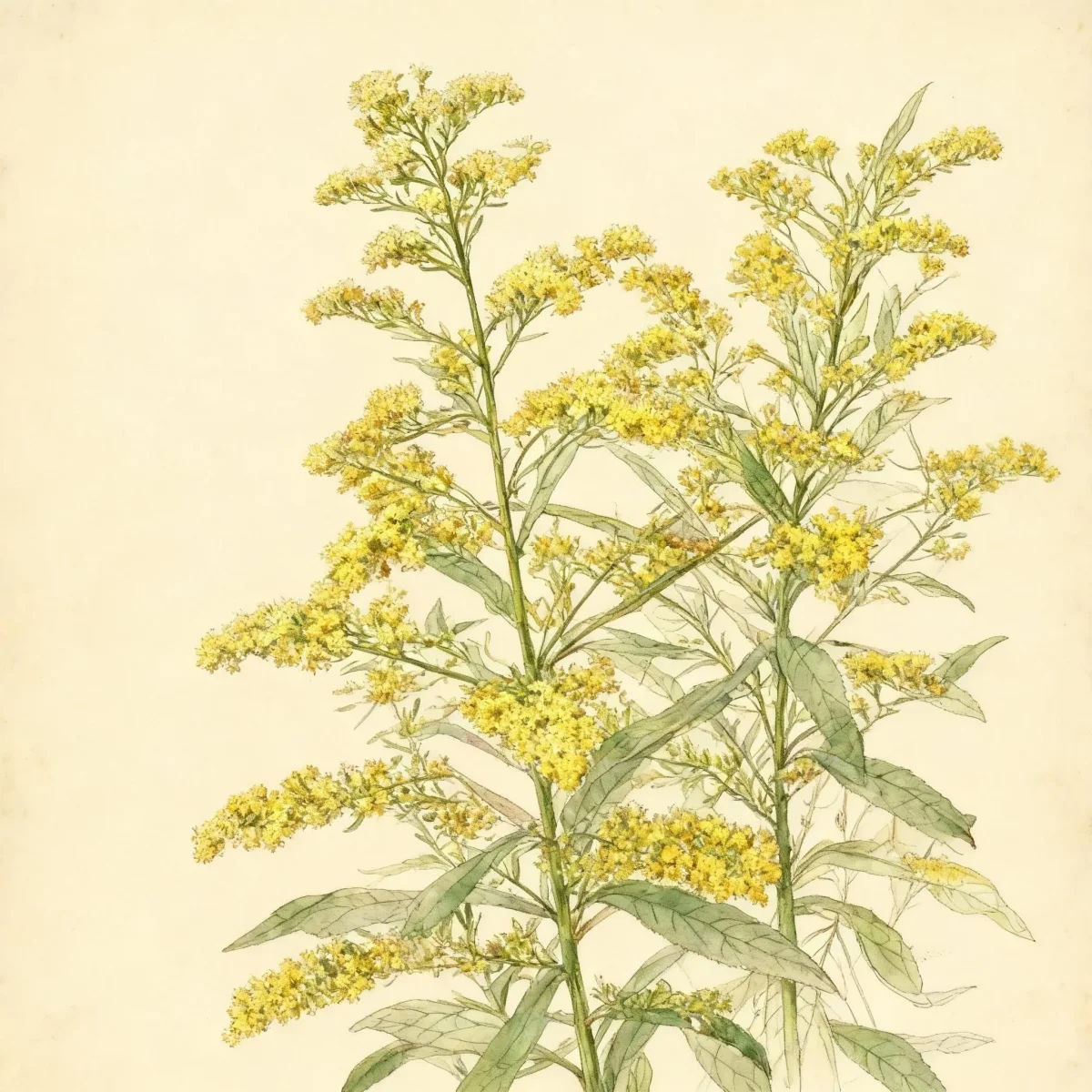
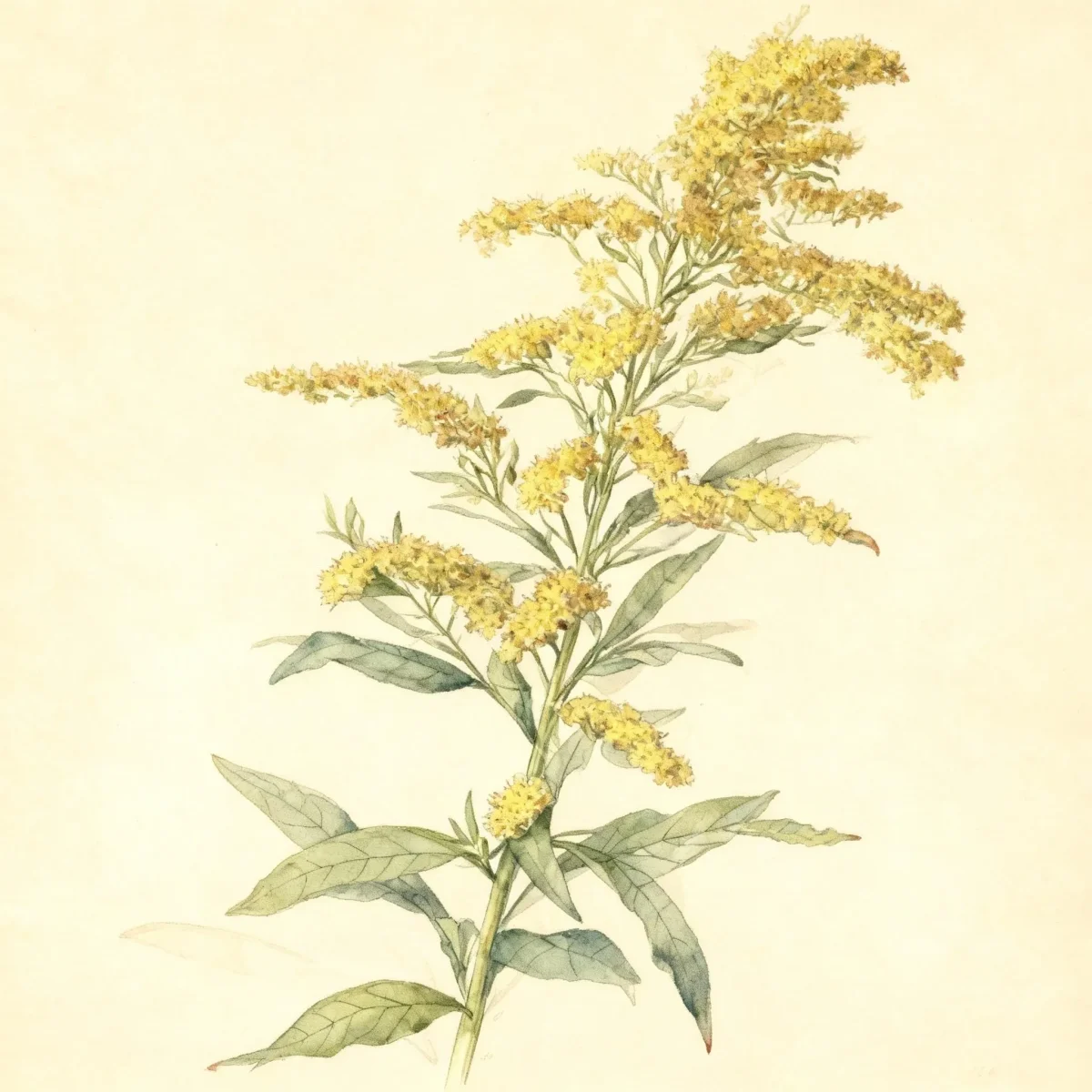
Goldenrod (Solidago 'Crown of Rays')
Solidago 'Crown of Rays' Goldenrod offers low-maintenance, bright yellow plumes ideal for late-season gardens and attracting pollinators.
Scroll down to discover growing tips, care requirements, companion plants, and more
Complete Plant Information
Overview
Solidago ‘Crown of Rays’ is a highly valuable herbaceous perennial known for providing vibrant color when many other plants begin to fade. This specific cultivar of Goldenrod produces dense, upright panicles of tiny, bright yellow flowers, offering significant aesthetic appeal late in the growing season. Gardeners value this plant not only for its attractive plume-like flowers but also for its resilience and excellent performance in mixed plantings.
As a North American native genus, Goldenrod, and specifically Solidago ‘Crown of Rays’, serves as a crucial late-season nectar source, making it highly attractive to bees and butterflies. It is surprisingly adaptable, thriving in difficult conditions where other perennials might struggle. This dependable late bloomer ensures the garden remains dynamic well into autumn without demanding excessive attention.
This cultivar is noted for its stiff, upright habit, ensuring it maintains a neat appearance throughout its long bloom period from mid-summer into fall. Despite past misconceptions regarding allergies, this Goldenrod is an essential component for sustainable, low-maintenance garden design, particularly in naturalized settings.
Fast Facts
- Plant Family: Asteraceae
- Plant Type: Herbaceous perennial
- Hardiness Zones: USDA Zones 4-8
- Size at Maturity:
- Height: 1.5-2 ft
- Spread: 1-1.5 ft
- Bloom Time: July to September
- Bloom Description: Yellow
- Sun Exposure: Full sun
- Water Needs: Dry to medium
- Maintenance Level: Low
How to Grow
The best time to establish Solidago ‘Crown of Rays’ is in the spring or fall, allowing it time to establish roots before periods of extreme heat or cold. Choose a location receiving full sun for the most robust flowering; while it tolerates light shade, performance will be diminished. This Goldenrod is easily grown in average, dry to medium, well-drained soils.
Once established, this perennial requires very little supplemental care. Watering should be kept to a dry to medium schedule; drought tolerance is excellent, making it suited for xeriscaping or drier garden corners. Fertilization is generally unnecessary, as heavy feeding often results in floppier growth. Ensure plants are spaced appropriately to allow the good air circulation that Solidago appreciates, which helps prevent potential fungal issues.
Maintenance is exceptionally low, fitting perfectly into naturalized areas or wild gardens. Pruning is minimal; spent flower stalks can be cut back in late fall or early spring before new growth begins. This easy-care nature ensures that Solidago ‘Crown of Rays’ remains a reliable anchor in the late summer perennial display.
Landscape Uses
Solidago ‘Crown of Rays’ is highly recommended for naturalizing areas, where its spreading habit and resilience can turn open spaces into vibrant late-season features. It integrates beautifully into wild gardens and meadows, creating drifts of cheerful yellow color against native grasses. It also offers significant contrast in the traditional perennial border, providing vertical interest during the transition from summer to fall.
Use this Goldenrod to achieve excellent color contrast against blues, purples, or deep reds found in asters or sedums blooming concurrently. Its low water needs mean it pairs well with other drought-tolerant selections. Because it is a good cut flower, consider planting patches closer to the cutting garden for easy harvest.
This plant excels where low maintenance is key. Avoid planting in rich, overly fertile soils, as this can compromise its naturally neat structure. Plant Solidago ‘Crown of Rays’ where its bright yellow plumes will catch the afternoon sun.
Standout Features
Flower Qualities
- Showy
- Good Cut
- Good Dried
Noteworthy Characteristics
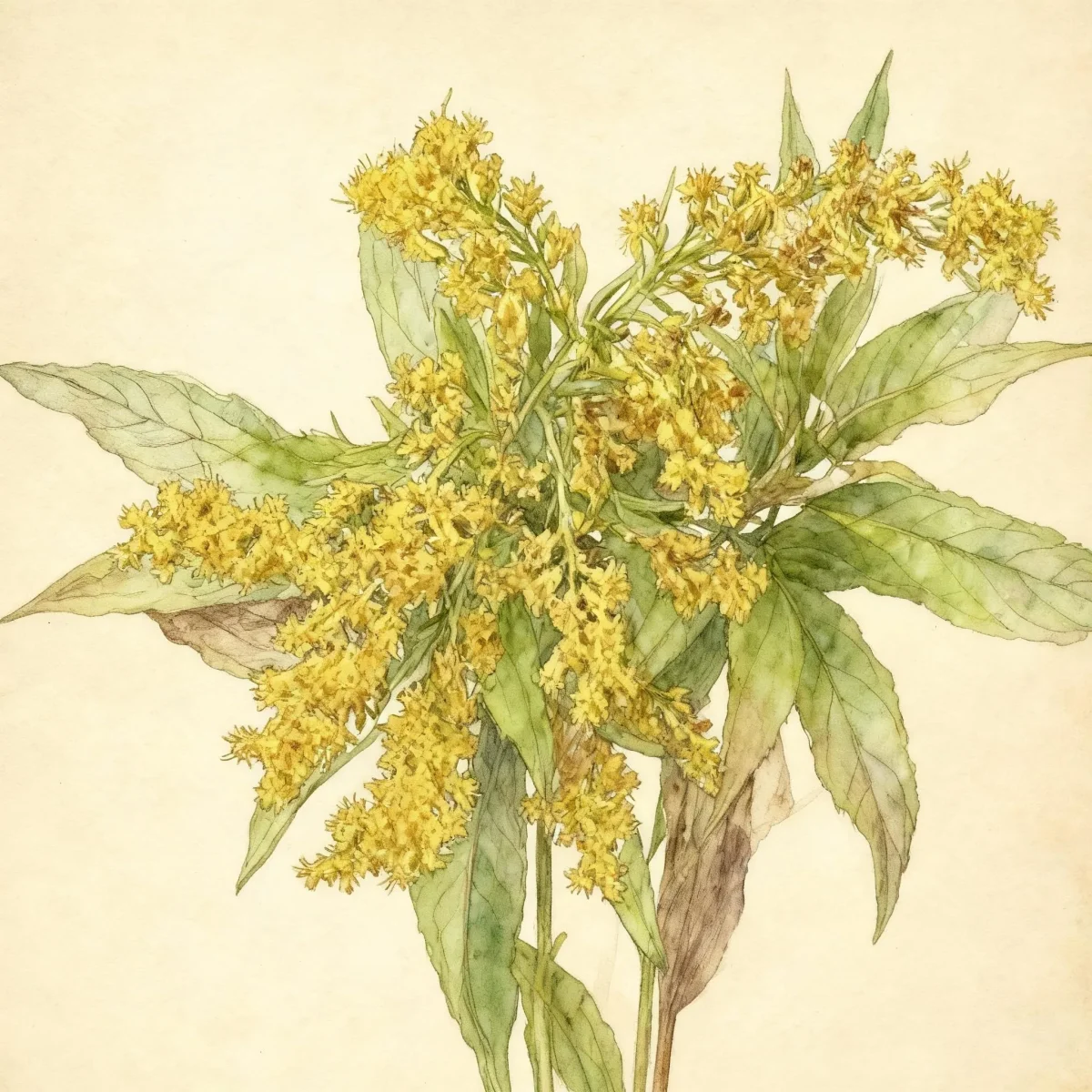
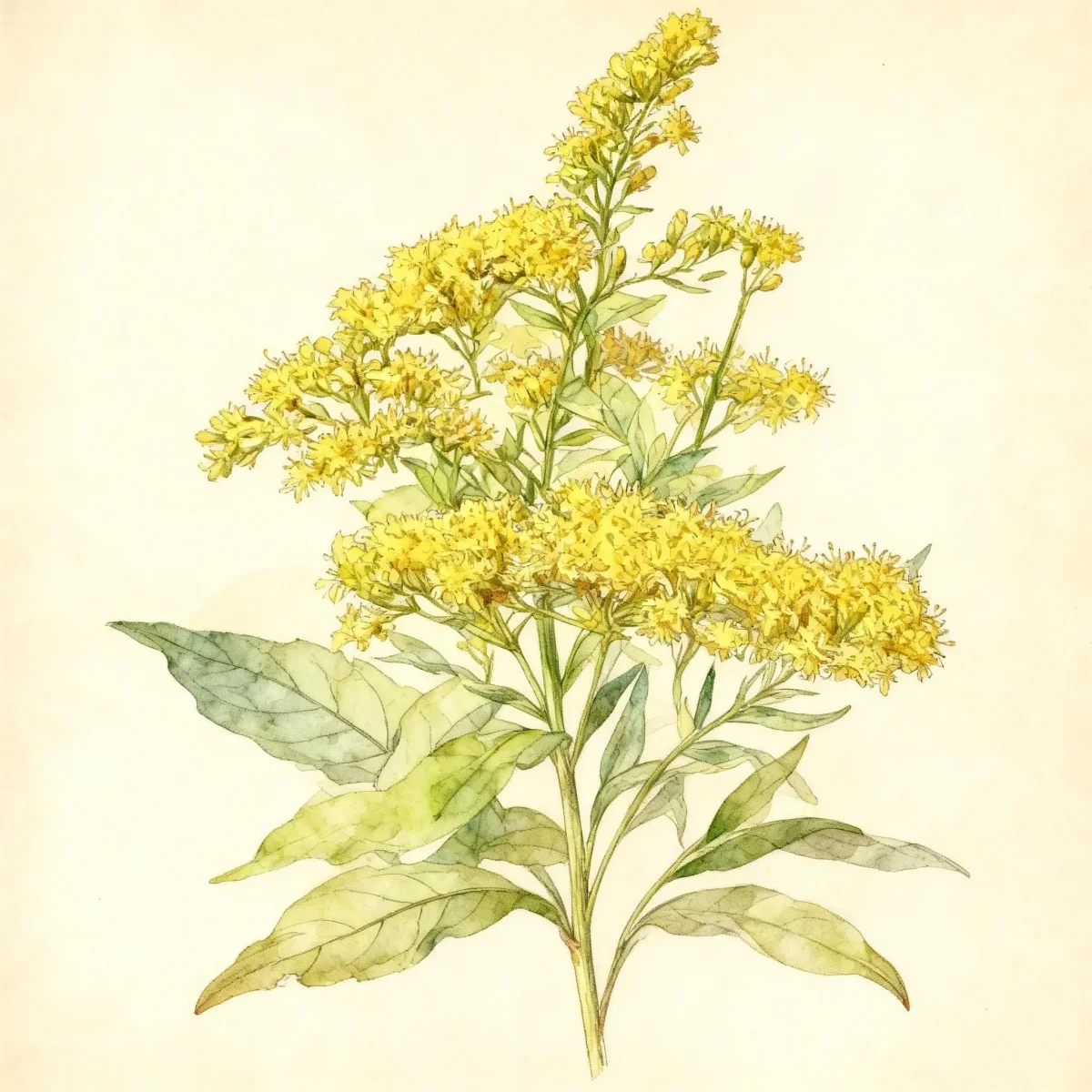
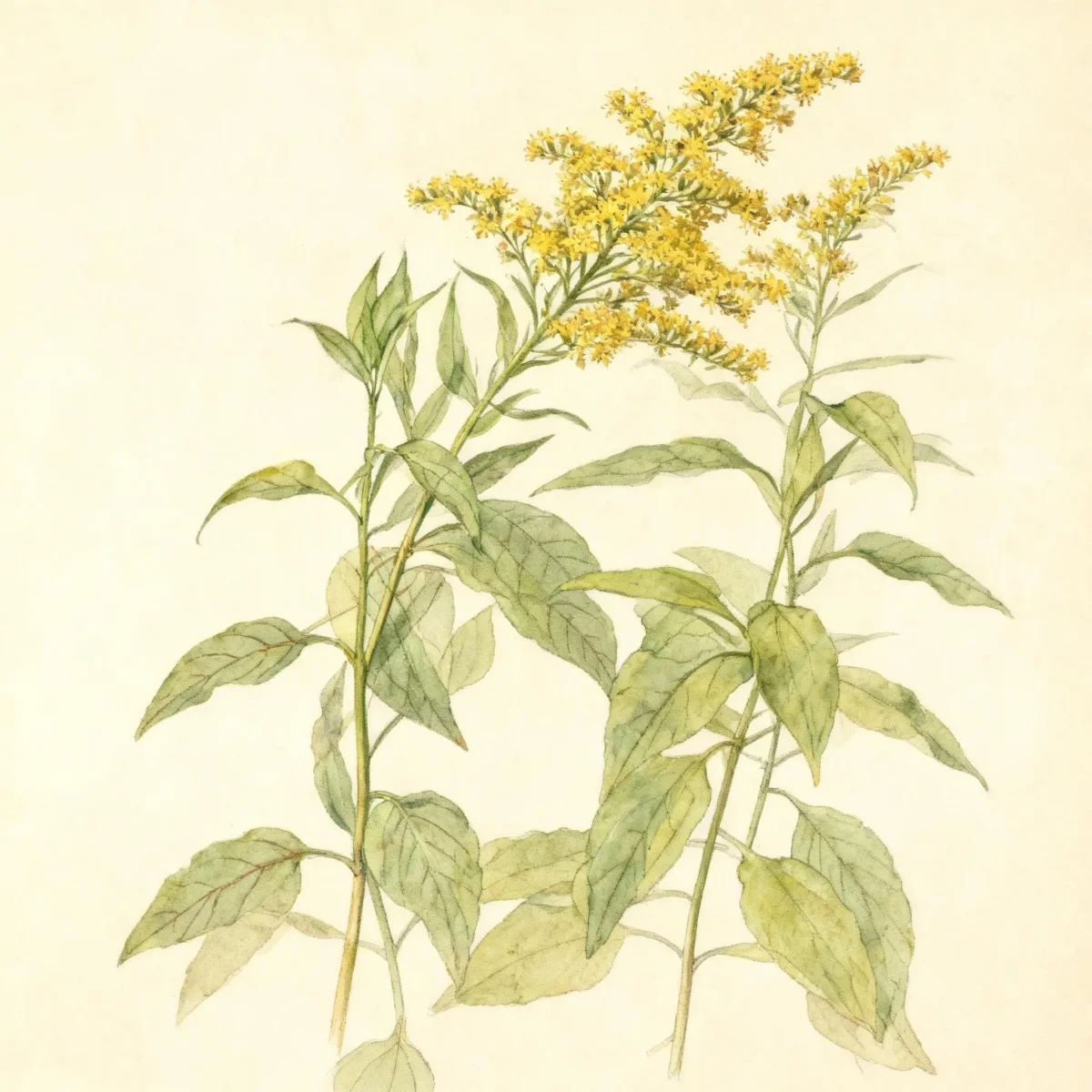
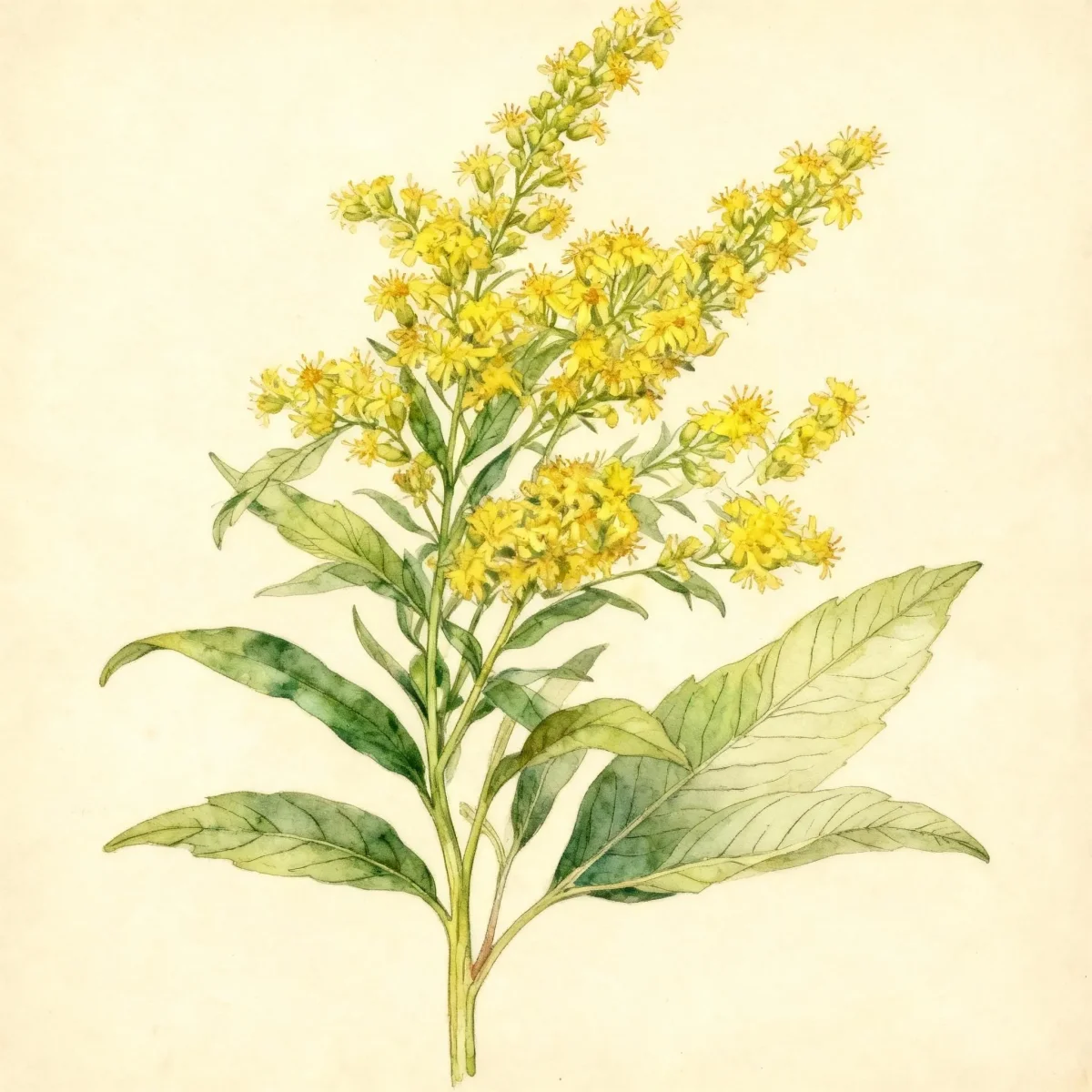
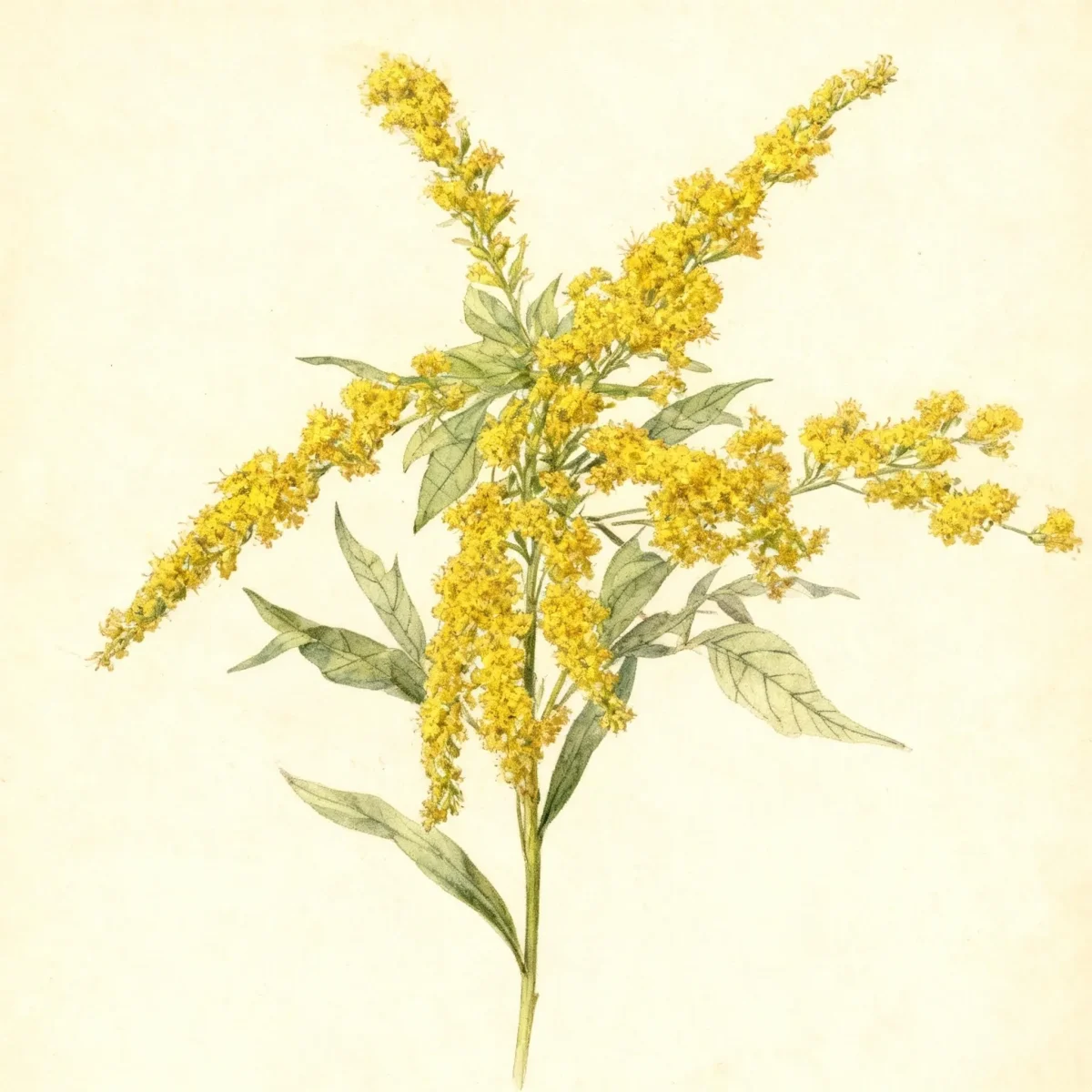
Solidago is a genus of about 100 species of perennials from mostly North America with a few species from South America and Eurasia. Commonly called goldenrod they are grown for their bright yellow or gold flowers. ‘Crown of Rays’ features tiny, bright yellow flowers borne in dense, horizontal, plume-like panicles on the ends of upright, stiff, alternate-leaved stems growing to 24” tall. This cultivar is also known as ‘Strahlenkrone’ and provides a long mid-summer to fall bloom period.
Tolerances
- Deer
- Drought
- Erosion
- Clay Soil
- Dry Soil
Potential Problems
Solidago ‘Crown of Rays’ generally boasts excellent resistance, showing no serious insect or disease problems under ideal cultural conditions. The primary concerns are typically fungal, specifically powdery mildew, which can sometimes appear if air circulation is poor, particularly late in the season. Rust may also occasionally occur on the foliage. To manage these issues, ensure proper spacing when planting to facilitate good airflow, and avoid overhead watering late in the day.
Frequently Asked Questions
What hardiness zones is Goldenrod suitable for?
This robust Goldenrod is reliably hardy across USDA Zones 4 through 8.
How large does Solidago ‘Crown of Rays’ grow?
It typically reaches a height between 1.5 and 2 feet tall, with a spread of 1 to 1.5 feet wide.
When does Goldenrod bloom?
Solidago ‘Crown of Rays’ provides a long display of yellow flowers starting in July and continuing through September.
What sun exposure does Solidago ‘Crown of Rays’ need?
For optimal performance, this plant requires full sun exposure.
Conclusion
Solidago ‘Crown of Rays’ is an indispensable, low-maintenance perennial, delivering unmatched late-season yellow color while supporting essential pollinator activity. Its tolerance for difficult soils makes this Goldenrod a practical choice for nearly any sunny spot in your landscape. Before planting, confirm that your local conditions fall within USDA Zones 4-8 and ensure the location provides ample sunlight.
Companion Planting
Companion planting around Solidago ‘Crown of Rays’ should focus on species that echo its late-season bloom time or offer contrasting foliage textures and colors. Pairing this Goldenrod with native asters (Symphyotrichum species) creates a classic late-summer tapestry, utilizing blue or purple tones to complement the bright yellow. Consider structural grasses, such as Little Bluestem, to provide a soft, vertical backdrop for the plumes.
Since Goldenrod prefers dry to medium soils, select companions that share similar drought tolerance once established. Avoid high-input water lovers or those requiring rich organic matter, as this can lead to inconsistent performance across the planting bed. Plants that bloom earlier in the summer can fade gracefully, leaving the structural presence of their foliage until the Solidago takes center stage.
Wildlife Benefits
The genus Solidago, commonly known as Goldenrod, is a keystone plant for late-season insect conservation. Solidago ‘Crown of Rays’ is highly attractive to a wide variety of native bees, honeybees, and late-migrating butterflies seeking nectar and pollen before winter dormancy. Unlike its neighbor Ragweed, which is wind-pollinated, Goldenrod relies on insect visitors, meaning its sticky, heavy pollen is safe for allergy sufferers.
Planting this densely flowering perennial ensures continuous foraging opportunities during the crucial weeks leading up to fall frosts. Integrating it into meadow settings maximizes its ecological benefit, offering wide swaths of sustenance. Even when the flowers are dried, the structure may still provide winter interest or cover for small beneficial insects.