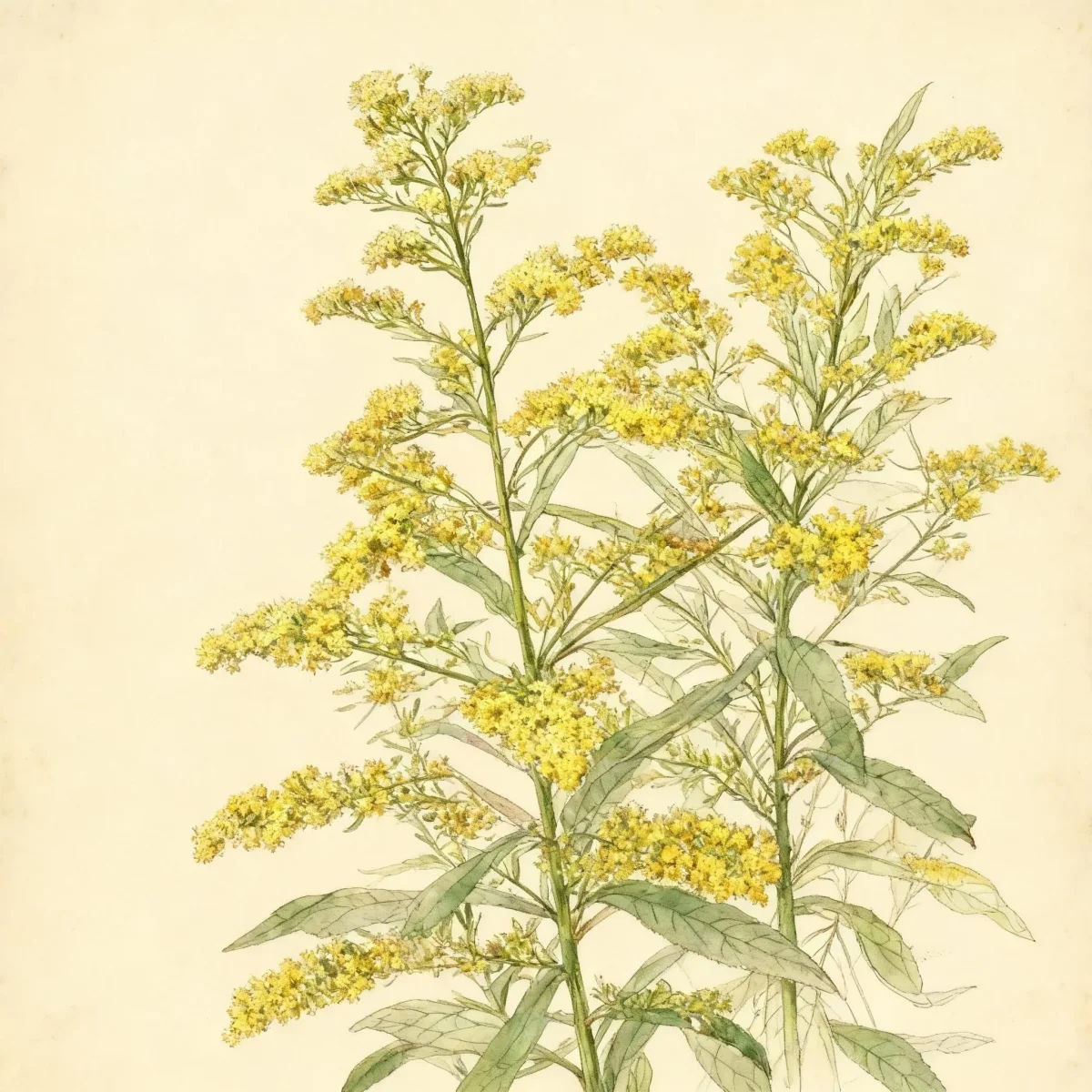
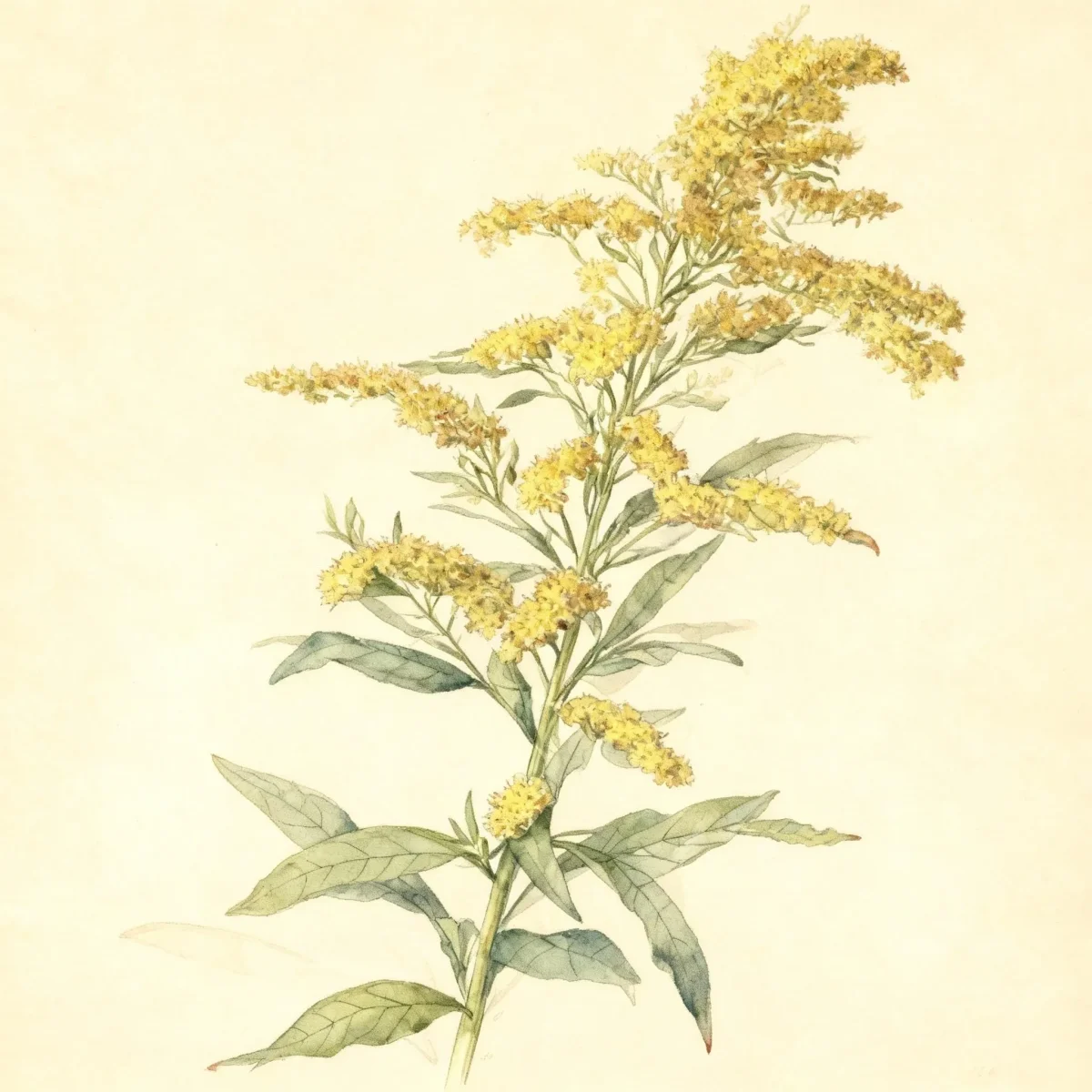
Goldenrod (Solidago sphacelata 'Golden Fleece')
Solidago sphacelata 'Golden Fleece' is compact Goldenrod with bright yellow blooms, perfect for low maintenance borders and pollinator gardens.
Scroll down to discover growing tips, care requirements, companion plants, and more
Complete Plant Information
Overview
The Solidago sphacelata ‘Golden Fleece’ cultivar offers gardeners a tidy alternative to the often sprawling native Goldenrod species. This herbaceous perennial provides critical late-season color, filling the garden with vibrant yellow blooms just as many summer flowers begin to fade. It is valued not only for its dense, plume-like flower heads but also for its manageable height and excellent toughness.
This variety is renowned for being more compact and better behaved than its wild counterparts, making the established Solidago sphacelata ‘Golden Fleece’ an ideal choice for perennial borders or mass plantings. As a low-maintenance powerhouse, this Goldenrod supports local ecosystems while demanding little in return once established in suitable sunny conditions. Wildlife enthusiasts will especially appreciate the rich late-summer nectar source provided by this reliable plant.
Fast Facts
- Plant Family: Asteraceae
- Plant Type: Herbaceous perennial
- Hardiness Zones: USDA Zones 4-8
- Size at Maturity:
- Height: 1-1.5 ft
- Spread: 1-1.5 ft
- Bloom Time: August to September
- Bloom Description: Yellow
- Sun Exposure: Full sun
- Water Needs: Dry to medium
- Maintenance Level: Low
How to Grow
Plant Solidago sphacelata ‘Golden Fleece’ during the spring or early fall, ensuring the chosen location provides full sun exposure for best blooming. It thrives easily in average, dry to medium, well-drained soils, though it tolerates poor, dry substrates exceptionally well—a true mark of resilient Goldenrod. While it prefers somewhat fertile soils, avoid overly rich conditions that may promote excessive vegetative growth at the expense of flowers.
Maintenance for this compact form is refreshingly low. Watering should be minimal once established; it handles drought conditions capably. No routine fertilizing is typically necessary, especially if planted in average garden soil. To maintain its manageable size and form, you can remove spent flower clusters (deadheading) before seeds ripen, which prevents unwanted self-seeding when you are naturalizing large drifts of Goldenrod.
While the species is known to spread aggressively via rhizomes, the ‘Golden Fleece’ cultivar is notably more controlled, making it safer for traditional borders. If plants begin to spread slightly more than desired, simple division in spring or fall can manage encroachment or start new colonies.
Landscape Uses
The reliability and late-season interest of this Goldenrod make it a staple for the autumn garden. Solidago sphacelata ‘Golden Fleece’ is highly recommended for massing, where its clumping habit creates a striking, low-growing ground cover effect with brilliant yellow plumes. It functions beautifully as an end-of-season anchor in mixed perennial borders, providing contrast to blues and purples of fall bloomers like Asters.
For wilder settings, this plant excels when naturalized in meadows or wild gardens alongside grasses, where its drought tolerance matches the typical conditions of those settings. Because the cultivar is more compact, it integrates well into rock gardens or even containers, unlike larger Goldenrod varieties. Its late bloom period ensures consistent interest when pollinator activity needs a boost before winter.
Standout Features
Flower Qualities
- Showy
Noteworthy Characteristics
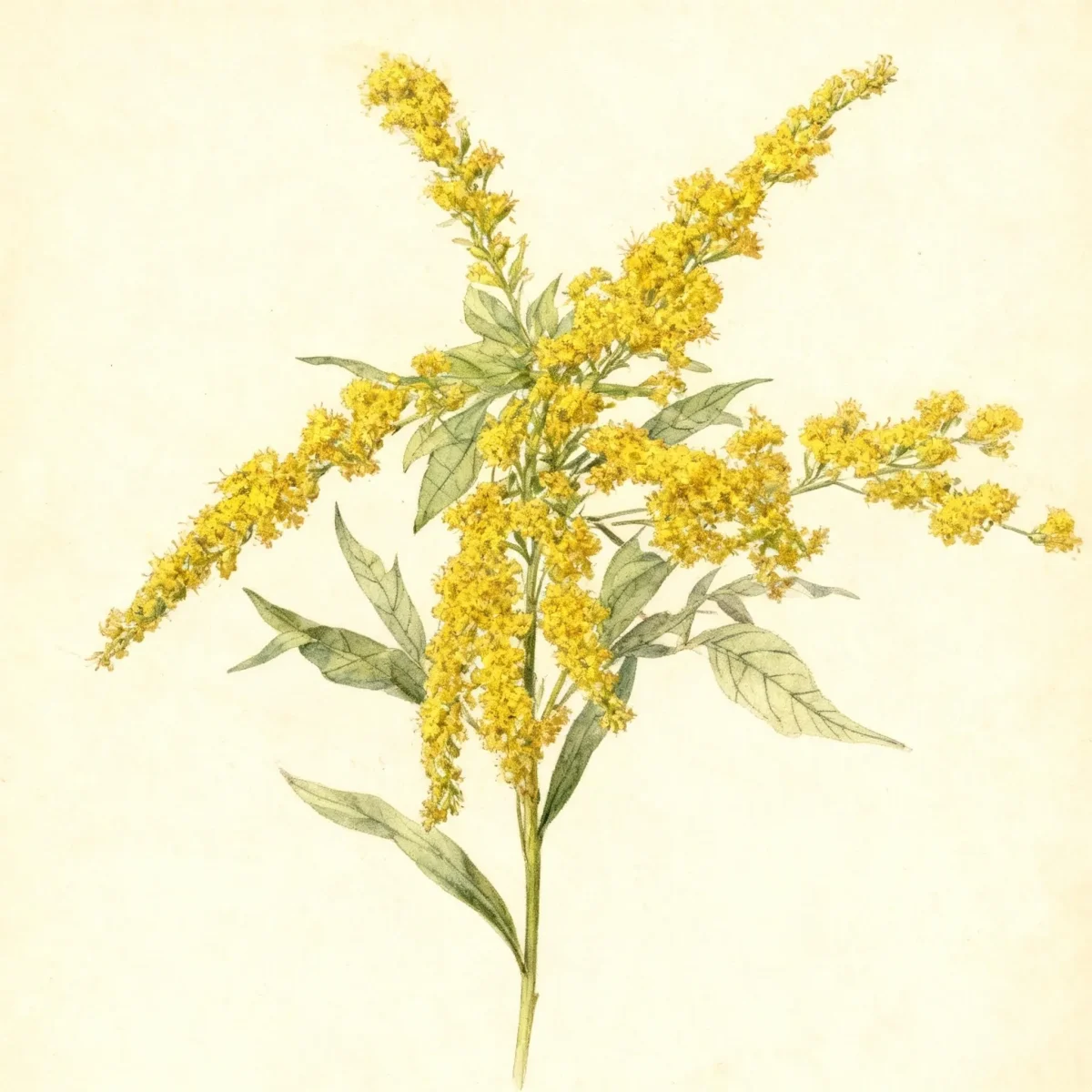
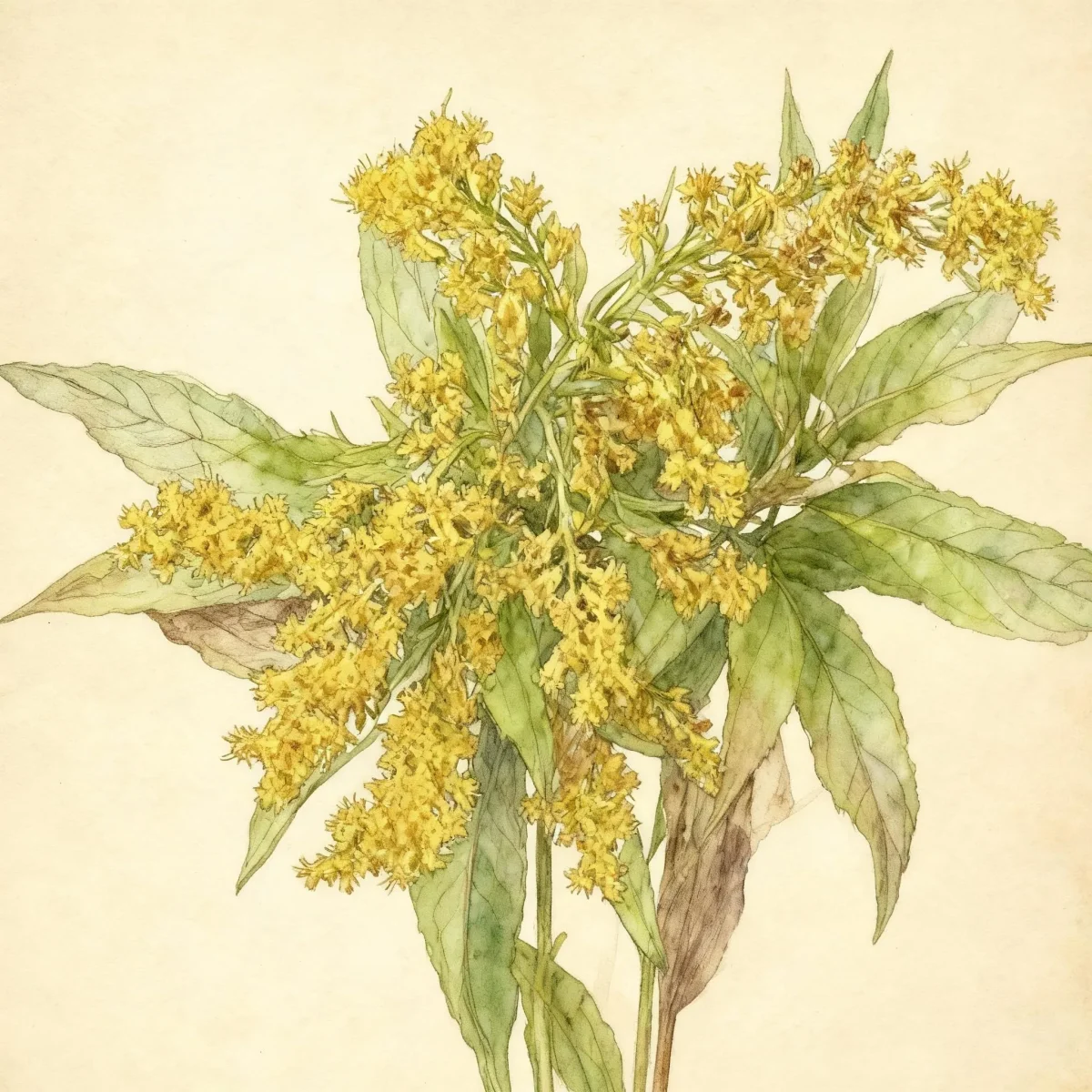
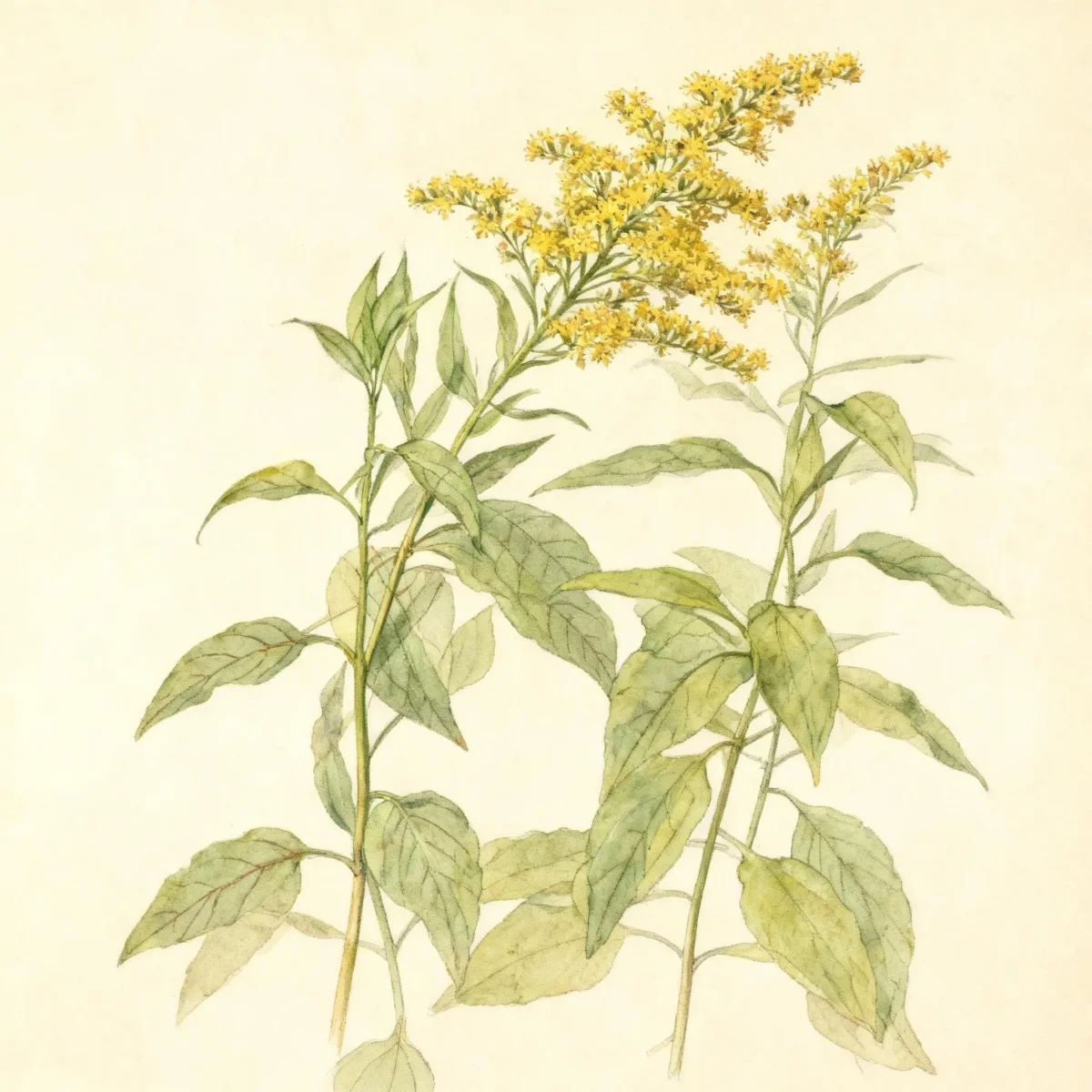
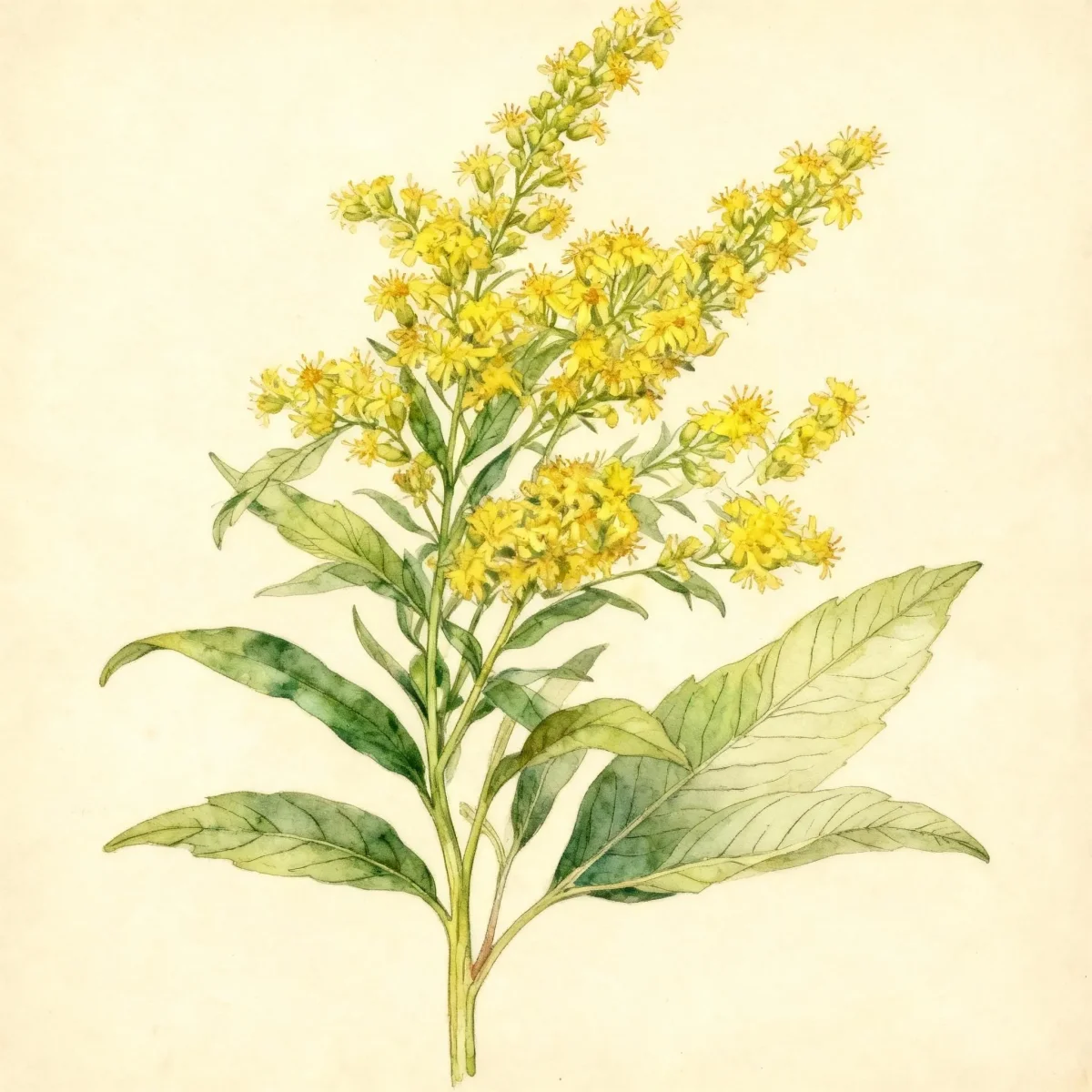
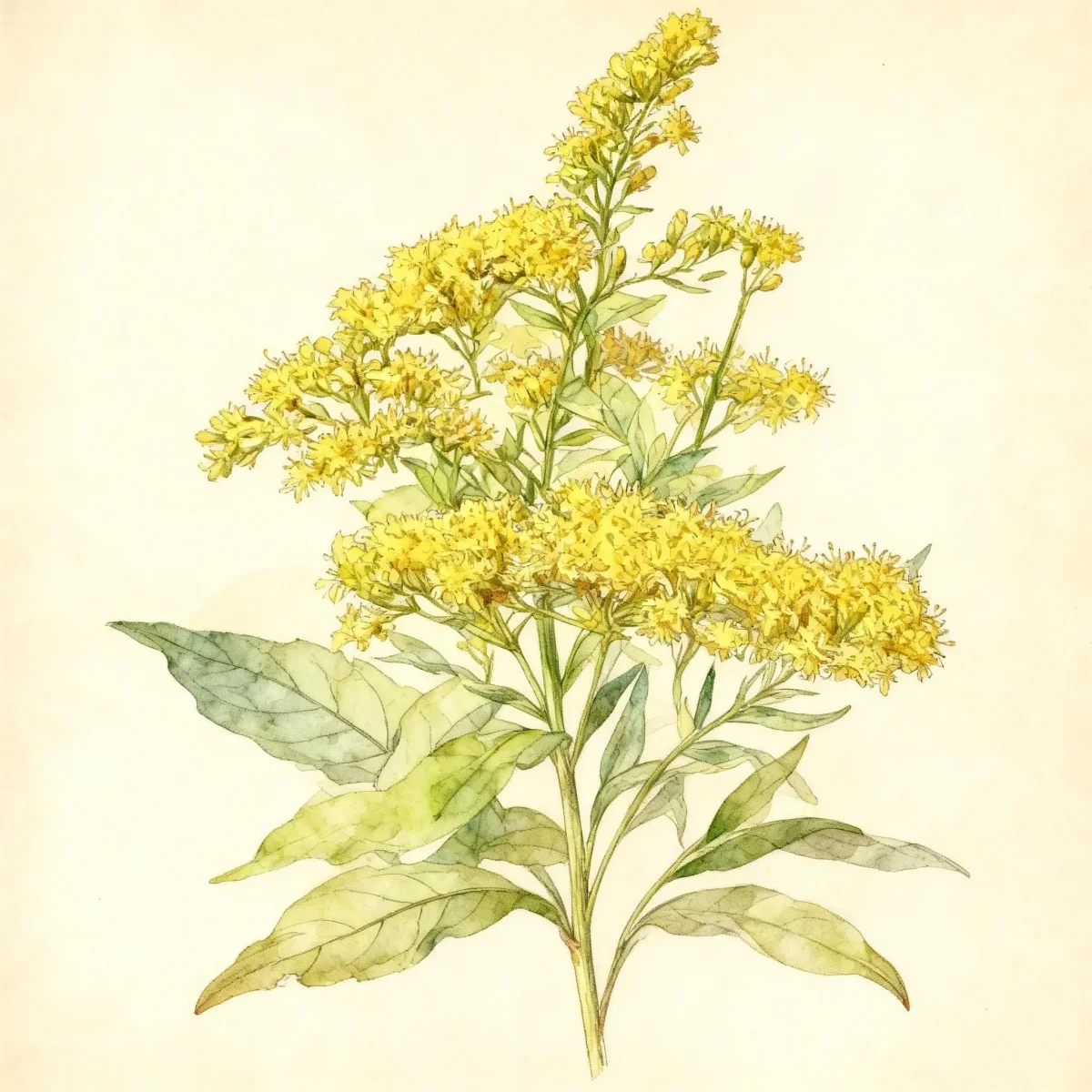
Solidago sphacelata, commonly known as short-pappus goldenrod or autumn goldenrod, is a rhizomatous, upright, herbaceous perennial that typically grows to 2-4’ tall on erect to arching, alternate-leaved stems. The cultivar ‘Golden Fleece’ was introduced after being discovered as a compact spontaneous seedling in North Carolina in 1985; it rises to only 15-18” tall and features small rounded leaves plus sprays of tiny golden yellow flowers which bloom late summer into early fall in dense plume-like panicles. Flowers are generally attractive to bees and butterflies, and this plant is noted as a good cut flower.
Tolerances
- Deer
- Drought
- Erosion
- Clay Soil
- Dry Soil
- Shallow-Rocky Soil
Potential Problems
This Goldenrod cultivar generally faces no serious insect or disease problems, contributing to its low-maintenance nature. Occasionally, leaf rust, powdery mildew, or leaf spot might appear, especially in areas with high humidity or poor air circulation. To mitigate these fungal issues, ensure good spacing between plants to allow air movement. Root rot is the primary concern if the soil remains excessively wet, so verify drainage before planting, especially when cultivating in heavy clay soil. While the species can be aggressive, this specific cultivar is generally less weedy, though monitoring its spread via rhizomes remains wise in very rich garden soil.
Frequently Asked Questions
What hardiness zones is Goldenrod suitable for?
This cultivar is reliably hardy in USDA Zones 4 through 8.
How large does Solidago sphacelata ‘Golden Fleece’ grow?
Expect this compact variety to reach a height between 1 and 1.5 feet, with a similar spread of 1 to 1.5 feet.
What sun exposure does Solidago sphacelata ‘Golden Fleece’ need?
For the most robust growth and best yellow blooms, this plant requires a location receiving full sun.
When does Goldenrod bloom?
This late-season perennial provides color from August into September with masses of bright yellow flowers.
Conclusion
The inclusion of Solidago sphacelata ‘Golden Fleece’ in your landscape guarantees vibrant, low-effort color during late summer and fall. Its compactness solves many common space concerns associated with traditional Goldenrod, offering an excellent yellow display for borders and pollinator gardens alike. Before planting, confirm your site receives full sun and has the necessary dry to medium moisture conditions for this exceptionally adaptable perennial.
Companion Planting
Given its cultural preferences for full sun and drier soil, Goldenrod pairs exceptionally well with other drought-tolerant, sun-loving perennials that peak later in the season. Consider planting alongside late-blooming native Asters (Symphyotrichum species) for a classic late-season tapestry of blue and yellow contrast. Its manageable height also makes it suitable as a mid-border anchor against taller ornamental grasses like Switchgrass (Panicum virgatum), which share its preference for minimal supplemental water once established.
Wildlife Benefits
The late-season bloom time of Solidago sphacelata ‘Golden Fleece’ is perhaps its greatest ecological contribution. As many summer nectar sources disappear, these bright yellow flowers provide crucial fuel for foraging bees, monarch butterflies preparing for migration, and other essential late-season pollinators. Planting large masses ensures a reliable foraging patch during the critical autumn months, establishing this Goldenrod as a key component of any designated pollinator garden.