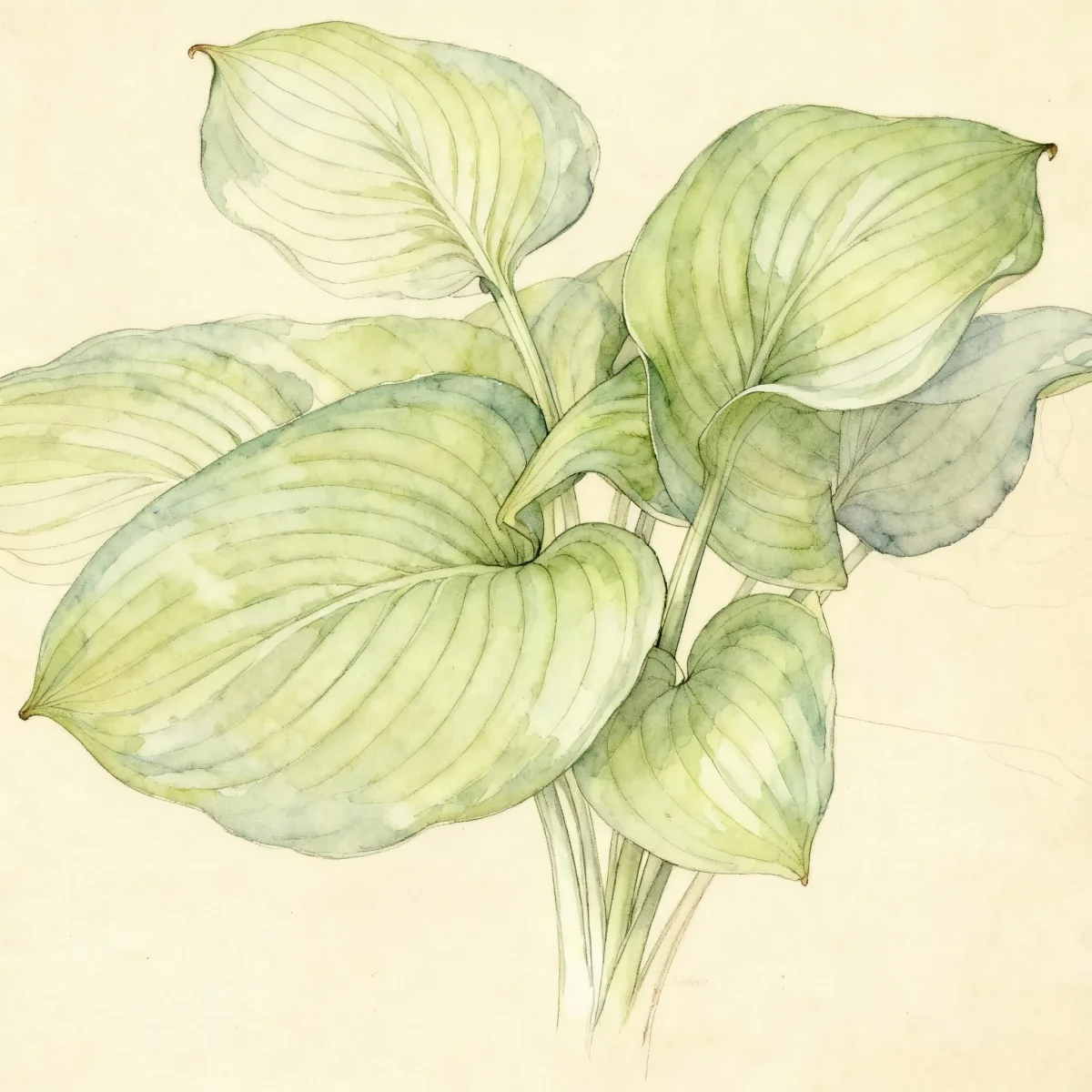
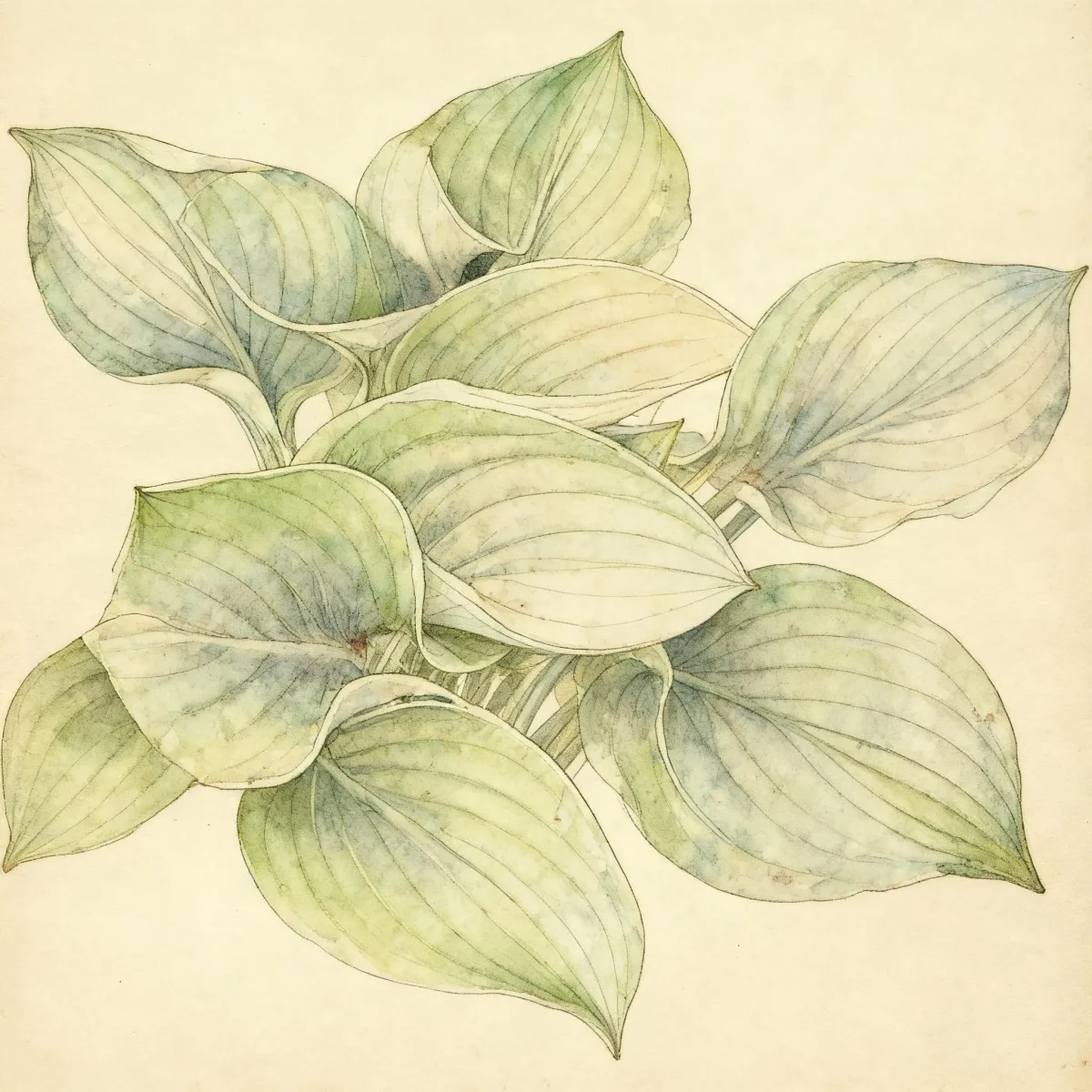
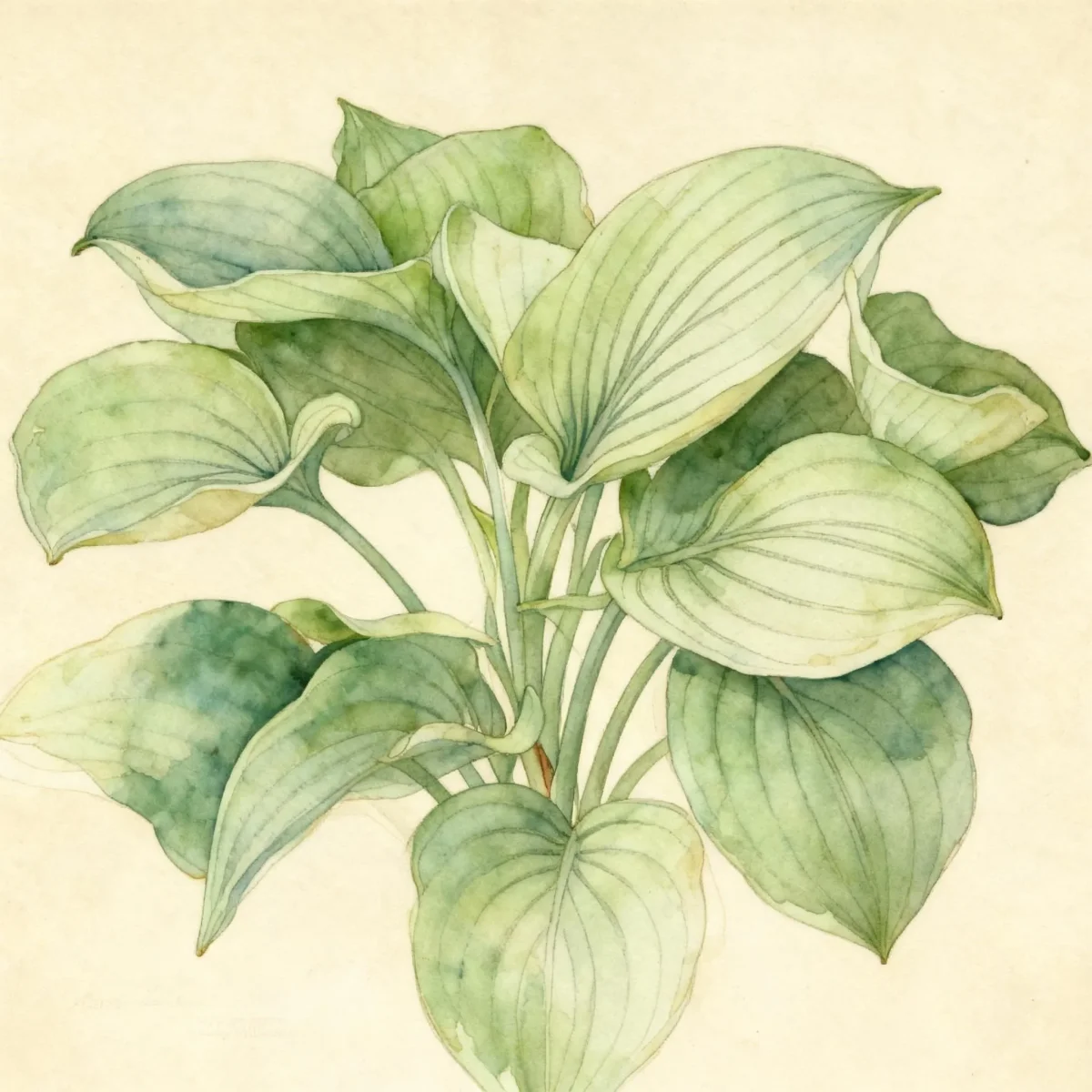
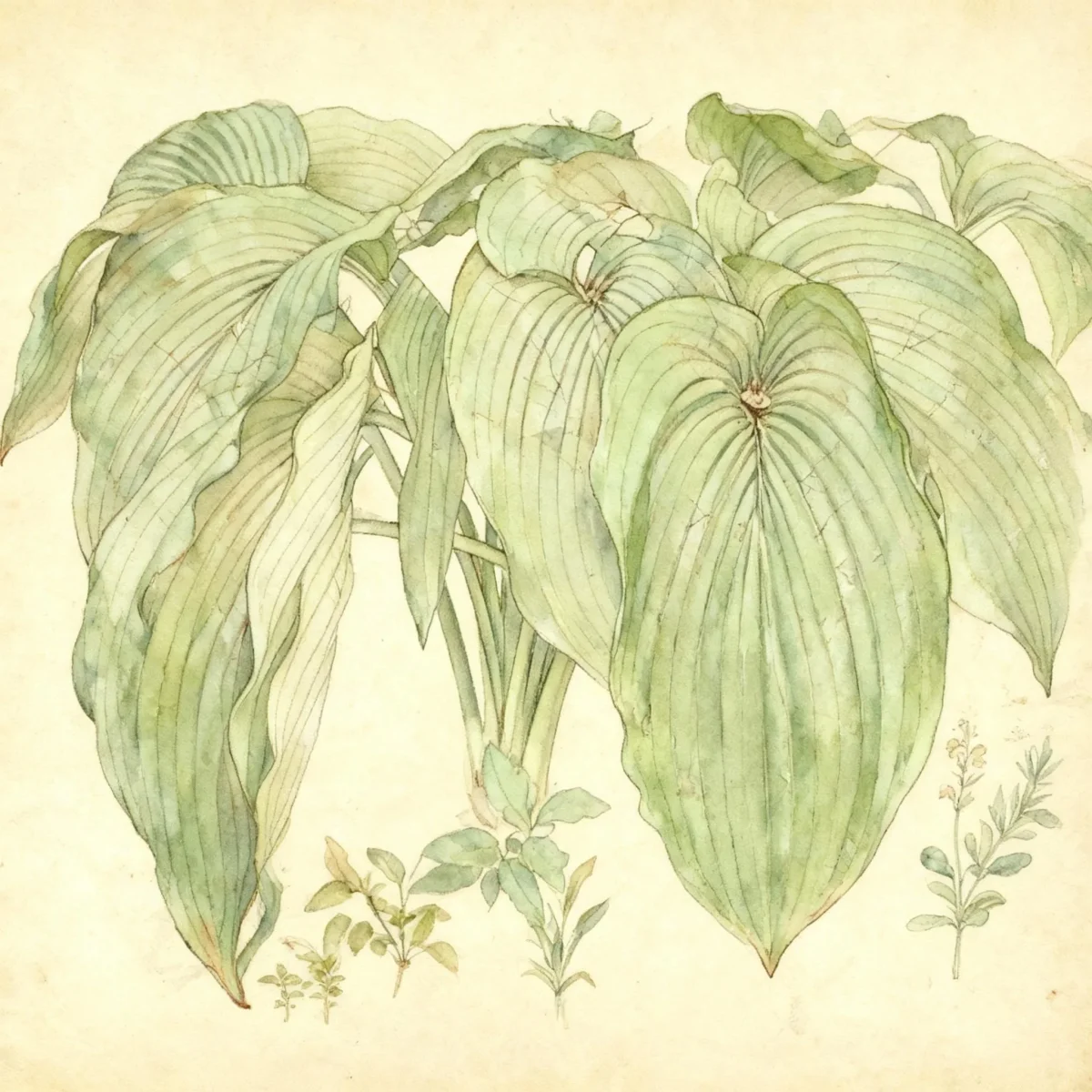
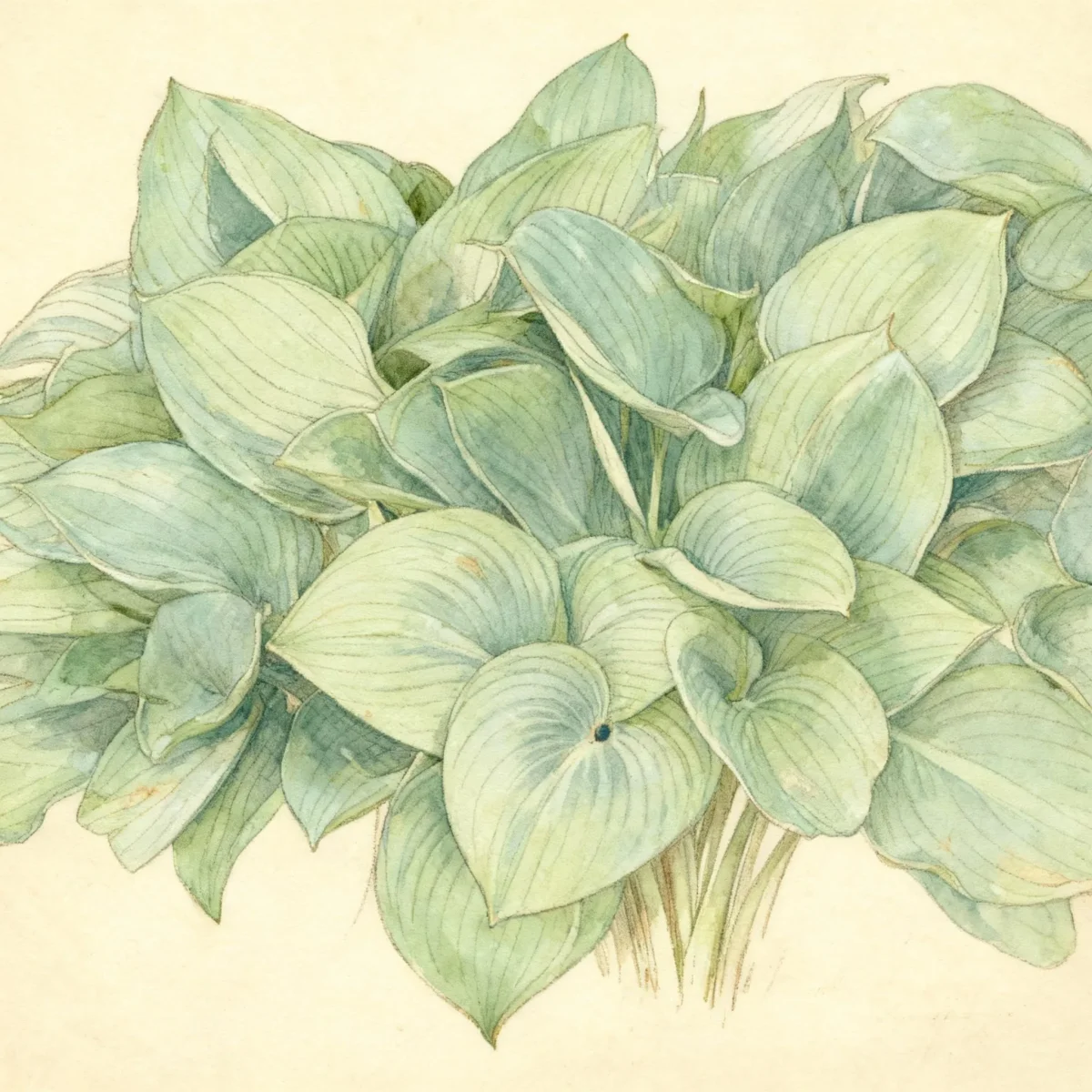
Hosta (Hosta 'Little Sunspot')
Hosta 'Little Sunspot' is a low-maintenance perennial prized for its variegated foliage. Thrives in shade zones 3-8.
Scroll down to discover growing tips, care requirements, companion plants, and more
Complete Plant Information
Overview
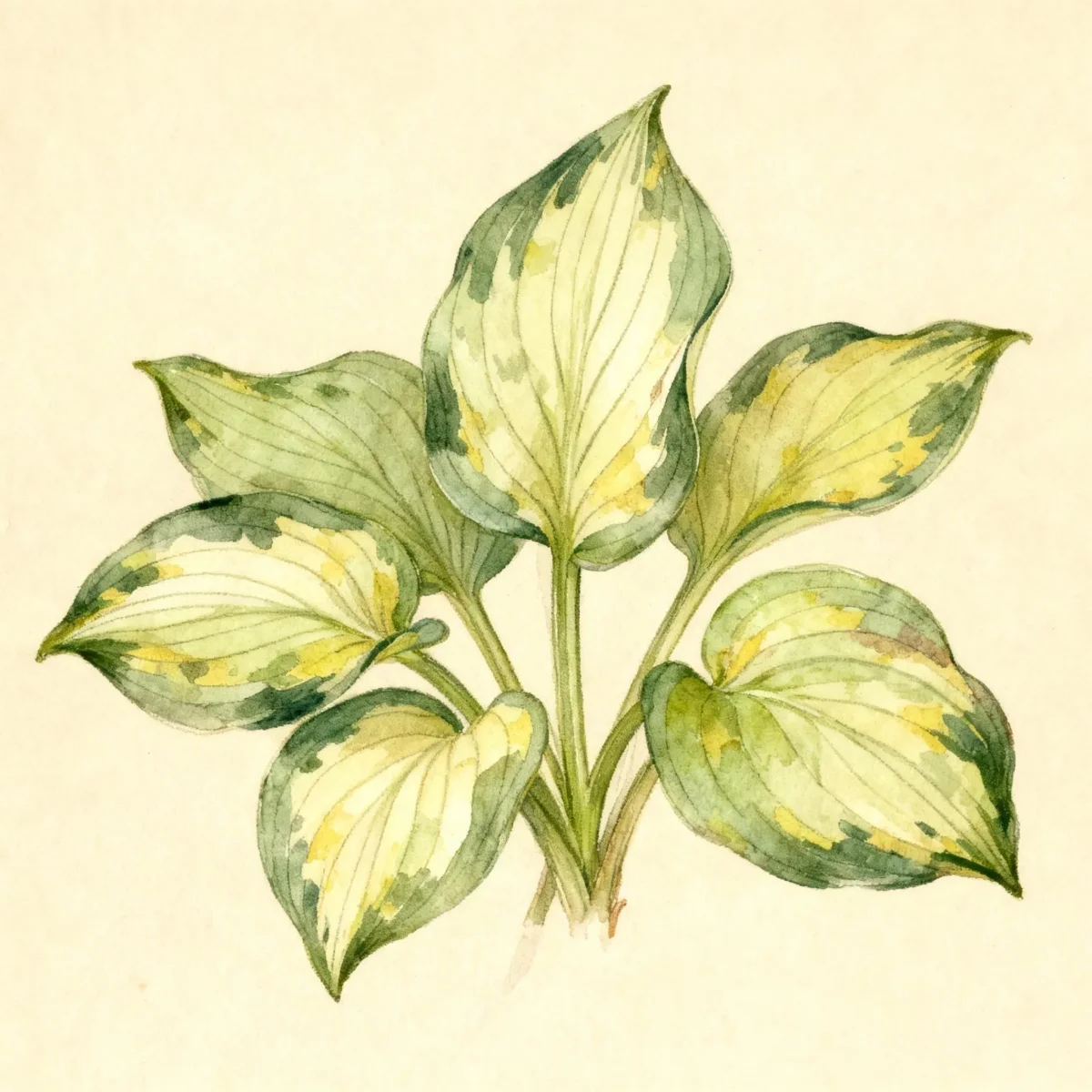
Hosta ‘Little Sunspot’ offers remarkable ornamental value, primarily due to its dense, variegated, heart-shaped foliage that catches available light beautifully in shady landscapes. This specific cultivar forms a neat mound, typically reaching only about a foot wide, making it an excellent choice where space is limited but texture is desired. As a member of the Hosta genus, this herbaceous perennial is celebrated globally for its reliability and ease of care.
Gardeners appreciate the hardiness and adaptability of Hosta ‘Little Sunspot’, which performs reliably across a wide range of cool to moderate climates. While the flowers are an attractive bonus, the main draw remains the foliage—a compact specimen that defines shade borders and woodland edges with minimal fuss. Its low maintenance needs ensure that this Hosta remains a staple for both novice and seasoned gardeners seeking reliable structure beneath mature trees.
Fast Facts
- Plant Family: Asparagaceae
- Plant Type: Herbaceous perennial
- Hardiness Zones: USDA Zones 3-8
- Size at Maturity:
- Height: 0.5-1 ft
- Spread: 0.75-1 ft
- Bloom Time: June to July
- Bloom Description: White tinged with pale lavender venation
- Sun Exposure: Part shade to full shade
- Water Needs: Medium
- Maintenance Level: Low
How to Grow
Plant Hosta ‘Little Sunspot’ in the spring or fall, ensuring the soil is organically rich and well-drained. While they tolerate heavy shade, the best color saturation and quality form are achieved when positioned where they receive some gentle morning sun or dappled light throughout the day. Avoid exposing them to harsh midday heat, which can scorch the leaves of many Hosta varieties.
Maintain consistently moist soil conditions; though established clumps, especially those with thicker leaves like this variety, can manage some dry shade, allowing the soil to dry out completely will compromise their full size and vigor. Water deeply and apply moisture directly to the soil beneath the foliage canopy rather than overhead to help minimize the risk of fungal issues. Hostas are generally low maintenance, requiring little intervention beyond initial placement.
To maximize the lifespan and spread of your planting, divide Hosta ‘Little Sunspot’ clumps in early spring before the new leaves completely unfurl, or in autumn. Ensure the location is somewhat sheltered from strong winds, as whipping action can physically damage the attractive leaves. Overall, proper soil preparation and consistent moisture management are the keys to gardening success with this shade perennial.
Landscape Uses
Hostas are the undisputed mainstay of effective shade garden design. Hosta ‘Little Sunspot’, with its tidy size and distinct foliage, works perfectly to create defined edges or to fill medium-sized gaps beneath deciduous trees where lawn grasses struggle. They are highly effective when massed together, creating a restful, uniform carpet of texture.
Beyond simple borders, this cultivar serves well as a low background plant when paired with taller, finer-textured ferns or as a contrast to broad-leafed groundcovers. Consider using Hosta ‘Little Sunspot’ in shady containers near entryways where its form can be appreciated up close without requiring the plant to aggressively compete for root space. Their excellence lies in their foliage, providing year-round structural interest even when flowers are not present.
Standout Features
Flower Qualities
- Showy
Noteworthy Characteristics
The Hosta genus comprises about 70 species primarily grown for their stunning ornamental foliage, which rises from a central rhizomatous crown to form a rounded mound. ‘Little Sunspot’ itself is a sport of Hosta ‘Little Aurora’, presenting a compact 6-inch tall by 12-inch wide mound featuring heart-shaped leaves with bright yellow centers bordered by green margins. Summer brings terminal racemes of bell-shaped flowers, white but delicately tinged with pale lavender venation, rising above the foliage display.
Tolerances
- Heavy Shade
- Black Walnut
Potential Problems
The primary antagonists for Hosta foliage are slugs and snails, which are highly attracted to the leaves and can quickly chew unsightly, jagged holes. Inspect the undersides of leaves and the soil surface regularly, especially during damp periods, and employ appropriate organic baits or physical barriers to manage these pests promptly before significant damage accumulates.
Foliar nematodes are another potential threat, causing interveinal browning on the leaves, although less common than pest damage. Fungal issues like leaf spot and crown rot can occur if drainage is poor or overhead watering is excessive; always aim to water the base of the plant. Additionally, deer and rabbits often find Hosta leaves a favored meal, sometimes consuming entire plants voraciously, so protection may be necessary in high-wildlife areas.
Frequently Asked Questions
What hardiness zones is Hosta ‘Little Sunspot’ suitable for?
Hosta ‘Little Sunspot’ is hardy and performs well in USDA Zones 3 through 8.
How large does Hosta ‘Little Sunspot’ grow?
This cultivar typically reaches a mature height between 0.5 and 1 foot tall and spreads to a width of 0.75 to 1 foot wide.
What sun exposure does Hosta ‘Little Sunspot’ need?
It thrives best in part shade, though it can tolerate full shade conditions. The best foliage quality is achieved with some protection from intense afternoon sun.
When does Hosta ‘Little Sunspot’ bloom?
The flowering period for this Hosta is generally from June to July, featuring white flowers subtly striped with pale lavender venation.
Conclusion
Hosta ‘Little Sunspot’ remains an invaluable component for any shaded garden area, lending reliable texture and reliable, low-maintenance structure throughout the growing season. Its neat, variegated mounds ensure that the beauty of the Hosta genus is accessible even in smaller spaces. Assess your site conditions, particularly moisture levels and sun intensity, to ensure this wonderful Hosta finds its perfect cool, shady spot this planting season.
Companion Planting
When designing a cool, moist, shady border, pair Hosta ‘Little Sunspot’ with plants that offer textural contrast. Ferns, such as Japanese Painted Ferns or Autumn Ferns, offer airy, fine foliage that complements the broad leaves of the Hosta perfectly. For color contrast in early spring, consider planting spring ephemeral bulbs like Bloodroot (Sanguinaria) or Squill (Scilla) around the base; they will bloom before the Hosta fills in completely, disappearing as the perennial matures.
Another excellent pairing involves shade-loving groundcovers that do not aggressively compete with the Hosta roots, such as Creeping Jenny or Ajuga cultivars. These companions help shade the soil around the Hosta crown, which in turn helps maintain the consistent moisture levels that Hosta ‘Little Sunspot’ prefers, while suppressing weeds that might otherwise detract from the clean look of the mound.
Seasonal Care Calendar
Early Spring: This is the ideal time for dividing mature clumps of Hosta ‘Little Sunspot’ if overcrowding occurs; cut back any remaining tattered foliage from the previous year just as new shoots begin to emerge. Apply a balanced, slow-release fertilizer if your soil is lean, spreading it lightly around the base.
Late Spring/Early Summer: Focus on checking for early pest activity, particularly slugs emerging with the warmth. Ensure new plantings are receiving adequate, consistent moisture as they establish their root systems and begin active leaf expansion.
Late Summer/Autumn: Reduce watering slightly as the plant naturally slows its growth cycle, though never allow the soil to become bone dry, especially if you are in a warmer zone. Once the foliage yellows significantly in the fall, it can be trimmed back, preparing the area for winter dormancy.