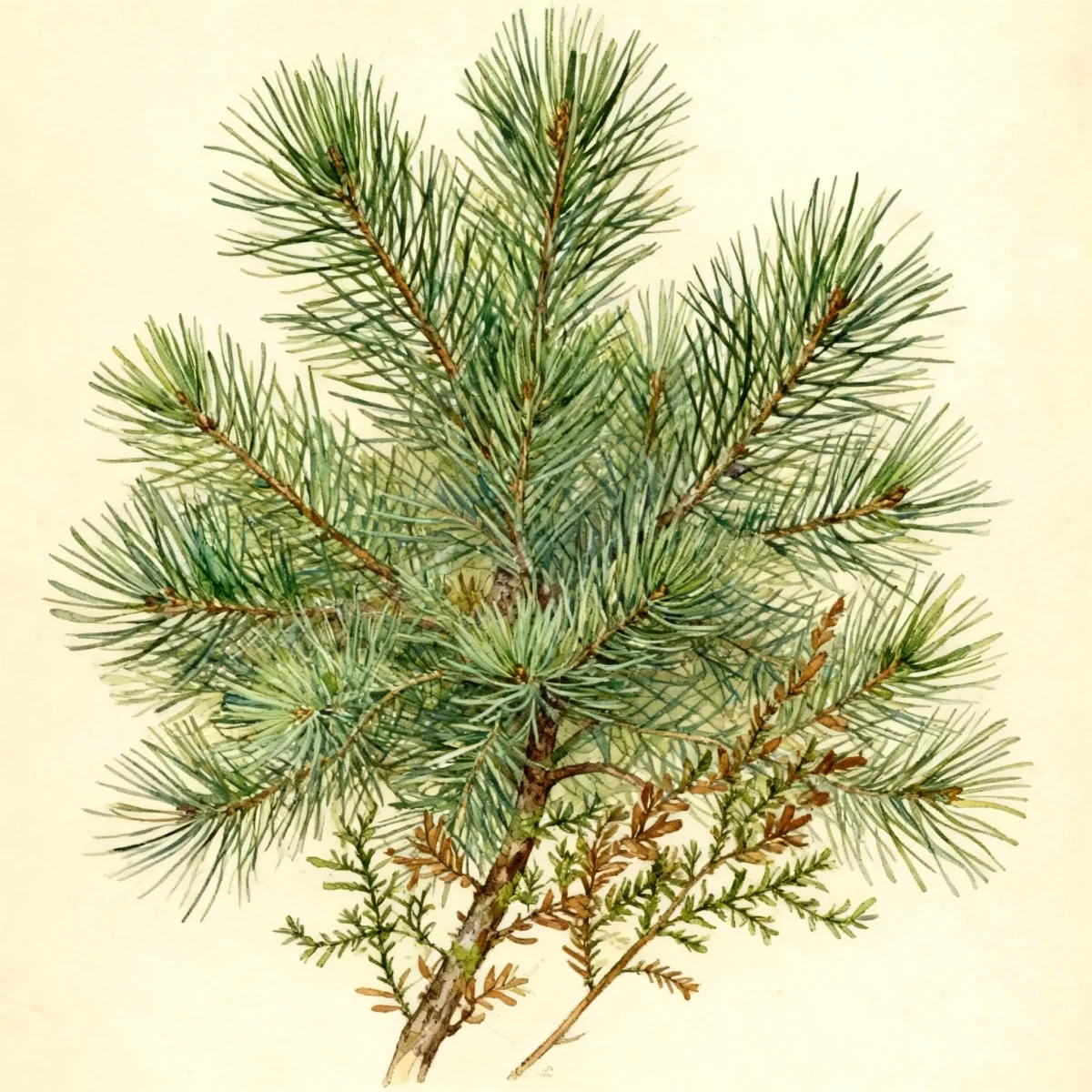
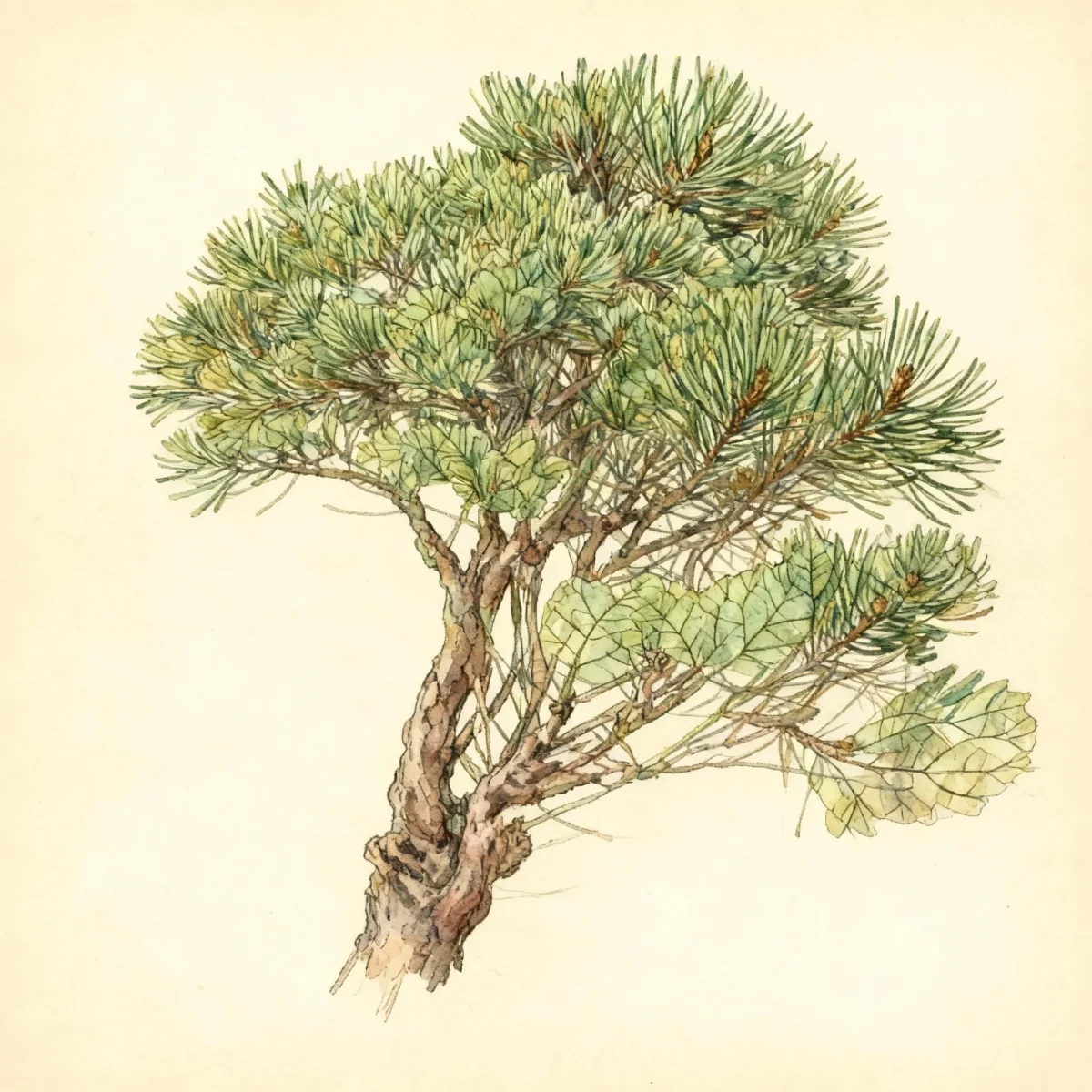
Scotch pine (Pinus sylvestris 'Loose Park')
Pinus sylvestris 'Loose Park' is a low-maintenance, needled evergreen Scotch pine known for its attractive blue-green needles and upright, mounded form.
Scroll down to discover growing tips, care requirements, companion plants, and more

Complete Plant Information
Overview
Pinus sylvestris ‘Loose Park’, a desirable cultivar of the widespread Scotch pine, offers gardeners a compact, dense form perfect for smaller landscapes where the full-sized species might overwhelm. This needled evergreen maintains an upright, mounded habit, distinguishing itself with attractive, dense branching and striking blue-green needles. It provides excellent year-round structure and color, requiring relatively low maintenance once established.
The parent species, Pinus sylvestris, is valued globally, but the ‘Loose Park’ cultivar offers similar visual appeal in a manageable size, typically maturing around 8 feet tall and wide. Its resilience, especially regarding soil tolerance, makes it a useful anchor plant in urban or challenging garden environments.
Gardeners seeking reliable evergreen interest will appreciate the year-round structure provided by this unique Scotch pine selection. While the species is widespread, Pinus sylvestris ‘Loose Park’ provides a contained visual interest with its dense branching pattern, making it a standout choice for specimen planting.
Fast Facts
- Plant Family: Pinaceae
- Plant Type: Needled evergreen
- Hardiness Zones: USDA Zones 3-7
- Size at Maturity:
- Height: 5-8 ft
- Spread: 5-8 ft
- Bloom Time: Non-flowering
- Bloom Description: Non-flowering
- Sun Exposure: Full sun
- Water Needs: Medium
- Maintenance Level: Low
How to Grow
Planting Pinus sylvestris ‘Loose Park’ should ideally occur in the spring or fall when soil temperatures are moderate, allowing the roots to establish before extreme summer heat or winter cold. Select a location that guarantees full sun exposure, as insufficient light can negatively affect needle density and overall habit. This pine thrives in moist, acidic, and well-drained soils.
While it exhibits tolerance for various soil types, including poorer media, ensuring excellent drainage is paramount to prevent root issues. The Scotch pine generally prefers cooler climates; gardeners within the warmer limits of Zones 6 and 7 should be mindful that prolonged heat and high humidity can stress the plant.
Watering should be consistent, categorizing its needs as medium. Water deeply during prolonged dry spells, especially in the first two years after planting. Pruning is generally minimal for this cultivar due to its inherently mounded shape, but corrective pruning to remove errant branches can be done in late winter before new growth begins. Plants are generally tolerant of urban conditions, offering good adaptability.
Landscape Uses
The compact, upright nature of Pinus sylvestris ‘Loose Park’ makes it an outstanding choice for use as a specimen, drawing attention to a specific area of the garden design. Because it is a relatively slow-growing, mounded cultivar, it pairs well near entryways or as an accent plant where larger material would be inappropriate.
Consider planting Pinus sylvestris ‘Loose Park’ near foundation plantings where consistent height is desired without excessive reach. Its dense structure and blue-green needles contrast nicely with fine-textured deciduous shrubs or broadleaf evergreens. It serves effectively as a year-round focal point in mixed perennial and shrub borders.
This Scotch pine cultivar works perfectly in structured or formal gardens due to its predictable size and shape. Use it to define corners or punctuate pathways where a permanent, low-maintenance evergreen feature is required.
Standout Features
Noteworthy Characteristics
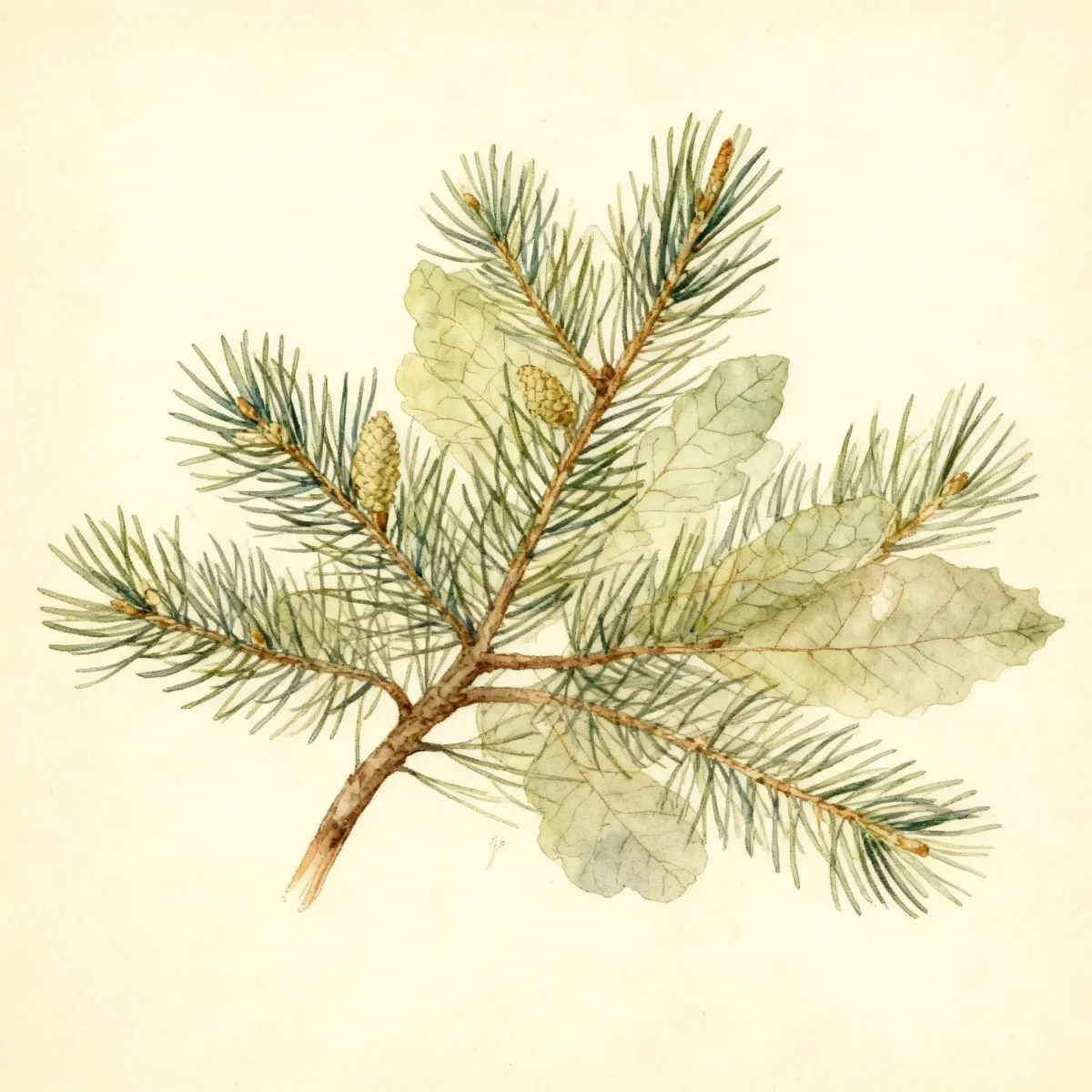
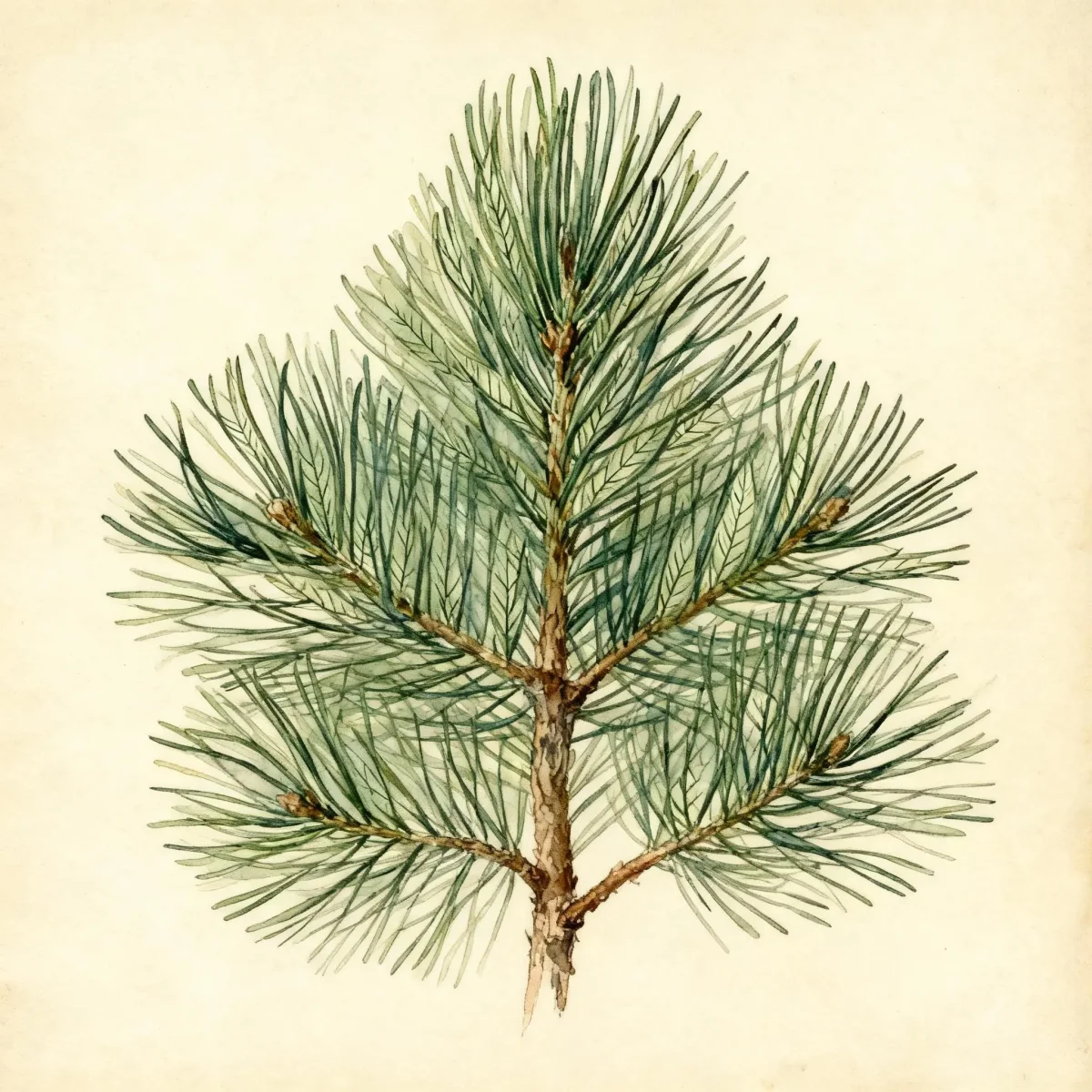
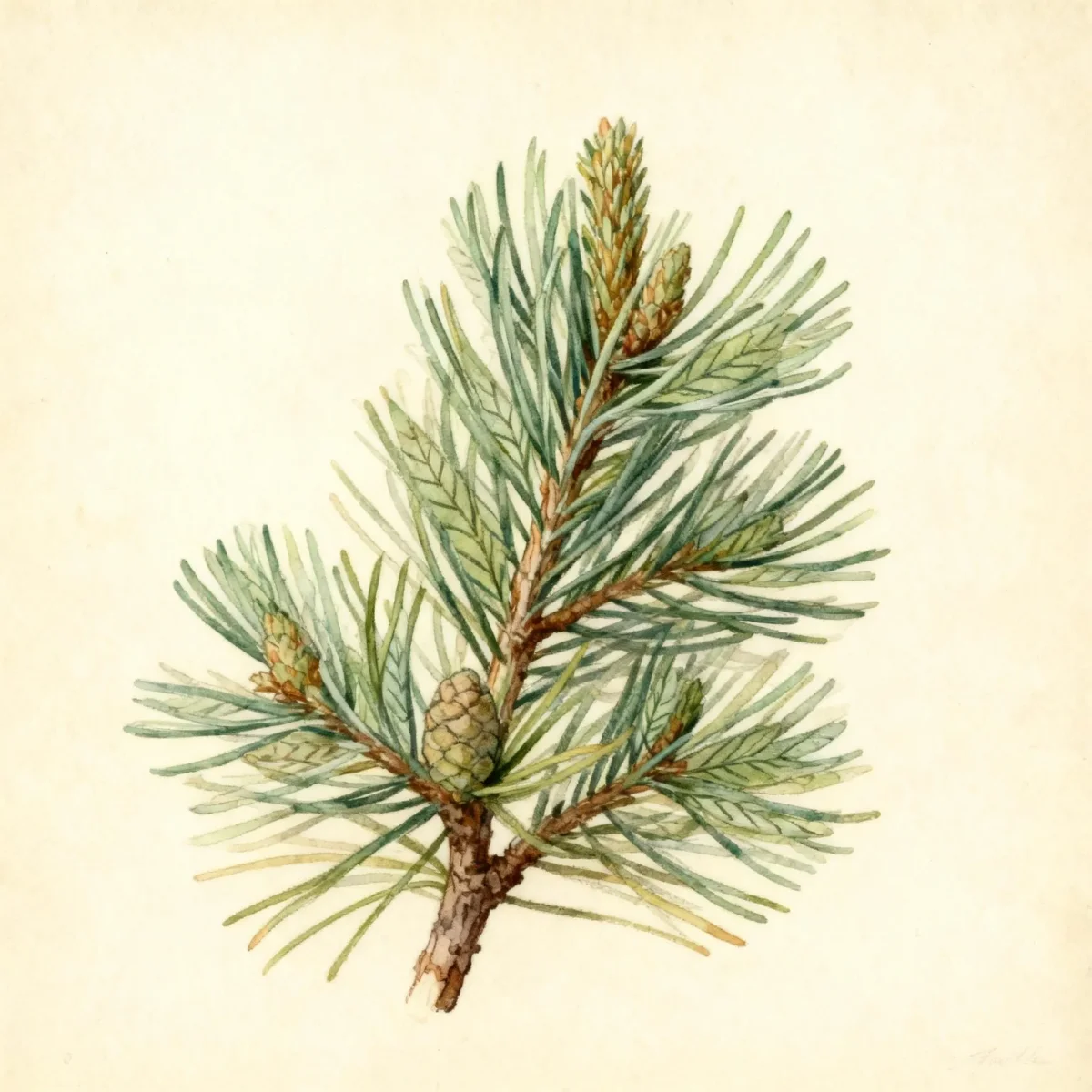
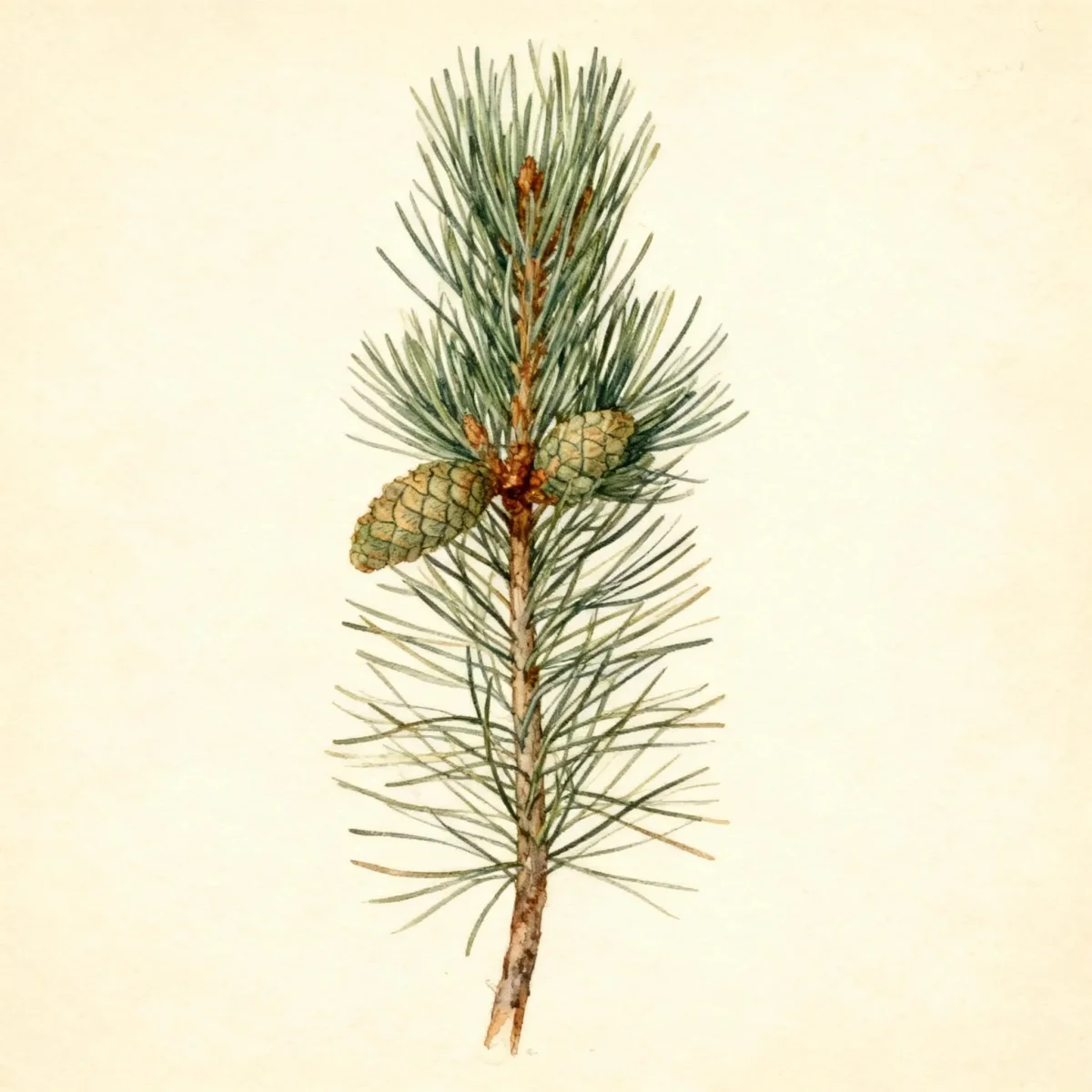
Pinus sylvestris, commonly called Scots pine, is a fast-growing, conical to columnar, medium sized conifer with distinctive flaking orange/red-brown bark. ‘Loose Park’ is an upright mounded cultivar that typically matures over time to 8’ tall and as wide, featuring dense branching with attractive blue-green needles. The species generally displays twisted, blue-green needles in bundles of two and scaly orange/red bark in the upper portions.
Tolerances
- Deer
Potential Problems
Scots pine and its cultivars, including Pinus sylvestris ‘Loose Park’, may struggle in areas with unfavorable climate and soil conditions, such as the extreme heat and humidity found across the deep South. A significant concern across various regions is Sphaeropsis (Diplodia) tip blight, which causes needles to brown and die off starting at the tips.
Gardeners must remain vigilant for the pine wilt nematode, which is often fatal to susceptible pines. Furthermore, common insect pests such as sawflies, various moths, and scale insects can attack the foliage and overall health of the Scotch pine. Proper cultural practices, including ensuring excellent drainage and avoiding overcrowding, help improve resistance to these issues.
Frequently Asked Questions
What garden hardiness zones is Pinus sylvestris ‘Loose Park’ suitable for?
Pinus sylvestris ‘Loose Park’ is hardy and adaptable across USDA Zones 3 through 7.
How large does Scotch pine ‘Loose Park’ grow?
This compact cultivar typically matures to a height between 5 and 8 feet, with a corresponding spread of 5 to 8 feet.
What sun exposure does Pinus sylvestris ‘Loose Park’ need?
This pine requires full sun exposure to maintain its dense branching structure and vibrant needle color.
When does Pinus sylvestris ‘Loose Park’ bloom?
As a conifer, the Scotch pine is non-flowering.
Conclusion
Pinus sylvestris ‘Loose Park’ provides significant textural and color contrast in the landscape without demanding excessive attention, thanks to its low maintenance rating and deer resistance. This compact Scotch pine variant is an excellent solution for adding enduring structure to smaller garden spaces. Before planting, confirm that your site selection offers full sun and well-drained soil suitable for this resilient evergreen.
Companion Planting
When planning beds around your Pinus sylvestris ‘Loose Park’, focus on plants that share similar sun and drainage requirements but offer contrasting textures. Low-growing ornamental grasses or colorful, low-spreading sedums create excellent ground cover beneath the pine, emphasizing its mounded form.
For mid-layer companions, consider anchoring plants that require acidic soil to match the pine’s preference. Heaths (Erica) or Heathers (Calluna) provide late-winter and early-spring color near the base of the Scotch pine, offering a beautiful juxtaposition against its dense, blue-green foliage.
Avoid placing this pine near large deciduous trees that create dense shade or compete heavily for water, as the Pinus sylvestris ‘Loose Park’ prefers ample light and steady moisture without heavy competition.
Seasonal Care Calendar
Early Spring (March/April): Inspect the plant for any winter damage or dead branch tips before bud break. If necessary, remove the few tips affected by Sphaeropsis (Diplodia) tip blight by cutting well into clean wood to prevent fungal spread.
Late Spring/Early Summer (May/June): This is the ideal time to monitor for damaging insect activity like sawflies or scale. Apply dormant oil or targeted insecticides if pest pressure is high, following label instructions carefully.
Mid-Summer (July/August): Focus on deep, infrequent watering, especially during heat waves, to support the medium water needs of your Scotch pine. Avoid pruning during this stressful period.
Fall (September/October): Ensure the plant is well-hydrated before the ground freezes. This preparation helps the roots manage the winter months throughout its hardy Zones 3–7 range.