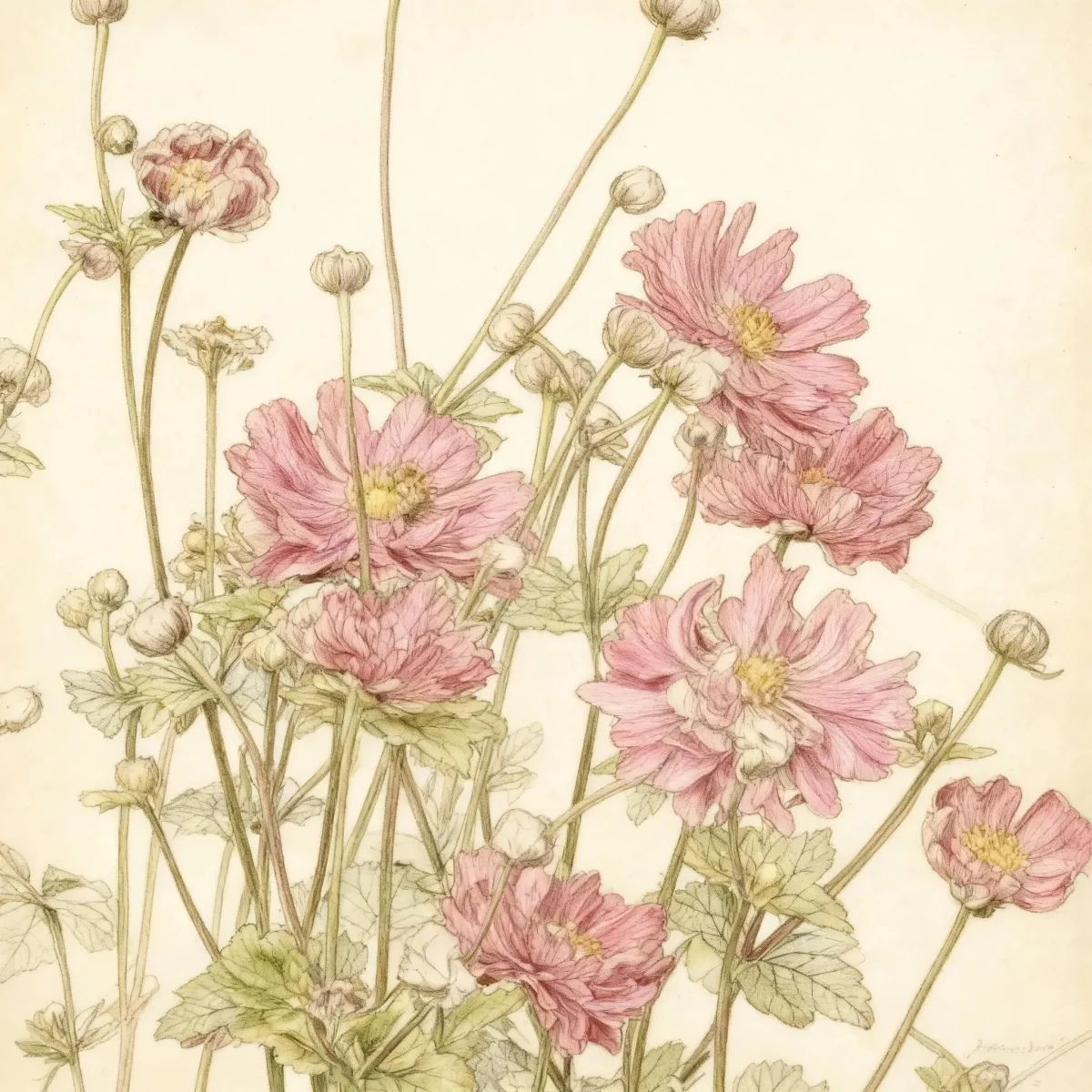
Pasque flower (Pulsatilla vulgaris 'Rote Glocke' RED CLOCK)
Discover Pulsatilla vulgaris 'Rote Glocke' RED CLOCK Pasque flower, an early spring performer with striking crimson blooms. Easy care for zones 5-7.
Scroll down to discover growing tips, care requirements, companion plants, and more
Complete Plant Information
Overview
The Pulsatilla vulgaris ‘Rote Glocke’ RED CLOCK, commonly known as the Pasque flower, is a highly prized early spring bloomer that brings vibrant color to the garden when few other plants are stirring. This vigorous cultivar stands out with its intense, bright crimson red flowers, contrasting beautifully with the emerging silvery foliage. Offering exceptional architectural interest, the show quickly transitions from elegant blooms to equally ornamental, plume-like seedheads.
This herbaceous perennial thrives best when its needs for sharp drainage and cool conditions are met, making it a stellar choice for rock gardens. Cultivating the Pasque flower is rewarding yet straightforward, as it requires low maintenance once established and boasts resilience against common pests. Gardeners seek out Pulsatilla vulgaris ‘Rote Glocke’ RED CLOCK for its dramatic early display, fitting perfectly into transitional spring plantings.
This specific cultivar, often referred to by trade names like RED CLOCK, honors its German name which translates to “red bell.” Its hairy stems emerge very early in spring, often signaling the true end of winter in cooler climates. Plant Pulsatilla vulgaris ‘Rote Glocke’ RED CLOCK to guarantee one of the finest floral shows of the nascent gardening season.
Fast Facts
- Plant Family: Ranunculaceae
- Plant Type: Herbaceous perennial
- Hardiness Zones: USDA Zones 5-7
- Size at Maturity:
- Height: 0.5-1 ft
- Spread: 0.5-0.75 ft
- Bloom Time: April to May
- Bloom Description: Crimson red
- Sun Exposure: Full sun to part shade
- Water Needs: Medium
- Maintenance Level: Low
How to Grow
The key to successfully growing Pulsatilla vulgaris ‘Rote Glocke’ RED CLOCK lies entirely in soil preparation and drainage. Plant in a location receiving full sun to light shade, ensuring the soil is rich in humus, gritty, and extremely well-drained. Good drainage is non-negotiable; soggy winter soil is fatal to the Pasque flower. The best performance is seen in naturally cool climates where the plants can handle drier spells.
Water needs are classified as medium, but this must be managed carefully. Provide consistent moisture throughout the hotter, drier parts of the summer, especially in warmer regions like the St. Louis area. Avoid overhead watering if possible to keep crowns dry. Generally, these plants resent being moved, so place them where they will not be disturbed once established.
Maintenance is generally low throughout the season. No significant pruning is required beyond removing spent flower stems if the fluffy seedheads are not desired for their ornamental value. In spring, simply allow the existing foliage and remnants of last year’s seedheads to remain until new growth appears, signaling the plant is actively growing again.
Landscape Uses
Pulsatilla vulgaris ‘Rote Glocke’ RED CLOCK is perfectly sized for applications where detail and early spring impact are valued. It shines when placed towards the front of border fronts, providing a surprising splash of crimson color right where the walkway or path begins to draw the eye. The relatively small stature of the Pasque flower also makes it an ideal candidate for rock gardens.
In rock gardens, ensure its gritty, sharply drained soil culture is mimicked using stone mulch or gravel pockets between boulders. This setting highlights the nodding, bell-shaped blooms and allows the feathery seed heads to contrast beautifully against inert stone. Companion plantings should be low-growing and tolerate similar dry, sunny conditions once established, such as certain small sedums or creeping thyme varieties.
Standout Features
Flower Qualities
- Showy
Noteworthy Characteristics
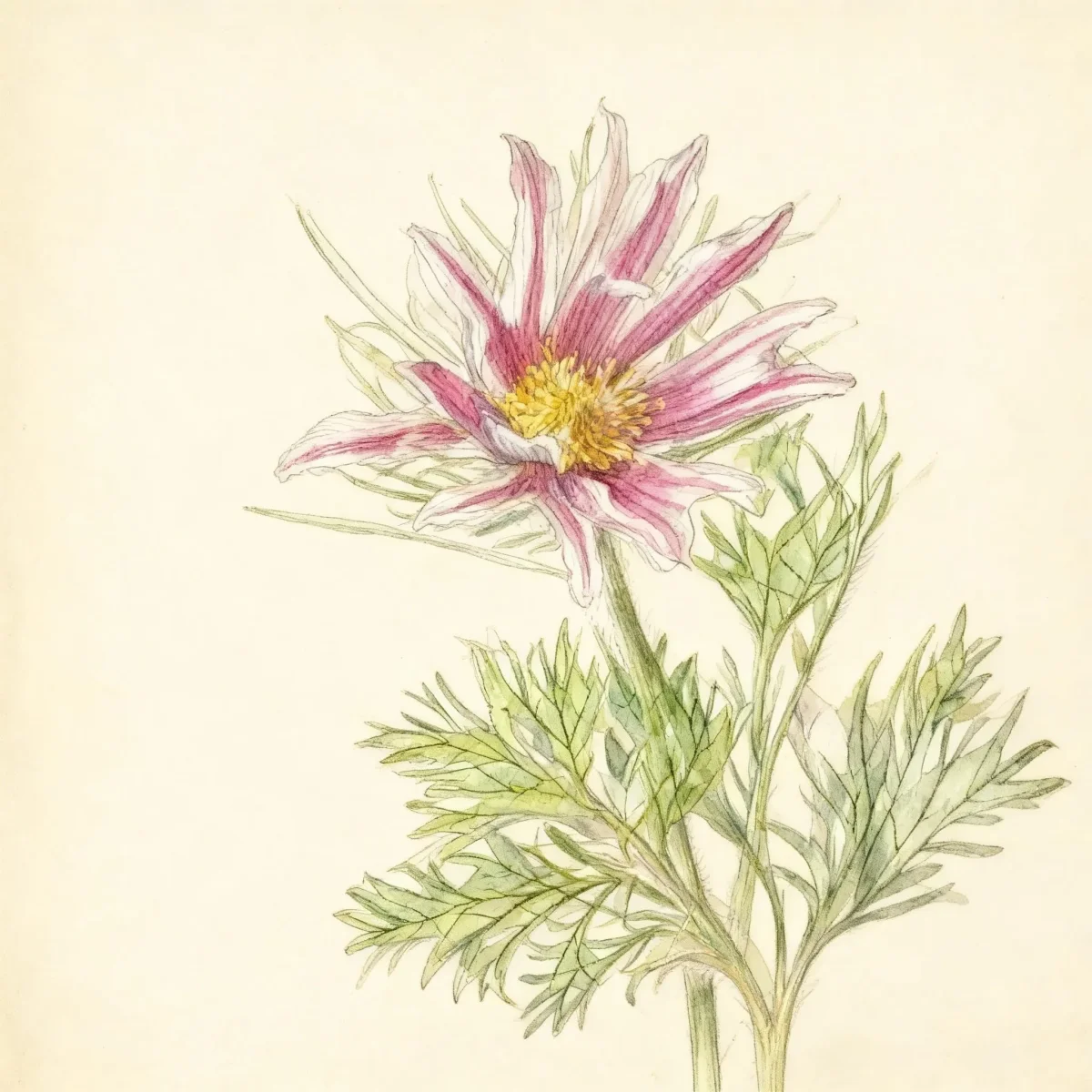
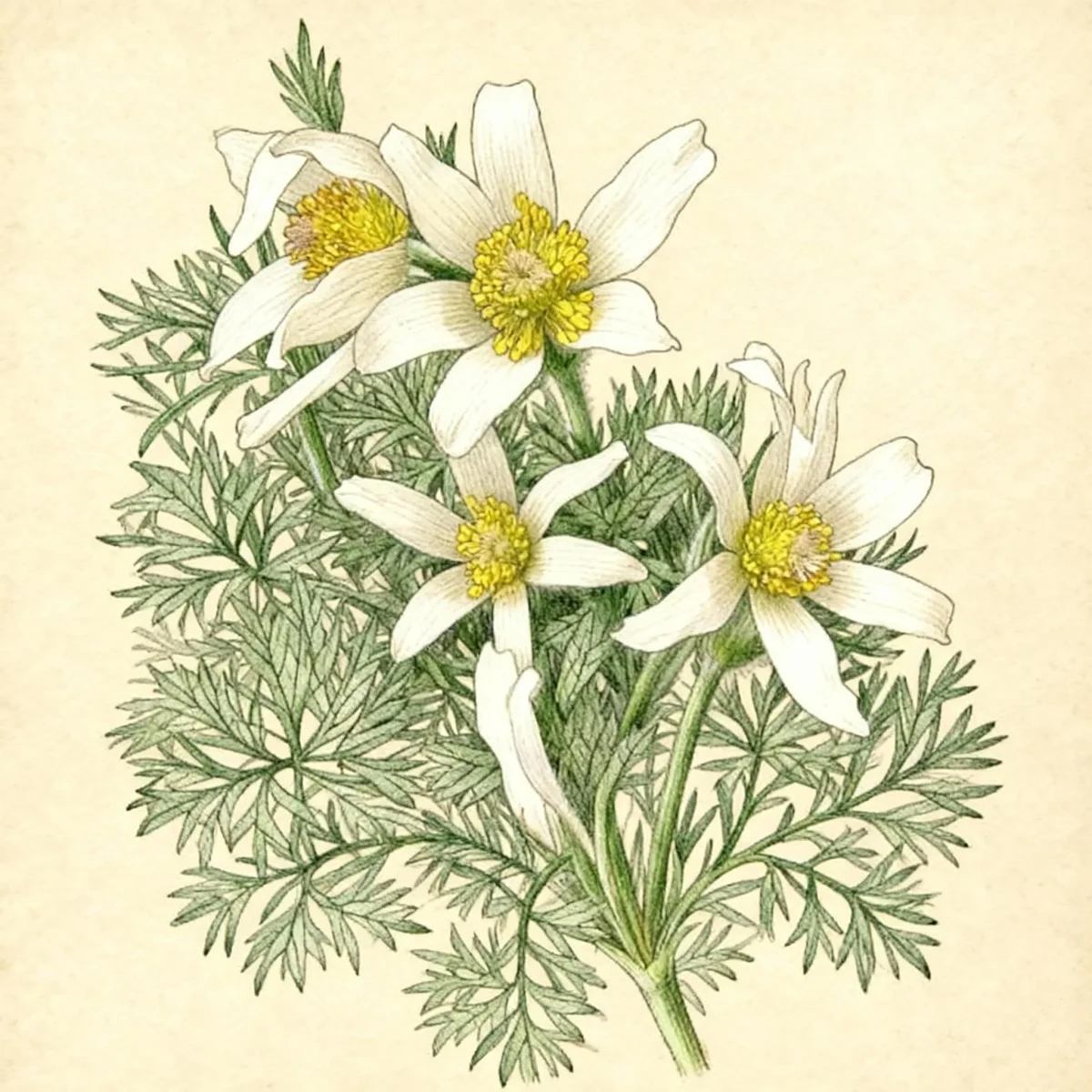
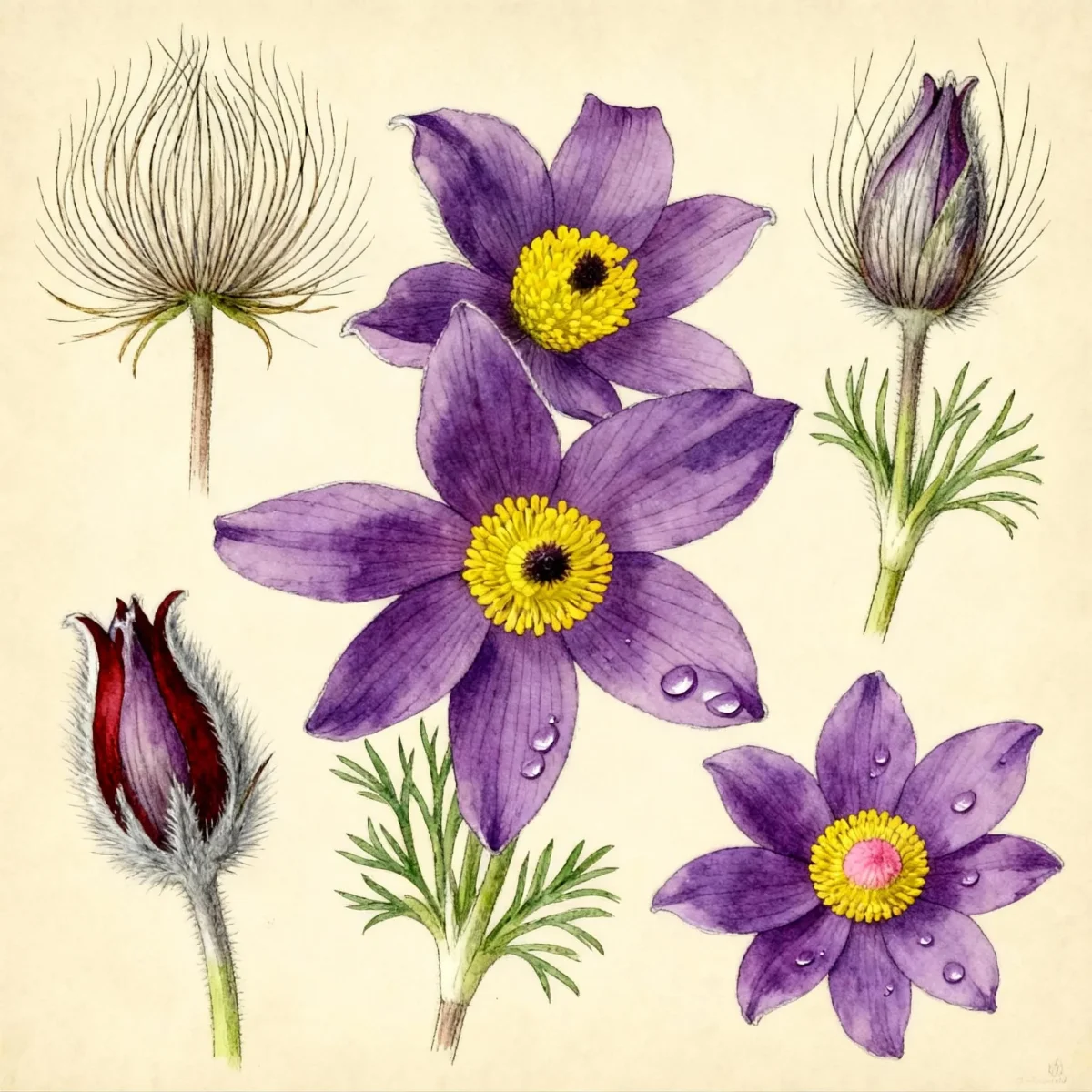
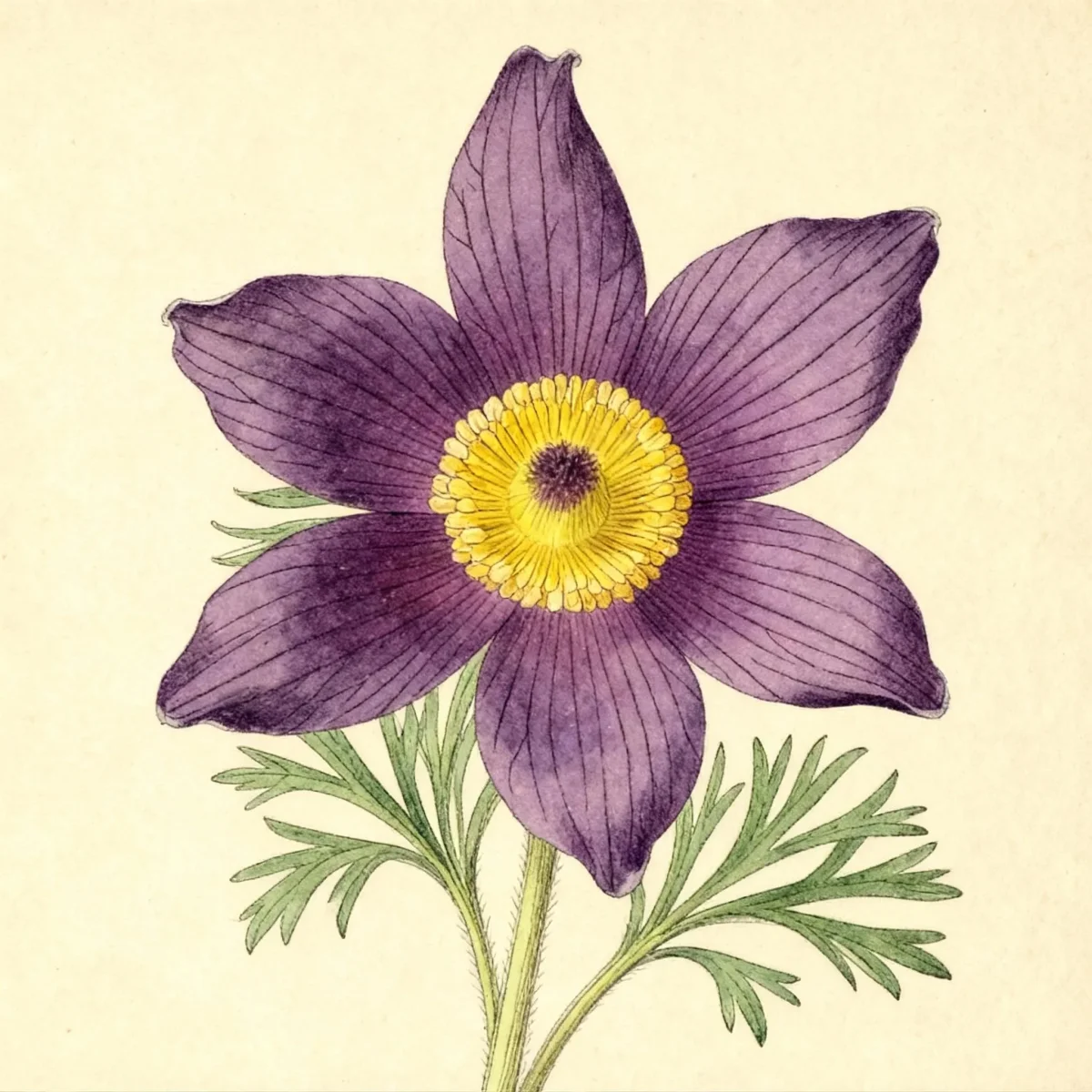
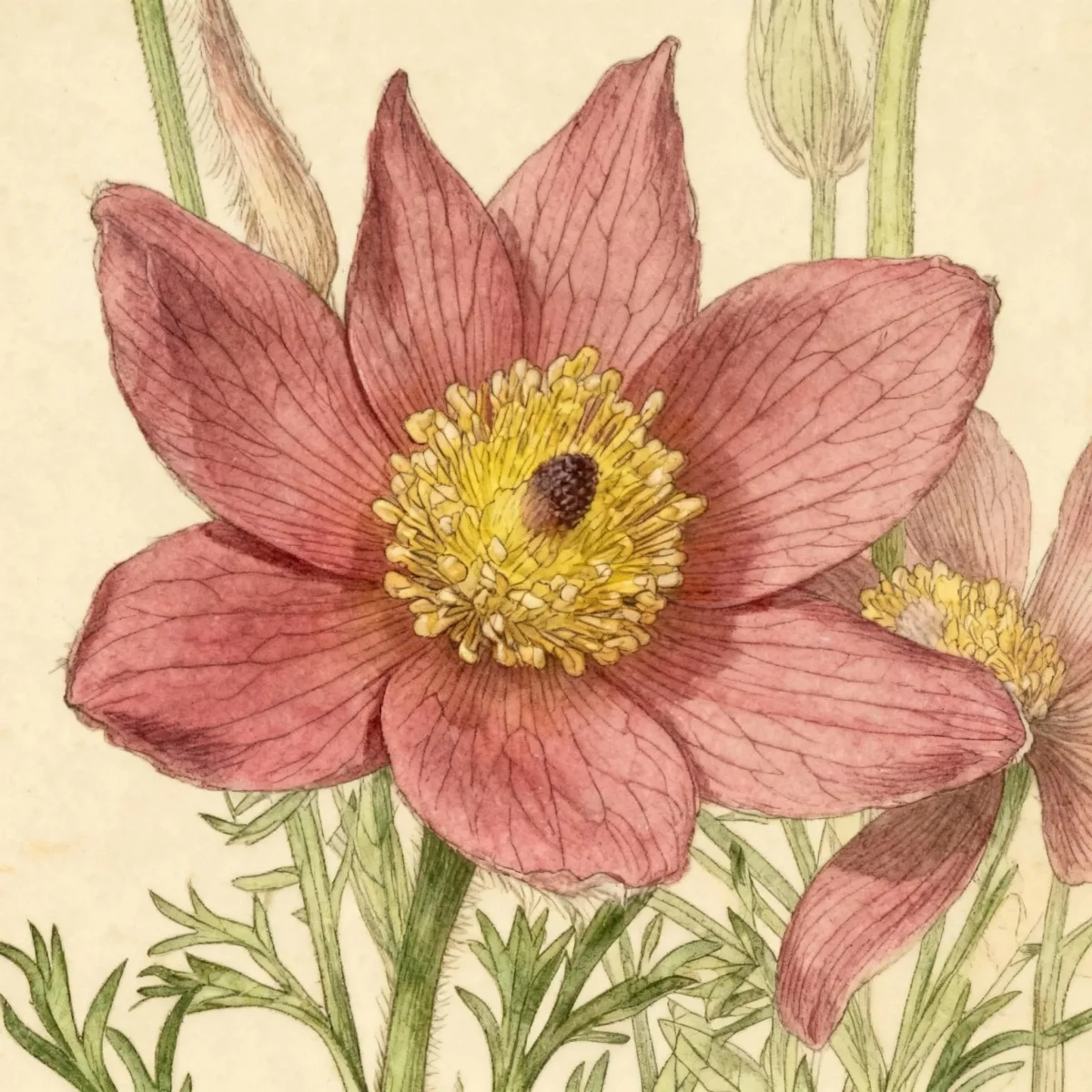
Pulsatilla vulgaris is historically a purple-flowered pasque flower native to Europe, but the ‘Rote Glocke’ cultivar delivers bright crimson red blooms with distinct yellow center stamens. Hairy flower stems push up early in spring, often when snow patches remain, with the solitary, erect-to-nodding flowers opening before the foliage fully develops. After blooming, the plant produces striking, plume-like seedheads that cluster in fluffy spheres, reminiscent of some clematis varieties. The deeply-divided, fern-like, light green basal leaves remain attractive throughout the remainder of the growing season.
Tolerances
- Rabbit
- Heavy Shade
Potential Problems
The Pasque flower, including the cultivar Pulsatilla vulgaris ‘Rote Glocke’ RED CLOCK, is fortunately known for having no serious insect or disease problems when sited correctly. The primary risk comes not from pests, but from cultural issues, specifically poor drainage. Rotting crowns are the most common failure point, especially in heavy clay soils that retain too much water over winter or spring rains. Always amend soil heavily with grit or sand to ensure water moves away rapidly from the base of the plant.
Frequently Asked Questions
What hardiness zones is Pasque flower suitable for?
The Pulsatilla vulgaris ‘Rote Glocke’ RED CLOCK Pasque flower is generally hardy in USDA Zones 5 through 7.
How large does Pulsatilla vulgaris ‘Rote Glocke’ RED CLOCK grow?
This perennial typically reaches a height between 0.5 and 1 foot tall, with a spread ranging from 0.5 to 0.75 feet when fully mature.
When does Pasque flower bloom?
This early bloomer displays its crimson red flowers consistently from April into May, bringing essential early color to the garden.
What sun exposure does this Pasque flower need?
For best results, Pulsatilla vulgaris ‘Rote Glocke’ RED CLOCK prefers a location with full sun exposure, though it can tolerate light or part shade.
Conclusion
The Pulsatilla vulgaris ‘Rote Glocke’ RED CLOCK provides indispensable early season excitement through its vivid crimson bells and subsequent architectural seedheads, earning its place in specialized sunny borders or rock gardens. As a low-maintenance choice that resists many common pests, the Pasque flower is a welcome addition to early spring interest plantings. Before planting, confirm your garden falls within USDA Zones 5-7 and amend your soil thoroughly to guarantee the excellent drainage this beauty requires.
Companion Planting
When selecting neighbors for Pulsatilla vulgaris ‘Rote Glocke’ RED CLOCK, focus on plants that share a preference for sharp drainage and similar early-season timing, or those that can handle drier conditions later in the summer. Rock garden classic companions, such as creeping Phlox (Phlox subulata), Iberis (Candytuft), or various low-growing Sedums, create attractive textural tapestries around the emerging Pasque flower foliage. Avoid overcrowding, as good air circulation helps keep the crown dry, which is crucial for the long-term health of this perennial.
Seasonal Care Calendar
Early Spring (March/April): This is when you will first see the hairy flower stems of the Pasque flower emerging. Ensure any winter mulch has been pulled back slightly from the crown to allow the soil to warm up and dry out slightly as the blooms appear. This is the active growth period for Pulsatilla vulgaris ‘Rote Glocke’ RED CLOCK.
Late Spring/Early Summer (May/June): Water consistently during this time, especially if you are experiencing dry weather following the spring bloom. If you wish to tidy the appearance, promptly deadhead the faded flowers before they set their large, fluffy seed heads, although leaving the seeds offers extended season interest.
Summer/Fall Care: Reduce watering once the hottest part of summer sets in, allowing the soil to dry moderately between irrigation cycles. Do not fertilize heavily; excessive nitrogen can lead to floppy growth and increased susceptibility to rot. Leave the basal foliage intact throughout the fall for winter protection.