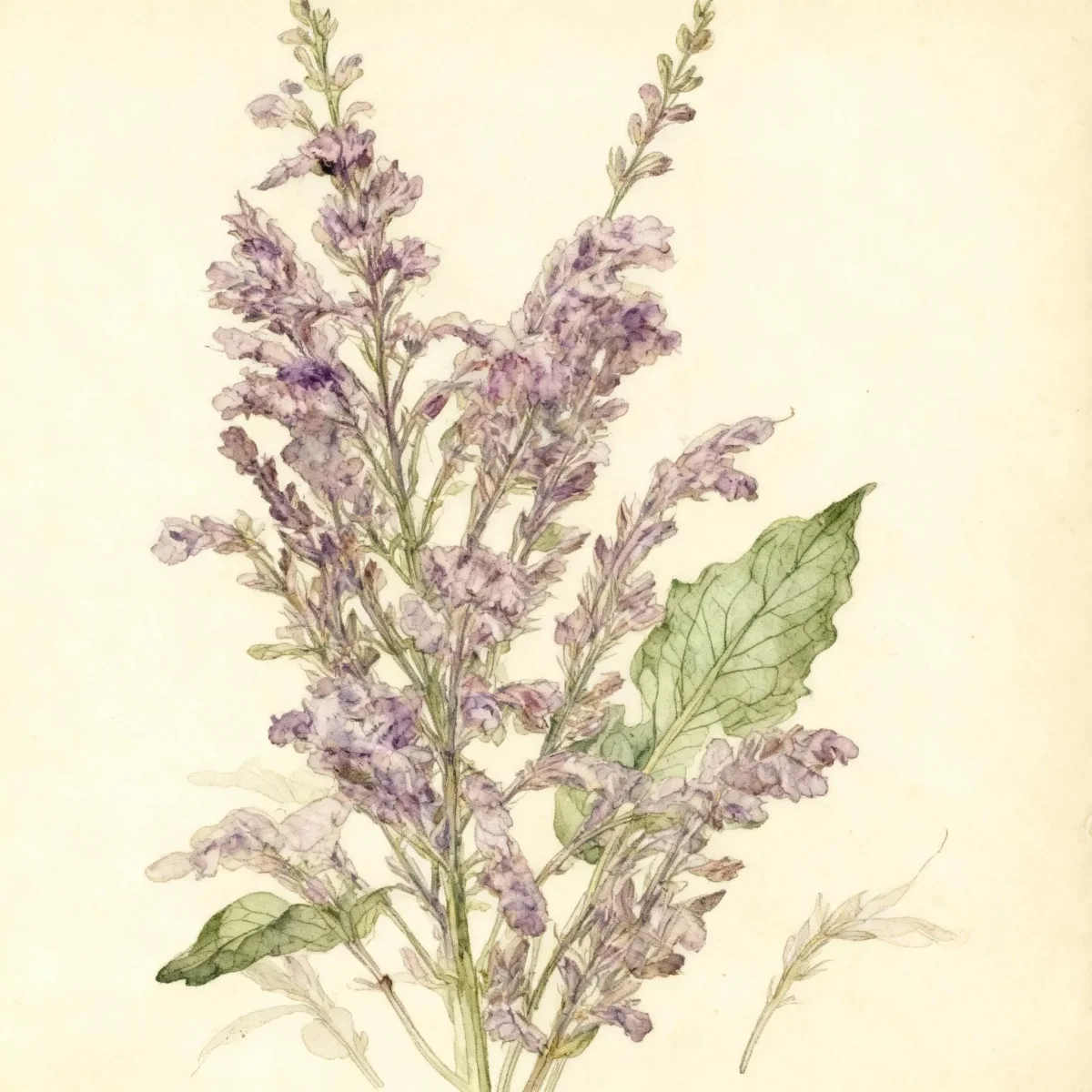
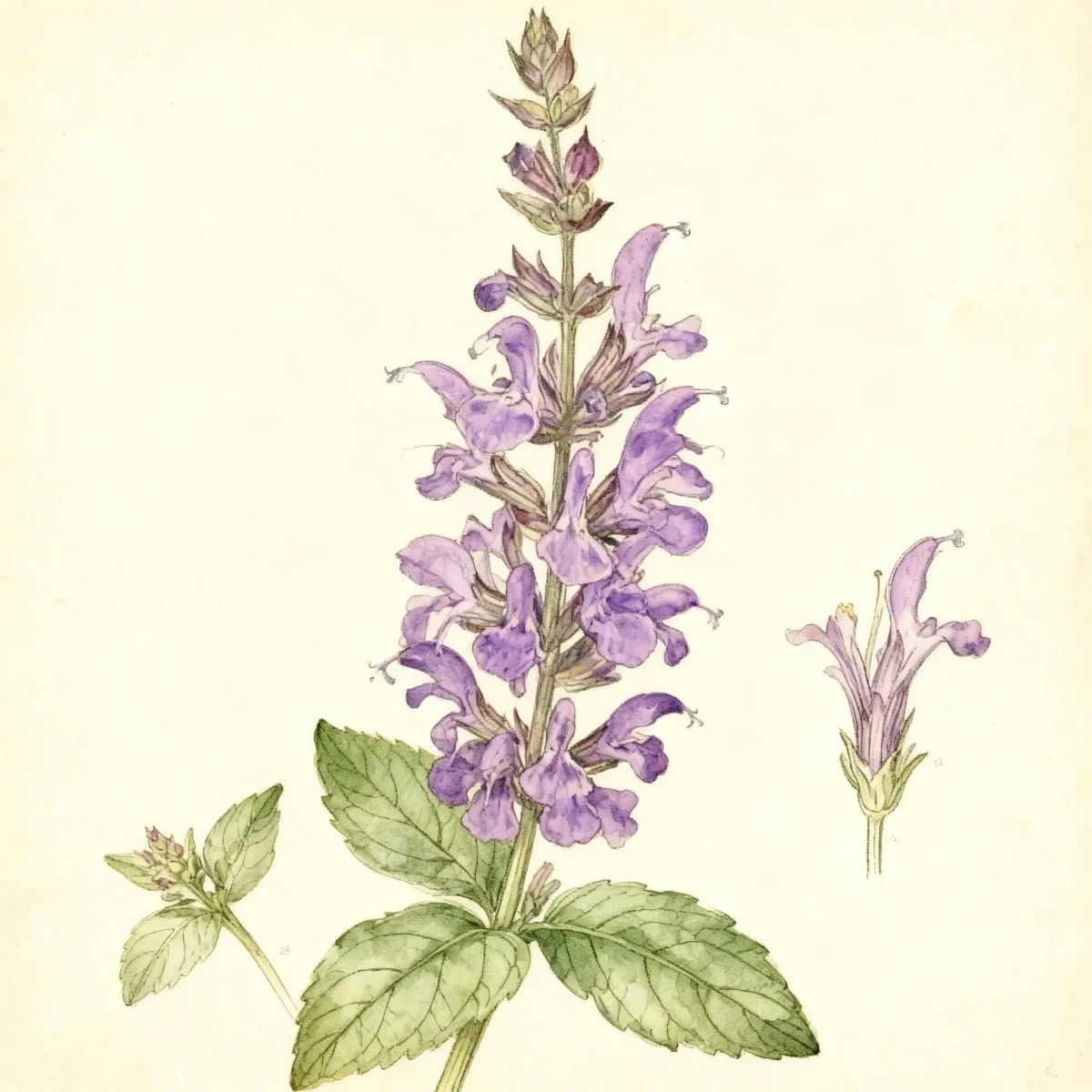
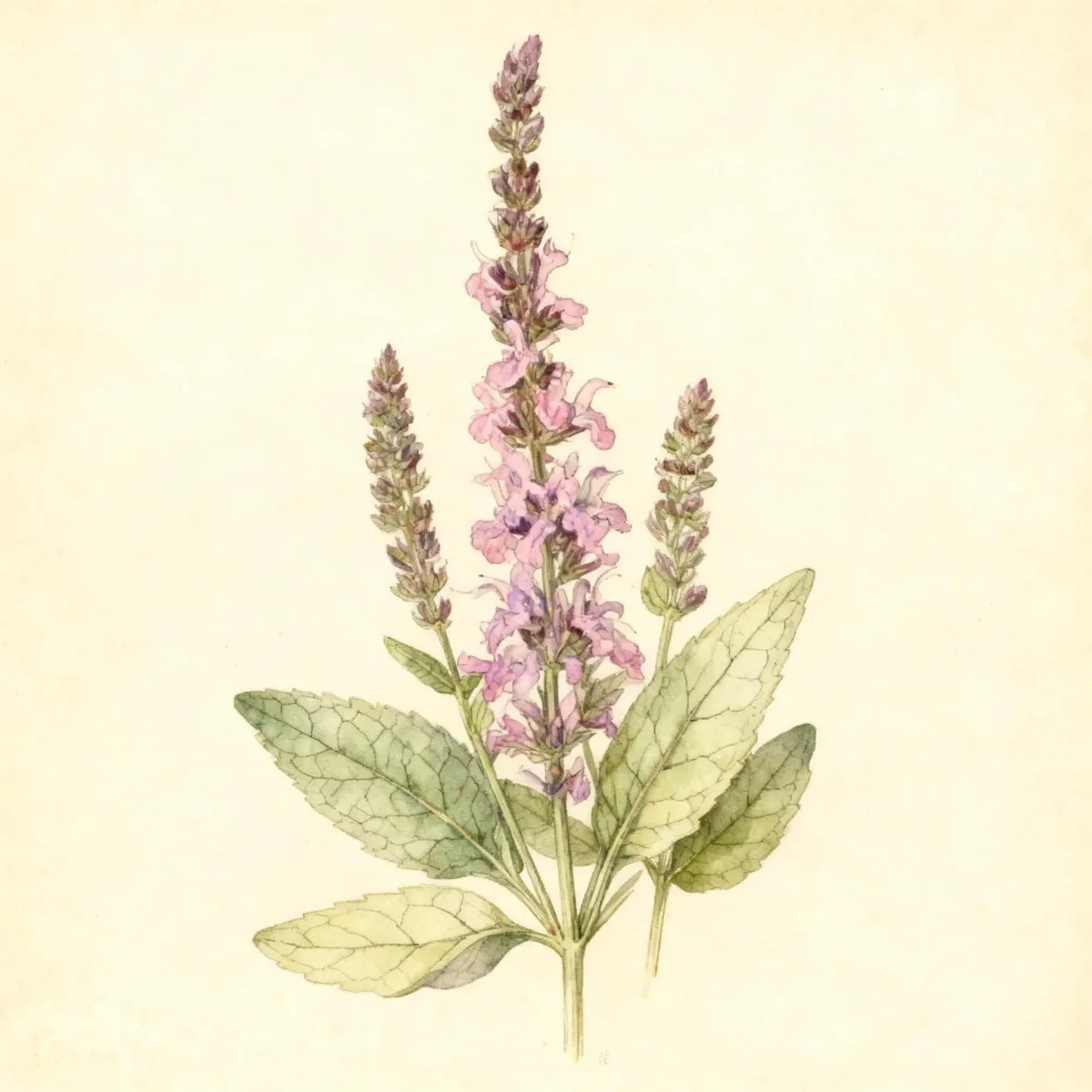
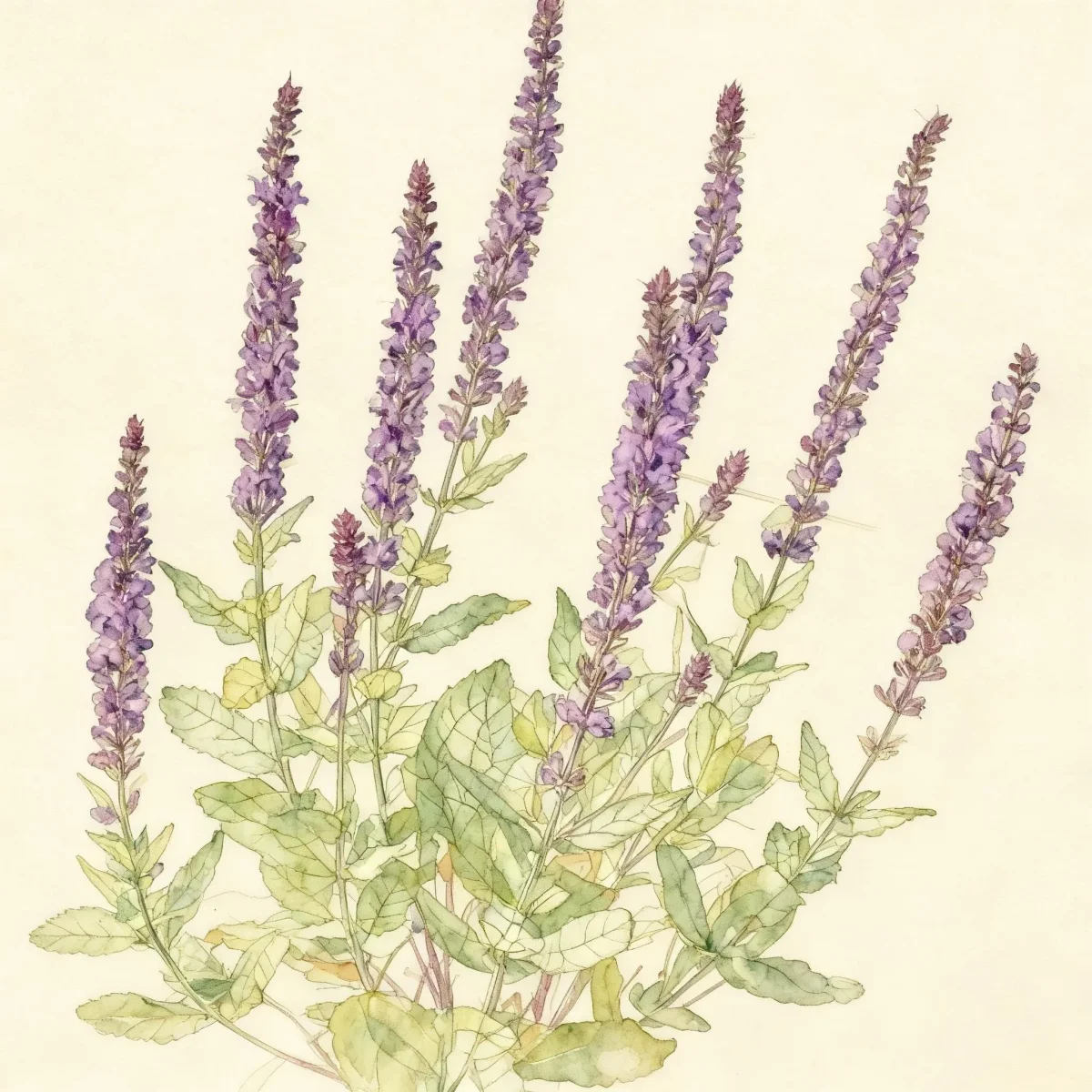
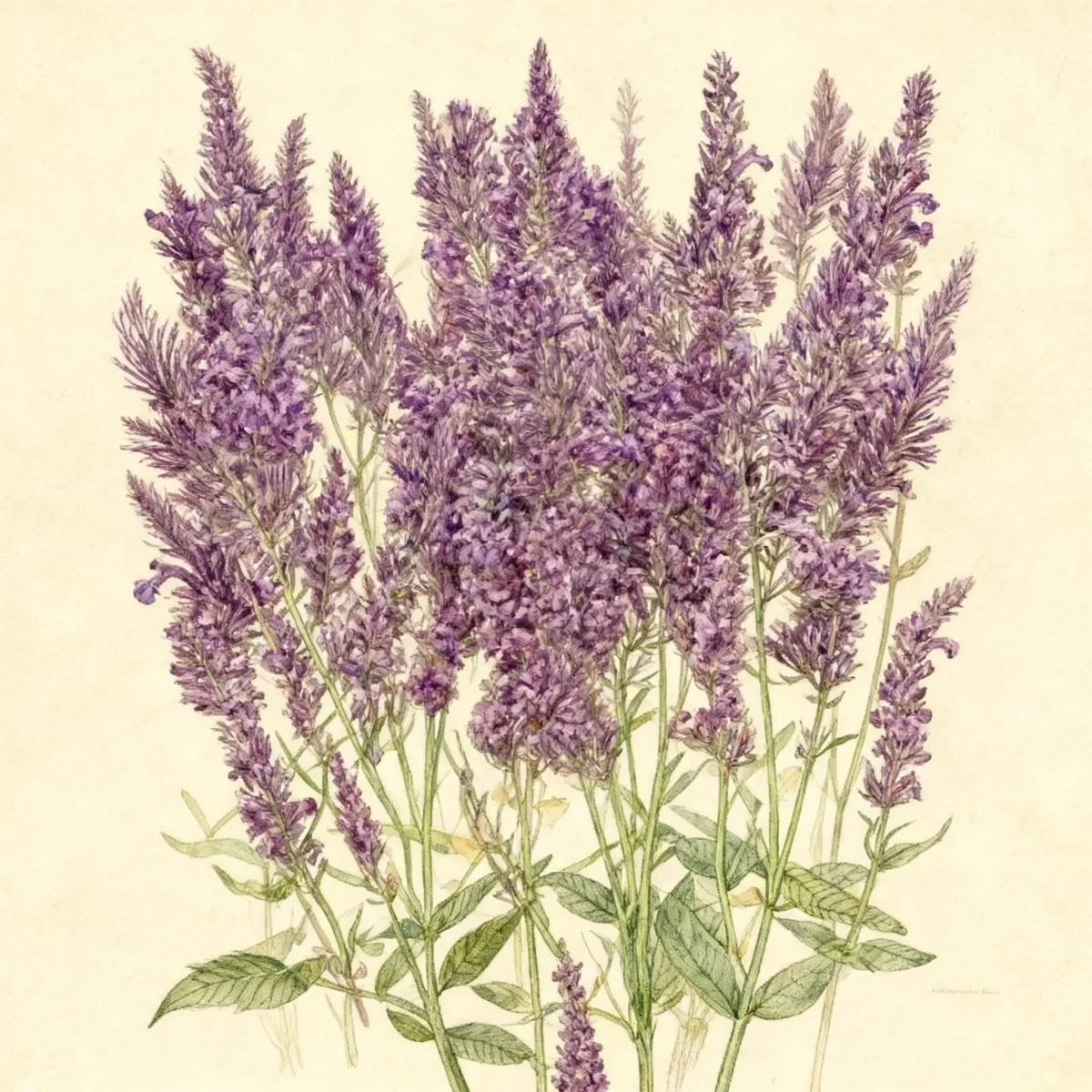
Sage (Salvia nemorosa 'Rosenwein' ROSE WINE)
Salvia nemorosa 'Rosenwein' ROSE WINE Sage offers stunning rose-pink summer blooms with rugged drought tolerance, perfect for low-maintenance gardens.
Scroll down to discover growing tips, care requirements, companion plants, and more
Complete Plant Information
Overview
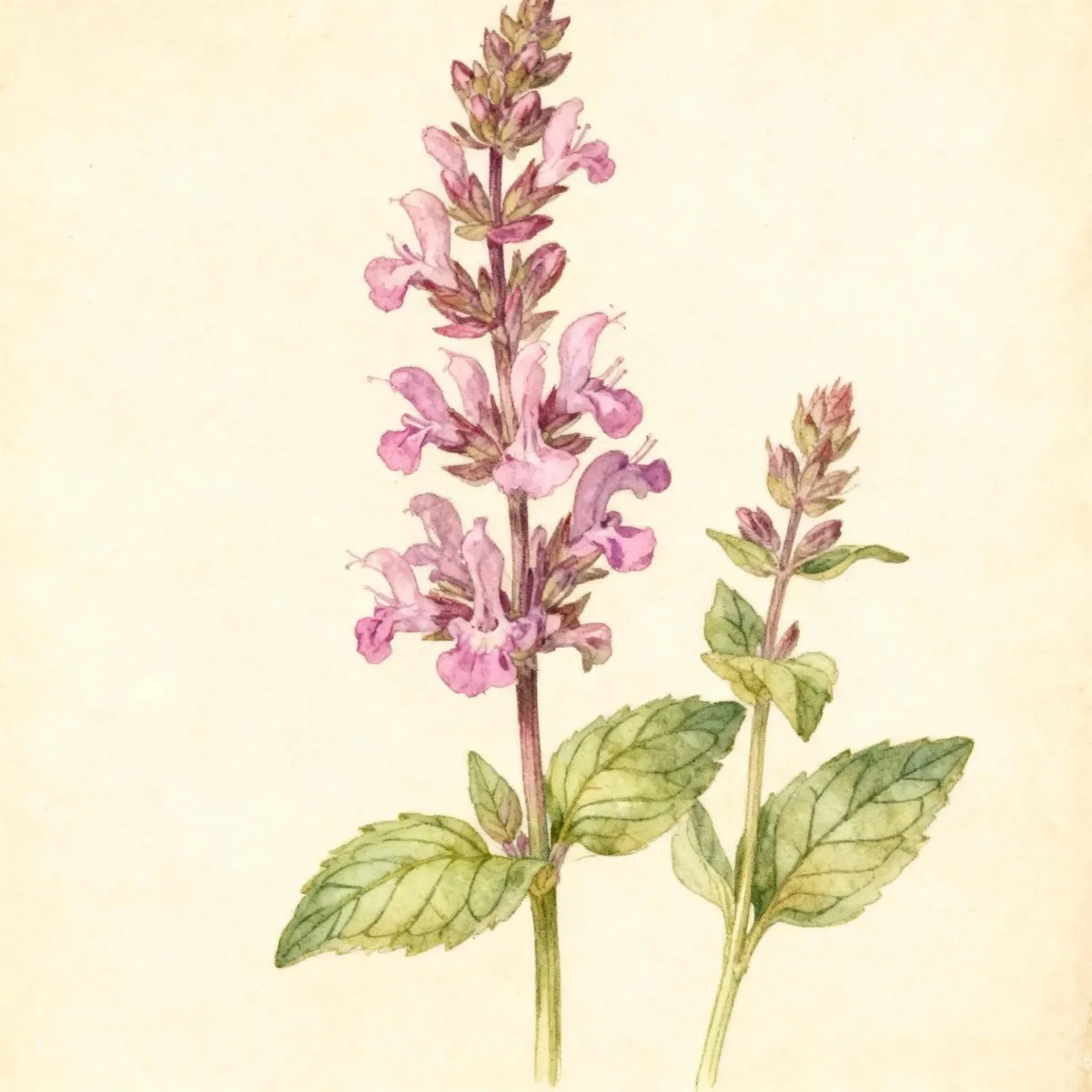
Salvia nemorosa ‘Rosenwein’ ROSE WINE is a highly valued herbaceous perennial, cherished for its reliable, extended bloom period spanning nearly five months. This cultivar of Woodland Sage delivers vibrant, rose-pink to rose-red flower spikes that consistently attract pollinators throughout the summer heat. Its robust nature and ease of care make it a staple choice for gardeners seeking enduring color with minimal input.
As a low-maintenance perennial, this Sage thrives in sunny locations and exhibits excellent tolerance to dry conditions once established. Its tidy, clumping habit offers excellent structure in the garden border, ensuring that the display of Salvia nemorosa ‘Rosenwein’ ROSE WINE remains appealing from late spring well into autumn. Gardeners appreciate this plant not just for its beauty, but for its resilience in challenging, well-drained soils.
If you are looking to introduce lasting summer color that appeals to bees and butterflies while resisting common garden pests, the Salvia nemorosa ‘Rosenwein’ ROSE WINE is an outstanding selection. Its specific coloration offers a warm contrast to cooler blue and purple salvias in mixed plantings.
Fast Facts
- Plant Family: Lamiaceae
- Plant Type: Herbaceous perennial
- Hardiness Zones: USDA Zones 4-8
- Size at Maturity:
- Height: 1-1.5 ft
- Spread: 0.75-1 ft
- Bloom Time: May to September
- Bloom Description: Rose-pink to rose-red
- Sun Exposure: Full sun
- Water Needs: Dry to medium
- Maintenance Level: Low
How to Grow
Planting Salvia nemorosa ‘Rosenwein’ ROSE WINE is best accomplished in spring or early fall, ensuring the plant settles before extreme weather hits. This Sage thrives in average, well-drained soil, appreciating gravelly or sandy mixes that prevent waterlogging. Full sun exposure is critical for dense flowering and maintaining strong, upright stems, especially in high humidity.
Water needs for this variety are dry to medium; while it tolerates significant drought once established, regular moisture during bloom periods encourages repeat flowering. Deadheading spent flower spikes is crucial to prompt new flushes of rose-pink blooms throughout the summer and into fall. Avoid over-fertilization, as this can lead to lush, floppy growth, which is a common issue for this variety, particularly in humid climates.
If the plants become floppy or look unsightly mid-season, do not hesitate to cut them back severely to the basal foliage; this rejuvenation technique often prompts a final surge of fresh growth and flowers. After the main blooming spectacle concludes, cutting the entire plant back after flowering has concluded ensures a clean appearance going into winter preparation.
Landscape Uses
The strong vertical structure provided by the flower spikes of Salvia nemorosa ‘Rosenwein’ ROSE WINE makes it an excellent choice for perennial borders. Planting in groups or drifts creates impactful blocks of rose-red color that draw the eye backward along a path or border edge. It integrates beautifully into cottage gardens where its informal yet structured appearance pairs well with roses, creeping thyme, or silver-leaved foliage plants.
For wildlife enthusiasts, this Sage is indispensable in butterfly gardens, offering a continuous nectar source throughout the summer. It also works well in wild gardens or informal settings due to its resilience and ability to manage well in drier spots once established. Grouping several plants together enhances the visual mass of the rose-pink color and provides a unified front against potential summer fading.
Standout Features
Flower Qualities
- Showy
Noteworthy Characteristics
Salvia nemerosa, commonly known as woodland sage, violet sage or salvia, is an erect, many-branched, woody-based, clump-forming perennial that typically grows 1.5-3’ tall and to 2’ wide. The genus name Salvia comes from the Latin word salveo meaning “to save or heal,” in reference to the purported medically curative properties attributed to some plants in the genus. The specific cultivar ‘Rosenwein’ typically grows 15-18” tall and features robust, rose-pink to rose-red flower spikes that appear in a lengthy summer bloom, creating a significant visual impact.
Tolerances
- Deer
- Drought
- Dry Soil
- Air Pollution
Potential Problems
While generally robust, Salvia nemorosa ‘Rosenwein’ ROSE WINE can occasionally show susceptibility to common fungal issues such as powdery mildew, leaf spot, and rust, especially in areas with poor air circulation or high ambient humidity. To mitigate these risks, ensure wide spacing between plants to promote good airflow, and avoid overhead watering late in the day. Occasional insect pests like aphids, whiteflies, and scale can appear, but they are rarely serious enough to cause significant damage. Importantly for many landscapers, deer tend to actively avoid browsing this aromatic Sage.
Frequently Asked Questions
What hardiness zones is Sage suitable for?
This plant is hardy across USDA Zones 4 through 8, offering adaptability across a wide range of temperate climates.
How large does Salvia nemorosa ‘Rosenwein’ ROSE WINE grow?
It typically reaches a height between 1 and 1.5 feet, with a spread of 0.75 to 1 foot at maturity.
What sun exposure does Salvia nemorosa ‘Rosenwein’ ROSE WINE need?
This perennial demands full sun exposure to achieve its best blooming performance and maintain a compact shape.
When does Sage bloom?
You can expect continuous flowering from May all the way through September, displaying rich rose-pink to rose-red hues.
Conclusion
The Salvia nemorosa ‘Rosenwein’ ROSE WINE provides excellent, low-maintenance texture and extended color, making it a top performer in sunny, dry garden spaces. If you are designing a resilient perennial border or looking for reliable long-season flowers, this specific Sage variety delivers strong visual returns for minimal effort. Always check your local hardiness zone before planting to ensure successful establishment in your landscape.
Companion Planting
Choosing companions with similar cultural needs—full sun and dry to medium soil—will maximize the health and longevity of your Salvia nemorosa ‘Rosenwein’ ROSE WINE. Consider pairing it with silver-leaved plants like Lamb’s Ears (Stachys byzantina) or Artemisia, which complement the green foliage while echoing the plant’s drought tolerance. For varied texture, plants that bloom slightly later or earlier, such as Russian Sage (Perovskia atriplicifolia) or hardy Geraniums, can provide continuous interest neighboring the primary color spikes of the Rose Wine Sage.
Wildlife Benefits
The dense, upright flower spikes of Salvia nemorosa ‘Rosenwein’ are powerful attractors for beneficial insects. The genus Salvia is renowned for its nectar-rich flowers, and this cultivar is no exception, offering vital sustenance to bees and butterflies throughout the main growing season. Planting masses of this Sage not only enhances garden aesthetics but actively supports local pollinator health, reinforcing ecological value in suburban and urban gardens alike.