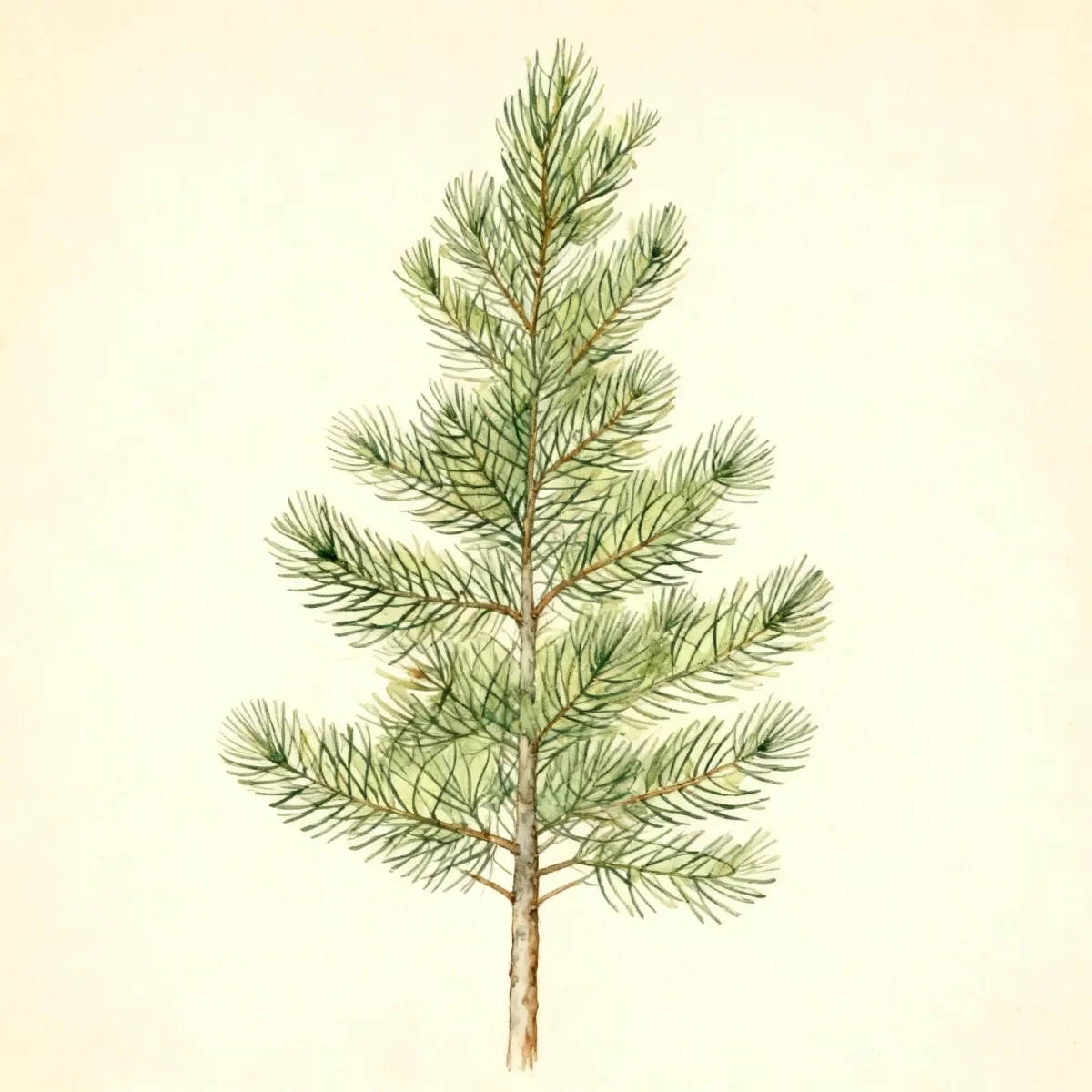
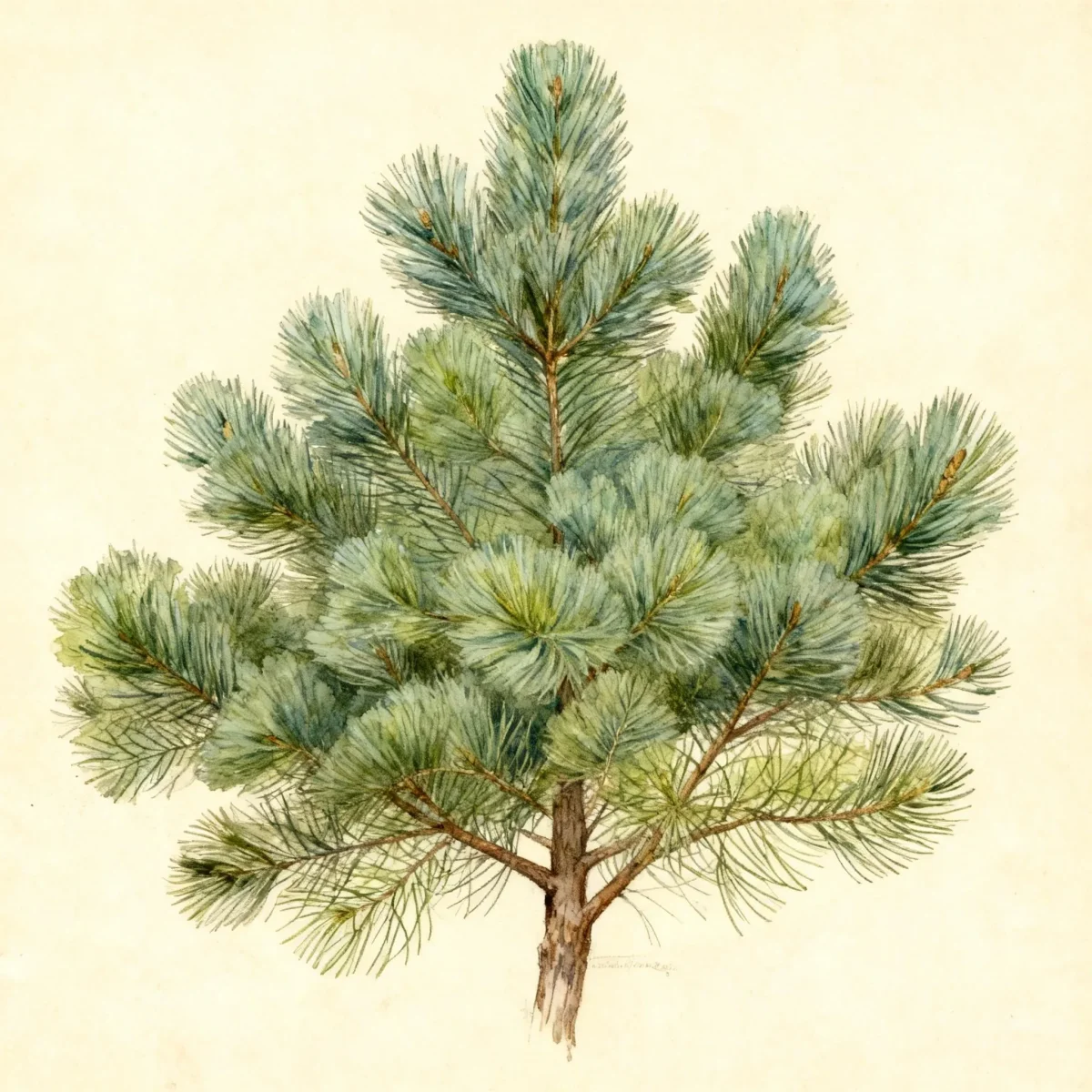
Dwarf mountain pine (Pinus mugo 'Mops')
Pinus mugo 'Mops' is a dense, rounded Dwarf mountain pine perfect for rock gardens. A low-maintenance evergreen thriving in full sun.
Scroll down to discover growing tips, care requirements, companion plants, and more
Complete Plant Information
Overview
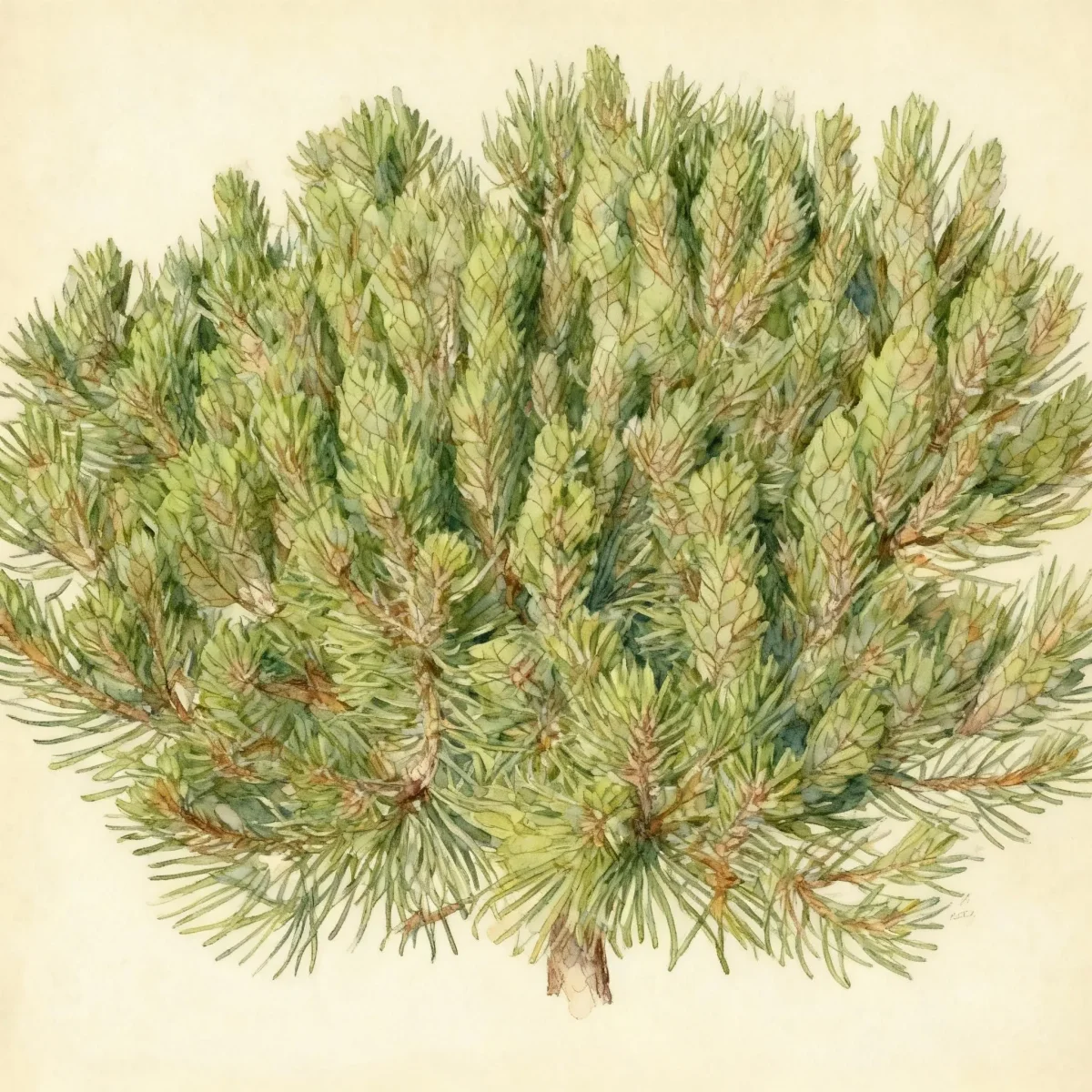
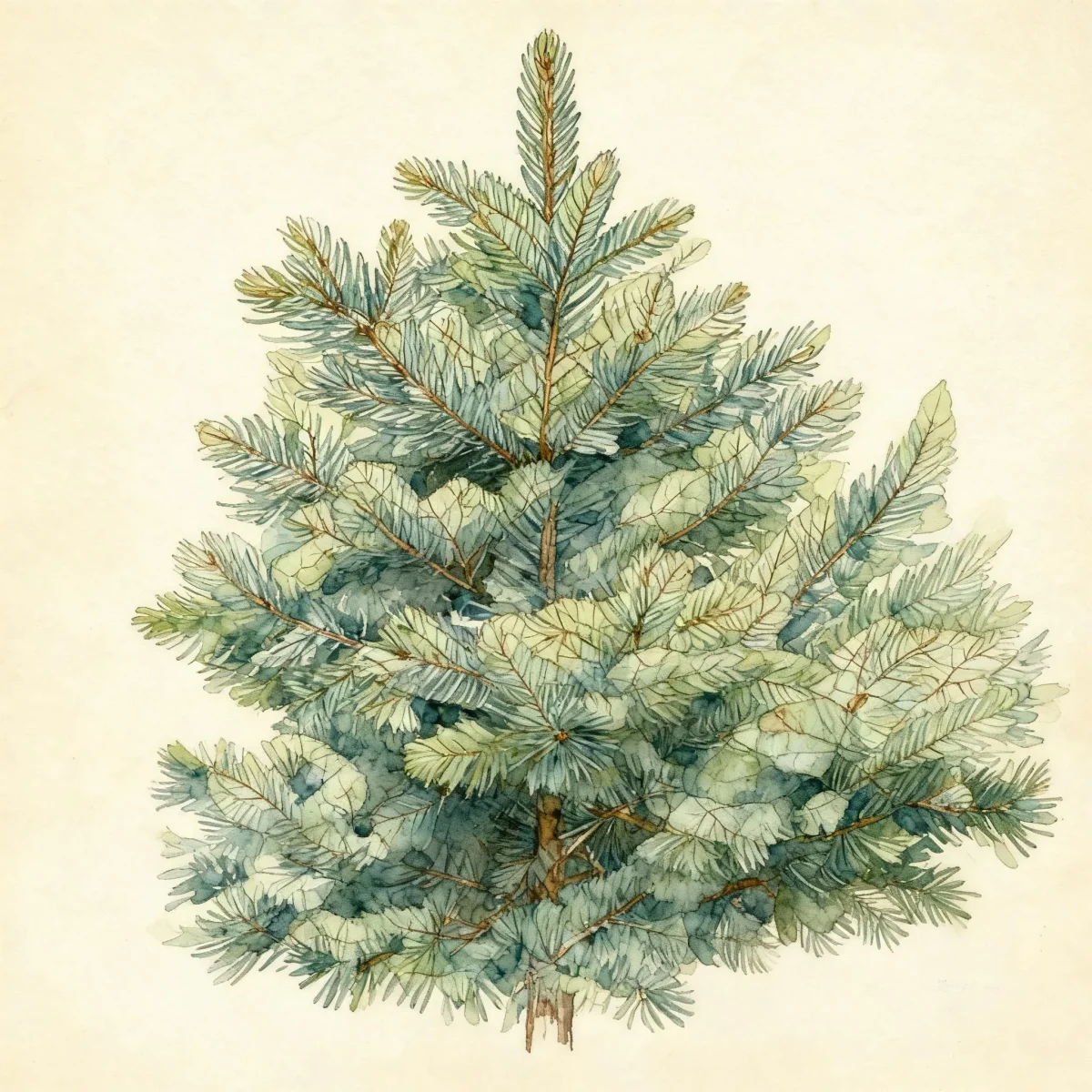
The Dwarf mountain pine, scientifically known as Pinus mugo ‘Mops’, is a highly desirable, compact conifer prized by landscape designers for its dense, rounded habit. Unlike its taller relatives, this cultivar of Pinus mugo maintains a manageable size, perfectly suiting smaller garden spaces and rockeries. It is an exceptionally hardy, needled evergreen offering year-round structure and texture to the garden.
This slow-growing cultivar typically matures to around 3 to 4 feet tall and slightly less in spread, rarely requiring significant structural pruning to maintain its neat profile. As a tough specimen, the Dwarf mountain pine handles a variety of conditions, making establishment straightforward for most gardeners willing to provide adequate drainage. Its dense layering of medium to dark green needles provides excellent visual weight.
For gardeners seeking reliable, low-maintenance winter interest, Pinus mugo ‘Mops’ delivers year-round coverage with minimal fuss. Its tolerance for urban pollutants adds to its versatility, cementing its status as a dependable anchor plant in diverse settings.
Fast Facts
- Plant Family: Pinaceae
- Plant Type: Needled evergreen
- Hardiness Zones: USDA Zones 2-7
- Size at Maturity:
- Height: 3-4 ft
- Spread: 2.5-3 ft
- Bloom Time: Non-flowering
- Bloom Description: Non-flowering
- Sun Exposure: Full sun to part shade
- Water Needs: Medium
- Maintenance Level: Low
How to Grow
Planting the Dwarf mountain pine is best achieved in spring or fall, ensuring the root ball is well settled before extreme weather hits. Locate Pinus mugo ‘Mops’ where it receives full sun, though partial afternoon shade is tolerated. Crucially, this pine demands well-drained soils; it thrives in moist, loamy conditions and is even accommodating of sandy soils, but must not sit in wet, poorly-drained areas.
Watering should be consistent, especially for young plants establishing their root systems, meeting its medium water needs. While generally requiring little feeding if planted in decent soil, mature plants benefit from minimal intervention. Pruning is largely optional; however, a light annual pruning in late winter or early spring can be performed specifically to encourage a thicker plant density and help maintain the desirable dwarf habit of Pinus mugo ‘Mops’.
Avoid heavy pruning into old wood, as regeneration can be slow or nonexistent. Where plants begin to slightly outgrow their allotted space, tip pruning new growth (candling) in the spring is the best strategy, though this cultivar is generally very slow-growing at only 2-4 inches per year. Ensure good air circulation around the plant to limit fungal issues common to many pines.
Landscape Uses
The compact, mounding form of the Dwarf mountain pine makes it an excellent choice where space is limited or a neat silhouette is required. It functions perfectly as a year-round specimen in rock gardens, providing essential evergreen texture against stones and other alpine plantings. Its low profile also makes Pinus mugo ‘Mops’ ideal for low foundation plantings, where taller shrubs might eventually block windows or overwhelm foundations.
Pair this sturdy conifer with contrasting textures, such as broadleaf evergreens or deciduous shrubs that offer brighter seasonal color. In foundation plantings, use low-spreading perennials or groundcovers around the base to soften the transition to the landscape beds. Because it maintains its neat shape without constant attention, it is an excellent choice for low-maintenance mixed borders requiring reliable green accents throughout the winter months.
Standout Features
Noteworthy Characteristics
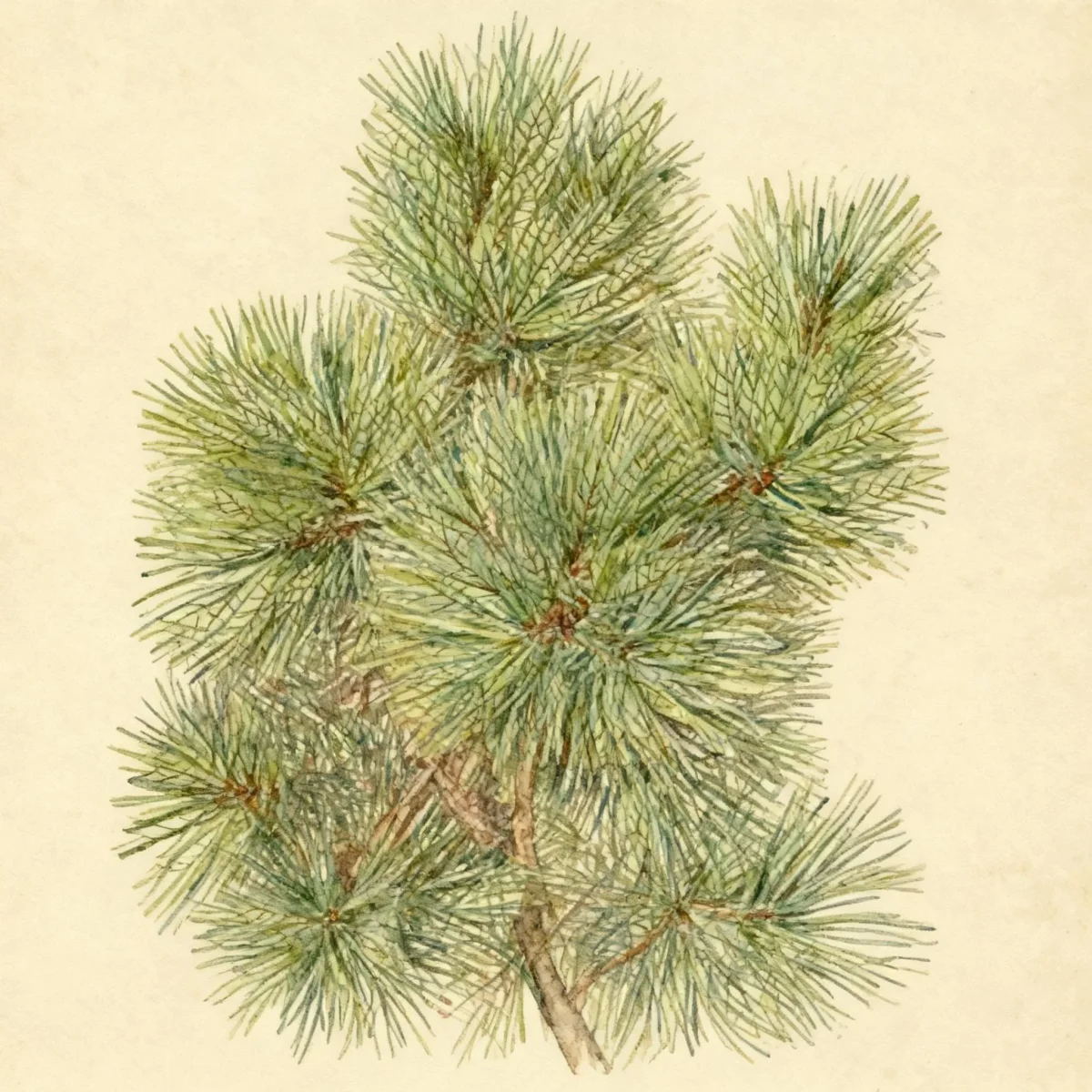
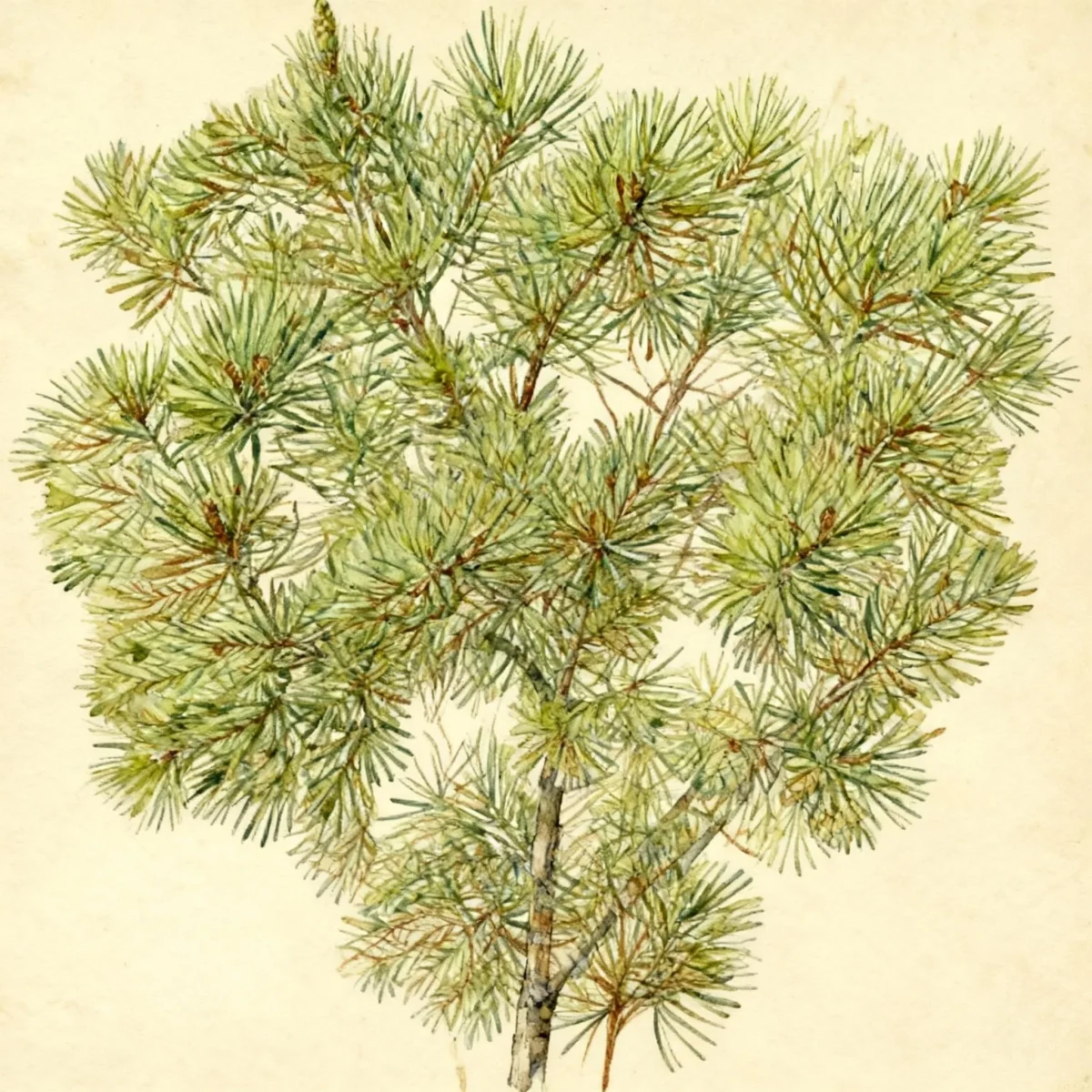
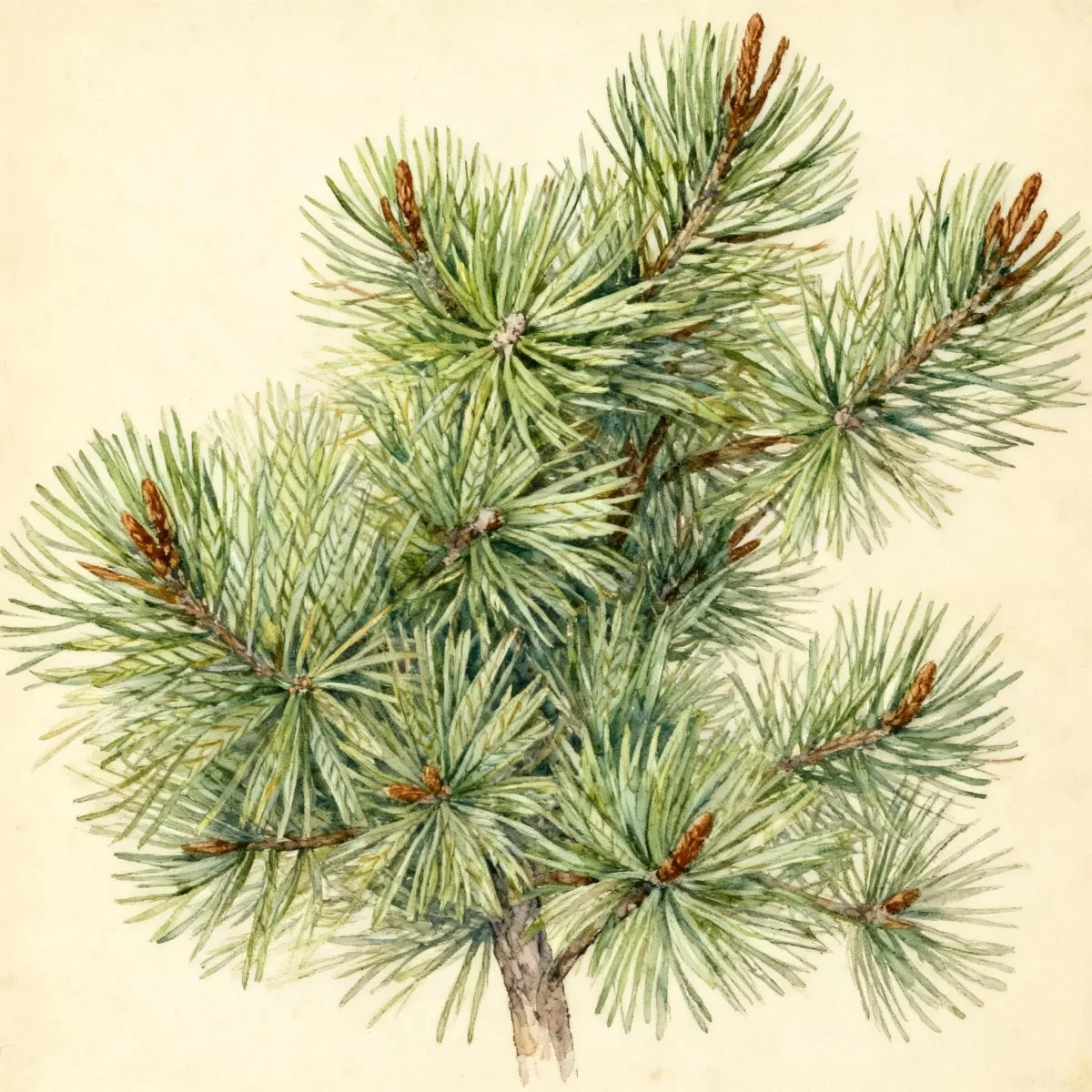
Pinus mugo, often called Mugo Pine or Swiss mountain pine, is historically known for being highly variable across its native European mountain ranges. While some relatives grow into large trees, the ‘Mops’ cultivar is distinct, presenting a dense, rounded form that matures slowly, typically reaching only 3 feet tall and wide. It features short, stiff needles (1-2 inches long) held in bundles of two, offering excellent density, though the needles may show a slight yellowish tint during harsh winter conditions.
Tolerances
- Deer
- Air Pollution
Potential Problems
Pines, including the Dwarf mountain pine, can face challenges based on regional climate and soil conditions; St. Louis is specifically mentioned as having difficult conditions for many pines due to soil structure and humidity. Monitor for signs of fungal diseases like tip blight, rusts, and various rots, which indicate inconsistent moisture or poor air circulation. Insect pests such as pine needle scale and sawflies can also become problematic infestations if ignored early. Active management involves ensuring proper drainage to prevent rot and inspecting needles regularly for early signs of scale insects.
Frequently Asked Questions
What hardiness zones is Dwarf mountain pine suitable for?
Pinus mugo ‘Mops’ demonstrates excellent resilience across USDA Zones 2 through 7.
How large does Pinus mugo ‘Mops’ grow?
This cultivar is relatively compact, typically maturing to a height between 3 and 4 feet with a spread of 2.5 to 3 feet.
What sun exposure does Dwarf mountain pine need?
For best performance and densest growth, the Dwarf mountain pine requires full sun, although it will tolerate partial shade.
When does Pinus mugo ‘Mops’ bloom?
As a conifer, this plant is non-flowering and does not produce ornamental flowers.
Conclusion
The Dwarf mountain pine stands out as a resilient, structurally sound evergreen perfect for adding persistent texture to small gardens or rock landscapes. Its low maintenance requirements and excellent hardiness, especially when sited in well-drained soil, make Pinus mugo ‘Mops’ a reliable choice for year-round interest. Always confirm your local hardiness zone compatibility before planting this superb cultivar.
Companion Planting
When designing beds around your Dwarf mountain pine, select plants that share similar preferences for full sun and excellent drainage. Consider pairing it with low-growing sedums or creeping thyme, which benefit from bright light and don’t compete heavily for root space. For contrasting texture, low-growing ornamental grasses that offer movement, such as certain Festuca varieties, provide a dynamic counterpoint to the rigid needles of the Pinus mugo ‘Mops’. Ensure borders remain open enough to allow adequate airflow around the pine to minimize humidity-related issues.
Design Ideas for Dwarf Conifers
Using compact conifers like the Dwarf mountain pine is essential for creating four-season interest in small-scale landscapes. Place a single specimen as a focal point near an entryway, allowing its formal shape to anchor the design. In mixed shrub borders, use the Dwarf mountain pine as a stabilizing “evergreen punctuation mark” between blocks of deciduous color—for example, placing it near plants with bright yellow or reddish fall foliage for maximum winter contrast. Its low, mounding habit also makes it an excellent choice for softening the edges of retaining walls or large rock arrangements.