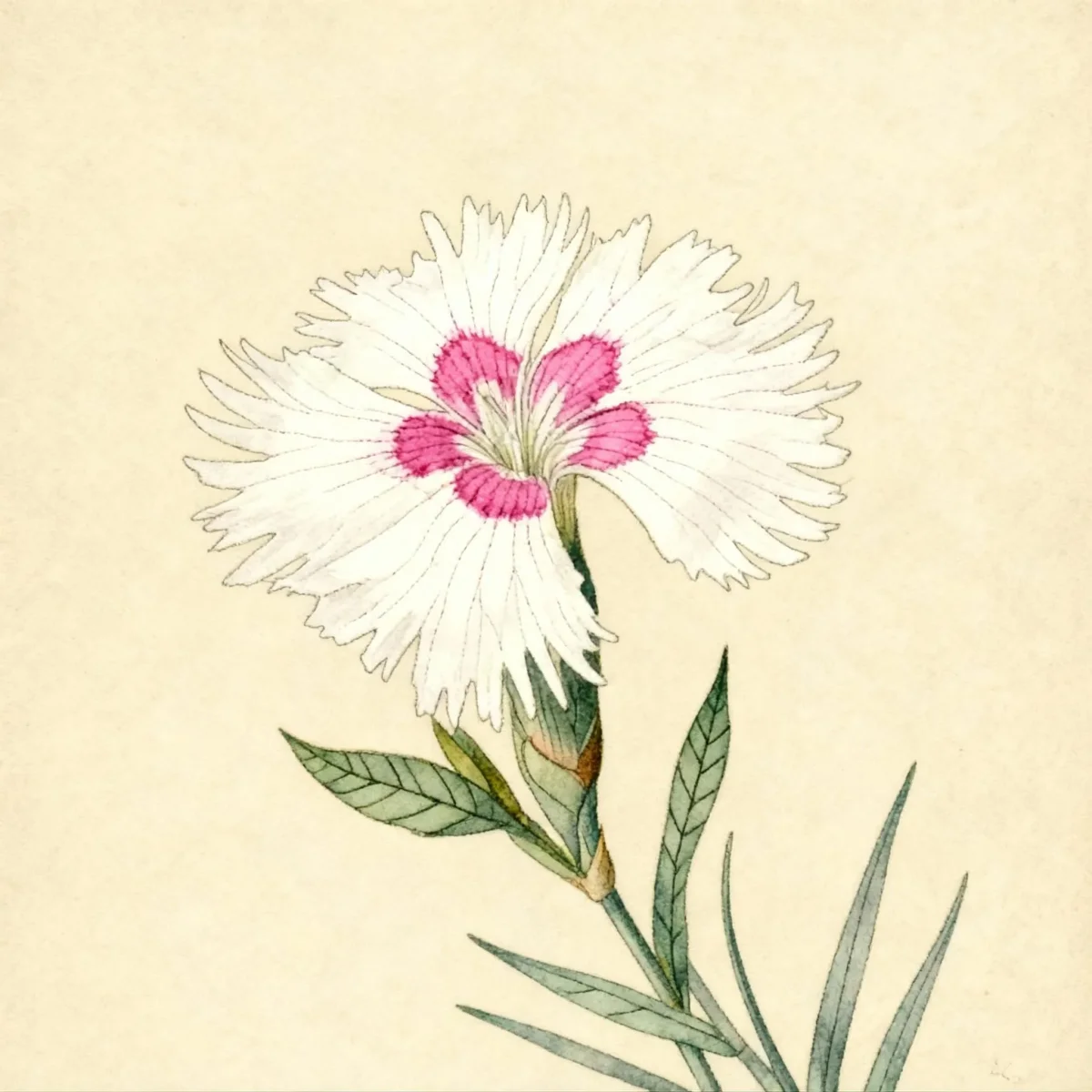
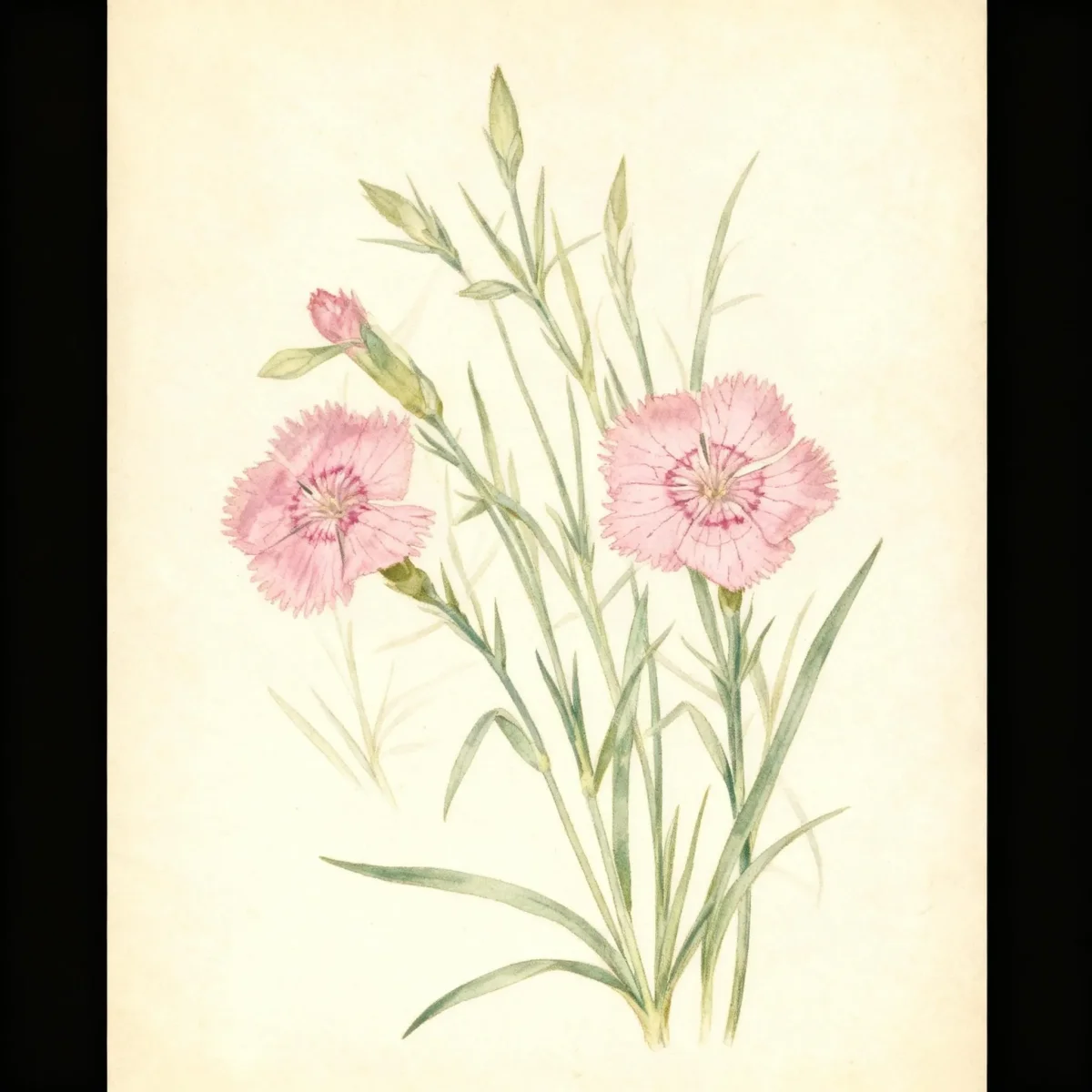
Cheddar pink (Dianthus 'Feuerhexe' FIREWITCH)
Dianthus 'Feuerhexe' FIREWITCH, or Cheddar pink, offers low-maintenance color with fragrant, bright magenta blooms from May to June.
Scroll down to discover growing tips, care requirements, companion plants, and more
Complete Plant Information
Overview
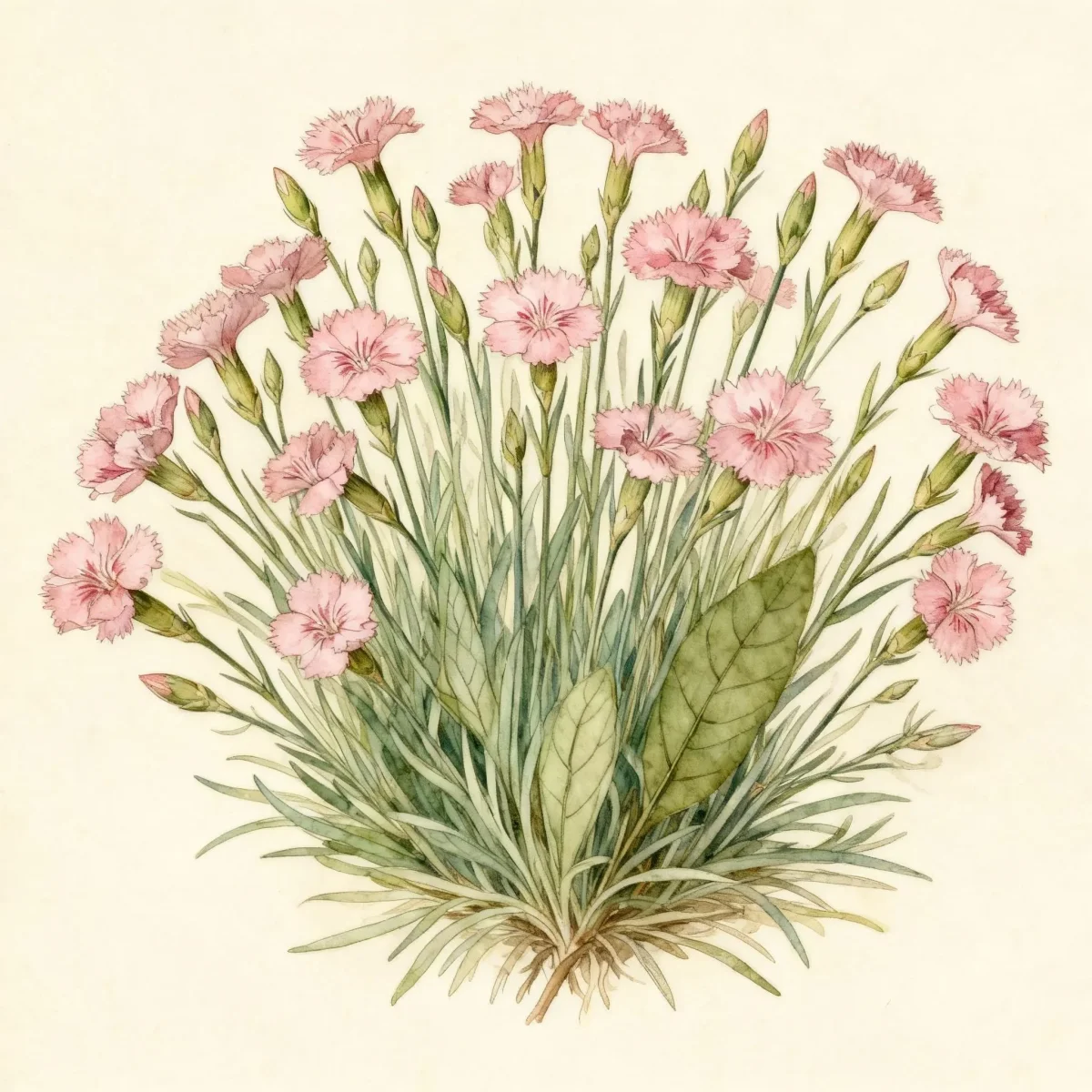
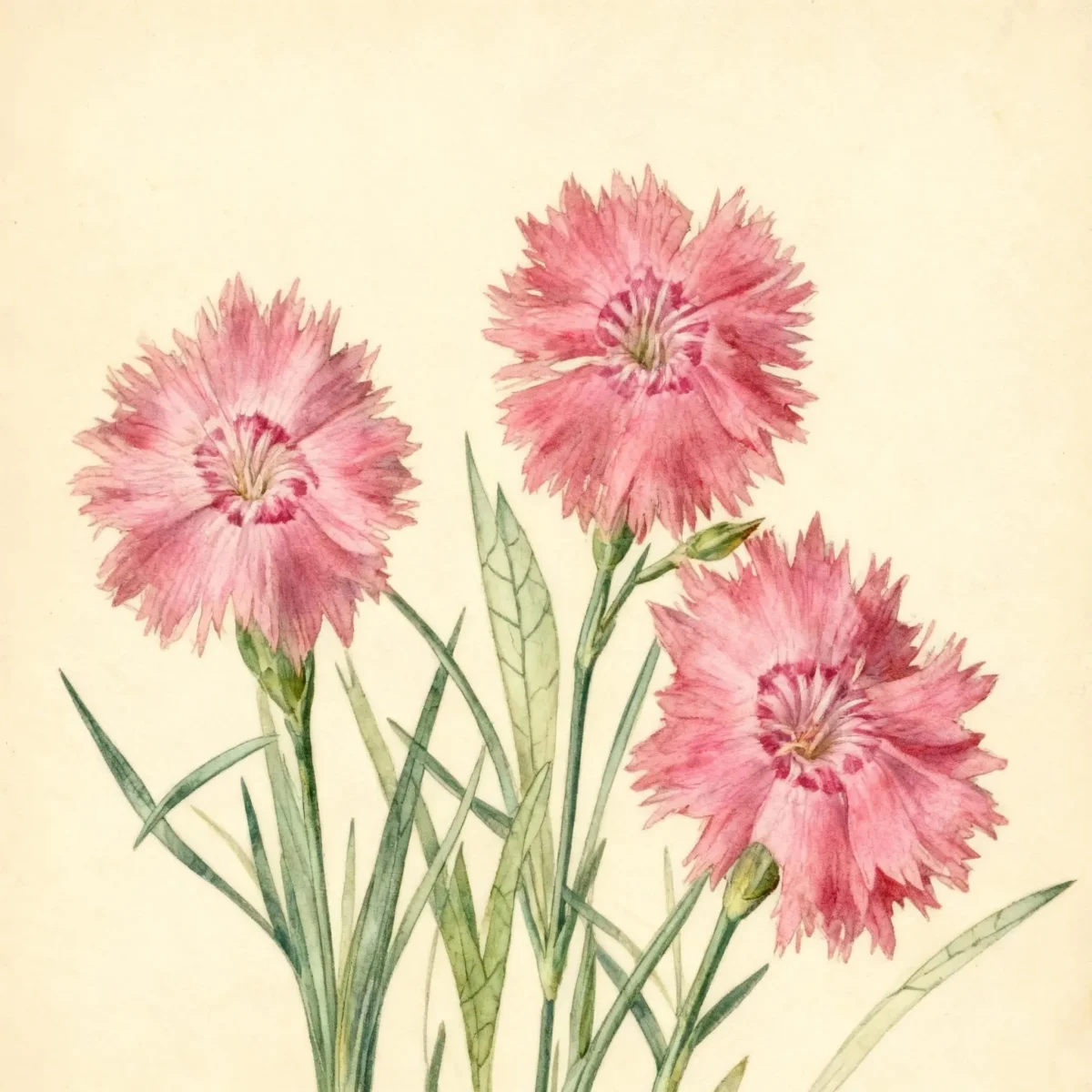
Dianthus ‘Feuerhexe’ FIREWITCH, commonly known as Cheddar pink, is a highly valued herbaceous perennial prized for its dense, mat-forming habit and vibrant floral display. This cultivar produces an abundance of sweetly scented, bright magenta flowers rising above tufted mounds of grassy, deep blue foliage, providing excellent textural and color contrast in the garden. As a low-maintenance choice, Dianthus ‘Feuerhexe’ FIREWITCH is exceptionally easy to integrate, performing reliably in full sun through USDA Zones 3 to 8.
This specific variety is noted for its improved tolerance to heat and humidity compared to many other dianthus types, making it a powerhouse for summer color when other alpine plants might struggle. Its short stature (under 6 inches) makes the mat-forming Dianthus ‘Feuerhexe’ FIREWITCH ideal for defining edges or filling crevices where formal structure is needed. Gardeners appreciate the reliable bloom period from May into June, often followed by intermittent repeat flowering.
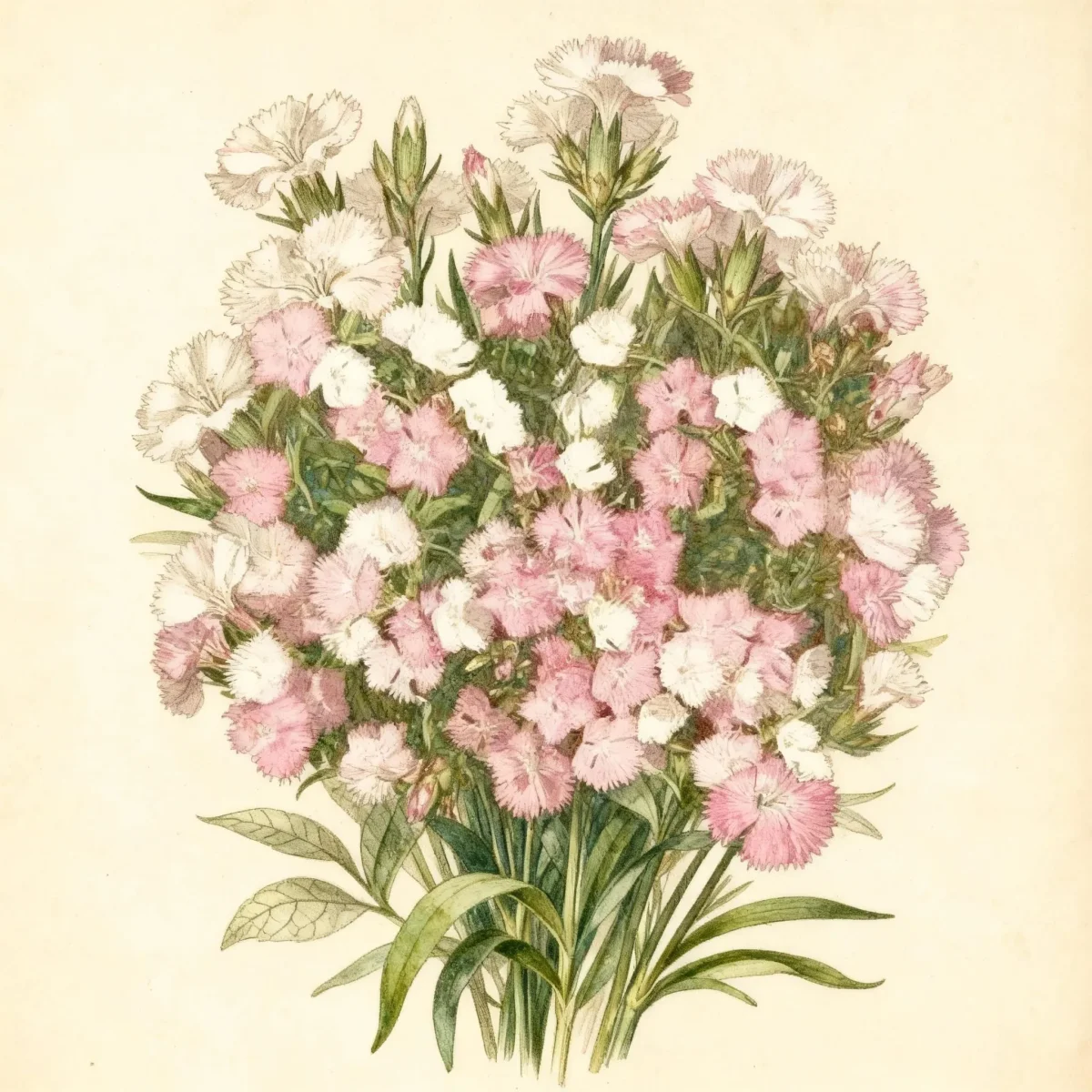
The rich history behind the Dianthus genus—known variously as pinks or carnations—stems from its Greek origin meaning “divine flower.” This specific Cheddar pink brings that divine characteristic into the contemporary landscape, offering fragrance and striking color performance with minimal fuss, provided it has excellent drainage.
Fast Facts
- Plant Family: Caryophyllaceae
- Plant Type: Herbaceous perennial
- Hardiness Zones: USDA Zones 3-8
- Size at Maturity:
- Height: 0.25-0.5 ft
- Spread: 0.5-1 ft
- Bloom Time: May to June
- Bloom Description: Bright magenta
- Sun Exposure: Full sun
- Water Needs: Medium
- Maintenance Level: Low
How to Grow
Planting Dianthus ‘Feuerhexe’ FIREWITCH is best accomplished in spring or fall, ensuring the location provides full sun exposure, as ample light drives good flowering. These plants perform optimally in average, evenly moist, well-drained soils. While they appreciate organically rich, gritty loams, excellent drainage is the single most critical factor; poor drainage invites crown rot. They thrive best in neutral to slightly alkaline soil conditions.
Low maintenance is a key benefit, requiring only medium amounts of water to keep the soil consistently moist, especially during summer heat. Applying leaf mold or other organic material to the soil helps retain necessary moisture without sacrificing drainage. Fertilization is often unnecessary due to its preference for leaner soils.
Deadheading spent flowers promptly will encourage the Dianthus ‘Feuerhexe’ FIREWITCH to produce a second flush of bloom later in the season. For aesthetic tidiness and to encourage late summer resurgence, consider shearing the plants back lightly after the main flowering period concludes in June. ‘Feuerhexe’ is tough, tolerating summer humidity better than many garden pinks.
Landscape Uses
The dense, spreading habit of this Cheddar pink makes it highly functional for various design roles. It provides fantastic masses of low-growing color, serving as effective edging along pathways or defining the front row of mixed perennial borders where its low profile won’t obscure taller neighbors. When planted densely, the individual mats merge to create a colorful, weed-suppressing ground cover.
Beyond standard bedding uses, Dianthus ‘Feuerhexe’ FIREWITCH excels in challenging locations that mimic its native preference for gritty substrates. Consider planting established mats on sun-drenched stone walls or rock gardens where sharp drainage is guaranteed and the bright magenta flowers can cascade slightly over stone edges. Its contrasting cool, blue-green foliage sets off bolder colors found in neighboring border plants exceptionally well.
Standout Features
Flower Qualities
- Showy
- Fragrant
Noteworthy Characteristics
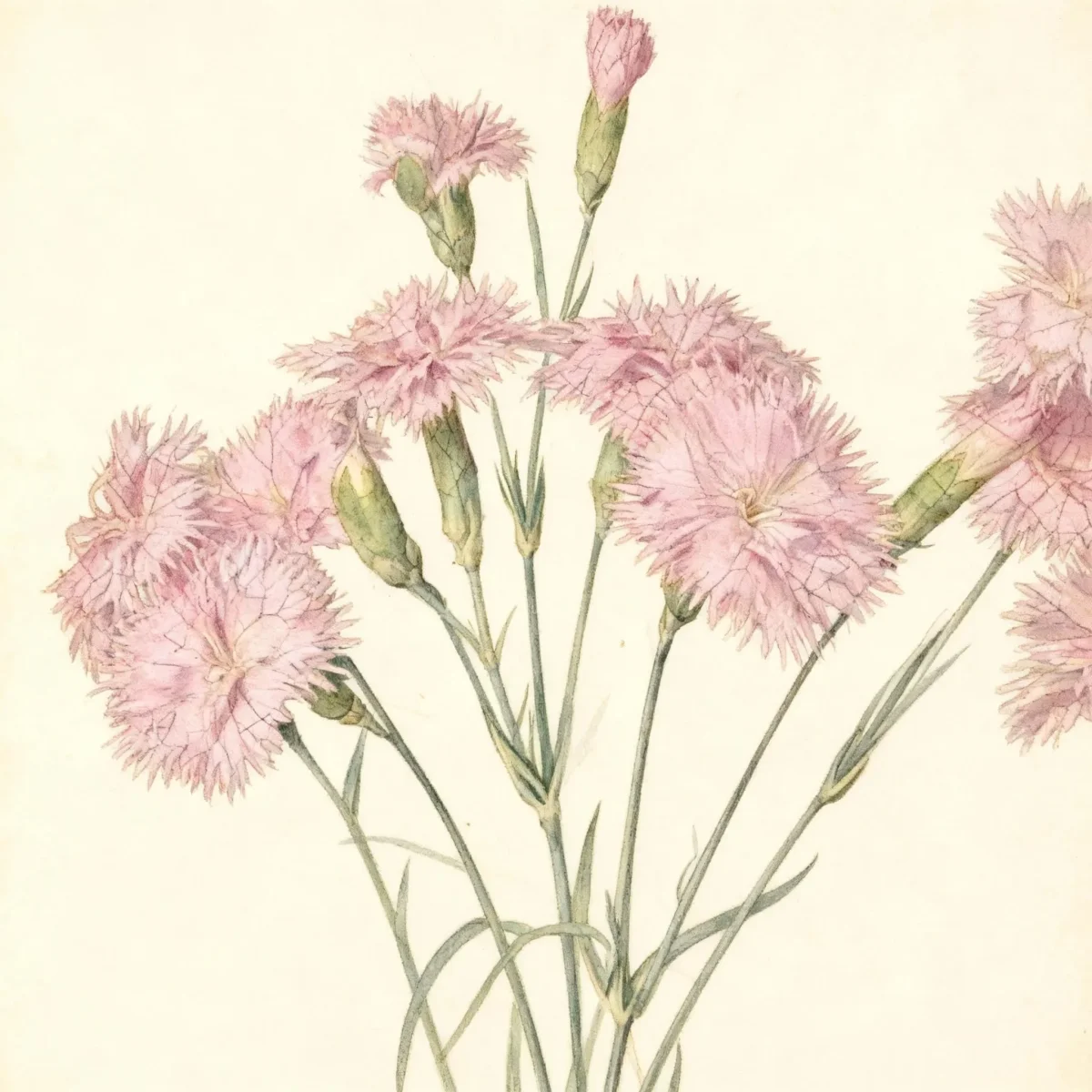
Perennial dianthus, commonly called carnations or pinks, are loosely-tufted, herbaceous perennials that features fragrant, often double flowers on stiff stems clad with narrow, linear, gray-green leaves. The common name of pink for plants in the genus Dianthus is in probable reference to the fringed flower petal margins (they appear to have been cut with pinking shears). ‘Feurerhexe’, commonly sold under the trade name of FIREWITCH, is a mat-forming cheddar pink that produces numerous, scented, bright magenta flowers singly atop wiry stems (to 6” tall) arising from tufted mounds of grassy, deep blue, linear foliage.
Tolerances
- Deer
Potential Problems
Crown rot is the primary threat to Dianthus ‘Feuerhexe’ FIREWITCH, an issue directly resulting from cultivation in wet, poorly-drained conditions. To prevent this common problem, always amend heavy clay soils heavily with grit or compost to ensure rapid water departure, especially over winter. If moisture retention is a concern during hot, dry spells, water at the base of the plant rather than overhead to keep the crowns dry.
Frequently Asked Questions
What hardiness zones is Cheddar pink suitable for?
Dianthus ‘Feuerhexe’ FIREWITCH performs best when grown in USDA Hardiness Zones 3 through 8.
How large does Cheddar pink grow?
This variety typically reaches a height between 0.25 to 0.5 feet, spreading outwards to cover an area of 0.5 to 1 foot wide.
When does Dianthus ‘Feuerhexe’ FIREWITCH bloom?
You can expect the primary bloom flush from this Cheddar pink to occur between May and June, displaying its signature bright magenta color.
What sun exposure does Dianthus ‘Feuerhexe’ FIREWITCH need?
For the richest display of flowers and best overall health, Dianthus ‘Feuerhexe’ FIREWITCH requires full sun exposure throughout the day.
Conclusion
Dianthus ‘Feuerhexe’ FIREWITCH remains a garden staple due to its low-maintenance nature, reliable performance, and the appealing fragrance offered by its showy, bright magenta blooms. Whether used as edging, ground cover, or in a specialized rock garden, this Cheddar pink delivers exceptional value. Always confirm that your intended planting site offers sharp drainage before planting to ensure the long-term success of your Dianthus ‘Feuerhexe’ FIREWITCH.
Companion Planting Pointers
Select companions that share the same preference for full sun, gritty soil, and good air circulation. Alpine plants and succulents are excellent neighbors, as they generally tolerate leanness and sharp drainage better than moisture-loving perennials. Consider pairing the mat-forming Dianthus ‘Feuerhexe’ FIREWITCH with creeping thyme varieties, small sedums, or Aubrieta to create a dense, textured tapestry effect. Avoid heavy feeders or plants that require consistently moist, rich soil, as this compromises the health of your dianthus.
Seasonal Care Calendar
Spring care centers on light pruning; shear the plants back lightly after the main flush of bloom subsides in late spring to tidy the mound and encourage scattered summer flowers. In summer, monitor moisture, providing medium water if the weather is persistently hot and dry, ensuring water goes directly to the roots. Late autumn preparation involves ensuring the area is completely dry before winter sets in, as damp conditions paired with cold are highly detrimental to this perennial. Remove any accumulated leaf debris around the crowns to maximize air circulation going into dormancy.