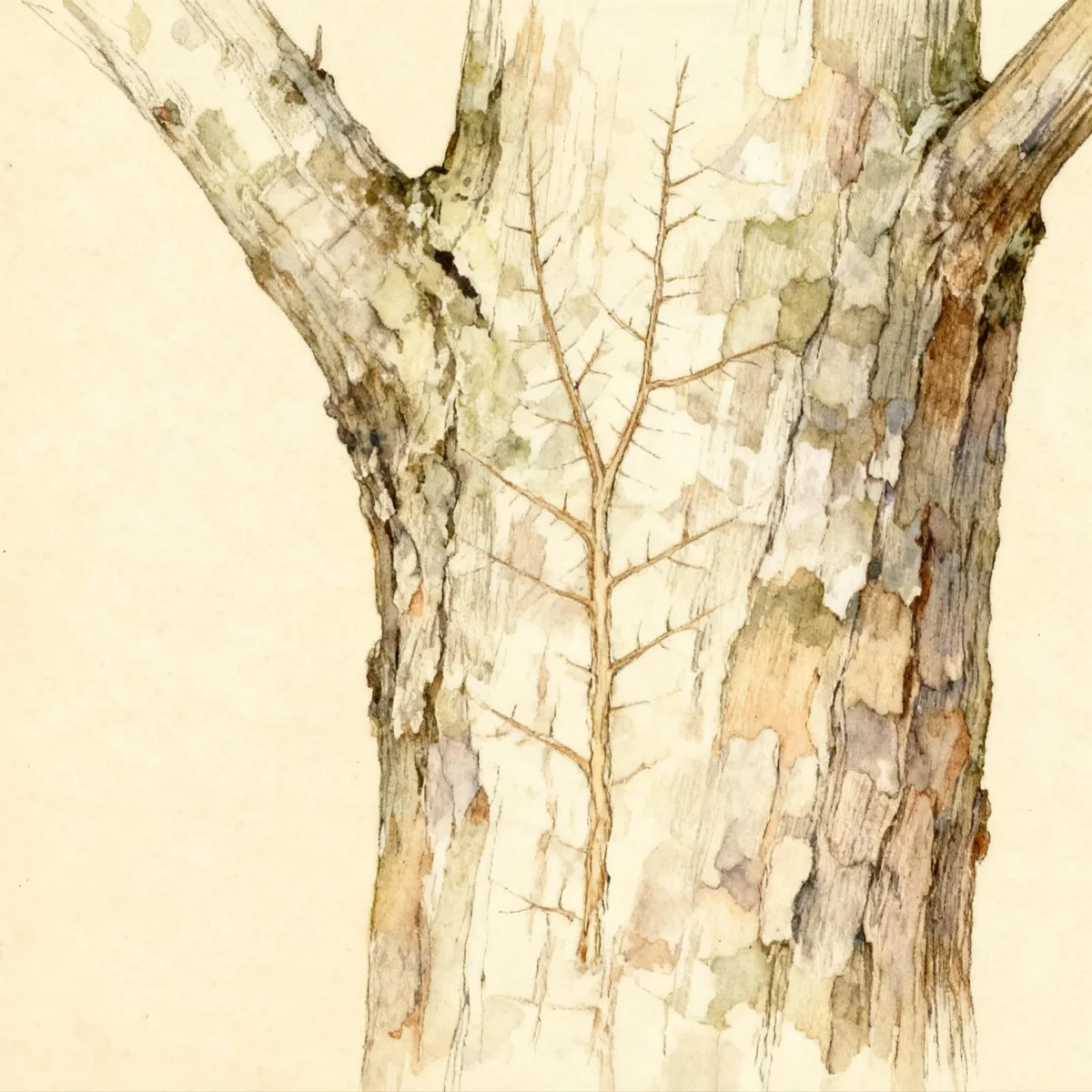
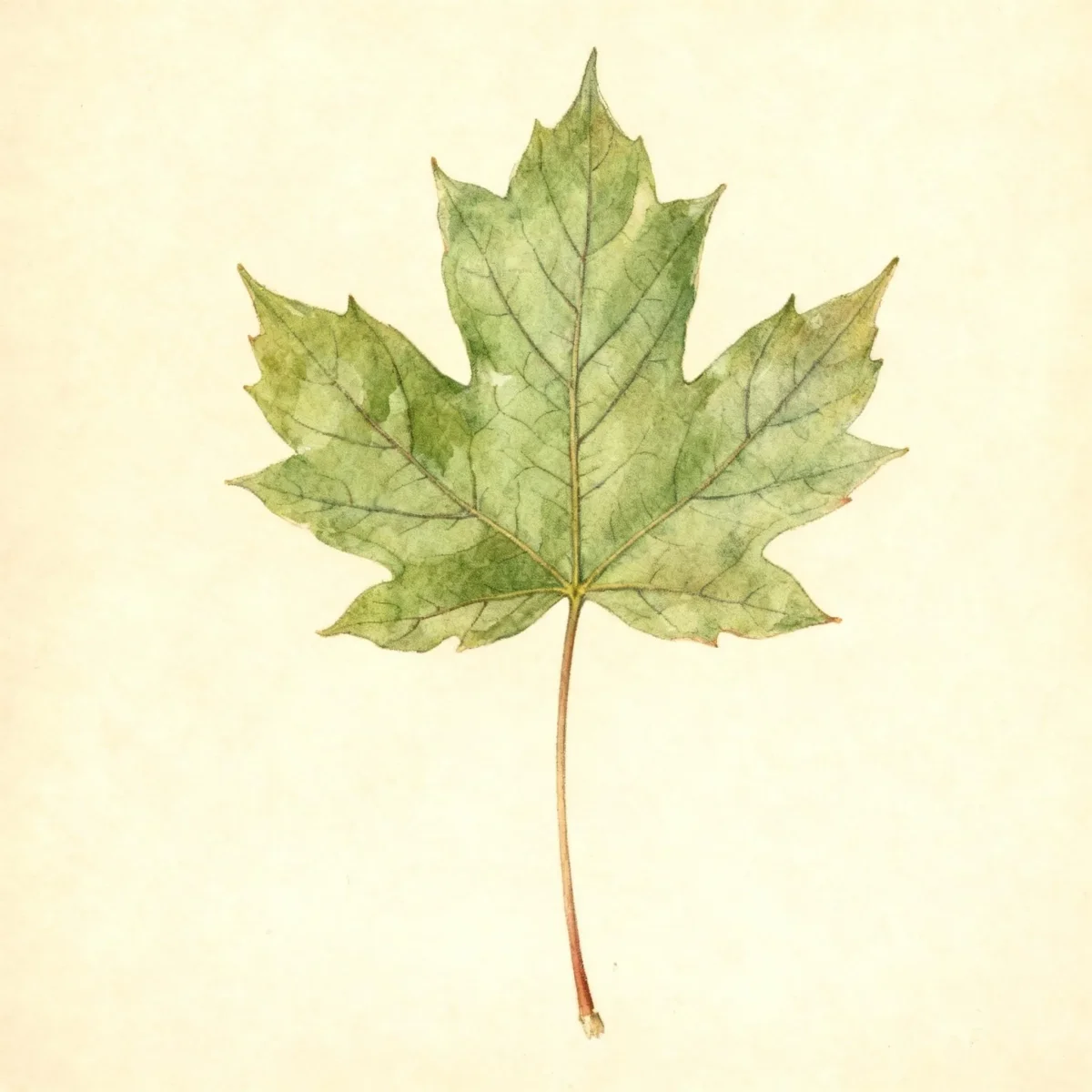
Norway maple (Acer platanoides 'Superform')
Acer platanoides 'Superform' is a robust Norway maple tree, prized for its uniform branching and excellent rounded form, ideal for urban shade.
Scroll down to discover growing tips, care requirements, companion plants, and more
Complete Plant Information
Overview
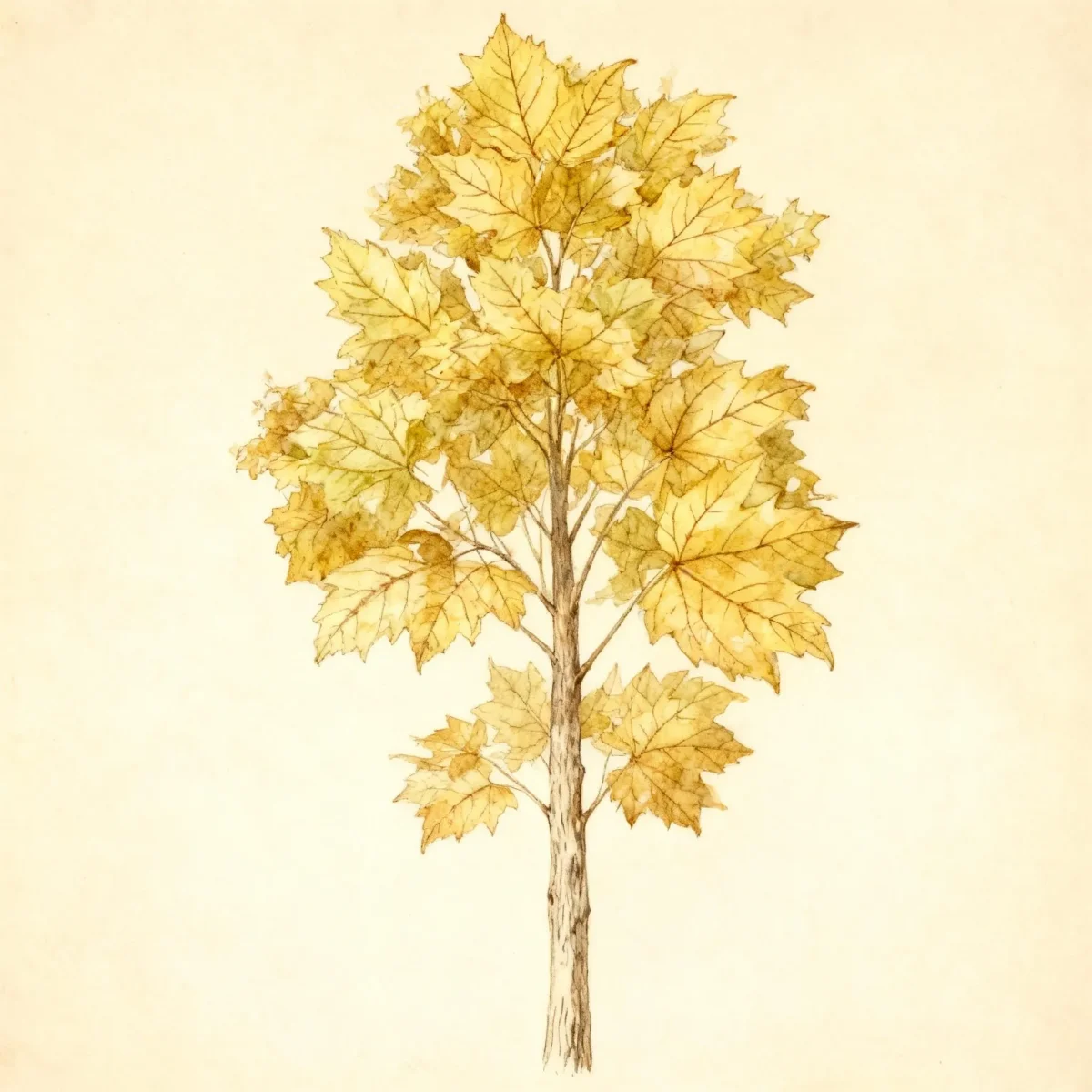
Acer platanoides ‘Superform’, commonly known as Norway maple, is a highly valued cultivar prized for its exceptional structural qualities, making it a dependable choice for imposing shade structures. This variety is noted for maintaining a straight trunk and achieving a dense, symmetrical, broad-rounded crown, offering reliable landscape aesthetics across many seasons. Its adaptability, combined with its mature size, establishes the Norway maple as a significant specimen tree in established settings where large shade is desired.
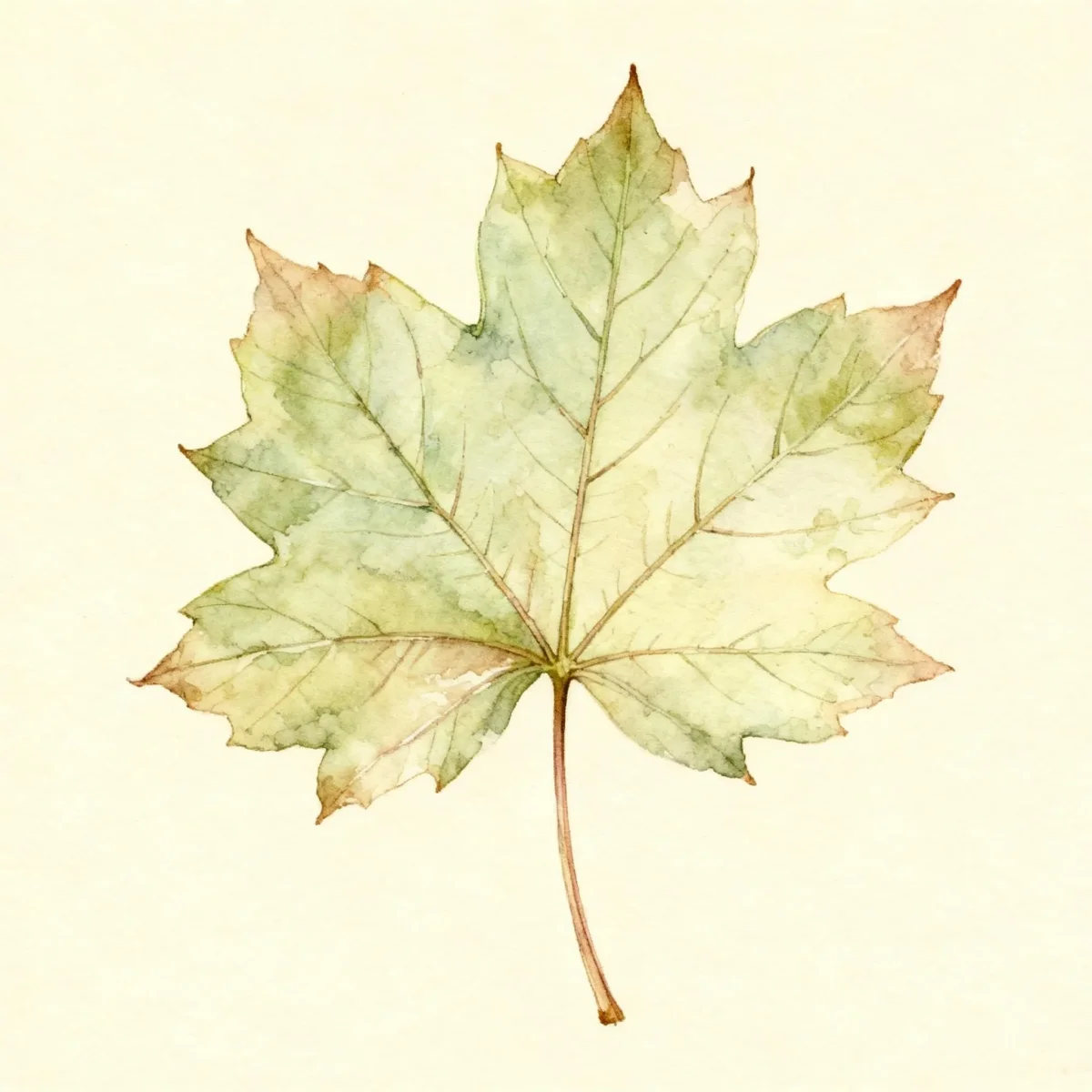
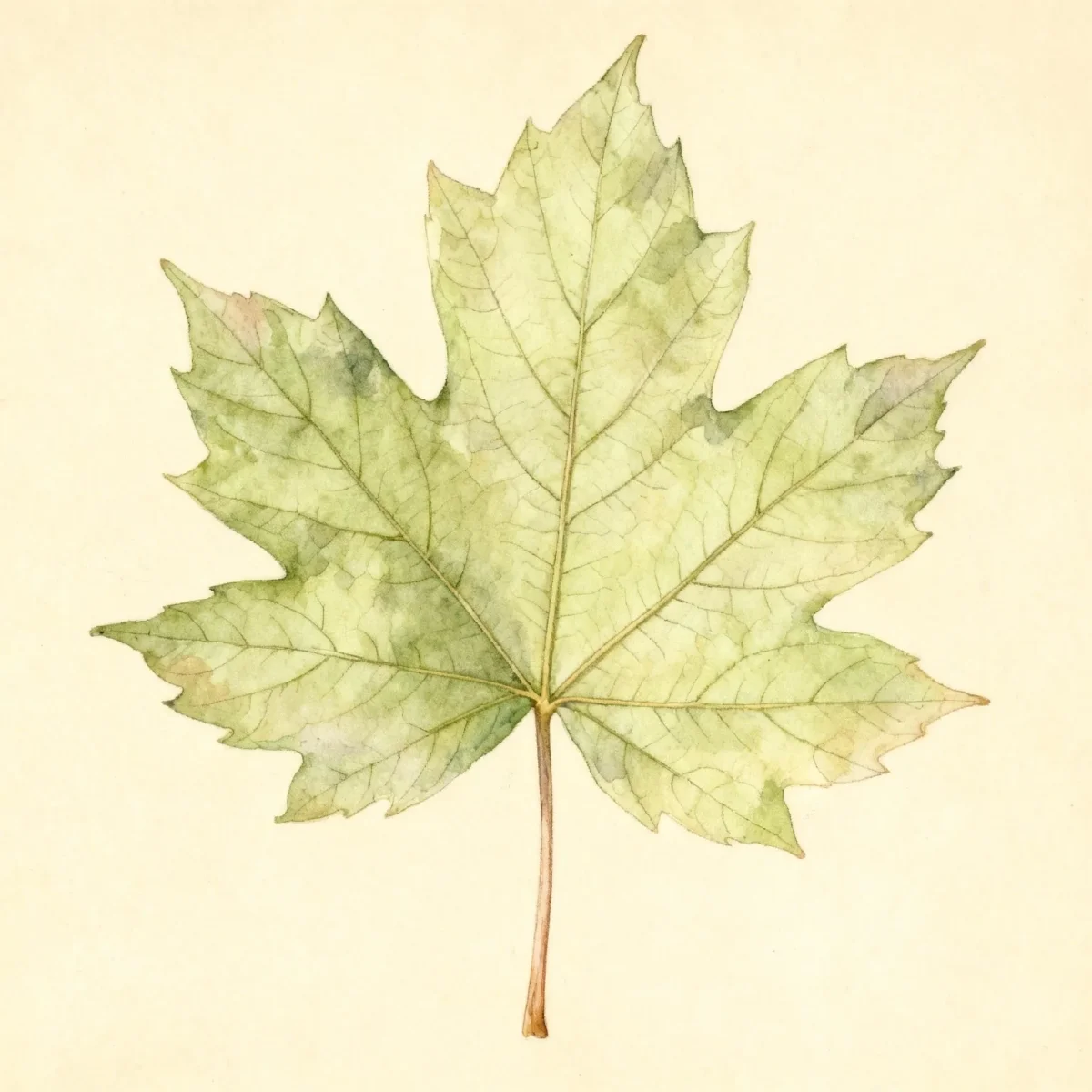
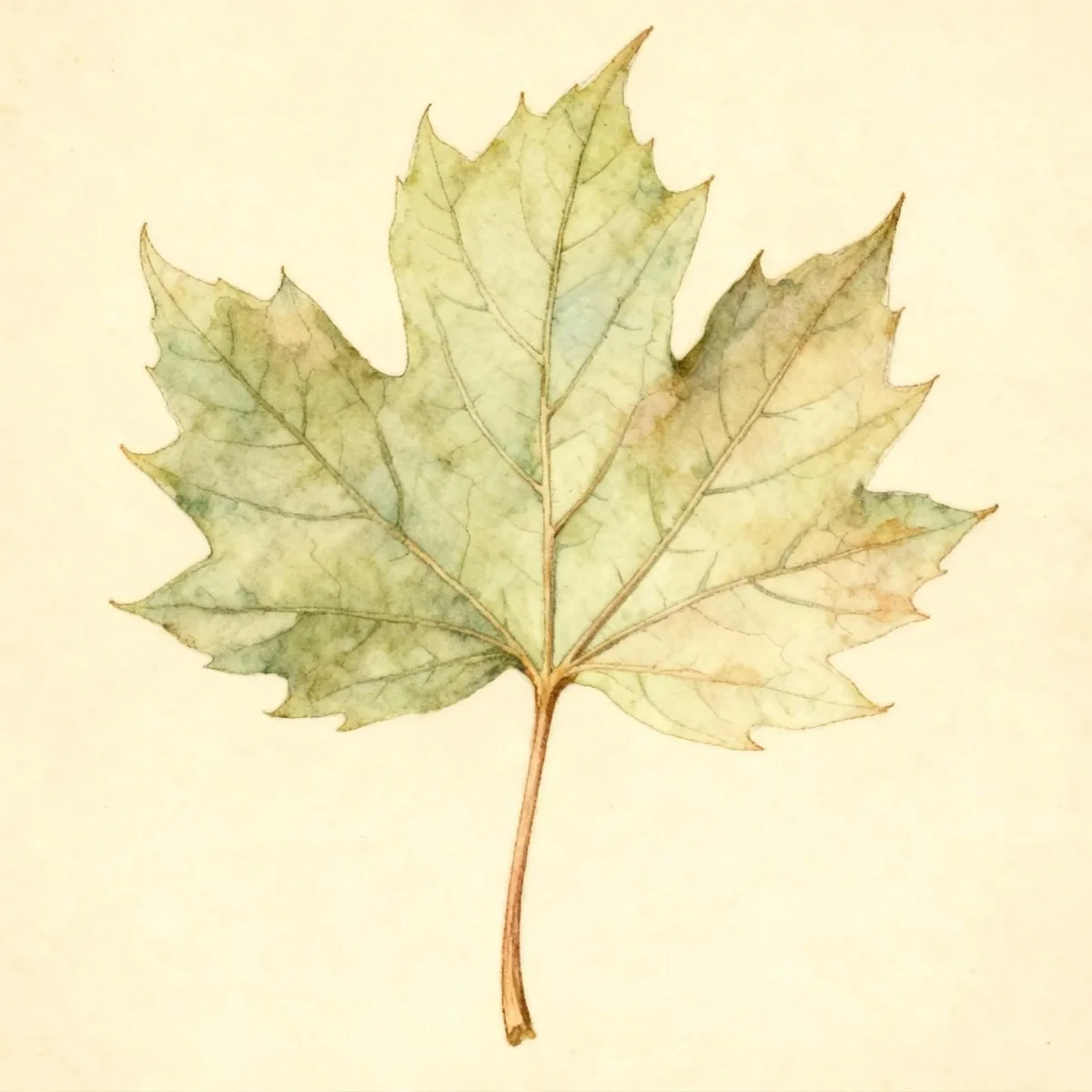
The ‘Superform’ cultivar showcases uniform branching patterns, setting it apart from the typical species, which can sometimes be irregular. It establishes quickly and provides dense cover with large, distinctive five-lobed leaves that resemble those of the sugar maple, contrasting with the species’ often unremarkable fall output by displaying better yellow tones. Gardeners appreciate the Acer platanoides ‘Superform’ for its vigorous growth habit and relatively low maintenance once established.
While its ancestor, the common Norway maple, is native to Europe, Acer platanoides ‘Superform’ has found significant use in North American landscapes, thriving in conditions that challenge more delicate species. It is a deciduous workhorse, albeit one requiring consideration due to its shallow root system, which demands thoughtful placement away from hardscaping.
Fast Facts
- Plant Family: Sapindaceae
- Plant Type: Tree
- Hardiness Zones: USDA Zones 3-7
- Size at Maturity:
- Height: 40-50 ft
- Spread: 30-50 ft
- Bloom Time: March to April
- Bloom Description: Yellow
- Sun Exposure: Full sun to part shade
- Water Needs: Medium
- Maintenance Level: Low
How to Grow
The Acer platanoides ‘Superform’ tree establishes best when planted in the spring or early autumn, allowing it time to acclimate before extreme seasonal shifts. It thrives in average, medium moisture, well-drained soils but exhibits remarkable tolerance for a wide range of soil types, resisting adverse effects from heat and drought better than many shade trees. Full sun exposure is ideal for the densest canopy, though it manages well in partial shade.
Watering should be consistent, particularly during the first few growing seasons, to encourage deep root establishment, although established Norway maples are relatively drought-tolerant. Maintenance requirements are low; fertilizer is rarely necessary unless soil tests indicate severe deficiencies. Pruning should focus primarily on maintaining the tree’s excellent natural shape or removing crossing or damaged limbs, ideally during the dormant season.
Be mindful that the shallow root system inherent to this species can interfere with turfgrass within the drip line and may heave nearby sidewalks or driveways over decades. Because the thick canopy limits light penetration, planting groundcovers under mature Acer platanoides ‘Superform’ can be challenging.
Landscape Uses
The primary function of the Norway maple, and specifically the robust ‘Superform’ cultivar, is as a magnificent shade provider. With its predictable, rounded canopy, it excels as a stately shade tree for large lawns or open park settings where its 40 to 50-foot stature can be fully realized. Although historically used extensively as a street tree, this practice is discouraged in many municipalities today due to the invasive potential of the species and the issues caused by its encroaching surface roots near pavement.
When incorporating Acer platanoides ‘Superform’ into a landscape design, consider pairing it with shorter, deep-rooted shrubs or perennials that can tolerate drier, shadier conditions developing beneath its canopy as it matures. Its density makes it an excellent visual screen or boundary marker. Designers often select this cultivar when a formal, symmetrical presence is required without extensive shaping.
For settings where street tree issues are not a concern, the uniform branching of Acer platanoides ‘Superform’ anchors properties beautifully, providing immediate vertical relief and cooling effects during summer months.
Standout Features
Flower Qualities
- Insignificant
Noteworthy Characteristics
Acer platanoides, commonly called Norway maple, is native to Europe and has been widely utilized across the U.S. as a medium-sized deciduous shade tree, typically maturing between 40-50’ tall with a dense, rounded crown. The cultivar ‘Superform’ distinguishes itself with superior symmetry, a straight trunk, and heavy foliage, offering better yellow fall color than the species. Its wood exudes a milky sap when leaf stems are cut, and small yellow flowers appear in spring before the foliage emerges, developing into paired, winged seeds known as samaras.
Tolerances
- Drought
- Air Pollution
Potential Problems
Norway maple, including the Acer platanoides ‘Superform’ cultivar, is susceptible to Verticillium wilt, a fungal disease that can often prove fatal. Proactive health management is crucial to prevent this stressor.
A significant cultural issue stems from its shallow root system. These surface roots are known to crack or heave adjacent sidewalks and driveways and can severely outcompete turfgrass for water and nutrients directly under the canopy.
Additionally, the bark, especially on younger specimens of Acer platanoides ‘Superform’, is sensitive to sunscald and winter cracking (frost cracks). Tree placement should account for these structural tendencies, avoiding proximity to delicate hardscaping or high-competition turf areas.
Frequently Asked Questions
What hardiness zones is Norway maple suitable for?
Acer platanoides ‘Superform’ is adaptable across USDA Zones 3 through 7, making it a reliable choice for many northern and central regions.
How large does Norway maple grow?
Mature specimens of Acer platanoides ‘Superform’ typically reach heights between 40 and 50 feet, with a spread ranging from 30 to 50 feet wide, forming a substantial rounded crown.
What sun exposure does Acer platanoides ‘Superform’ need?
This tree performs best when situated in full sun, although it is tolerant of part shade conditions. Full sun maximizes canopy density for the Norway maple.
When does Acer platanoides ‘Superform’ bloom?
The small yellow flowers of the Norway maple appear relatively early in the season, typically from March to April, preceding the flush of leaf growth.
Conclusion
The Acer platanoides ‘Superform’ stands out as a low-maintenance, vigorous shade tree defined by its excellent symmetrical habit and urban tolerance. For gardeners needing a powerful, dependable structure, this cultivar of the Norway maple provides significant aesthetic and functional value. Always confirm that local soil and space conditions—particularly root growth constraints—are appropriate before planting this magnificent specimen.
Design Ideas
When using the Acer platanoides ‘Superform’ in formal garden designs, its strong architectural shape works well as a central focal point or at regular intervals along wide avenues or property boundaries. Because of its wide drip line and dense shade, designers should select shade-loving border plants, favoring woodland edge species over sun-loving perennials that will quickly decline under the canopy. Groupings of three or five of these maples can create a substantial, impressive screen while providing uniform coverage.
Companion Planting
Choosing companions for this Norway maple requires selecting plants tolerant of dry shade and competition from established, shallow roots. Hostas with variegated or dark green foliage contrast beautifully with the summer green of the maple leaves. Underplanting with spring ephemerals like Virginia Bluebells (Mertensia virginica) works effectively, as they complete their cycle before the Acer platanoides ‘Superform’ creates its deep summer shade layer. Avoid high-water-use plants near the base of this drought-tolerant tree.