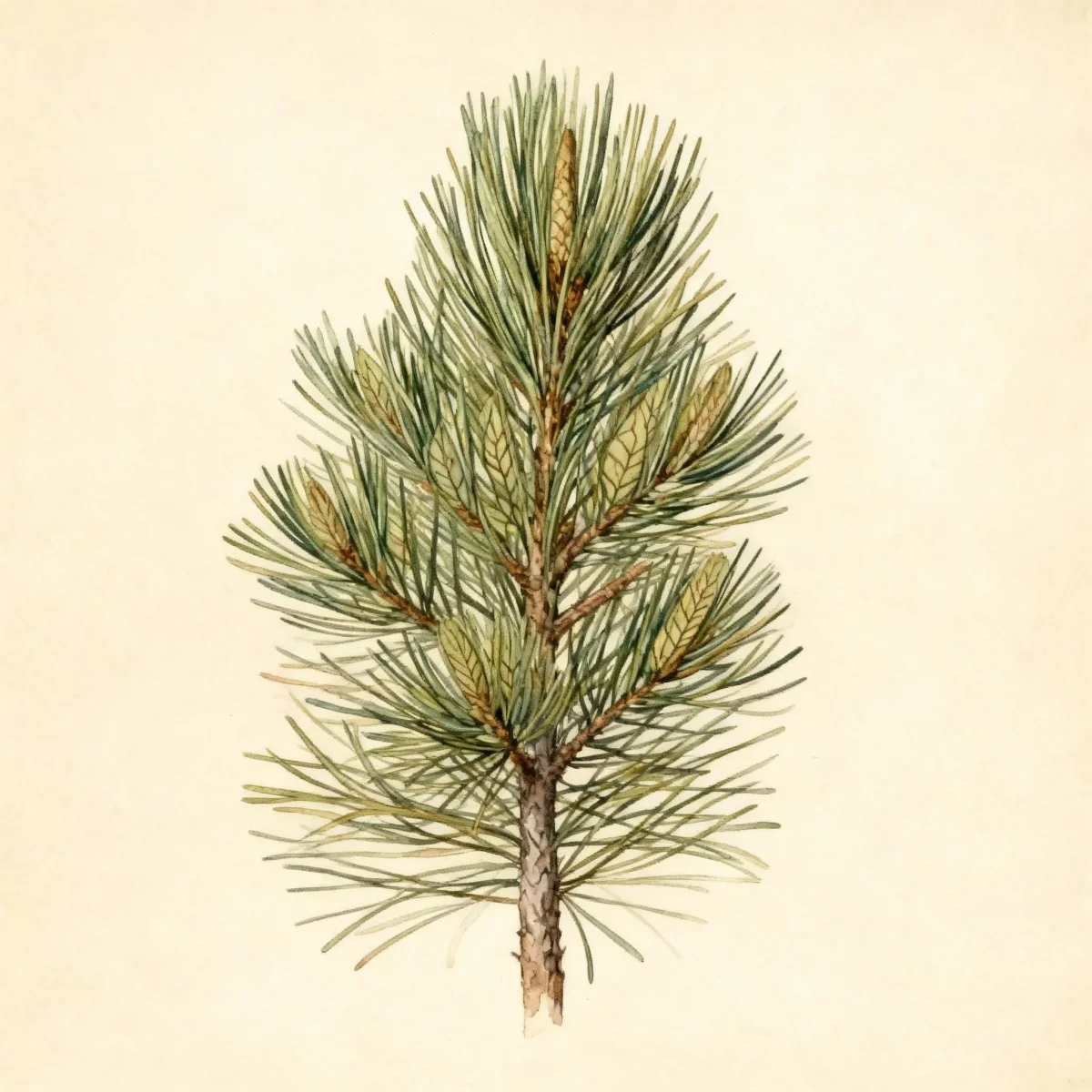
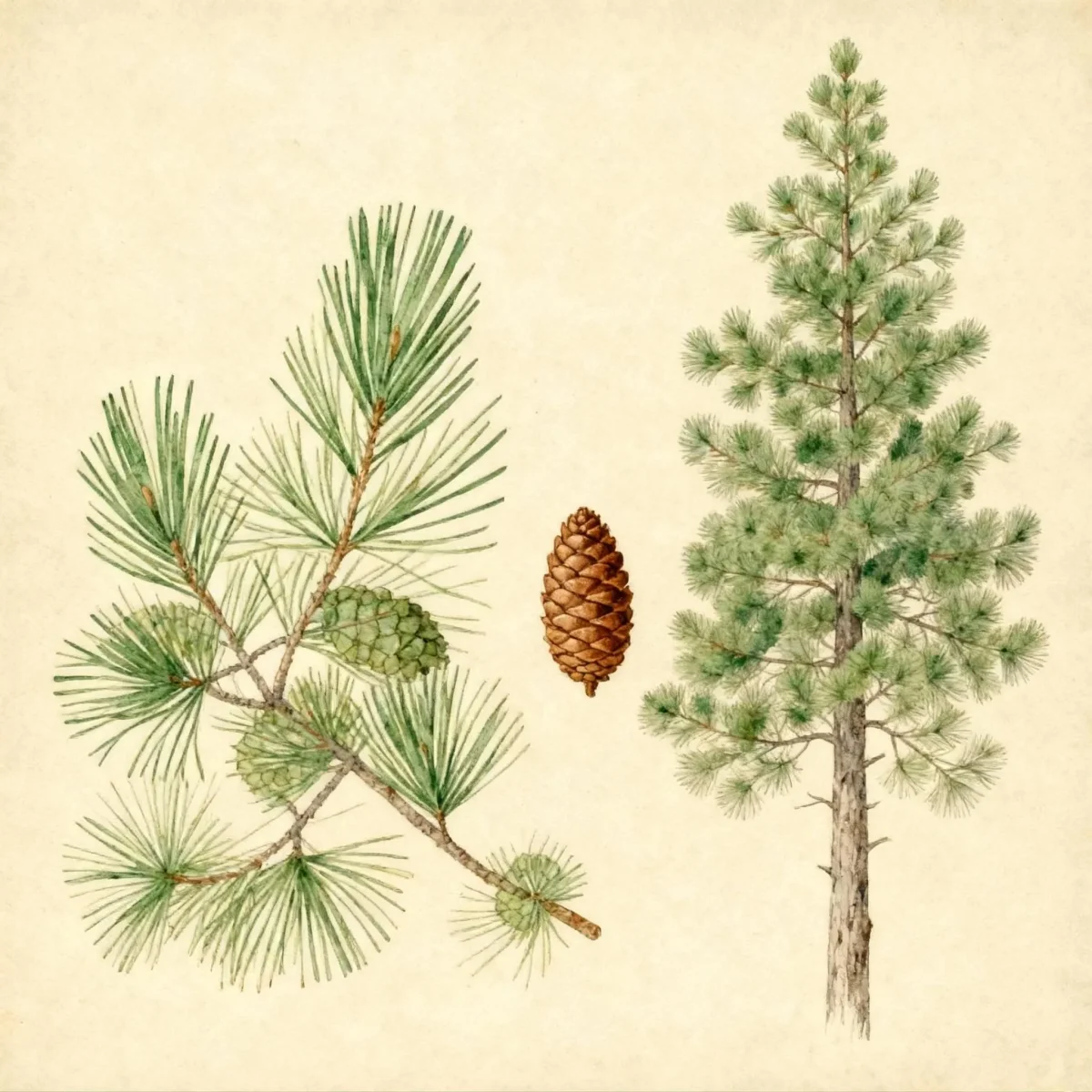
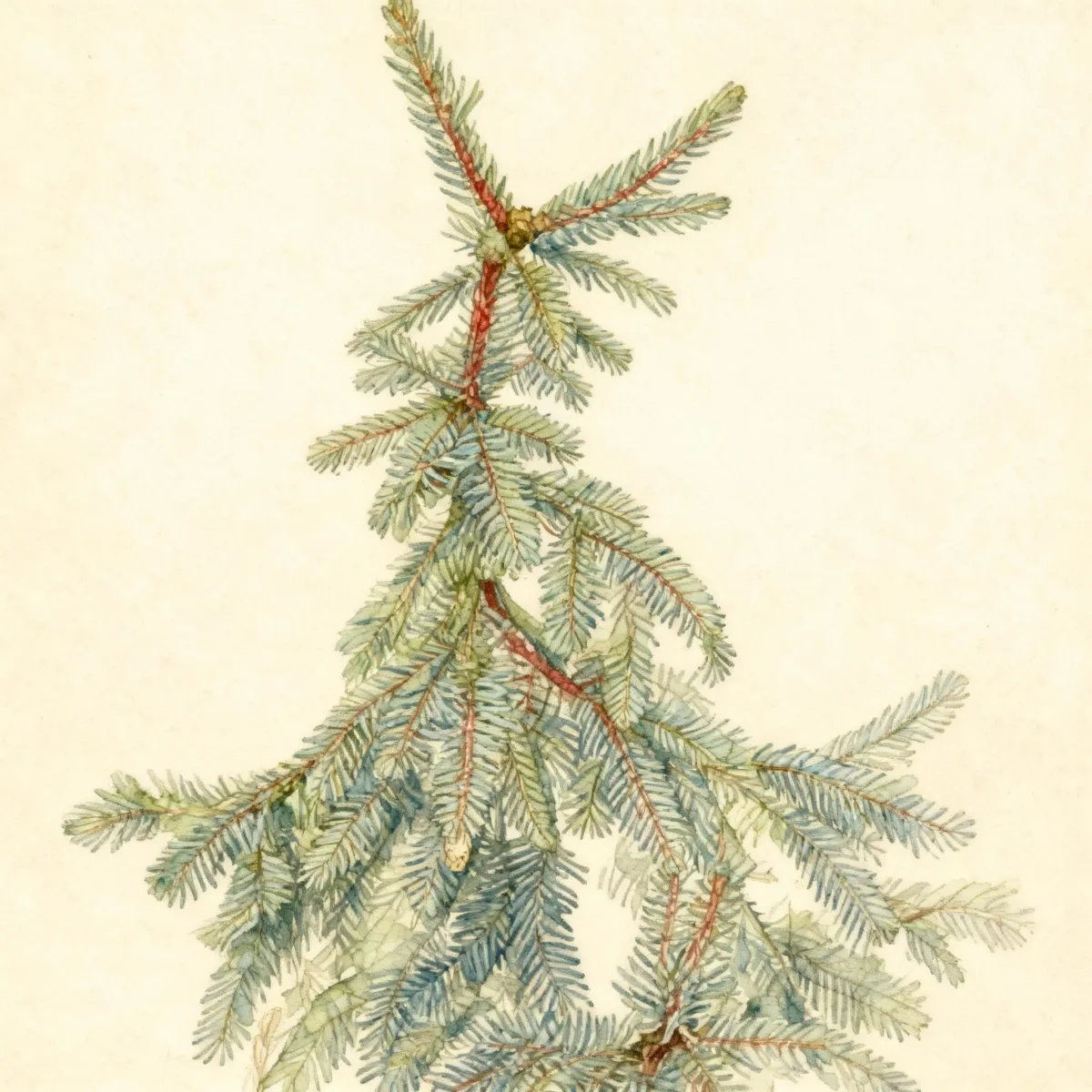
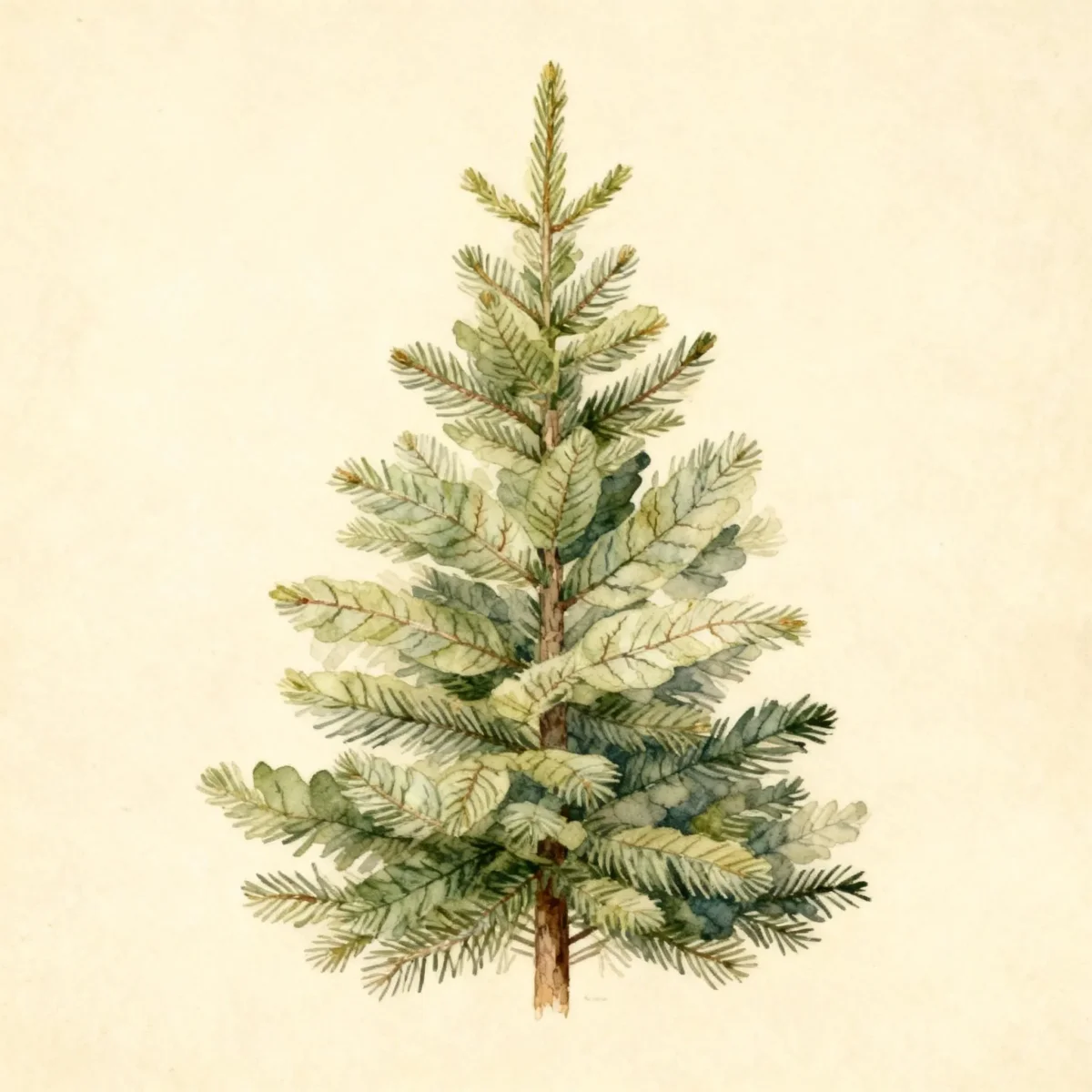
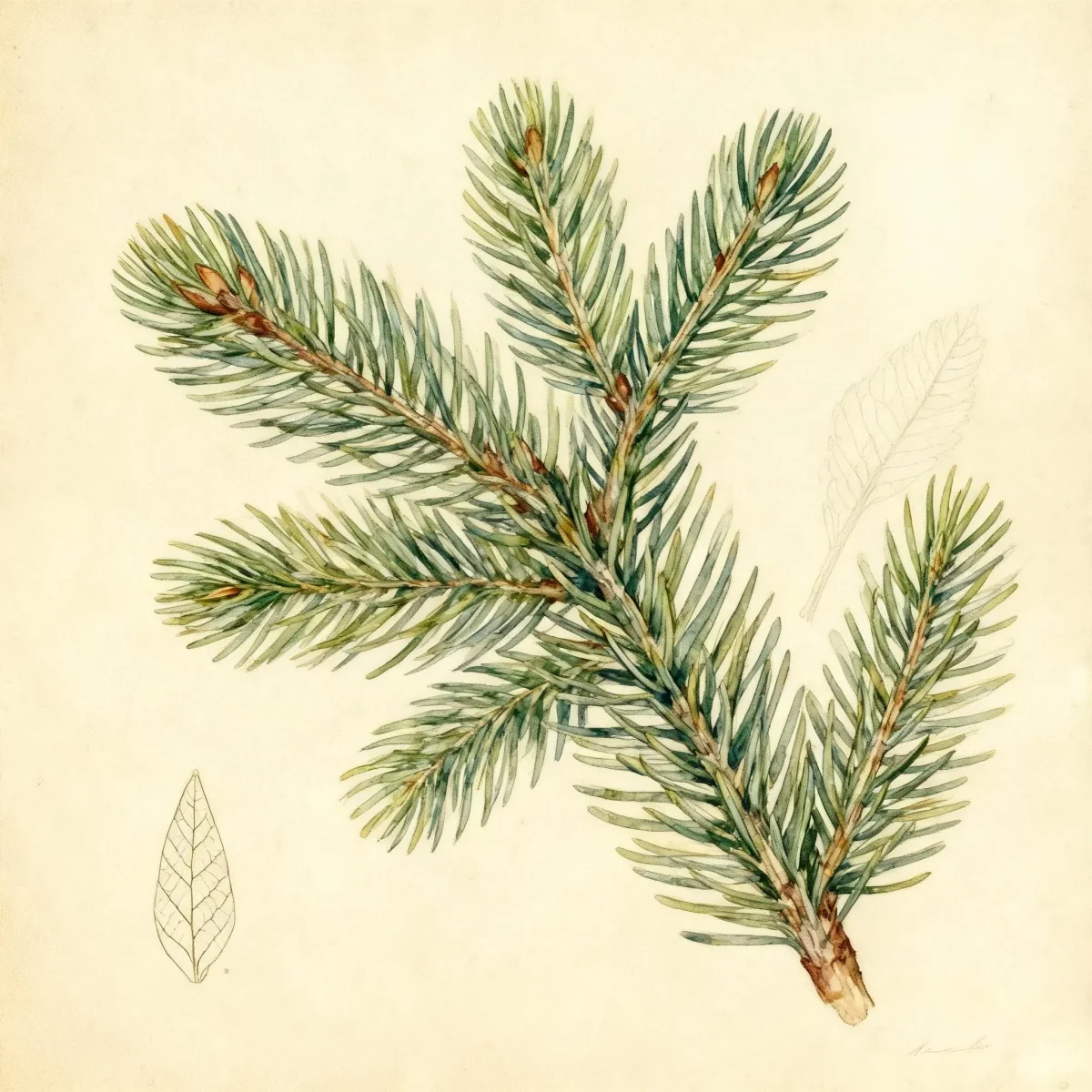
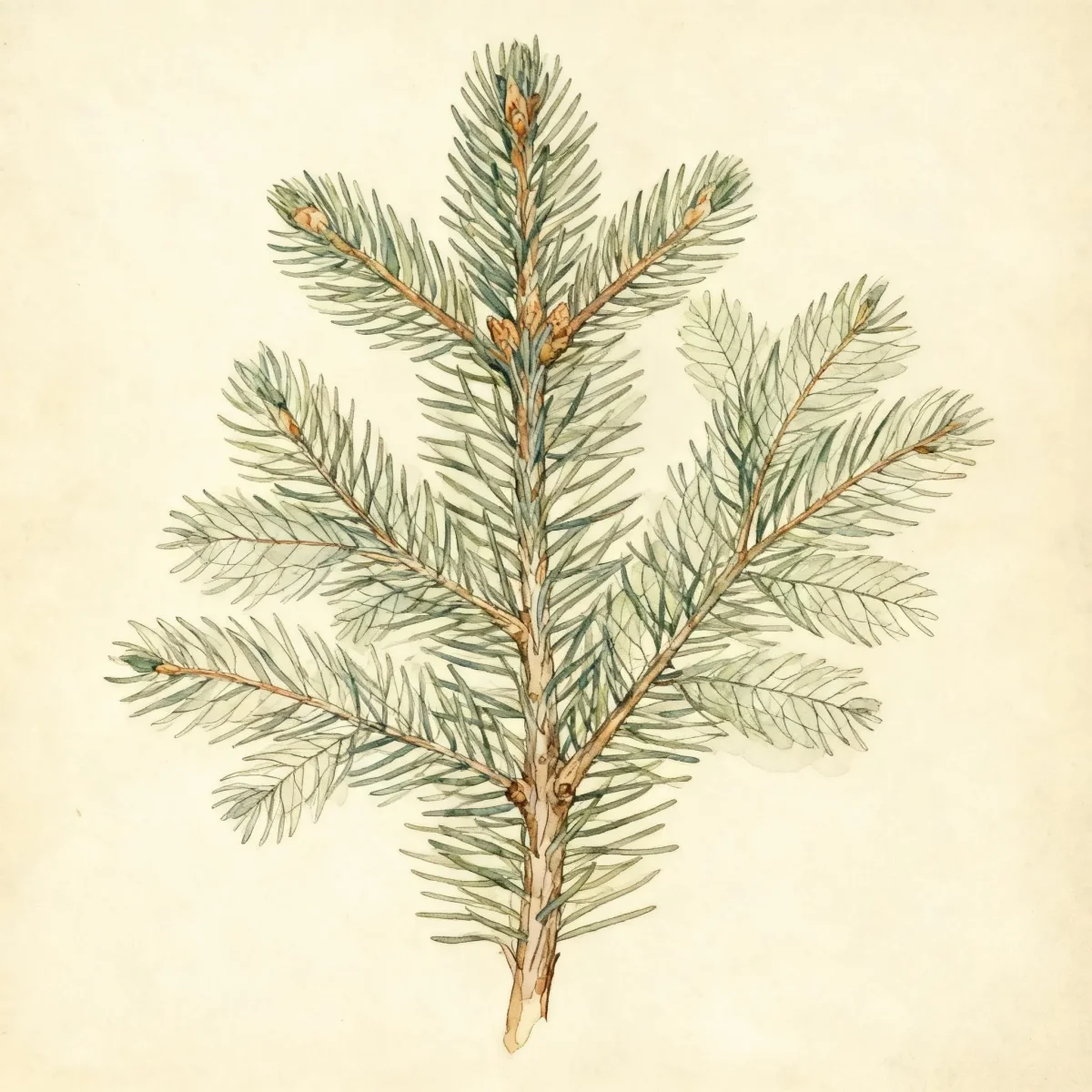
Swiss stone pine (Pinus cembra 'Glauca')
Discover Pinus cembra 'Glauca', the rare, slow-growing Swiss stone pine, ideal for smaller landscapes with its unique silvery-white needles.
Scroll down to discover growing tips, care requirements, companion plants, and more
Complete Plant Information
Overview
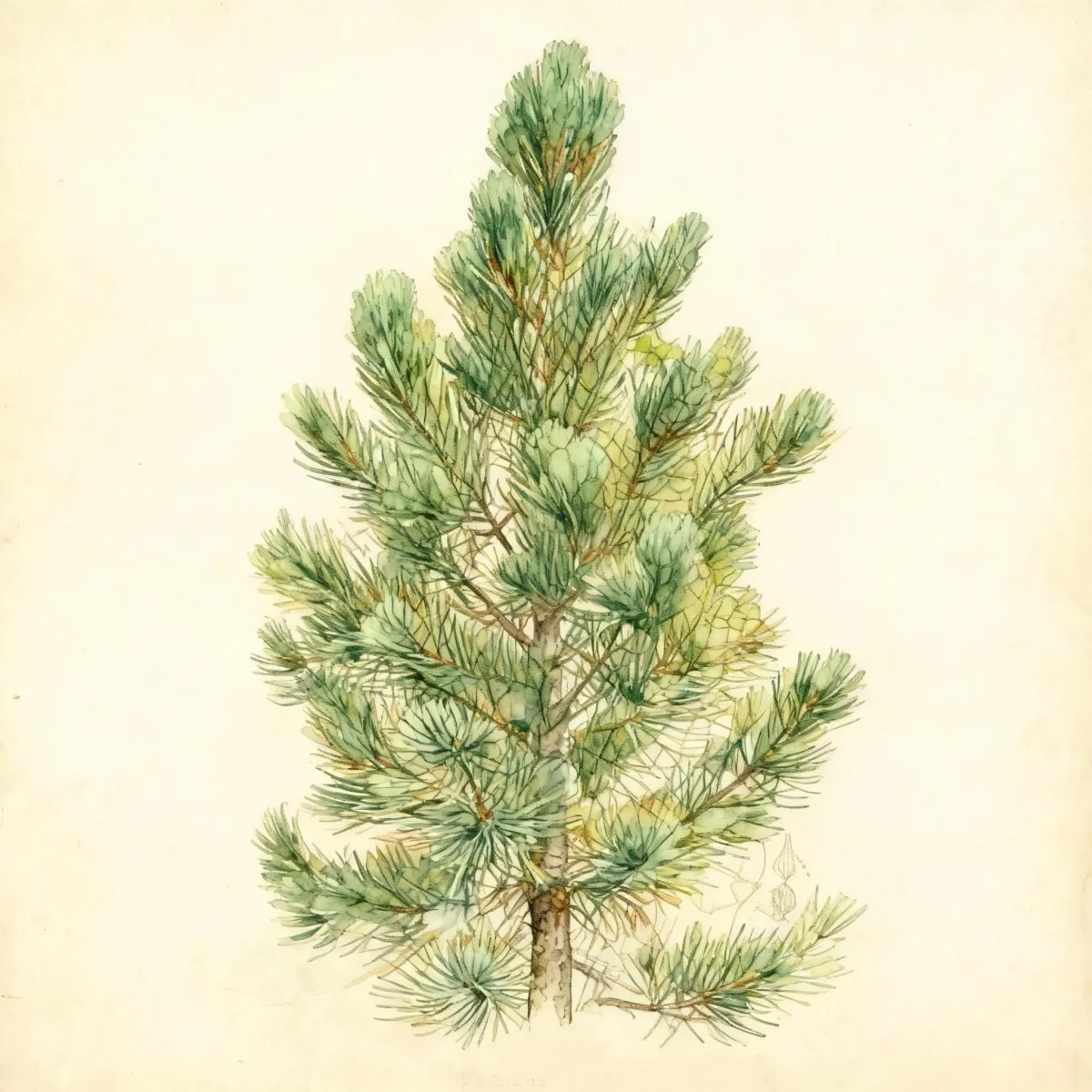
The Pinus cembra ‘Glauca’, commonly known as the Swiss stone pine, offers exceptional texture and noteworthy color for discerning gardeners. This cultivar is valued for its relatively slow growth rate and more compact stature compared to its wild relatives, making it highly adaptable for residential settings. Its striking characteristic is the silvery-blue hue of its needles, providing year-round contrast in the landscape.
As a hardy needled evergreen, the Swiss stone pine establishes well in cooler climates, thriving where summers remain mild. It presents a dense, pyramidal habit when young, maturing slowly into a broader, rounded form over many decades. While the true ‘Glauca’ cultivar may be historically rare, modern stock still provides the desired slow growth and visual appeal of this elegant pine.
This species provides excellent architectural structure, easily fitting into foundation plantings or acting as a specimen accent tree. Gardeners looking for low-maintenance evergreen structure, especially in cooler regions (Zones 4-7), will find Pinus cembra ‘Glauca’ a rewarding addition to their garden design.
Fast Facts
- Plant Family: Pinaceae
- Plant Type: Needled evergreen
- Hardiness Zones: USDA Zones 4-7
- Size at Maturity:
- Height: 12-20 ft
- Spread: 10-15 ft
- Bloom Time: Non-flowering
- Bloom Description: Non-flowering
- Sun Exposure: Full sun
- Water Needs: Medium
- Maintenance Level: Low
How to Grow
Planting the Swiss stone pine should ideally occur in spring or early fall to allow root establishment before seasonal extremes. Choose a location that provides full sun, although this species tolerates a degree of light shade. It adapts well to various soil types but performs best in average, medium moisture, well-drained soils, showing a preference for sandy loams.
Establish the root ball properly and water regularly until the plant is established. Once mature, the Pinus cembra ‘Glauca’ requires medium water and is generally considered low maintenance. Avoid overly wet sites; stagnant moisture is detrimental. Good air circulation is appreciated, especially in humid areas, to help maintain vigor.
Protect this pine from the intense heat of hot summer climates; it is not recommended for areas south of USDA Zone 7 due to its preference for cooler summers. Pruning is generally unnecessary unless specific shapes must be maintained, as the natural form of the Pinus cembra ‘Glauca’ is aesthetically pleasing.
Landscape Uses
The relatively contained size of Pinus cembra ‘Glauca’ makes it a perfect narrow, compact pine for smaller landscapes where larger pines would overwhelm the space. Utilize it as a vertical accent planted near entryways or tucked beside foundation plantings where year-round structure is needed. Its unique color also allows it to stand out when grouped in small collections.
Due to its moderate spread of 10–15 feet, this Swiss stone pine functions beautifully as a specimen tree, drawing the eye without dominating the entire yard. When placing it, consider pairing it with broadleaf evergreens or deciduous shrubs that offer a textural contrast to its fine, silvery needles. This tree maintains its columnar shape well in youth, making it suitable for tighter architectural settings.
Standout Features
Noteworthy Characteristics
Pinus cembra, commonly called Swiss stone pine or arolla pine, is native to mountain areas in central Europe from the Alps to the Carpathians. It is a slow-growing, medium-sized pine with a narrow pyramidal shape in its youth, gradually becoming rounded and more open as it matures. The soft needles exhibit white stomatic lines, and the cones bear edible seeds historically important in European cuisine. The ‘Glauca’ cultivar is recognized for its distinctive color, though its commercial origin today is somewhat unclear, maintaining its value as a unique slow-growing specimen tree maturing toward 12-20’ tall.
Tolerances
- Deer
Potential Problems
Healthy, well-maintained Swiss stone pines are generally robust and exhibit good resistance to devastating issues like blister rust. Potential disease problems to monitor for include blights, rots, canker, and various rusts, typically exacerbated by poor air circulation or wet conditions. Insect pests like caterpillars, borers, bark beetles, scale, and mealybugs can occasionally appear. Ensure proper drainage and good air flow to minimize fungal threats, inspecting foliage regularly for early signs of infestation or disease.
Frequently Asked Questions
What hardiness zones is Pinus cembra ‘Glauca’ suitable for?
The Pinus cembra ‘Glauca’ is best suited for USDA Hardiness Zones 4 through 7.
How large does Swiss stone pine grow?
This slow-growing tree matures to a height between 12 and 20 feet, with a spread generally ranging from 10 to 15 feet.
What sun exposure does Swiss stone pine need?
The Pinus cembra ‘Glauca’ requires full sun exposure to achieve optimal growth and coloration.
When does Pinus cembra ‘Glauca’ bloom?
This species is a conifer and is classified as non-flowering, meaning it does not produce traditional flowers.
Conclusion
The Pinus cembra ‘Glauca’ remains a superb choice for adding year-round, cool-toned structure to landscapes where space is limited or where a slower growth habit is desired. Its manageable size and low maintenance profile make the Swiss stone pine an excellent architectural element. Before planting, confirm your site falls within USDA Zones 4-7 and ensure the location provides the necessary full sun exposure.
Companion Planting
Selecting appropriate companions enhances the visual appeal and health of your Swiss stone pine. Pair Pinus cembra ‘Glauca’ with low-growing, mounding shrubs that contrast its vertical habit, such as various Japanese hollies or low-growing rhododendrons if the soil pH allows. Avoid planting moisture-loving perennials directly adjacent to the base, as this pine demands well-drained conditions. Consistent textures, like fine ornamental grasses or dark green foundation evergreens, will make the silvery needles pop.
Seasonal Care Calendar
Spring is when you should assess the tree for any winter damage and consider a slow-release fertilizer application if the soil quality is poor. Summer care focuses almost entirely on monitoring watering, ensuring medium moisture levels are maintained, especially during dry spells, and appreciating the cool-climate performance of your Swiss stone pine. In the fall, rake away any heavy leaf debris from around the base to promote excellent air circulation near the trunk, which helps deter potential fungal issues entering winter dormancy. Minimal winterization is usually required in Zones 4-7.