Lungwort (Pulmonaria 'Smoky Blue')
Pulmonaria 'Smoky Blue' (Lungwort) is a low-maintenance perennial prized for spotted foliage and spring blooms of blue aging to pink.
Scroll down to discover growing tips, care requirements, companion plants, and more
Complete Plant Information
Overview
Pulmonaria ‘Smoky Blue’, commonly known as Lungwort, is a highly valued herbaceous perennial, often celebrated more for its attractive, densely-spotted foliage than for its early spring flowers. This hybrid cultivar thrives in deep shade, providing essential structure and color interest where few other plants can compete. The foliage mound of Pulmonaria ‘Smoky Blue’ remains a focal point throughout the season, offering textural contrast in woodland settings.
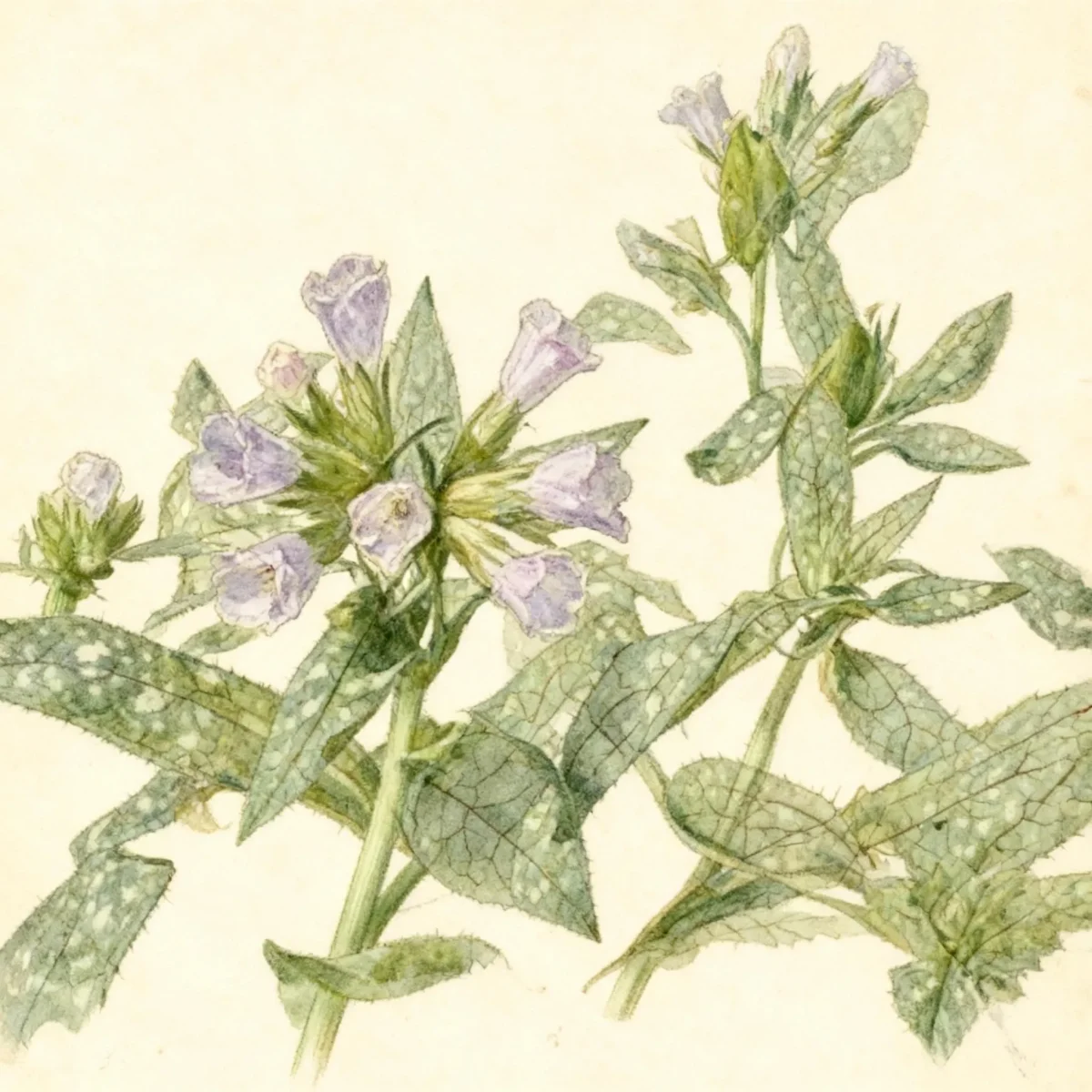
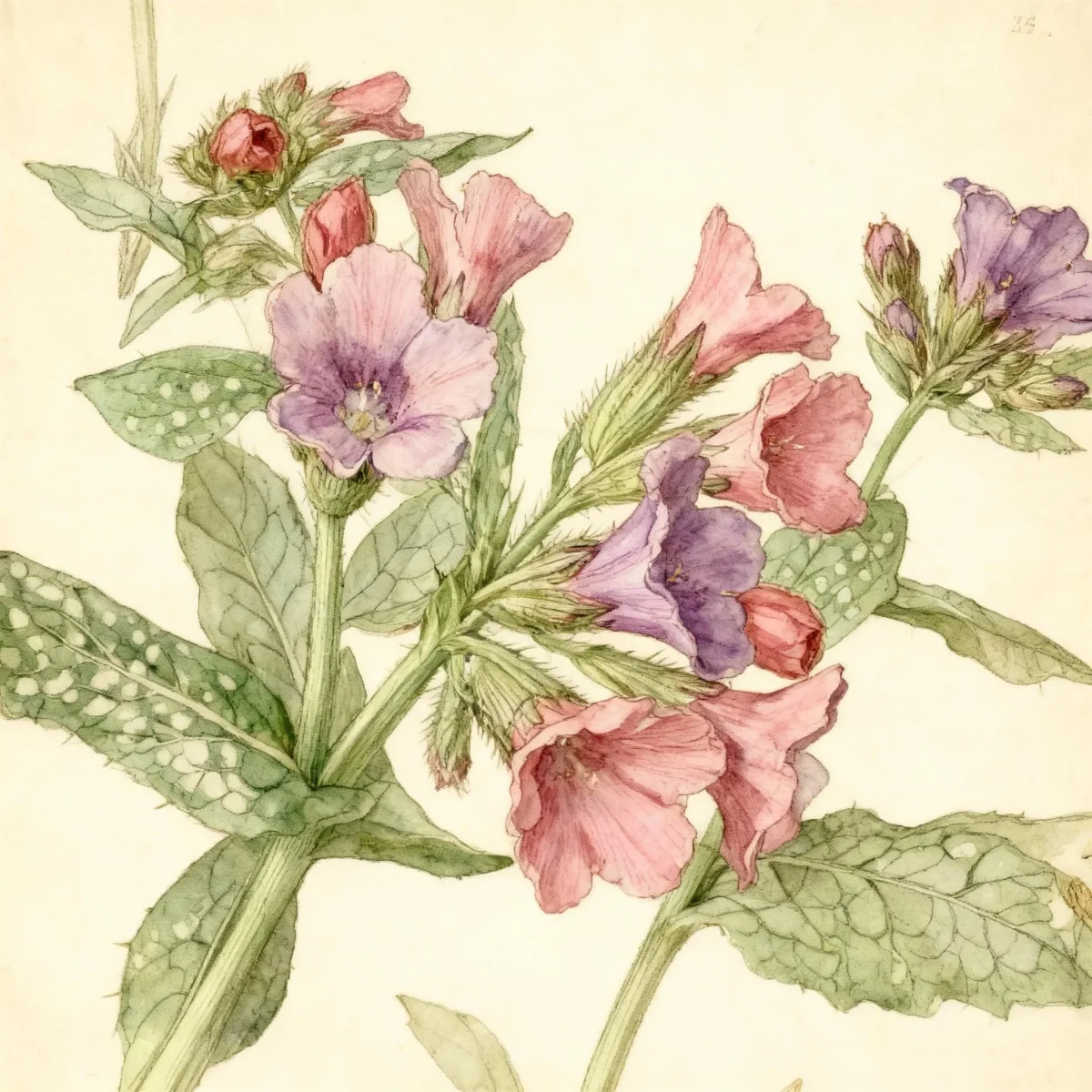
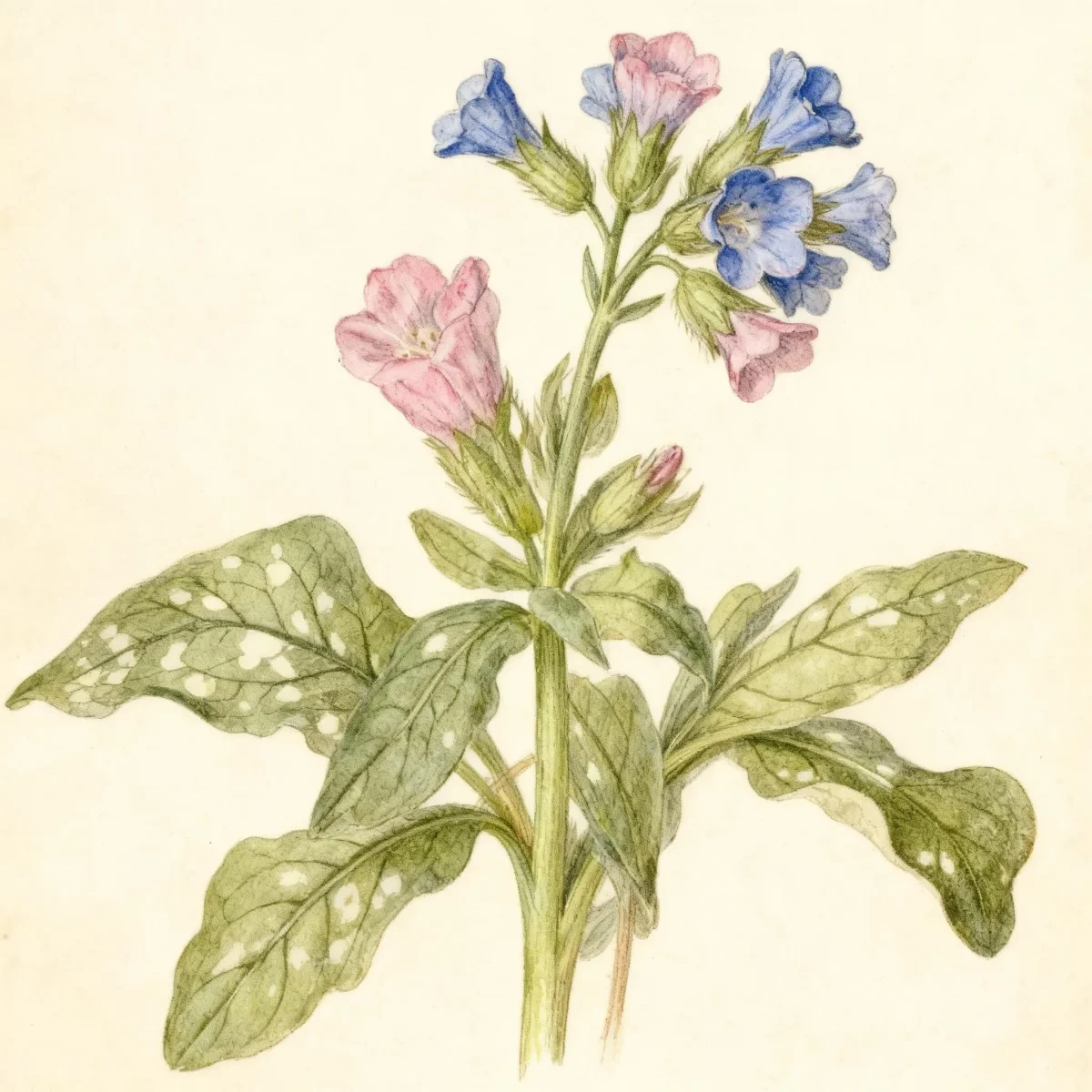
The blooms of Lungwort start as funnel-shaped, smoky blue flowers, which gracefully age to pink, creating a dynamic, multi-toned display in early to mid-spring. Valued for its low maintenance needs and resilience in difficult shady spots, this ground cover slowly spreads by creeping roots, knitting together garden spaces effectively.
For gardeners seeking reliable performance under the canopy, the Pulmonaria ‘Smoky Blue’ delivers low-fuss beauty, tolerating heavy shade and even the challenging root competition of Black Walnut trees. Its ability to establish dense texture makes it an excellent, low-growing solution for softening edges and filling woodland garden beds.
Fast Facts
- Plant Family: Boraginaceae
- Plant Type: Herbaceous perennial
- Hardiness Zones: USDA Zones 4-8
- Size at Maturity:
- Height: 0.75-1 ft
- Spread: 1-1.5 ft
- Bloom Time: April to May
- Bloom Description: Smoky blue aging to pink
- Sun Exposure: Part shade to full shade
- Water Needs: Medium
- Maintenance Level: Low
How to Grow
The best time to establish Pulmonaria ‘Smoky Blue’ is when the plants are actively growing, usually in spring or fall. Location is critical: this Lungwort demands part shade to full shade, benefiting from afternoon shade protection, especially during warmer months. It must be planted in average, medium-moisture, well-drained soils. For optimal health, these plants strongly prefer cool, organically rich, humusy soils that are kept consistently moist.
Watering is essential; soils for Pulmonaria ‘Smoky Blue’ must not be allowed to dry out entirely, as drought stress can cause the foliage to depreciate or scorch, potentially leading to summer dormancy in very hot conditions. While generally low maintenance, remove spent flower stems immediately after the spring bloom concludes to tidy the plant appearance.
Divide plants in the fall if the slowly spreading clumps become overly crowded, which also helps rejuvenate the display. Do not over-fertilize, as this can encourage excessive leafy growth at the expense of good flower production. Keep an eye out for potential scorch if an area receives more sun exposure than anticipated.
Landscape Uses
Pulmonaria ‘Smoky Blue’ excels as an adaptable perennial, primarily recommended for its excellent foliage qualities in shady landscapes. It performs wonderfully when grouped or massed together to function effectively as a ground cover, immediately brightening dark corners. Its compact, spreading habit makes it an effective low edging plant for shaded paths or borders where a neat, textured line is desired.
This Lungwort finds its perfect niche in woodland gardens, shaded border areas, or shaded sections of rock gardens, pairing well visually with shade-loving companions like hostas, ferns, and bleeding hearts. Planting in drifts ensures the spotted foliage creates a continuous tapestry, making the most of its suitability for naturalizing in dappled light environments.
Standout Features
Flower Qualities
- Showy
Noteworthy Characteristics
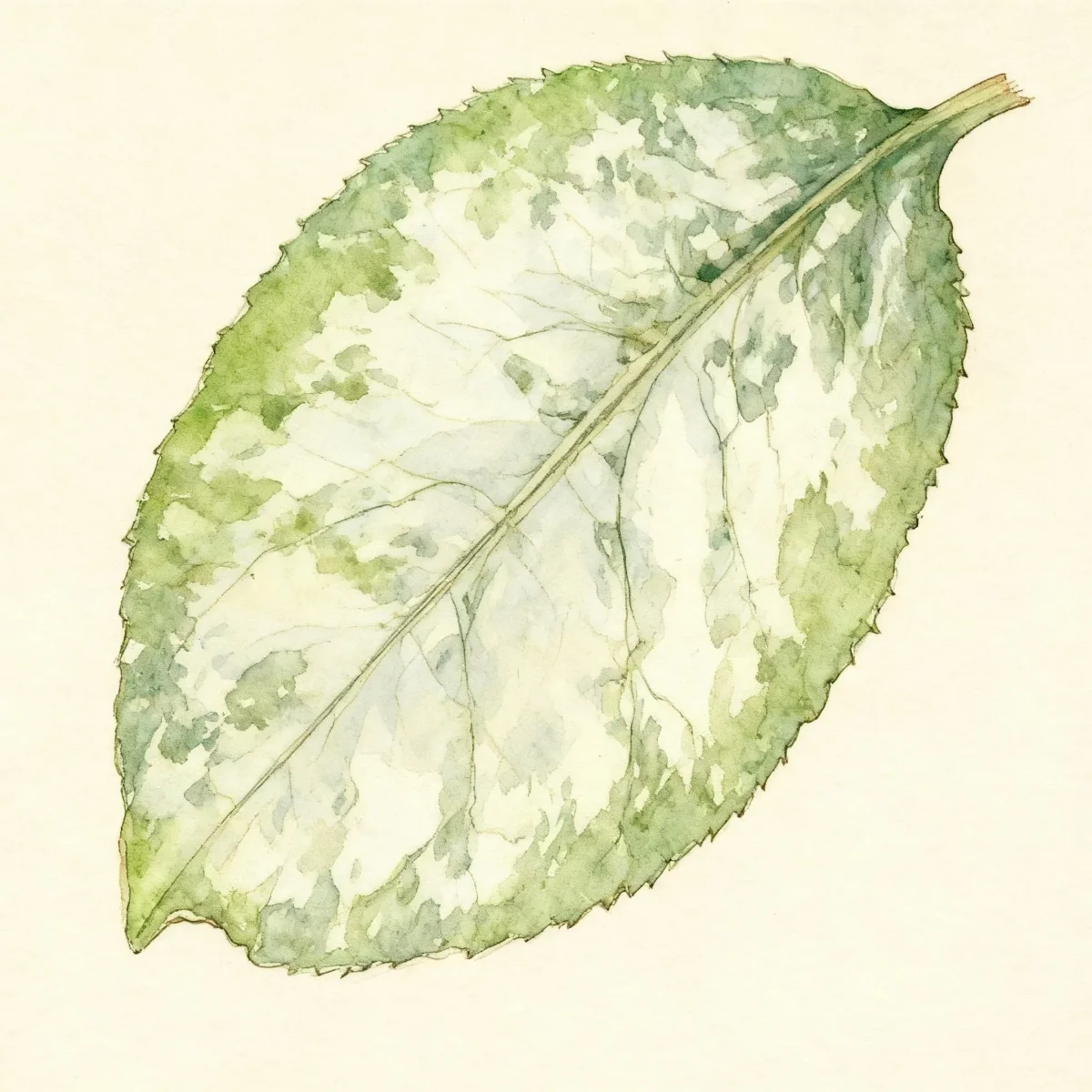
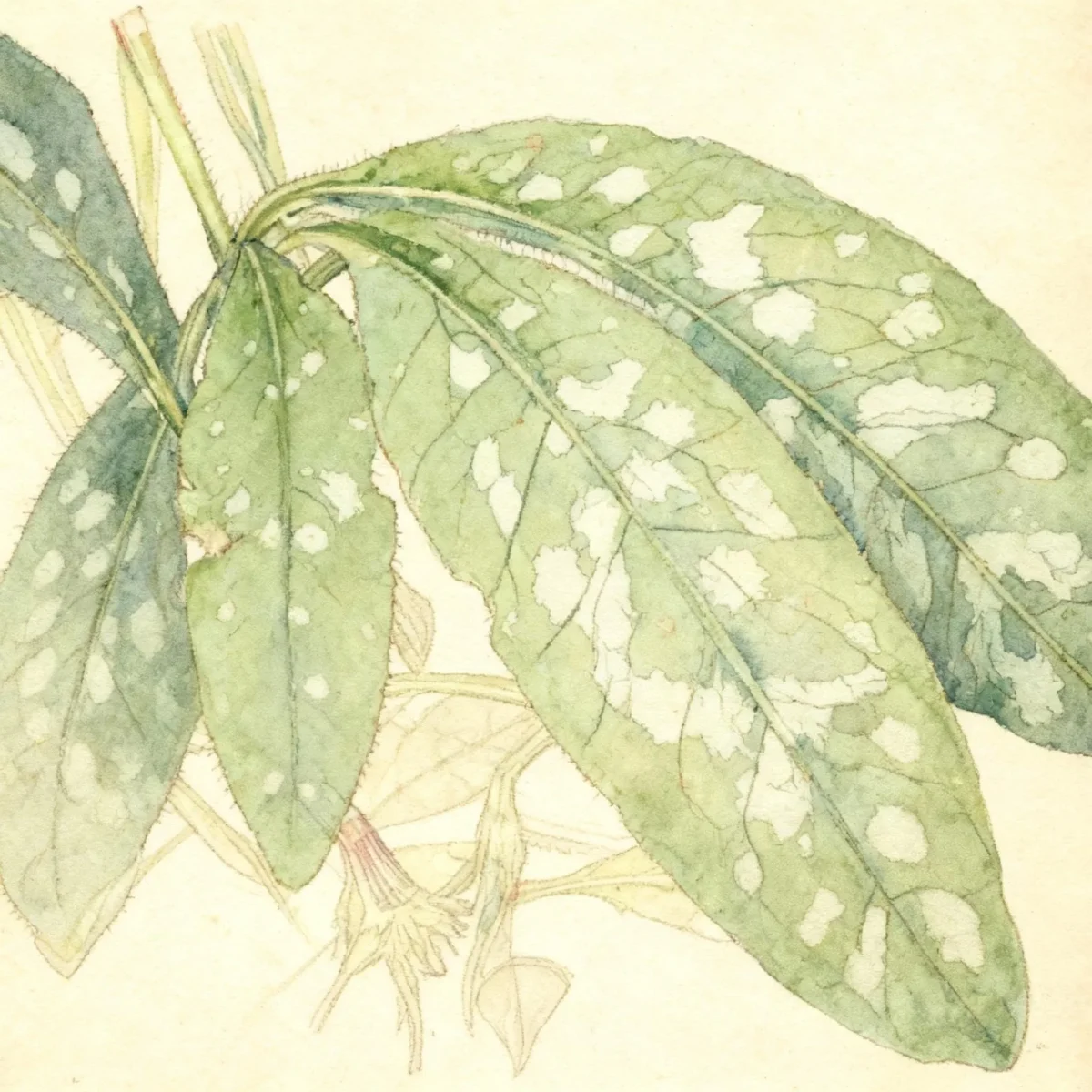
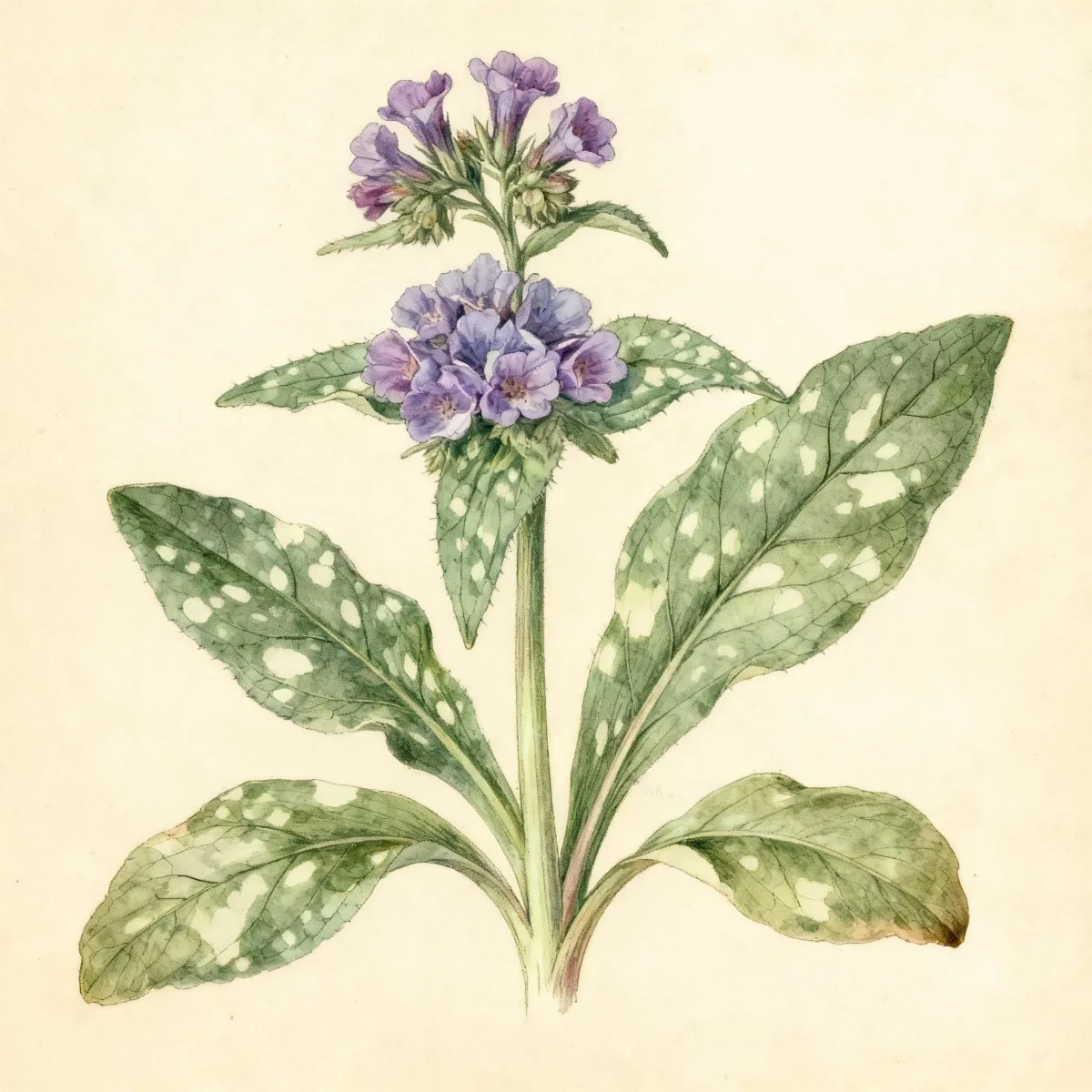
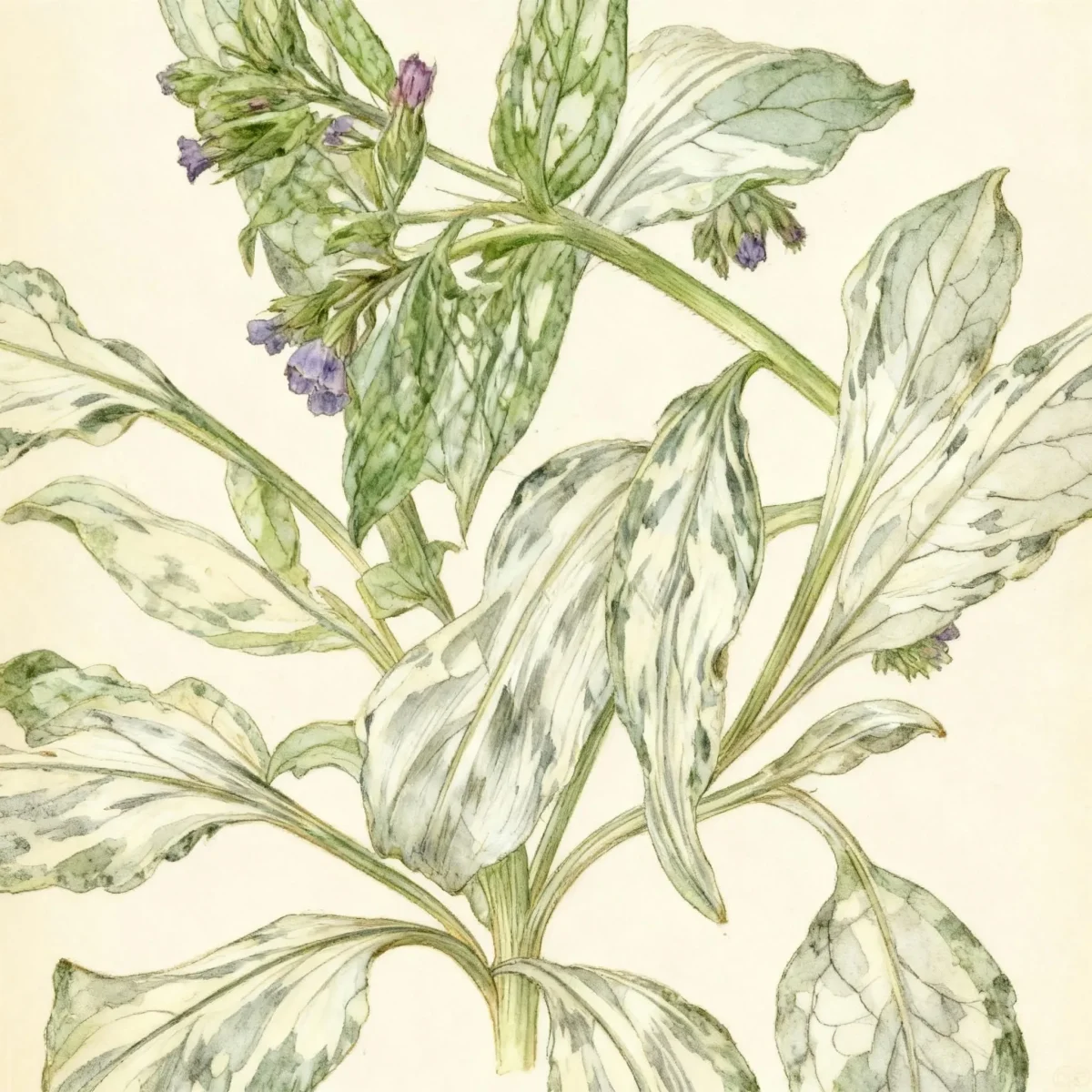
Pulmonaria is a genus of about 17 species of deciduous or evergreen herbaceous perennials from Europe and Asia. Lungworts are shade plants that, like many of the hostas, are often valued more for their attractive foliage than for their spring flowers. Genus name comes from the Latin pulmo meaning lung. In accordance with the Doctrine of Signatures, lungwort was once believed by Medieval herbalists to be an effective remedy for treating lung diseases because the spotted plant leaves purportedly resembled diseased lungs. However, it is well established today that this is not a valid method in determining a plant’s medicinal properties. Common name of lungwort is in reference to the supposed resemblance of the blotched/spotted leaves to a diseased lung. ‘Smoky Blue’ is a hybrid lungwort cultivar which, like many of the hostas, is perhaps valued more for its attractive foliage than for its flowers. Features basal clumps of long-petioled, oval to lance-shaped, densely-spotted, dark green leaves. Drooping clusters (terminal cymes) of funnel-shaped, smoky blue flowers bloom on short stalks just above the foliage in spring. Flowers typically age to pink. Foliage mound typically grows to 12” tall and can spread to 20” wide.
Tolerances
- Deer
- Heavy Shade
- Black Walnut
Potential Problems
Fortunately, serious insect or disease problems are rare for Pulmonaria ‘Smoky Blue’. However, slugs and snails can occasionally be found feeding on the foliage, especially in moist, sheltered conditions. A more significant issue for many Lungwort varieties, including this one, is powdery mildew; this often develops when soils are allowed to dry out during the summer heat. Preventative management involves maintaining consistent soil moisture and ensuring good air circulation around the plants. Be mindful that the striking leaves can depreciate or scorch significantly if the plant is exposed to excessive hot summer sun.
Frequently Asked Questions
What hardiness zones is Lungwort suitable for?
Pulmonaria ‘Smoky Blue’ is hardy and reliably perennial in USDA Zones 4 through 8.
How large does Pulmonaria ‘Smoky Blue’ grow?
This specific cultivar typically reaches a modest height between 0.75 and 1 foot tall, with a spread ranging from 1 to 1.5 feet wide.
Does Lungwort require specialized soil preparation?
While it is easily grown, the plant thrives best in organically rich, humusy soils that maintain medium moisture levels and drain well, avoiding heavy clay that stays waterlogged.
When does Lungwort bloom?
The attractive flower clusters appear from April into May, starting as smoky blue tones before maturing to noticeable pink hues.
Conclusion
If you require low-maintenance, reliably beautiful texture for profound shade, Pulmonaria ‘Smoky Blue’ is an outstanding choice, offering both unique spotted foliage and charming spring color. Ensure consistent moisture is provided to keep this Lungwort looking its best throughout the growing season. Check your local USDA Hardiness Zone rating before planting to guarantee success with Pulmonaria ‘Smoky Blue’.
Companion Planting for Shady Gardens
Because Pulmonaria ‘Smoky Blue’ requires consistent moisture and deep shade, selecting companions with similar cultural demands ensures a harmonious planting scheme. Consider pairing this Lungwort with Hosta varieties that offer contrasting leaf color, such as those with gold or chartreuse margins, to amplify the light in dark areas. Epimediums (Barrenwort) are excellent partners, offering early blooms and textural foliage that persists well alongside the developing Pulmonaria mounds.
Brunnera macrophylla (Siberian Bugloss) shares similar requirements for cool, moist soil and provides airy blue flowers in the spring that complement the smoky blue/pink transition of the Lungwort bloom. For a classic woodland tapestry, intersperse low-growing ferns, like Japanese Painted Ferns, which offer soft, airy texture around the more substantial foliage mounds of your Pulmonaria ‘Smoky Blue’.
Seasonal Care Calendar
Mid-to-Late Winter: If your climate has mild winters, the evergreen or semi-evergreen leaves of Pulmonaria ‘Smoky Blue’ may persist; consider carefully cutting back any tattered winter foliage just before new growth begins in early spring to refresh its appearance.
Spring (Bloom Time): Deadhead (remove spent flower stems) immediately after the bloom period ends in May to encourage the plant to focus energy on foliage development rather than seed set. This is crucial for maintaining a neat appearance.
Summer Heat: Monitor soil moisture closely during dry spells. Apply a thick layer of mulch to help conserve the moisture favored by Lungwort and keep the root zone cool, preventing leaf scorch or dormancy stress.
Autumn Division: If growth becomes crowded, fall is the ideal time to divide the creeping root masses. Thinned clumps transplant easily and quickly reestablish in their new locations.