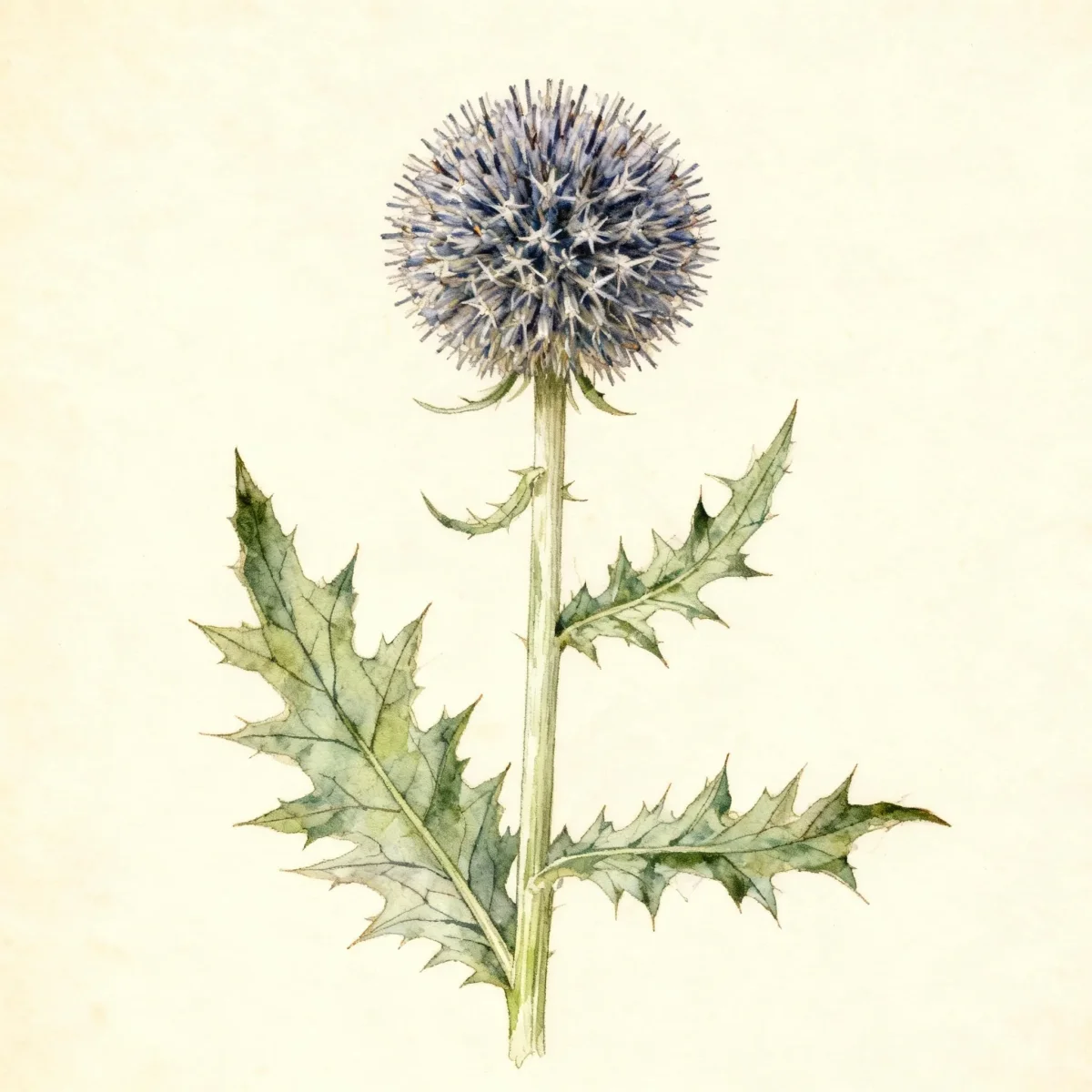
Great globe thistle (Echinops sphaerocephalus 'Arctic Glow')
Echinops sphaerocephalus 'Arctic Glow' offers striking white, globular flowers on red stems, thriving in full sun and dry soils.
Scroll down to discover growing tips, care requirements, companion plants, and more
Complete Plant Information
Overview
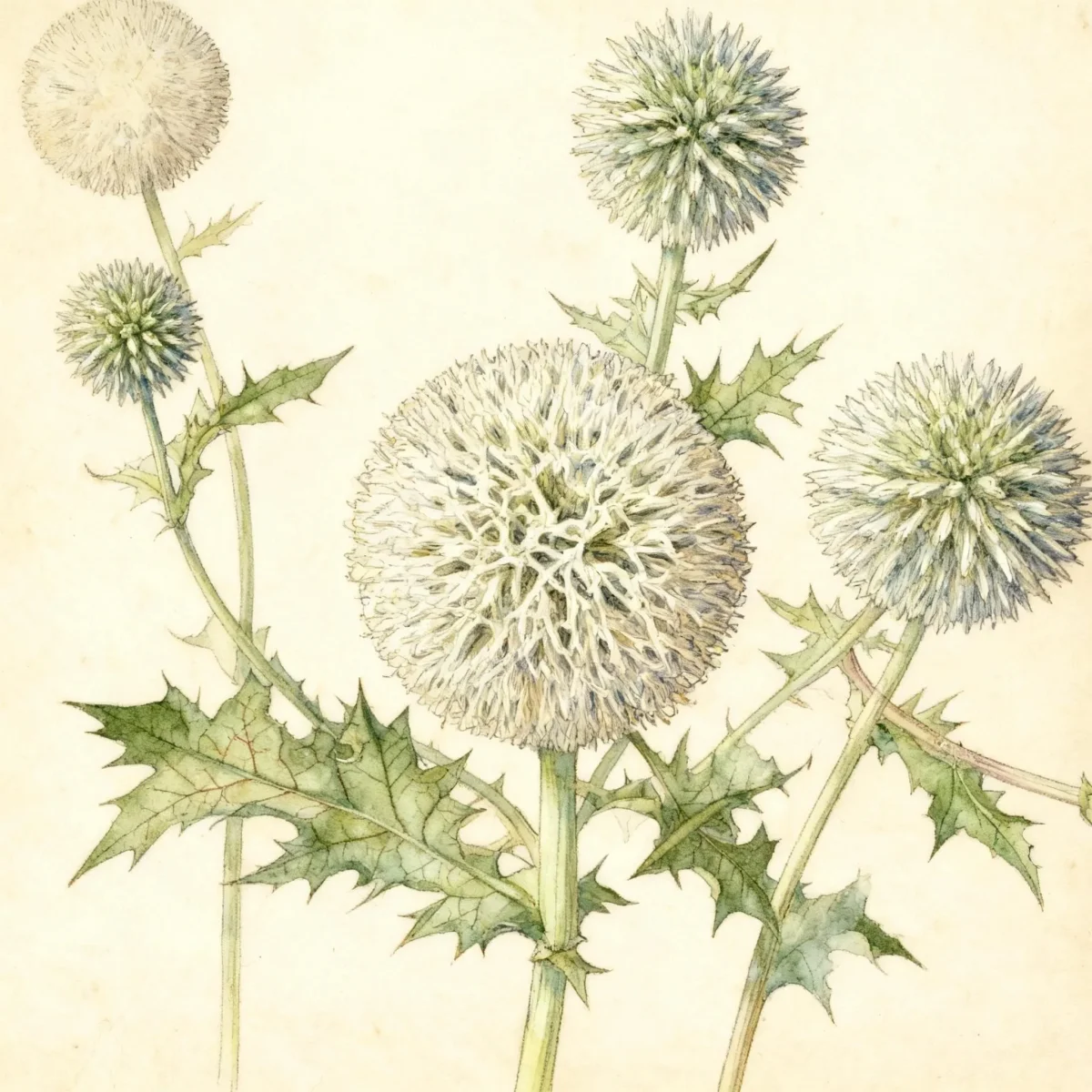
The Echinops sphaerocephalus ‘Arctic Glow’, commonly known as Great globe thistle, is a remarkable, upright perennial prized for its contrasting color and architectural form. This cultivar features stiff, reddish stems that support silvery-green foliage and distinctively globular, white flower heads during mid to late summer. If you seek reliable texture and drama in a low-fuss perennial, Echinops sphaerocephalus ‘Arctic Glow’ is an excellent choice for the sunny border.
This Great globe thistle variety is incredibly resilient, handling poor soils and dry conditions once established. Its aesthetic appeal is year-round, moving from bold summer blooms to interesting dried seed heads. The contrasting white flowers set against the reddish stems make Echinops sphaerocephalus ‘Arctic Glow’ a standout specimen.
For gardeners looking to reduce water consumption and maintenance, this plant delivers. Its tolerance for drought and less-than-ideal soils ensures it thrives where other, fussier plants might struggle, making it a staple for sustainable, sun-drenched gardens.
Fast Facts
- Plant Family: Asteraceae
- Plant Type: Herbaceous perennial
- Hardiness Zones: USDA Zones 3-10
- Size at Maturity:
- Height: 2.5-3 ft
- Spread: 0.75-1.5 ft
- Bloom Time: July to August
- Bloom Description: White
- Sun Exposure: Full sun
- Water Needs: Dry to medium
- Maintenance Level: Low
How to Grow
Planting Echinops sphaerocephalus ‘Arctic Glow’ is best done in the spring in average, well-drained soils. Full sun exposure is critical for robust stems and abundant white blooms. While easily grown in average, consistently moist soils, this plant truly excels when allowed to dry out slightly between watering sessions, showcasing its strong preference for well-drained sites.
Maintenance for this Great globe thistle is gratifyingly low. Avoid excessive fertilization, especially high-nitrogen formulas, as rich soils can lead to weaker stems prone to flopping. Deadheading spent blooms after the initial July to August flowering will encourage a slightly extended bloom period.
A crucial point for established Echinops sphaerocephalus ‘Arctic Glow’ is its deep taproot. Once the plant is mature, it becomes very difficult to transplant or divide without causing significant damage to this root structure. If you must move it, plan for disruption. In late fall, you can trim the entire plant back to the ground, or you may choose to leave the architectural stems standing for valuable winter interest.
Landscape Uses
The Great globe thistle brings vertical interest and striking texture to sunny borders. Its rigid upright habit makes it ideal for positioning toward the middle or back of a perennial border where it can stand tall without shading shorter companions. Use Echinops sphaerocephalus ‘Arctic Glow’ as an accent plant or in small groupings to maximize the impact of its unique spherical white flowers.
This thistle blends well with silvery-leaved companions or plants that contrast sharply with its structure, such as soft ornamental grasses or dark-leaved foliage plants. In cottage gardens, its architectural nature provides necessary structure among looser, billowy flowers. The blooms are showy and work well both fresh and dried.
For dry, sunny areas, group the Echinops sphaerocephalus ‘Arctic Glow’ with other drought-tolerant champions like Sedums, Russian Sage (Perovskia), or ornamental Alliums to create a cohesive, low-water landscape scheme that remains vibrant through the summer months.
Standout Features
Flower Qualities
- Showy
- Good Dried
Noteworthy Characteristics
Echinops sphaerocephalus, frequently known as great globe-thistle, is a bold, woolly-stemmed perennial featuring striking, spherical inflorescences that can reach up to 2 inches in diameter. The cultivar ‘Arctic Glow’ is valued for being more compact than the species, presenting its white inflorescences atop stiff, reddish stems, which offers a beautiful contrast to the downy, silvery-green, deeply-dissected leaves. The genus name references a hedgehog’s appearance due to the spiky flower heads.
Tolerances
- Drought
- Dry Soil
- Shallow-Rocky Soil
Potential Problems
Fortunately, problems for Echinops sphaerocephalus ‘Arctic Glow’ are rare; it generally suffers from no serious insect or disease issues. The primary cultural challenge involves stem support. Taller stems of globe thistle, particularly those planted in excessively rich or fertile garden soils, may require staking to prevent them from leaning or collapsing, especially during heavy rain. Ensure you implement staking early in the season before the plant reaches its full height.
If grown in extremely rich soil, consider reducing fertilizer applications significantly or amending the site with more sand or gravel to encourage the toughness this plant prefers. Low maintenance is the goal, so avoid over-fussy care to keep this plant healthy.
Frequently Asked Questions
What hardiness zones is Great globe thistle suitable for?
Echinops sphaerocephalus ‘Arctic Glow’ is cold-hardy, thriving reliably in USDA Zones 3 through 10.
How large does Great globe thistle grow?
This compact cultivar typically reaches a height between 2.5 and 3 feet, with a spread of 0.75 to 1.5 feet wide.
What sun exposure does Echinops sphaerocephalus ‘Arctic Glow’ need?
This plant absolutely requires full sun exposure to ensure strong stems and the best flowering performance from its white globular heads.
When does Great globe thistle bloom?
The blooming period for Echinops sphaerocephalus ‘Arctic Glow’ is typically from July through August, producing attractive white flowers.
Conclusion
The Echinops sphaerocephalus ‘Arctic Glow’ brings architectural excellence and dependable drought tolerance to the garden, highlighted by its unique white, spherical blooms. Its low-maintenance nature and ability to thrive in poor soils confirm its status as a top performer in the perennial border. Before planting, confirm that your location receives consistent full sun and has well-drained soil to ensure the best display for your Great globe thistle.
Companion Planting
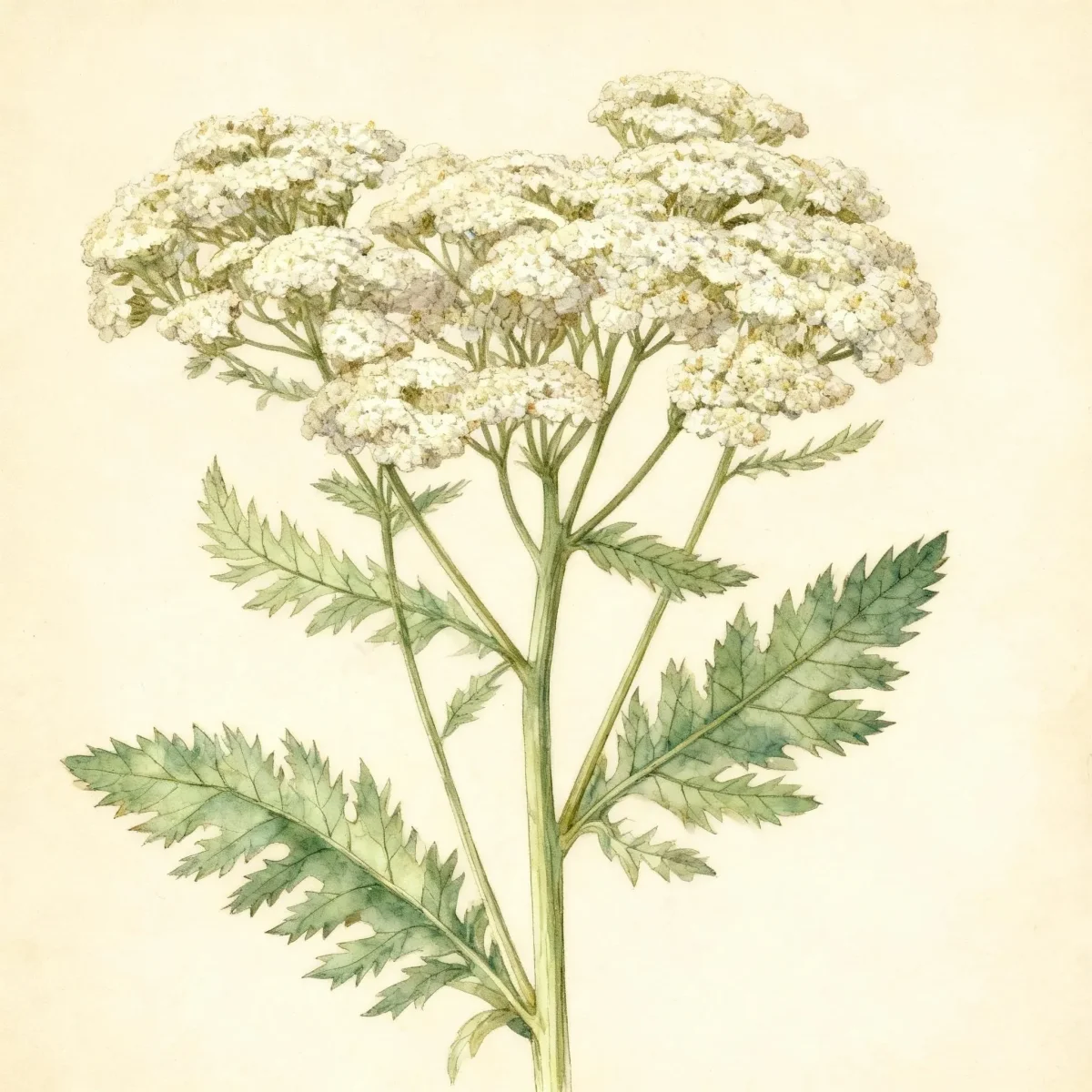
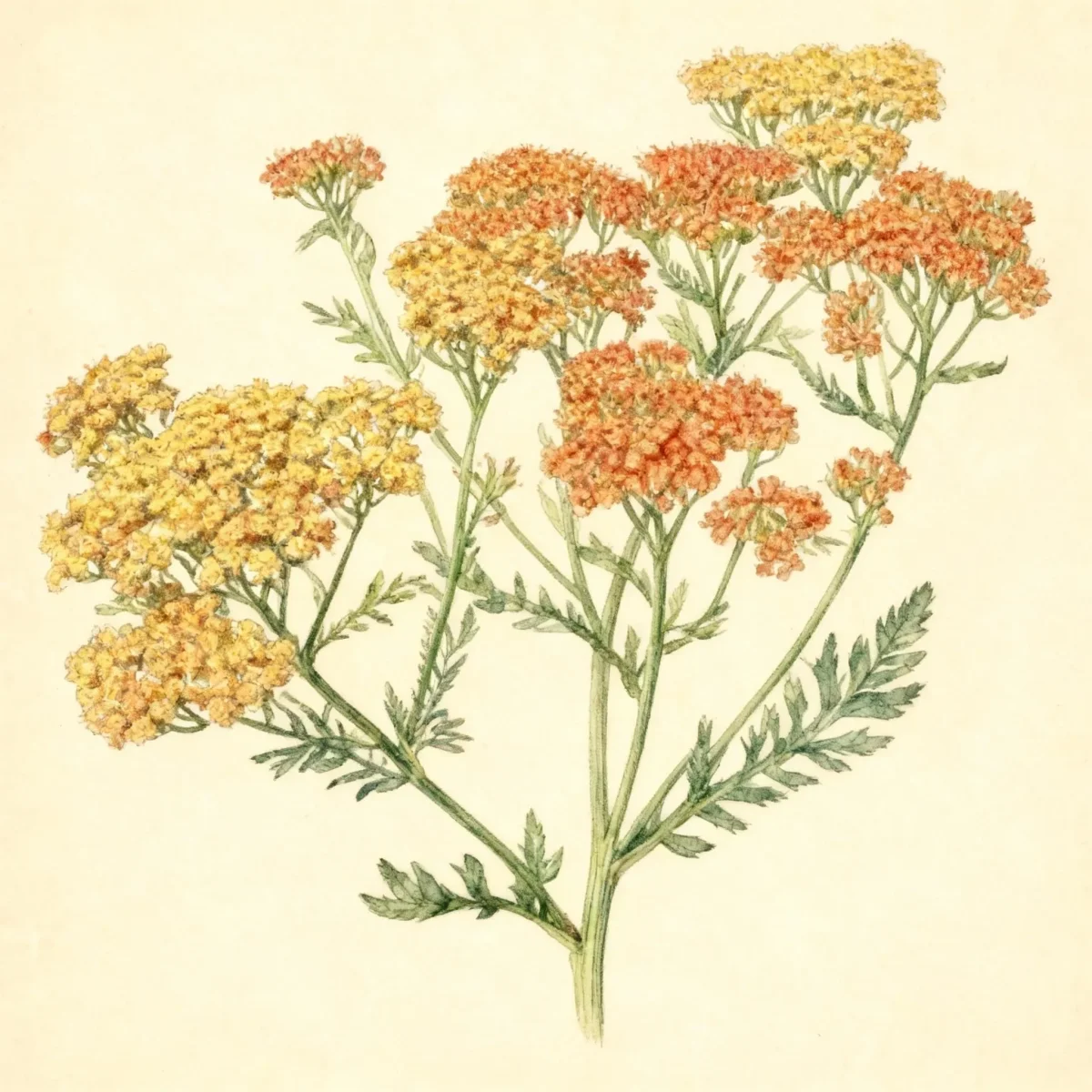
Choosing the right partners enhances the bold structure of the Great globe thistle. Because Echinops sphaerocephalus ‘Arctic Glow’ demands full sun and good drainage, pair it with other Mediterranean or prairie-style companions. Plants like Lavender (Lavandula), Yarrow (Achillea), or ornamental grasses that appreciate dry feet will create a harmonious, low-water planting scheme. Avoid plants that require constant moisture, as this can encourage rot or stem weakness in the thistle.
Wildlife Benefits
As a member of the thistle tribe, the Echinops sphaerocephalus ‘Arctic Glow’ is highly attractive to pollinators, though its specific features might differ slightly from wild thistle varieties. The globular flower heads provide an excellent landing pad for bees and butterflies seeking nectar during the mid-summer heat. Furthermore, leaving the dried seed heads intact through fall and winter provides valuable textural interest and food sources for birds. The fuzzy achenes are particularly appealing to finches.