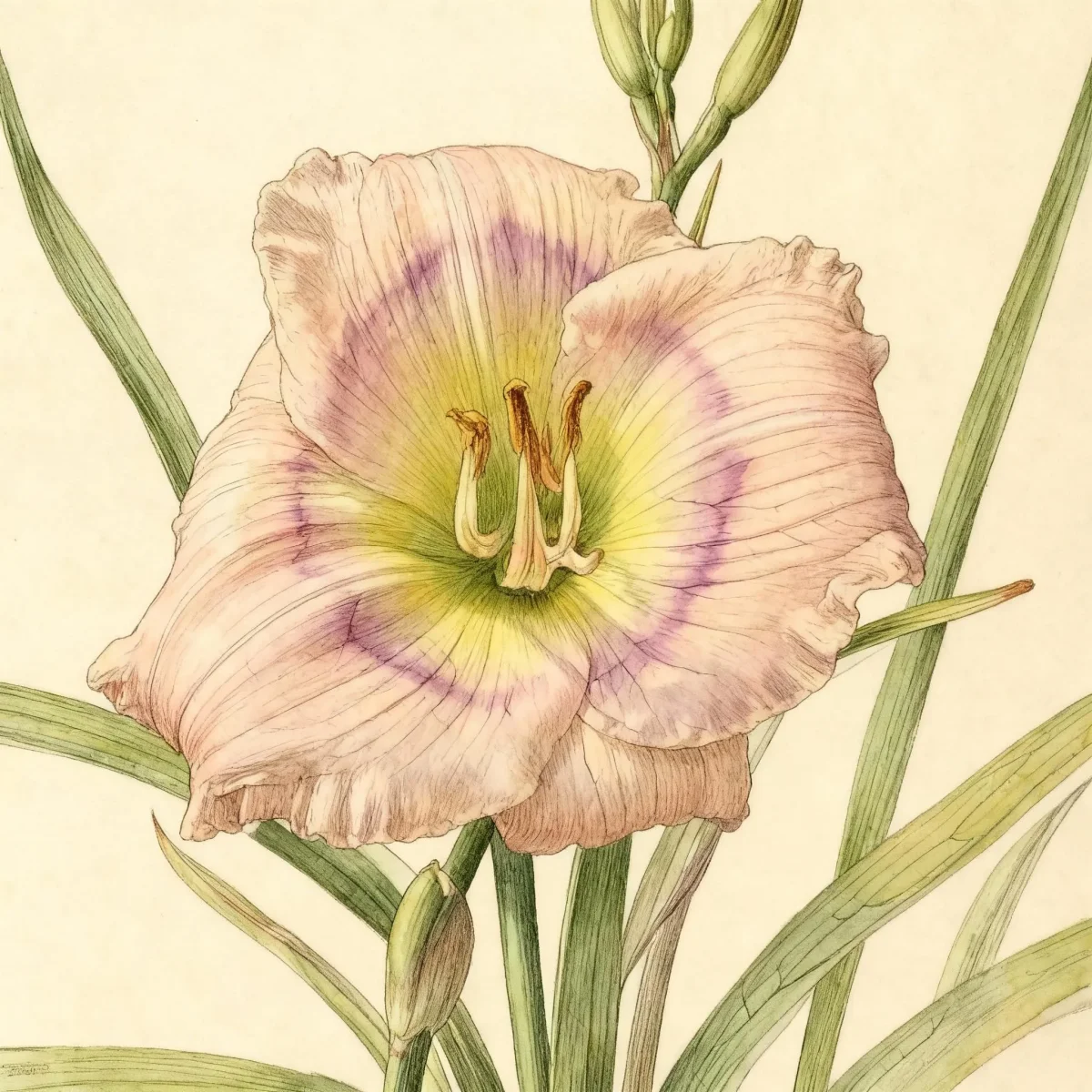
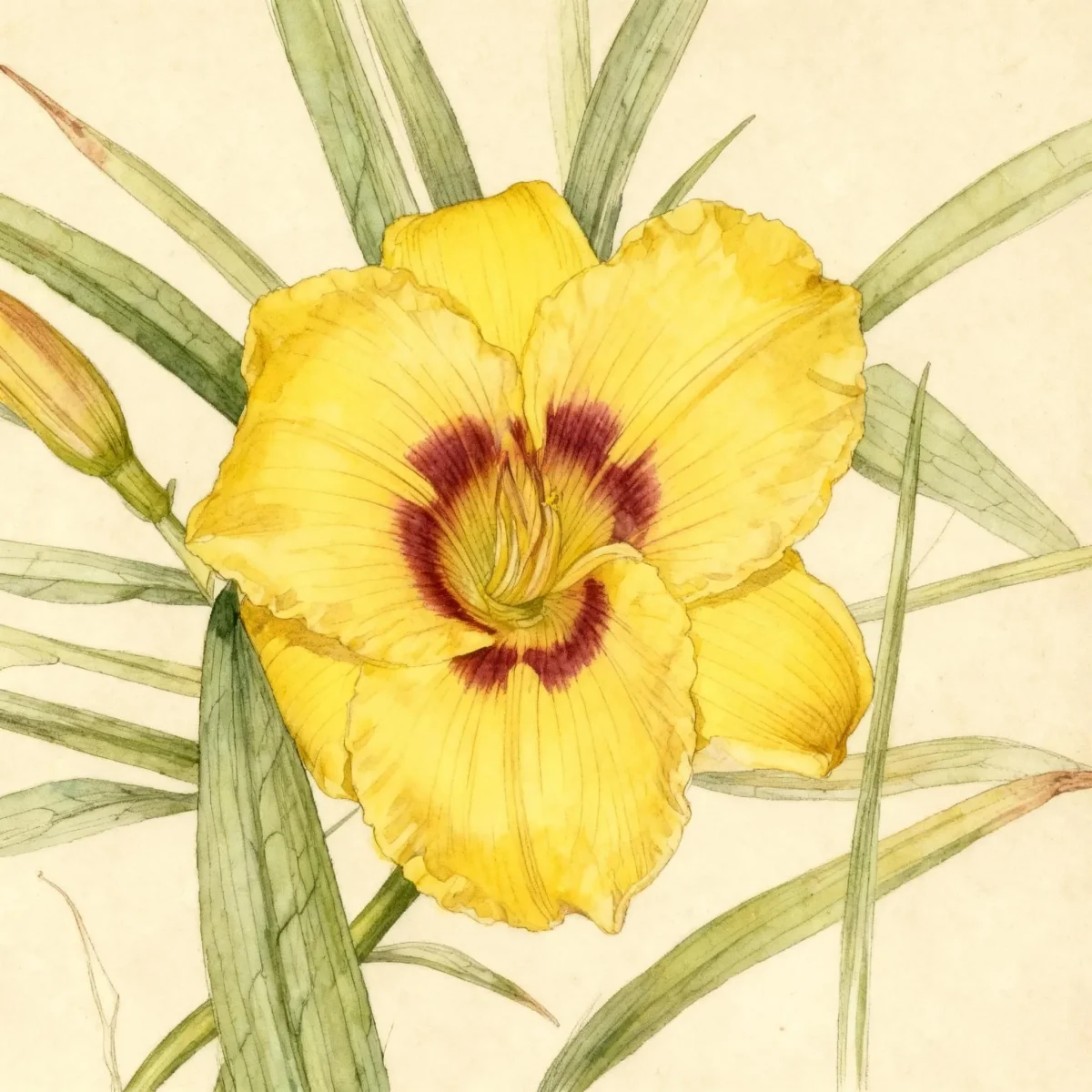
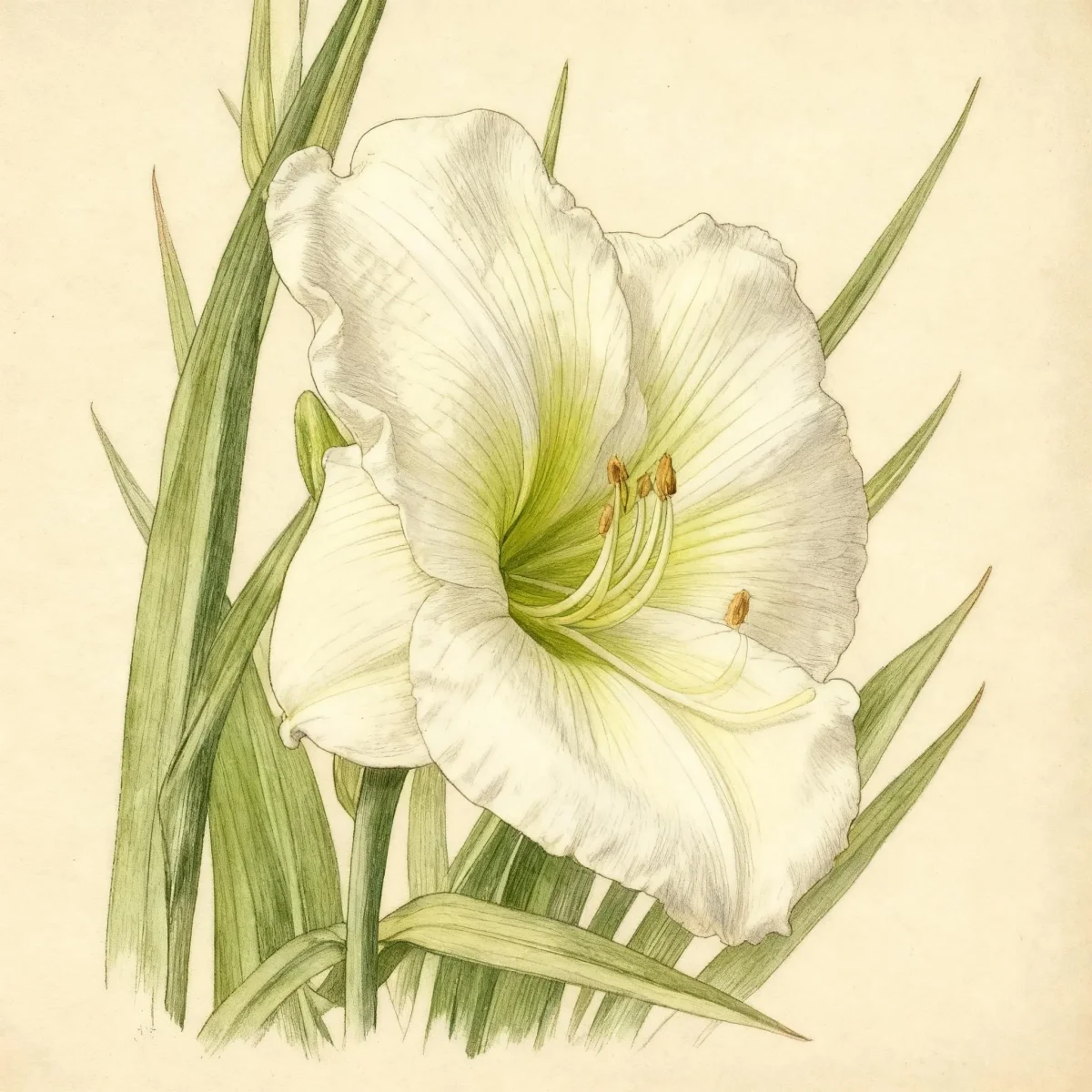
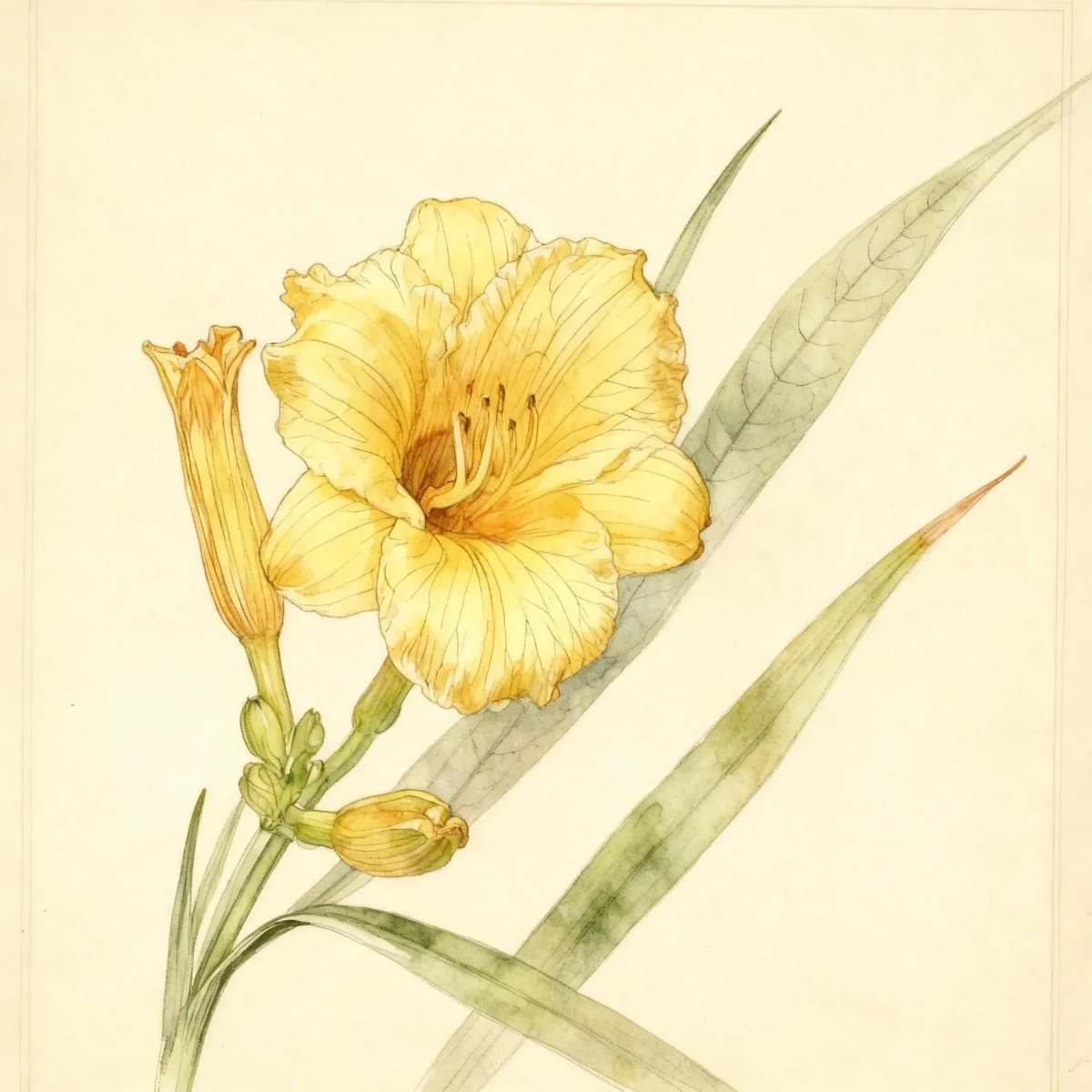
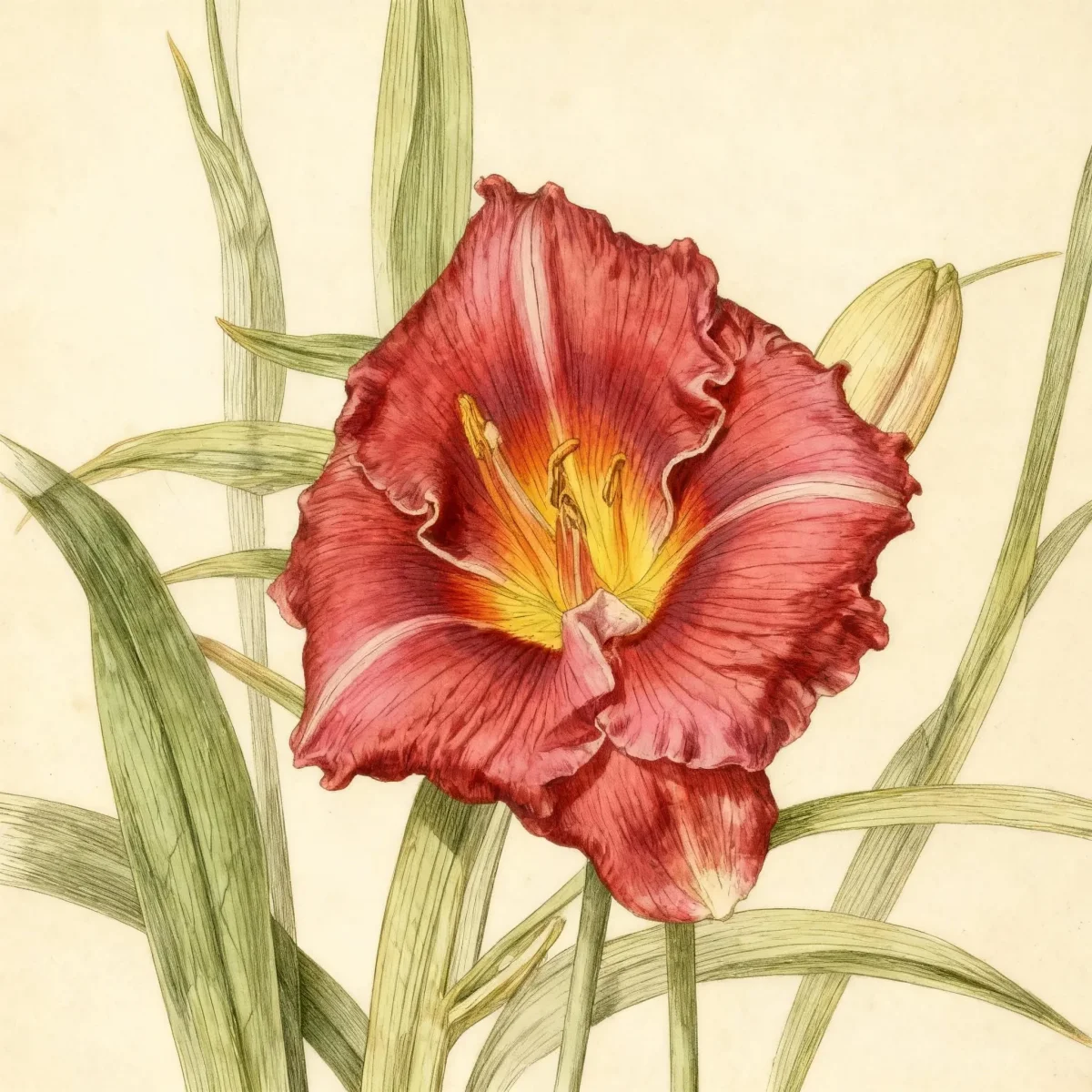
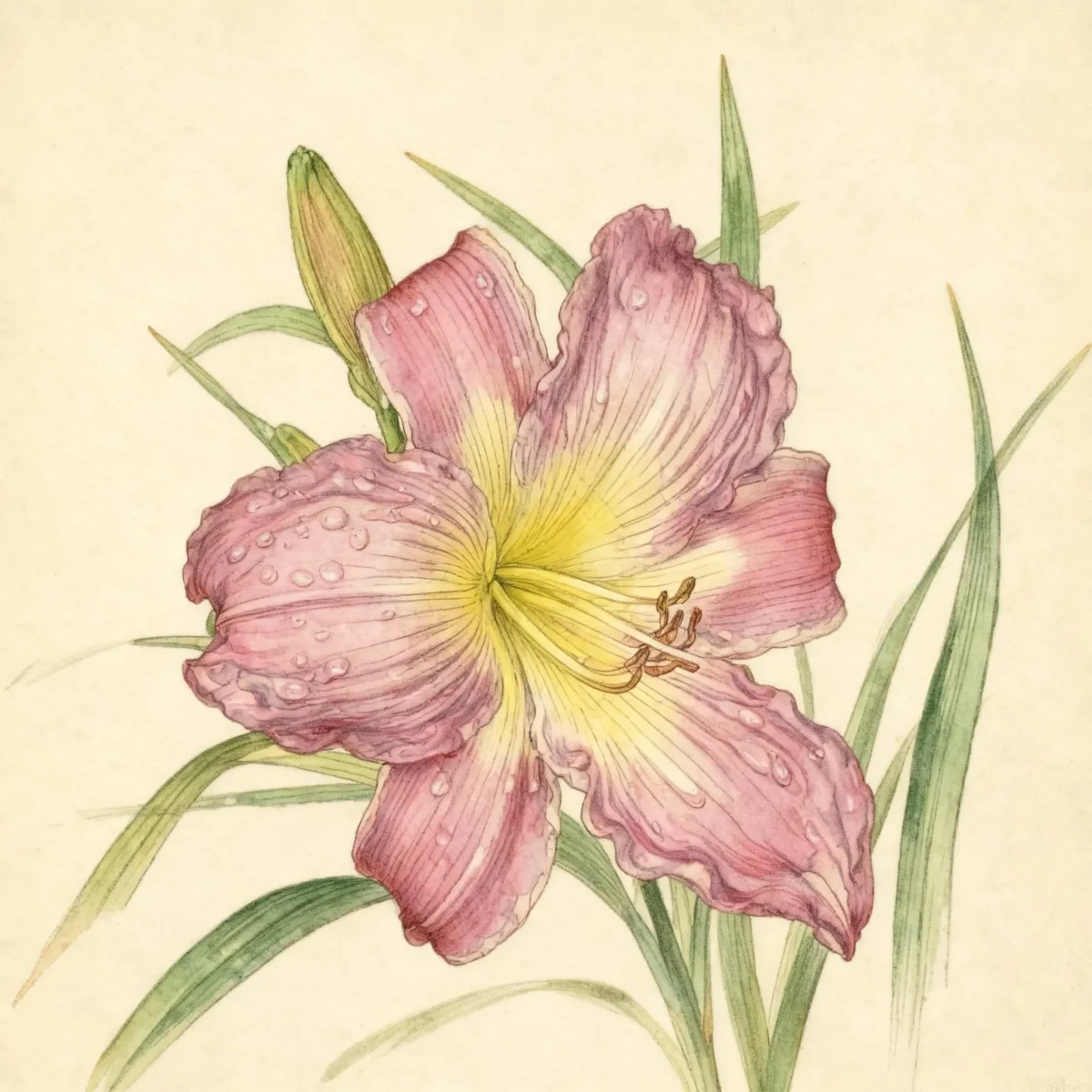
Daylily (Hemerocallis 'Tropical Delight')
Hemerocallis 'Tropical Delight' is a low-maintenance, reblooming Daylily offering showy orange-pink flowers from June through August.
Scroll down to discover growing tips, care requirements, companion plants, and more
Complete Plant Information
Overview
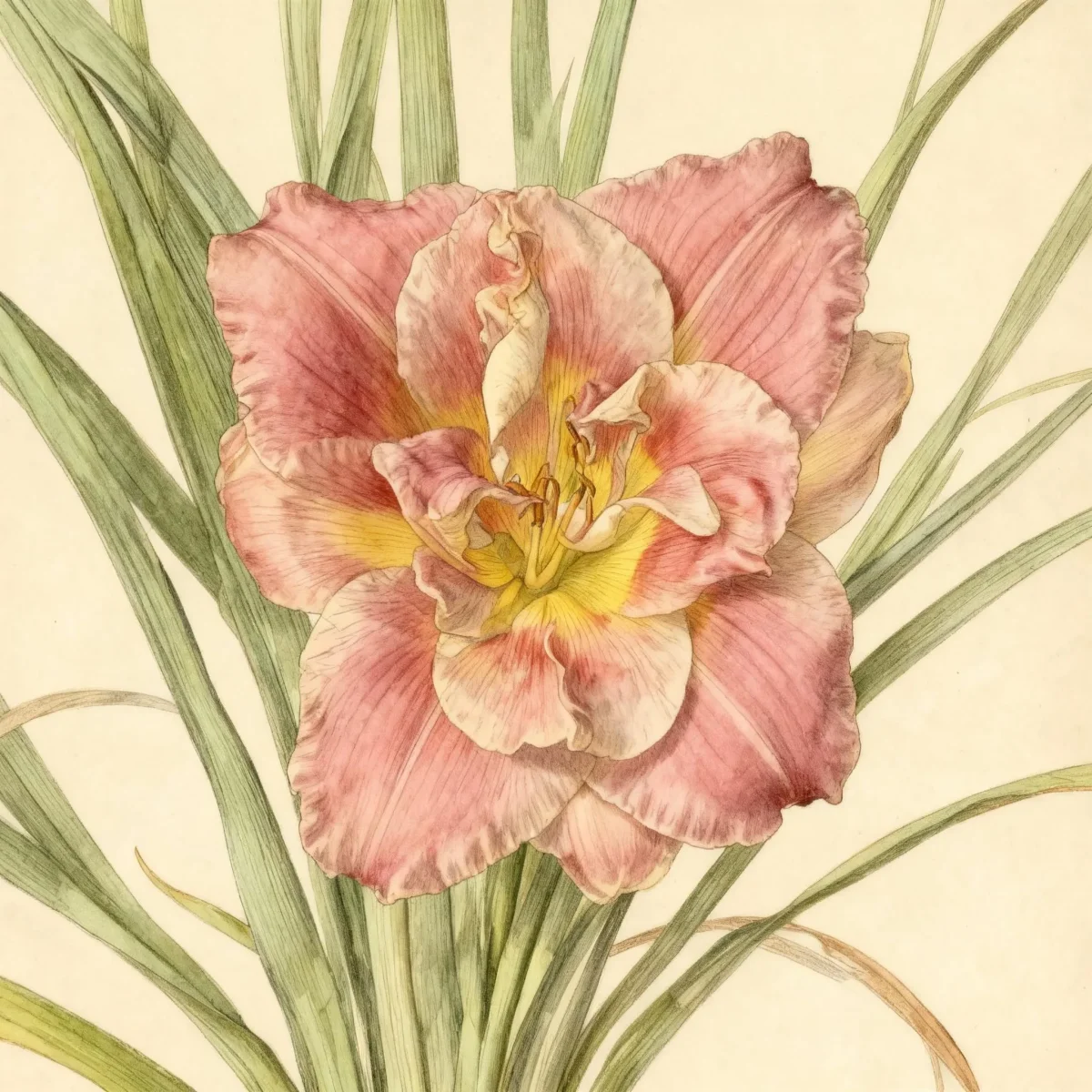
Hemerocallis ‘Tropical Delight’ is a highly desirable cultivar prized for its semi-evergreen foliage and vibrant, reblooming nature, making it an excellent vertical accent in the sunny garden. This specific Daylily cultivar presents small, double, orange-pink flowers accented by a subtle green throat, extending the season of color far beyond many standard varieties. As an herbaceous perennial, it offers reliable, low-maintenance structure, thriving across a wide range of climates from Zone 3 through Zone 9.
Gardeners appreciate Daylilies for their exceptional adaptability and vigorous growth habit, provided they receive adequate moisture during dry periods. The genus name, Hemerocallis, speaks to the beauty of each individual bloom, lasting for a day, but prolific flowering ensures continuous display, especially with reblooming cultivars like Hemerocallis ‘Tropical Delight’.
This smaller Daylily cultivar matures to just about one foot tall, making it perfectly suited for edging beds or providing texture in mixed perennial plantings where space is at a premium. Its reliable performance ensures vibrant color and texture with minimal intervention throughout the main summer growing season.
Fast Facts
- Plant Family: Asphodelaceae
- Plant Type: Herbaceous perennial
- Hardiness Zones: USDA Zones 3-9
- Size at Maturity:
- Height: 0.5-1 ft
- Spread: 0.5-1 ft
- Bloom Time: June to August
- Bloom Description: Orange-pink with green throat
- Sun Exposure: Full sun to part shade
- Water Needs: Medium
- Maintenance Level: Low
How to Grow
Planting this showy Daylily is straightforward; ensure it receives full sun to light afternoon shade for the best performance, favoring locations with medium moisture and well-drained soil. While Daylilies tolerate an average range of soils, they truly flourish in deep, fertile loams that retain moisture without becoming waterlogged. Spring planting is often preferred, especially in colder sectors (like Zone 3), though fall planting works well in milder climates.
Ongoing care for Hemerocallis ‘Tropical Delight’ is minimal. Deadheading spent flowers daily maintains a neat appearance and prevents excessive seed production, though removing spent scapes entirely after blooming concludes is optional. While tolerant of heat and humidity, plants benefit significantly from deep supplemental watering during extended dry spells to keep the foliage looking crisp.
For optimal vigor and bloom quality, plan to divide mature clumps of Daylily every three to four years, ideally in the spring in cold regions. Remember that hybrid Daylilies do not breed true from seed, so division is the standard method for propagation. In the coldest zones, ensure foliage has time to set energy reserves; in warmer climates, this semi-evergreen type may retain its leaves, though aggressive winter cold might necessitate trimming back damaged foliage.
Landscape Uses
Hemerocallis ‘Tropical Delight’ shines brightly as a versatile choice for structured garden design due to its compact size (under 1 foot mature height). Groupings of these Daylilies are stunning when planted along borders, clearly defining edges without overgrowing adjacent plants. The dense, grass-like foliage provides excellent textural contrast throughout the entire season.
This cultivar excels when massed over medium areas to create broad drifts of color that transition beautifully between earlier spring bloomers and later summer features. Because it performs well in clumps, consider incorporating Hemerocallis ‘Tropical Delight’ into island beds where a low, neat profile is critical. Dwarf cultivars are particularly effective when tucked into rock gardens, offering color near stone work.
When planning companions, select plants that enjoy similar culture—medium water, good drainage, and full sun to partial shade. Broad-leafed perennials or upright ornamental grasses provide excellent contrast to the linear foliage of this Daylily.
Standout Features
Flower Qualities
- Showy
Noteworthy Characteristics
The genus Hemerocallis encompasses many species originating in Asia and Europe, though modern gardening relies almost entirely on hybrids developed for color and form. Each Daylily flower lasts but a single day, hence the common name, but blooms appear sequentially over a long period. Hemerocallis ‘Tropical Delight’ itself is a diploid, reblooming cultivar famed for its small, 2-inch double blooms held on neat, 10-inch scapes, providing consistent mid-season interest.
Tolerances
- Rabbit
Potential Problems
Daylilies are renowned for being extremely adaptable and generally pest-free, which contributes heavily to their low-maintenance status. Occasionally, pests such as spider mites, aphids, or thrips might cause minor cosmetic damage. In certain humid regions, Daylily rust—a fungal leaf spot disease—can become problematic and may require appropriate fungicidal treatment if severe.
Rabbits generally ignore the foliage, making this plant an excellent addition to gardens where deer and rabbit pressure is present. Proactive cultural care, such as avoiding overhead watering late in the day to minimize fungal opportunities, is usually sufficient for keeping this Daylily healthy.
Frequently Asked Questions
What hardiness zones is Daylily suitable for?
Hemerocallis ‘Tropical Delight’ is suitably hardy across USDA Zones 3 through 9.
How large does Daylily grow?
This cultivar typically reaches a mature height between 0.5 and 1 foot tall, with a similar spread of 0.5 to 1 foot wide.
What sun exposure does Daylily need?
It performs best when positioned where it receives full sun to part shade throughout the day.
When does Daylily bloom?
The primary blooming period for the Daylily is June to August, featuring distinct orange-pink flowers with a green throat.
Conclusion
Hemerocallis ‘Tropical Delight’ delivers exceptional value through its low input requirements and consistent, reblooming summer color, securing its place as a staple herbaceous perennial. The combination of rabbit resistance and tolerance for varying conditions makes this Daylily a practical, vigorous choice for nearly any sunny spot in the landscape. Before planting, confirm that your location falls within Zones 3–9 and prepare fertile, well-draining soil to welcome your new Hemerocallis ‘Tropical Delight’.
Companion Planting
Because Daylilies prefer medium moisture and thrive in decent soil fertility, good companion plants include those with similar needs that offer different foliage textures. Consider planting hostas or ferns nearby to utilize the partial shade aspect of the Daylily’s tolerance; dense root competition should be avoided, however.
For complementary seasonal color, pairing Hemerocallis ‘Tropical Delight’ with late-blooming perennials like Asters or Sedum in late summer helps extend garden interest as the Daylily’s rebloom slows. The fine, upright texture of the Daylily contrasts beautifully against rounded bloom forms such as Russian Sage or Coneflowers.
Seasonal Care Calendar
Spring preparation involves clearing away any old, dead foliage from overwintering, especially if the plant is semi-evergreen. This cleanup is the best time to divide larger clumps of Daylily to maintain garden health and increase your stock. Aim to start deep watering campaigns as soon as summer heat sets in, focusing water at the base of the plant.
During the summer blooming season, consistent deadheading of spent flowers on Hemerocallis ‘Tropical Delight’ promotes better reblooming cycles. Avoid heavy fertilization during peak heat, which can stress the plant; switch to light feeding in early summer or early fall if necessary.
Fall care centers on preparing winter-dormant types for cold weather by ensuring the plant has adequate moisture going into dormancy, although minimal cutting back of foliage is usually required unless the leaves become heavily damaged by frost. This robust Daylily requires minimal winter protection in its suitable hardiness range.