Freeman maple (Acer × freemanii 'Jeffersred' AUTUMN BLAZE)
Acer × freemanii 'Jeffersred' AUTUMN BLAZE offers stunning scarlet fall color, fast growth, and hardy performance in Zones 3-8.
Scroll down to discover growing tips, care requirements, companion plants, and more
Complete Plant Information
Overview
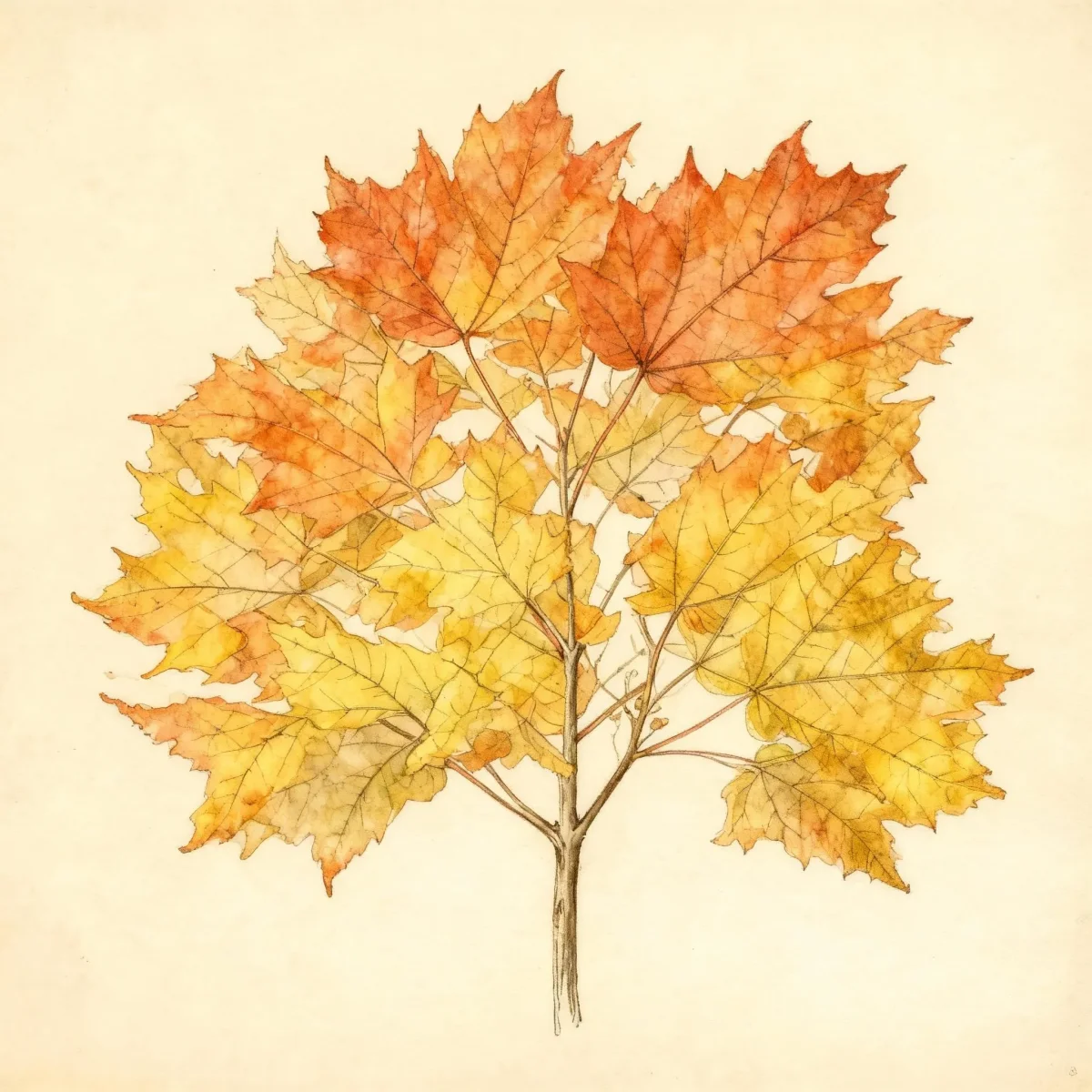
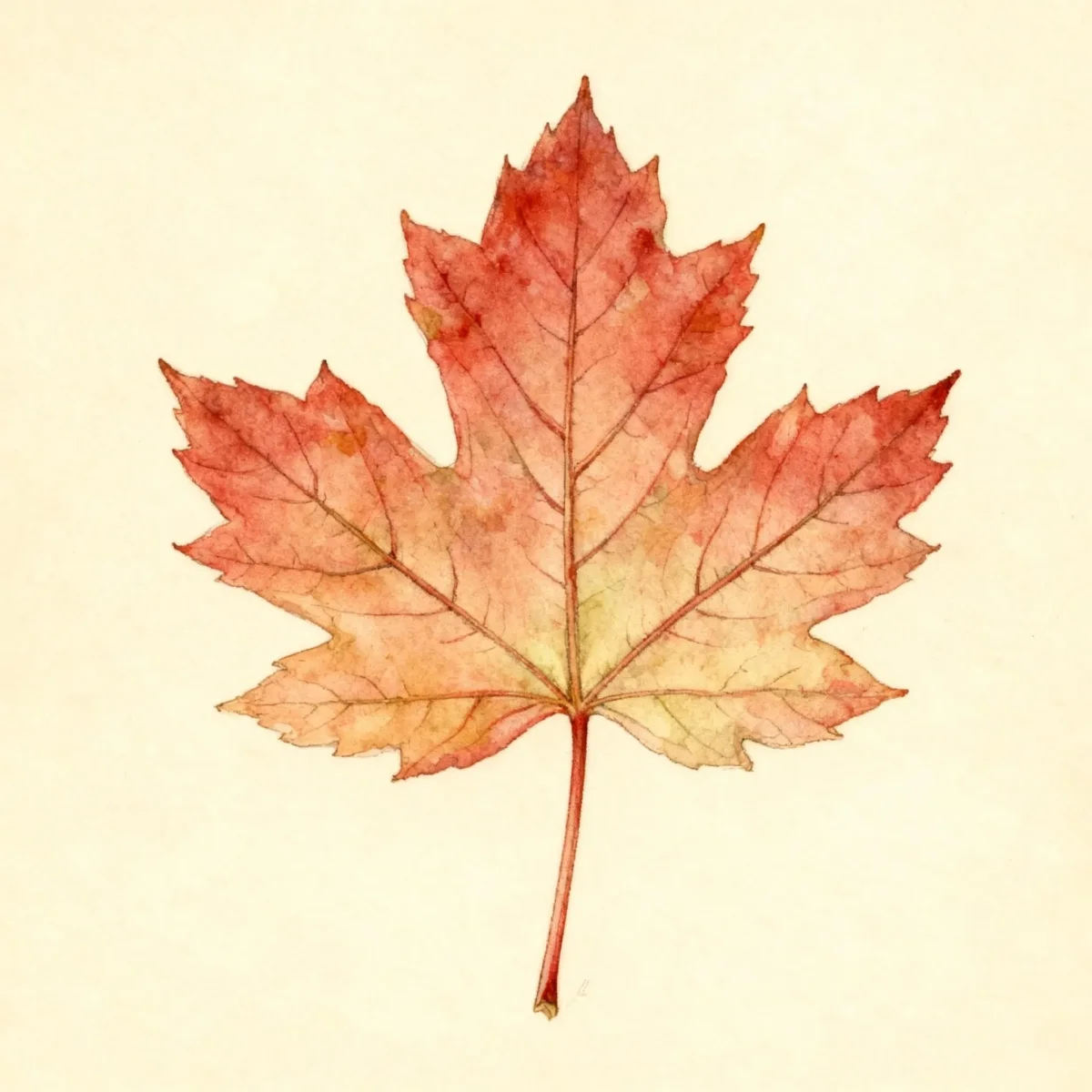
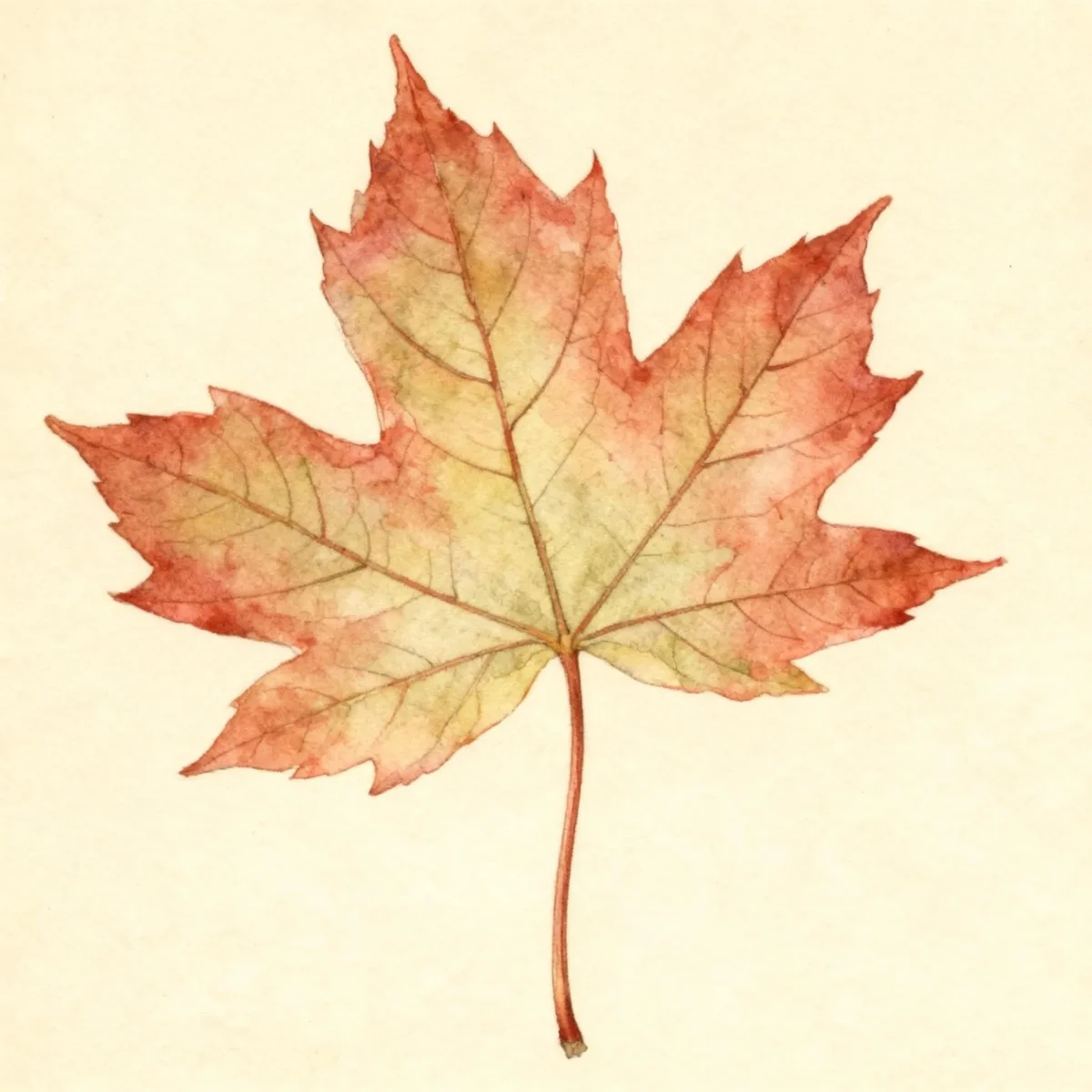
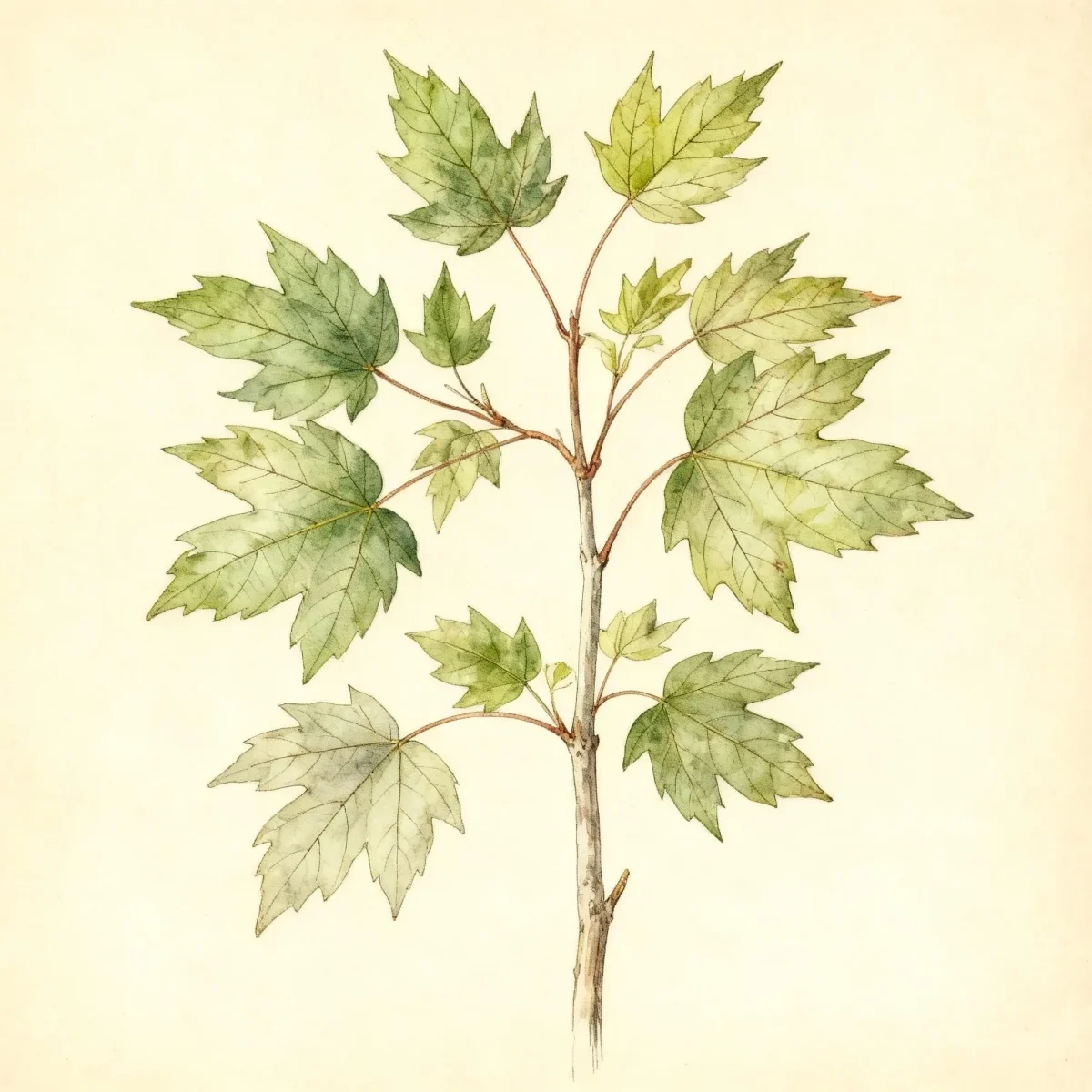
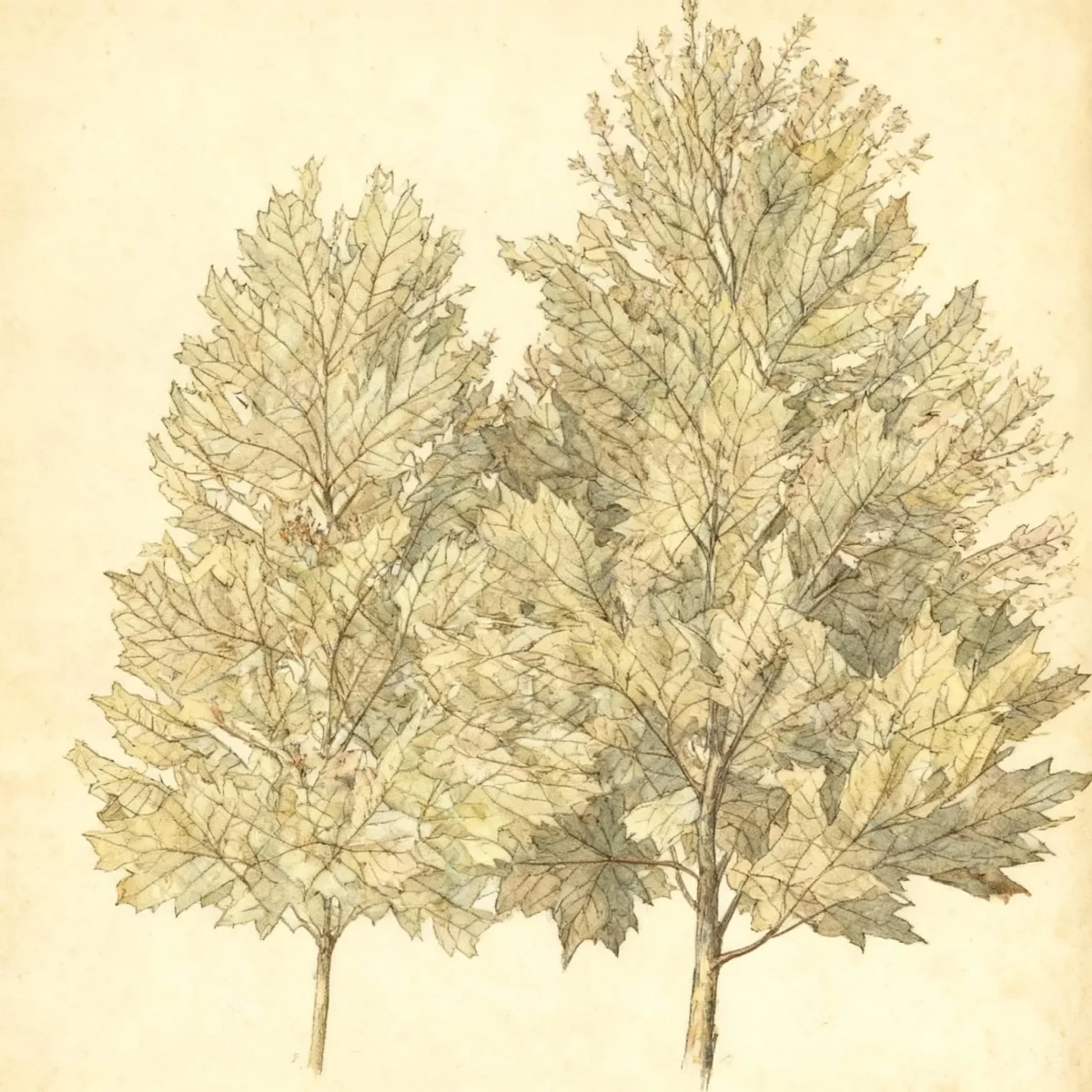
The Acer × freemanii ‘Jeffersred’ AUTUMN BLAZE, widely known as the Freeman maple, is a highly valued hybrid prized for combining the best attributes of its red and silver maple parents. Gardeners appreciate this tree for its reliable, vibrant autumn blaze of color and rapid growth rate, making it an excellent choice for quick structural impact in the landscape. This deciduous tree establishes an upright, fast-growing habit, featuring deeply cut, medium-green foliage that transforms into an eye-catching display of orange-red to scarlet.
As a versatile shade tree, the Freeman maple thrives in a wide range of conditions, though it particularly appreciates moist environments. It offers a robust structure and attractive broad-oval crown, delivering significant shade while requiring relatively low maintenance once established. Selecting Acer × freemanii ‘Jeffersred’ AUTUMN BLAZE means investing in a strong performer noted for adaptability and spectacular seasonal appeal.
Fast Facts
- Plant Family: Sapindaceae
- Plant Type: Tree
- Hardiness Zones: USDA Zones 3-8
- Size at Maturity:
- Height: 40-55 ft
- Spread: 30-40 ft
- Bloom Time: Rarely flowers
- Bloom Description: Greenish-yellow to red
- Sun Exposure: Full sun to part shade
- Water Needs: Medium to wet
- Maintenance Level: Low
How to Grow
Planting your Acer × freemanii ‘AUTUMN BLAZE’ should ideally occur in the early spring or fall to allow root establishment before temperature extremes. Choose a location receiving full sun to partial shade, ensuring the soil is well-drained, even though this variety tolerates wet conditions. While it grows easily in average soils, consistently moist, slightly acidic soil will yield the best results for this fast-growing specimen.
Watering needs are medium; while established trees show some drought tolerance, consistent moisture is critical during the first few growing seasons. Avoid over-fertilizing, as this can encourage soft, rapid growth susceptible to pests. Pruning should focus on removing crossing or weak branches, maintaining the tree’s strong, ascending branching structure.
Be aware that Freeman maple’s parentage includes the silver maple, meaning pruning aims to mitigate any tendency toward brittle wood sometimes associated with that parent species. During winter, young plants benefit from protection against sunscald on smooth bark, though mature specimens are extremely hardy across their designated zones.
Landscape Uses
The recommended uses for Acer × freemanii ‘Jeffersred’ AUTUMN BLAZE highlight its functional versatility in larger landscapes. It excels as a specimen tree on expansive lawns where its mature size and dense crown can provide generous shade throughout summer. Furthermore, it is exceptionally robust as a street tree, handling urban environments better than many traditional maples.
Beyond pure aesthetics, the Freeman maple is a superior choice for rain gardens or areas with periodically saturated soil, thanks to its tolerance for wet sites. When designing borders or open park settings, utilize its strong vertical accent and spectacular fall color against evergreen backdrops for maximum contrast. Its moderate maintenance profile ensures that once placed correctly, it requires little intervention to deliver year after year of impressive performance.
Standout Features
Noteworthy Characteristics
Acer × freemanii, commonly called Freeman maple, is a hybrid of red maple (A. Rubrum) and silver maple (A. Saccharinum), combining the best features of both parents, namely solid structure, attractive form, and showy fall color from the red maple, with adaptability and rapid growth from the silver maple. Discovered in the late 1960s and named ‘Jeffersred’, this fast-growing, deciduous cultivar typically reaches 40-55 feet tall with a dense, broad-oval crown defined by ascending branches. As its trade name suggests, the foliage delivers an autumn blaze of orange-red to scarlet-red color, making Acer × freemanii ‘Jeffersred’ AUTUMN BLAZE a visually dominant landscape feature.
Tolerances
- Wet Soil
Potential Problems
Generally, the Acer × freemanii ‘AUTUMN BLAZE’ has few serious insect or disease problems, contributing significantly to its low maintenance classification. However, vigilant monitoring is necessary, especially when the tree is young, as sap-sucking pests like leafhoppers and scale can cause aesthetic damage to the foliage. Additionally, the tree can occasionally be susceptible to borers, particularly if stressed by environmental factors like drought or improper soil conditions not meeting its preference for moisture. Maintaining soil health and avoiding unnecessary wounding of the trunk are the best proactive management strategies.
Frequently Asked Questions
What hardiness zones is Freeman maple suitable for?
The Freeman maple, including the ‘Jeffersred’ cultivar, is suitable for USDA Hardiness Zones 3 through 8.
How large does Acer × freemanii ‘Jeffersred’ AUTUMN BLAZE grow?
This fast-growing specimen tree typically matures to a height between 40 and 55 feet, with a spread ranging from 30 to 40 feet.
What sun exposure does Acer × freemanii ‘Jeffersred’ AUTUMN BLAZE need?
This maple performs best when situated in locations receiving full sun to part shade.
When does Freeman maple bloom?
The Acer × freemanii ‘AUTUMN BLAZE’ rarely flowers; when blooms are present, they appear greenish-yellow to red.
Conclusion
The Acer × freemanii ‘Jeffersred’ AUTUMN BLAZE stands out as a superior landscape choice due to its exceptional scarlet fall color, rapid maturity, and robust adaptability across USDA Zones 3 through 8. As a low-maintenance hybrid, this Freeman maple delivers a powerful visual impact, making it perfect for large shade needs. Before planting, confirm your site offers the medium to wet soil conditions it prefers to ensure a healthy, vigorous specimen.
Companion Planting
When selecting companions for your Acer × freemanii ‘AUTUMN BLAZE’, focus on plants that thrive in similar moisture regimes and light conditions. Consider underplanting near the dripline with moisture-loving shrubs like Witch Hazel (Hamamelis spp.) which enjoys comparable sun exposure and handles acidic soils well. For groundcover beneath the canopy, hostas or ferns are excellent choices, as they tolerate the dappled light created by the dense, broad-oval crown of this fast-growing tree. Ensuring these companions do not vigorously compete for surface moisture is key to successful establishment.
Seasonal Care Calendar
Spring is the ideal time for a light, balanced fertilization if needed, focusing on soil amendment rather than heavy nitrogen feeding for the Freeman maple. Summer requires monitoring soil moisture, especially during dry spells, to maintain the ‘medium’ water needs until the established tree develops drought tolerance. Autumn is when the star show occurs; rake fallen leaves promptly, especially if your lawn suffers beneath the canopy. Minimal winter care is necessary for established trees, but protecting the bark of young Acer × freemanii ‘Jeffersred’ AUTUMN BLAZE from winter sun is a prudent annual task.