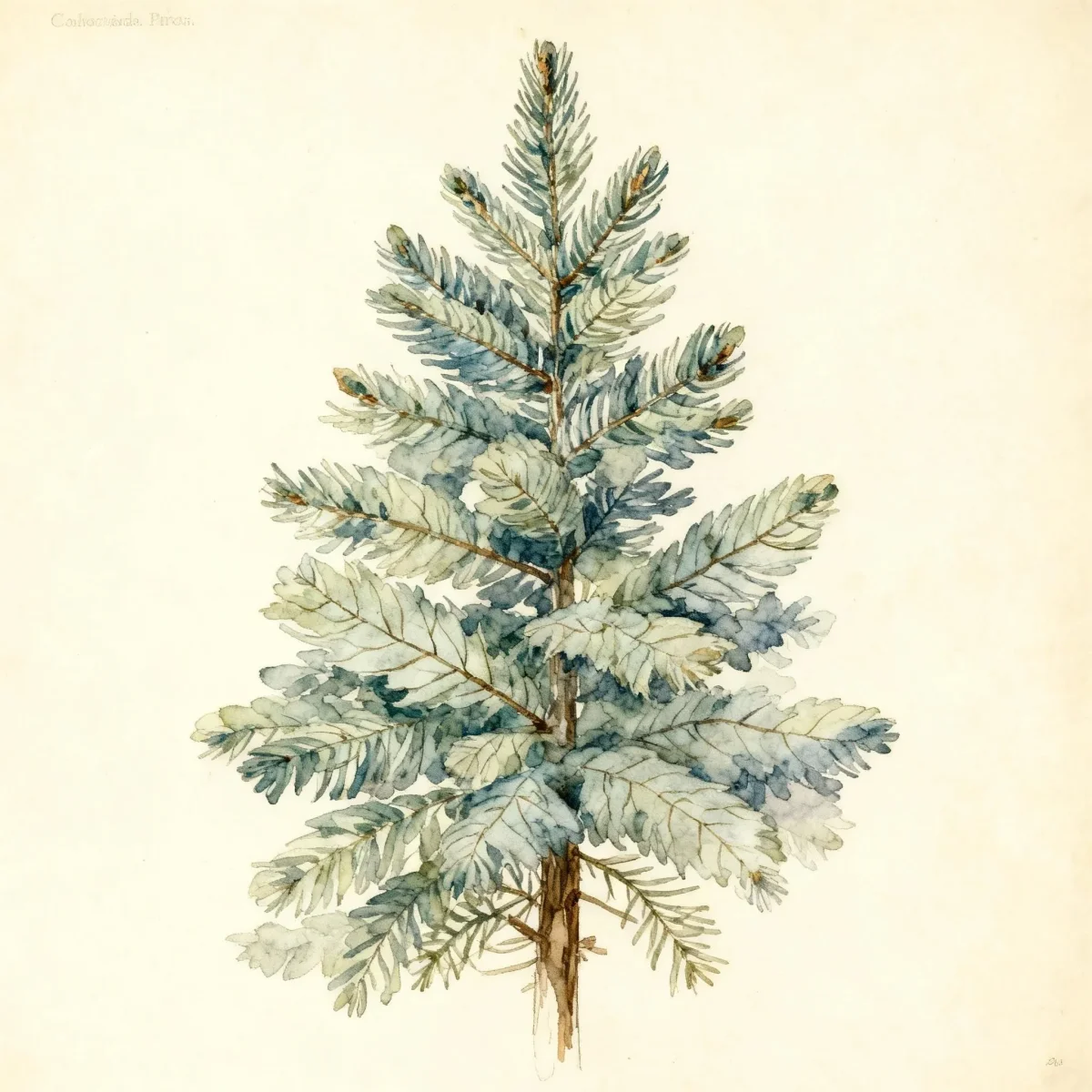
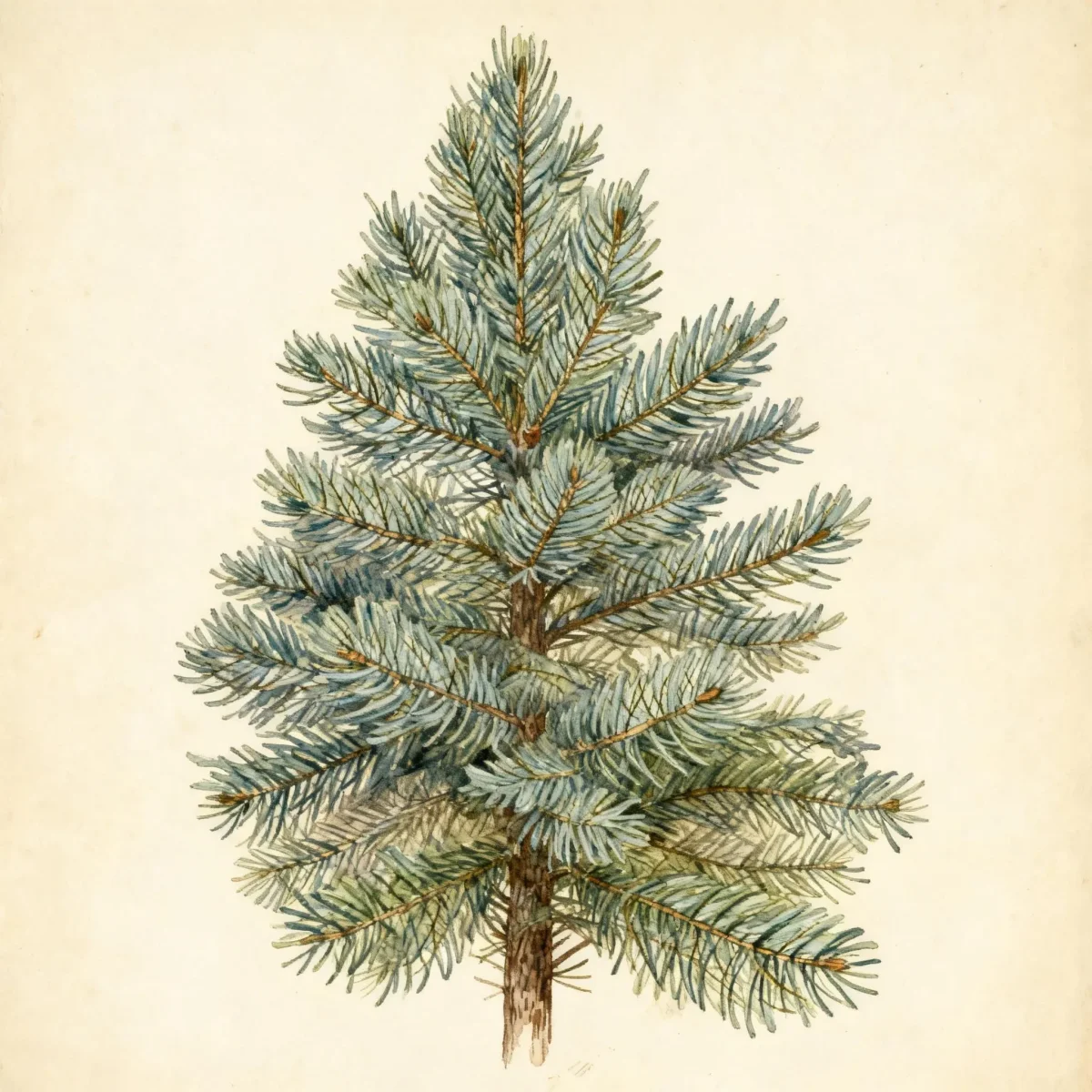
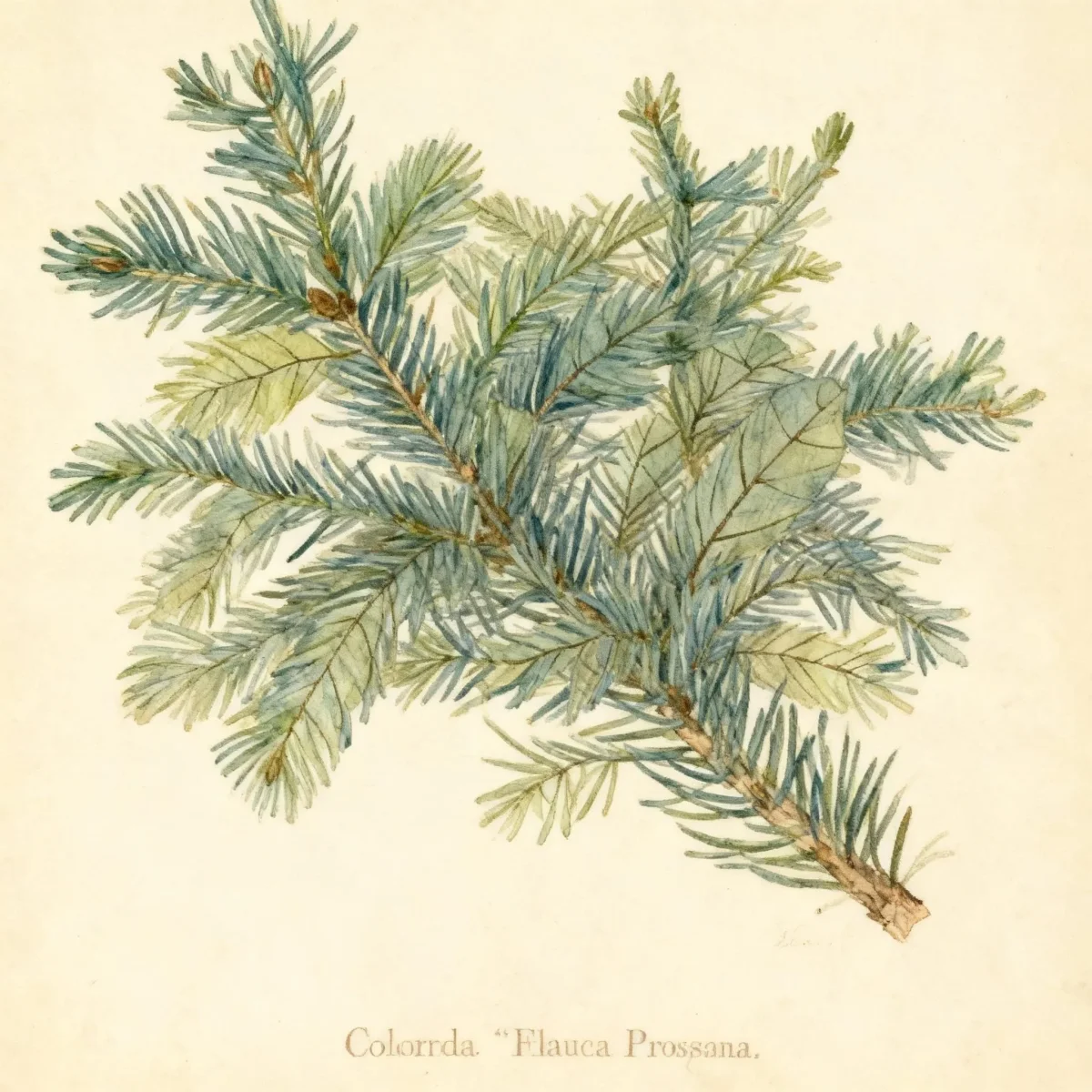
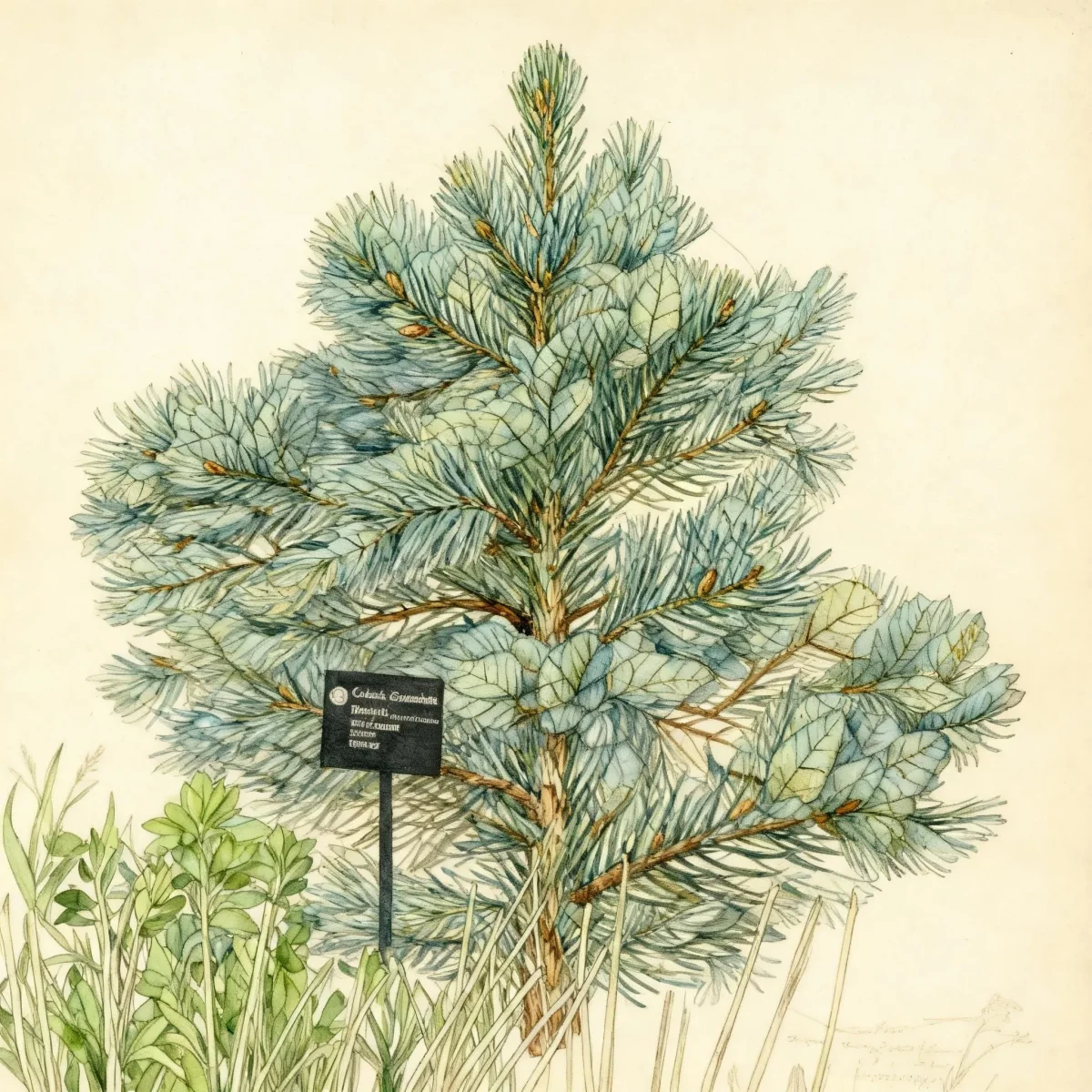
Colorado spruce (Picea pungens 'Hoopsii')
Picea pungens 'Hoopsii' is a dense conifer known for stunning silvery-blue needles. Ideal low-maintenance specimen for full sun.
Scroll down to discover growing tips, care requirements, companion plants, and more
Complete Plant Information
Overview
The Picea pungens ‘Hoopsii’, commonly known as Colorado spruce, is highly coveted in landscapes primarily for its intensely bright, silvery-blue foliage that retains its color year-round. This cultivar offers a dense, pyramidal habit, making it a striking focal point even when young, maturing into a substantial evergreen statement piece. As a slow-to-moderate grower, the Colorado spruce provides enduring structure and brilliant cool tones to the garden design.
Its strong form and superior coloration mean that Picea pungens ‘Hoopsii’ requires minimal ongoing attention once established. Native to the Rocky Mountains, it thrives in sunny locations where it can achieve its best color intensity. Gardeners value this species for its resilience against many common urban stresses, making it a trustworthy and visually spectacular evergreen anchor.
Fast Facts
- Plant Family: Pinaceae
- Plant Type: Needled evergreen
- Hardiness Zones: USDA Zones 2-7
- Size at Maturity:
- Height: 30-50 ft
- Spread: 15-20 ft
- Bloom Time: Non-flowering
- Sun Exposure: Full sun
- Water Needs: Medium
- Maintenance Level: Low
How to Grow
Planting is best achieved in the spring or early fall, allowing the Colorado spruce adequate time to establish its root system before facing extreme summer heat or winter chill. It performs exceptionally well in average, acidic, medium-moisture, well-drained soils, though it prefers richer, moist ground for optimal health. Ensure the planting site receives full sun exposure to maximize needle color on the Picea pungens ‘Hoopsii’.
Watering is critical, especially during the first few years. While established plants show drought tolerance, you must keep the soil consistently moist and prevent drying out in early development. Throughout the growing season, provide medium water volume. Fertilizing is generally unnecessary if planted in rich soil, but avoid over-fertilizing, which can encourage weak new growth susceptible to pests.
Be mindful of the climate; while resilient, this spruce generally prefers cooler conditions. In regions experiencing hot, humid summers, positioning the tree where it receives afternoon shade can reduce stress. Pruning is rarely required for shaping due to the cultivar’s naturally dense structure, although dead or damaged lower branches can be removed at any time.
Landscape Uses
The Picea pungens ‘Hoopsii’ excels as a landscape specimen tree, serving as a magnificent year-round anchor in large properties or open yards. Its brilliant blue color contrasts powerfully against darker green foliage plants, or bright, warm-toned flowering shrubs planted near its base.
Because of its strong vertical presence and width, consider using several Colorado spruce specimens to create a formidable, wind-breaking screen or natural border where significant screening is required. They look spectacular when lit in winter landscapes, drawing focus during the dormant season.
Standout Features
Noteworthy Characteristics
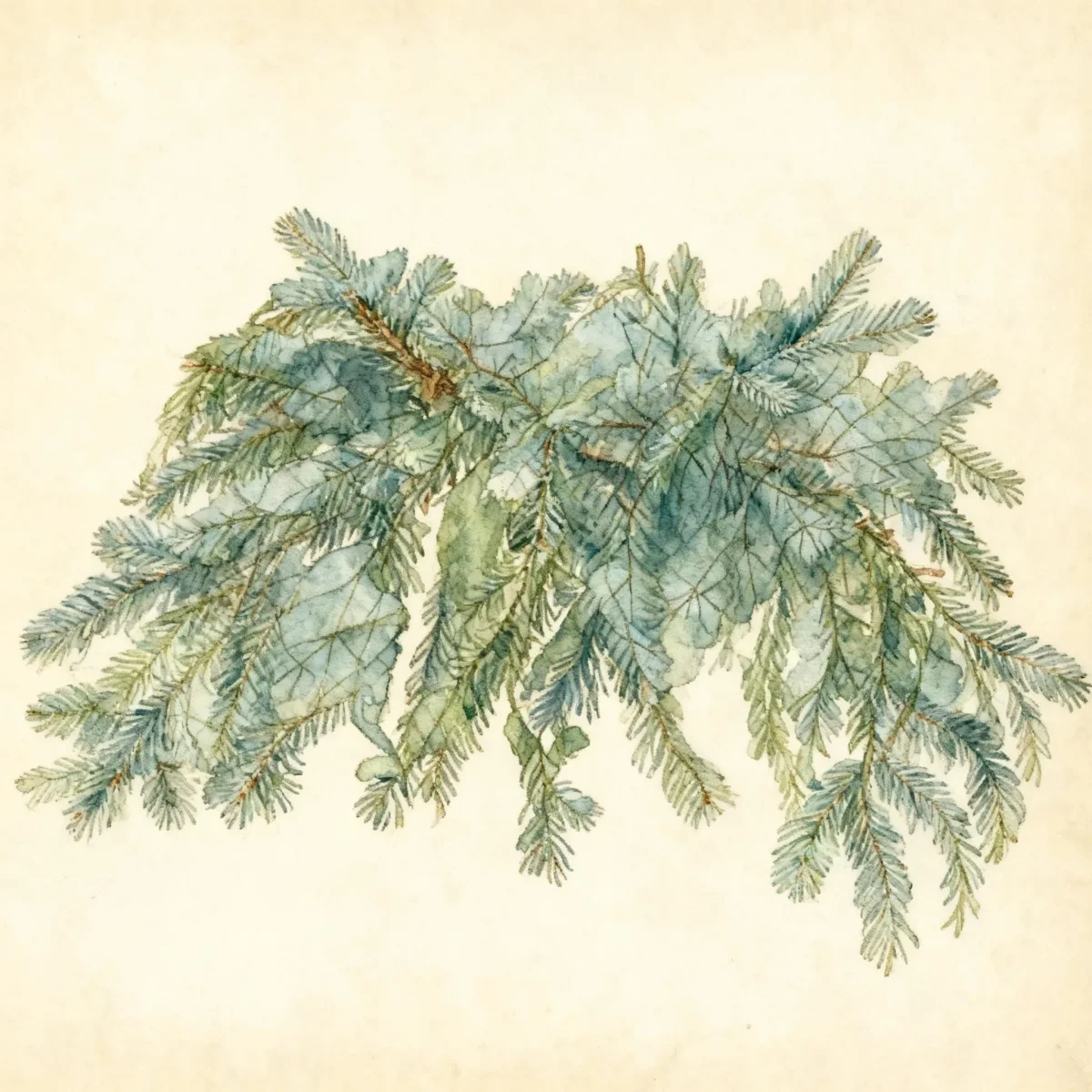
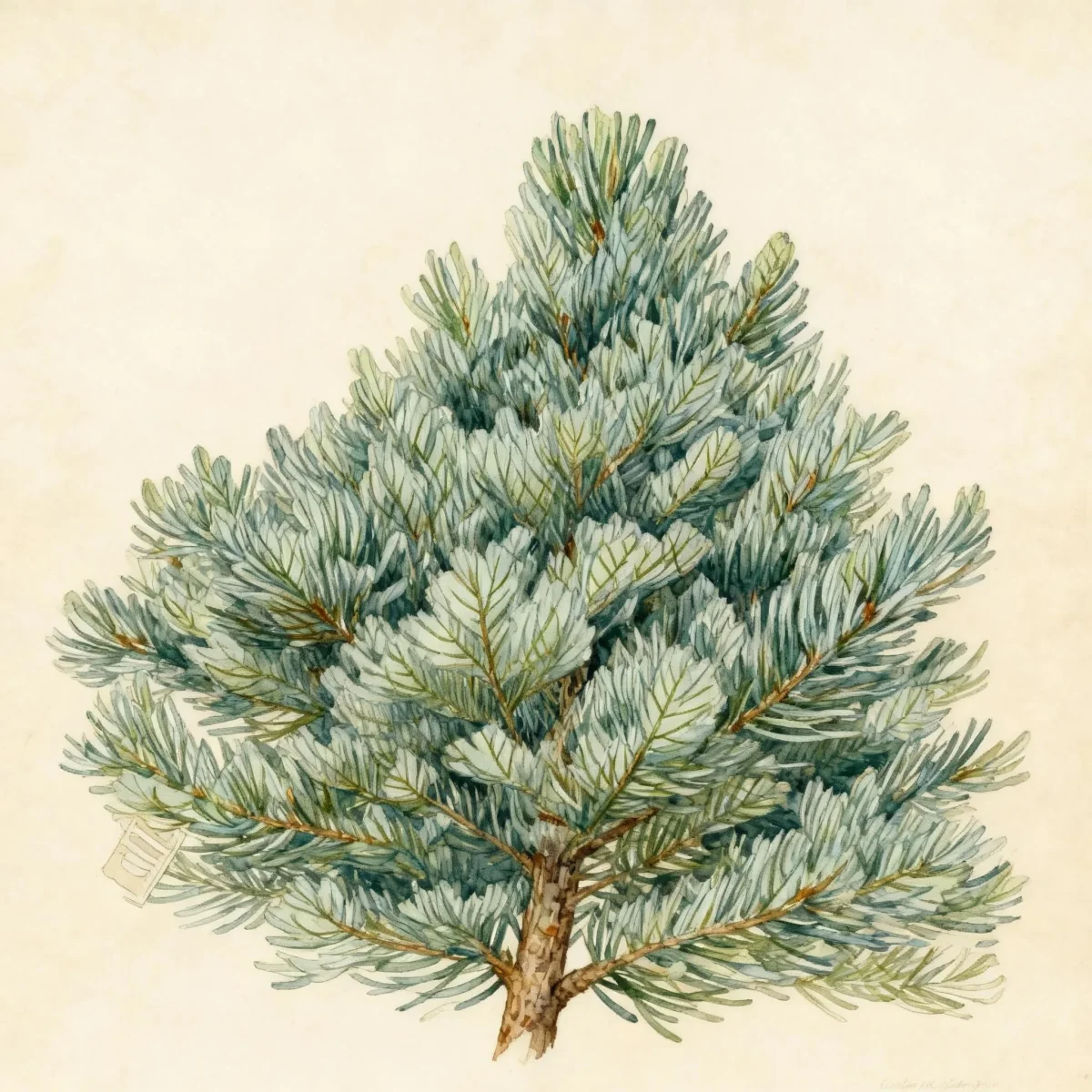
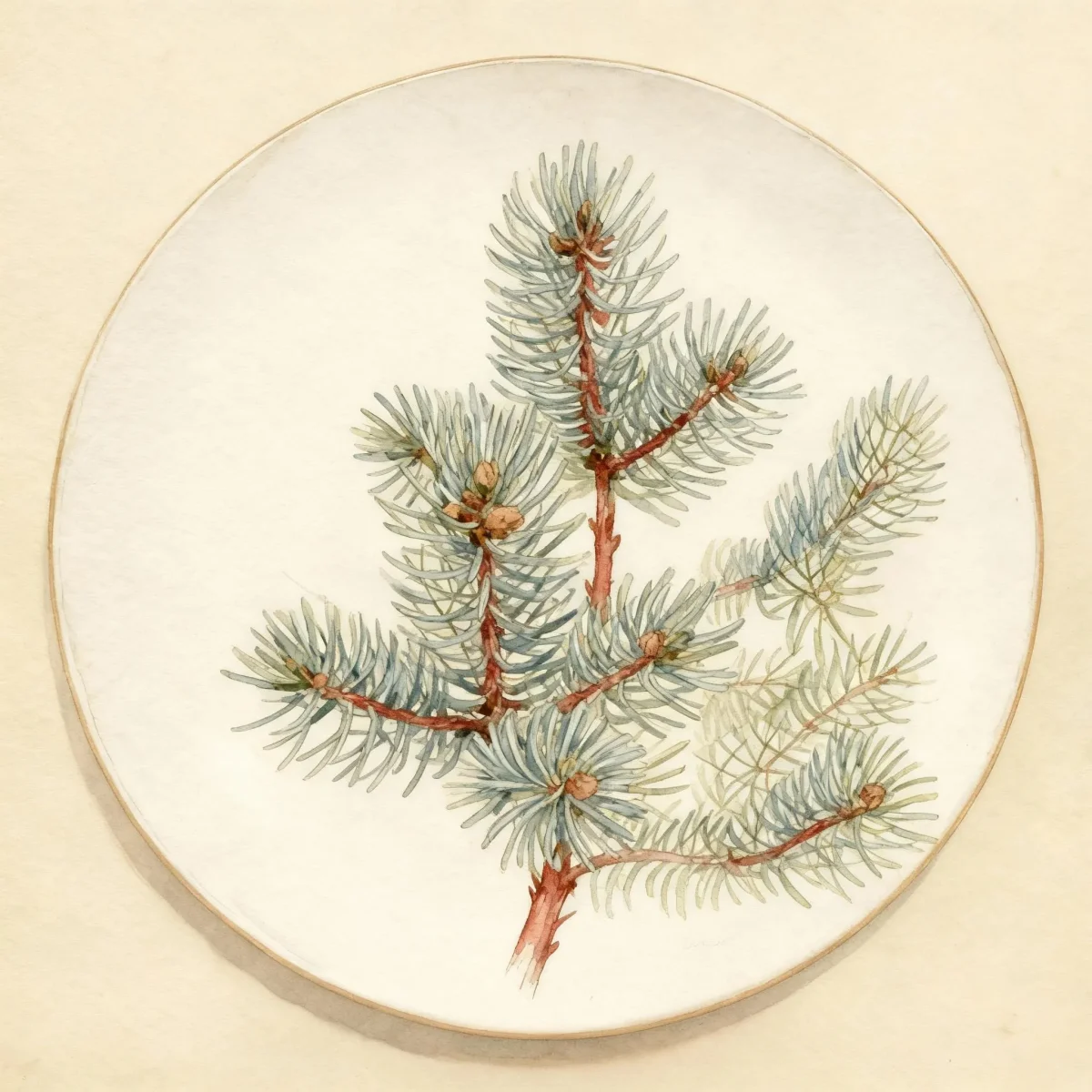
Picea pungens, commonly called Colorado spruce (also blue spruce), is a medium to large, narrow, pyramidal conifer with horizontal branching to the ground. It typically grows 30-60’ tall in cultivation, but may reach 100’ or more where it grows naturally. Stiff, bristly, four-angled, blue-green to silver-blue needles point outward from the branches in all directions. The cultivar ‘Hoopsii’ is most noted for the excellent silvery-blue color of its needles, typically reaching 30-50’ tall and spreading to 15-20’ wide, featuring pendulous seed cones that emerge magenta-purple.
Tolerances
- Rabbit
- Deer
- Drought
- Air Pollution
Potential Problems
Picea pungens ‘Hoopsii’ can be susceptible to several fungal diseases, most notably needle cast, cytospora canker, and rust, which often affect older needles or lower branches first, especially if air circulation is poor. Management involves ensuring good spacing between trees and avoiding overhead watering late in the day.
Watch carefully for insect pests, particularly the spruce gall aphid, which creates unsightly galls on new growth. Scale insects, budworms, and bagworms also pose threats. Spider mites can cause significant damage, particularly during hot, dry spells, leading to bronzing or shedding of the new growth; regular inspection and timely treatment with horticultural oil can mitigate these issues.
Frequently Asked Questions
What hardiness zones is Colorado spruce suitable for?
The Colorado spruce (Picea pungens ‘Hoopsii’) is highly cold-tolerant, suitable for USDA Zones 2 through 7.
How large does Picea pungens ‘Hoopsii’ grow?
This dense cultivar typically develops into a specimen tree ranging from 30 to 50 feet in height, with a spread between 15 and 20 feet wide.
What sun exposure does Picea pungens ‘Hoopsii’ need?
The Colorado spruce requires full sun exposure to develop and maintain its highly desirable, intense silvery-blue needle coloration.
When does Picea pungens ‘Hoopsii’ bloom?
This is a non-flowering needled evergreen, meaning it does not produce showy flowers; it develops cones instead.
Conclusion
The unique, brilliant silvery-blue color provided by Picea pungens ‘Hoopsii’ ensures its place as a premier specimen evergreen for cold-hardy landscapes. Its low maintenance needs and excellent tolerance for urban stresses, including drought and air pollution, make the Colorado spruce a dependable choice. Before planting, confirm your site provides full sun and well-drained conditions, then enjoy this striking conifer for decades.
Companion Planting
When selecting companions for your Picea pungens ‘Hoopsii’, focus on plants that offer strong contrast without competing for root space or light. Low-growing, golden-leaved shrubs or perennials planted along the dripline can accentuate the blue needles dramatically. Consider using plants that require similar acidic soil profiles where possible.
Deciduous plants with deep burgundy or dark purple foliage provide excellent seasonal contrast against the stiff, silvery backdrop of the Colorado spruce. Avoid placing fast-growing shallow-rooted plants too close, as competition for medium water levels can stress the young conifer.
Seasonal Care Calendar
Spring: Apply a slow-release fertilizer formulated for acid-loving plants if soil tests indicate nutrient deficiencies, usually just as new growth begins to emerge. Monitor closely for the first signs of spruce gall aphids as candles develop. Lightly rake away winter debris from the base of the tree.
Summer: Maintain consistent, medium moisture levels, particularly during drought periods, focusing water application deep into the root zone. Keep mulch applied but ensure it does not touch the trunk flare. Avoid heavy pruning during extreme heat, favoring only the removal of dead or diseased material.
Fall: Water deeply as temperatures cool to help the Picea pungens ‘Hoopsii’ prepare for winter desiccation. This is an excellent time to plant new specimens, allowing roots to establish during cooler, moist conditions before the ground freezes.
Winter: Protect young specimens from bark damage caused by rodents or sunscald by wrapping the lower trunk if necessary. Minimize foot traffic near the canopy, especially when snow cover is thin.