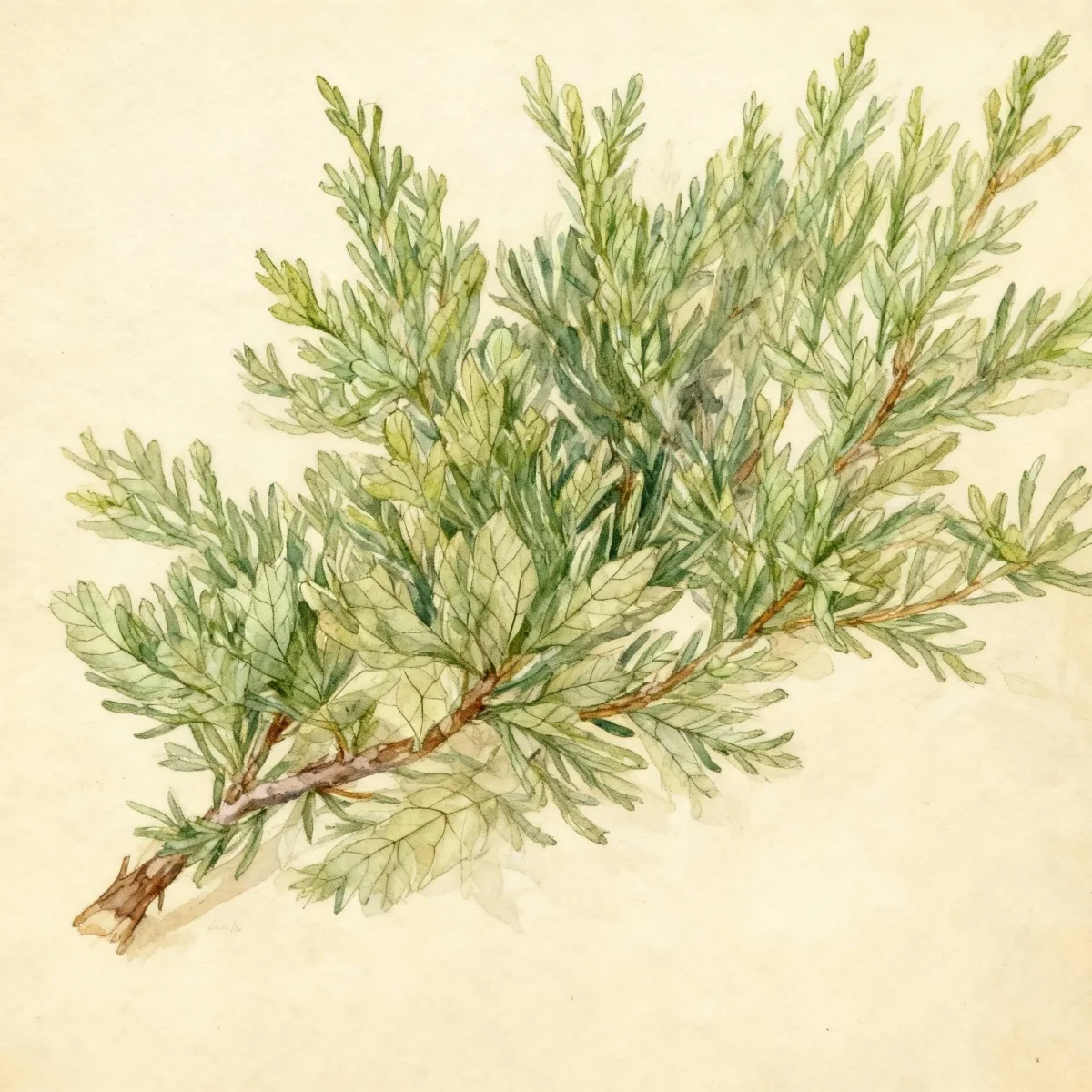
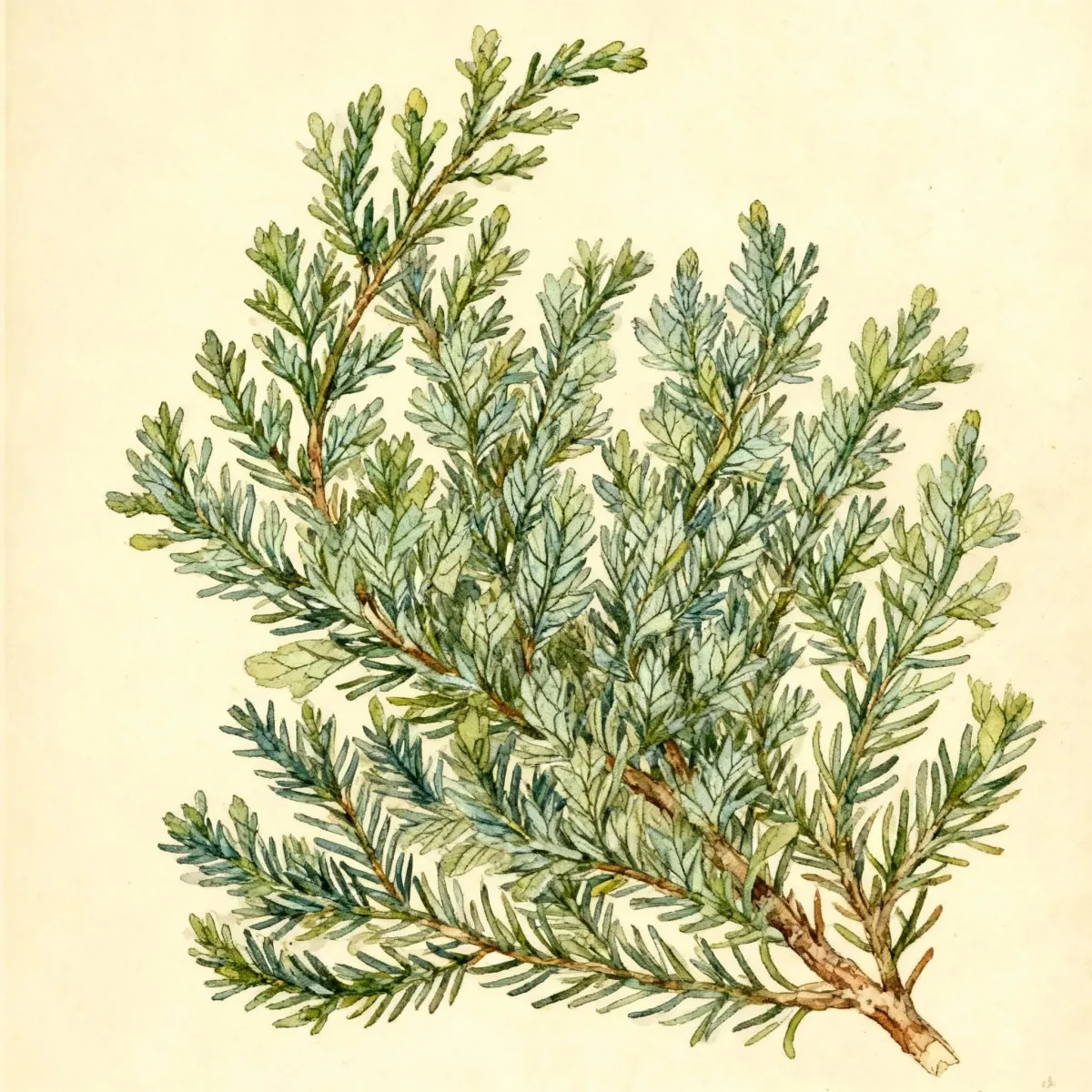
Creeping juniper (Juniperus horizontalis 'Pancake')
Juniperus horizontalis 'Pancake' is a tough, low Creeping juniper perfect for difficult slopes. This needled evergreen offers year-round color.
Scroll down to discover growing tips, care requirements, companion plants, and more
Complete Plant Information
Overview
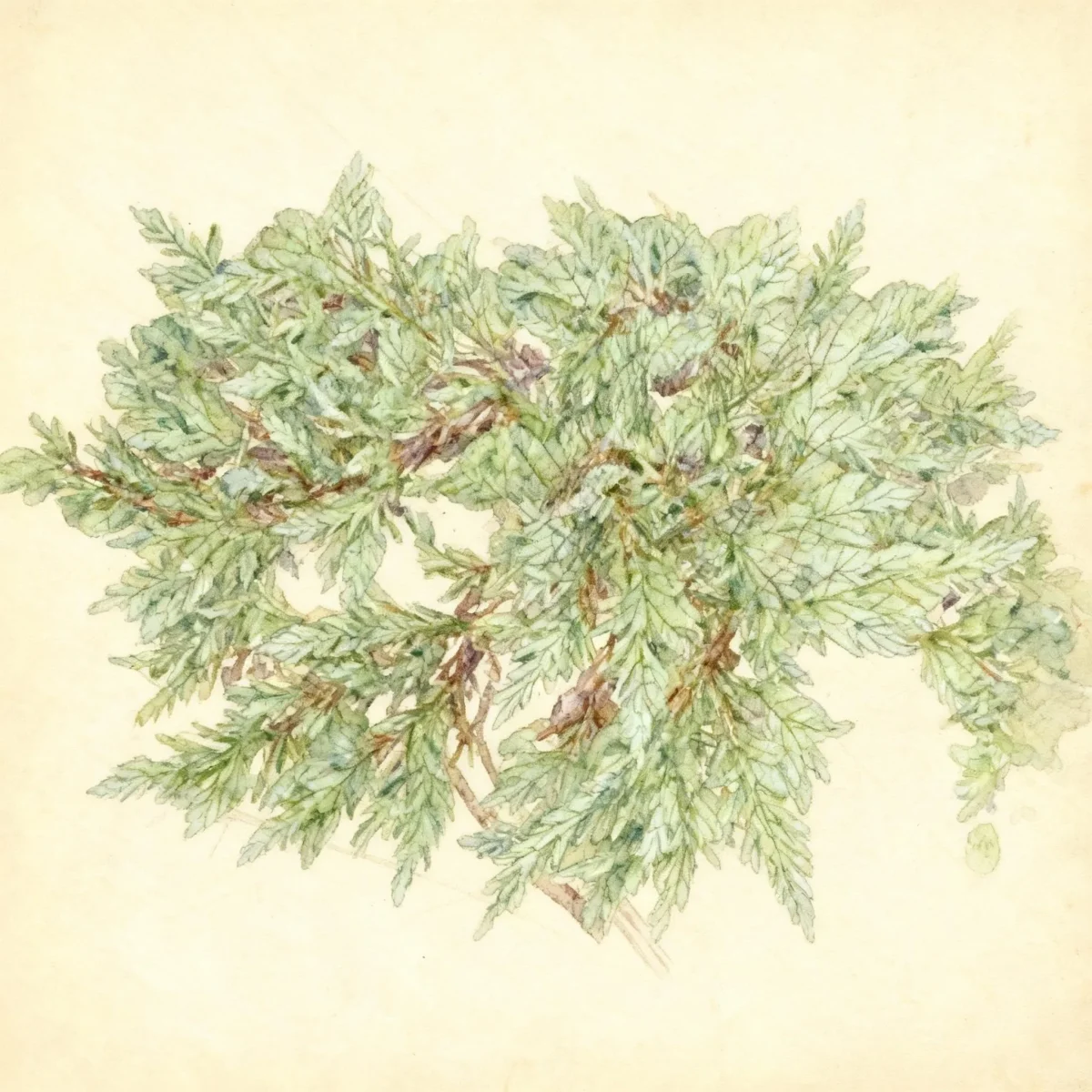
Juniperus horizontalis ‘Pancake’ is an exceptionally valuable needled evergreen noted for its extremely dense, creeping habit, making it an outstanding choice for groundcover situations where other plants struggle. As a cultivar of Creeping juniper, this selection stays remarkably flat, rarely exceeding a few inches in height while spreading outwards. It provides necessary low-profile texture and resilience across diverse soil types.
This plant anchors well into tough spots, thriving in full sun and offering excellent resistance to drought once established. Gardeners appreciate the low maintenance requirements of Juniperus horizontalis ‘Pancake’, which allows it to serve as a durable, living mulch or erosion control on slopes. The foliage generally maintains a pleasant green hue, often developing attractive purple accents during cold winter months.
This procumbent shrub forms a dense mat that fulfills landscape needs for year-round structure and color without demanding constant attention. Incorporating Creeping juniper into dry, sunny areas transforms challenging spaces into attractive, low-input landscapes.
Fast Facts
- Plant Family: Cupressaceae
- Plant Type: Needled evergreen
- Hardiness Zones: USDA Zones 3-9
- Size at Maturity:
- Height: 0-0.25 ft
- Spread: 0.5-2 ft
- Bloom Time: Non-flowering
- Bloom Description: Non-flowering
- Sun Exposure: Full sun
- Water Needs: Medium
- Maintenance Level: Low
How to Grow
Plant Juniperus horizontalis ‘Pancake’ during the cooler seasons—spring or fall—to allow the roots time to establish before facing summer heat or deep winter freezes. Location is crucial; this species demands full sun exposure for optimal density and color. While it adapts to many soils, it performs best in dryish, sandy, well-drained conditions. Avoid areas where water pools, as this plant is intolerant of wet soils and standing moisture quickly leads to root rot issues.
Care is straightforward, reflecting its low maintenance rating. Water deeply but infrequently once the plant is established, allowing the soil to dry out between irrigations, accommodating its drought tolerance. Fertilization is rarely necessary unless planting in extremely poor, infertile ground; if feeding is required, use a slow-release, balanced evergreen formula in early spring. Pruning is generally unnecessary for Juniperus horizontalis ‘Pancake’ due to its naturally flattened growth habit.
Monitor for potential issues, especially in overly wet springs when fungal susceptibility increases. In winter, ensure adequate air circulation around the base of the plant. Its tolerance for heat and pollutants makes it a robust choice for challenging exposures, including hot banks or dry urban areas.
Landscape Uses
Juniperus horizontalis ‘Pancake’ shines as a versatile, sprawling ground cover, excellent for blanketing large areas quickly and effectively. Use it en masse on slopes where its rooting branches help stabilize soil and control erosion, fulfilling a highly practical landscape function. The tight, spreading form also makes it ideal for rock gardens or spilling over the edges of retaining walls, softening hard lines.
This low-profile evergreen is perfect for foundation plantings where taller shrubs might obscure windows or architectural details. Its dense mat helps suppress unwanted weeds while providing year-round visual interest where lawn grass might not thrive due to sun exposure or soil conditions.
For design contrast, pair the deep green to blue-green foliage of the Creeping juniper with plants that offer seasonal color, such as spring bulbs or vibrant perennials that utilize high vertical space. Its ability to handle dry, rocky ground ensures it remains a reliable performer in difficult site conditions.
Standout Features
Noteworthy Characteristics
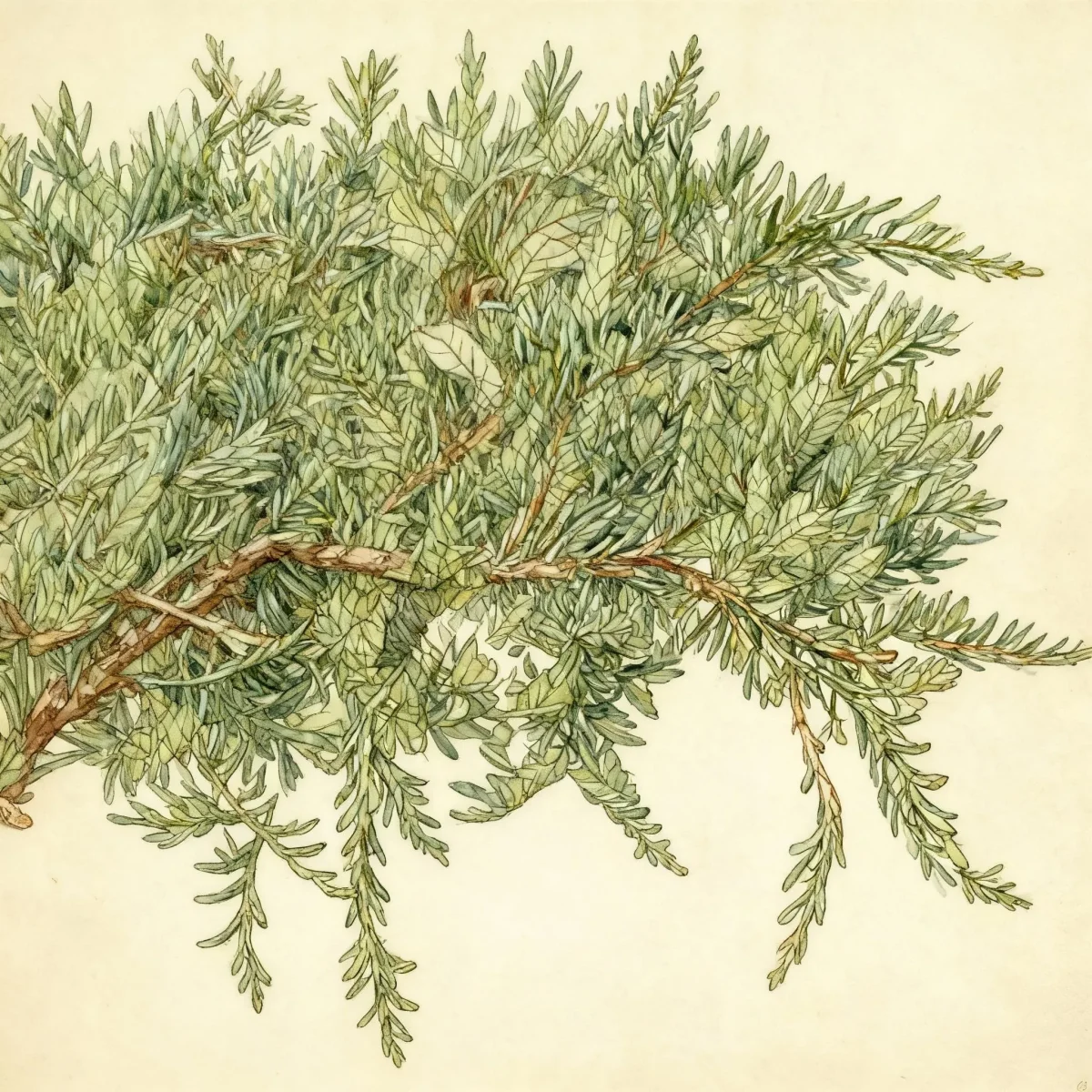
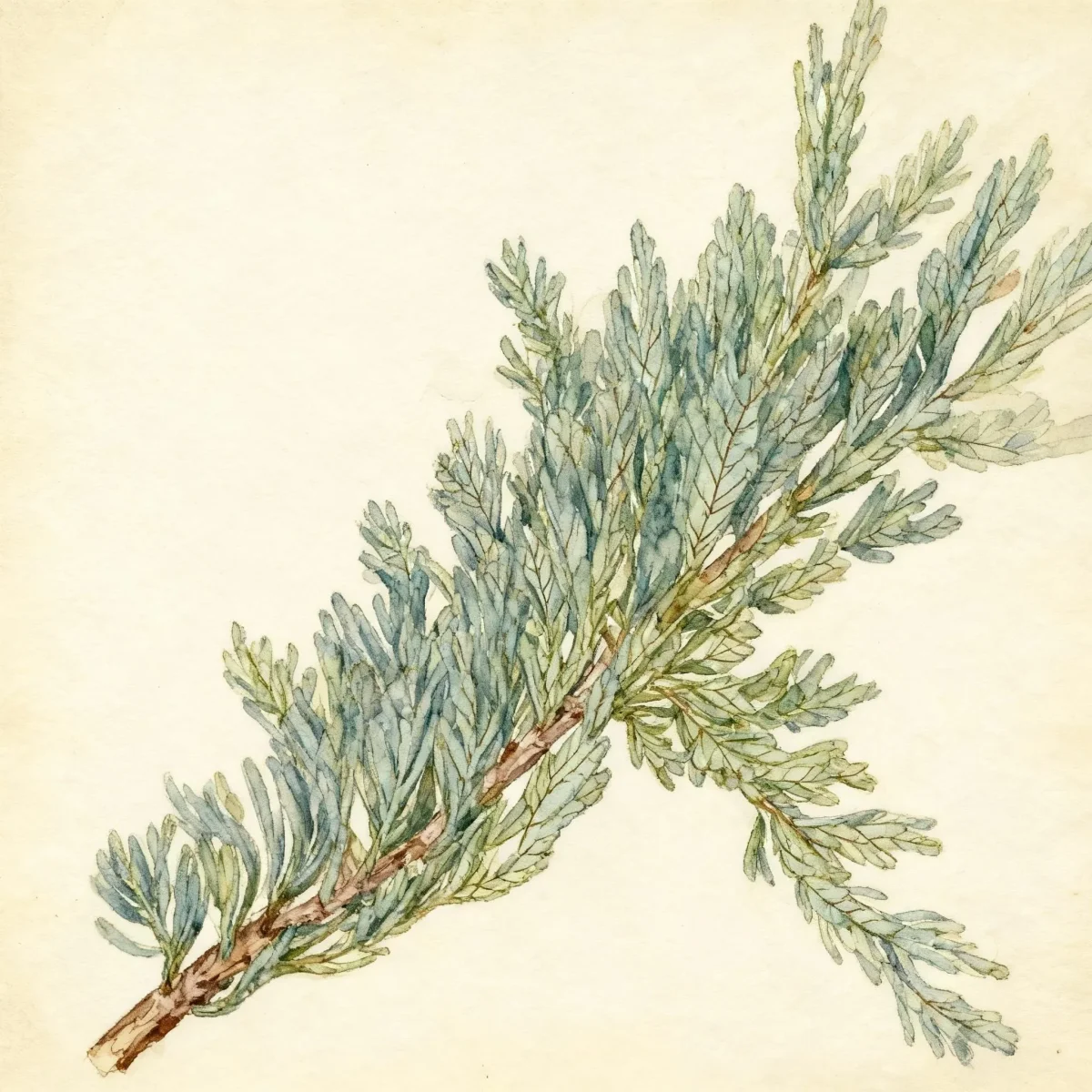
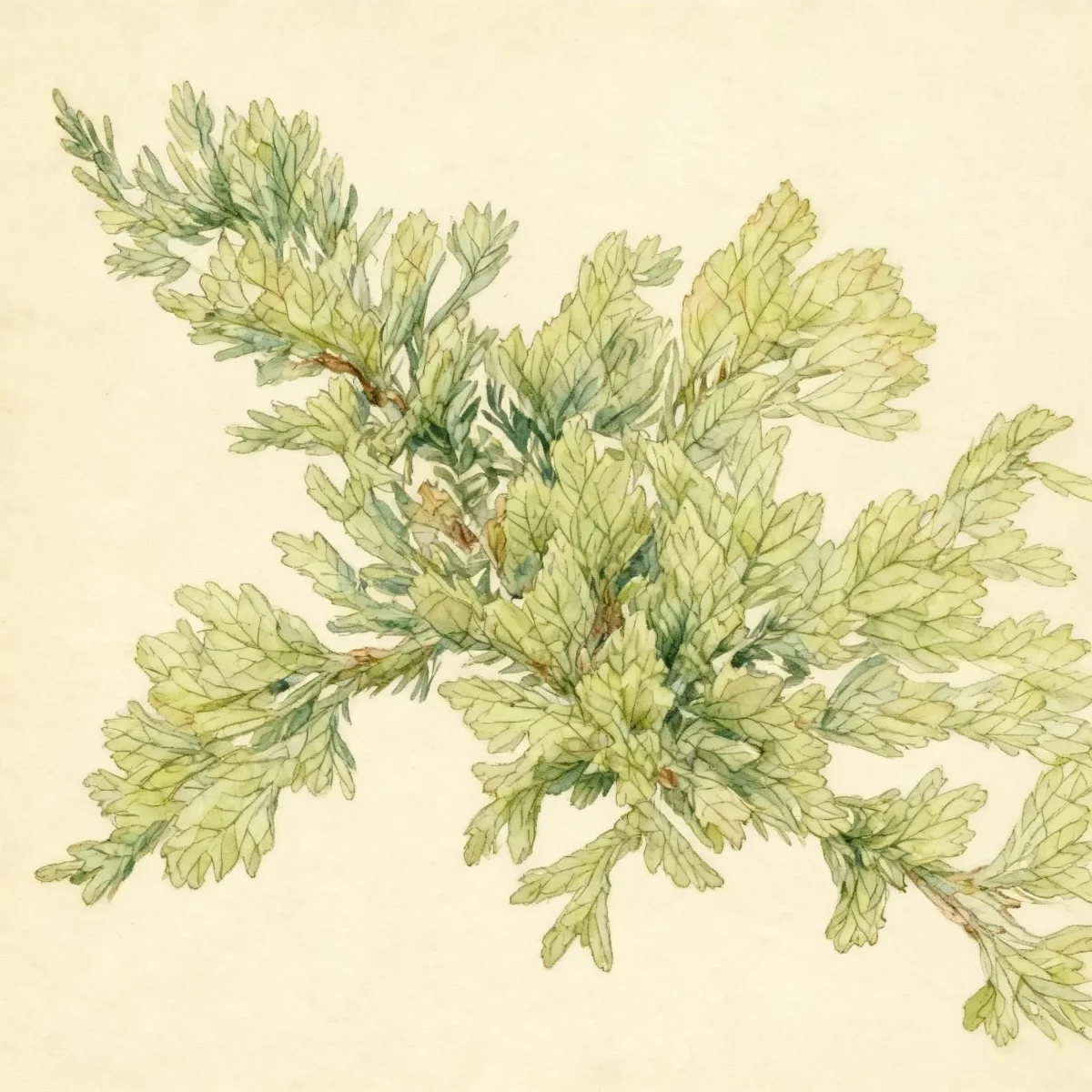
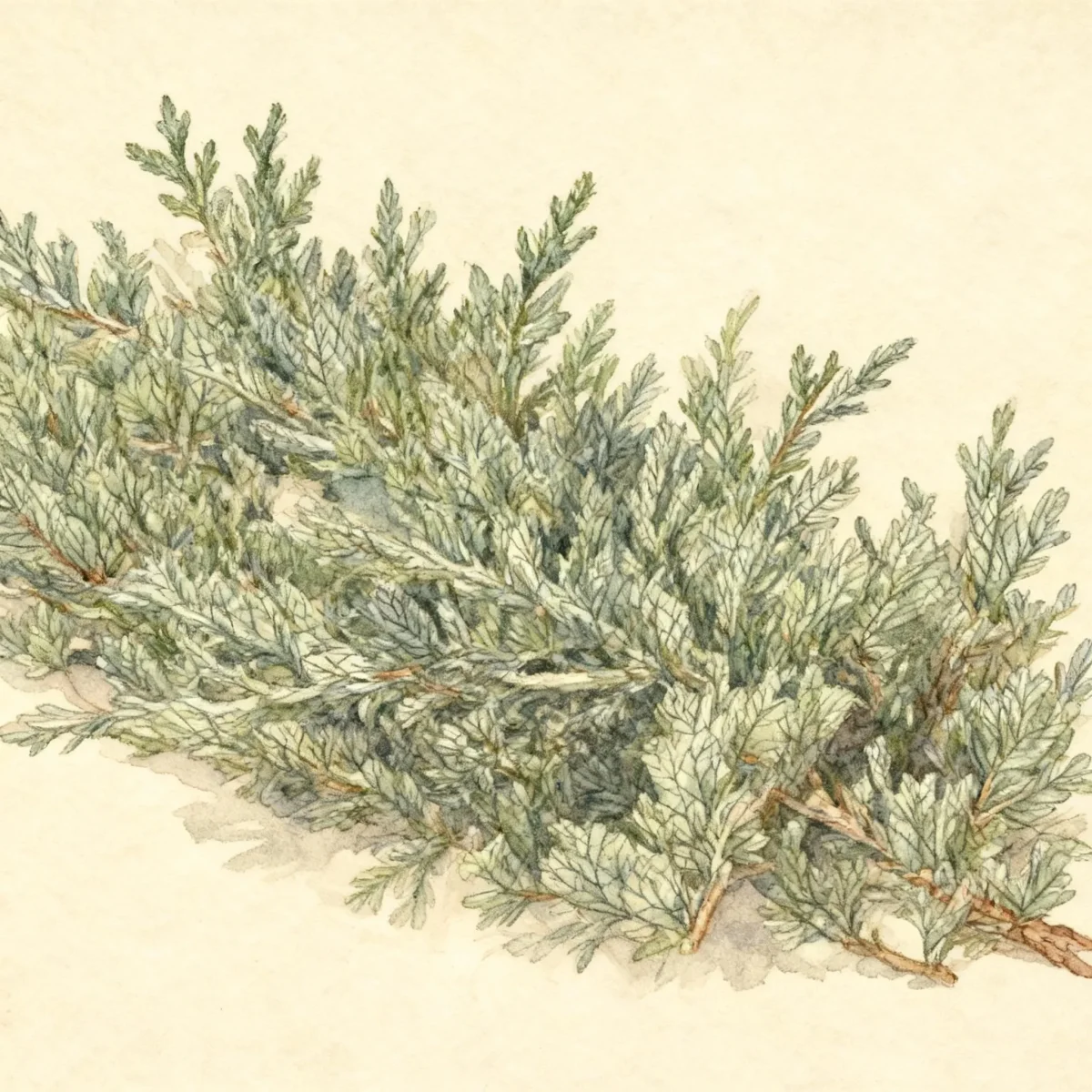
Juniperus horizontalis, commonly called creeping juniper, is a procumbent evergreen shrub that is native to Alaska, Canada and the northern U.S. From New England to New York to the Great Lakes, Wyoming and Montana. Distribution in the northern U.S. Is somewhat spotty. It is typically found growing in rocky or sandy soils including rock outcroppings, stony slopes, coastal cliffs, prairies, sand dunes and stream banks. It forms a low groundcover that generally rises to 6-18” tall but spreads by long trailing branches with abundant short branchlets to form an often-dense, 4-10’ wide mat. Foliage is primarily scale-like (adult) with some awl/needle-like (juvenile) needles appearing usually in opposite pairs. Foliage is typically green to blue-green during the growing season, but often acquires purple tones in winter. Fleshy seed cones (dark blue berries) generally mature in two years, but are often absent on cultivated plants.Genus name comes from the Latin name for the juniper.Specific epithet is in obvious reference to the horizontal branches.‘Pancake’ typically grows to only 2” tall but spreads over time to 24” wide. Creeping branches root as they grow along the ground. Fleshy seed cones (berries) are infrequently produced. Foliage is attractive throughout the year.
Tolerances
- Deer
- Drought
- Erosion
- Dry Soil
- Shallow-Rocky Soil
- Air Pollution
Potential Problems
Juniperus horizontalis ‘Pancake’ generally avoids serious insect or disease issues, contributing to its low maintenance profile. However, junipers are susceptible to blights, which cause dieback on the stem tips, often occurring after unusually wet or rainy springs. Good air circulation is key to mitigating fungal risks.
Watch for cedar-apple rust diseases, which spend part of their life cycle on junipers; applying fungicides preventatively during the spring wet period can manage this if it is an issue in your region. Root rot is a significant danger, particularly if the plant is situated in poorly drained, constantly wet soils, emphasizing the need for sandy, well-drained planting sites.
Occasional insect pests such as aphids, bagworms, webworms, or scale may appear. Spider mites can also become active, especially during hot, dry periods. Mature plants may experience some central foliage dieback; regular inspection helps catch these minor issues before they spread.
Frequently Asked Questions
What hardiness zones is Creeping juniper suitable for?
Juniperus horizontalis ‘Pancake’ is famously resilient, suitable for USDA Zones 3 through 9.
How large does Juniperus horizontalis ‘Pancake’ grow?
This cultivar maintains a very low profile, usually growing only 0 to 0.25 feet tall, but it spreads significantly, reaching a spread between 0.5 to 2 feet wide.
What sun exposure does Creeping juniper need?
This evergreen requires full sun exposure to maintain its best habit and foliage color.
When does Juniperus horizontalis ‘Pancake’ bloom?
This plant is classified as non-flowering; it does not produce noticeable flowers, though it develops small, fleshy cones.
Conclusion
The exceptional resilience and tight, ground-hugging form of Juniperus horizontalis ‘Pancake’ make it an essential plant for stabilizing hot, dry, or rocky landscapes. This Creeping juniper variety requires minimal intervention once established, proving its value as a true workhorse evergreen groundcover. Before planting, confirm your site receives adequate sun and excellent drainage to ensure many years of trouble-free coverage.
Companion Planting
When designing a low-maintenance, dry garden, select companions that share the full sun and drought tolerance of the Creeping juniper. Consider pairing Juniperus horizontalis ‘Pancake’ with other dry-loving evergreens that provide textural contrast, such as Sedum varieties (stonecrop) or low-growing ornamental grasses that can handle heat. For seasonal color pops near paved areas or rock walls, hardy perennials like Yarrow (Achillea) or Russian Sage (Perovskia atriplicifolia) complement its structure without outcompeting its extremely low growth habit.
Propagation Tips
Since Juniperus horizontalis ‘Pancake’ spreads by rooting along its branches, division is a simple propagation method; locate a rooted section of the trailing branch, sever it from the mother plant, and transplant it to a new location. For more controlled propagation, take semi-hardwood tip cuttings later in the season, usually around mid-summer to early fall. Cuttings should be about 3 to 4 inches long, stripped of lower foliage, dipped in rooting hormone, and placed in a well-draining propagation medium under light shade or in a greenhouse structure to encourage root development before planting out.