Goldenrod (Solidago 'Gold Spangles')
Solidago 'Gold Spangles' Goldenrod offers low-maintenance, late-season color with deer resistance and variegated foliage.
Scroll down to discover growing tips, care requirements, companion plants, and more
Complete Plant Information
Overview
Solidago ‘Gold Spangles’ is a highly valuable herbaceous perennial celebrated for bringing vibrant, late-season color to the garden when many other plants are fading. This compact cultivar of Goldenrod features uniquely variegated foliage—dark green leaves splashed with gold—providing excellent visual interest even before its bright yellow flower plumes emerge in late summer and early fall. Gardeners prize this variety not only for its aesthetic appeal but also for its low maintenance needs and significant ecological contributions.
As a member of the Asteraceae family, Solidago ‘Gold Spangles’ is sturdy and remarkably adaptable, thriving in full sun and tolerating various soil conditions, including clay. Its compact stature, generally reaching 2 to 2.5 feet tall, makes it a manageable choice for borders or mass plantings where aggressive spreading is a concern, though some division may be required over time. Bees and butterflies are strongly attracted to the flowers of this Goldenrod, supporting local pollinator populations late into the season.
The common misconception that Goldenrod causes hayfever is frequently dispelled by professionals; this showy species is a reliable performer. It provides essential structure, contrast, and intense yellow hues against cooling autumn backdrops. Incorporating Solidago ‘Gold Spangles’ ensures reliable texture and color from August through September without demanding constant attention from the gardener.
Fast Facts
- Plant Family: Asteraceae
- Plant Type: Herbaceous perennial
- Hardiness Zones: USDA Zones 4-9
- Size at Maturity:
- Height: 2-2.5 ft
- Spread: 1-1.5 ft
- Bloom Time: August to September
- Bloom Description: Yellow
- Sun Exposure: Full sun
- Water Needs: Dry to medium
- Maintenance Level: Low
How to Grow
Planting Solidago ‘Gold Spangles’ is best done in spring or early fall. Ensure selected locations receive full sun, as insufficient light will result in lanky growth and reduced flowering, detracting from the compact habit of this cultivar. While adaptable, it performs best in well-draining soil, though it readily accepts dry to medium moisture levels once established.
Care for this Goldenrod is minimal, reflecting its low maintenance rating. Water deeply during prolonged dry spells, particularly immediately after planting, but established plants are quite drought-tolerant. Fertilization is rarely necessary; rich soils can encourage excessive foliage growth at the expense of blooms. Avoid heavy feeding to maintain its compact structure.
A crucial consideration for the ‘Gold Spangles’ variety is its rhizomatous spreading habit. To control its reach and maintain vigor, plan to divide clumps every 2 to 3 years, typically in early spring or fall. This process also provides opportunities to propagate new plants for use in other areas of the garden. Deadheading spent blooms is optional but can promote cleaner winter appearance.
Landscape Uses
Solidago ‘Gold Spangles’ is an outstanding performer for adding definition to the late-season garden. Its recommendation for use in naturalized areas, wild gardens, and meadows highlights its inherent toughness and ability to blend seamlessly into informal landscapes. The golden-splashed foliage lends distinctive contrast compared to standard solidago species, making it valuable even when not actively flowering.
Consider planting this compact Goldenrod at the middle to back of perennial borders. It pairs effectively with late-blooming Asters, deep purple Sedums, or ornamental grasses that offer contrasting textures as summer transitions to autumn. For a striking naturalized effect, allow clumps of Solidago ‘Gold Spangles’ to weave between native grasses or prairie companions.
Due to their reliable structure and long bloom period, these plants create brilliant drifts of color that anchor the autumn landscape. While they spread via rhizomes, in a managed border, this characteristic translates to filling gaps nicely rather than aggressively overtaking dedicated space.
Standout Features
Flower Qualities
- Showy
- Fragrant
Noteworthy Characteristics
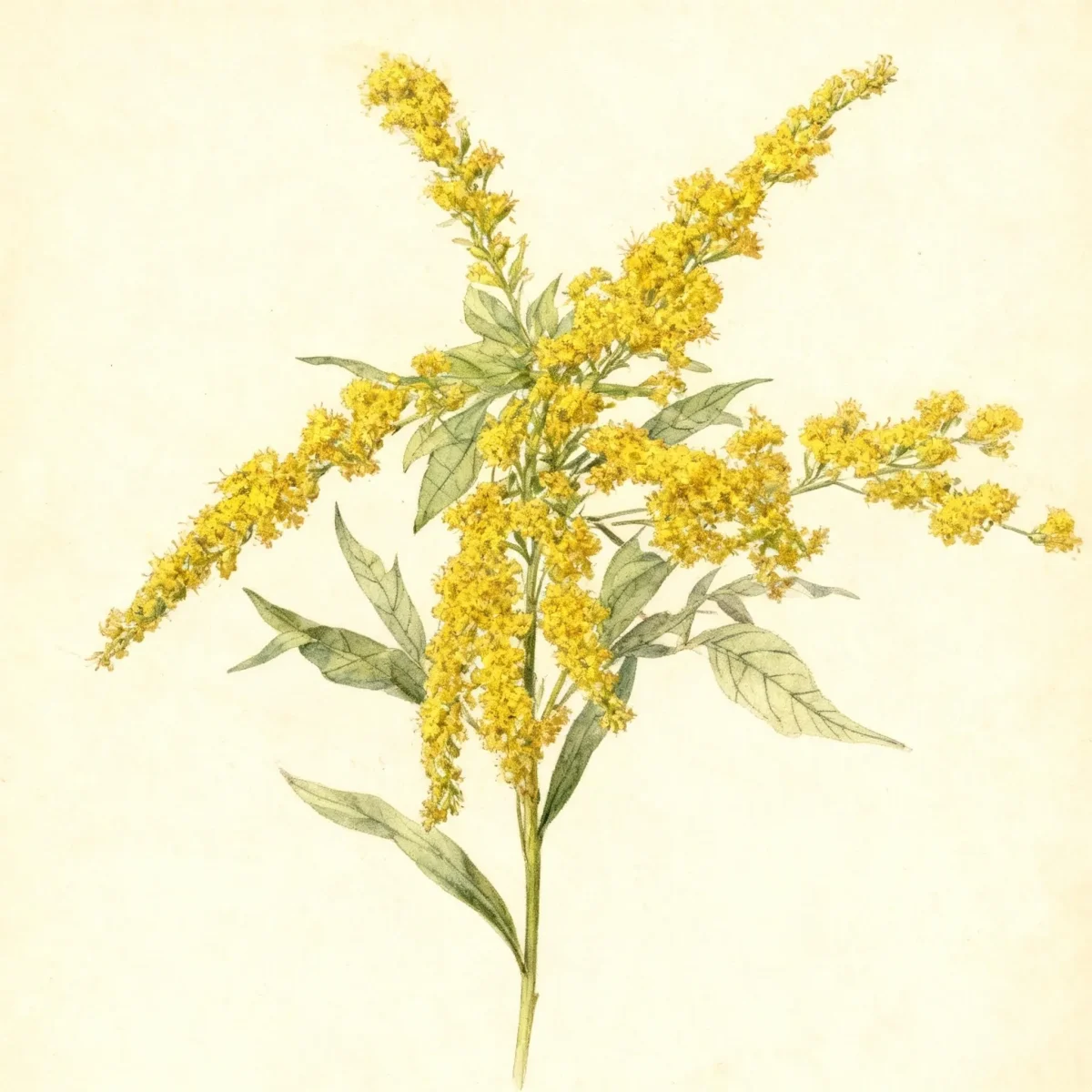
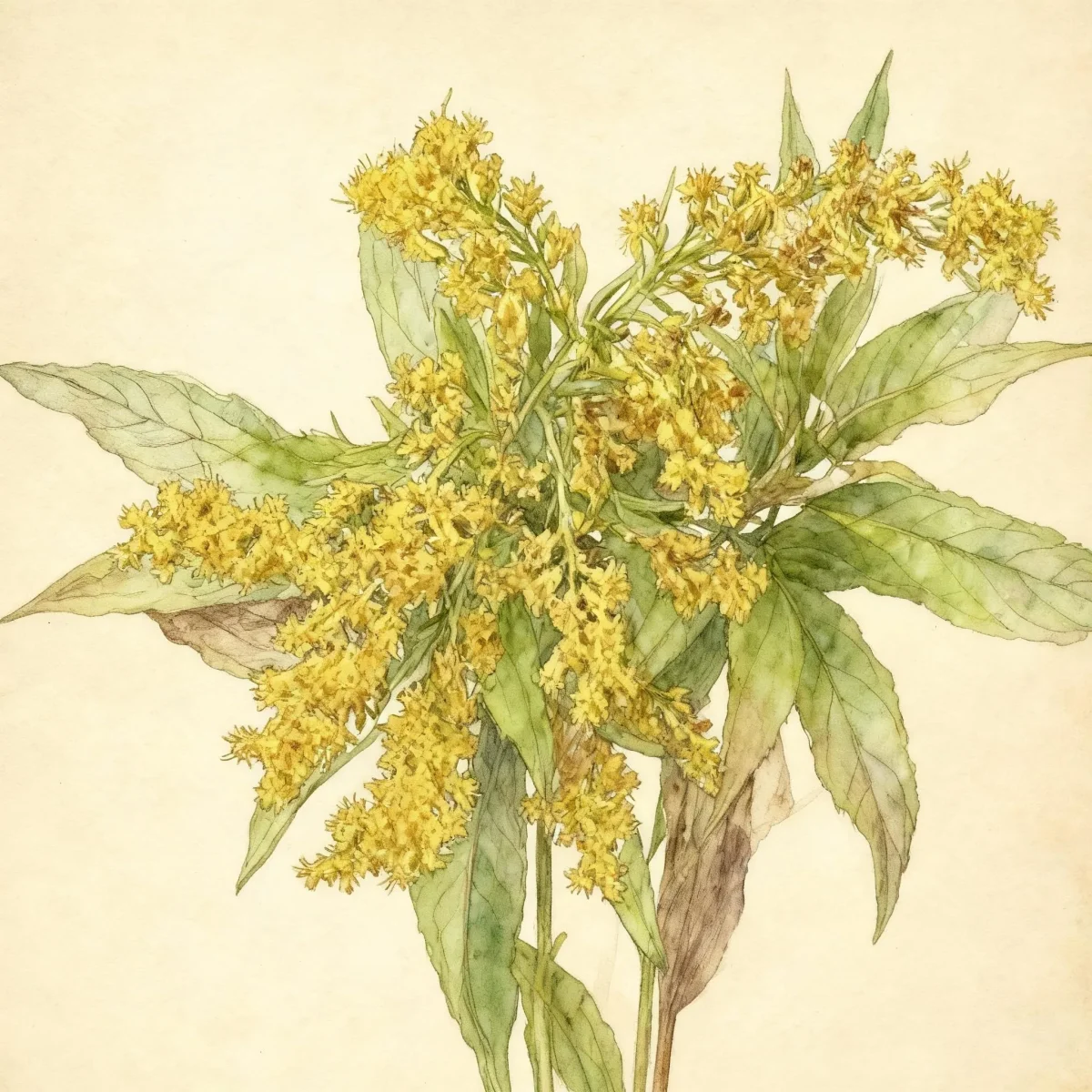
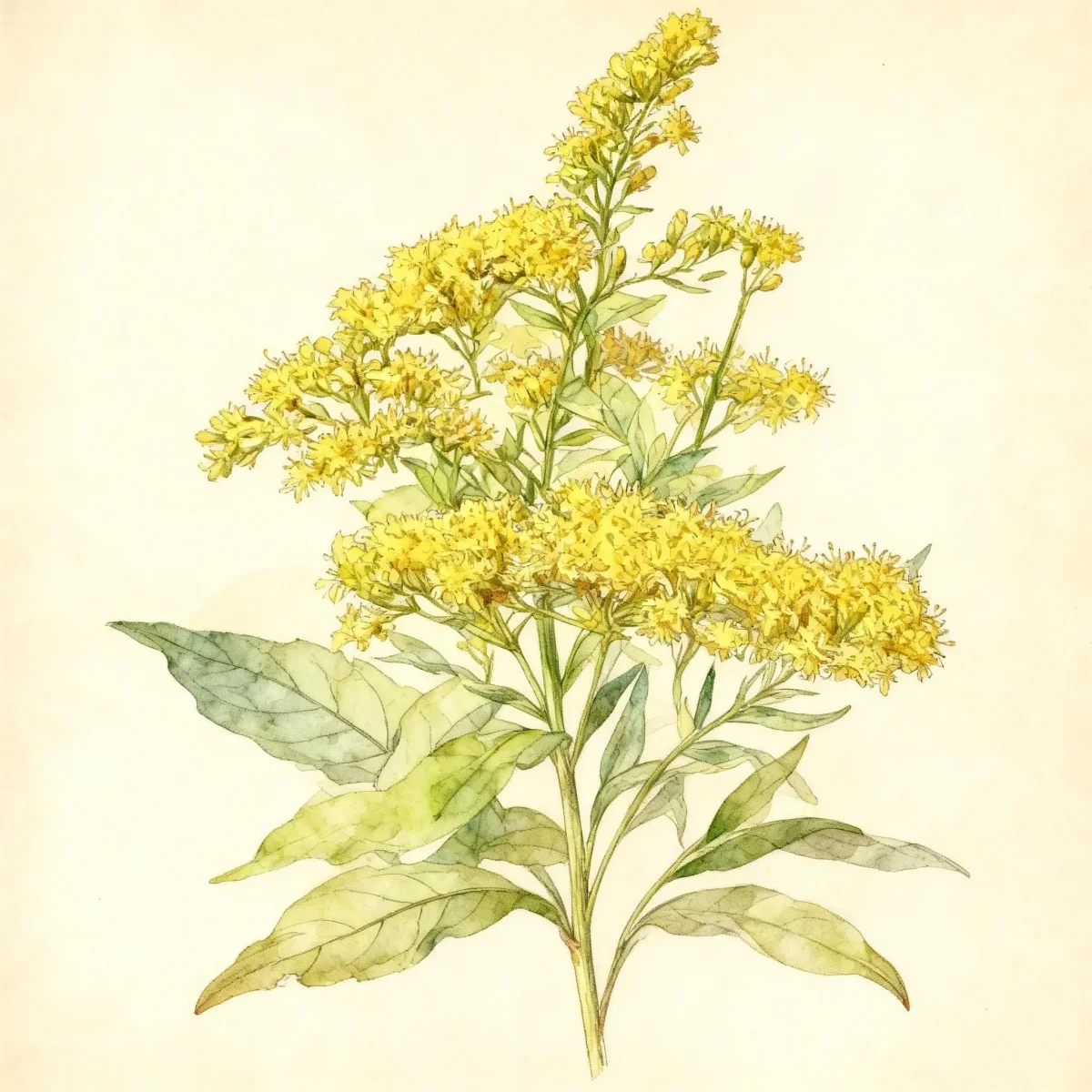
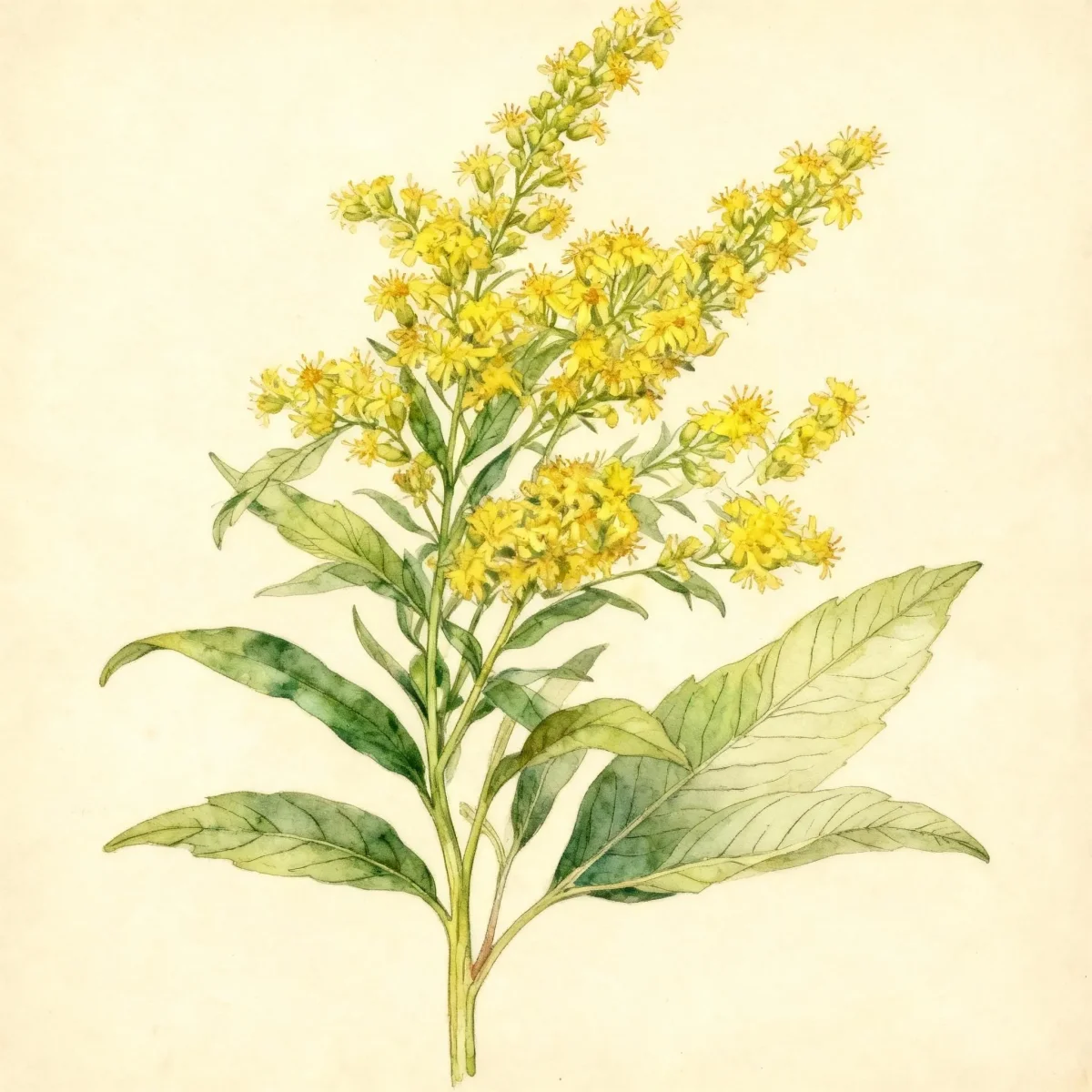
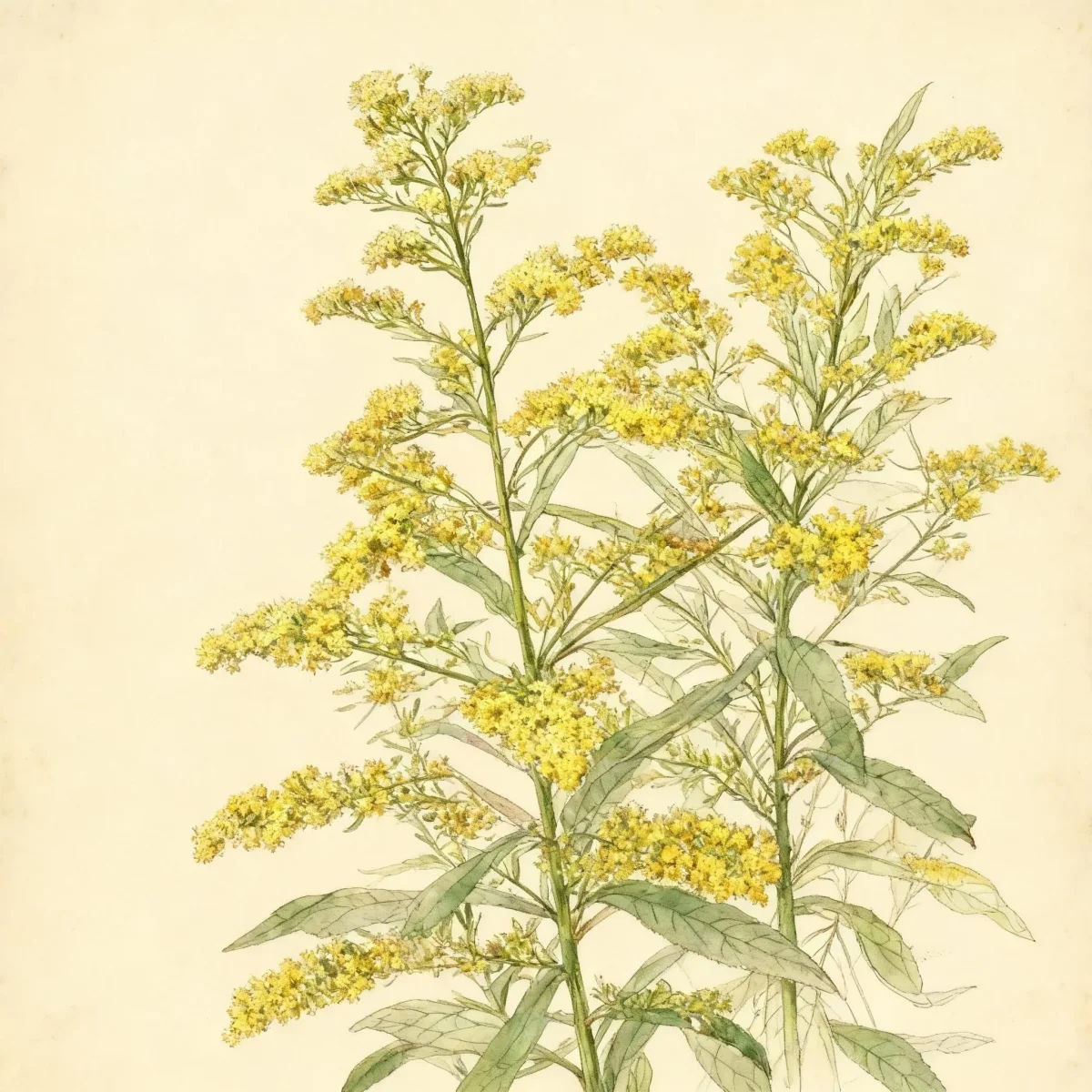
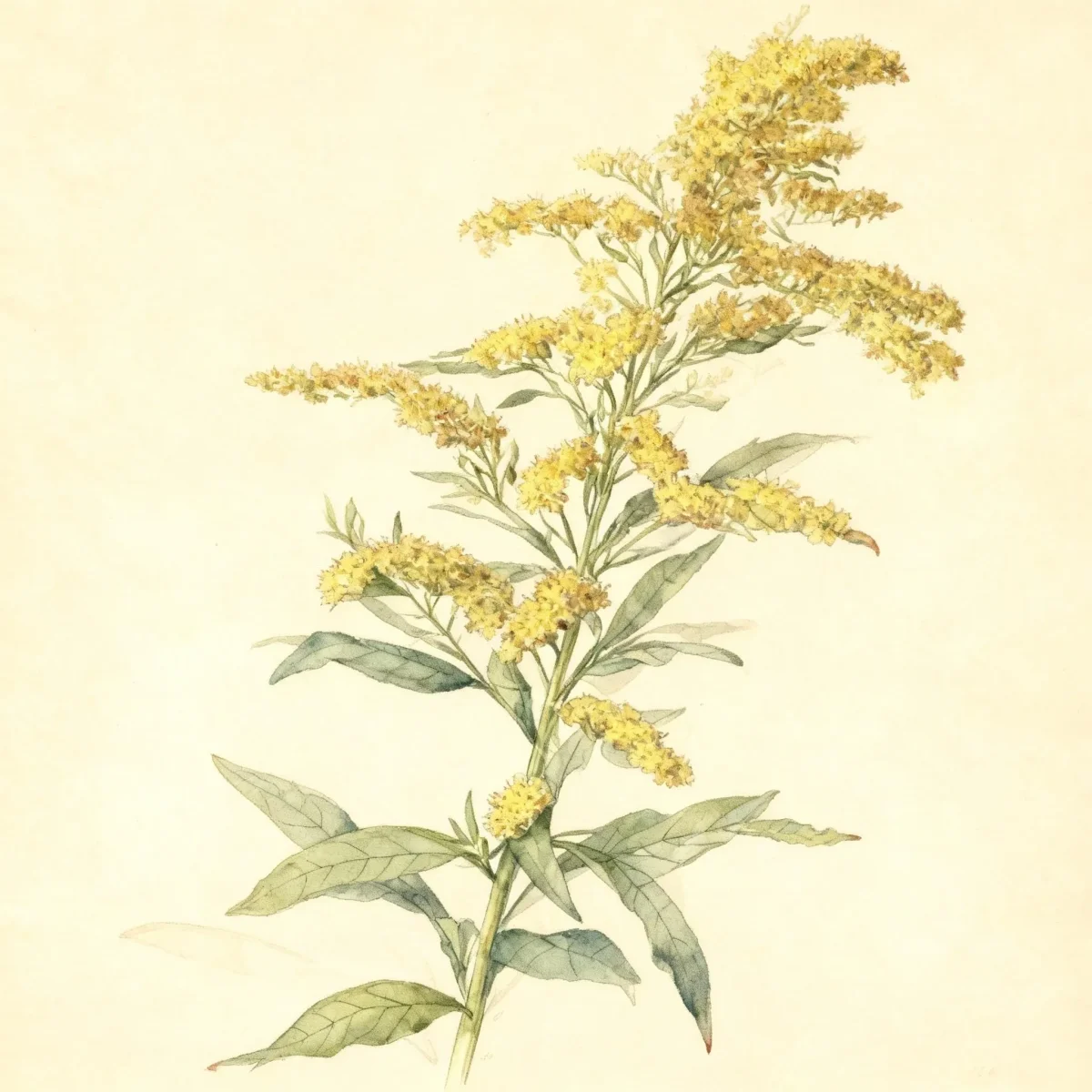
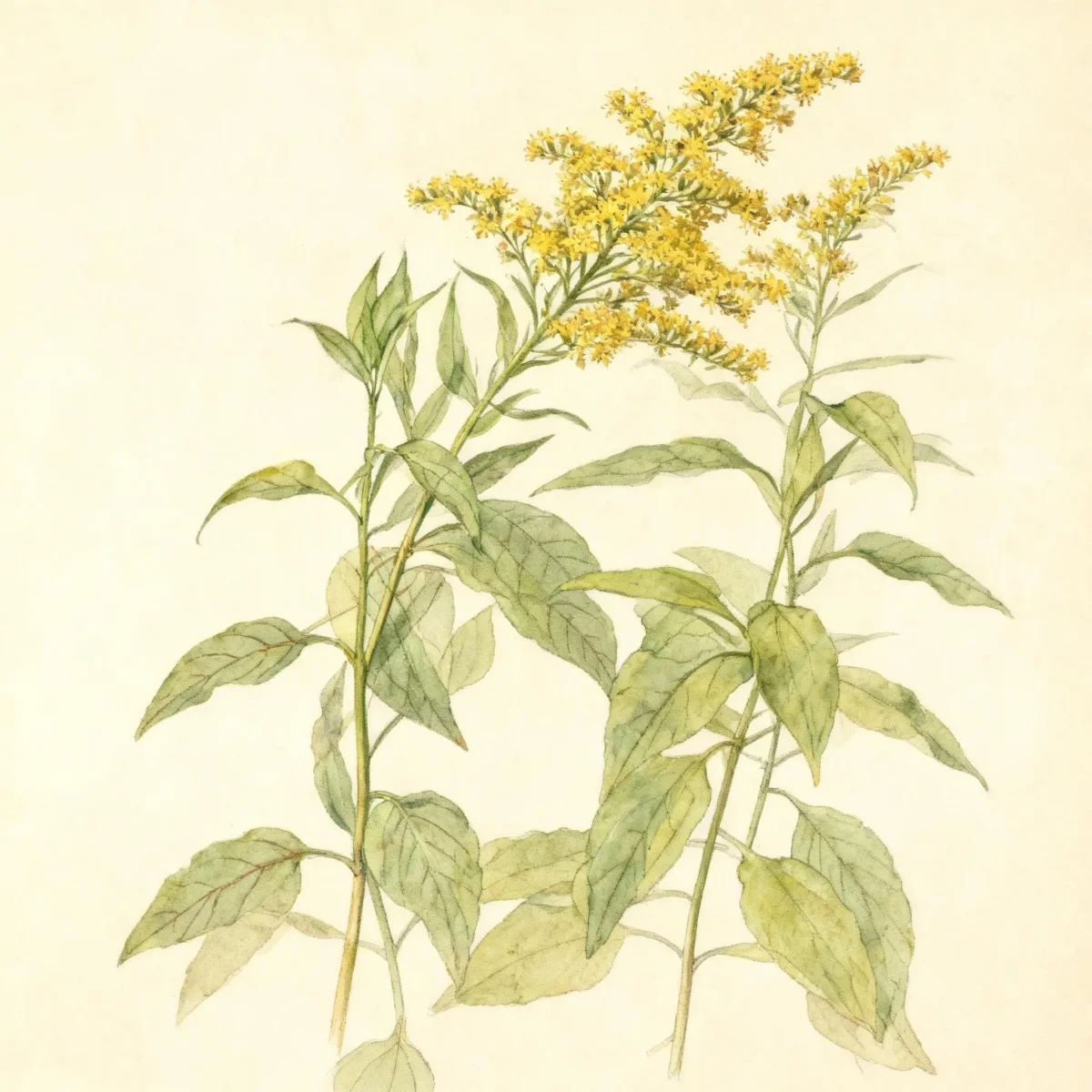
Solidago is a genus of about 100 species of perennials from mostly North America with a few species from South America and Eurasia. Commonly called goldenrod they are grown for their bright yellow or gold flowers, making them great additions to fall gardens attractive to bees and butterflies. ‘Gold Spangles’, a compact goldenrod hybrid, is highly valued as a variegated form, featuring lance-shaped, dark green leaves splashed with gold, and it yields tiny, fragrant, bright yellow flowers in dense, plume-like panicles from late summer to autumn.
Tolerances
- Deer
- Drought
- Clay Soil
Potential Problems
This Goldenrod variety generally avoids serious insect or disease issues, contributing to its low maintenance status. However, gardeners should monitor for signs of rust, which can sometimes appear on the foliage later in the season. Powdery mildew and leaf spot are also possibilities, particularly in conditions of high humidity or poor air circulation, so ensuring adequate spacing is important.
Preventative measures, such as avoiding overhead watering late in the day and ensuring good air flow between plants, can minimize fungal issues like mildew. If rust appears, removing affected leaves promptly helps control spread. Remember that division every few years is essential garden maintenance to control the rhizomatous growth habit of Solidago ‘Gold Spangles’.
Frequently Asked Questions
What hardiness zones is Goldenrod suitable for?
Solidago ‘Gold Spangles’ is hardy and reliable across USDA Zones 4 through 9.
How large does Goldenrod grow?
This cultivar typically reaches a height between 2 and 2.5 feet tall, with a spread of 1 to 1.5 feet wide.
What sun exposure does Solidago ‘Gold Spangles’ need?
For the best performance, ensure this perennial receives full sun throughout the growing season.
When does Solidago ‘Gold Spangles’ bloom?
This distinctive Goldenrod offers its yellow blooms reliably from August well into September.
Conclusion
Solidago ‘Gold Spangles’ offers dependable, low-effort beauty, ensuring vibrant yellow color and crucial late-season support for pollinators when garden interest wanes elsewhere. This robust Goldenrod, noted for its variegated foliage, is a superior choice for sustainable, long-lasting garden impact. Check your local USDA Zone before planting this autumn star early next spring or fall.
Companion Planting
When designing perennial borders featuring Solidago ‘Gold Spangles’, pair it with plants that share similar dry-to-medium water needs and a love for full sun. Excellent companions include late-blooming Asters (Symphyotrichum species) which offer contrasting blues and purples, effectively extending the golden color show. Also consider coneflowers (Echinacea) that have finished blooming, or ornamental grasses like Switchgrass (Panicum virgatum) whose fine texture provides a beautiful foil to the dense plumes of the Goldenrod.
Wildlife Benefits
As a member of the Goldenrod genus, Solidago ‘Gold Spangles’ is a major asset for supporting local ecosystems. Its late-season flowering window perfectly coincides with the needs of intensifying pollinator activity before winter dormancy. The tiny, fragrant yellow flowers are magnets for a wide array of native bees, honeybees, and butterflies, making this plant a cornerstone for any pollinator-friendly garden design.