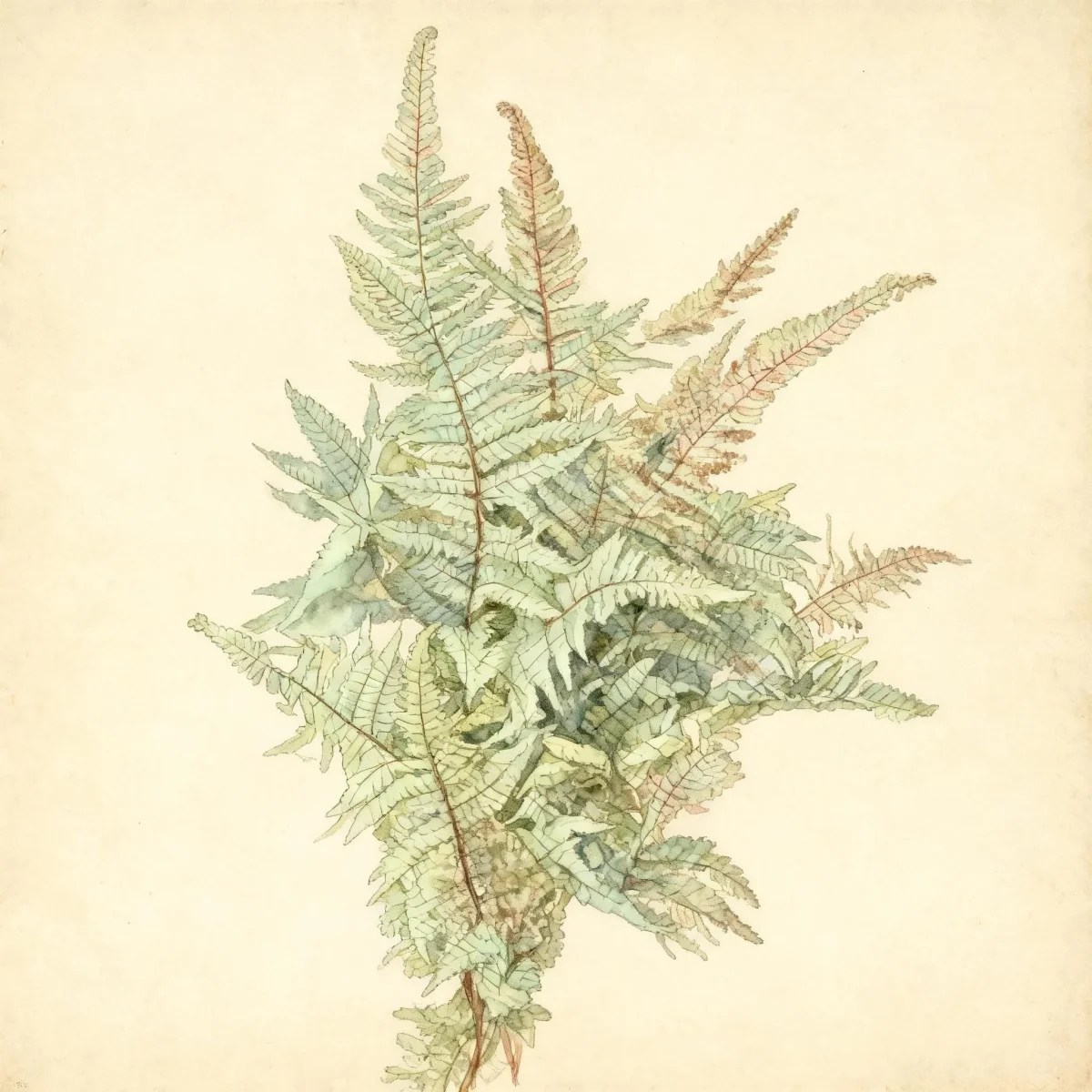
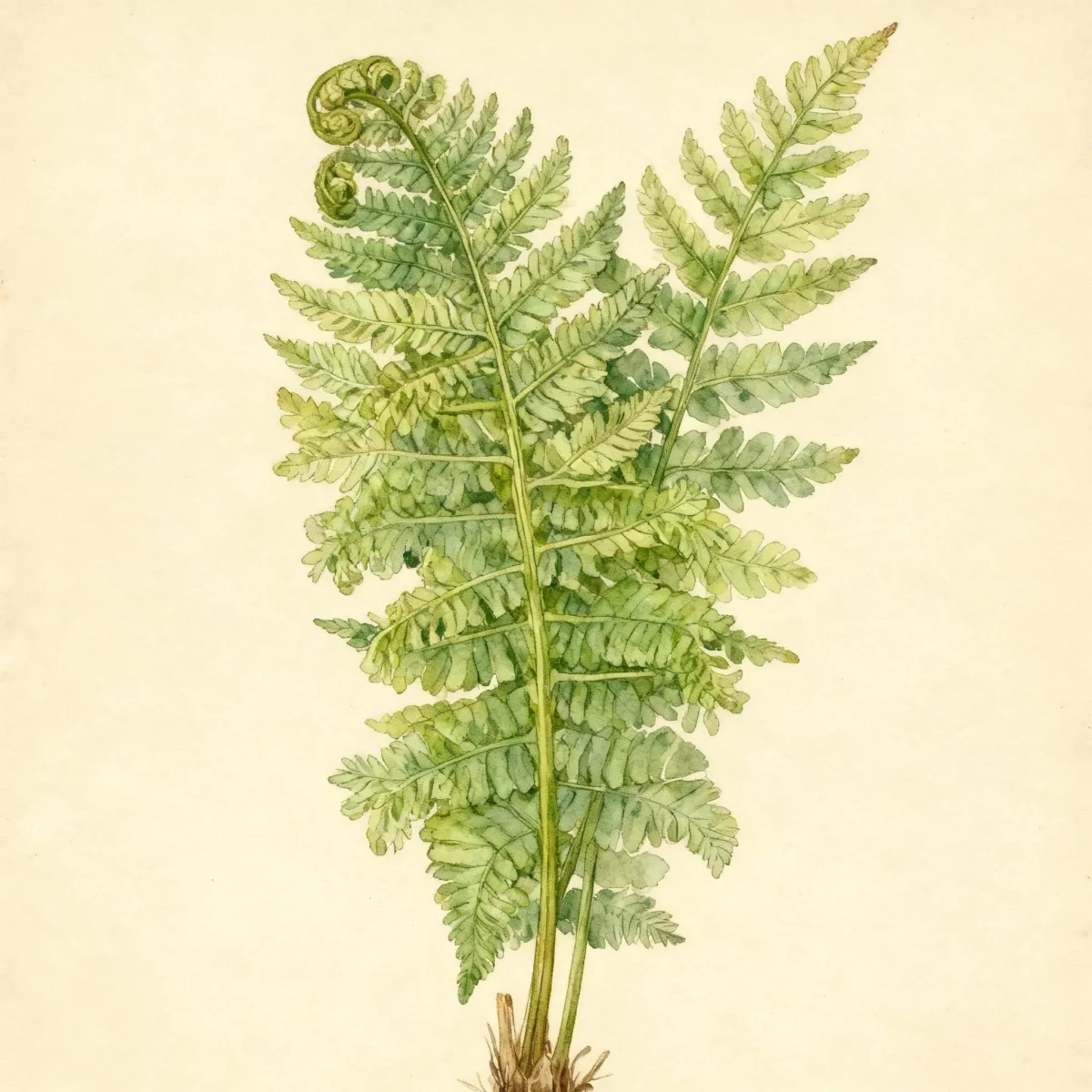
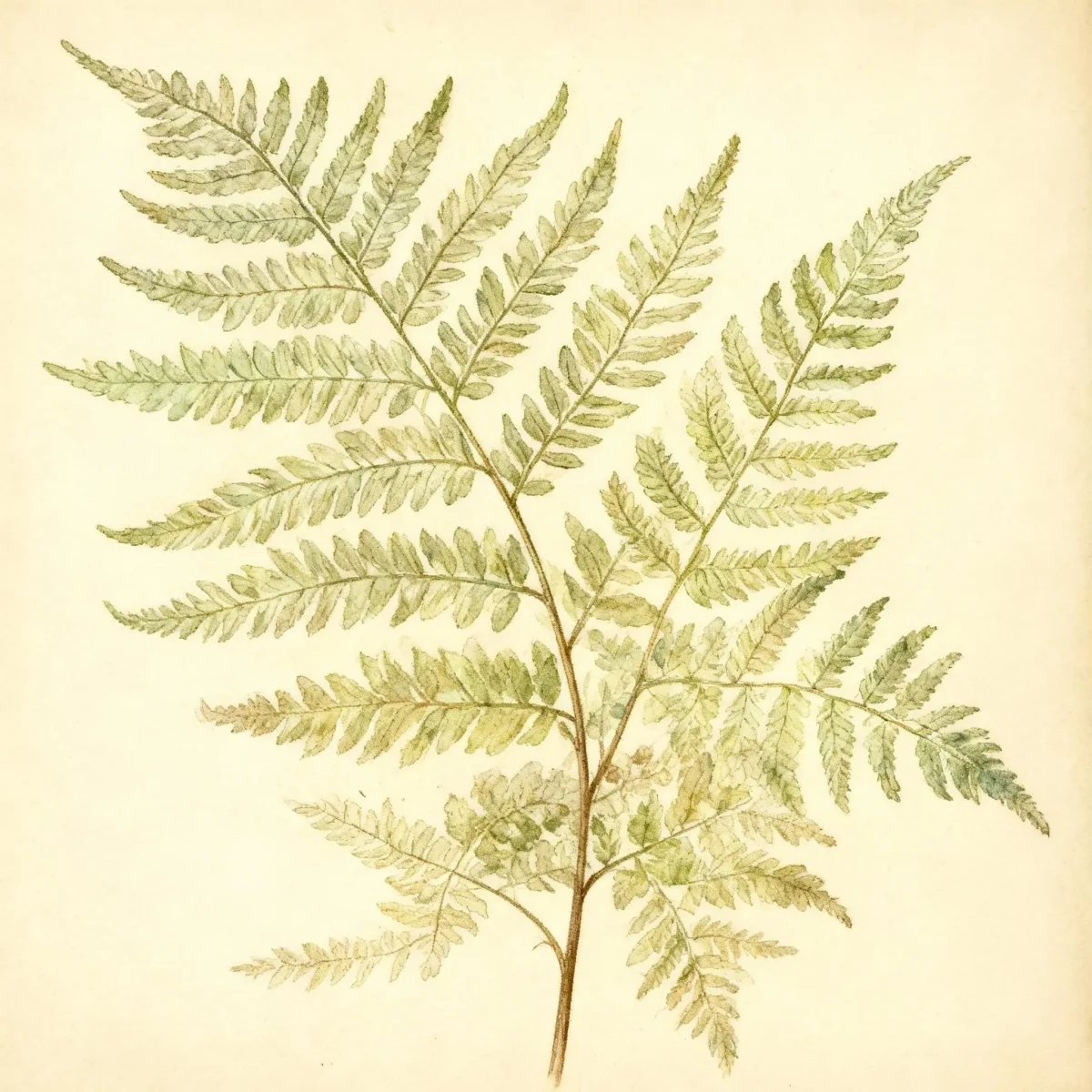
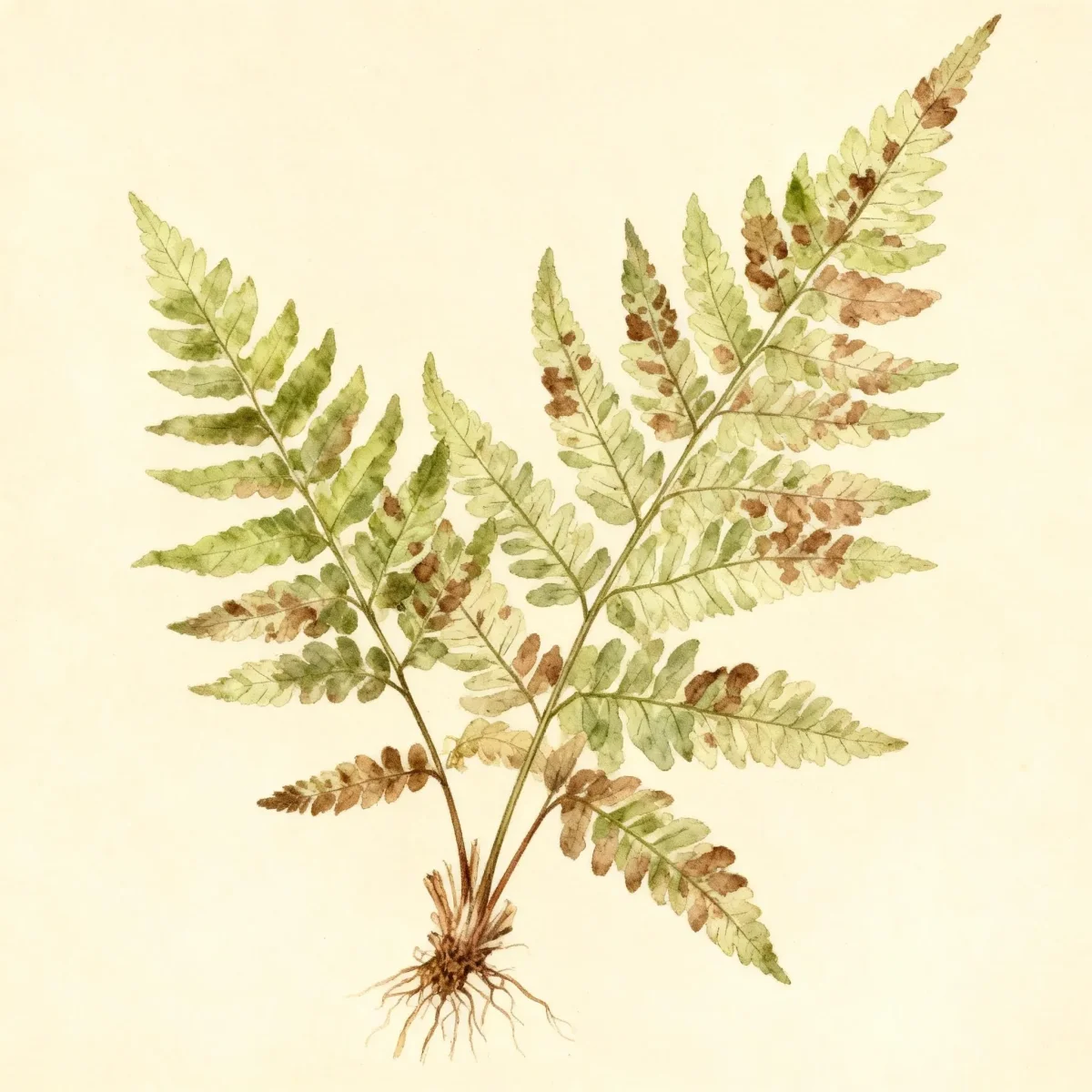
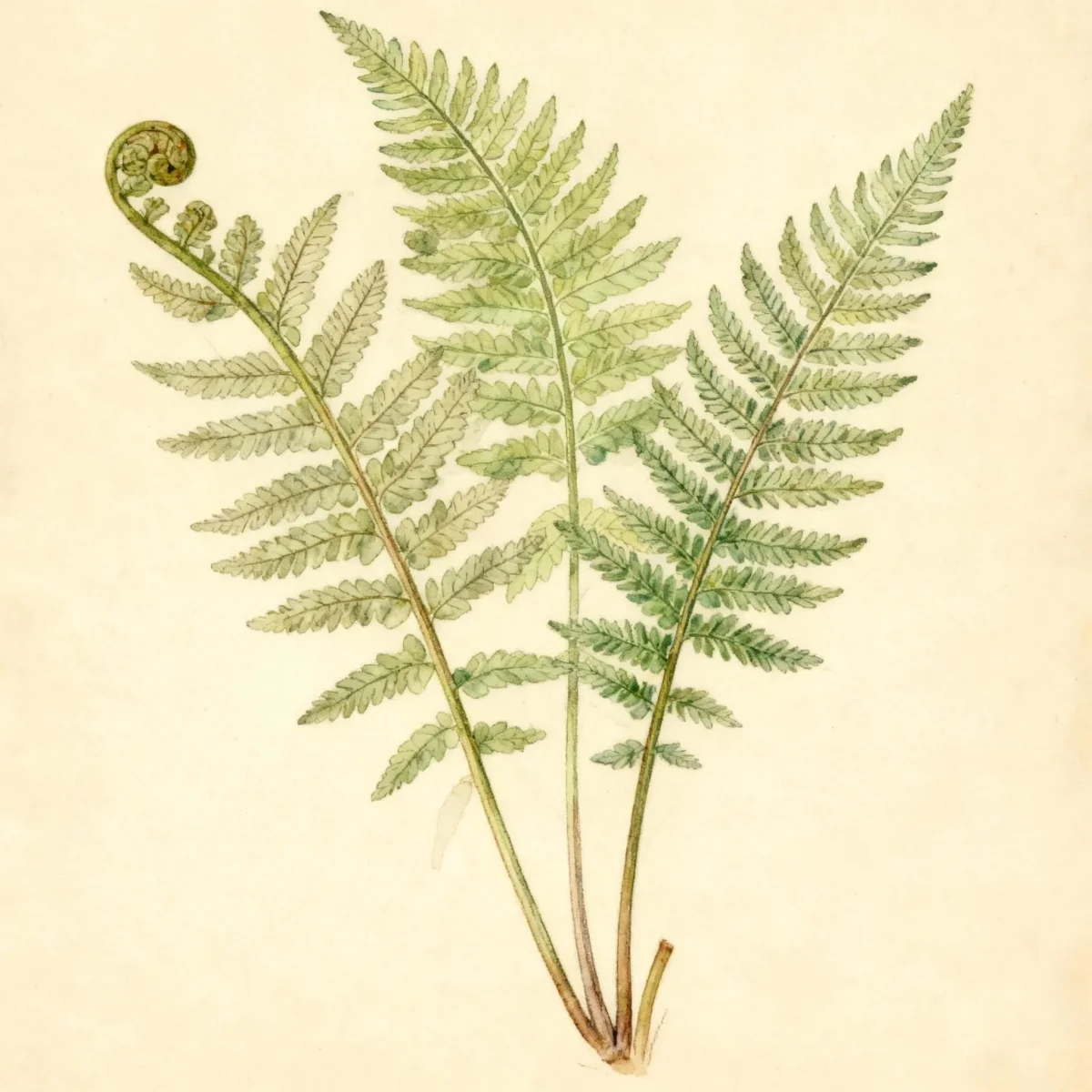
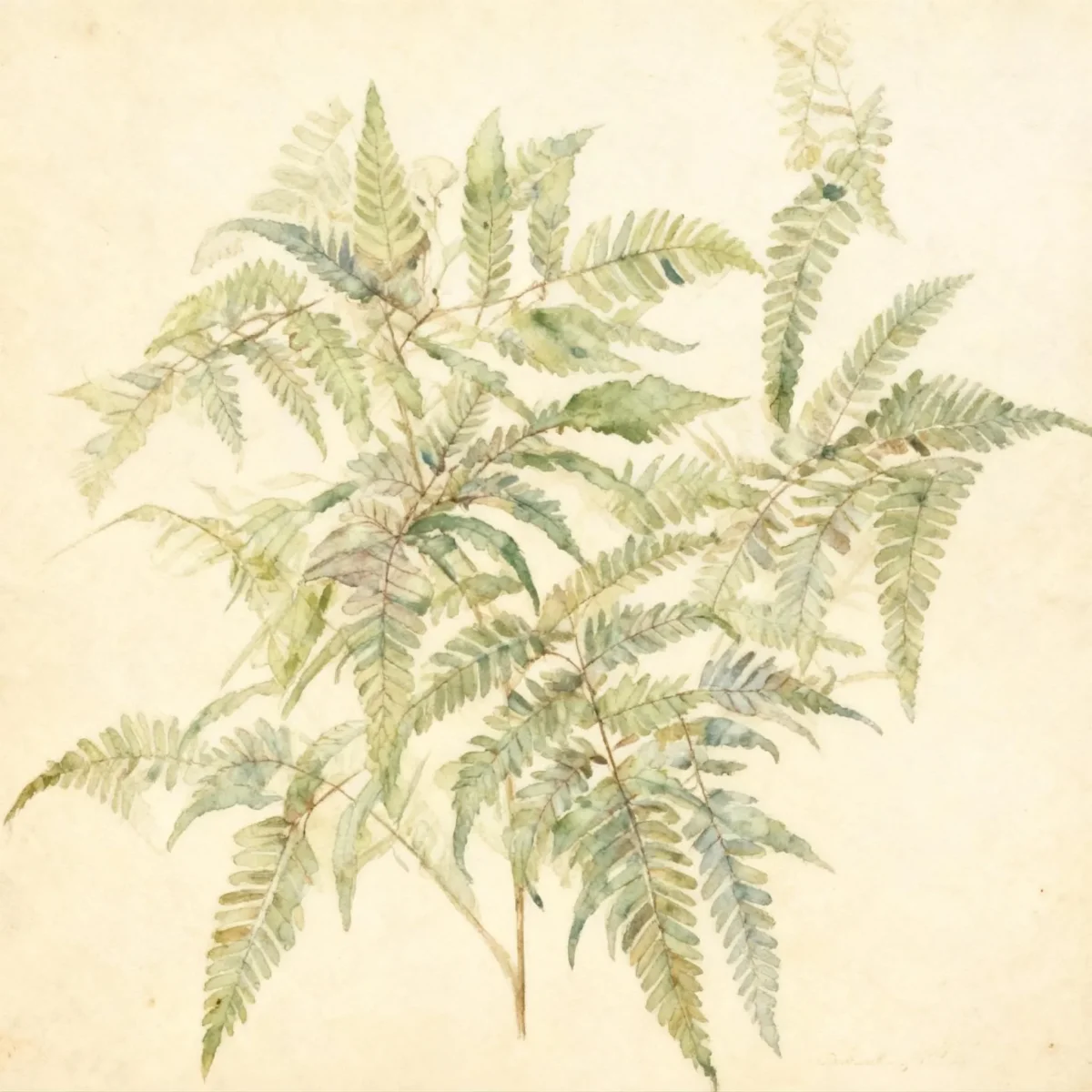
Tatting fern (Athyrium filix-femina 'Frizelliae')
Athyrium filix-femina 'Frizelliae' (Tatting fern) is a dwarf lady fern providing unique, lacy texture in shady gardens. Low maintenance and rabbit resistant.
Scroll down to discover growing tips, care requirements, companion plants, and more
Complete Plant Information
Overview
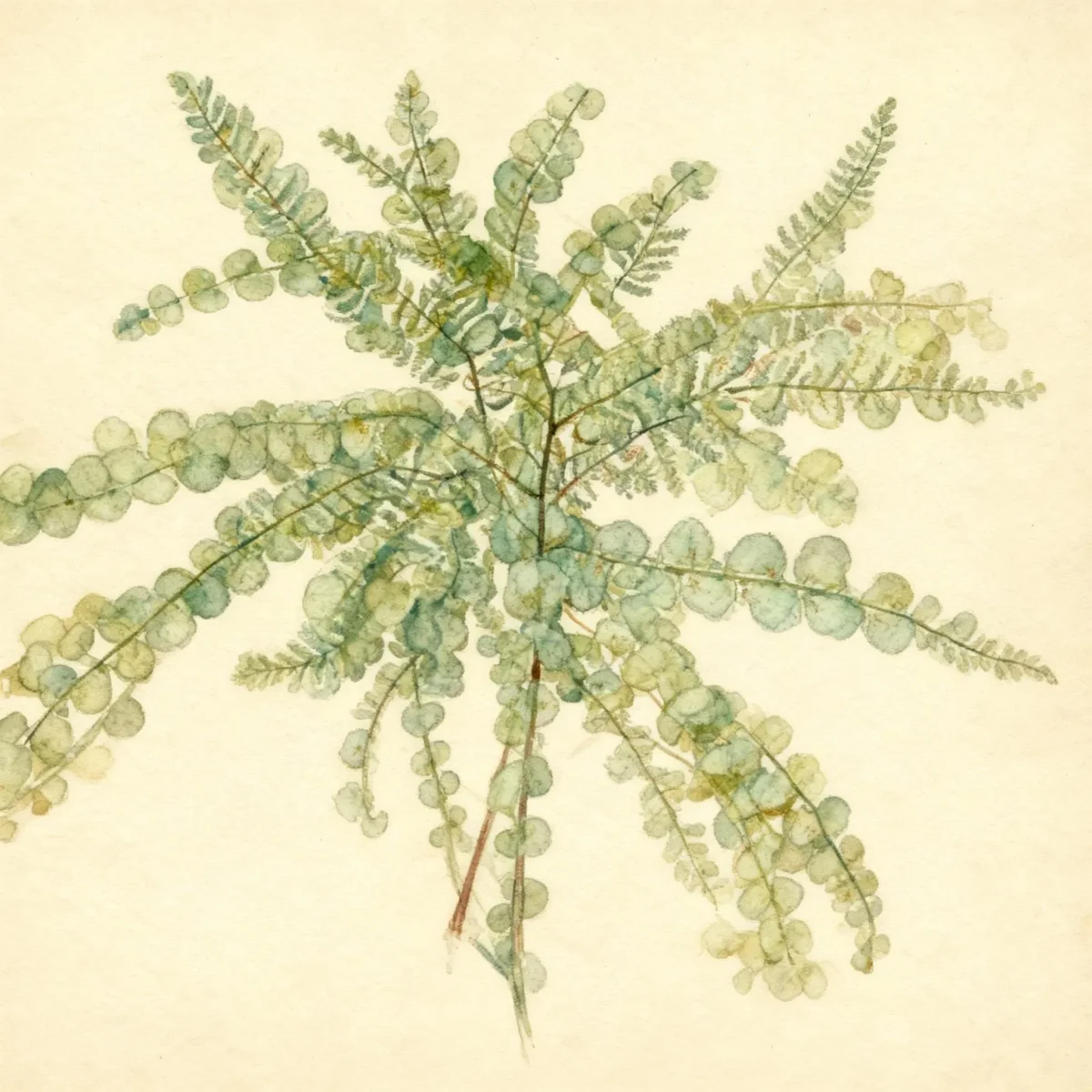
The Tatting fern (Athyrium filix-femina ‘Frizelliae’) is a highly prized dwarf cultivar of the common lady fern, valued for its exceptionally unique foliage texture. Unlike the broader fronds typical of many ferns, this variety features very narrow fronds adorned with rounded, ball-like pinnae, giving it a distinctive, finely detailed look reminiscent of tatted lace—hence its popular name. This deciduous fern brings reliable, low-maintenance greenery to areas of the garden that remain perpetually shaded.
As a low-growing specimen, Athyrium filix-femina ‘Frizelliae’ maintains a compact, neat circular clump, perfect for close inspection in woodland settings or rock gardens. It excels at providing year-round structure (as new fronds emerge quickly in spring) and readily handles the deep shade where fewer flowering plants thrive. Its resilience and unique aesthetic make the Tatting fern an indispensable textural contrast among broader-leaf shade perennials.
Fast Facts
- Plant Family: Athyriaceae
- Plant Type: Fern
- Hardiness Zones: USDA Zones 4-8
- Size at Maturity:
- Height: 0.75-1 ft
- Spread: 0.75-1 ft
- Bloom Time: Non-flowering
- Bloom Description: Non-flowering
- Sun Exposure: Part shade to full shade
- Water Needs: Medium
- Maintenance Level: Low
How to Grow
Planting the Tatting fern should occur in spring or fall when the soil is workable. Select a location offering rich, medium-moisture, well-drained soil. While it prefers part shade to full shade conditions, be aware that Athyrium filix-femina ‘Frizelliae’ can endure full sun if the soil is kept constantly moist; however, this will increase its maintenance needs significantly.
Watering requirements are medium throughout the growing season. Ensure the soil remains evenly moist, particularly during dry spells, to support those delicate-looking fronds. Although it tolerates slightly drier conditions than some relatives, consistent moisture promotes the best appearance for this delicate cultivar. Fertilization is rarely necessary if the soil is rich.
A crucial aspect of caring for Athyrium filix-femina ‘Frizelliae’ is protection from strong winds, which can easily shred the fine foliage. Maintenance is generally low, though clumps benefit from division every few springs to ensure the crowns remain properly positioned at the soil line. Remove any tattered older fronds in early spring before new fiddleheads emerge.
Landscape Uses
The compact size and unique texture of Tatting fern make it an ideal groundcover or accent plant in deeply shaded environments. It performs beautifully when tucked into rock gardens, providing soft articulation between stones, or positioned at the front of woodland borders where its fine structure can be appreciated up close. These ferns are also highly effective along the edges of shaded ponds or woodland streams where moisture levels are naturally high.
For synergistic design, pair Athyrium filix-femina ‘Frizelliae’ with plants that offer stark textural contrast, such as Hosta varieties with large, corrugated leaves or Astilbe when their plumes are fading. Its low, creeping habit also renders it excellent for softening transitions between lawn edges and deep shade beds or as a textural filler beneath taller shrubs.
Standout Features
Noteworthy Characteristics
Athyrium filix-femina, commonly called lady fern, is a deciduous fern that features lacy-cut, erect or ascending, 2 to 3-pinnate or pinnatifid, finely-divided, lanceolate, light green fronds which grow in a dense circular shuttlecock-like clump to 2-3’ tall. ‘Frizelliae’ is a dwarf, deciduous cultivar which typically grows to 12” tall and features very narrow (to 7/8” wide), 12-18” long fronds with rounded, ball-like pinnae attached to the midrib somewhat like a string of beads. These unique pinnae give rise to the generally accepted common name of tatting fern for this cultivar, notwithstanding the fact that the species and other cultivars thereunder are commonly called lady ferns.
Tolerances
- Rabbit
- Heavy Shade
Potential Problems
Serious insect or disease issues are generally absent for Athyrium filix-femina ‘Frizelliae’, contributing to its low maintenance profile. The most common aesthetic issue encountered is mechanical damage to the foliage. Fronds frequently become somewhat tattered in appearance by mid-summer, often due to wind exposure or physical contact. Selecting a sheltered site minimizes this browning or tearing effect.
To maintain the best appearance throughout the season, ensure the plant is never allowed to dry out completely, as stress can exacerbate physical damage. While disease is rare, good air circulation helps prevent fungal issues, even in shady, damp conditions. Early spring cleanup removes any damaged foliage before new growth of the Tatting fern appears.
Frequently Asked Questions
What hardiness zones is Tatting fern suitable for?
Athyrium filix-femina ‘Frizelliae’ is hardy across USDA Zones 4 through 8, offering adaptability across many temperate climates.
How large does Tatting fern grow?
This dwarf cultivar of the lady fern typically reaches a modest height between 0.75 and 1 foot tall, with a commensurate spread of 0.75 to 1 foot wide.
What sun exposure does Athyrium filix-femina ‘Frizelliae’ need?
It thrives best in part shade to full shade conditions, which mimics its native woodland habitat.
When does Athyrium filix-femina ‘Frizelliae’ bloom?
As a fern, Athyrium filix-femina ‘Frizelliae’ is non-flowering; its ornamental value lies entirely in its unique foliage structure.
Conclusion
The Tatting fern (Athyrium filix-femina ‘Frizelliae’) offers unparalleled fine texture and low-maintenance charm ideal for brightening dark corners of the landscape. Its unique, bead-like fronds distinguish it clearly from standard lady ferns. Before planting, confirm your garden falls within USDA Zones 4-8 and ensure you can provide consistently medium moisture in a protected, shady spot.
Companion Planting
When pairing plants near your Tatting fern, focus on selections that benefit from similar shade preferences and moisture levels while offering complementary textures. Helleborus species, although flowering earlier, provide durable, evergreen basal foliage that contrasts well with the delicate spring expansion of the fern. Similarly, woodland Geraniums (like Geranium macrorrhizum) spread well and handle the root competition common in dense shade areas.
Consider using variegated Solomon’s Seal (Polygonatum odoratum) alongside Athyrium filix-femina ‘Frizelliae’. The upright, arching stems and contrasting white-margined leaves of the Solomon’s Seal provide vertical interest, making the dense, mounding habit of the fern look richer and more layered. This combination keeps the entire planting highly textural throughout the summer season.
Propagation Tips
The easiest way to propagate the Tatting fern is through division, a process best carried out in early spring just as the new growth is beginning to emerge. Gently lift the mature clump of Athyrium filix-femina ‘Frizelliae’ and use a clean spade or sharp knife to separate segments, ensuring each new division has sufficient root structure and several crown buds intact.
If immediate division is not desired, you can carefully reposition crowns during routine maintenance. The culture notes advise dividing clumps every few years specifically to reposition crowns that have floated too high above the soil level during seasonal thawing and freezing cycles. This simple act of settling the crown maintains good vigor in the plant.