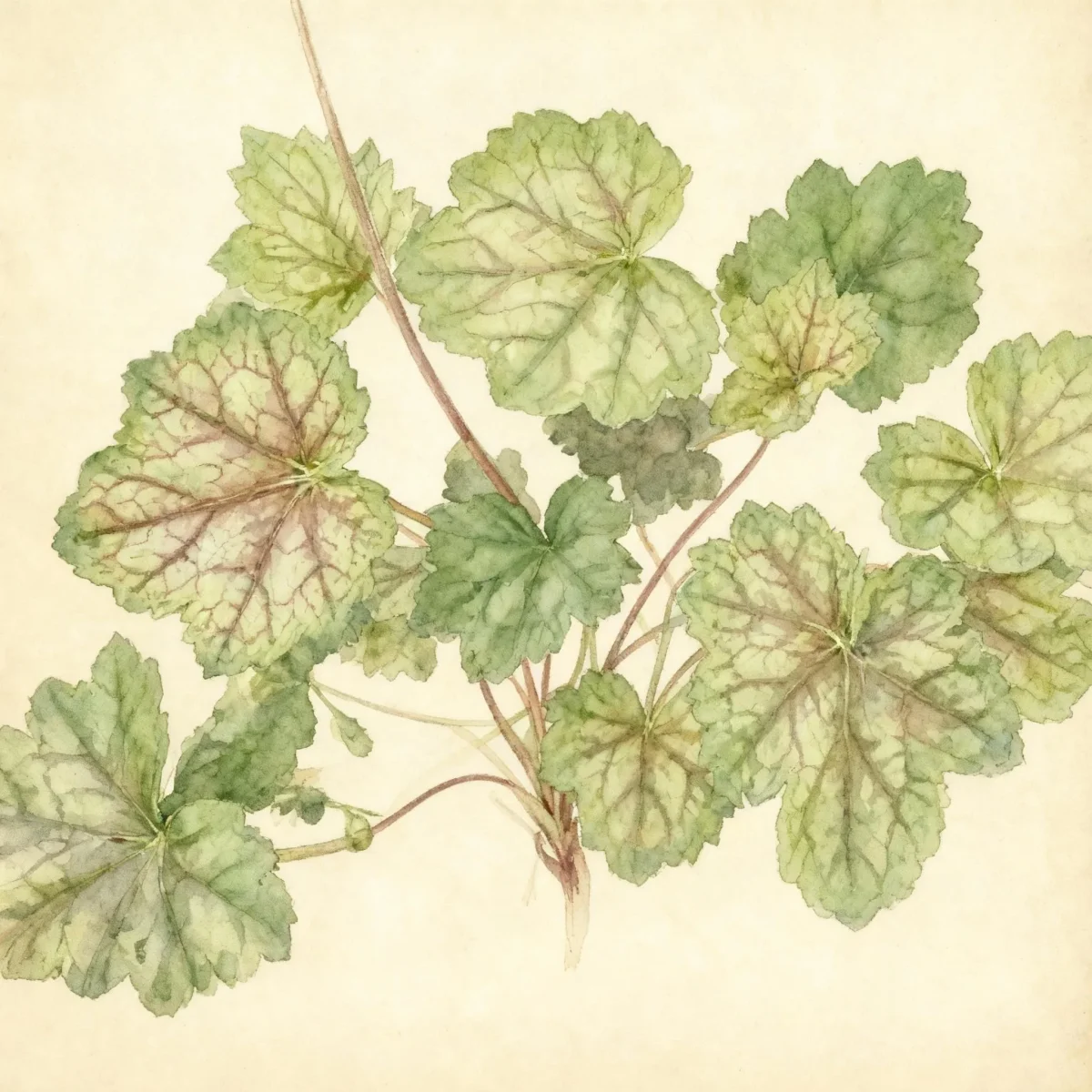
Coral bells (Heuchera 'Cappuccino')
Heuchera 'Cappuccino' Coral bells offer dark bronzish-green leaves mottled with white, ideal for shade gardens in zones 4-9.
Scroll down to discover growing tips, care requirements, companion plants, and more
Complete Plant Information
Overview
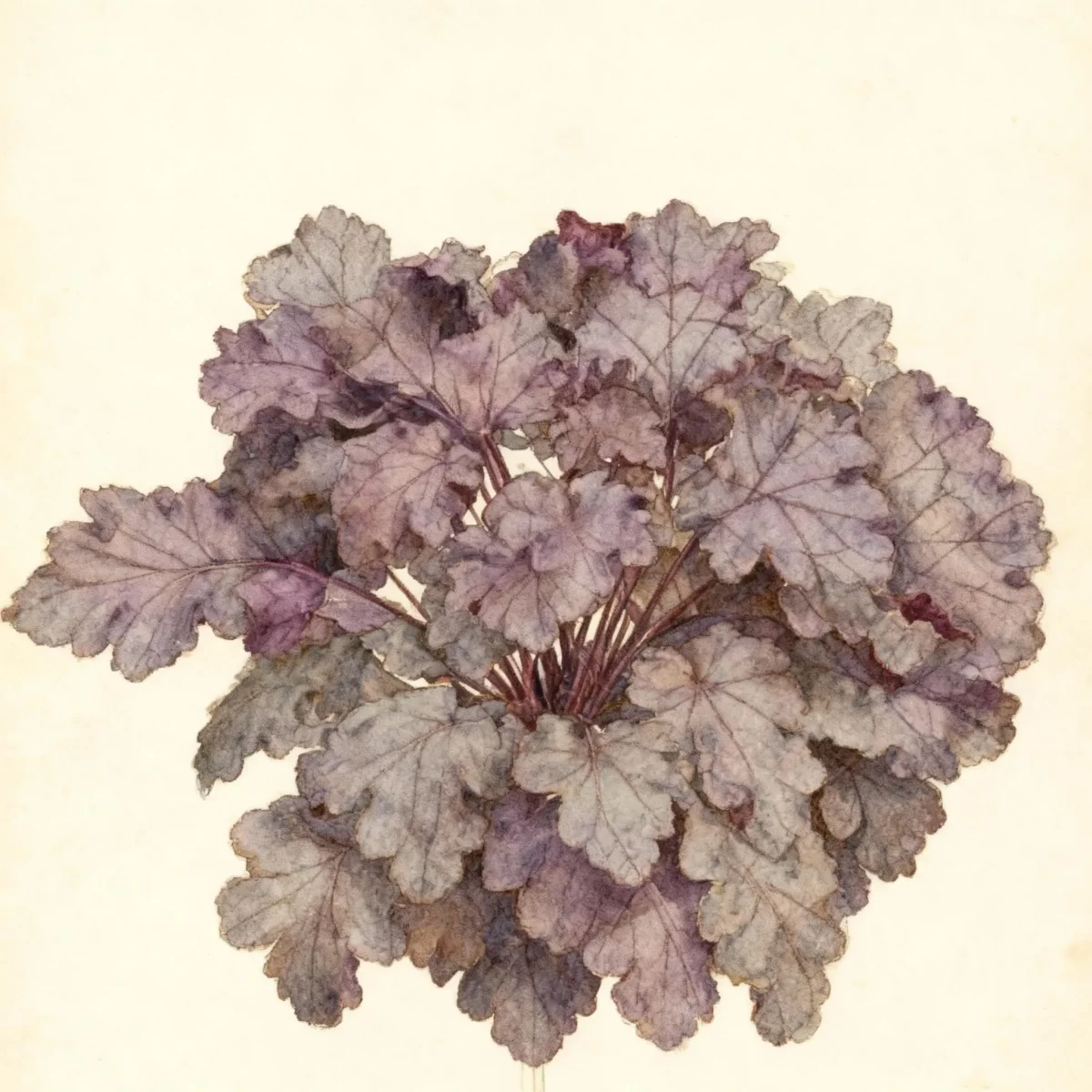
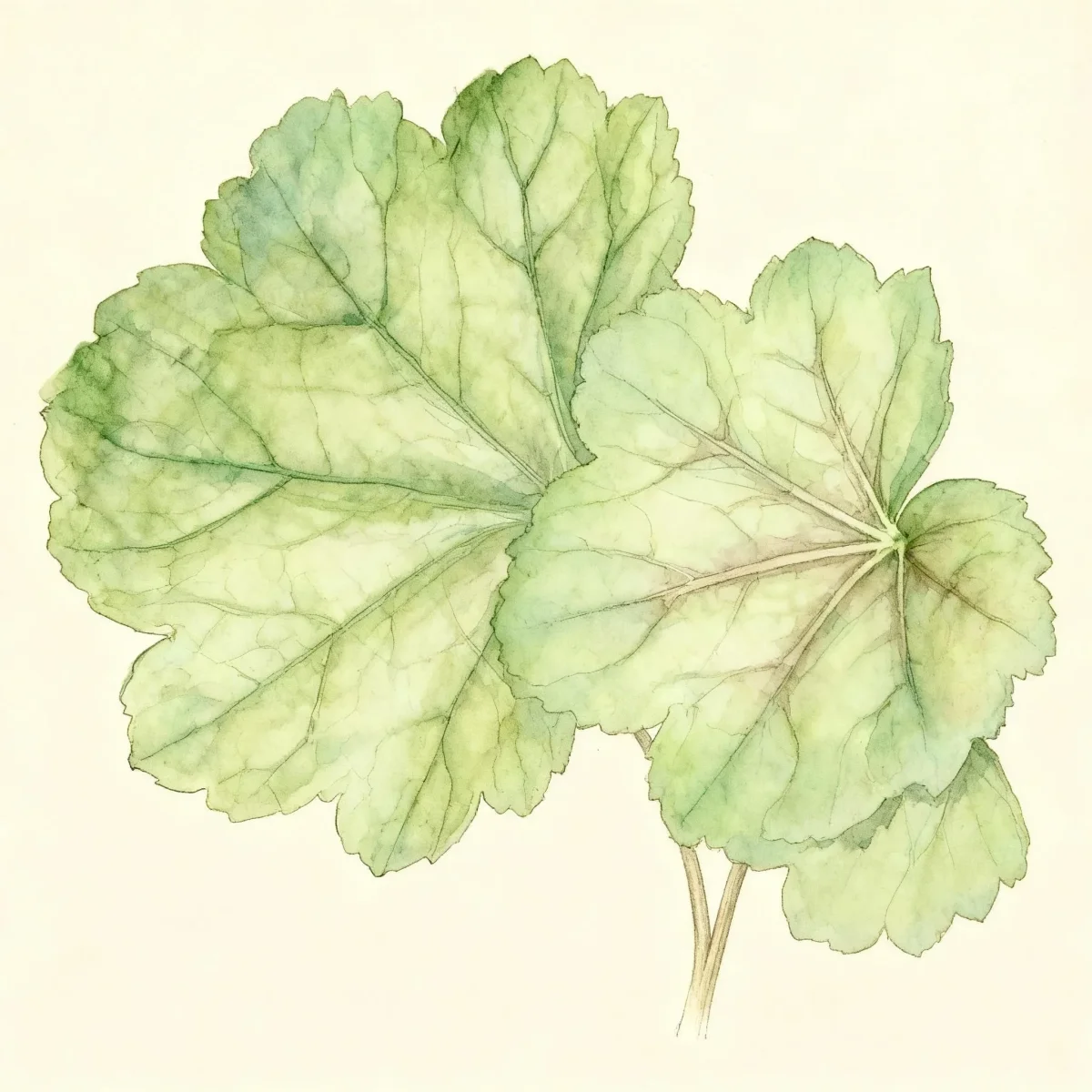
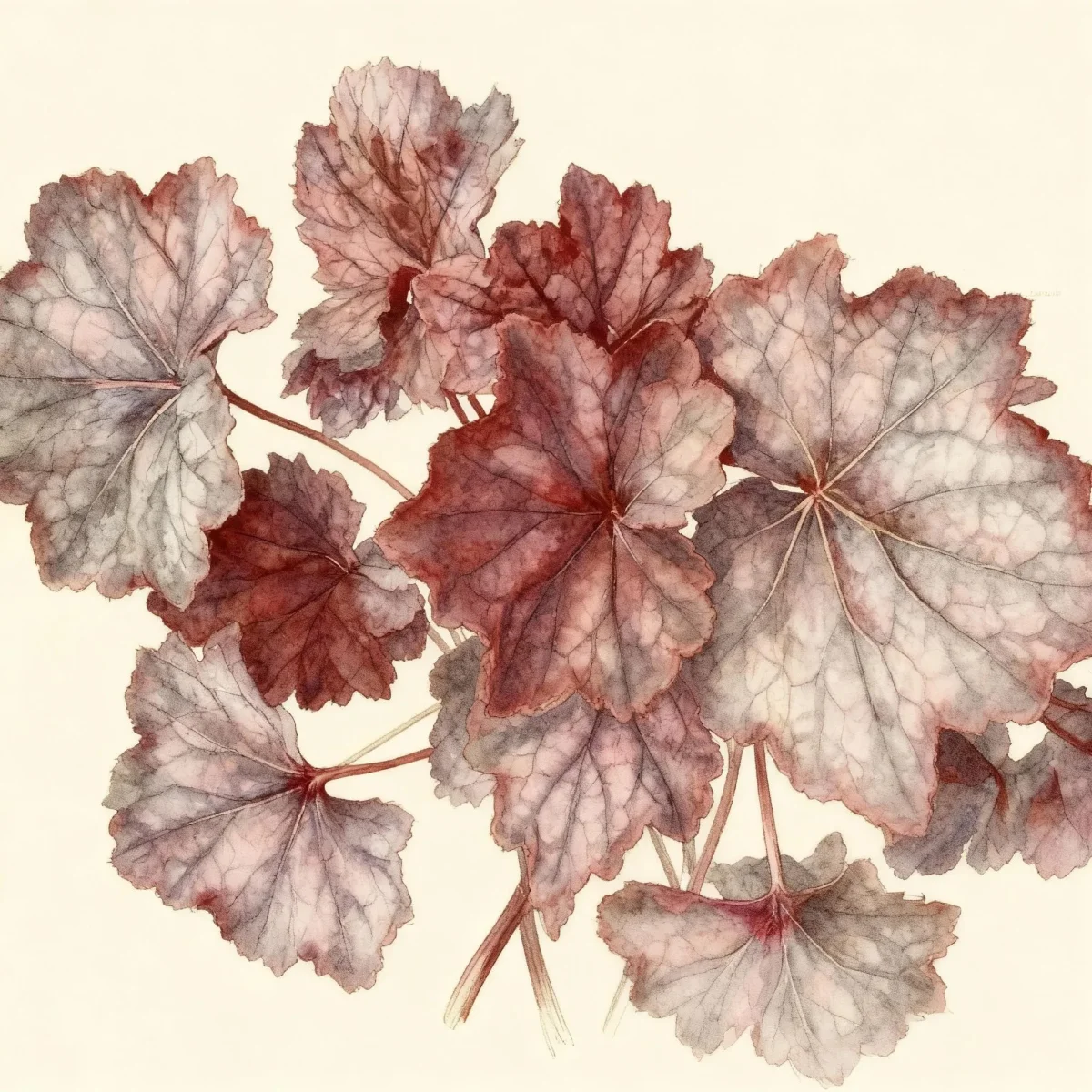
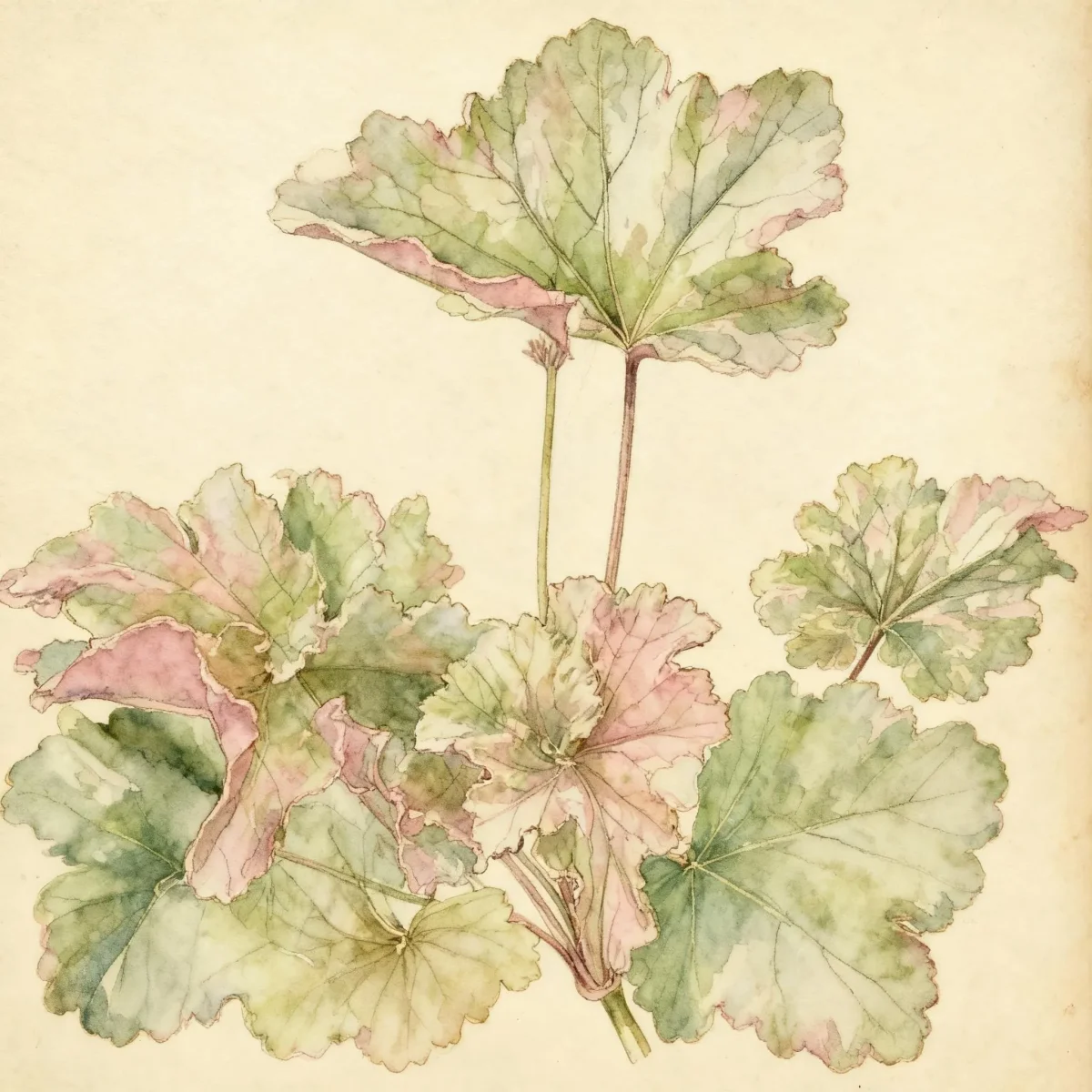
Heuchera ‘Cappuccino’, commonly known as Coral bells, is a handsome herbaceous perennial prized for its unique, richly colored foliage that provides season-long interest. This cultivar forms a dense basal mound of rounded, lobed leaves, exhibiting a striking dark bronzish-green base mottled vividly with creamy white highlights, reminiscent of espresso blending with cream. It offers a versatile texture and color contrast perfect for brightening shaded garden areas where many other plants struggle.
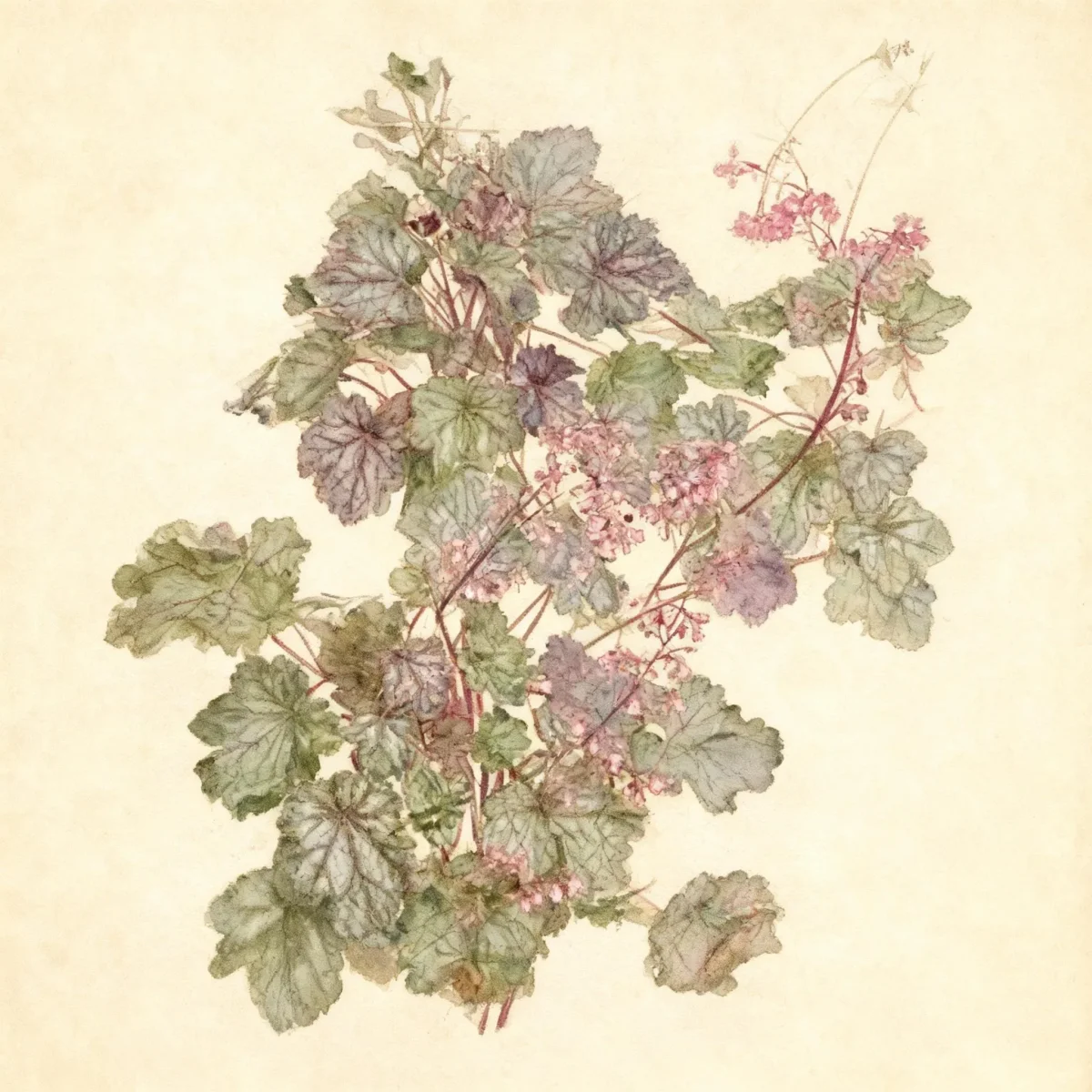
This clump-forming perennial provides excellent structure, reaching moderate heights atop slender stems that carry airy panicles of small, whitish flowers in early summer. While the blooms are noted as conspicuous, the main draw of Heuchera ‘Cappuccino’ remains its outstanding leaf display. Understanding its specific culture, often dictated by parentage, ensures the longevity and vibrancy of this popular Coral bells selection.
As an evergreen to semi-evergreen perennial in milder climates, Heuchera ‘Cappuccino’ ensures colorful garden interest throughout the year. Its moderate size makes it incredibly flexible for various uses, from edging paths to filling in woodland borders, establishing it as a cornerstone plant in temperate perennial landscapes.
Fast Facts
- Plant Family: Saxifragaceae
- Plant Type: Herbaceous perennial
- Hardiness Zones: USDA Zones 4-9
- Size at Maturity:
- Height: 0.75-2 ft
- Spread: 1-1.5 ft
- Bloom Time: June to July
- Bloom Description: Whitish
- Sun Exposure: Full sun to part shade
- Water Needs: Medium
- Maintenance Level: Medium
How to Grow
Planting Heuchera ‘Cappuccino’ is best done in the spring or early fall, ideally placing young plants in organically rich, humusy, medium-moisture, well-drained soils. While this variety often tolerates full sun in cooler northern climates, its foliage will benefit from some afternoon shade, especially in the intense heat of southern locations, preventing scorch and decline. Good drainage is crucial, as wet, soggy winter soil can lead to root issues.
Consistent moisture is a key aspect of care for Heuchera ‘Cappuccino’, particularly if site conditions lean toward more sun exposure. Avoid allowing the soil to dry out completely, as this stresses the plant. While they generally perform well with medium watering, deep, infrequent watering is usually preferred over shallow, frequent sprinkles. Fertilizing is rarely essential if the base soil is rich in organic matter, but a light application of compost in spring can be beneficial.
Maintenance is generally low. Gardeners should routinely remove the spent flower stems (deadheading) after bloom time to tidy the appearance and potentially encourage a minor repeat flush of flowers. Foliage typically remains attractive year-round in warmer zones (Zones 7+). In harsh winter locations, apply a compost mulch only after the ground freezes solid to insulate the shallow roots and prevent frost heaving damage. Divide clumps every three to four years in the spring to maintain vigor.
Landscape Uses
Coral bells excel when used to line pathways or define the edges of garden beds due to their consistent, mounding habit. Heuchera ‘Cappuccino’ serves as an excellent textural contrast against broad-leaved hostas or fine-textured ferns in shaded woodland gardens. They are highly effective when massed together, allowing the mottled bronze-green tones of the foliage to create a solid block of color across the landscape.
For border designs, use Heuchera ‘Cappuccino’ in the middle to front third of the border, depending on the height of surrounding perennials. They pair beautifully with spring bulbs which die back before the Heuchera achieves its full summer presence. Consider using them as year-round “thrillers” in mixed containers, paired with seasonal annuals that complement their rich, dark leaf color.
Rock gardens benefit significantly from the compact yet sophisticated foliage of this variety. Whether used as an edger along a flagstone path or tucked into the understory of deciduous trees, these Coral bells provide reliable performance and stunning color year after year, tying diverse plantings together visually.
Standout Features
Flower Qualities
- Showy
Noteworthy Characteristics
Heuchera, commonly called coral bells or alumroot, is native to North America, comprising about 55 species of evergreen to semi-evergreen herbaceous perennials found in diverse habitats from woodlands to rocky cliffs. Hybridizing efforts have led to plants like Heuchera ‘Cappuccino’, moving beyond the traditional red flowers of H. sanguinea to offer leaves in myriad colors, including bronze, maroon, and mottled green. The rounded, lobed leaves of ‘Cappuccino’ form a tidy mound to about 8 inches tall, with flowers appearing on wiry stems typically reaching 2 feet high in the early growing season.
Tolerances
This information was not provided in the source data.
Potential Problems
Frost heaving is a recognized risk, occurring when winter temperatures fluctuate widely, causing the roots to lift out of the soil; this can be mitigated by applying a protective winter mulch only after the ground is frozen. Culturally, Heuchera ‘Cappuccino’ can be susceptible to fungal diseases such as powdery mildew and rust, particularly in humid conditions or where air circulation is poor, necessitating proper spacing during planting. Watch out for common pests like weevils, and ensure good horticultural hygiene to manage potential bacterial leaf spot issues.
Frequently Asked Questions
What hardiness zones is Coral bells suitable for?
Heuchera ‘Cappuccino’ Coral bells are generally hardy and perform well across USDA Zones 4 through 9, offering wide adaptability.
How large does Heuchera ‘Cappuccino’ grow?
This variety forms a basal mound that reaches heights between 0.75 and 2 feet, with a spread typically ranging from 1 to 1.5 feet wide.
When does Coral bells bloom?
Heuchera ‘Cappuccino’ typically produces its slender flower stems bearing whitish blooms between June and July.
What sun exposure does Heuchera ‘Cappuccino’ need?
This cultivar prefers full sun to part shade, though gardeners in hotter regions should ensure it receives afternoon shade to prevent leaf scorch.
Conclusion
The unique, mottled foliage of Heuchera ‘Cappuccino’ provides essential texture and year-round color, making it an invaluable component for mixed shade and woodland plantings. As a reliable cultivar of Coral bells, it successfully bridges the gap between striking visual appeal and relatively straightforward care, provided soil drainage is managed well. Before planting, verify that your site conditions align with USDA Zones 4-9 and offer the necessary part-shade protection for the richest leaf color retention.
Companion Planting
Selecting appropriate companions enhances the visual drama of Heuchera ‘Cappuccino’. Because this Coral bells variety thrives in humus-rich, well-drained soil and appreciates protection from the harshest afternoon sun, pair it with woodland natives that share similar cultural needs. Hostas with contrasting large, blue, or chartreuse leaves create excellent textural juxtaposition against the smaller, darker leaves of ‘Cappuccino’.
Consider pairing these plants with shade-loving groundcovers like Ajuga or creeping Thymus varieties that appreciate similar moisture levels but offer a different growth habit. In spring, early bulbs like Daffodils or Snowdrops flower before the Heuchera fully fills out, providing seasonal interest; ensure water requirements stay consistent as the bulbs die back, meeting the medium needs of the Coral bells.
Design Ideas for Foliage Focus
Because its flowers are subtle, focus landscaping designs around the year-round impact of the Heuchera ‘Cappuccino’ foliage. Use masses of this plant along walkways, leveraging its low, tidy mound to create a soft, continuous border element that doesn’t obscure views. For containers, utilize its mounding habit as a reliable “filler” plant, surrounding an upright grass or a taller focal shrub, ensuring consistent moisture is maintained in the confined space.
The blend of dark bronze and creamy white mottling makes this cultivar an excellent choice for monochromatic color schemes or for adding depth to mixed perennial beds. Its rounded leaf shape contrasts sharply with linear plants like ornamental grasses or Iris, increasing visual interest simply through varied form. Ensure that when planting multiple Heucheras, you adhere to the recommended division schedule to keep Heuchera ‘Cappuccino’ clumps tight and vigorous.