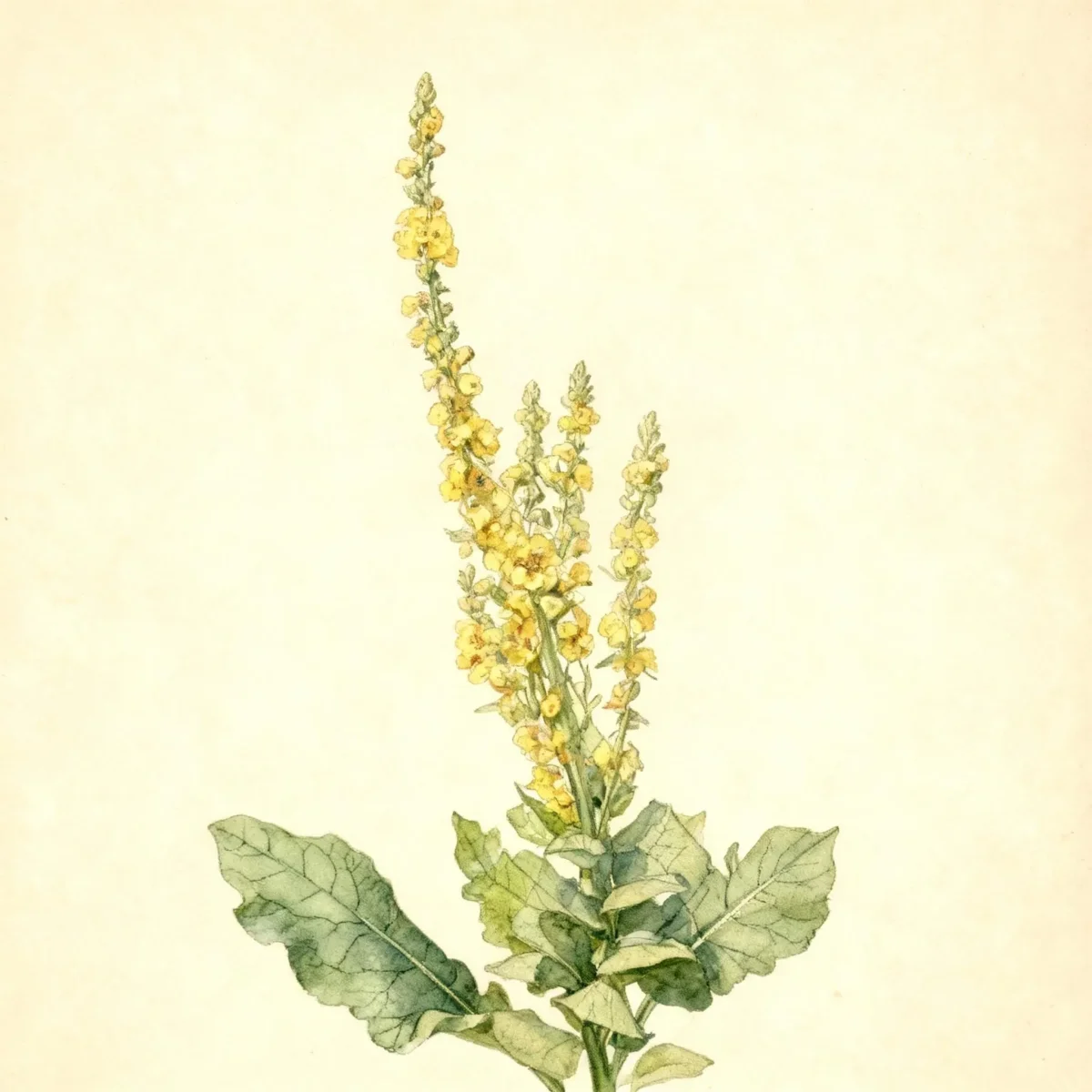
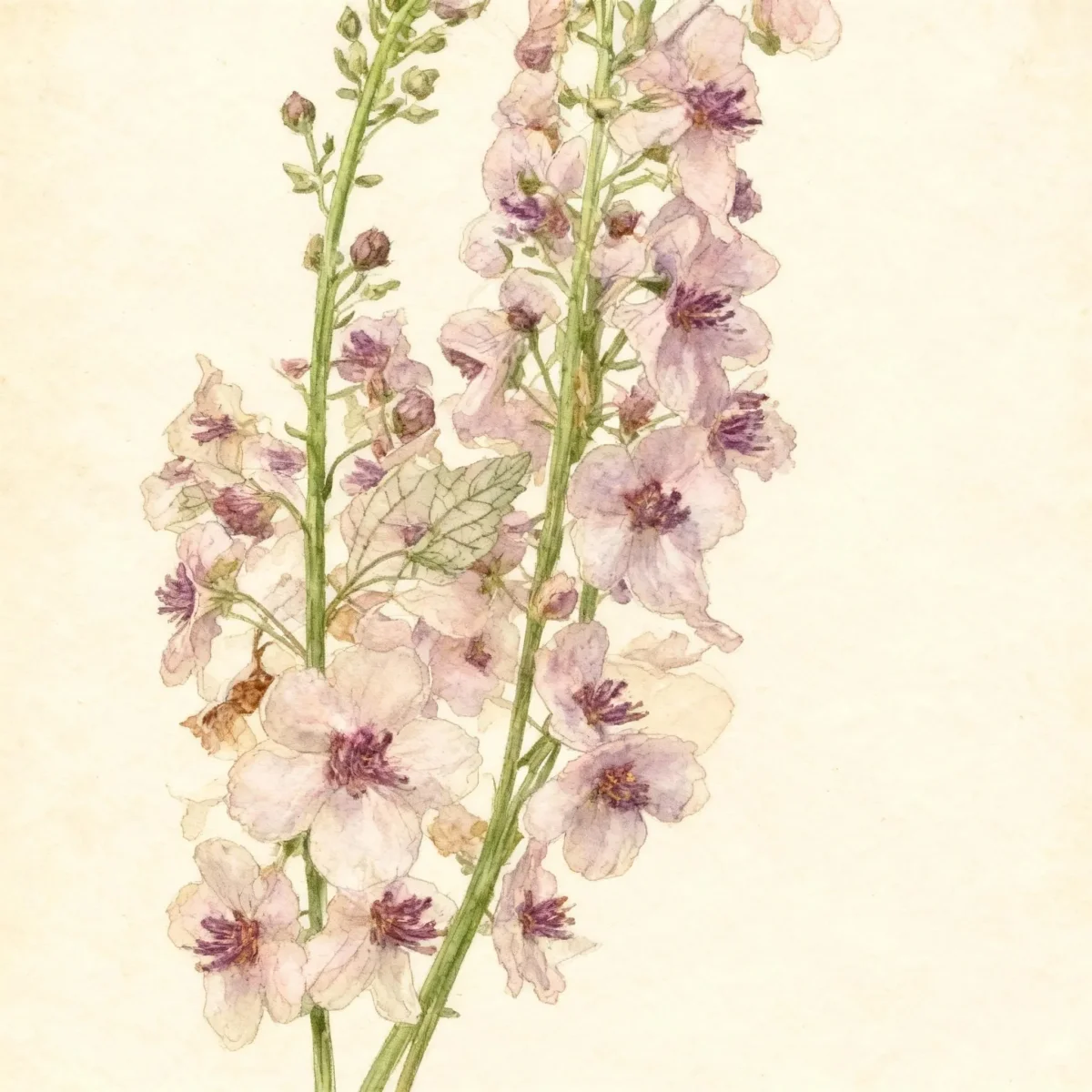
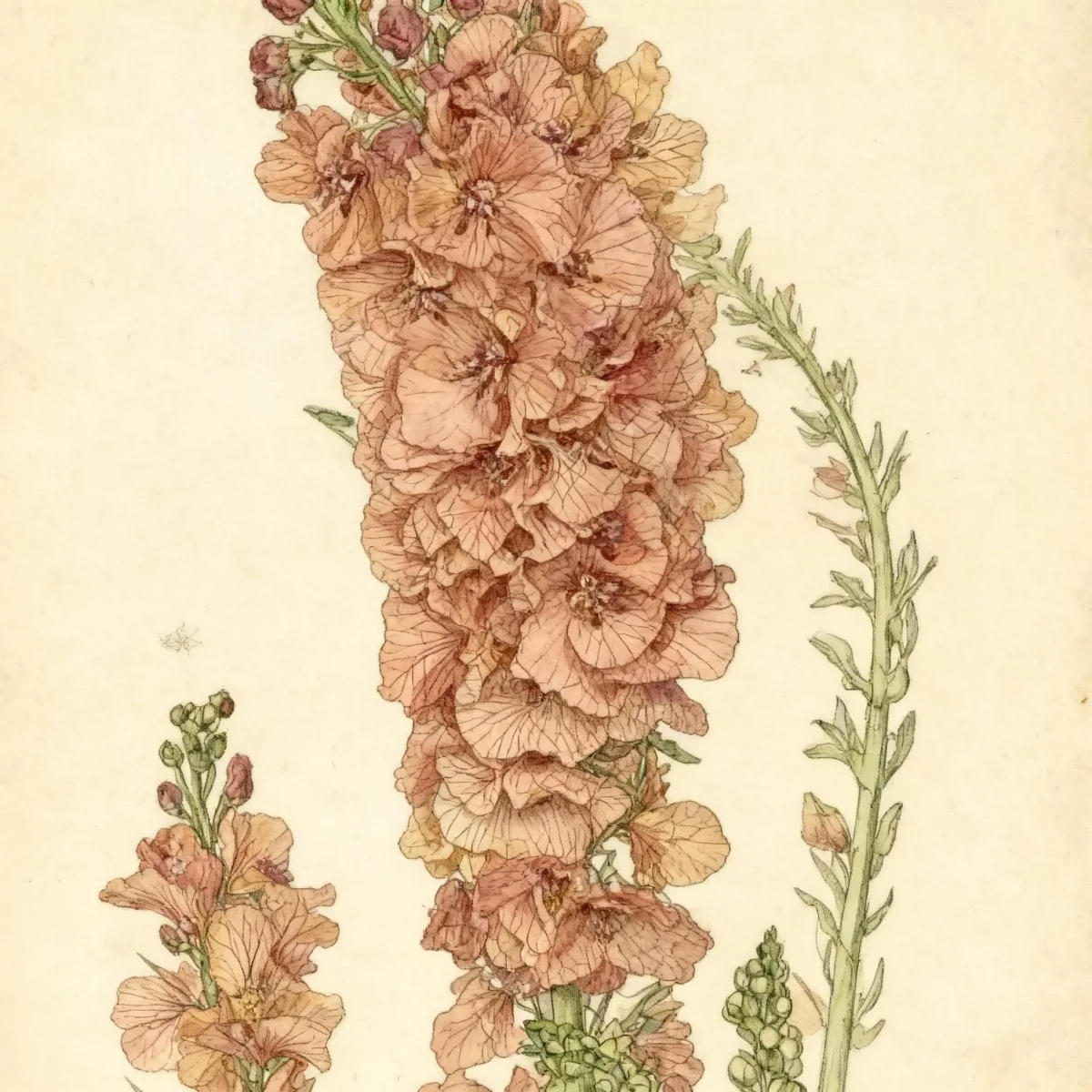
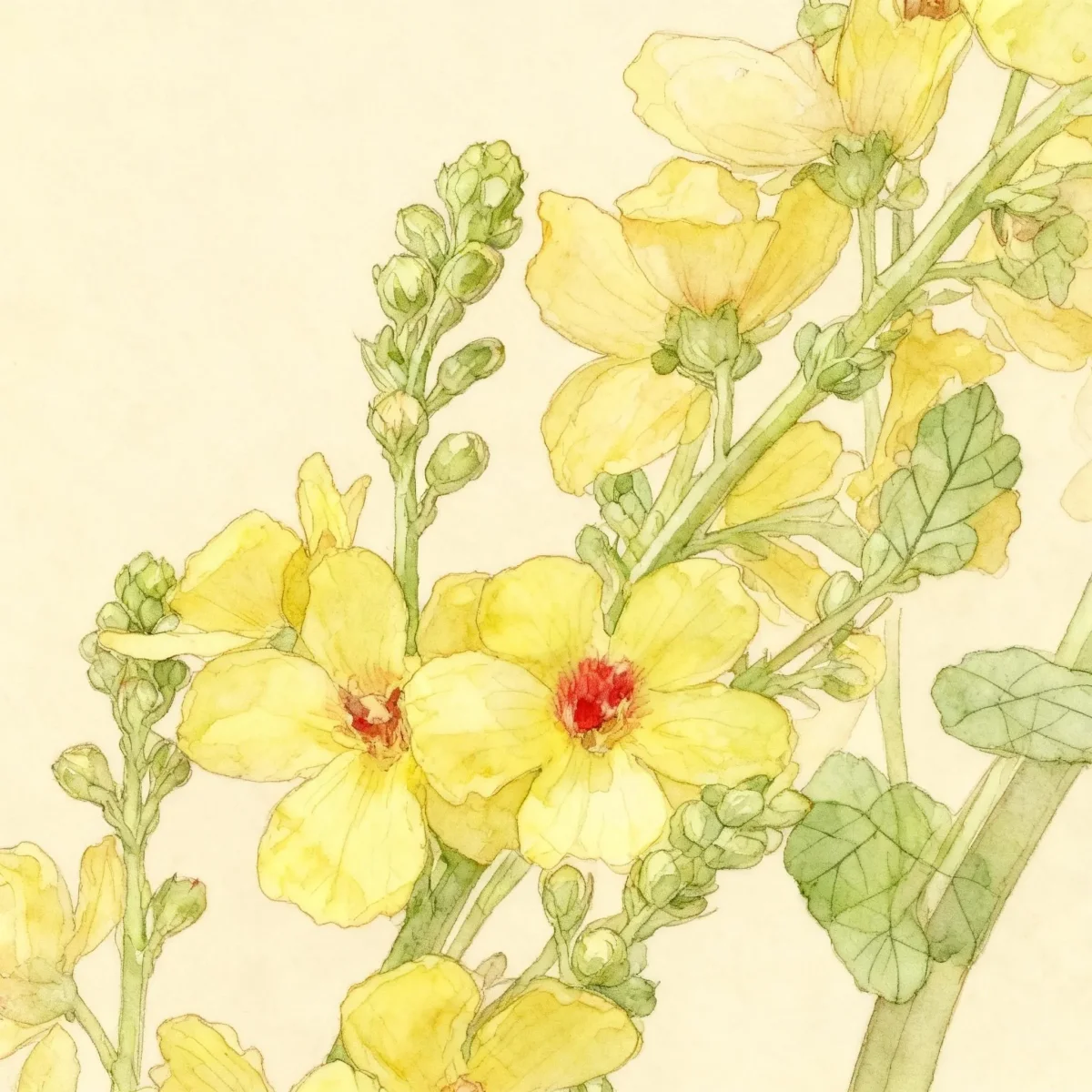
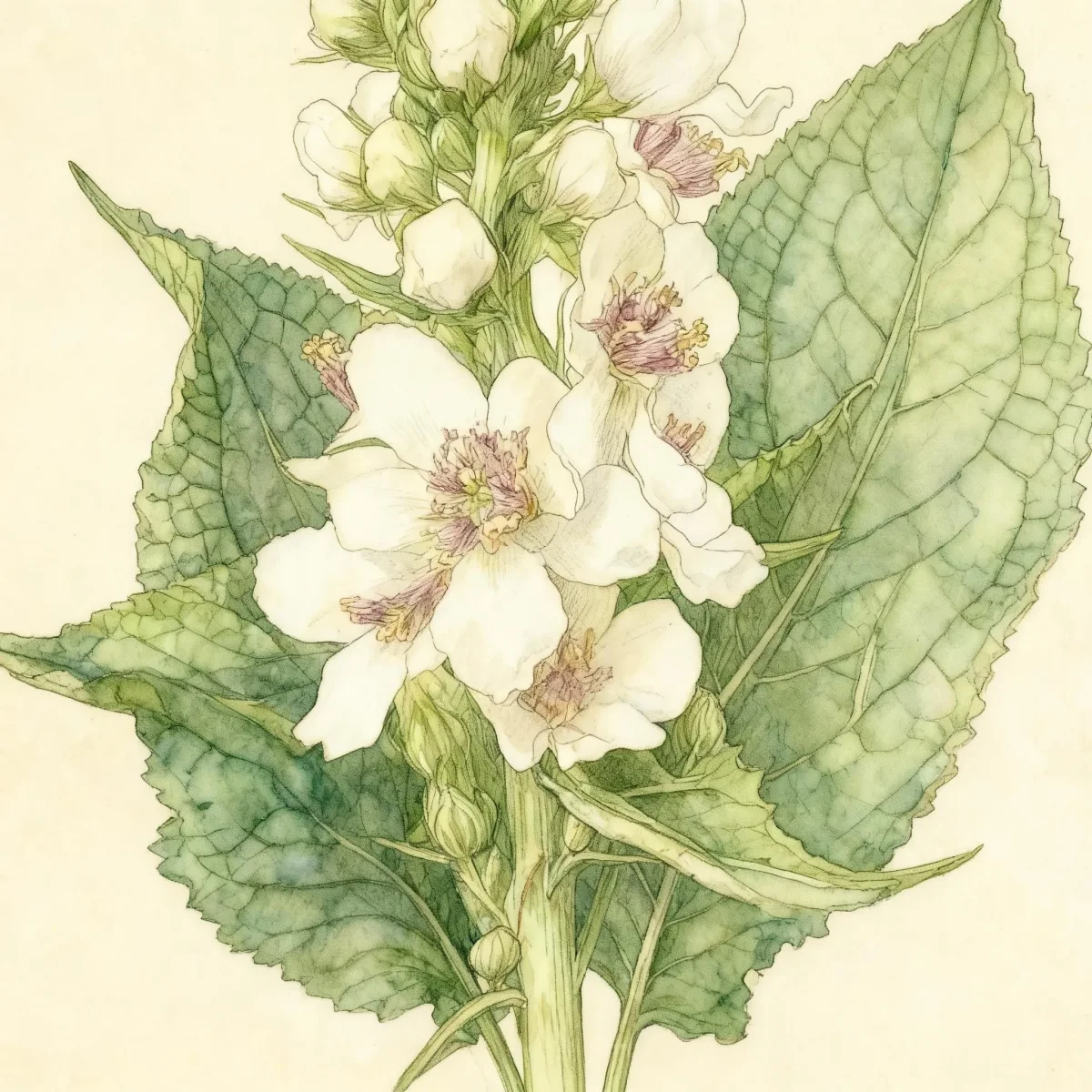
Verbascum (Verbascum 'Jackie')
Verbascum 'Jackie' is a low-maintenance, drought-tolerant perennial featuring pale peach-pink flower spikes from May to July.
Scroll down to discover growing tips, care requirements, companion plants, and more
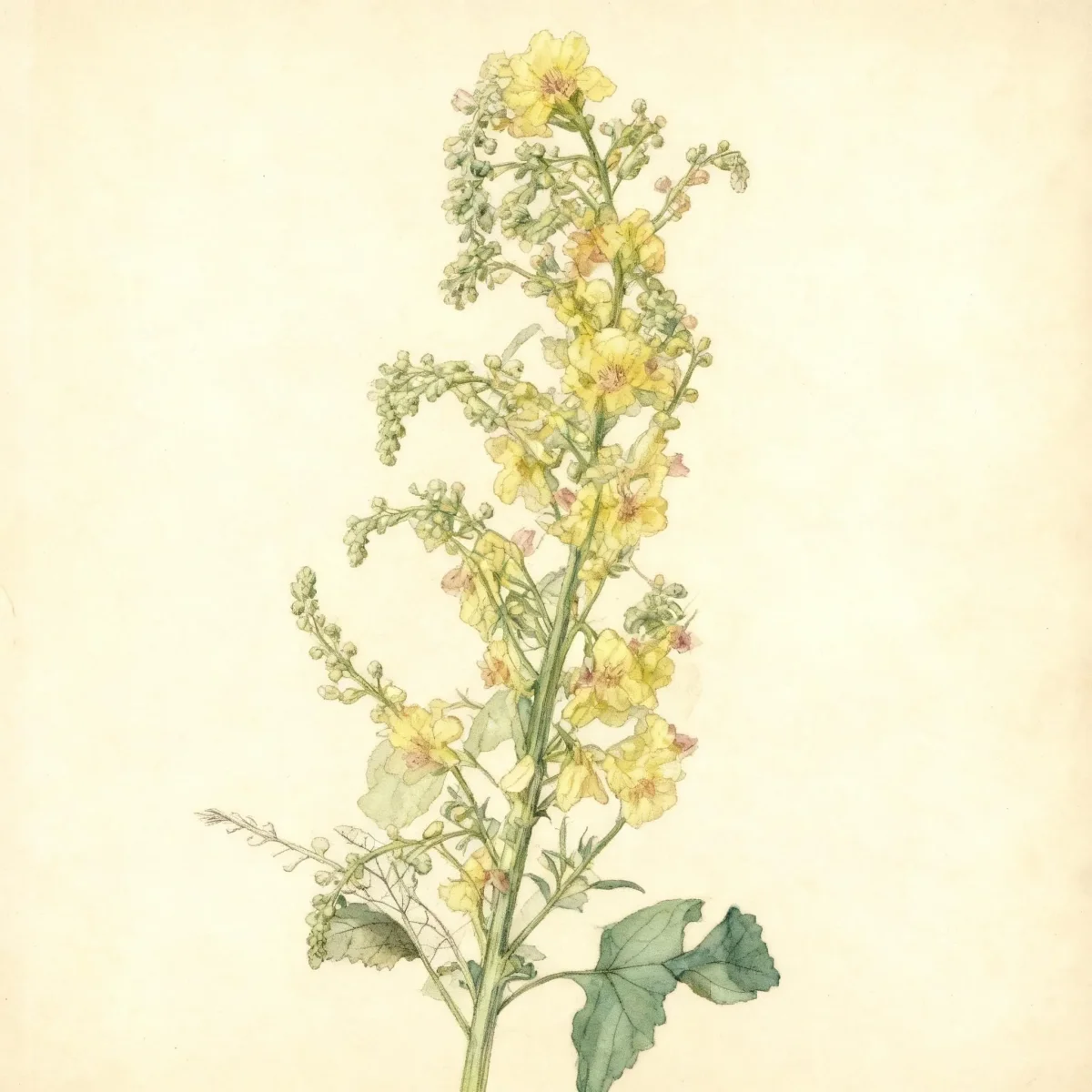
Complete Plant Information
Overview
Verbascum ‘Jackie’ offers striking vertical structure perfect for adding drama to dry garden spaces or cottage borders. This specific cultivar of Verbascum is valued for its relatively compact stature and its unique flower coloring, which transitions from pale peach-pink toward yellowish tones. It provides a long, late spring to summer bloom, attracting the eye without demanding excessive care.
As an erect, clump-forming, short-lived perennial, Verbascum ‘Jackie’ is best incorporated into garden plans with the understanding that renewal through self-seeding or division may be necessary. It forms an attractive basal rosette of woolly, silvery-green foliage that persists even when the flower spikes are done. This easygoing nature makes the genus Verbascum a favorite for gardeners seeking high impact with minimal effort.
The appeal of Verbascum ‘Jackie’ lies in its resilience; it thrives in lean, well-drained soils where many other perennials struggle. Its silvery leaves and pale blooms provide excellent contrast against deep green or dark-flowered companions, establishing the plant as a versatile structural accent.
Fast Facts
- Plant Family: Scrophulariaceae
- Plant Type: Herbaceous perennial
- Hardiness Zones: USDA Zones 5-8
- Size at Maturity:
- Height: 1-2 ft
- Spread: 0.75-1 ft
- Bloom Time: May to July
- Bloom Description: Pale peach-pink to yellowish
- Sun Exposure: Full sun
- Water Needs: Dry to medium
- Maintenance Level: Low
How to Grow
Plant Verbascum ‘Jackie’ in the spring after the danger of hard frost has passed, focusing on achieving excellent drainage. This plant prefers full sun, though it can tolerate partial shade, especially in the hottest climates. It is exceptionally forgiving regarding soil fertility, thriving in average, dry to medium soils, including poor or rocky substrates, but wet, poorly drained conditions are almost always fatal.
Care for Verbascum is minimal once established. Water sparingly, allowing the soil to dry out between irrigation, honoring its drought tolerance. Fertilization is generally unnecessary; rich soils can encourage floppier growth that may require staking. Deadheading is a key maintenance task: remove spent flower spikes before they set seed if you wish to encourage a second flush of bloom or stimulate more robust perennial behavior next year.
To ensure the longevity of your Verbascum planting, it is wise to allow some flower spikes to remain standing. Letting some seed ripen guarantees self-seeding, which helps perpetuate this short-lived perennial population in your garden. Additionally, root cuttings taken in early spring are an effective propagation method for maintaining the Verbascum ‘Jackie’ cultivar.
Seasonal cleanup involves removing old foliage in early spring before new growth emerges. Because it dislikes wet feet, ensure adequate air circulation and avoid heavy mulching directly around the crown, especially over winter.
Landscape Uses
Verbascum ‘Jackie’ excels as a vertical accent, adding essential height and movement to mixed borders and classic cottage gardens. Its spires create rhythm when interspersed among lower, mounding plants, bridging the gap between groundcovers and taller shrubs. The pale coloration of the flowers ensures it meshes well with both hot and cool color palettes.
Due to its compact size (1-2 feet tall), Verbascum ‘Jackie’ is perfectly suited for container arrangements where it can provide focal contrast against foliage plants like Heuchera or ornamental grasses. Furthermore, its tolerance for poor, dry soils makes it an excellent choice for challenging locations such as dry, rocky slopes or scree gardens where water retention is low.
Plant companions should share its preference for full sun and dry conditions. Consider pairing Verbascum with Mediterranean herbs like Lavender or Thyme, or drought-tolerant perennials such as Sedum or Achillea for a cohesive, low-water-use display.
Standout Features
Flower Qualities
- Showy
Noteworthy Characteristics
Verbascum is a genus famous for its attractive flower spikes, originating primarily from Europe to Western Asia. ‘Jackie’ is specifically recognized as a dwarf cross, forming an 8-inch woolly, silvery-green basal rosette from which spires of 5-lobed, nearly flat, pale peach-pink to yellowish flowers rise on 12-24 inch stems. The long bloom period extends from late spring into summer, providing sustained interest.
Tolerances
- Deer
- Drought
Potential Problems
Verbascum ‘Jackie’ is generally robust, but vigilance against spider mites is advised, especially during intense, dry summer heat. Mites can cause dusty or stippled foliage, which detracts from the plant’s appeal. Regularly inspecting the undersides of the silvery leaves can aid in early detection and treatment.
While the plant appreciates dry conditions, avoid overly rich, fertile soils, as these can lead to taller, weaker stems that may require structural support. The primary danger remains excess moisture; ensure sharp drainage year-round, as wet winter soils are usually fatal to Verbascum. Deer tend to avoid this genus entirely, offering an added benefit in areas with browsing pressure.
Frequently Asked Questions
What hardiness zones is Verbascum ‘Jackie’ suitable for?
This herbaceous perennial thrives in USDA Hardiness Zones 5 through 8, requiring protection if planted outside this range, particularly in wet winter conditions.
How large does Verbascum ‘Jackie’ grow?
Verbascum ‘Jackie’ typically reaches a mature height of 1 to 2 feet tall, with a spread of 0.75 to 1 foot wide, maintaining a relatively compact footprint suitable for smaller spaces.
When does Verbascum ‘Jackie’ bloom?
This cultivar blooms starting in May and continuing through July, featuring distinctive pale peach-pink to yellowish flowers on vertical spikes.
What sun exposure does Verbascum ‘Jackie’ need?
Verbascum ‘Jackie’ prefers and performs best in full sun exposure, though it can tolerate slightly shaded conditions if the soil remains dry.
Conclusion
Verbascum ‘Jackie’ is an excellent, low-fuss specimen that delivers reliable vertical interest and drought tolerance throughout the early summer months. Incorporating this dwarf Verbascum into your garden design ensures you gain structural elegance in poor soils without demanding significant maintenance. Before planting, always confirm that your site offers the required full sun and sharp drainage to secure a long, successful life for your Verbascum ‘Jackie’.
Companion Planting
Choosing companions that share the preference for dry, sunny footing is key to a successful border featuring Verbascum ‘Jackie’. Plants that offer textural contrast, such as fine-leaved ornamental grasses or contrasting deep purple salvias, will highlight the silvery, woolly foliage of the Verbascum. Avoid heavy feeders or plants that require consistent moisture, as competition for water will negatively impact the health of your drought-tolerant spires.
Consider pairing this plant geographically with other stone-garden enthusiasts like various hardy Oregano varieties, Thyme, or blue Fescue grass. The muted tones of Verbascum ‘Jackie’ mean it complements silver-leaved plants beautifully, creating a cohesive, silvery Mediterranean feel, even in non-Mediterranean climates.
Propagation Tips
While Verbascum ‘Jackie’ is often treated as a short-lived perennial, keeping it thriving year after year is easy through strategic propagation. The easiest method for maintaining the exact cultivar is by allowing some seed heads to ripen naturally; fall cleanup should leave some standing for spring self-seeding.
For guaranteed genetic matching, root cuttings are recommended. Take these cuttings in early spring before new growth fully emerges from the basal rosette. Select healthy root sections, ensure they have nodes attached if possible, and plant them gently in a sandy, well-draining propagation mix, keeping them slightly moist until new shoots appear.
If you wish to propagate established plants that are beginning to decline, division is possible, though less reliable than seed or root cutting for this genus. Gently excavate the plant in early spring and attempt to separate healthy growing sections, ensuring each division has a portion of the basal rosette intact.