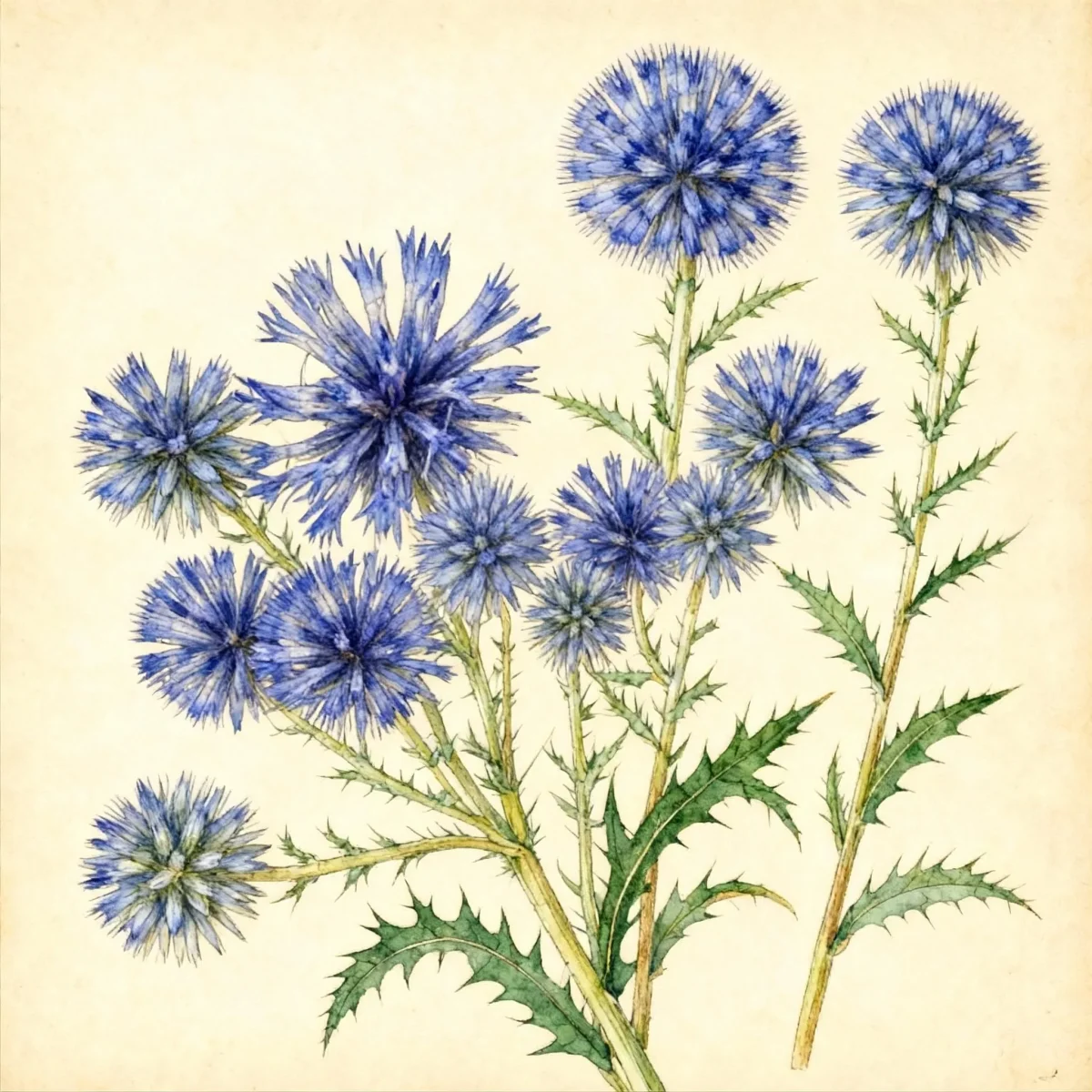
Small globe thistle (Echinops ritro 'Veitch's Blue')
Echinops ritro 'Veitch's Blue' or Small globe thistle offers striking steel blue, golf ball-sized flowers perfect for long-lasting summer color.
Scroll down to discover growing tips, care requirements, companion plants, and more
Complete Plant Information
Overview
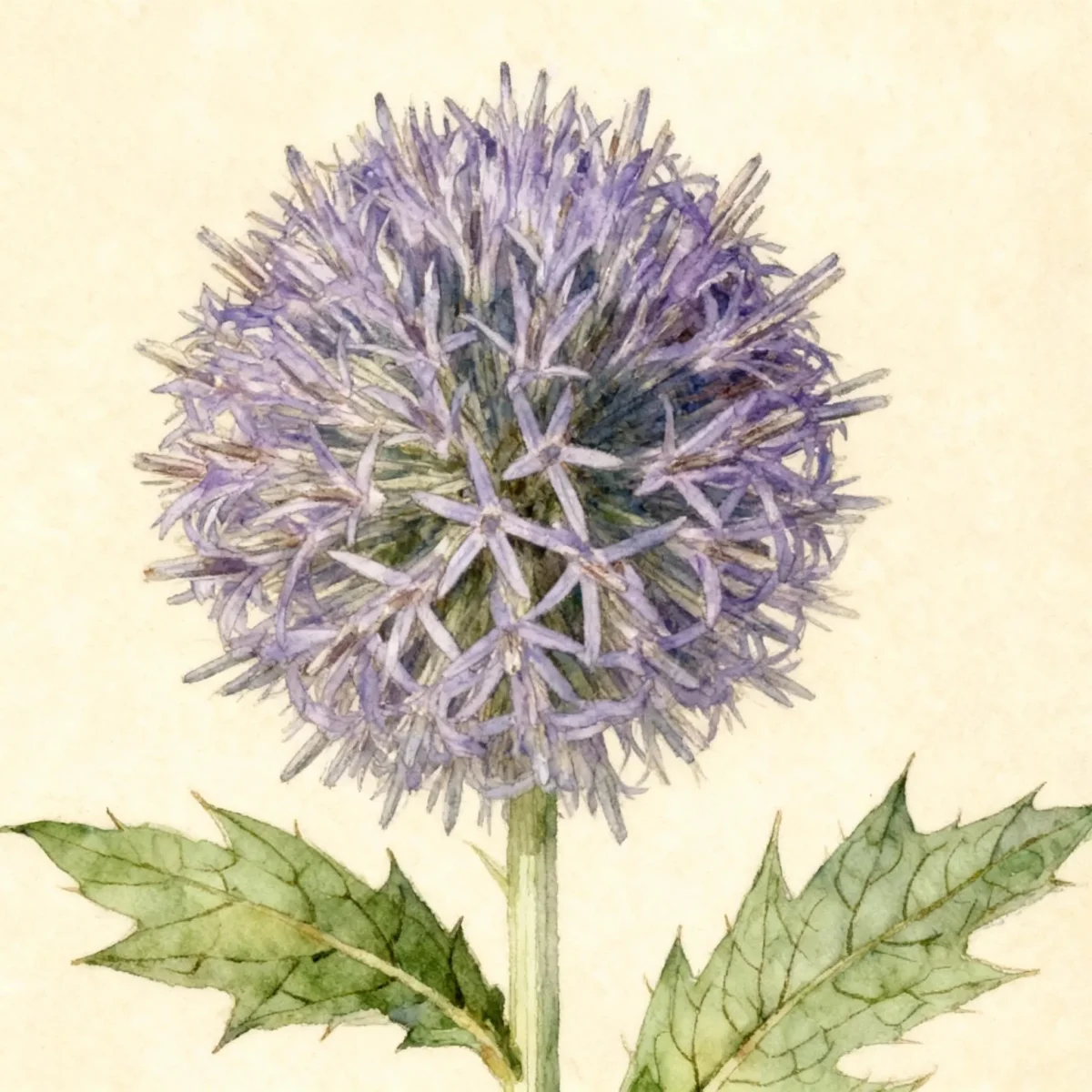
The Small globe thistle, scientifically known as Echinops ritro ‘Veitch’s Blue’, brings architectural interest and stunning color to the summer garden. Its defining feature is the unique, truly globular flower heads, often described as resembling deep steel blue golf balls atop rigid stems. This cultivar offers darker blue pigmentation and more abundant blooming than the standard species, making Echinops ritro ‘Veitch’s Blue’ a highly valued structural element in perennial designs.
As a clump-forming herbaceous perennial, the Small globe thistle thrives in conditions where many other plants struggle, favoring dry, well-drained soils and full sun exposure. Its architectural form and reliable color display from mid-summer through early autumn provide excellent vertical contrast, especially when placed toward the back of a border. Gardeners appreciate its low maintenance needs and excellent performance in poor soil conditions, making it a tough yet beautiful addition.
The thistle-like foliage, deeply lobed and gray-green, adds texture even when the plant is not in bloom. When considering the texture and color for your landscape, remember that robust stems support the unique blooms of Echinops ritro ‘Veitch’s Blue’, providing both fresh cutting material and reliable structure throughout the season.
Fast Facts
- Plant Family: Asteraceae
- Plant Type: Herbaceous perennial
- Hardiness Zones: USDA Zones 3-8
- Size at Maturity:
- Height: 3-3.5 ft
- Spread: 1.5-2 ft
- Bloom Time: July to September
- Bloom Description: Blue
- Sun Exposure: Full sun
- Water Needs: Dry to medium
- Maintenance Level: Low
How to Grow
Planting Echinops ritro ‘Veitch’s Blue’ is best achieved in spring or fall, ensuring the location receives full, unrelenting sun throughout the day. Success hinges critically on soil condition; this Small globe thistle demands well-drained soil. It happily tolerates poor, infertile, or dry soils—in fact, rich, fertile ground should be actively avoided as it can lead to weaker stems.
Once established, watering needs are minimal. Allow the soil to dry out between waterings; this plant thrives on neglect and handles drought conditions very well. Fertilizing is generally unnecessary unless the soil is exceptionally poor, as excess nutrition can promote lush foliage at the expense of flower production and structural rigidity.
Seasonal care for the Small globe thistle is straightforward. Stems are generally stiff, but very tall specimens grown in slightly richer soil might benefit from staking before heavy winds. Deadhead spent blue flower heads if you wish to tidy the appearance, though leaving them allows the structure to persist into the fall, providing persistent visual interest. As it is a taprooted plant, establish the Echinops ritro ‘Veitch’s Blue’ in its final location, as it dislikes being divided or transplanted once mature.
Landscape Uses
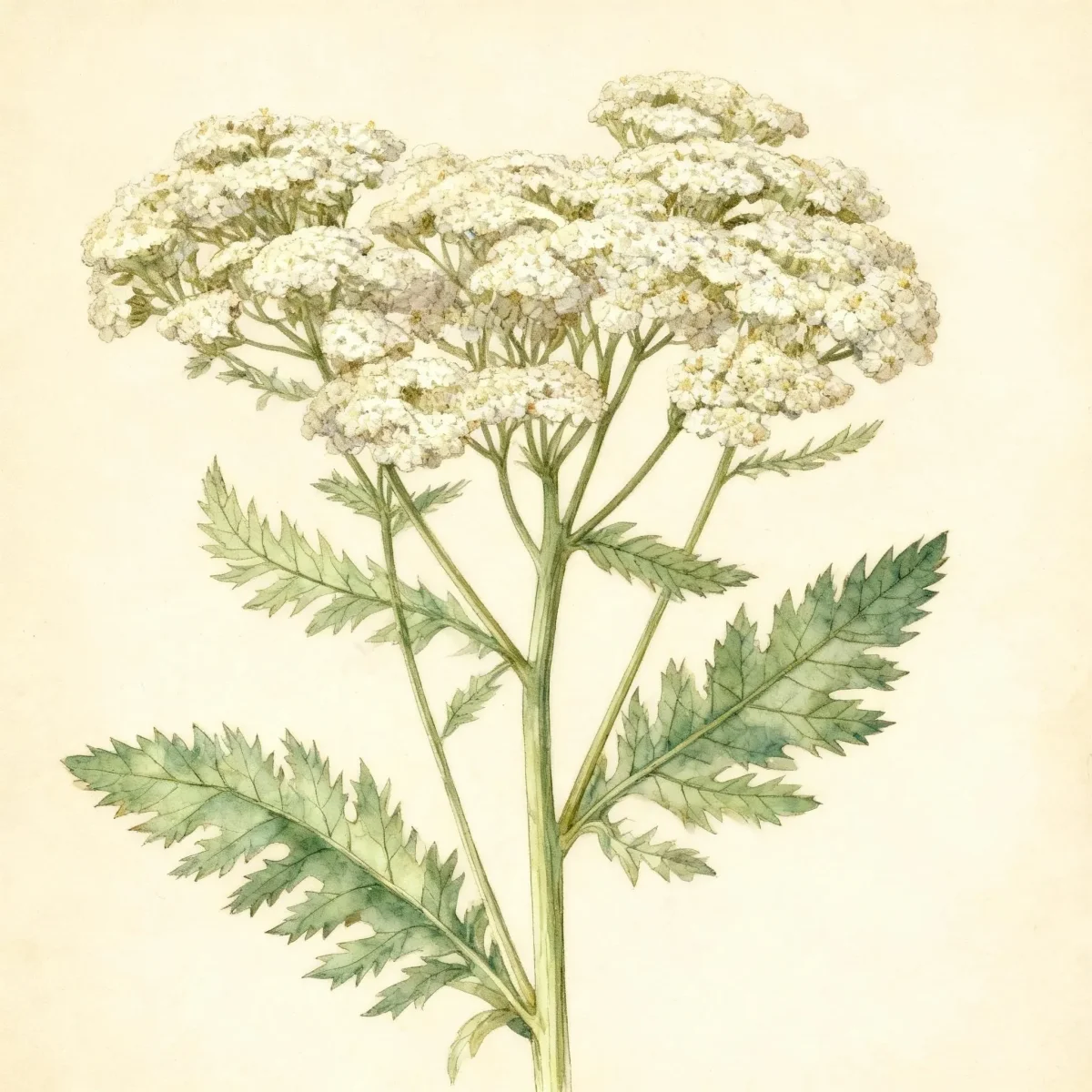
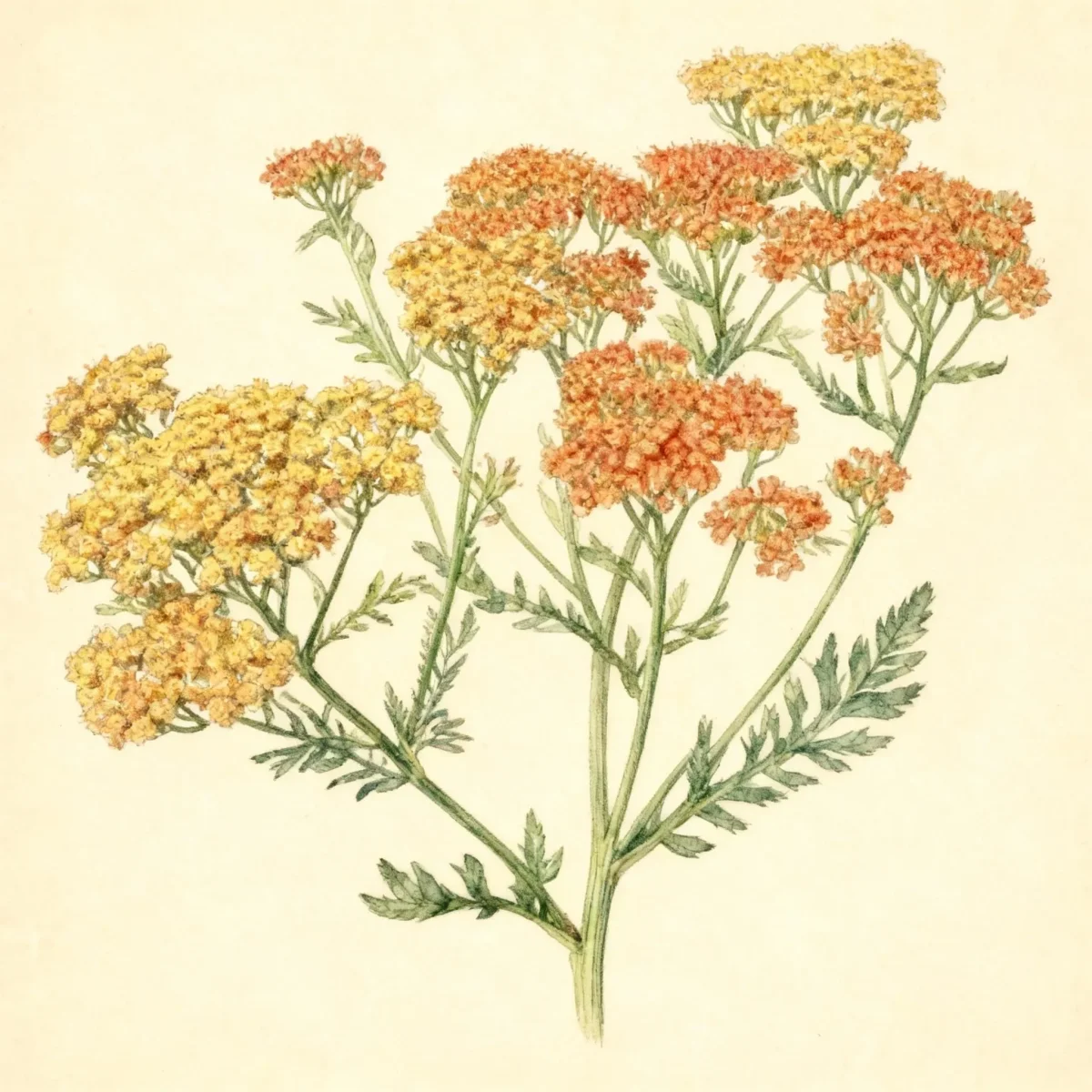
The structural presence of the Small globe thistle makes it invaluable for adding vertical anchors and striking color contrast in the perennial border. Plant it toward the rear of borders where its 3 to 3.5-foot height won’t overwhelm shorter foreground specimens. The metallic blue spheres are fantastic counterpoints to hot-colored flowers like orange coneflowers or yellow yarrow, creating dramatic visual rhythm.
Furthermore, Echinops ritro ‘Veitch’s Blue’ performs exceptionally well as a cut flower, both fresh and dried. The globular heads maintain their color and shape beautifully when dried, making them staples for everlasting arrangements. Consider grouping several plants together for mass impact or using them successively along a winding path to draw the eye deeper into the garden design.
Standout Features
Flower Qualities
- Showy
Noteworthy Characteristics
Echinops ritro is a clump-forming plant featuring golf ball sized blue flower heads atop stiff, rigid stems clad with deeply lobed, dark green, thistle-like foliage. Globular, thistle-like, deep steel blue flower heads (1-2” diameter) bloom at the stem tops in summer. The cultivar ‘Veitch’s Blue’ is noted for growing slightly smaller (3-3.5’ tall) and having darker blue flowers and more abundant flowering than the standard species.
Tolerances
- Rabbit
- Drought
- Dry Soil
- Shallow-Rocky Soil
Potential Problems
Generally, the Small globe thistle suffers from no serious insect or disease problems, cementing its reputation as a low-maintenance choice. However, taller stems may occasionally require staking, especially if the plant has been situated in richer, more fertile soils that encourage top-heavy growth. Gardeners should monitor foliage for signs of lacebugs, which can cause the leaves to look unsightly by sucking the sap. If lacebugs appear, standard insecticide applications targeting sucking insects will manage the infestation.
Frequently Asked Questions
What hardiness zones is Small globe thistle suitable for?
The Echinops ritro ‘Veitch’s Blue’ is reliably hardy across USDA Zones 3 through 8.
How large does Echinops ritro ‘Veitch’s Blue’ grow?
This perennial typically reaches a mature height between 3 and 3.5 feet tall, spreading moderately to about 1.5 to 2 feet wide.
When does Small globe thistle bloom?
You can expect the distinctive blue, globe-shaped flowers of Echinops ritro ‘Veitch’s Blue’ to appear from July through September.
What sun exposure does Small globe thistle need?
This plant requires full sun exposure to maintain its compact habit and prolific blue flowering.
Conclusion
The Echinops ritro ‘Veitch’s Blue’ is a garden champion, offering unparalleled structural texture and deep blue summer color with minimal fuss. For gardeners seeking reliable performance in challenging, dry soil conditions, the Small globe thistle is an excellent architectural addition. Before planting, confirm your site provides full sun and excellent drainage to ensure many seasons of beautiful, low-maintenance blooms.
Companion Planting
Selecting appropriate companions ensures the architectural form of the Small globe thistle complements surrounding plantings throughout the season. Because Echinops ritro ‘Veitch’s Blue’ prefers dry, lean soil and full sun, pair it with other drought-tolerant perennials that share these requirements. Plants like Sedum ‘Autumn Joy’, various ornamental Salvias, and hardy Alliums create beautiful textural and color harmony. The spiky texture of the thistle contrasts excellently with soft, feathery plants like Russian Sage (Perovskia atriplicifolia), heightening the visual appeal of the entire border.
Wildlife Benefits
While the structure is architectural, the blooms of the Small globe thistle provide significant support to local ecosystems. The open, thistle-like flower heads are highly attractive to a wide spectrum of summer pollinators, including bees and butterflies, who can easily access the nectar. Planting Echinops ritro ‘Veitch’s Blue’ not only results in garden beauty but also deliberately contributes to local pollinator support. Ensure you leave some spent flower heads standing through the fall, as they often provide winter interest and potential seed sources for birds.