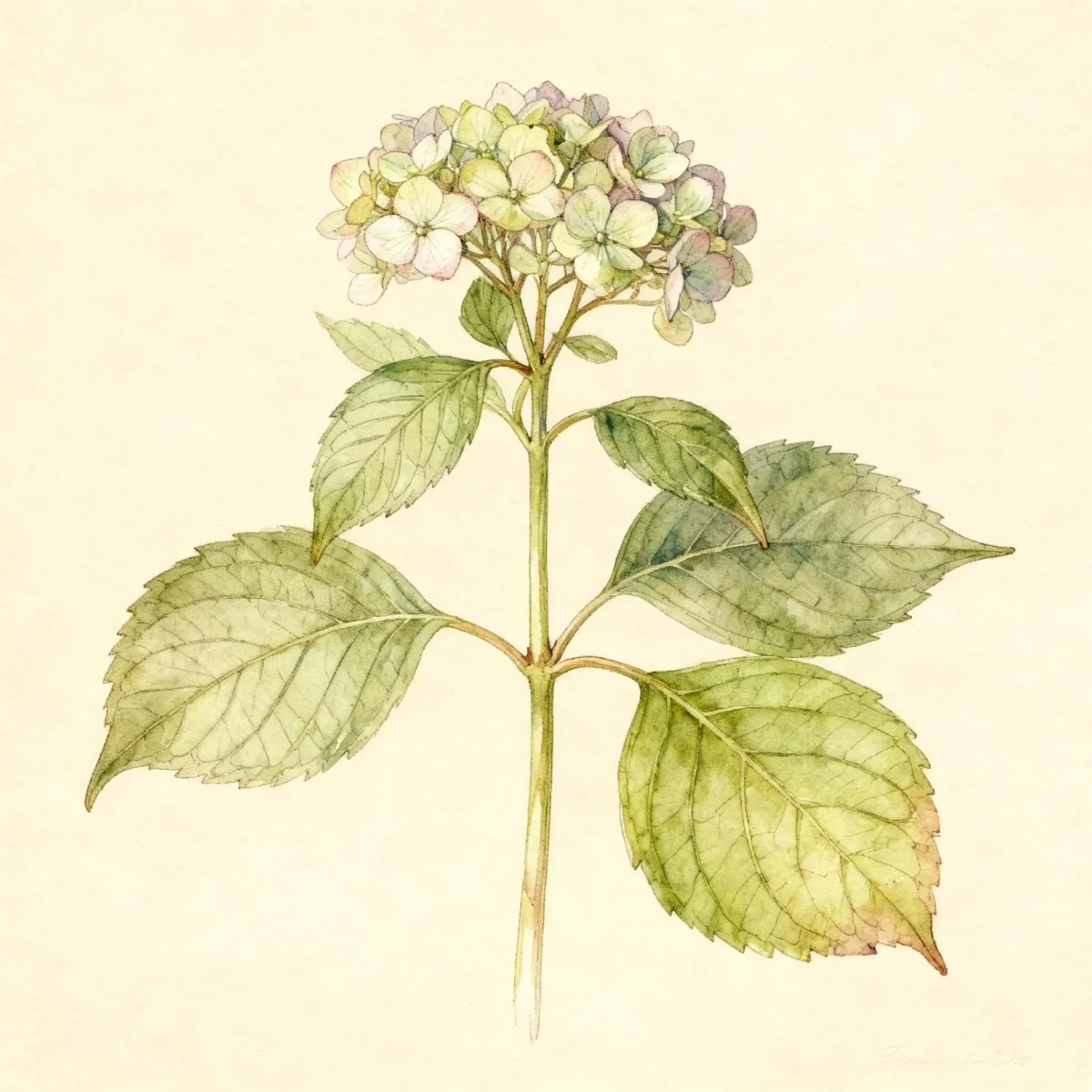
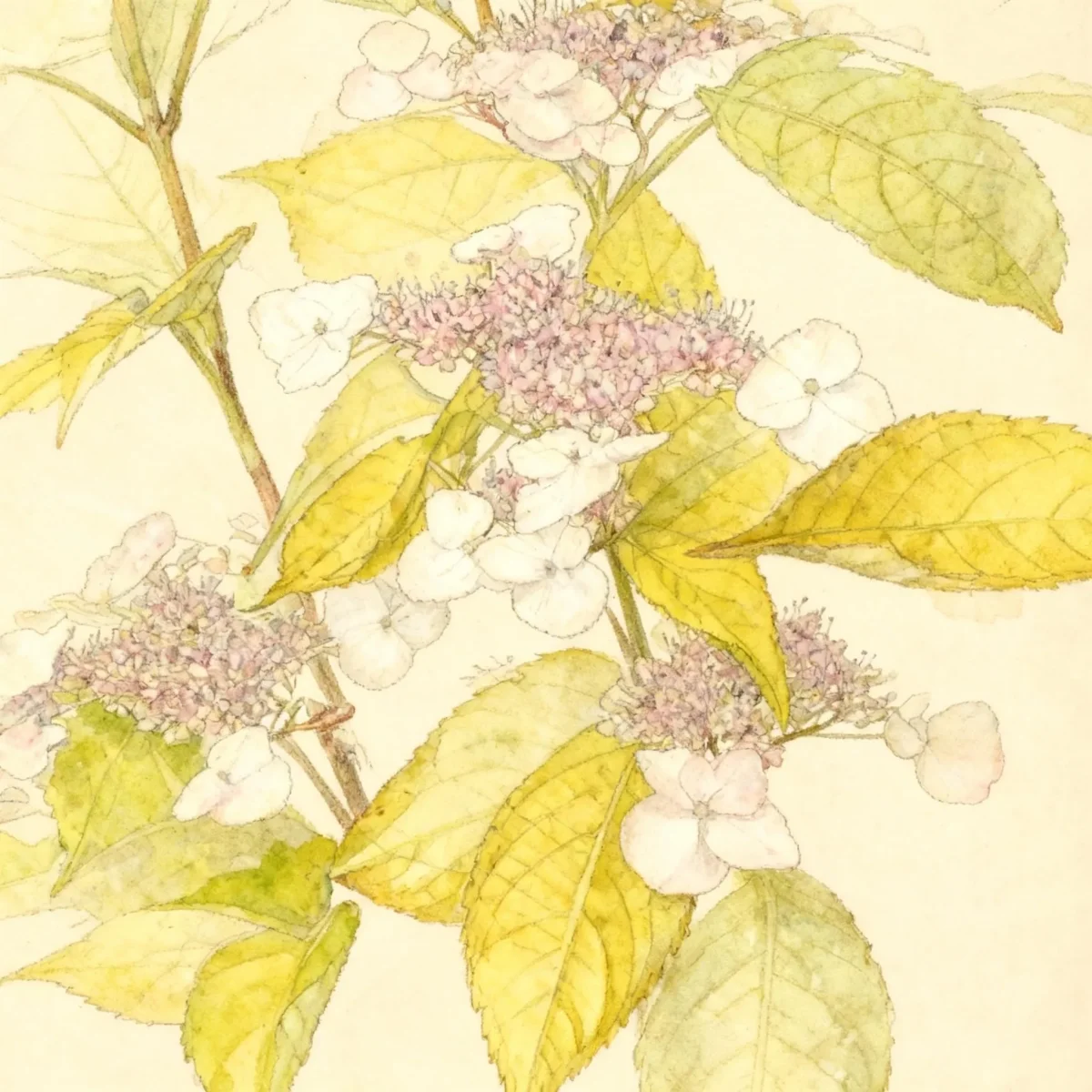
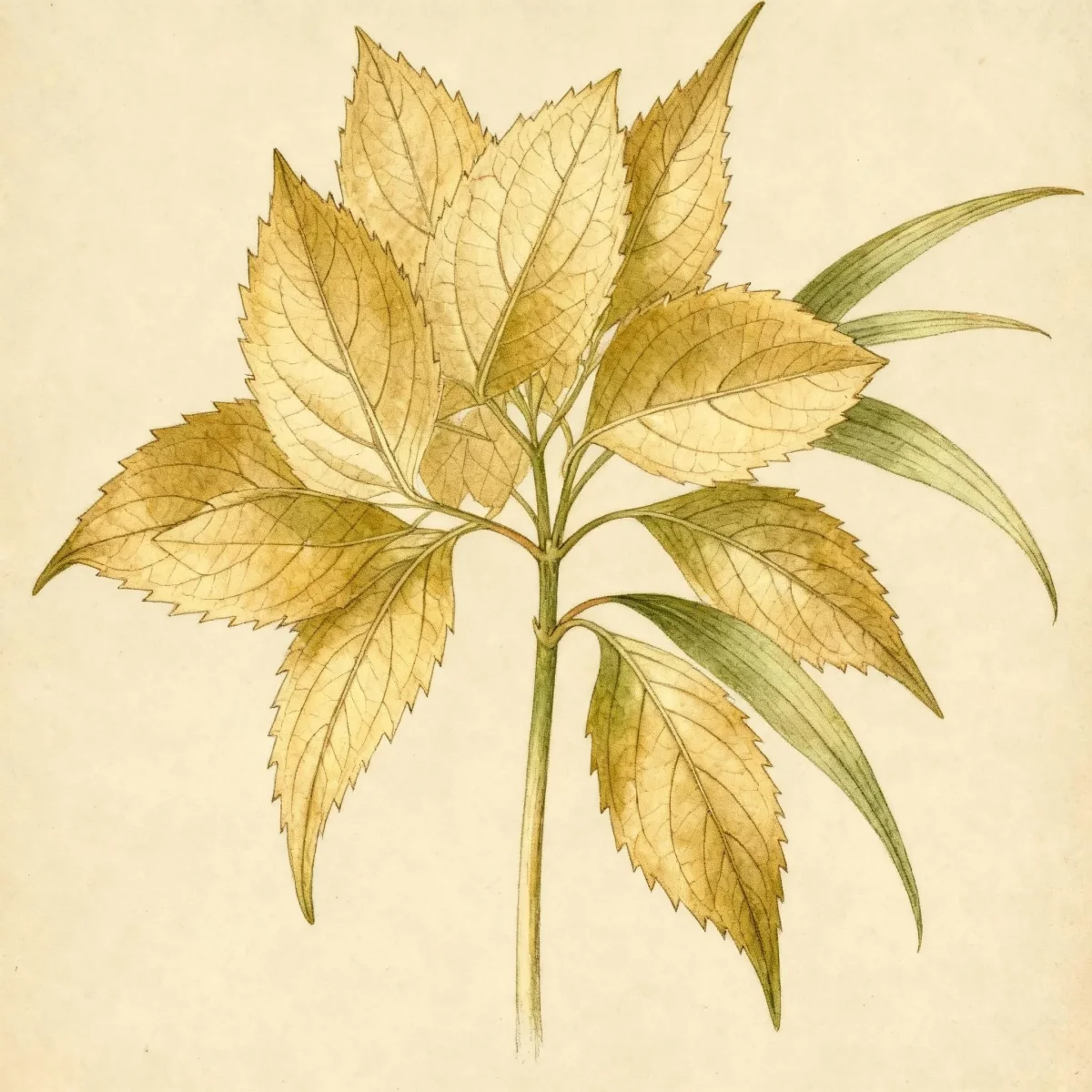
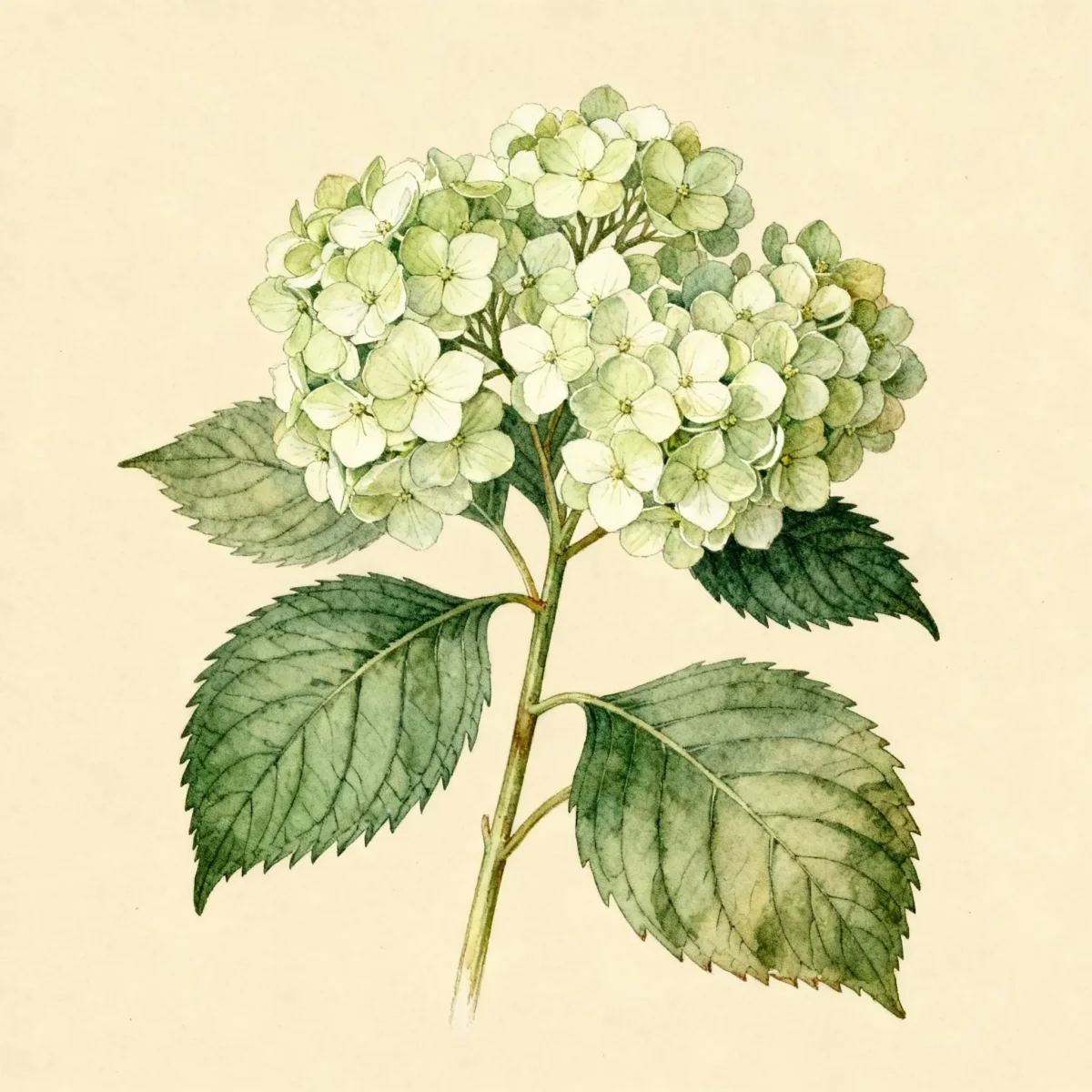
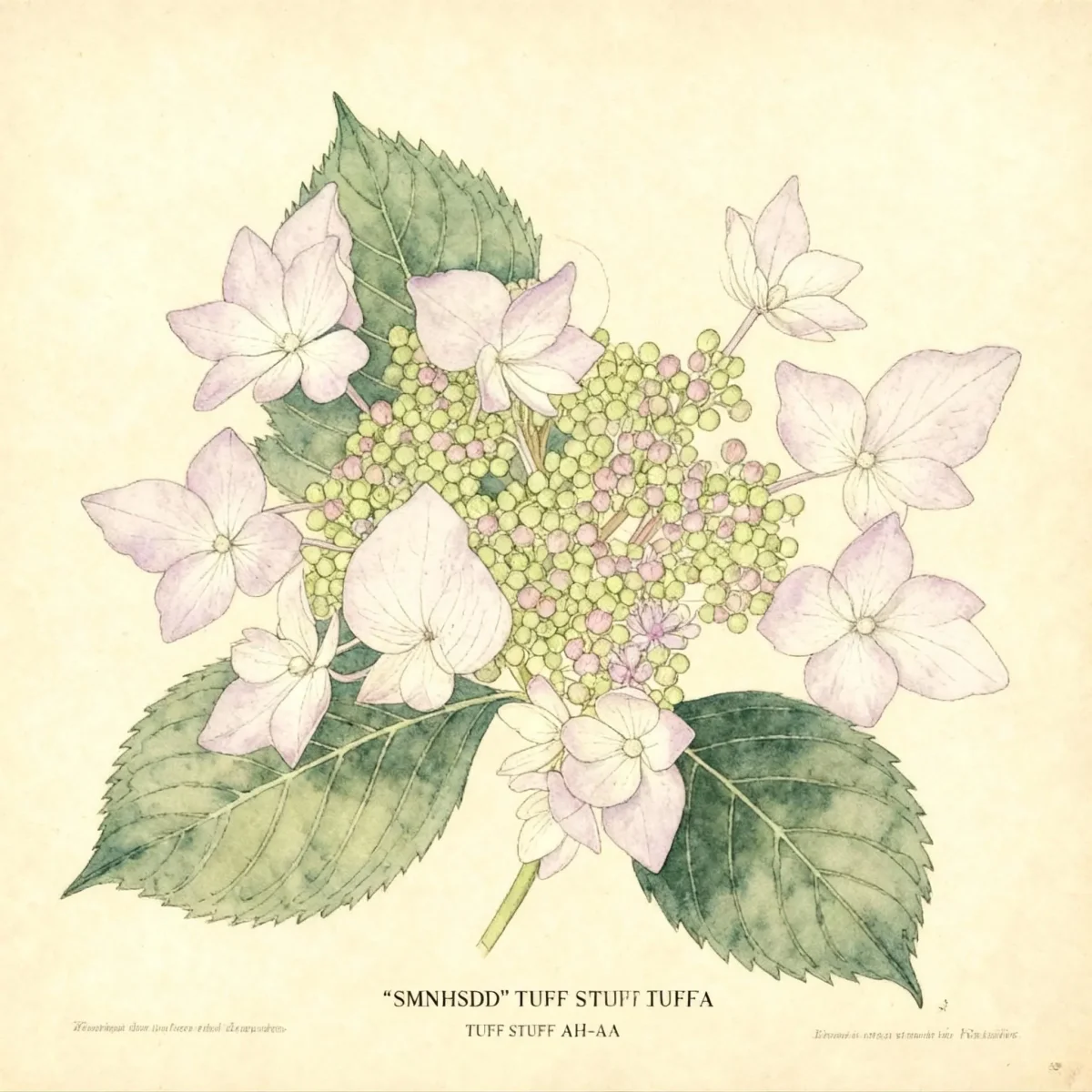
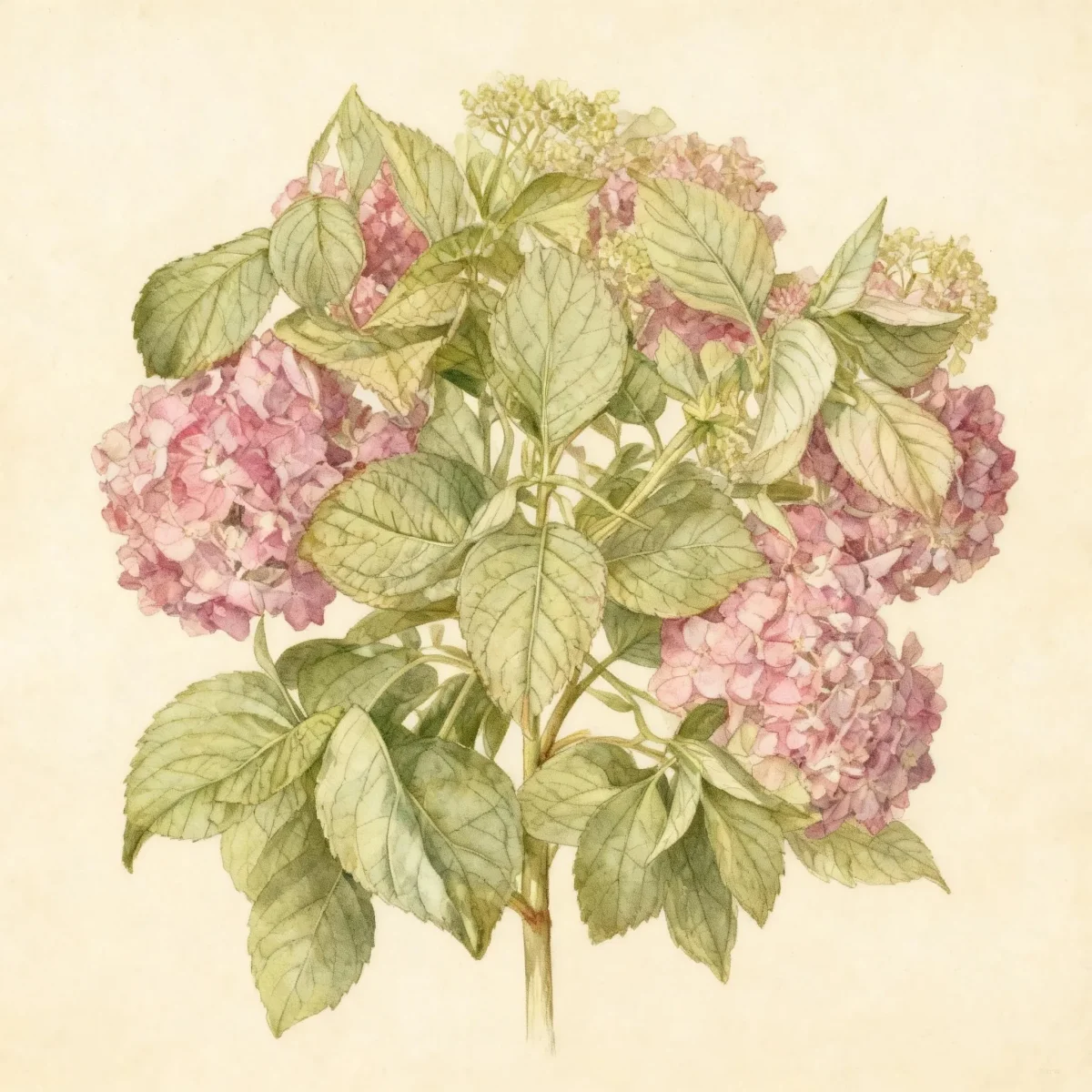
Hydrangea (Hydrangea 'Pretty Maiden')
Hydrangea 'Pretty Maiden' is a compact, pink-blooming lacecap shrub perfect for partial shade interest in zones 6-9.
Scroll down to discover growing tips, care requirements, companion plants, and more
Complete Plant Information
Overview
Hydrangea ‘Pretty Maiden’ offers gardeners a beautiful, compact specimen prized for its distinctive lacecap flower clusters that open pink. This deciduous shrub provides reliable summer color, typically blooming from July through August, making it a welcome addition to shaded borders. As a member of the Hydrangea genus, it inherits a reputation for showy blooms and reliable structure, though cultural needs must be met for the best performance.
This particular Hydrangea cultivar develops a neat, rounded habit, usually reaching 3 to 4 feet tall and spreading 4 to 5 feet wide. While incredibly charming, the successful cultivation of Hydrangea ‘Pretty Maiden’ relies heavily on consistent moisture and protection from the harshest afternoon sun. Gardeners in colder regions (Zone 5) must provide extra winter protection to ensure abundant flowering the following season.
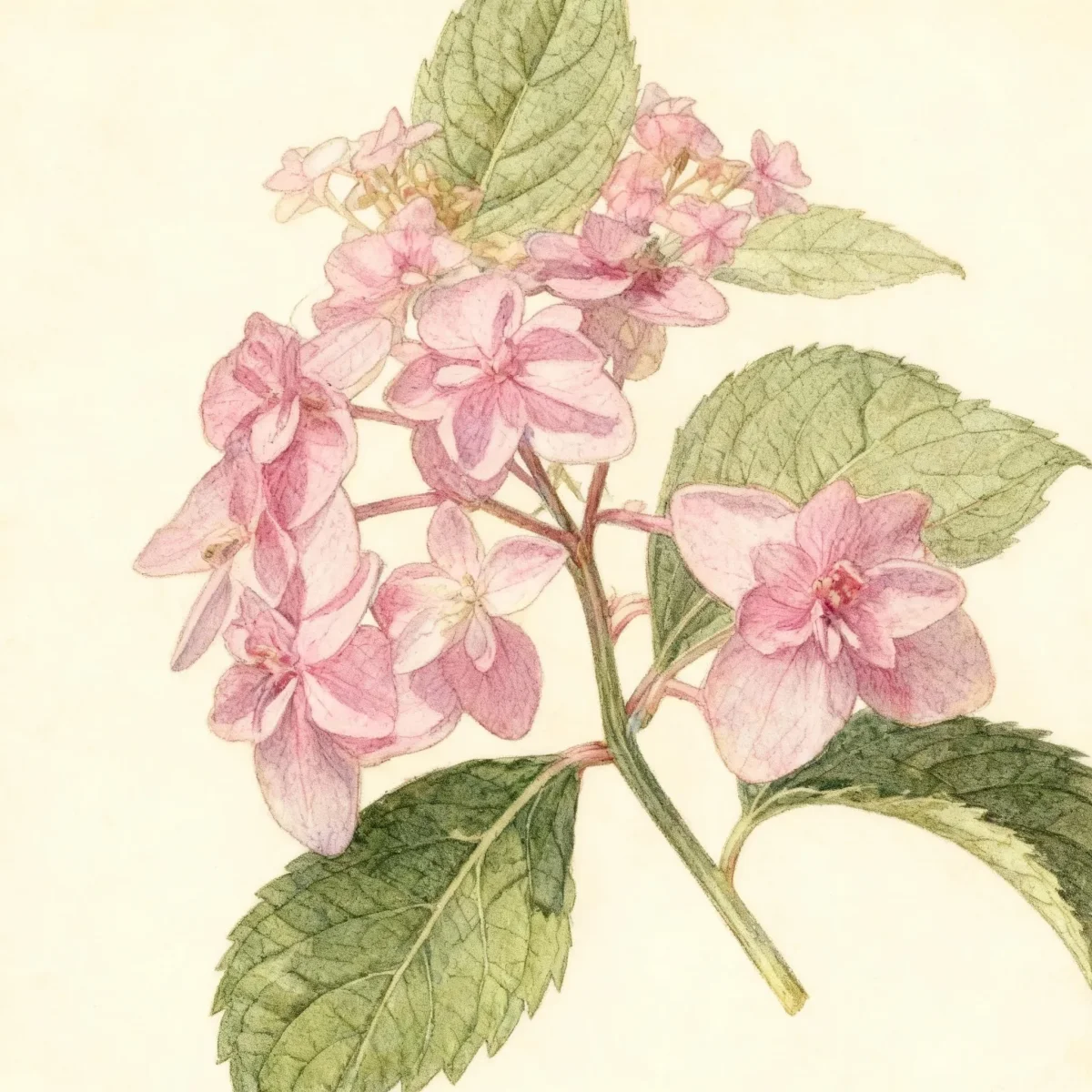
The visual impact of Hydrangea ‘Pretty Maiden’ comes from its unique, fully double sterile florets packed with up to 20 petals, creating an unusually ornate appearance compared to standard lacecaps. Its medium-green foliage provides an excellent backdrop throughout the growing season, solidifying its value as a low-key yet impactful shrub choice for sheltered landscape areas.
Fast Facts
- Plant Family: Hydrangeaceae
- Plant Type: Deciduous shrub
- Hardiness Zones: USDA Zones 6-9
- Size at Maturity:
- Height: 3-4 ft
- Spread: 4-5 ft
- Bloom Time: July to August
- Bloom Description: Pink
- Sun Exposure: Part shade
- Water Needs: Medium
- Maintenance Level: Medium
How to Grow
The ideal planting location for Hydrangea ‘Pretty Maiden’ balances light exposure with soil quality. Plant this Hydrangea in soil that is rich in organic matter, consistently moist, and highly well-drained. While they prefer part shade, they can tolerate full sun in cooler climates, provided that the soil moisture is never allowed to dry out completely. Ensure the site is sheltered, particularly from harsh winter winds which can damage dormant flower buds.
Routine care focuses on consistent moisture management, as the name Hydrangea suggests (from hydor meaning water). Water deeply whenever the top inch of soil begins to feel dry, adjusting frequency during the hotter months. Pruning should be performed selectively; since the bloom occurs on old wood, avoid cutting back too hard in the fall or spring.
For necessary shaping or maintenance, prune Hydrangea ‘Pretty Maiden’ immediately after the flowering cycle concludes in late summer. At this time, you can cut back the flowering stems selectively to the nearest set of healthy, outward-facing buds. In early spring, focus only on removing stems that appear weak, brittle, or were clearly damaged by winter cold.
Gardeners in marginal zones, specifically USDA Zone 5, must take proactive winter protection measures. Applying a thick layer of mulch around the base of the plant and wrapping the shrub securely with burlap can help mitigate cold damage that otherwise destroys the many flower buds set the previous year, potentially eliminating blooms entirely.
Landscape Uses
Hydrangea ‘Pretty Maiden’ excels when used in locations where it can be admired up close, such as near patios or pathways. Its compact size, topping out around 4 feet, makes it suitable for the front or middle of a mixed shrub border where its pink blooms can contrast well with taller greenery. Grouping several of these plants creates a mass planting effect, providing a continuous flow of color throughout mid-to-late summer.
Due to its shade tolerance, this Hydrangea integrates beautifully under high deciduous trees or along the east side of structures with reliable afternoon shade. Consider pairing Hydrangea ‘Pretty Maiden’ with other shade-loving perennials like Hostas, Astilbes, or Ferns which share similar moisture requirements. This pairing creates a lush, layered woodland garden aesthetic.
As a specimen or accent plant, locate it where its unique lacecap flowers can be truly appreciated. Its rounded form offers excellent structure in a protected spot near a home entrance or patio corner, offering consistent, low-maintenance flowering performance once established.
Standout Features
Flower Qualities
- Showy
Noteworthy Characteristics
The genus Hydrangea is known for its 80+ species of striking deciduous and evergreen woody plants originating from temperate regions across East Asia and the Americas. Hydrangea ‘Pretty Maiden’ is specifically a lacecap-type cultivar, famous for its flattened flower clusters (corymbs) where showy sterile florets encircle smaller fertile florets. This cultivar is celebrated for bearing fully double, rich pink sterile florets, up to 20 tiered petals deep, against medium green, serrated foliage, and it maintains this display from July for an extended period.
Tolerances
- No dedicated tolerance data found.
Potential Problems
Hydrangea ‘Pretty Maiden’ is generally robust and does not suffer from serious, persistent insect or disease problems under optimal conditions. However, occasional issues can arise, including susceptibility to mildew, leaf spot, and, less commonly, bud blight or bacterial wilt infections. Aphids may occasionally be observed clustering on new growth but are typically manageable with gentle sprays of water or insecticidal soap.
The most significant potential issue for this specific Hydrangea is winter hardiness inconsistency, especially outside the recommended Zone 7 buffer area. In colder spots, large numbers of flower buds can be lost to hard freezes, resulting in a season where the shrub leafs out but fails to bloom. Proper pruning techniques, focusing only on removing winter-killed wood in spring, are essential to maximize future flowering potential.
Frequently Asked Questions
What hardiness zones is Hydrangea ‘Pretty Maiden’ suitable for?
This compact deciduous shrub is reliably hardy within USDA Zones 6 through 9, though protection may be required for good blooming in Zone 6 or Zone 5.
How large does Hydrangea ‘Pretty Maiden’ grow?
This cultivar typically reaches a mature height between 3 and 4 feet tall, with a spread ranging from 4 to 5 feet wide, establishing a nice rounded shape in the garden.
What sun exposure does Hydrangea ‘Pretty Maiden’ need?
The best location for Hydrangea ‘Pretty Maiden’ is in part shade, although it can manage full sun if the soil remains consistently moist and rich.
When does Hydrangea ‘Pretty Maiden’ bloom?
You can expect the showy pink lacecap blooms of the Hydrangea ‘Pretty Maiden’ to appear consistently from July through August.
Conclusion
Hydrangea ‘Pretty Maiden’ simplifies summer color planning, providing reliable, textured pink blooms in a manageable, compact form perfect for sheltered garden spots. Its lacecap structure and double florets make it a unique visual asset among the broader Hydrangea species. Before planting, always verify that your local hardiness zone falls within USDA 6-9 and plan your location to ensure adequate moisture and afternoon shade for the best results.
Companion Planting
Selecting companions for Hydrangea ‘Pretty Maiden’ requires focusing on plants that thrive in similar moist, well-drained soil conditions under partial shade. Consider grounding the shrub with low-growing, broad-leafed perennials like shade-loving groundcovers such as Vinca minor or Ajuga reptans, which suppress weeds and maintain soil moisture around the Hydrangea roots.
For textural contrast, combining the fine mounds of Japanese Forest Grass (Hakonechloa macra) or the upright texture of Tall Bleeding Hearts (Dicentra spectabilis) near the Hydrangea creates visual depth. These companions appreciate the filtered light that Hydrangea ‘Pretty Maiden’ favors, ensuring all plants remain healthy and vibrant from spring through fall.
Seasonal Care Calendar
Spring is the critical time for assessing winter survival; inspect the stems of your Hydrangea ‘Pretty Maiden’ for signs of life. Remove any obviously dead or damaged wood down to healthy tissue in early spring before new growth begins in earnest. As the weather warms, apply a fresh layer of organic mulch to help regulate soil temperature and retain the medium moisture levels this Hydrangea requires.
Summer focus is entirely on consistent watering, especially when the shrub is blooming heavily from July into August. Avoid letting the soil dry out, which can stress the plant and potentially cause bud blast or flower wilting. If fertilizing, do so lightly in early summer, avoiding high-nitrogen fertilizers late in the season, as late feeding can encourage tender growth vulnerable to early autumn frosts.
As autumn arrives, cease supplemental watering unless drought conditions prevail, allowing the plant to naturally begin hardening off for winter dormancy. In colder zones (Zone 5 or exposed Zone 6 sites), this is the time to apply protective measures like deep mulching or wrapping the bush before the first hard freeze settles in, safeguarding the wood that will bear next year’s spectacular pink Hydrangea ‘Pretty Maiden’ flowers.