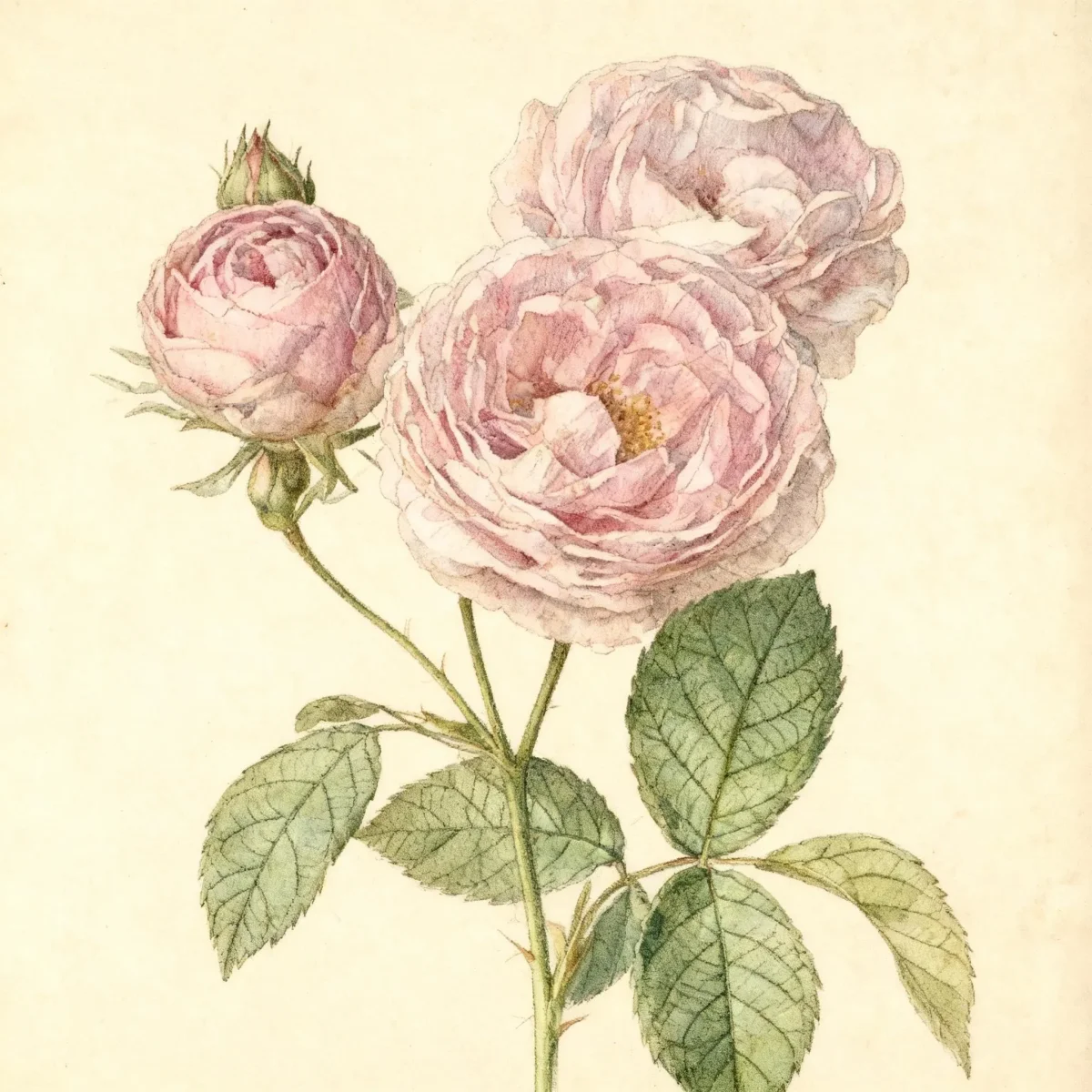
Shrub rose (Rosa 'Ausday' THE ALEXANDRA ROSE)
Rosa 'Ausday' THE ALEXANDRA ROSE is a stunning Shrub rose prized for showy, fragrant blooms from May until frost. Hardy zones 5-9.
Scroll down to discover growing tips, care requirements, companion plants, and more
Complete Plant Information
Overview
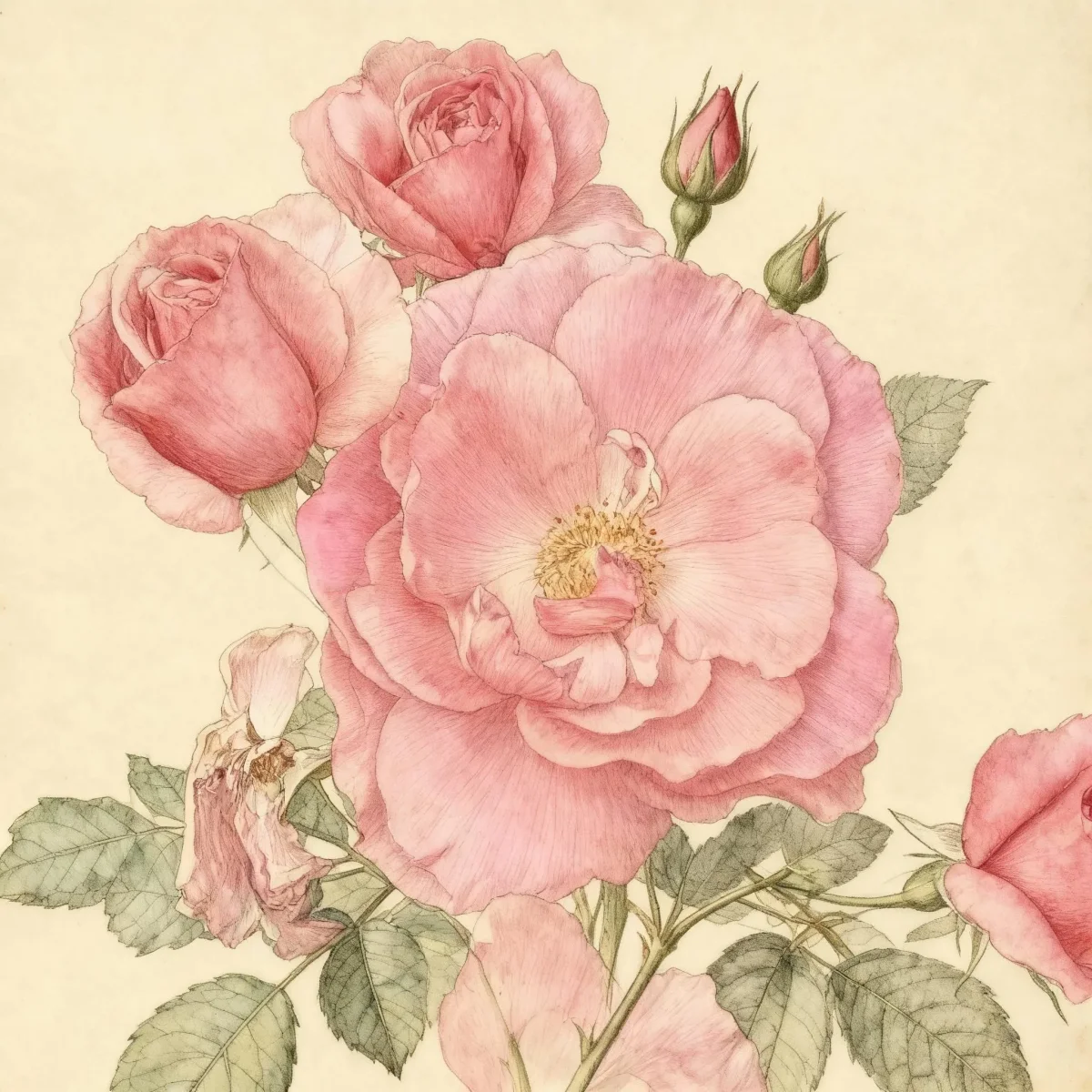
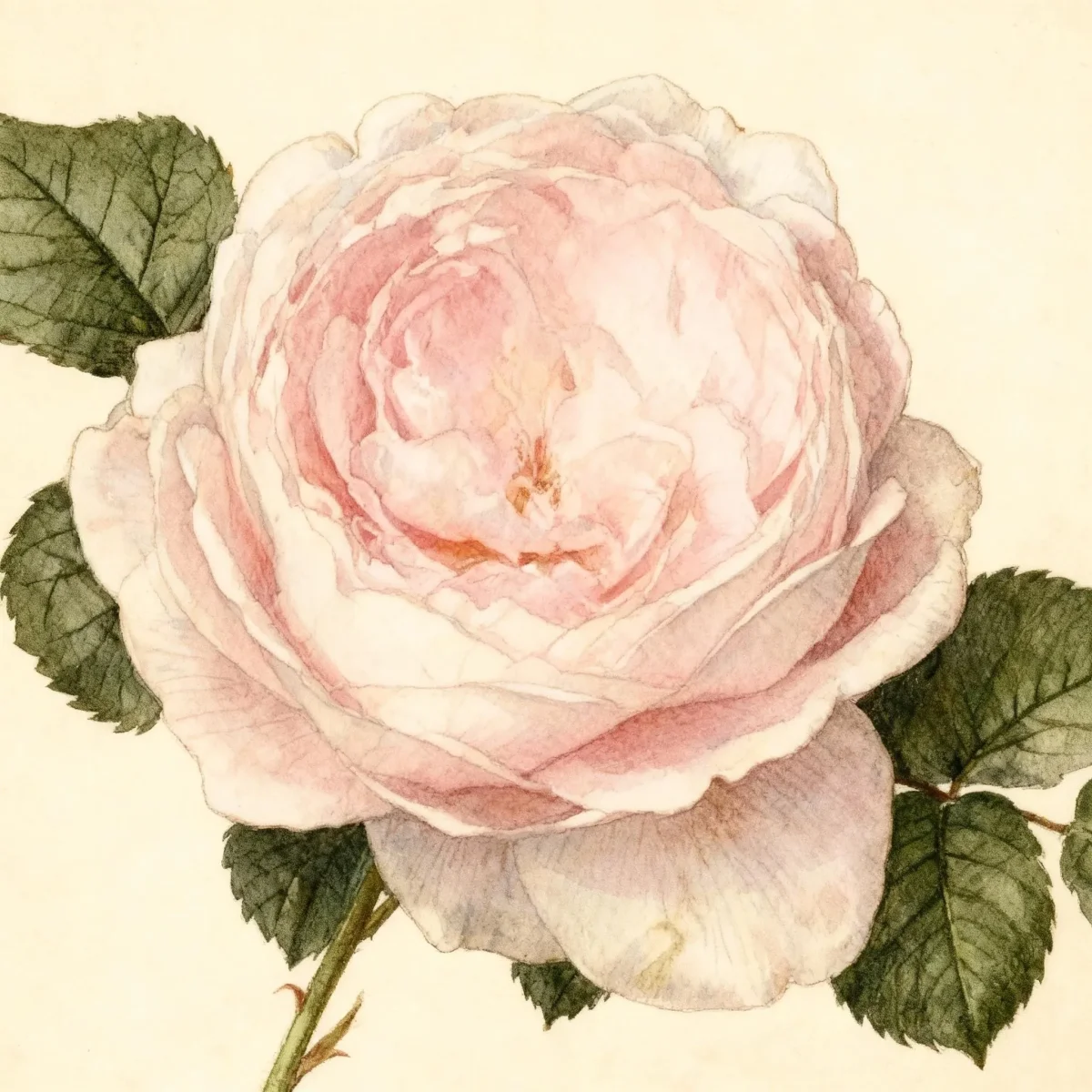
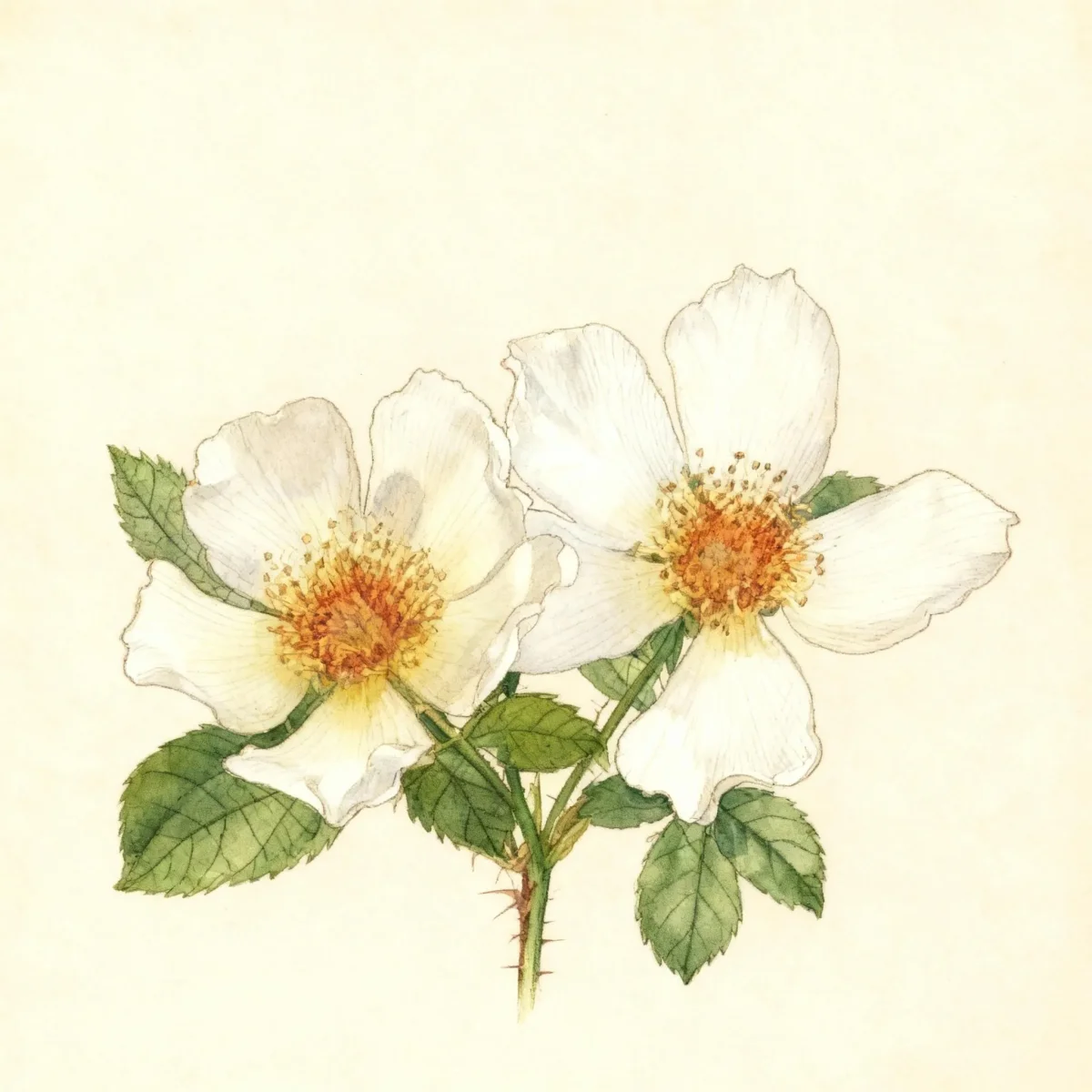
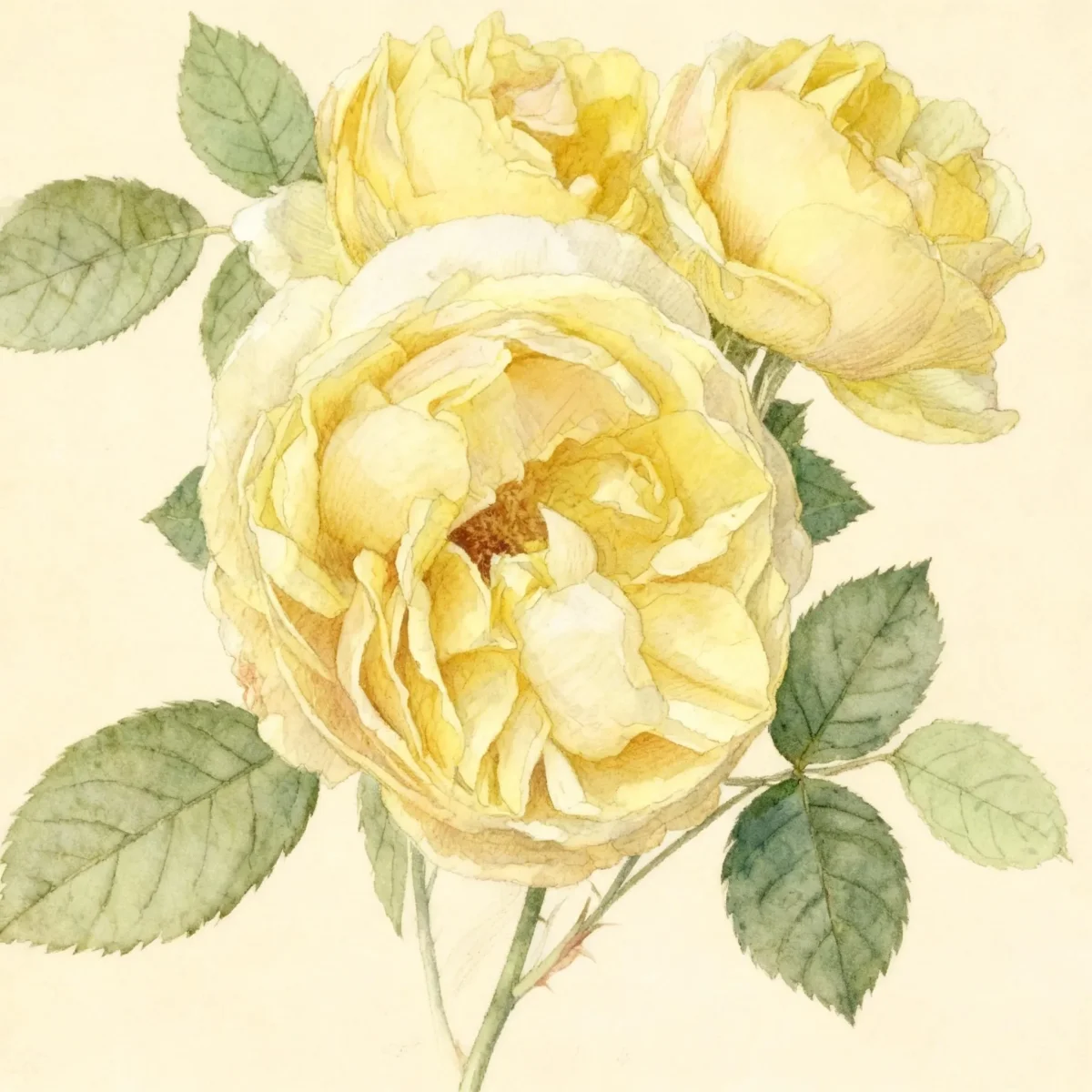
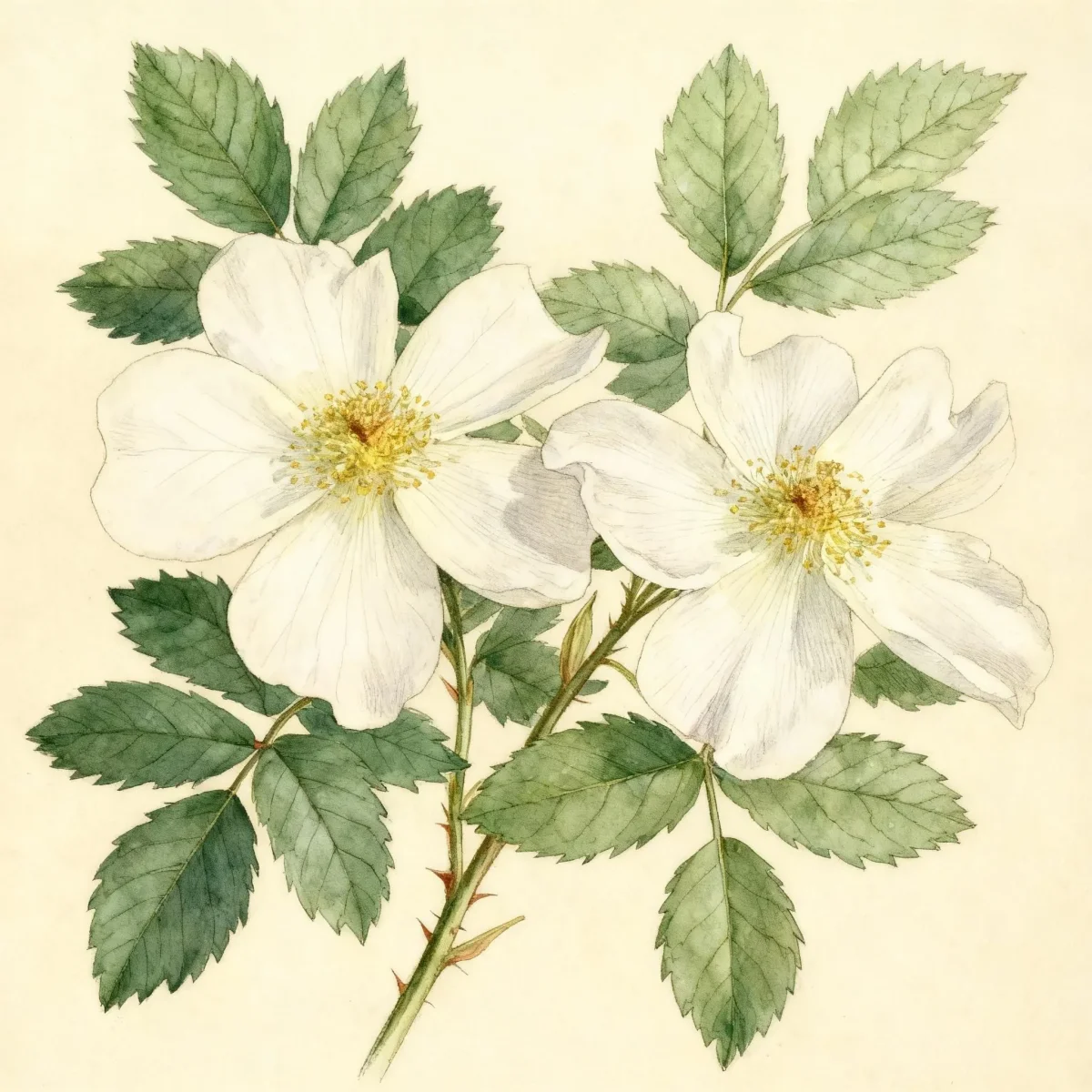
The Rosa ‘Ausday’ THE ALEXANDRA ROSE, a beautiful example of a Shrub rose, offers gardeners continuous color and fragrance from early summer right through to the first fall frost. It is highly valued for its single, alba-like blooms which transition appealingly from pink to coppery pink, drawing the eye with a defined yellow eye. This dependable Shrub rose typically matures into a substantial bush, capable of providing structure or screening in the landscape.
Valuable for its longevity of bloom and versatility, this particular cultivar thrives best when positioned to receive several hours of direct sunlight daily, promoting optimal flowering and disease resistance. As a member of the diverse Rosa genus, Rosa ‘Ausday’ THE ALEXANDRA ROSE benefits from robust cultural practices that ensure healthy, vigorous growth characterized by gray-green foliage.
Ultimately, incorporating Rosa ‘Ausday’ THE ALEXANDRA ROSE into your garden provides a cottage garden feel with the stature of a formally maintained shrub. Gardeners looking for performance and historical charm should find this David Austin introduction, also known by its cultivar designation ‘AUSday’, to be an excellent selection for borders or structural accents.
Fast Facts
- Plant Family: Rosaceae
- Plant Type: Deciduous shrub
- Hardiness Zones: USDA Zones 5-9
- Size at Maturity:
- Height: 4-8 ft
- Spread: 4-8 ft
- Bloom Time: May to frost
- Bloom Description: Pink fading to coppery pink with yellow eye
- Sun Exposure: Full sun
- Water Needs: Medium
- Maintenance Level: Medium
How to Grow
Plant Rosa ‘Ausday’ THE ALEXANDRA ROSE in well-drained garden loams that are slightly acidic to ensure proper nutrient uptake and root health. While full sun provides the best flowering performance and disease resistance, this Shrub rose can tolerate part shade. Ensure good air circulation around the plant; this is crucial for discouraging common foliar diseases.
Maintain consistent moisture levels by watering deeply and regularly, focusing application in the mornings to allow foliage ample time to dry before evening. A layer of summer mulch applied around the base will help keep the roots cool, conserve essential soil moisture, and naturally suppress weed growth competing for resources.
Promote continuous rebloom by diligently removing spent flowers (deadheading) throughout the growing season. Late winter to early spring is the ideal time for essential pruning, generally aimed at shaping or controlling size, as Shrub roses do not require the heavy pruning of Hybrid Teas. In very cold winter locations, administer winter protection to the crowns of your Rosa ‘Ausday’ THE ALEXANDRA ROSE. Ensure meticulous cleanup in late fall and early spring, removing and destroying all fallen leaves to minimize overwintering pathogens.
Landscape Uses
The robust structure and continuous flowering habit of Rosa ‘Ausday’ THE ALEXANDRA ROSE make it an excellent foundational planting or border element, particularly valued in cottage garden designs where its informal beauty shines. Its mature height and spread (4 to 8 feet) allow it to function effectively as a specimen plant or planted in repeating groups to form a striking, colorful hedge.
Beyond traditional shrub borders, this rose can be trained effectively. With support, the graceful canes of this Shrub rose can be guided up walls, along sturdy fences, or over trellises, adding vertical interest and covering structural elements. When planning companions, select plants with similar medium water needs and avoid overcrowded conditions that might impede the necessary air circulation around the leaves of Rosa ‘Ausday’ THE ALEXANDRA ROSE.
Standout Features
Flower Qualities
- Showy
- Fragrant
Noteworthy Characteristics
The Rosa ‘Ausday’ THE ALEXANDRA ROSE is a David Austin English shrub rose known for its distinctive single, five-petaled flowers measuring up to 2.5 inches across. These blooms feature pink petals that soften to coppery-pink surrounding a clear yellow eye and stamens, resembling Gallica roses in style. This cultivar offers light fragrance, gray-green foliage, and generally requires less drastic pruning than many other modern hybrid roses, allowing it to grow into a large, naturally beautiful bush.
Tolerances
Potential Problems
Roses generally face several common diseases, notably black spot, powdery mildew, and rust, requiring diligence, especially in humid climates. The first defense against these issues is excellent cultural practice, such as ensuring deep morning watering and promoting strong air flow around the Shrub rose canopy. For reliable results, particularly where humidity is high, preventative fungicide applications throughout the growing season are often necessary. Common insect pests include aphids, scale, leafhoppers, and spider mites, all manageable with prompt identification and targeted treatment strategies recommended by local horticultural experts.
Frequently Asked Questions
What hardiness zones is Shrub rose suitable for?
Rosa ‘Ausday’ THE ALEXANDRA ROSE is reliably hardy in USDA Zones 5 through 9.
How large does Rosa ‘Ausday’ THE ALEXANDRA ROSE grow?
This Shrub rose typically reaches a height and spread between 4 and 8 feet at maturity, though size can fluctuate based on climate.
What sun exposure does Rosa ‘Ausday’ THE ALEXANDRA ROSE need?
For the best flowering and disease control, full sun exposure is recommended for this rose.
When does Shrub rose bloom?
Blooms appear continuously starting in May and persist until the first hard frost, showcasing a unique pink fading to coppery pink color.
Conclusion
The Rosa ‘Ausday’ THE ALEXANDRA ROSE offers gardeners a rewarding combination of old-world aesthetics and reliable, long-season blooming power, making it a premier choice among Shrub roses. Its showy, fragrant flowers and relatively manageable size ensure it enhances cottage gardens or borders beautifully. Before planting, confirm that your local climate falls within USDA Zones 5 to 9 and plan for a location that offers the full sun exposure necessary for this superb cultivar to truly flourish.
Companion Planting
Roses generally perform well alongside low-growing perennials that do not highly compete for surface moisture or excessively shade the lower canes. Consider planting species like Catmint (Nepeta) or hardy Geraniums around the base of the Shrub rose. These low-profile companions establish a ground cover that helps moderate soil temperature and suppress weeds without interfering with the air circulation vital to the health of Rosa ‘Ausday’ THE ALEXANDRA ROSE.
When selecting companions, prioritize plants that share the medium water needs and full sun requirements of the rose. Avoid planting dense, moisture-loving shrubs immediately adjacent to the rose, as this can trap humidity near the foliage, exacerbating fungal disease pressure on susceptible plants like this Shrub rose.
Seasonal Care Calendar
Late Winter/Early Spring: Perform necessary pruning on the Rosa ‘Ausday’ THE ALEXANDRA ROSE to remove crossing branches and shape the general form before new growth begins. Apply a fresh layer of mulch once the threat of hard frost has passed.
Late Spring/Summer: Begin a preventative fungicide program if you know your area is prone to black spot or mildew. Deadhead faded flowers regularly throughout the season to stimulate the production of new, fragrant blooms. Ensure deep, morning watering during dry spells.
Fall Cleanup: This step is critical for managing potential problems over winter. Thoroughly remove and destroy all fallen leaves from around the base of the rose canes. This proactive measure significantly reduces the fungal spore load that could attack the plant the following spring.