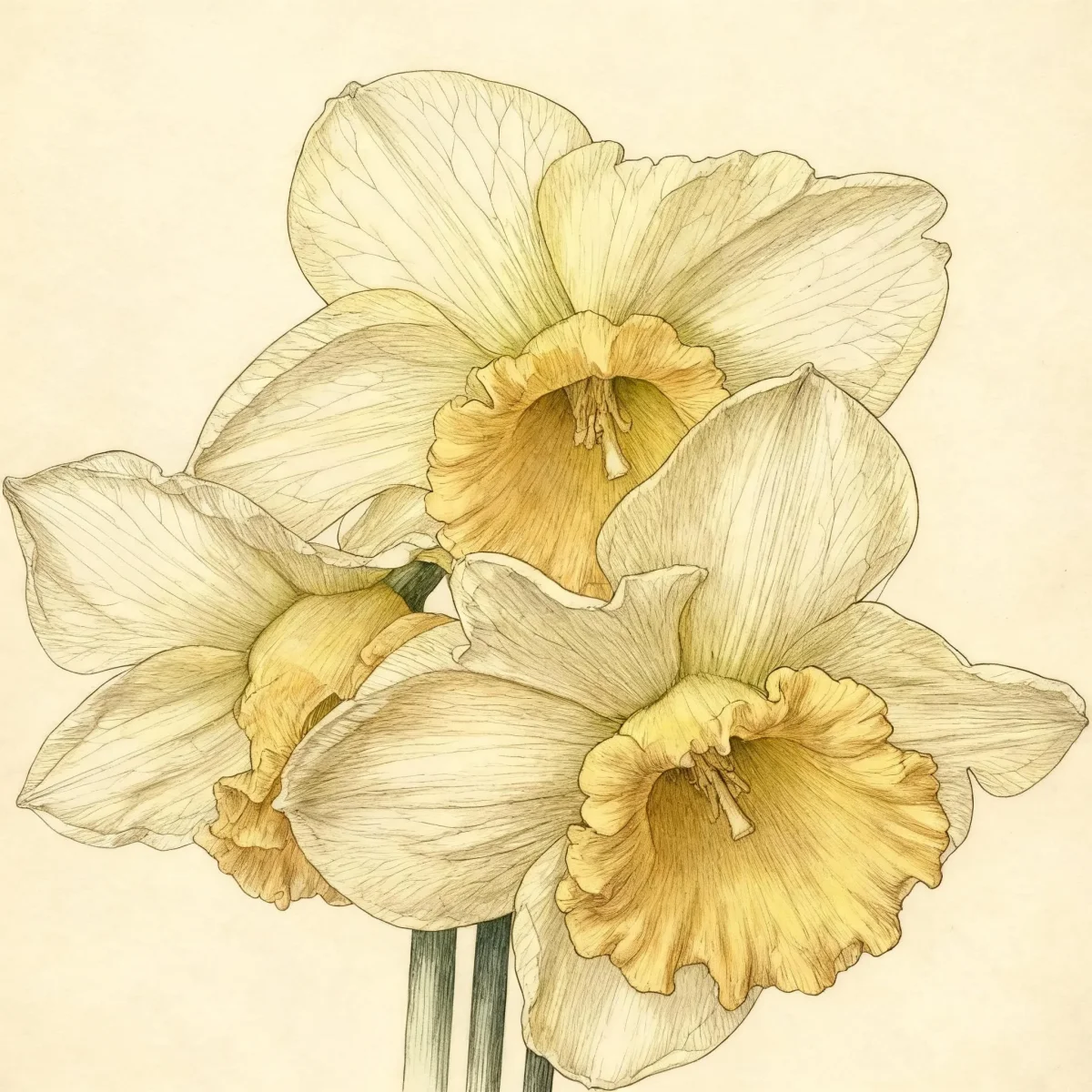
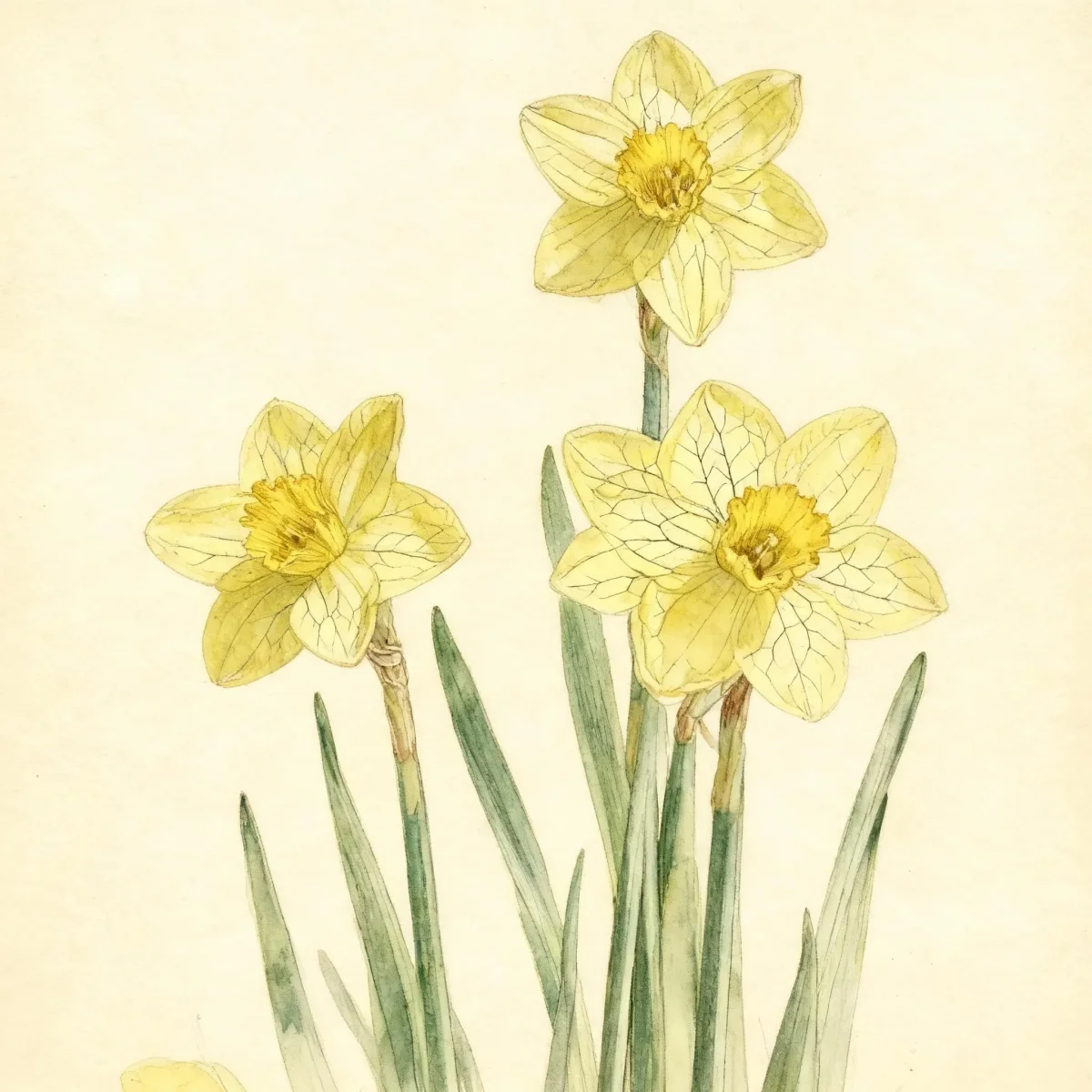
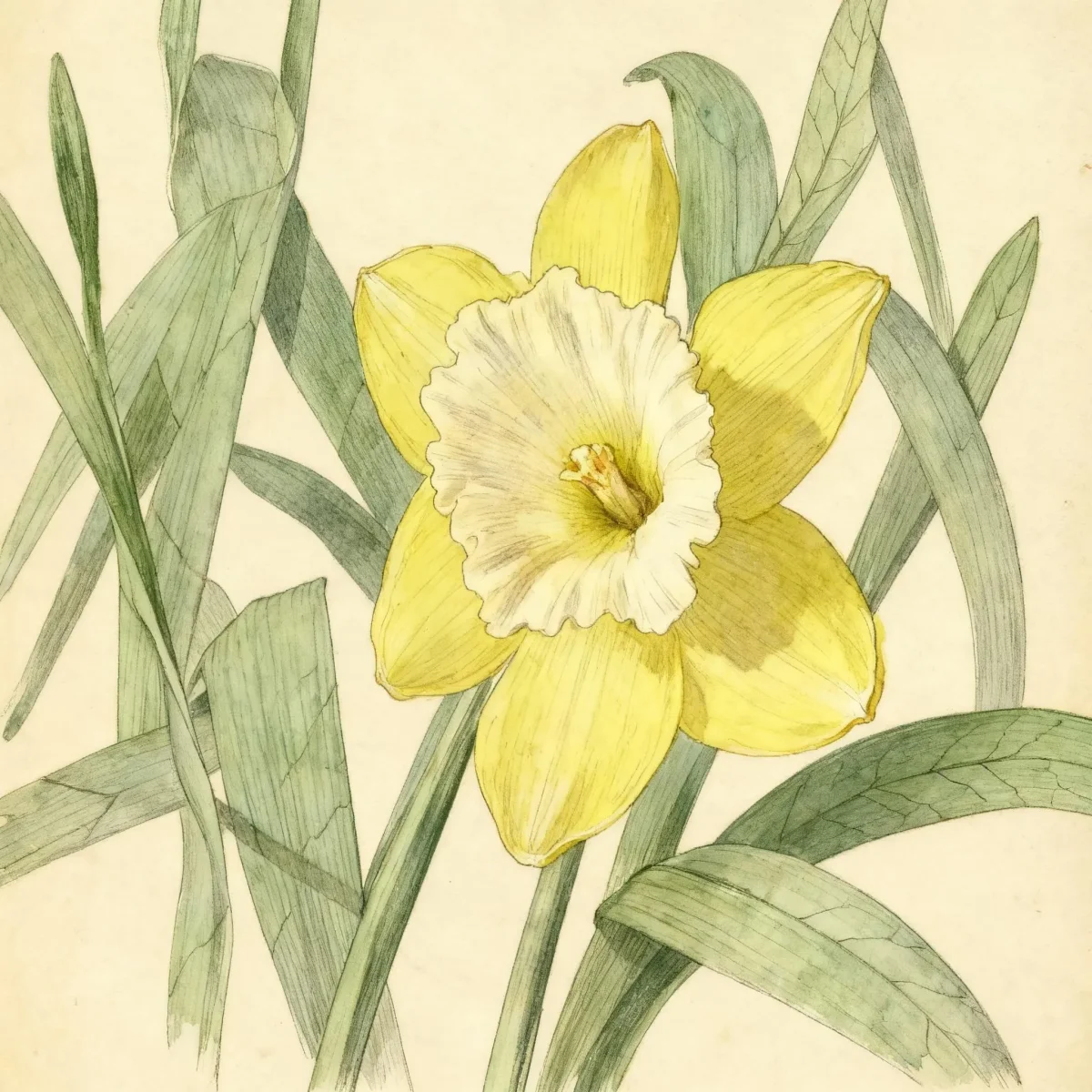
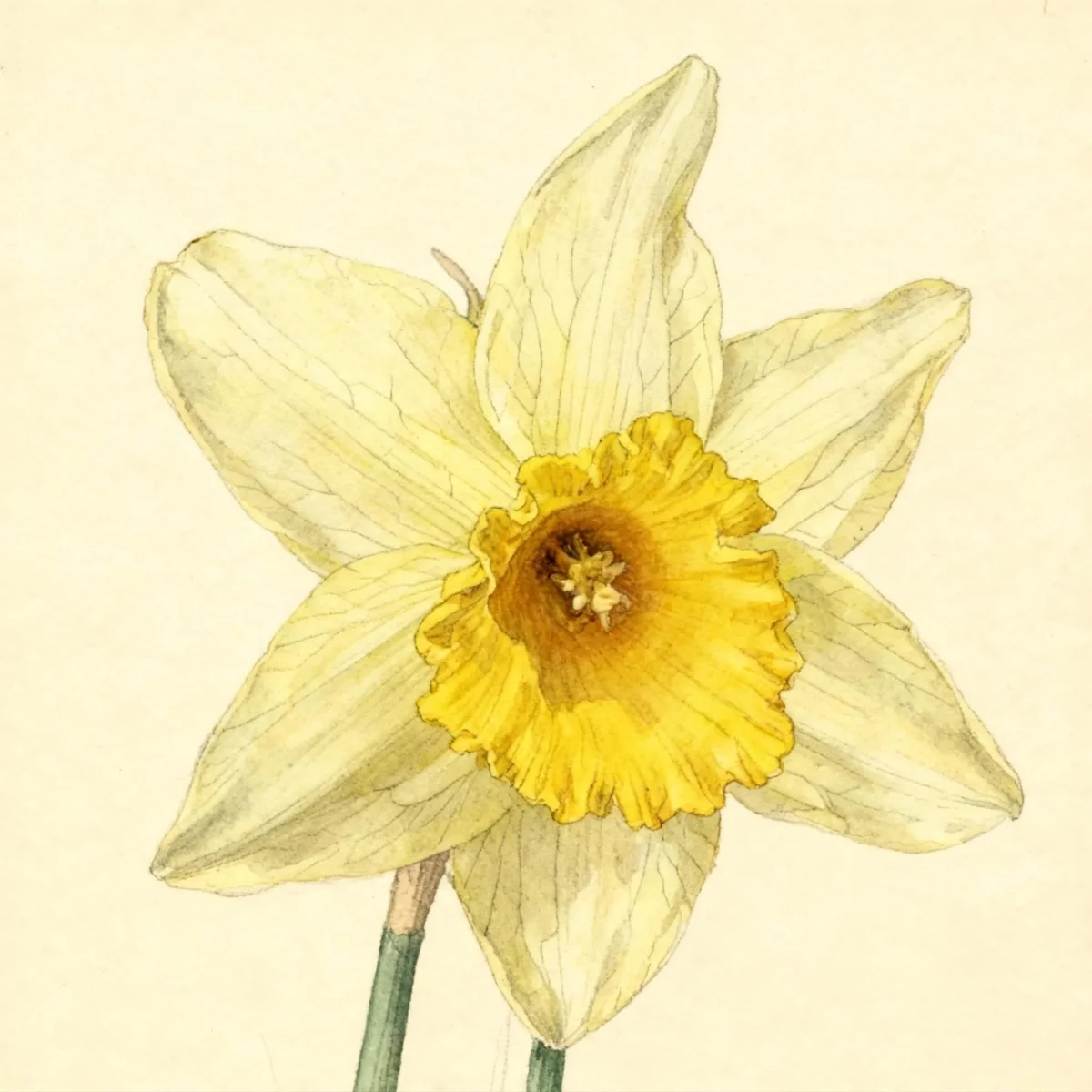
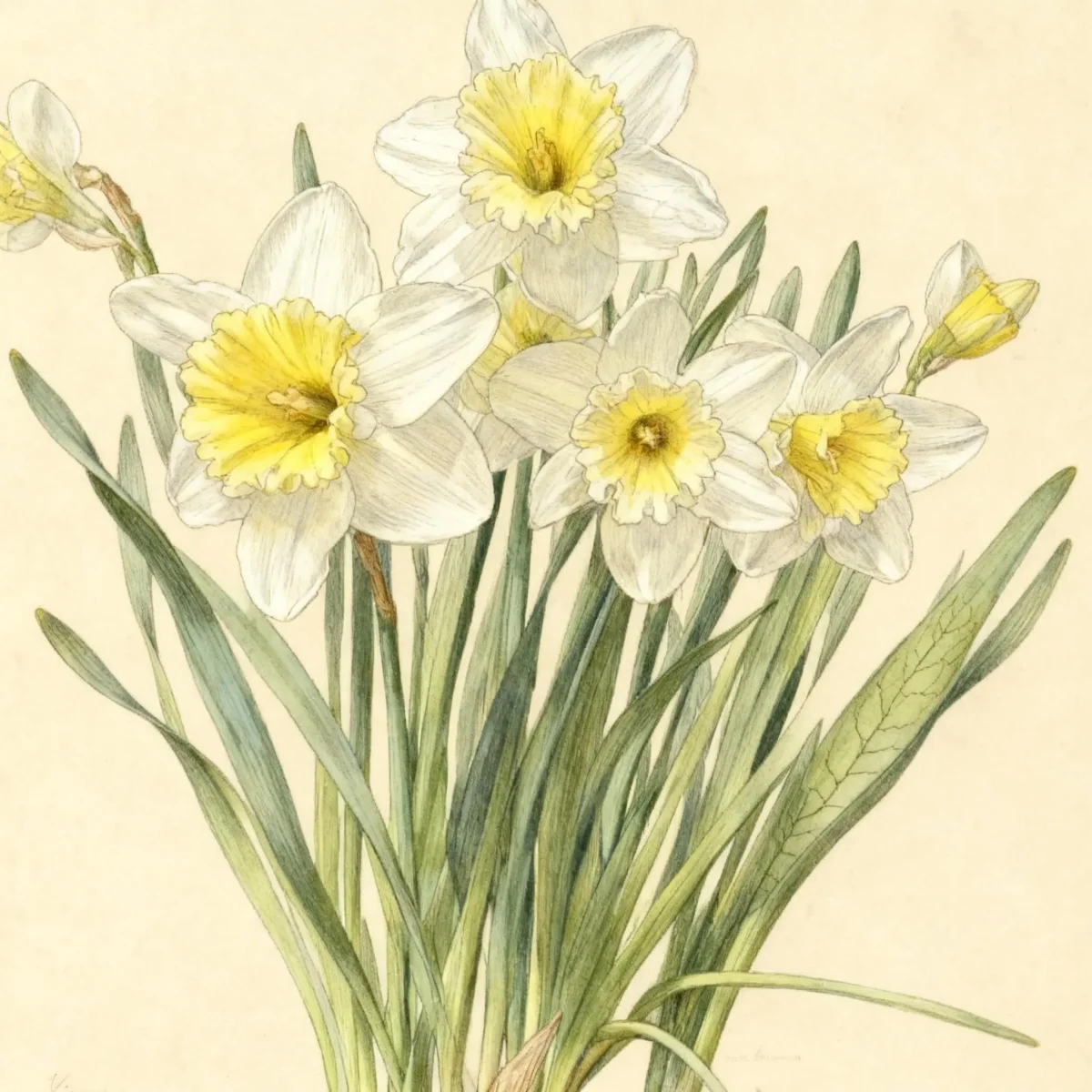
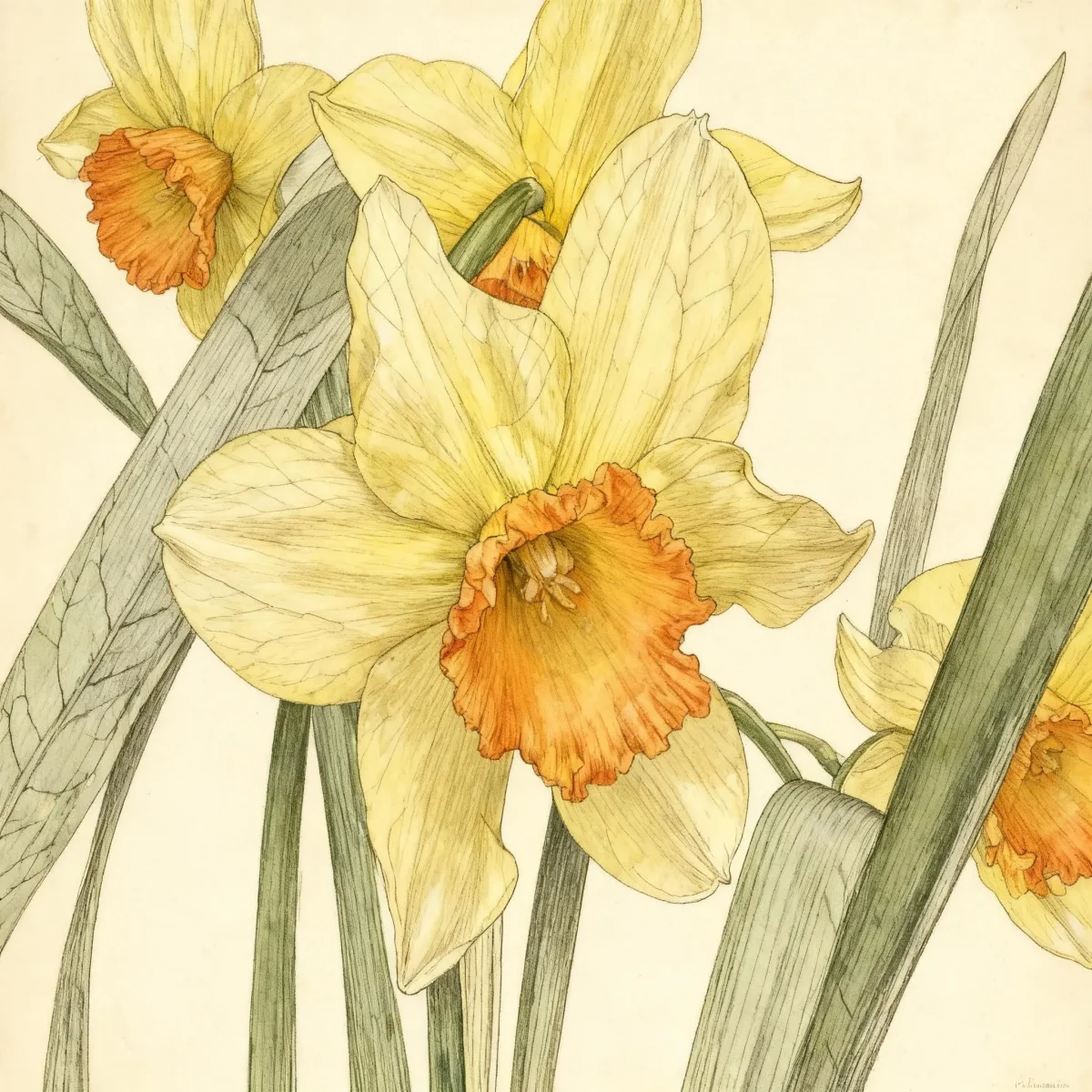
Large-cupped daffodil (Narcissus 'Tangent')
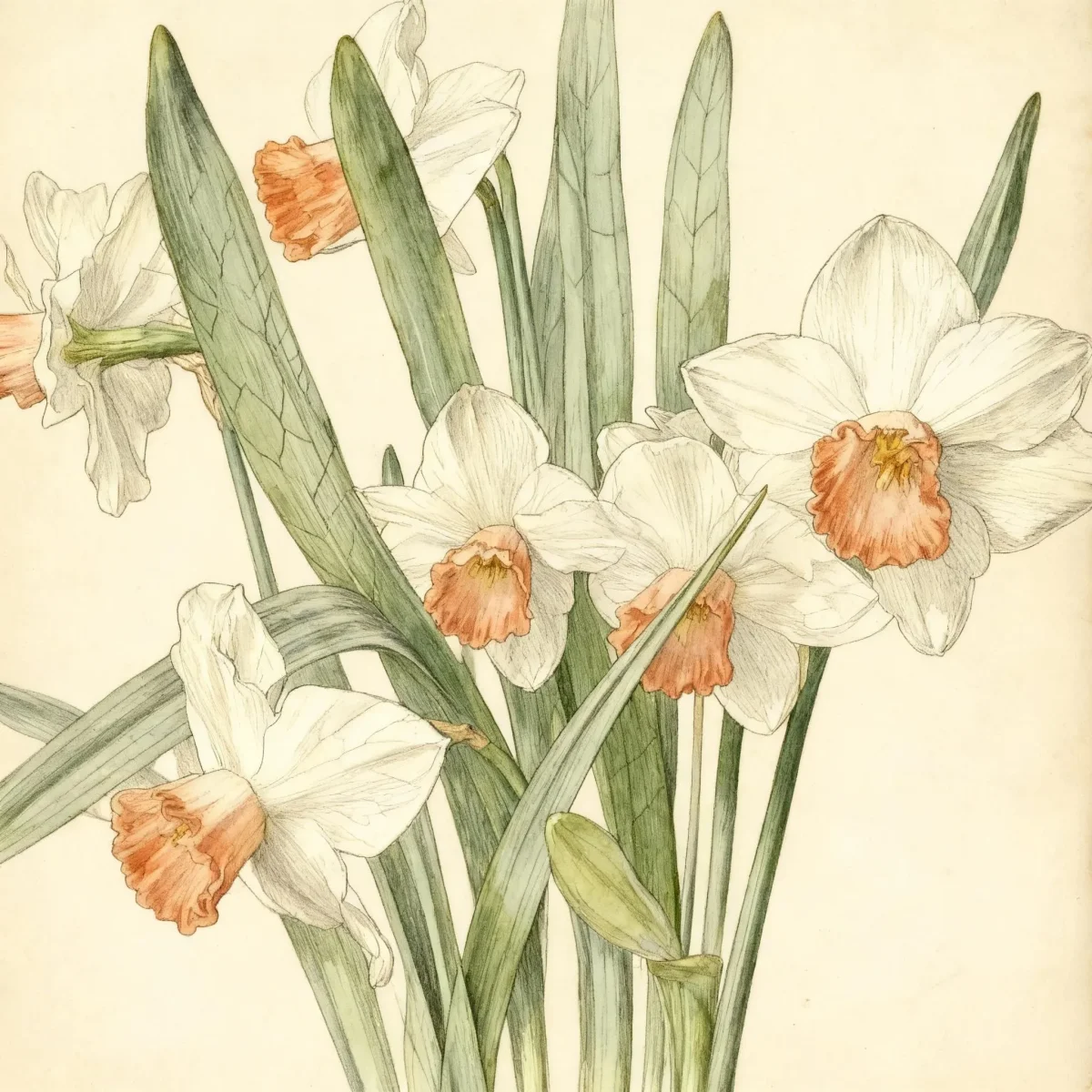
Narcissus 'Tangent' is a superb Large-cupped daffodil featuring white petals and a striking rose cup. Low maintenance and deer resistant.
Scroll down to discover growing tips, care requirements, companion plants, and more
Complete Plant Information
Overview
Narcissus ‘Tangent’ offers an exceptional display as a distinctive Large-cupped daffodil perfect for rejuvenating the early to mid-spring garden. This hybrid stands out with its crisp white perianth segments contrasted beautifully against a deep coral rose cup, making it an immediate focal point. Functioning as a low-maintenance perennial bulb, Narcissus ‘Tangent’ naturalizes well, providing reliable, vibrant color year after year with minimal intervention. Gardeners value this variety not only for its aesthetic appeal but also for its resilience against common garden pests like rabbits and deer.
This reliable flower emerges from narrow, strap-shaped green foliage, typical of Division II daffodils. It thrives best when planted in masses, creating sweeping drifts of color that signal the true arrival of spring. As a Large-cupped daffodil, its cup dimension falls between one-third and the full length of the petals, classifying it among the most popular daffodil types.
Key to success with Narcissus ‘Tangent’ is ensuring proper planting depth and drainage during the initial fall installation. Once established, these bulbs require medium moisture, tolerate drought while dormant, and reward patient gardeners with reliable mid-season blooms.
Fast Facts
- Plant Family: Amaryllidaceae
- Plant Type: Bulb
- Hardiness Zones: USDA Zones 3-8
- Size at Maturity:
- Height: 1-1.5 ft
- Spread: 0.5-1 ft
- Bloom Time: April
- Bloom Description: White petals and rose cup
- Sun Exposure: Full sun to part shade
- Water Needs: Medium
- Maintenance Level: Low
How to Grow
Planting Narcissus ‘Tangent’ should occur in early to mid-fall to allow adequate root development before the ground freezes. Select a location receiving full sun to light afternoon shade, ideally with organically rich loams that provide excellent drainage, which is crucial for bulb health. When planting, bury each bulb 2 to 3 times as deep as the bulb itself, ensuring at least three inches of soil cover the top, and space them 4 to 8 inches apart for a natural look over time.
During active growth in spring, keep the soil uniformly moist; however, this Large-cupped daffodil handles dry conditions once it enters dormancy. After the bright blooms fade in April, remove the spent flower stem just below the base to prevent seed formation, but absolutely leave the foliage intact. The greenery must be allowed to yellow naturally—usually several weeks—as this process recharges the bulb for next year’s performance.
After the foliage dies back, no further cutting is necessary. Clump division is only required if bloom quantity or quality noticeably declines after several years; this is best done immediately after the foliage yellows. For optimal viewing, position groupings where taller shrubs or shaded areas will be behind the flowers, as the blooms tend to face the sun.
Landscape Uses
Daffodils, and the Narcissus ‘Tangent’ specifically, are invaluable for creating layered spring interest where other plants have yet to wake up. Unlike annuals, these bulbs return consistently, making them excellent for permanent placement in mixed perennial borders or woodland settings. Plant them generously—aiming for drifts of at least six bulbs—to ensure maximum impact as they transition from smaller groupings to sweeping naturalized areas.
Consider massing Narcissus ‘Tangent’ near the front of shrub borders or beneath deciduous trees where the emerging foliage of the daffodil complements the emerging spring canopy. They mix seamlessly with other early bloomers like species tulips or grape hyacinths (Muscari), providing contrast in height and form. Allowing them to naturalize means you can eventually enjoy large sweeps that require virtually no seasonal maintenance beyond deadheading the spent flowers.
Standout Features
Flower Qualities
- Showy
Noteworthy Characteristics
Narcissus is a genus of about 50 species of bulbous perennials from Europe and North Africa, serving as a staple in the spring garden. Flowers typically feature a cup or trumpet (corona) surrounded by six petals (perianth segments), displaying colors from white and yellow to orange and pink. ‘Tangent’ is officially classified as a large-cupped daffodil (Division II), defined by a cup that is greater than one-third but less than the length of the petals. This specific hybrid boasts overlapping white petals paired with a vibrant deep coral rose cup, emerging mid-season, usually around April.
Tolerances
- Rabbit
- Deer
- Drought
Potential Problems
Daffodils, including Narcissus ‘Tangent’, are generally celebrated for being almost completely pest and disease-free when cultural requirements are met. The primary concern involves bulb rot, which occurs exclusively in soils that retain too much moisture or drain poorly; ensuring sharp drainage is the number one preventative measure. Infrequently, garden pests like slugs and snails may chew on emerging foliage, and rarer issues include the narcissus bulb fly or the narcissus yellow stripe virus. If you notice declining performance, division is usually the simple solution rather than confronting complex pest management.
Frequently Asked Questions
What hardiness zones is Large-cupped daffodil suitable for?
Narcissus ‘Tangent’ is successfully grown in USDA Hardiness Zones 3 through 8, providing reliable spring color across a wide range of climates.
How large does Large-cupped daffodil grow?
This variety typically reaches a mature height between 1 and 1.5 feet tall, with a spread of approximately 0.5 to 1 foot wide.
When does Large-cupped daffodil bloom?
Narcissus ‘Tangent’ blooms reliably in April, showcasing its characteristic white petals and rose cup during the mid-season bloom period.
What sun exposure does Narcissus ‘Tangent’ need?
For the best flowering performance, plant this Large-cupped daffodil where it receives full sun to partial shade.
Conclusion
Narcissus ‘Tangent’ is an exceptional choice for any spring bulb collection, valued for its low maintenance needs and striking white and rose coloration that identifies it immediately as a quality Large-cupped daffodil. By planting these bulbs correctly in well-drained soil during the early fall, you ensure a successful perennial display for years to come. Confirm your garden fits within USDA Zones 3-8 and plan your planting schedule accordingly this autumn.
Companion Planting
Since Narcissus ‘Tangent’ blooms in spring and its foliage fades relatively early, strategic companion planting helps hide the dying leaves and carries color into the summer landscape. Good companions include early-blooming perennials such as Pulmonaria (Lungwort) or Brunnera, whose new spring growth emerges just as the daffodil foliage begins to decline. Furthermore, early summer-blooming perennials like Hostas or late-season Alliums make excellent visual partners, filling the space left by the fading Narcissus foliage.
Seasonal Care Calendar
Springtime care for Narcissus ‘Tangent’ centers on enjoying the bloom and subsequently allowing the foliage to mature fully; resist the urge to tidy up the garden too soon. From late spring into early summer, ensure the area is watered if conditions become unusually dry while the foliage is still green. Once the leaves have completely yellowed and withered—late June or July—the area can be tidied, and bulbs can be left undisturbed for many seasons. In fall, this is the time to amend soil prior to planting new bulbs, focusing on incorporating organic matter to boost drainage.