Large-cupped daffodil (Narcissus 'Loch Hope')
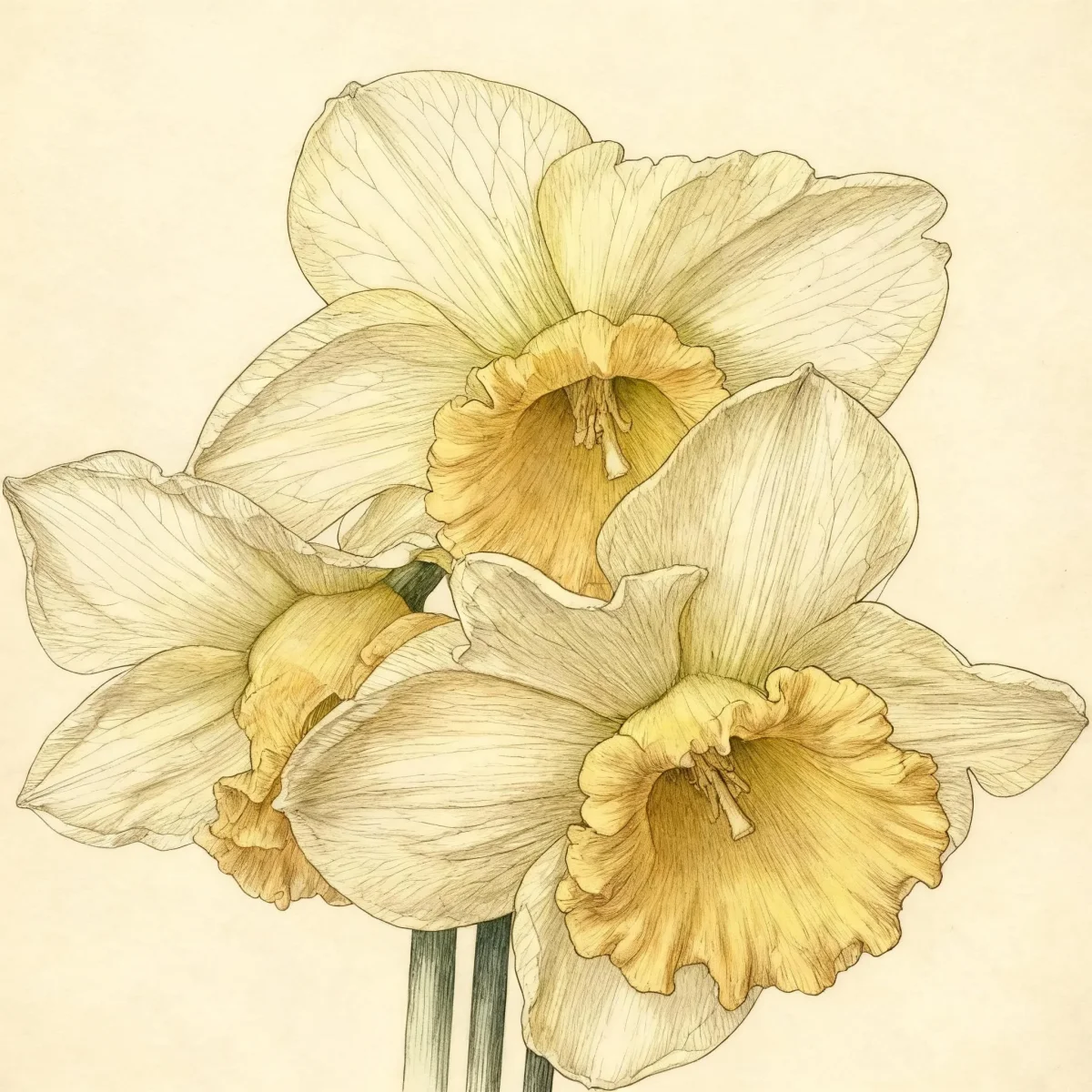
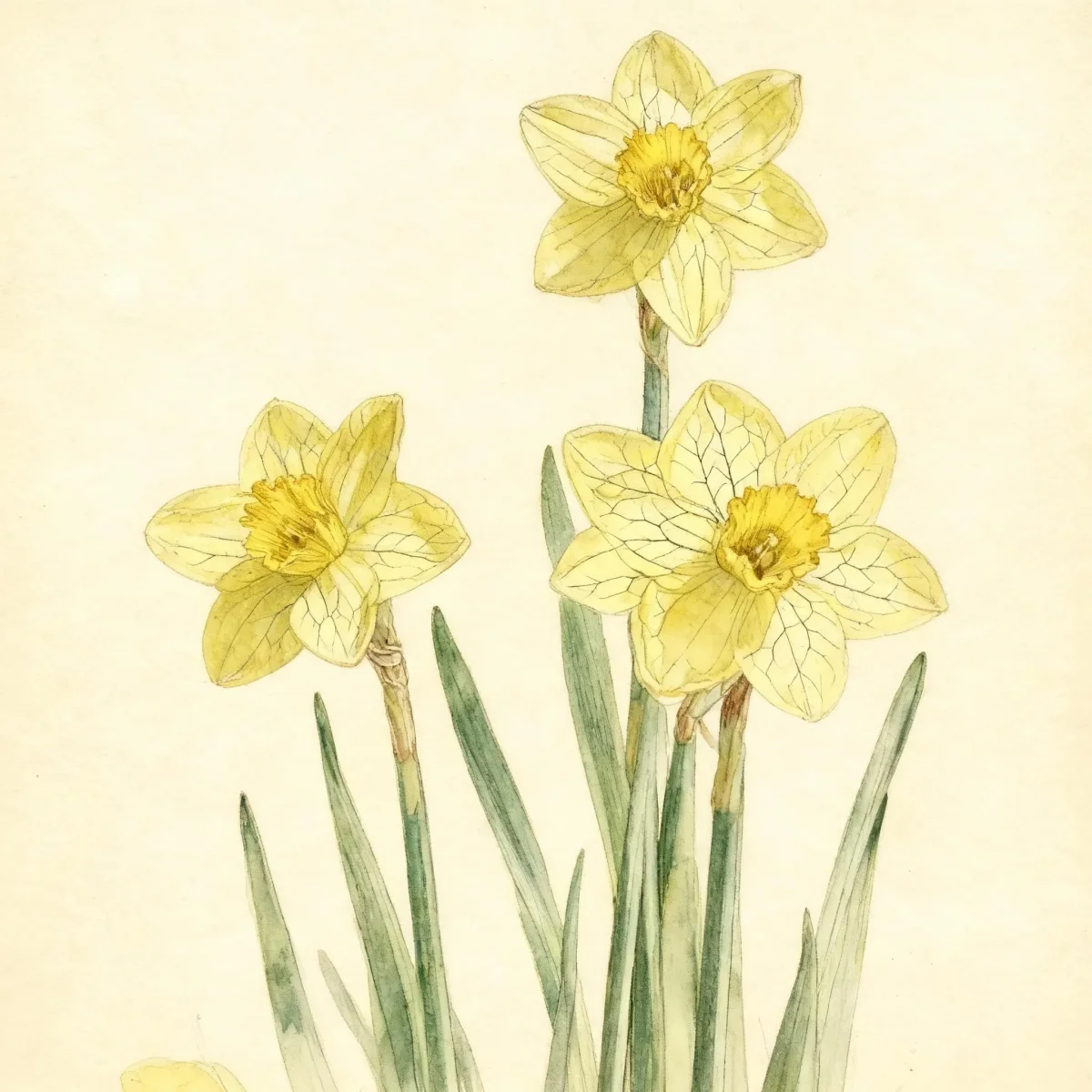
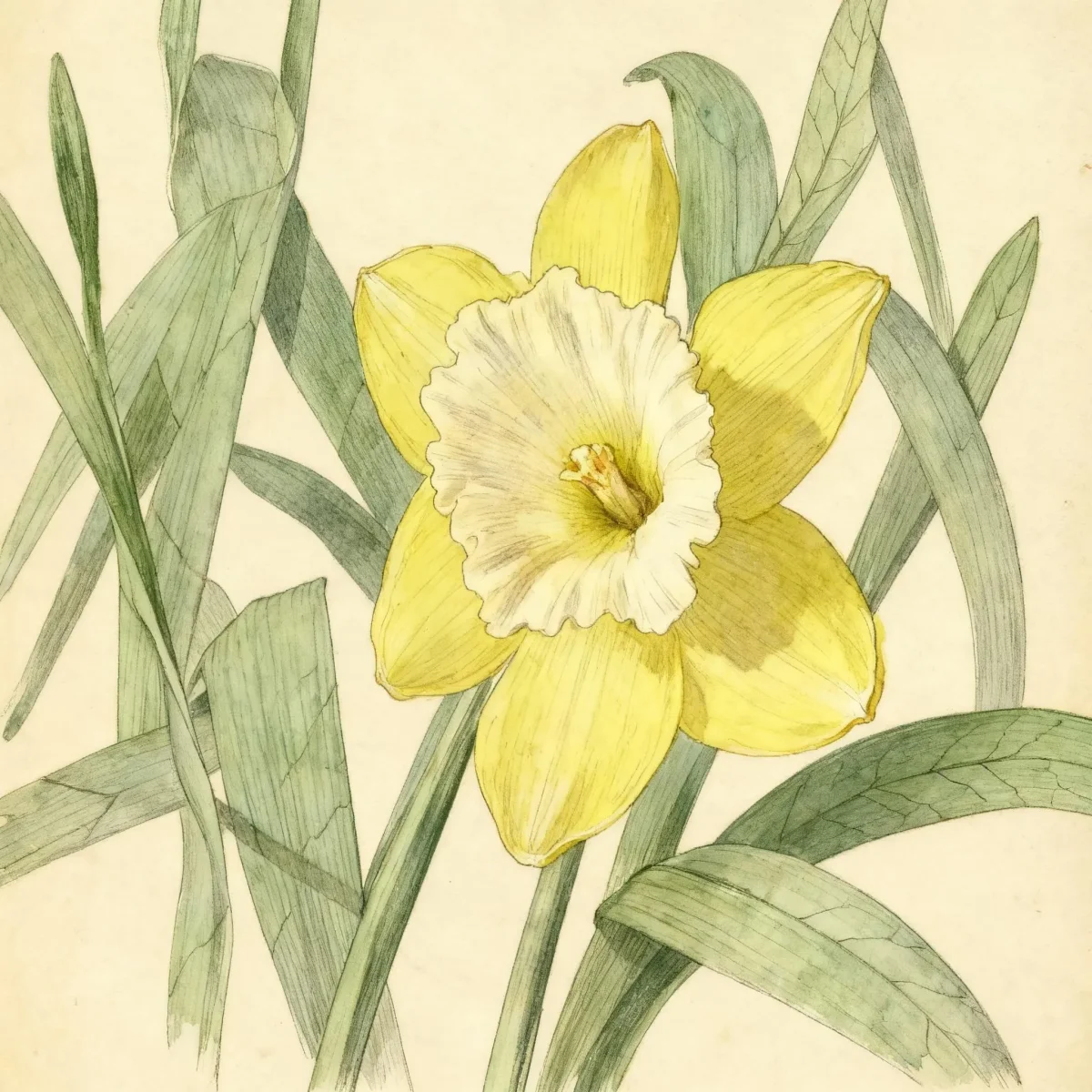
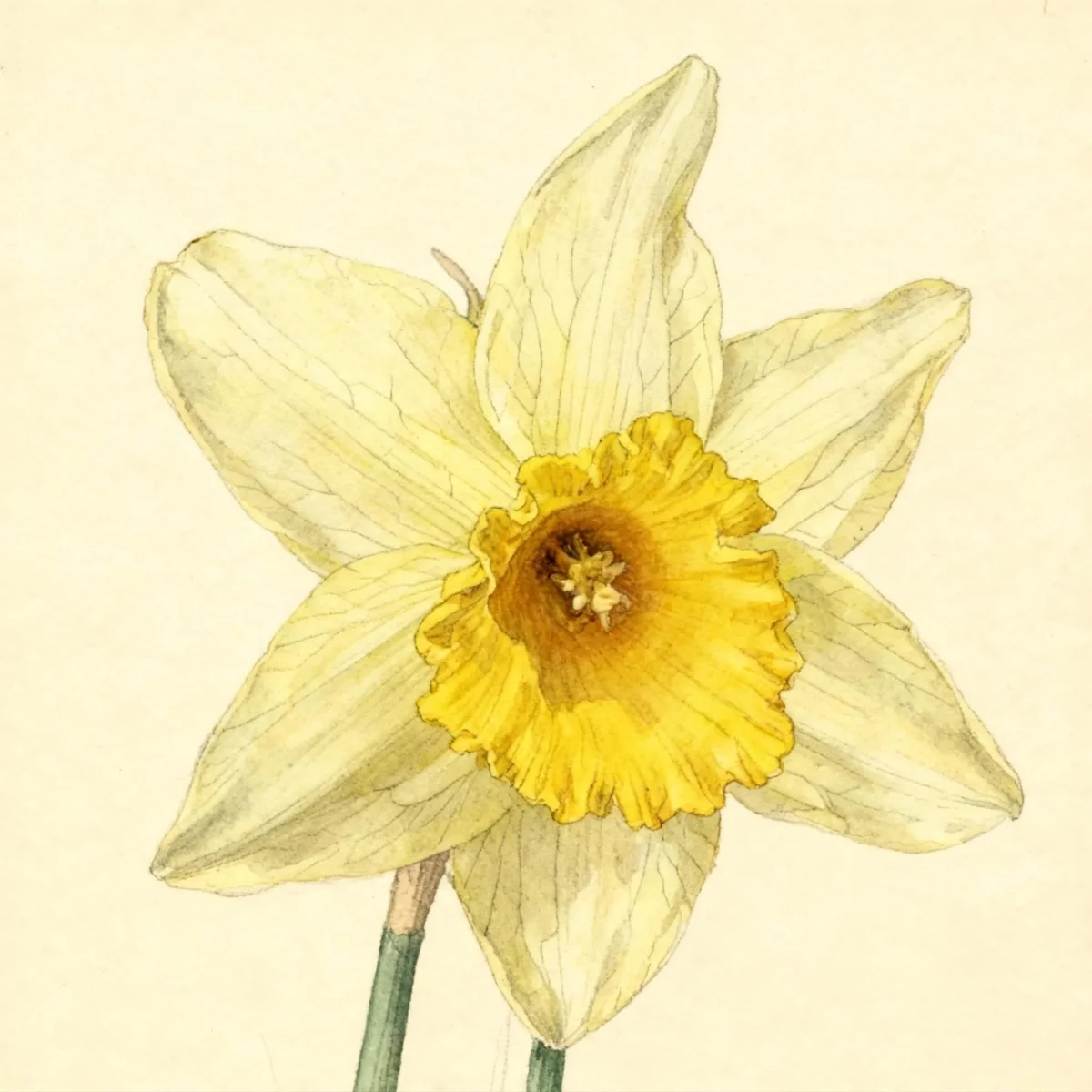
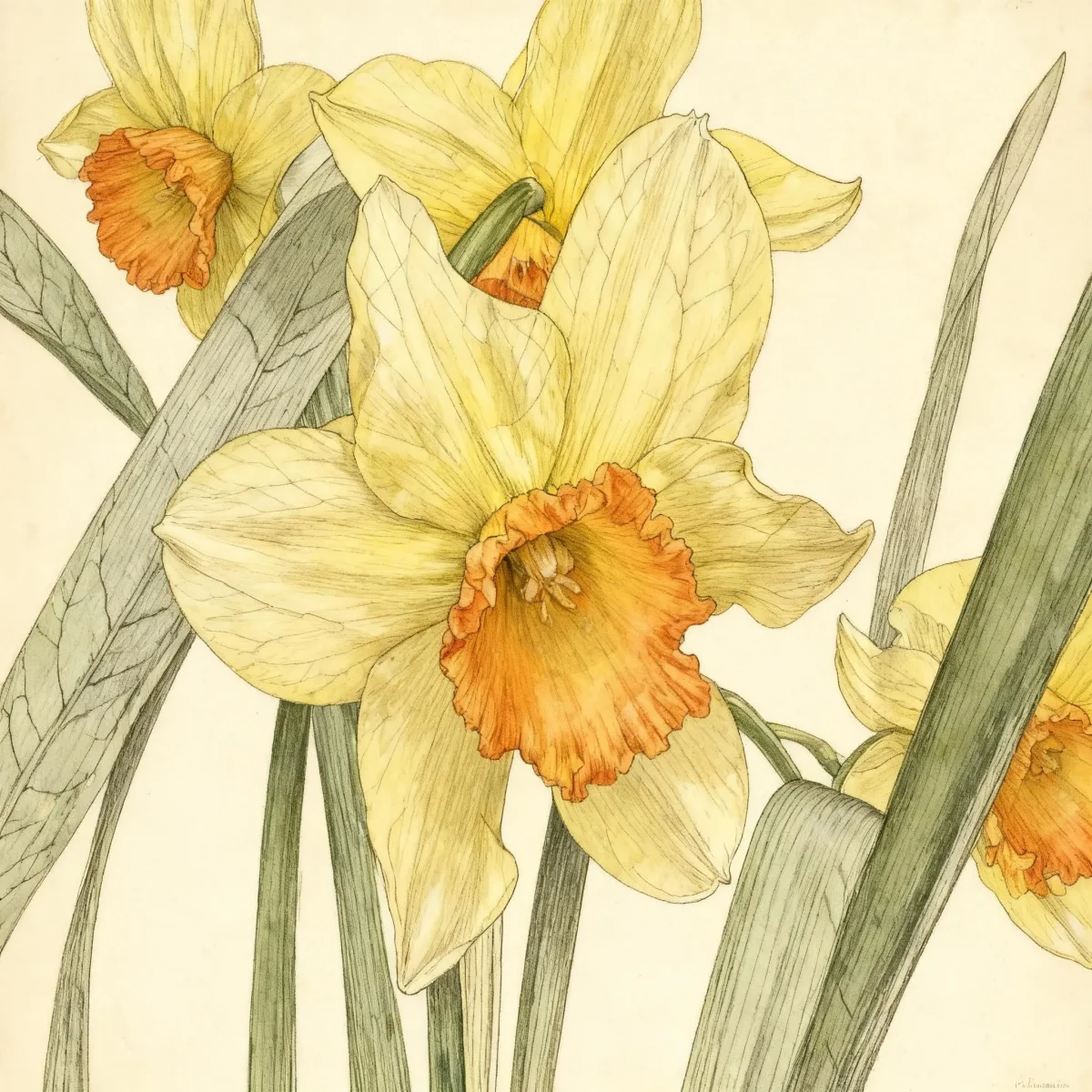
Narcissus 'Loch Hope' is a low-maintenance Large-cupped daffodil offering greenish-yellow petals and a distinctive orange-red cup in April.
Scroll down to discover growing tips, care requirements, companion plants, and more
Complete Plant Information
Overview
Narcissus ‘Loch Hope’ is a highly valued addition to the spring garden, showcasing the classic form of the Large-cupped daffodil division. Its standout characteristic is the striking color combination: greenish-yellow petals contrasted vividly by a short, cylindrical, orange-red cup. This cultivar provides reliable, mid-season color, typically appearing in April, making it a bright transition from early spring bloomers.
As a bulbous perennial, Narcissus ‘Loch Hope’ is highly appreciated for its low maintenance requirements once established. It thrives in average soils, provided drainage is excellent, and offers dependable returns year after year without significant fuss or pest issues. Its reliable performance secures its place as a perennial favorite among gardeners seeking structured spring displays.
This specific Large-cupped daffodil cultivar rises to a modest height of 1 to 1.5 feet, allowing it to integrate seamlessly into borders and woodland settings. Planted in drifts, Narcissus ‘Loch Hope’ transforms landscapes, offering long-lasting structural interest that outperforms many other ephemeral spring flowers.
Fast Facts
- Plant Family: Amaryllidaceae
- Plant Type: Bulb
- Hardiness Zones: USDA Zones 3-8
- Size at Maturity:
- Height: 1-1.5 ft
- Spread: 0.5-1 ft
- Bloom Time: April
- Bloom Description: Greenish-yellow petals and orange-red cup
- Sun Exposure: Full sun to part shade
- Water Needs: Medium
- Maintenance Level: Low
How to Grow
The best time to plant Narcissus ‘Loch Hope’ bulbs is in the early to mid-fall season, allowing sufficient time for root development before the ground freezes. These Large-cupped daffodils require organically rich, medium-moisture, well-drained soils. Good drainage is absolutely essential, as wet winter soil quickly leads to bulb rot. Site the planting location to maximize sun exposure, or place bulbs where any resulting shade will be to the rear of the eventual bloom face.
When planting, ensure each bulb is set at a depth two to three times its height, generally resulting in about 3 to 6 inches of soil covering the top, with approximately 3 to 10 inches separating individual bulbs. While initial groupings may appear sparse, the clump naturally multiplies, requiring less division over time. Keep the soil consistently moist during the active spring growing season, though the bulbs can tolerate drought once dormant later in the summer.
After the striking flowers of Narcissus ‘Loch Hope’ complete their display, remove the spent flower stalks just below the base to prevent seed production, which diverts energy from the bulb. Crucially, resist the urge to cut back the strap-shaped foliage until it naturally yellows. This foliage is vital for replenishing the bulb’s energy reserves for next year’s bloom.
Landscape Uses
Daffodils, unlike tulips, are renowned for their longevity and ability to naturalize, and Narcissus ‘Loch Hope’ is no exception. They are best installed in groups of at least six bulbs, ideally planted in large, sweeping drifts to maximize visual impact against early spring backdrops like emerging shrubs or trees. These Large-cupped daffodils perform excellently in mixed perennial borders, wild gardens, and open woodland areas.
Consider massing clumps of Narcissus ‘Loch Hope’ in front of taller evergreens or deciduous shrubs whose foliage will emerge later to conceal the dying daffodil leaves naturally. They mix beautifully with other spring-flowering bulbs such as crocus or early grape hyacinths, creating a layered display of successive color. Allowing these bulbs to naturalize means minimal work for maximum recurring spring beauty.
Standout Features
Flower Qualities
- Showy
Noteworthy Characteristics
Narcissus is a genus of about 50 species of bulbous perennials from Europe and North Africa, forming a backbone of the spring garden. Flowers typically feature a central cup (corona) surrounded by six petals (perianth segments) and appear atop stems ranging from 6 to 30 inches tall. ‘Loch Hope’ specifically belongs to Division II—the large-cupped daffodils—meaning its cup is substantial yet shorter than the petals. This specific cultivar presents ovate, greenish-yellow petals complementing its vibrant, frilled, orange-red cup, blooming reliably mid-season in April.
Tolerances
- Rabbit
- Deer
- Drought
Potential Problems
With proper soil drainage and culture, daffodils like Narcissus ‘Loch Hope’ are naturally robust plants, resisting most serious insect or disease pressures. The primary cultural risk involves bulb rot, which occurs when bulbs sit in poorly-drained, waterlogged soils over winter. Infrequent pests that might occasionally appear include slugs, snails, or the narcissus bulb fly. To manage pest issues, ensure planting sites provide excellent aeration and avoid excessive moisture, which deters most fungal issues and minimizes slug activity.
Frequently Asked Questions
What hardiness zones is Large-cupped daffodil suitable for?
This reliable Narcissus ‘Loch Hope’ is suitable for USDA Hardiness Zones 3 through 8, offering a wide planting range across temperate climates.
How large does Narcissus ‘Loch Hope’ grow?
This variety typically achieves a mature height between 1 and 1.5 feet tall, with a spread of 0.5 to 1 foot wide, making it an excellent mid-border plant.
When does Large-cupped daffodil bloom?
Narcissus ‘Loch Hope’ is known for its mid-season bloom time, usually occurring in April, featuring its characteristic greenish-yellow petals and an orange-red cup.
What sun exposure does Narcissus ‘Loch Hope’ need?
This daffodil thrives best in locations receiving full sun, but it tolerates and performs well even with partial shade exposure.
Conclusion
Narcissus ‘Loch Hope’ provides exceptional, long-lasting color and structural interest to the early spring garden with minimal annual input, standing out as a prime example of a Large-cupped daffodil. Its resilience against common pests and its drought tolerance once dormant make it incredibly gardener-friendly. Before the first frost, verify that your planting zones align with USDA 3-8 suitability and ensure your soil drains well for optimal annual performance.
Companion Planting
Selecting appropriate neighbors is key to creating a cohesive spring display that transitions well into summer greenery. Narcissus ‘Loch Hope’ pairs wonderfully with later-emerging perennials whose foliage will obscure the daffodil leaves as they yellow and die back. Consider planting it near Irises or early Peonies, as their emerging growth will grow up and around the fading daffodil foliage.
For ground-level color contrast, early spring ephemeral flowers like Scilla (squill) or Fritillaria species work well beneath the nodding blooms of the Large-cupped daffodil. Since the daffodil foliage needs undisturbed time to store energy, avoid planting shallow-rooted annuals immediately around the base that might compete or require excessive digging/disturbance in the spring.
Design Ideas for Drift Planting
The most impactful way to utilize Narcissus ‘Loch Hope’ is through massing or drift planting rather than solitary specimens. Avoid formal, straight rows; instead, mimic natural patterns by scattering bulbs in irregular clusters, especially near edges of lawn areas or beneath deciduous trees where sunlight hits in spring. This naturalistic approach allows the flower color to truly pop against the neutral early-season landscape.
A successful design strategy involves layering height: place shorter spring bulbs (like miniature daffodils or snowdrops) at the front edge, then position the 1 to 1.5-foot tall Narcissus ‘Loch Hope’ in the middle layer. The contrasting white and yellow tones of other Narcissus divisions can blend beautifully with the greenish-yellow and orange-red of this specific cultivar, providing a diverse but harmonious spring palette.