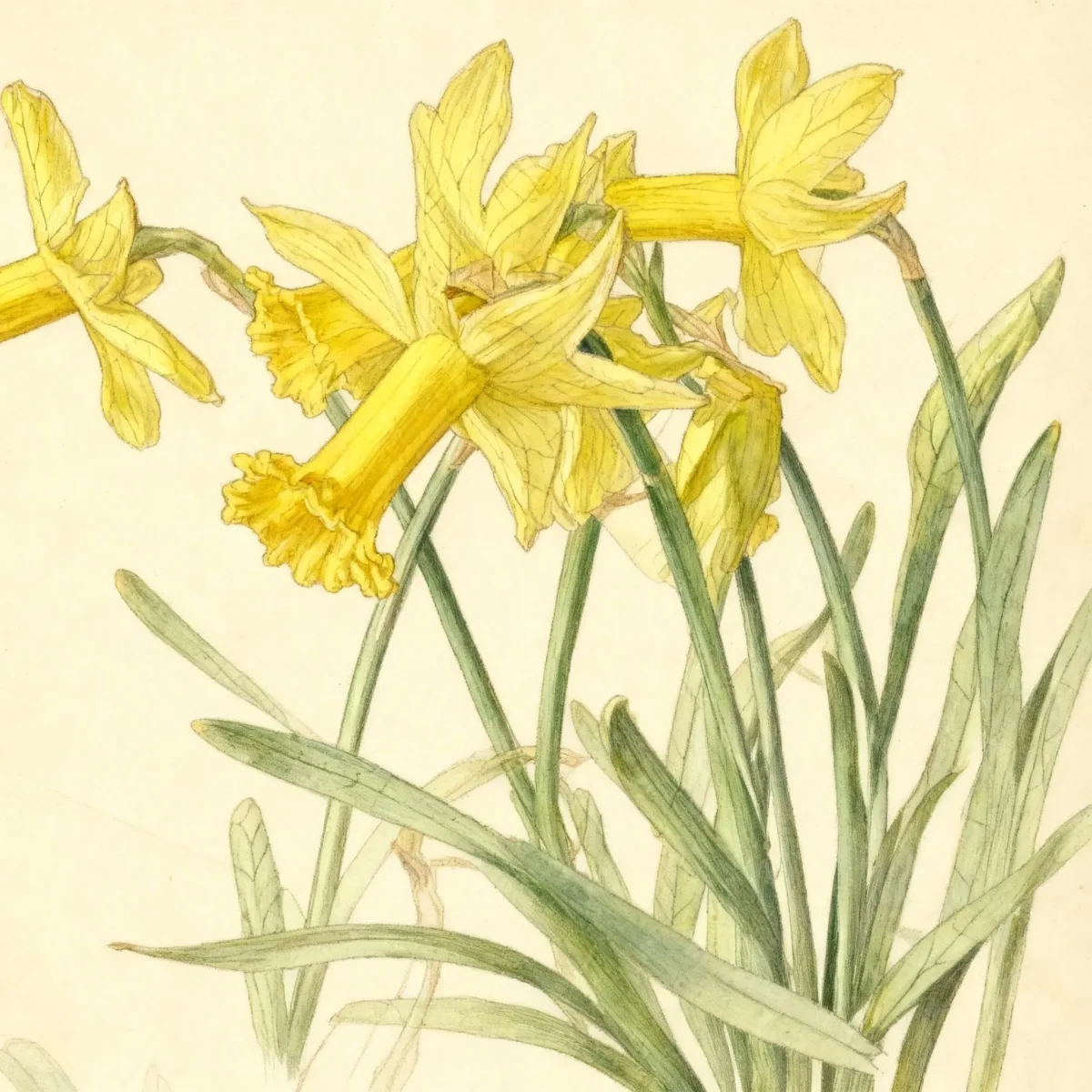
Cyclamineus daffodil (Narcissus 'Rapture')
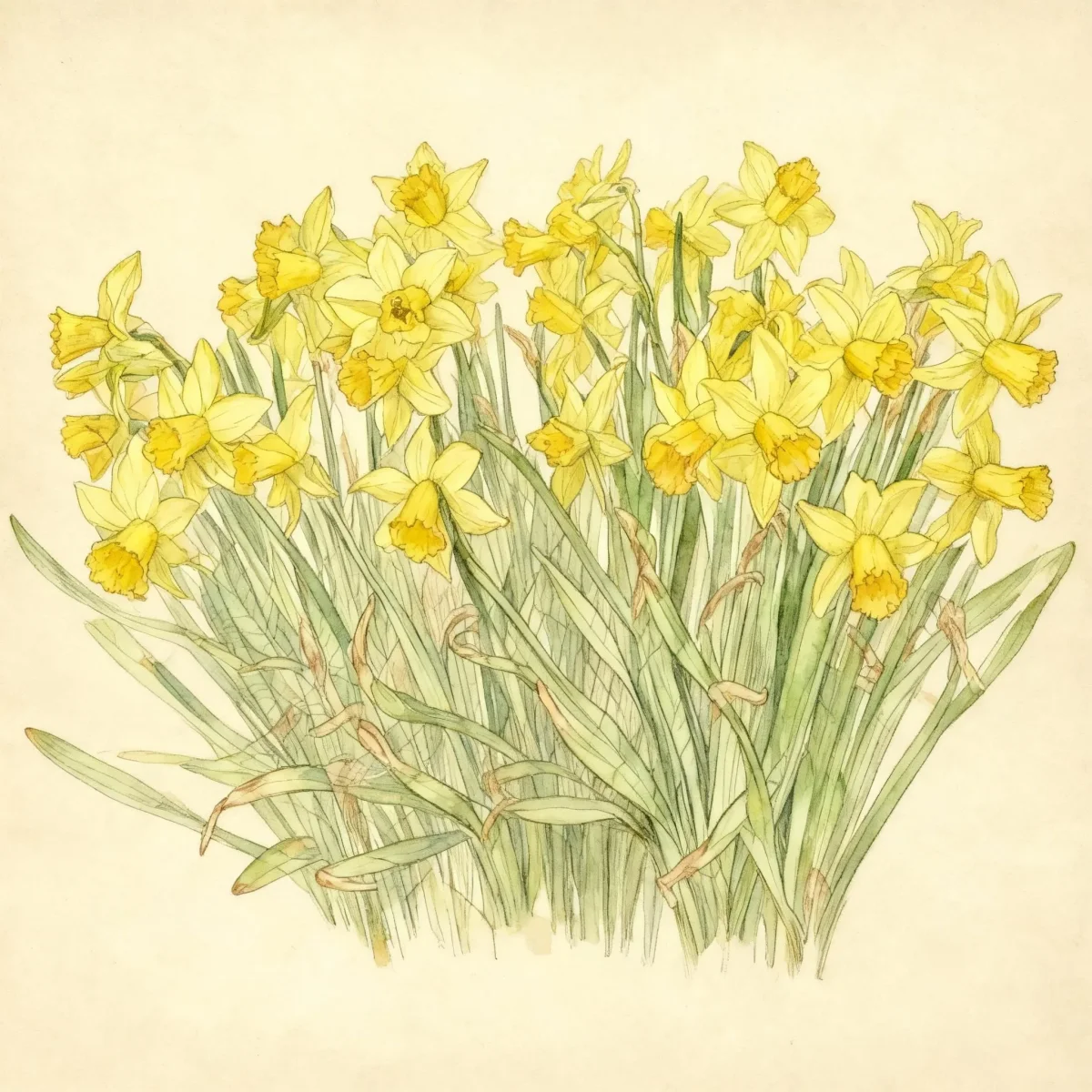
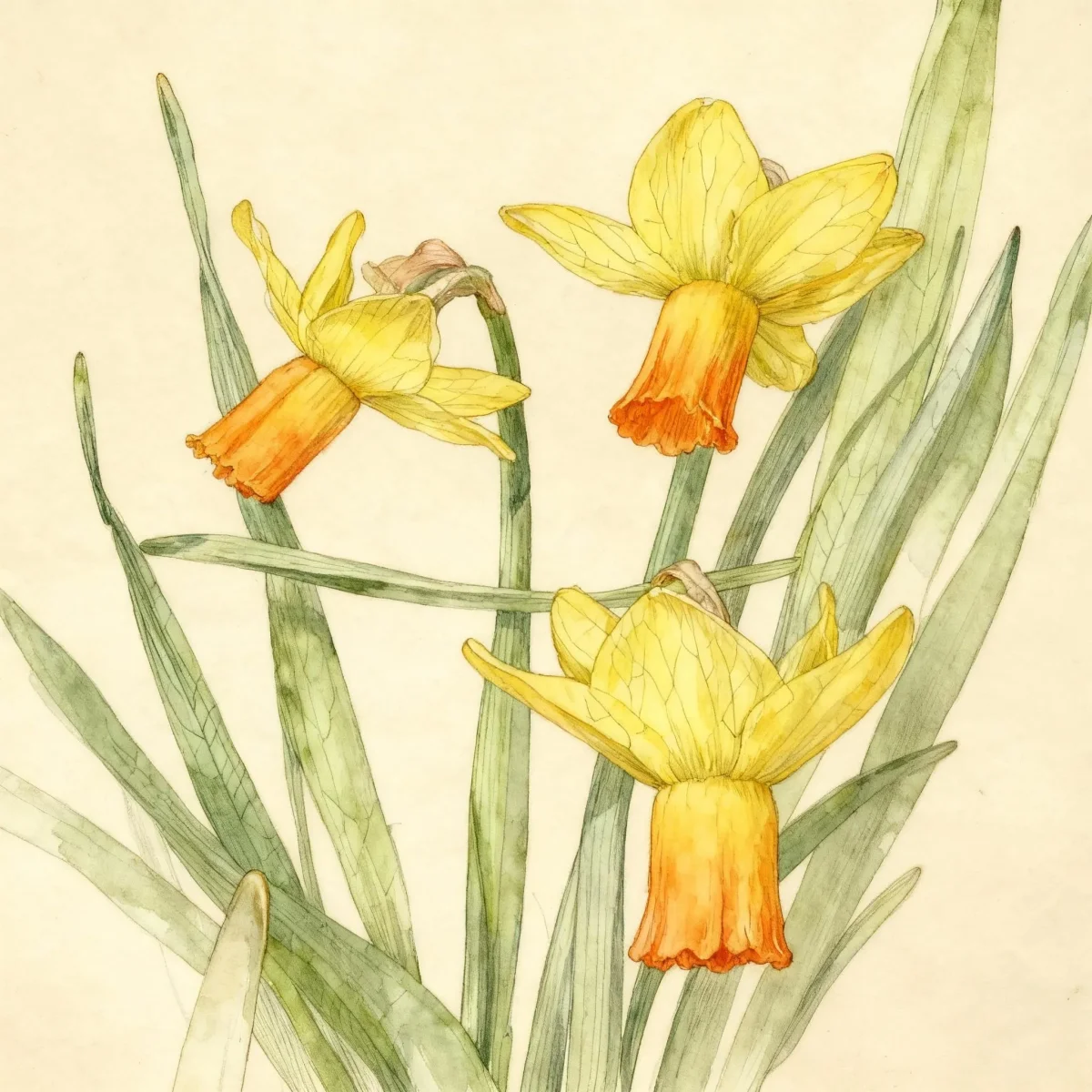
Narcissus 'Rapture' is a Cyclamineus daffodil featuring yellow reflexed petals and a long trumpet, perfect for early spring color due to its low maintenance.
Scroll down to discover growing tips, care requirements, companion plants, and more
Complete Plant Information
Overview
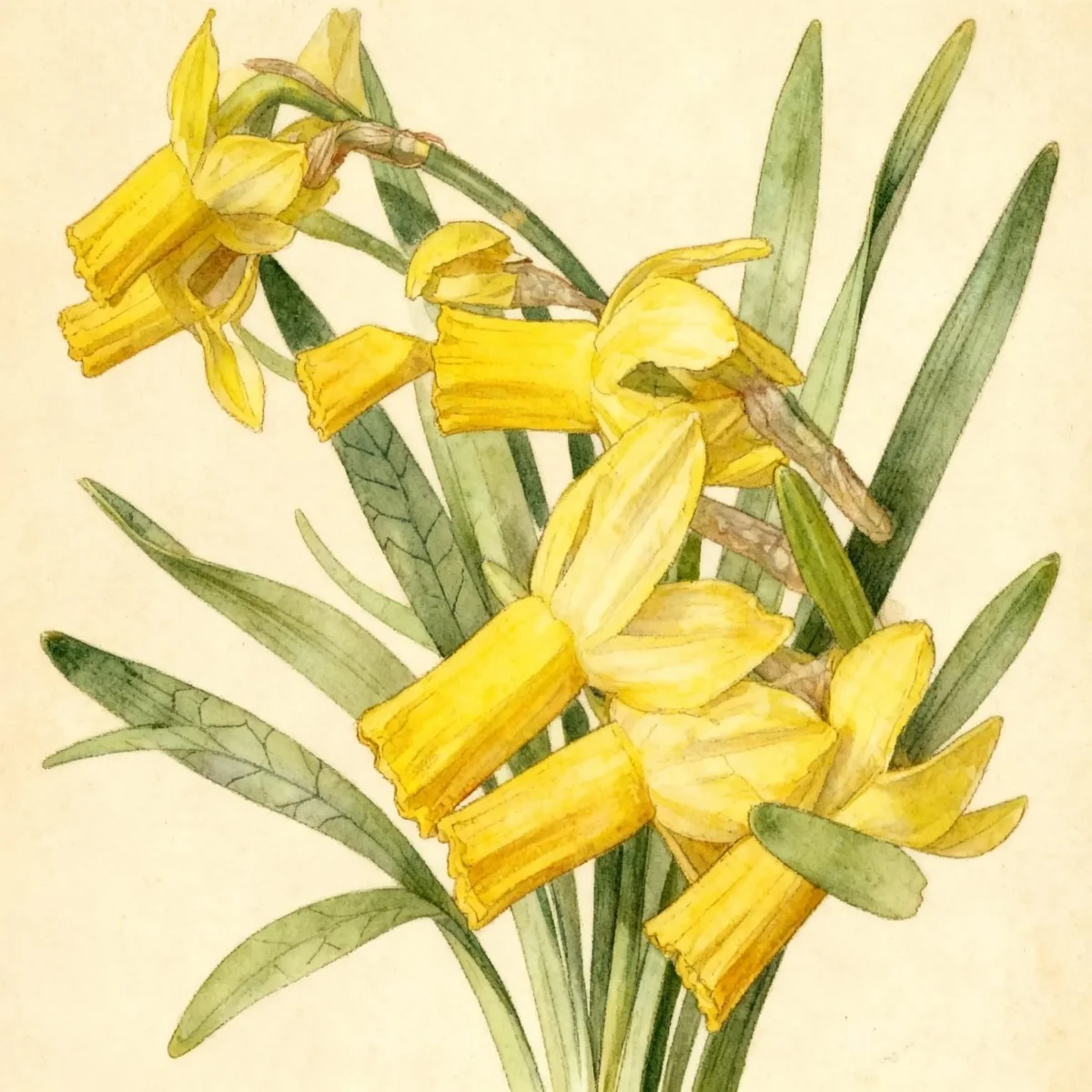
Narcissus ‘Rapture’ stands out as an exquisite, early-season bloomer, belonging to the highly sought-after group of Cyclamineus daffodils. This variety offers a striking visual display with its strongly reflexed yellow petals contrasting beautifully against a long, narrow yellow trumpet, rewarding gardeners just as winter fades. As a low-maintenance bulb, Narcissus ‘Rapture’ is reliably perennial, returning year after year to naturalize garden spaces with cheerful color.
Culturally, this daffodil thrives with minimal fuss, preferring well-drained soil and plenty of sunlight during the spring months. Its resilience, noted by its drought tolerance once established and resistance to common pests, makes Narcissus ‘Rapture’ an indispensable component for creating reliable spring interest in borders and woodland settings.
Gardeners appreciate the Cyclamineus daffodil type for its elegant structure—the petals sweep back dramatically, reminiscent of cyclamen flowers. Planting Narcissus ‘Rapture’ in quantity ensures a sweeping drift of color, providing an invaluable vertical accent in the landscape early in the growing season.
Fast Facts
- Plant Family: Amaryllidaceae
- Plant Type: Bulb
- Hardiness Zones: USDA Zones 3-8
- Size at Maturity:
- Height: 1-1.5 ft
- Spread: 0.5-1 ft
- Bloom Time: March to April
- Bloom Description: Yellow petals and yellow trumpet
- Sun Exposure: Full sun to part shade
- Water Needs: Medium
- Maintenance Level: Low
How to Grow
Planting Narcissus ‘Rapture’ bulbs should occur in early to mid-fall, well before the ground freezes. Ensure the selected site offers good soil drainage, as this is critical for preventing bulb rot; organically rich loams are ideal. Plant each bulb two to three times as deep as the bulb is tall, ensuring a minimum cap of 3 inches of soil covers the top. Space bulbs generally between 4 to 8 inches apart; while this may look sparse initially, the clusters will fill in naturally over subsequent years.
Once established, the care requirements for this Cyclamineus daffodil are minimal. Keep the soil uniformly moist throughout the spring growing season, though the bulbs tolerate drought well once they enter dormancy. After the stunning yellow blooms fade, remove the spent flower stems to prevent seed formation, but absolutely do not cut back the foliage until autumn when it has naturally yellowed.
To optimize the visual impact of Narcissus ‘Rapture’, consider its orientation. Since the flowers generally track the sun, position any overhead shade structures or taller plantings behind the bulbs. Clumps of Narcissus ‘Rapture’ can be left undisturbed for many years; if vigor declines, divide them carefully just after the foliage dies back in late spring/early summer.
Landscape Uses
Daffodils, unlike many annual spring displays, offer reliable, long-term returns, making Narcissus ‘Rapture’ an excellent investment for perennializing spring scenes. These bulbs shine when planted in substantial groupings, moving beyond small clusters of six to create large, sweeping drifts that maximize their early-season impact. They are highly effective when used in mixed borders or along the edge of woodland areas where dappled shade develops later in the season.
For robust design, consider massing the Cyclamineus daffodil in front of later-blooming shrubs or setting them beneath deciduous trees where they receive ample sun before the canopy leafs out. They blend seamlessly with other spring-flowering companions, such as snowdrops (Galanthus) or early tulips, allowing for sequential bloom progression. Allow Narcissus ‘Rapture’ to naturalize freely in lawns or open woodland settings to create a truly effortless and enchanting early spring effect.
Standout Features
Flower Qualities
- Showy
Noteworthy Characteristics
Narcissus is a genus of about 50 species of bulbous perennials from Europe and North Africa, serving as a mainstay for spring gardens. Flowers typically feature a corona (cup or trumpet) surrounded by six perianth segments, appearing in various exciting colors. Narcissus ‘Rapture’ is specifically classified as a cyclamineus daffodil (Division VI), typified by its long trumpet and strongly reflexed petals that resemble cyclamen foliage. This specific cultivar produces flowers 12–14 inches tall with overlapping, yellow, reflexed petals and a cylindrical yellow trumpet, blooming reliably in early spring.
Tolerances
- Rabbit
- Deer
- Drought
Potential Problems
Narcissus ‘Rapture’ is famously robust; with proper site selection and culture, serious insect or disease issues are infrequent. The primary threat is bulb rot, which signals excessively poor drainage in the planting location. To mitigate this, ensure your soil is well-drained before planting any daffodil bulbs.
While generally avoided by wildlife, look out for rare occurrences of narcissus bulb fly, narcissus nematode, or common garden pests like slugs and snails, especially when young foliage emerges. Narcissus yellow stripe virus is an infrequent concern that appears as yellow streaking in the leaves. If bloom quality wanes significantly after several years, division post-foliage die-back is the remedy.
Frequently Asked Questions
What hardiness zones is Cyclamineus daffodil suitable for?
This Cyclamineus daffodil, Narcissus ‘Rapture’, is hardy and reliable across USDA Zones 3 through 8.
How large does Narcissus ‘Rapture’ grow?
Narcissus ‘Rapture’ typically reaches a mature height between 1 and 1.5 feet tall, with a spread ranging from 5 to 12 inches wide.
What sun exposure does Narcissus ‘Rapture’ need?
This variety performs best when situated in full sun to part shade locations, receiving bright light, especially during its blooming period in early spring.
When does Narcissus ‘Rapture’ bloom?
Narcissus ‘Rapture’ is an early performer, blooming typically from March through April, displaying its signature yellow petals and yellow trumpet.
Conclusion
The Cyclamineus daffodil Narcissus ‘Rapture’ offers unmistakable early spring elegance through its dramatically swept-back petals and cheerful yellow coloration. Its low maintenance profile and established perennial nature make it a smart choice for consistent seasonal returns without demanding constant garden intervention. Plan to plant these bulbs in early fall, ensuring excellent drainage, to guarantee a spectacular display wherever you situate this beautiful Narcissus ‘Rapture’ cultivar.
Companion Planting
Selecting companions for Narcissus ‘Rapture’ revolves around complementing its early bloom time and managing its foliage decline. Since the daffodil foliage must remain intact until it yellows (often into late spring), pair it with perennials that emerge later or that possess attractive upright foliage that can gracefully obscure the fading daffodil leaves. Good companions include emerging peonies, late ephemerals like Siberian Iris, or early-emerging hardy geraniums.
For structural interest in the same early spring window, layer blooming masses below Narcissus ‘Rapture’ with low-growing species such as Scilla (Squill) or Chionodoxa (Glory-of-the-Snow). These low growers act as a colorful groundcover early on, disappearing before the daffodil leaves fully yellow, ensuring the planting bed remains attractive throughout the transition from spring to summer.
Design Ideas for Drifts
Planting daffodils in drifts, rather than straight lines, is essential for achieving a naturalized look that mimics woodland growth, which suits the Cyclamineus daffodil character well. Use the ‘Rule of 3s’—plant bulbs in groups of three, five, or seven, then stagger these groups loosely to create an organic flow across the garden bed. For maximum visual impact, aim for groupings of at least 10 to 15 bulbs for a noticeable splash of early color.
When planting on slopes or in larger borders, scatter the bulbs randomly by hand while standing back to observe the distribution pattern; this method works exceptionally well for Narcissus ‘Rapture’. In smaller foundation plantings or containers, use a tight grouping near the front edge, ensuring the yellow trumpets face the primary viewing area to maximize the beauty of the reflexed petals against the background context.