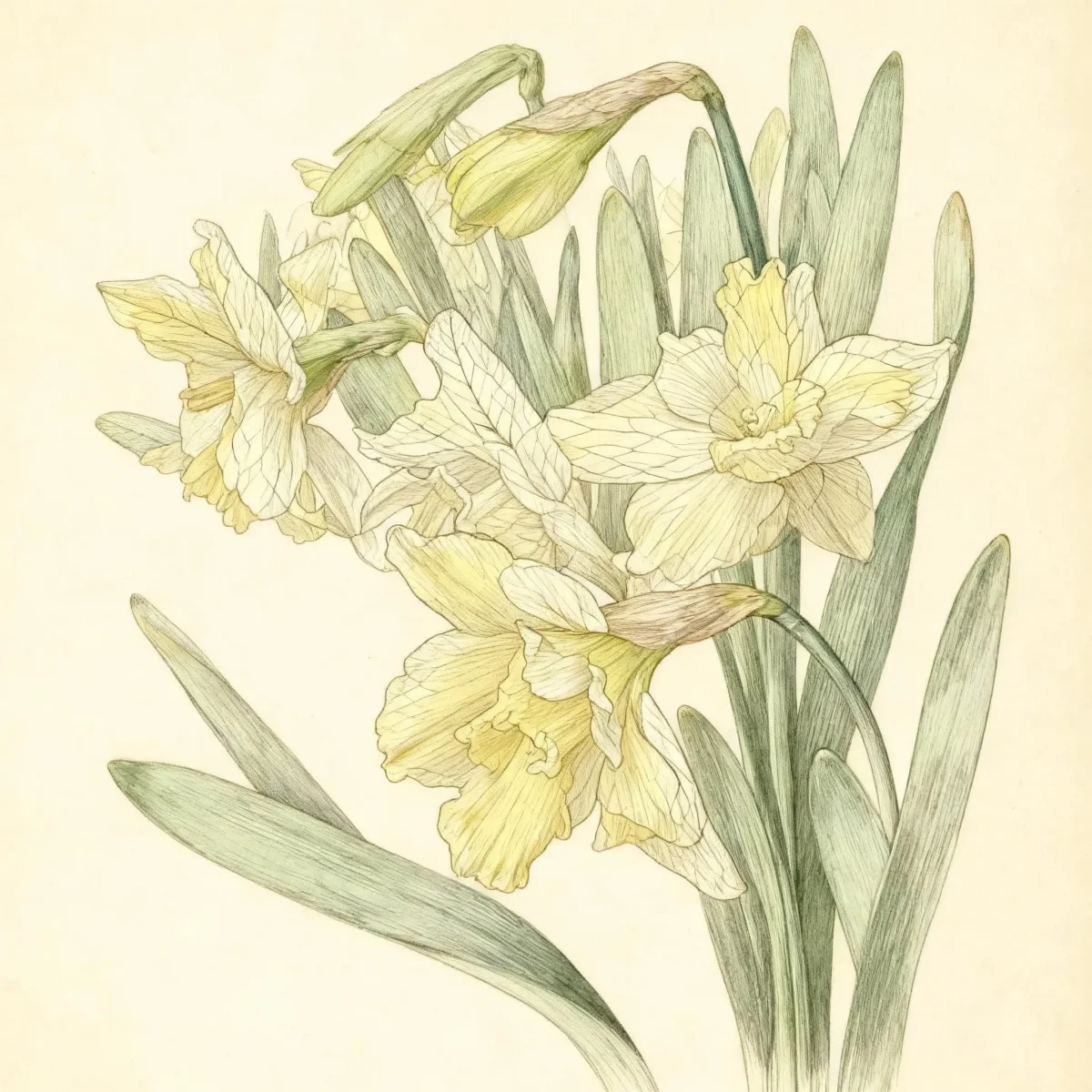
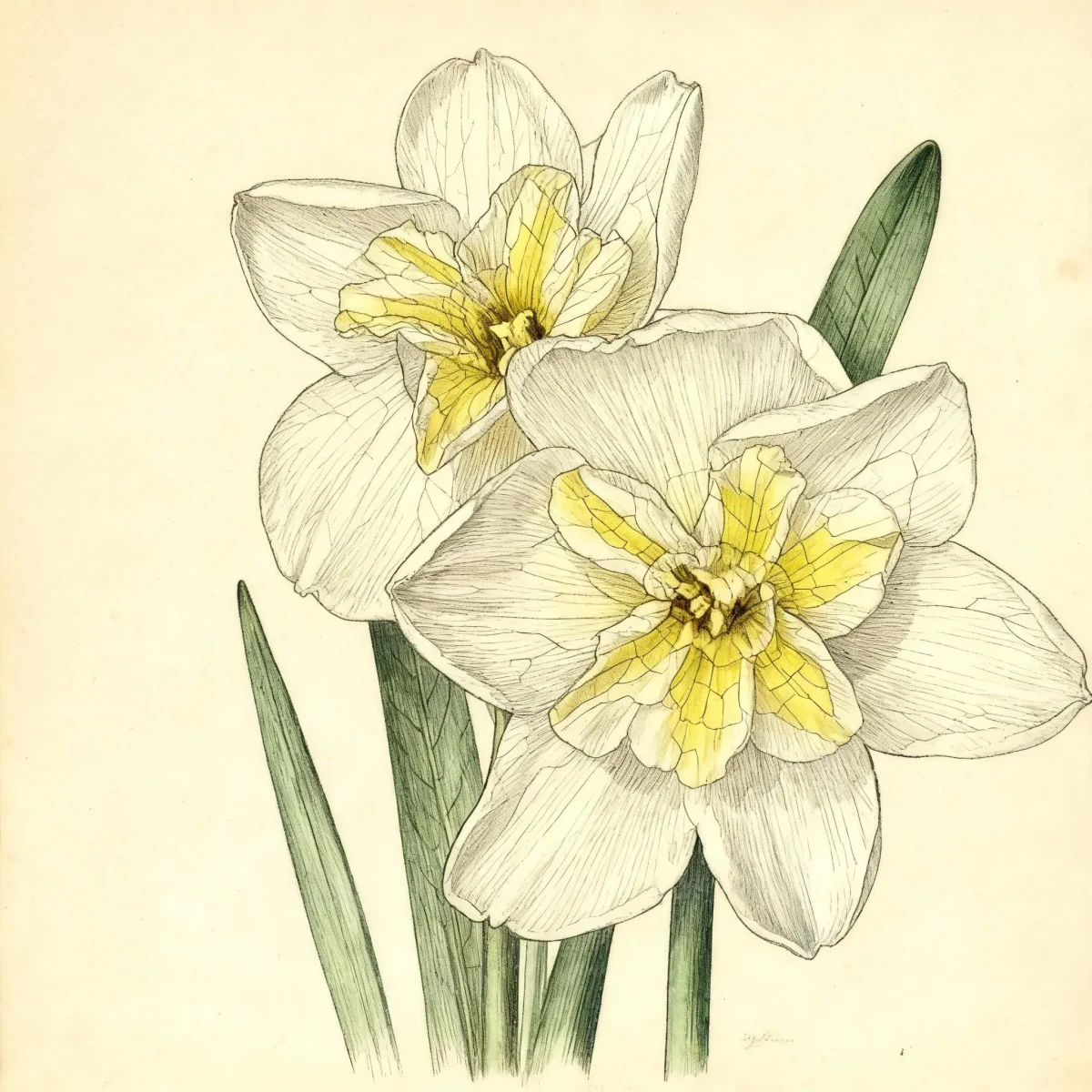
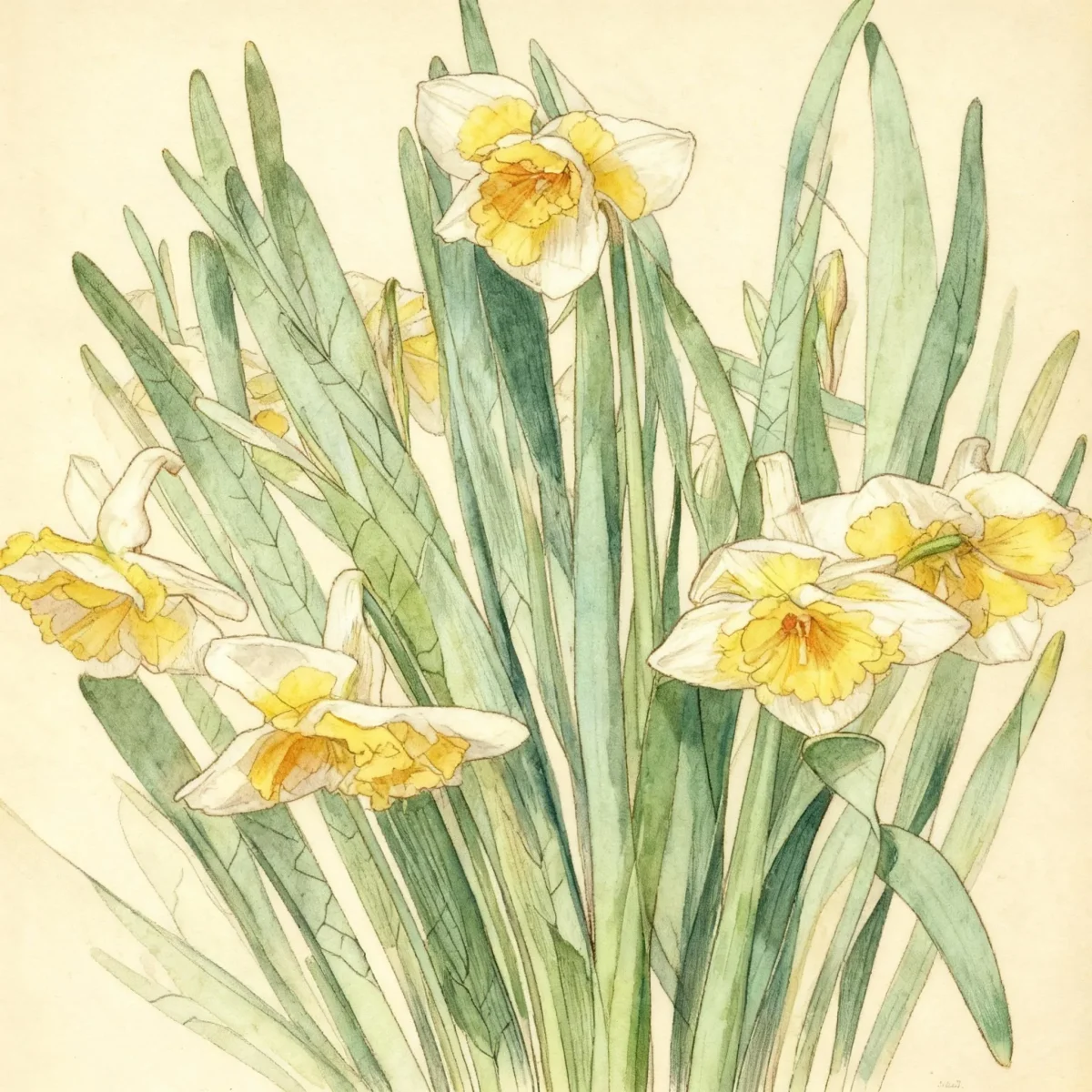
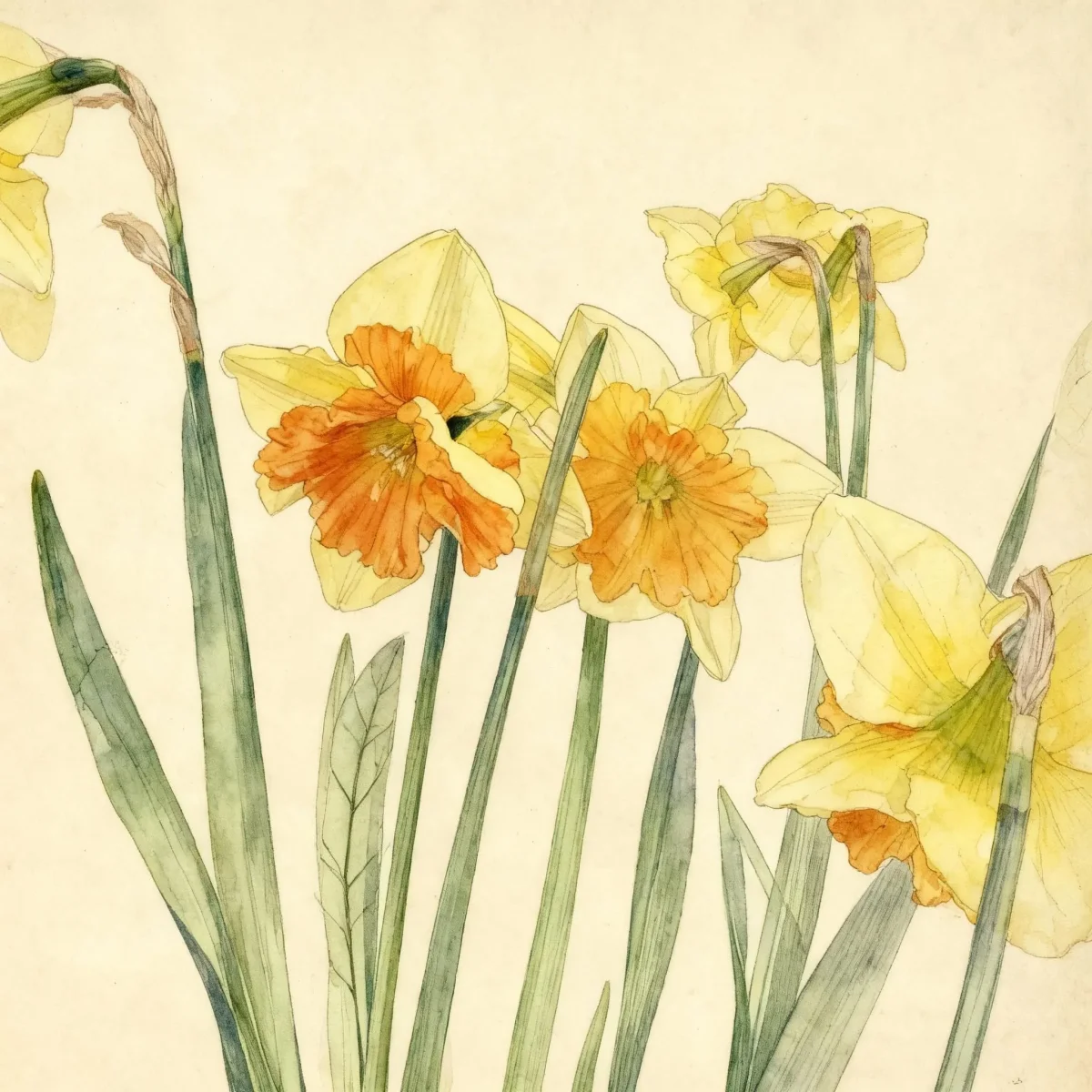
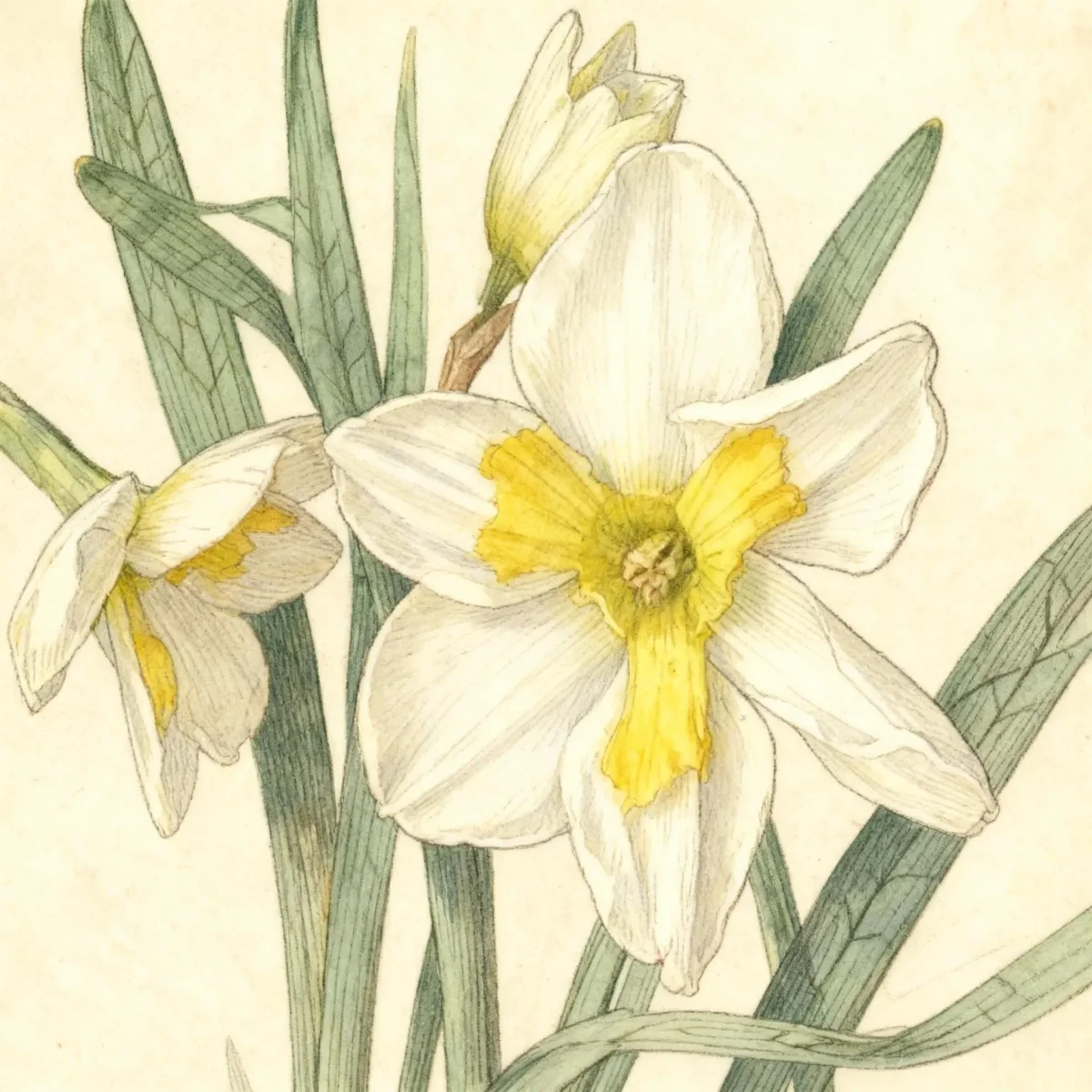
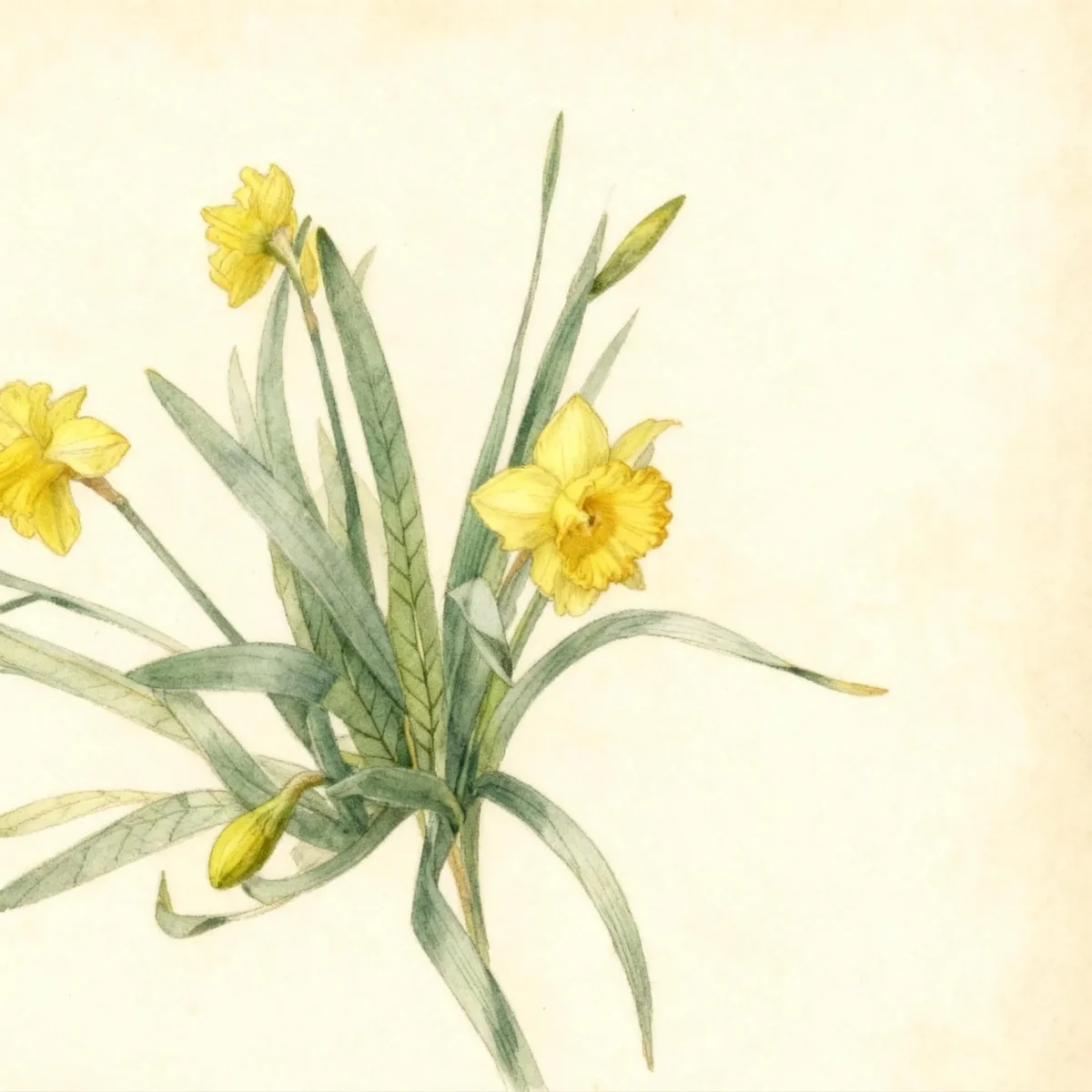
Split-corona daffodil (Narcissus 'Colorama')
The unique Narcissus 'Colorama' is a Split-corona daffodil offering yellow petals and an orange cup, ideal for low-maintenance spring gardens in zones 3-8.
Scroll down to discover growing tips, care requirements, companion plants, and more
Complete Plant Information
Overview
The Narcissus ‘Colorama’ brings distinctive flair to the early spring landscape, classifying it as a specialty Split-corona daffodil. Its unique architecture features a corona (cup) that is split down the middle for more than half its length, creating a dramatic visual contrast against its brilliant yellow petals. Gardeners value Narcissus ‘Colorama’ for its reliable return year after year, offering low-maintenance color when the garden most needs it.
As a dependable powerhouse in the perennial bulb category, this daffodil thrives across a wide range of USDA Hardiness Zones, from 3 through 8. It establishes easily in average, well-drained soils and provides vertical interest, typically reaching 1 to 1.5 feet tall when in full bloom during April. The combination of its robust nature and standout coloration makes Narcissus ‘Colorama’ an excellent choice for mass plantings or front-of-border accents.
This variety showcases bicolored splendor, pairing vibrant yellow perianth segments with a striking, deeply split orange cup. Its strong constitution means it is generally pest-free, and it withstands typical garden conditions with minimal fuss, providing sensational spring impact without requiring constant attention. Enjoying Split-corona daffodil architecture is simple by ensuring proper bulb placement in the fall.
Fast Facts
- Plant Family: Amaryllidaceae
- Plant Type: Bulb
- Hardiness Zones: USDA Zones 3-8
- Size at Maturity:
- Height: 1-1.5 ft
- Spread: 0.5-1 ft
- Bloom Time: April
- Bloom Description: Yellow petals and orange cup
- Sun Exposure: Full sun to part shade
- Water Needs: Medium
- Maintenance Level: Low
How to Grow
Planting Narcissus ‘Colorama’ bulbs should occur in the early to mid-fall before the ground freezes hard. Optimal placement involves deep, well-drained soil, ideally an organically rich loam. Drainage is critical; bulbs sitting in soggy conditions are highly prone to rot. Place the bulbs 2 to 3 times as deep as the bulb is tall, generally resulting in 3-6 inches deep, spaced 4 to 8 inches apart. Ensure they receive full sun to light afternoon shade, noting that the flowers tend to lean toward the strongest light source.
Once growth emerges, maintain medium soil moisture. Watering should be consistent during the active growing and flowering season. After the spectacular spring blooms fade, resist the temptation to cut back the foliage immediately. The leaves must remain intact, yellowing naturally, as this process replenishes the energy stores within the bulb for next year’s performance. Only remove the spent flower stem after blooming if seed production is to be prevented.
These bulbs are long-lived and should generally be left undisturbed to naturalize. If, after several years, the clump becomes overcrowded and bloom quality diminishes, division is appropriate. Wait until just after the foliage has died back completely before carefully digging up and separating the clumps. This low-maintenance approach is what makes the Split-corona daffodil such a rewarding addition.
Landscape Uses
Daffodils, especially striking forms like Narcissus ‘Colorama’, perform best when planted in substantial quantities rather than isolated singles. Massing them in drifts creates a natural, sweeping effect perfect for borders, beds, or naturalized wild gardens. They look exceptionally positioned at the front of shrub borders or allowed to naturalize beneath the dappled shade of deciduous trees where they receive early spring sunlight before the canopy fully develops.
Since daffodils rebloom reliably without needing yearly replacement (unlike tulips), utilize them where you desire permanent spring structure. They blend seamlessly with other early bloomers; consider interplanting them with early-blooming grape hyacinths (Muscari) or late-blooming tulips to extend the season. Allowing Narcissus ‘Colorama’ to naturalize means the clumps will slowly multiply, filling in spaces beautifully over time, reducing future maintenance needs.
Standout Features
Flower Qualities
- Showy
Noteworthy Characteristics
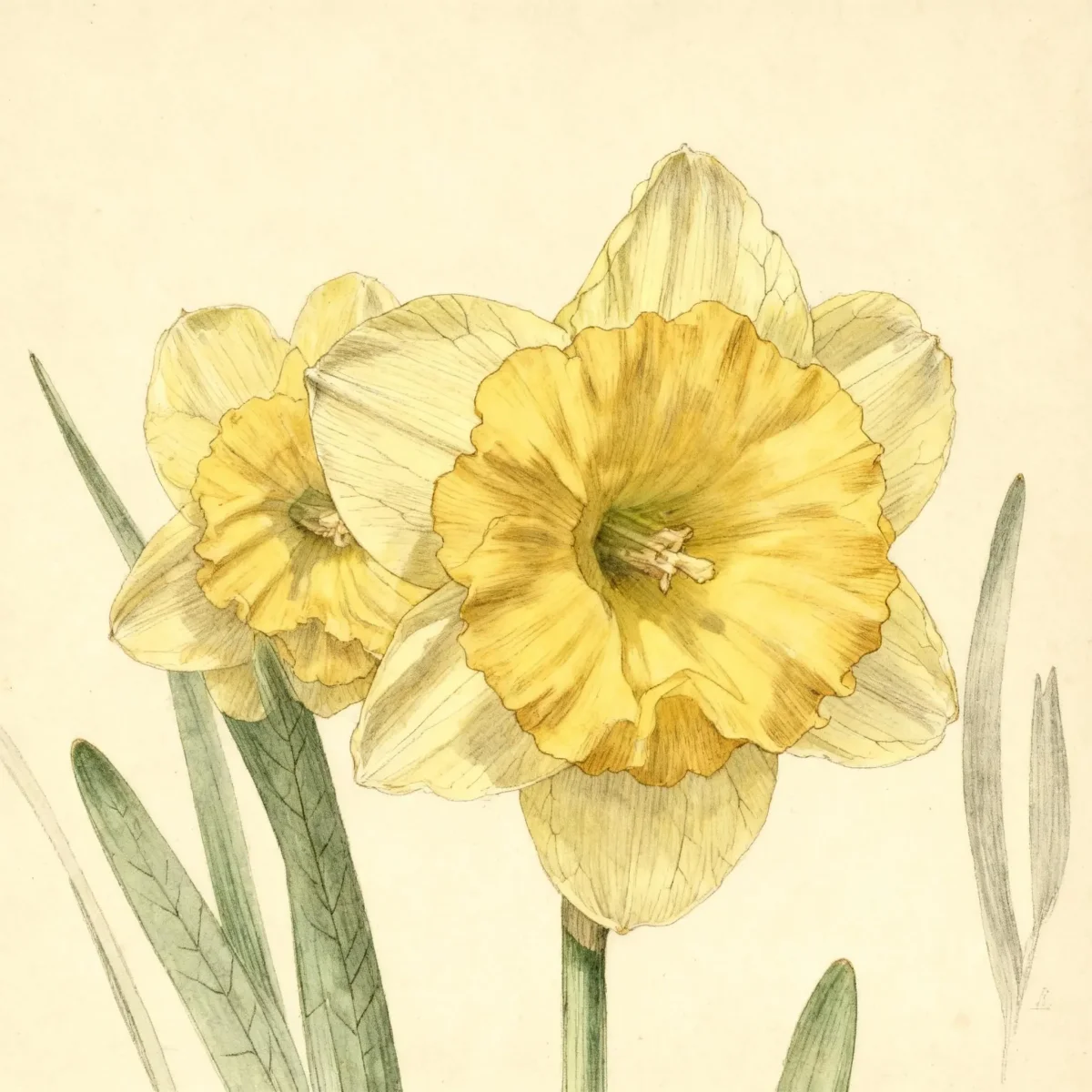
Narcissus is a genus of about 50 species of bulbous perennials from Europe and North Africa. They are a mainstay of the spring garden. Flowers generally feature a trumpet or cup (the corona) surrounded by six petals (perianth segments), in colors ranging from white to yellow to orange to pink to bicolors. ‘Colorama’ is a collar type split-corona daffodil (Division XI) that produces flowers atop stems that rise 14-16” tall in midseason (April). Each flower features brilliant yellow petals and a deeply split orange cup in two whorls of three.
Tolerances
- Rabbit
- Deer
- Drought
Potential Problems
Daffodils are celebrated for their very low incidence of pests and diseases, provided basic cultural needs are met, resulting in almost pest-free performance. The primary risk factor is improper soil and location: bulb rot is common if the soil fails to drain well, especially during wetter late winters or springs. Infrequent insect threats can include narcissus bulb fly or slugs and snails, though these are rarely severe. Address cultural issues by amending heavy soil with grit or compost to improve drainage significantly before planting.
Frequently Asked Questions
What hardiness zones is Split-corona daffodil suitable for?
Narcissus ‘Colorama’ is reliably hardy across USDA Zones 3 through 8.
How large does Narcissus ‘Colorama’ grow?
This variety typically matures to a height between 1 and 1.5 feet, with a spread between 0.5 and 1 foot wide.
What sun exposure does Split-corona daffodil need?
This plant performs best when given full sun conditions, although it tolerates light to partial shade successfully.
When does Narcissus ‘Colorama’ bloom?
The bloom time for Narcissus ‘Colorama’ is April, presenting its distinctive yellow petals and orange cup signature.
Conclusion
The Narcissus ‘Colorama’ offers unparalleled visual impact for a low-effort perennial, making it an essential inclusion for any gardener seeking reliable, bold spring color. Its unique Split-corona daffodil form combined with its hardiness against deer and drought ensures enduring beauty year after year. Before the fall planting window arrives, confirm your garden offers the requisite well-drained soil and adequate sun exposure to welcome this spectacular bulb.
Companion Planting
Selecting appropriate companions ensures your spring display remains attractive even after the daffodils fade. Pair the yellow and orange tones of Narcissus ‘Colorama’ with blue or purple early bloomers, such as Muscari (grape hyacinths) or low-growing chionodoxa, for striking color contrast. For textural variation underneath or alongside the bulbs, consider planting early-blooming, low-growing perennials whose foliage will emerge later to help camouflage the gradually yellowing daffodil leaves. Good companions include creeping phlox or Ajuga throughout beds and borders.
Propagation Tips
While Narcissus ‘Colorama’ is naturally long-lived, propagating clumps that have become overcrowded is necessary for maintaining peak bloom size. Division should only be carried out immediately after the foliage has completely died back, typically in early to mid-summer. Dig the entire clump gently, carefully separating the individual bulbs. Replant the newly divided bulbs promptly at the recommended species depth and spacing, ensuring the divisions are placed in well-draining soil to maximize next spring’s flowering potential for your Split-corona daffodil.