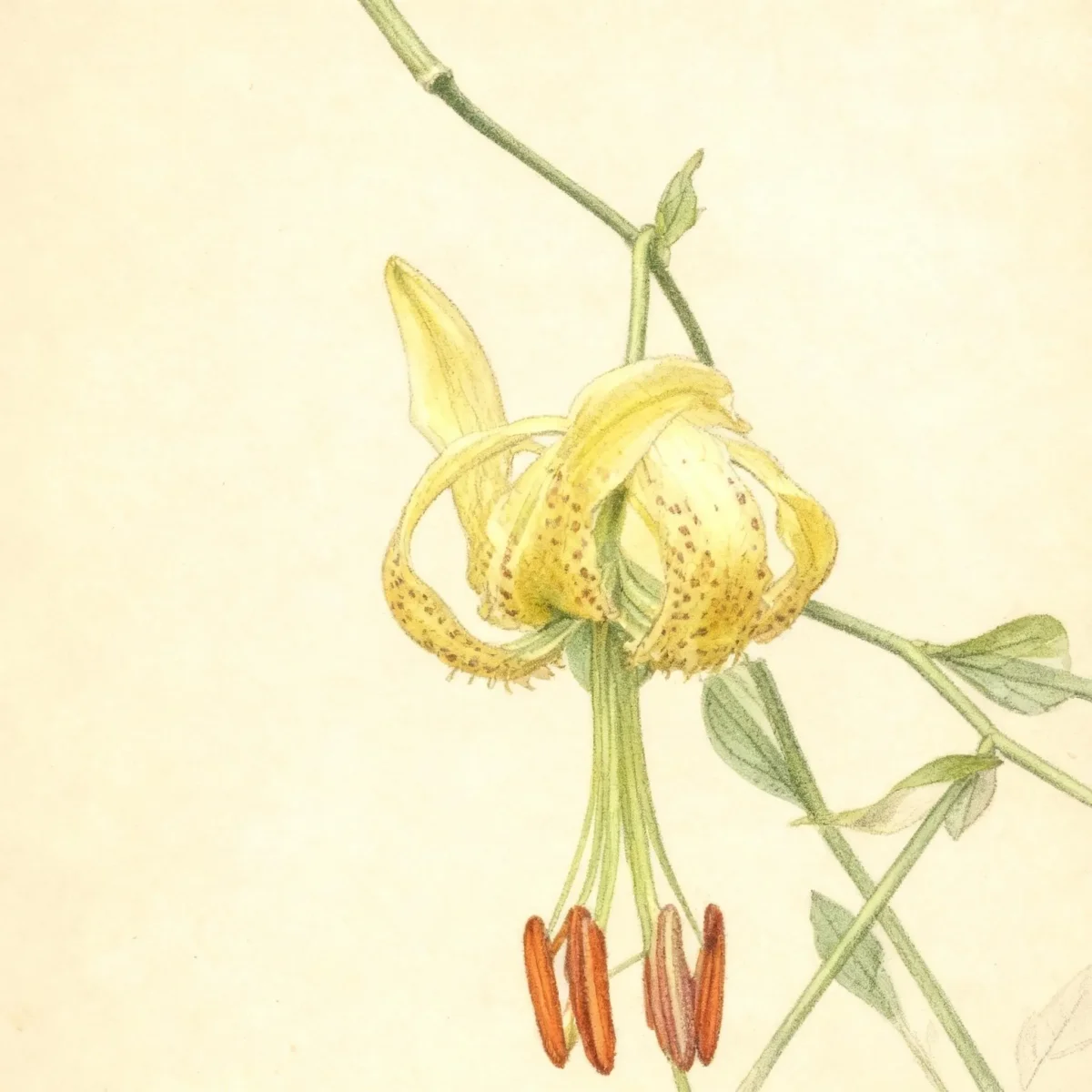
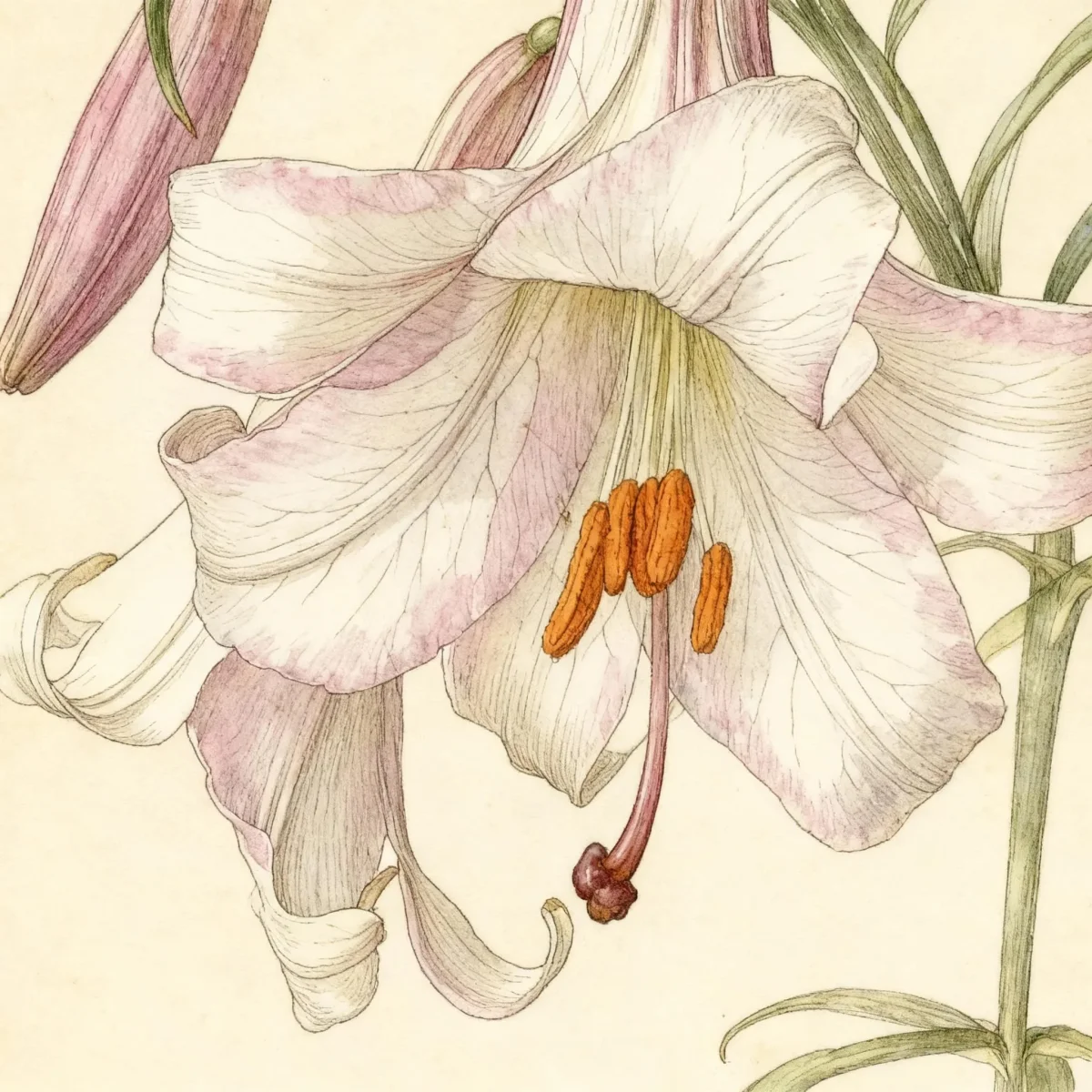
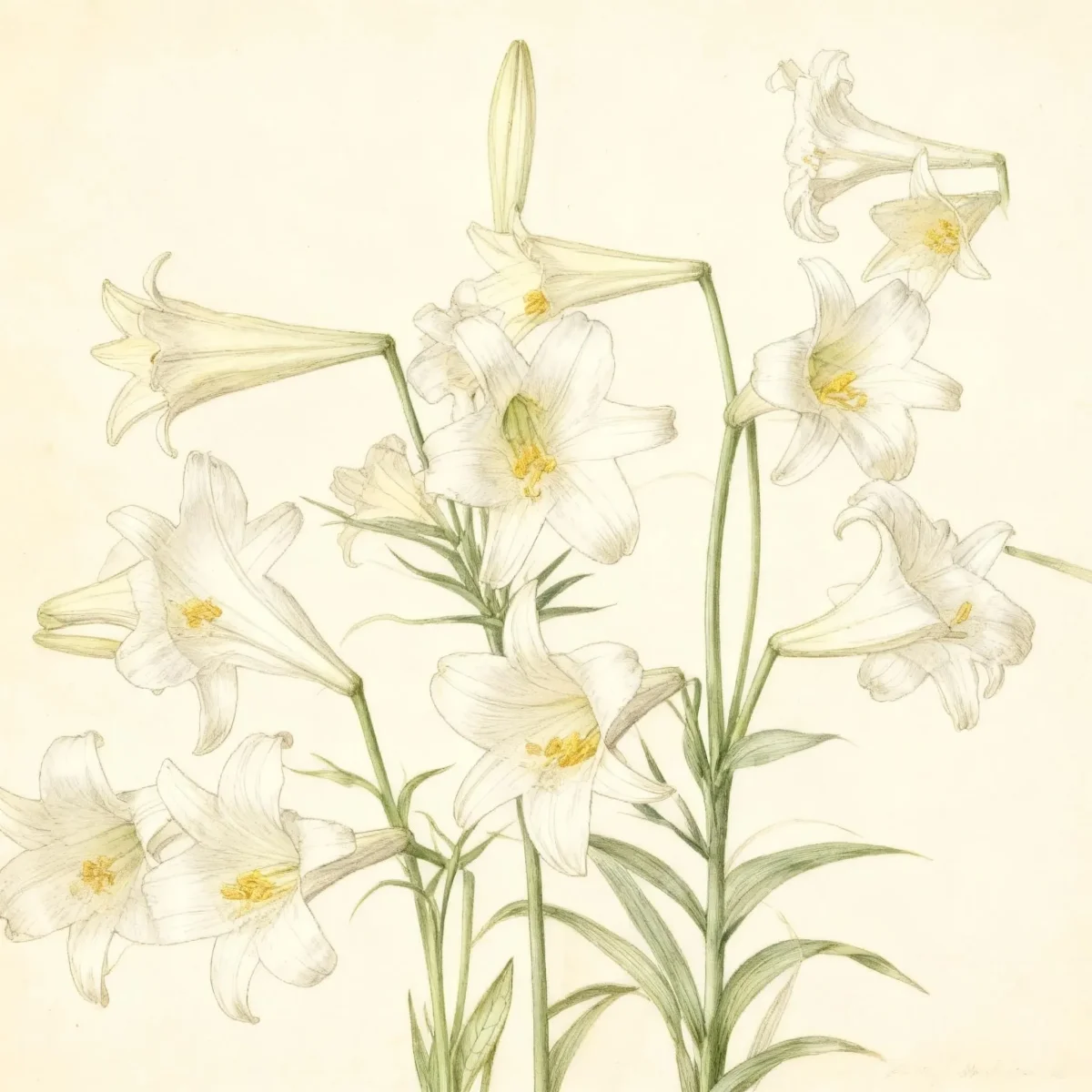
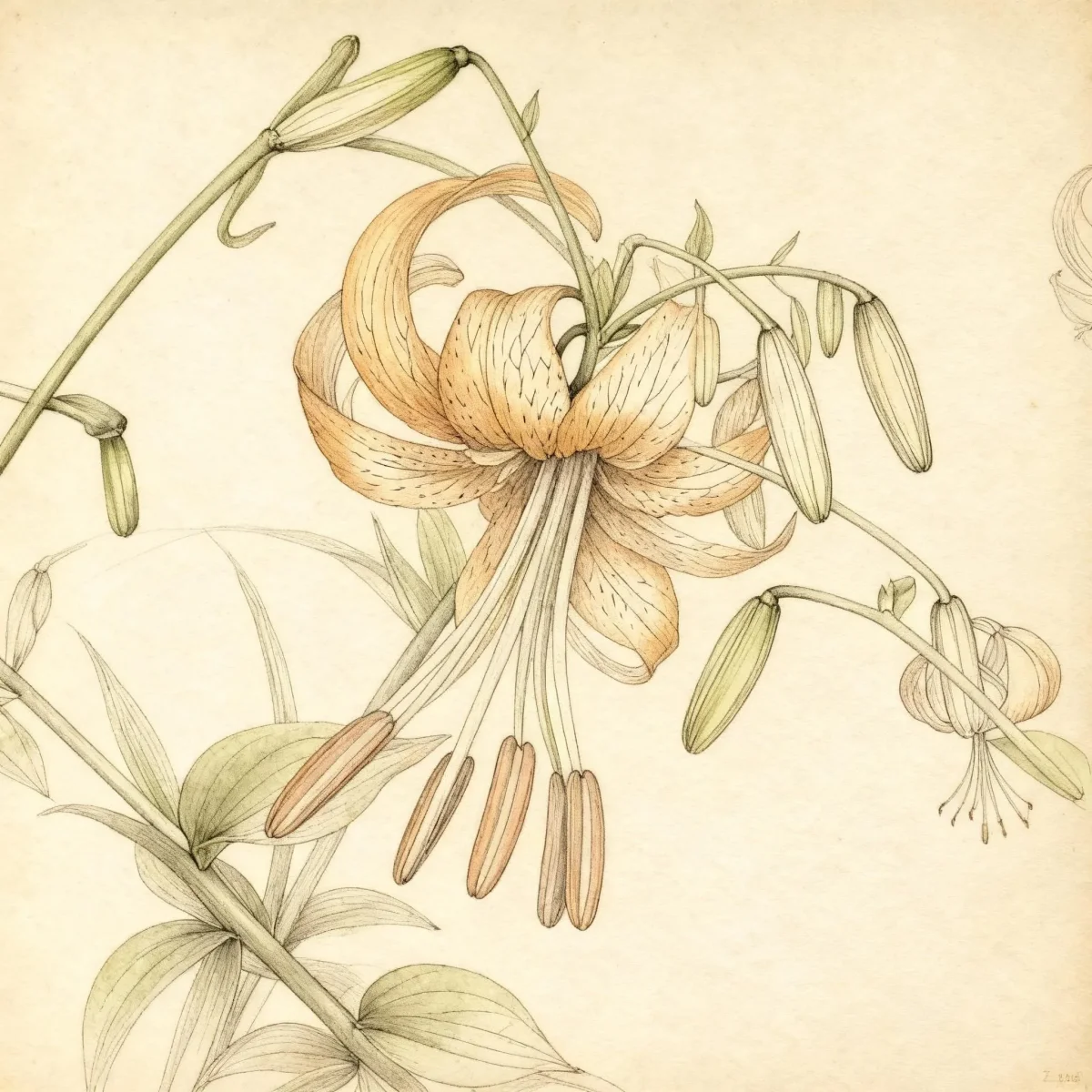
Trumpet lily (Lilium 'American Classic Hybrids')
Magnificent Lilium 'American Classic Hybrids' trumpet lilies offer huge, fragrant, cream-to-white flowers in summer. Hardy in zones 4-9, these low-maintenance bulbs are excellent cut flowers.
Scroll down to discover growing tips, care requirements, companion plants, and more
Complete Plant Information
Overview
The Trumpet lily, scientifically known as Lilium ‘American Classic Hybrids’, brings dramatic stature and powerful fragrance to the summer garden. These vigorous hybrids, developed from Chinese trumpet lilies, stand tall, making a significant visual impact. Gardeners prize these bulbs for their huge, bowl-shaped blossoms that offer a creamy white hue accented by warm centers.
Lilium ‘American Classic Hybrids’ are generally low maintenance once established. They thrive in well-drained, rich soil and prefer the unique microclimate where the bright sun warms the upper plant while the roots remain cool and shaded. Proper planting technique ensures these large summer bloomers provide reliable, showy displays year after year.
With heights reaching up to 7 feet, these lilies function beautifully as vertical accents in the perennial border. Their exquisite blooms make the Lilium ‘American Classic Hybrids’ a top choice for gardeners seeking high-impact, fragrant summer color and excellent longevity as fresh cut flowers.
Fast Facts
- Plant Family: Liliaceae
- Plant Type: Bulb
- Hardiness Zones: USDA Zones 4-9
- Size at Maturity:
- Height: 5-7 ft
- Spread: 1.5-2.5 ft
- Bloom Time: June
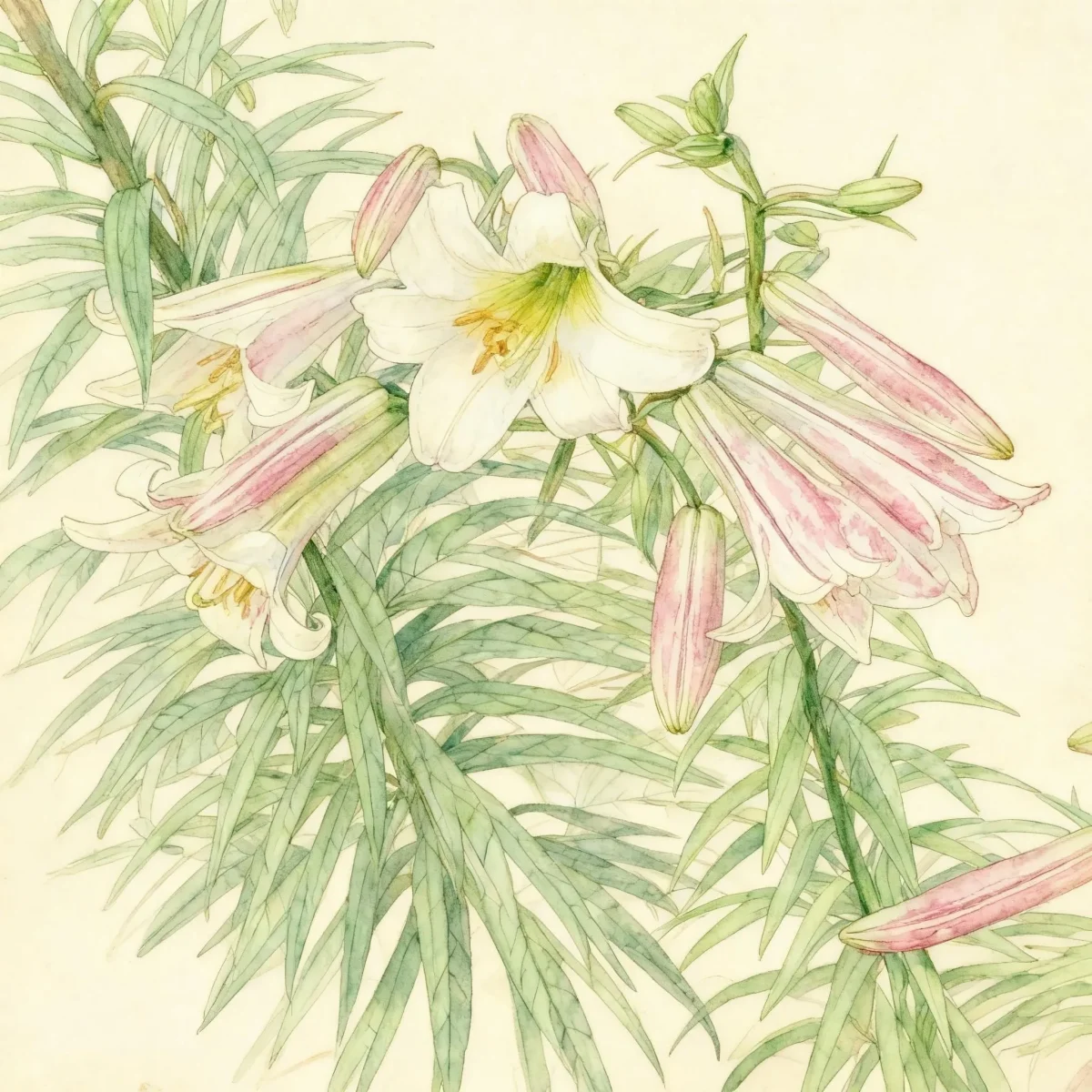
- Bloom Description: Cream to white, with centers ranging from orange to yellow to lime green
- Sun Exposure: Full sun to part shade
- Water Needs: Medium
- Maintenance Level: Low
How to Grow
Planting Lilium ‘American Classic Hybrids’ bulbs is best done in the fall, though some potted stock can be planted in spring or early summer. Ensure the soil is average, medium moisture, and critically, very well-drained to prevent bulb rot. For optimal growth, plant bulbs 4 to 6 inches deep, spacing groups of three about 12 inches apart to allow for their mature spread.
Care requires consistent attention to moisture; these lilies need good, even hydration year-round but absolutely cannot tolerate sitting in wet soil. A key cultural tip is to keep the root zone cool—mulch heavily around the base of the plants. While the stem likes full sun, shade the lower portions of the soil to retain moisture and temperature stability.
After the spectacular June blooms fade, swiftly remove the tired flowers to prevent seed development. However, resist the urge to cut the foliage down immediately. Wait until the leaves and stems turn yellow naturally after flowering, which allows the bulb to build reserves for the following season. Taller stems of the Trumpet lily may require staking, especially if grown in shadier spots where stems can weaken.
Landscape Uses
The commanding presence of the Trumpet lily makes it an outstanding focal point in mixed perennial borders, offering strong summer color and contrast. Plant them in groups rather than singly; these Lilium ‘American Classic Hybrids’ look most impressive when massed, creating vertical impact against shorter plantings. They provide excellent height variation that draws the eye upward.
Beyond the border, these lilies adapt surprisingly well to container culture, though blooms may be slightly smaller. Growing Lilium ‘American Classic Hybrids’ near patios or outdoor living areas maximizes enjoyment of their fragrance. They pair well with mid-sized perennials that share similar sun and moisture needs, such as Baptisia or certain types of ornamental grasses that won’t aggressively compete for root space. Their height also suits them for use as a dramatic backdrop planting.
Standout Features
Flower Qualities
- Showy
- Fragrant
- Good Cut
Noteworthy Characteristics
Lilium is a genus of about 100 species of bulbous, herbaceous perennials native to Europe, North America and Asia south to the Philippines. These tetraploid Chinese trumpet lilies are hybrids developed from a tetraploid form of Lilium henryi, resulting in vigorous plants that bloom for up to five weeks straight. Their huge, fragrant flowers provide long-lasting fresh cut flower material.
Tolerances
Potential Problems
Insect pests, specifically the lily leaf beetle, can cause significant damage if not managed promptly in infested areas. Fungal issues are also a concern; bulb rot is common in poorly drained soils, and botrytis can affect foliage. Protect your Trumpet lily investment by controlling aphids to mitigate the risk of lily mosaic virus, as infection is incurable once established. If stems weaken from too much shade or exposure to strong winds, staking will be necessary to keep the spectacular flowers upright.
Frequently Asked Questions
What hardiness zones is Trumpet lily suitable for?
Lilium ‘American Classic Hybrids’ are reliably hardy in USDA growing zones 4 through 9.
How large does Trumpet lily grow?
These vigorous lilies typically mature between 5 and 7 feet tall, with a spread ranging from 1.5 to 2.5 feet.
What sun exposure does Trumpet lily need?
This plant thrives best in full sun conditions but will tolerate part shade, provided the essential lower roots remain cool.
When does Trumpet lily bloom?
Bloom time is typically in June, featuring magnificent cream to white flowers accented with centers ranging from orange to yellow to lime green.
Conclusion
The Lilium ‘American Classic Hybrids’ delivers exceptional value through its striking height, low maintenance requirements, and intoxicating summer fragrance. Integrating the Trumpet lily into your garden provides unparalleled vertical interest and high-quality blooms ideal for cutting. Before planting, always confirm your soil drains perfectly and check your local USDA hardiness zone compatibility.
Companion Planting
Choosing companions for your Lilium ‘American Classic Hybrids’ should focus on plants that offer dense, low cover around the base of the lily. This strategy helps keep the lily’s roots shaded and cool, which is essential for preventing bulb stress and maximizing bloom quality. Effective companions include Lamb’s Ears (Stachys byzantina) or creeping Thyme, as these groundcovers protect the soil surface without overtopping the emerging lily foliage.
Another excellent category of companions involves structural perennials that share the need for full sun and medium moisture. Consider planting them alongside Siberian Iris or early-blooming Peonies. These companions will fill the space left behind once the lily finishes blooming later in the season, ensuring continuity of visual interest in the border.
Seasonal Care Calendar
Spring signals the time for vigilance against pests and the application of mulch. As soon as shoots emerge, inspect leaves for early signs of lily beetle larvae and treat immediately, as prompt control is far more effective than reactive measures later in the season. Ensure your bulbs have a fresh layer of organic mulch 2-3 inches deep immediately after planting or as soil warms up.
Summer is dedicated to admiring the blooms of the Trumpet lily and managing water intake. Maintain consistency with watering; never let the soil dry out entirely, but adjust if the area appears overly saturated, which signals danger of bulb rot. Deadhead spent flowers to redirect the plant’s energy back into developing strong bulbs for next year’s display.
Fall cleanup should be conservative. After the stems have browned completely, cut the stalks down to the ground level. This final step completes the lifecycle, ensuring the plant is prepared for winter dormancy. In colder reaches of zones 4 and 5, a light insulating layer of straw over the planting site can provide extra insurance during the coldest winter months.