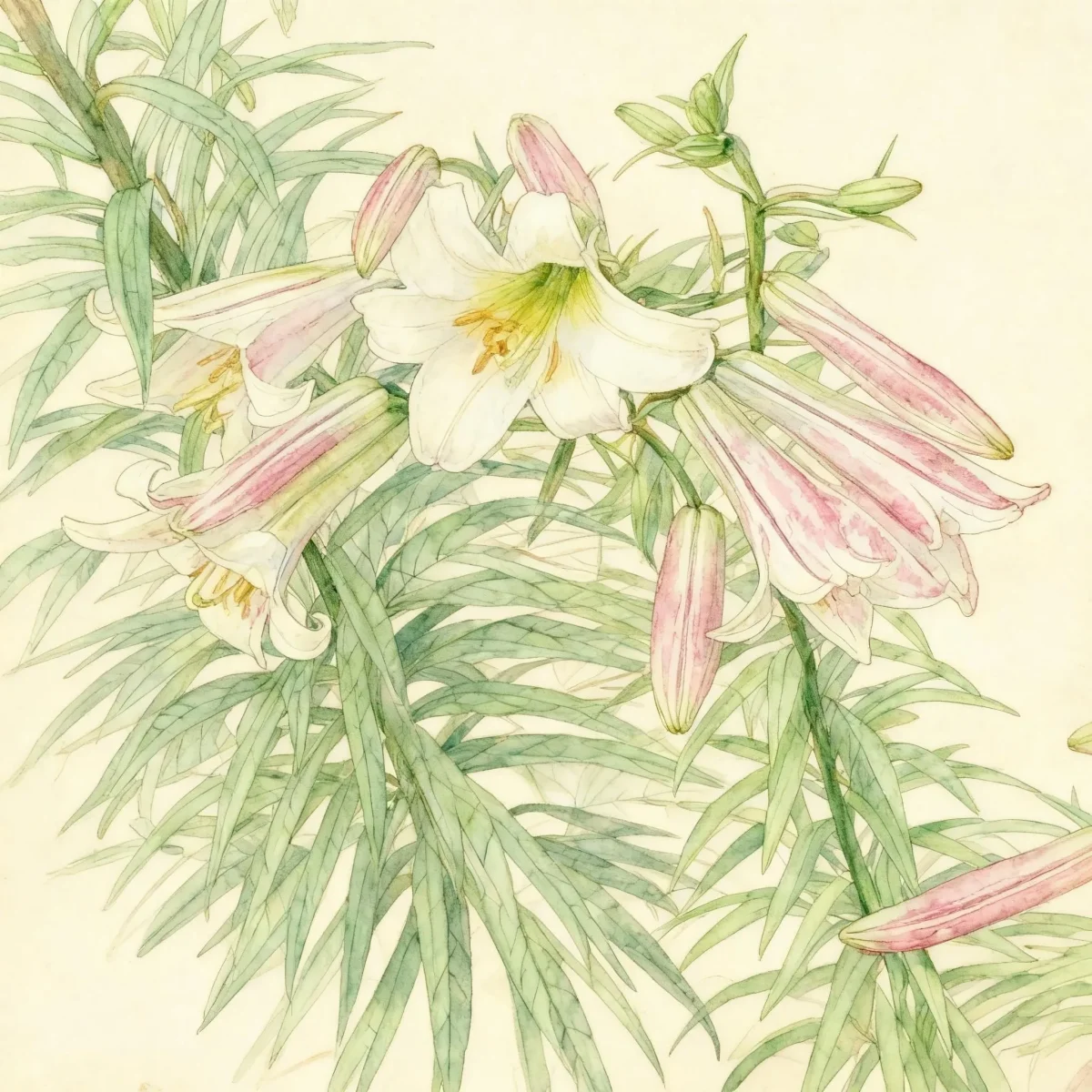
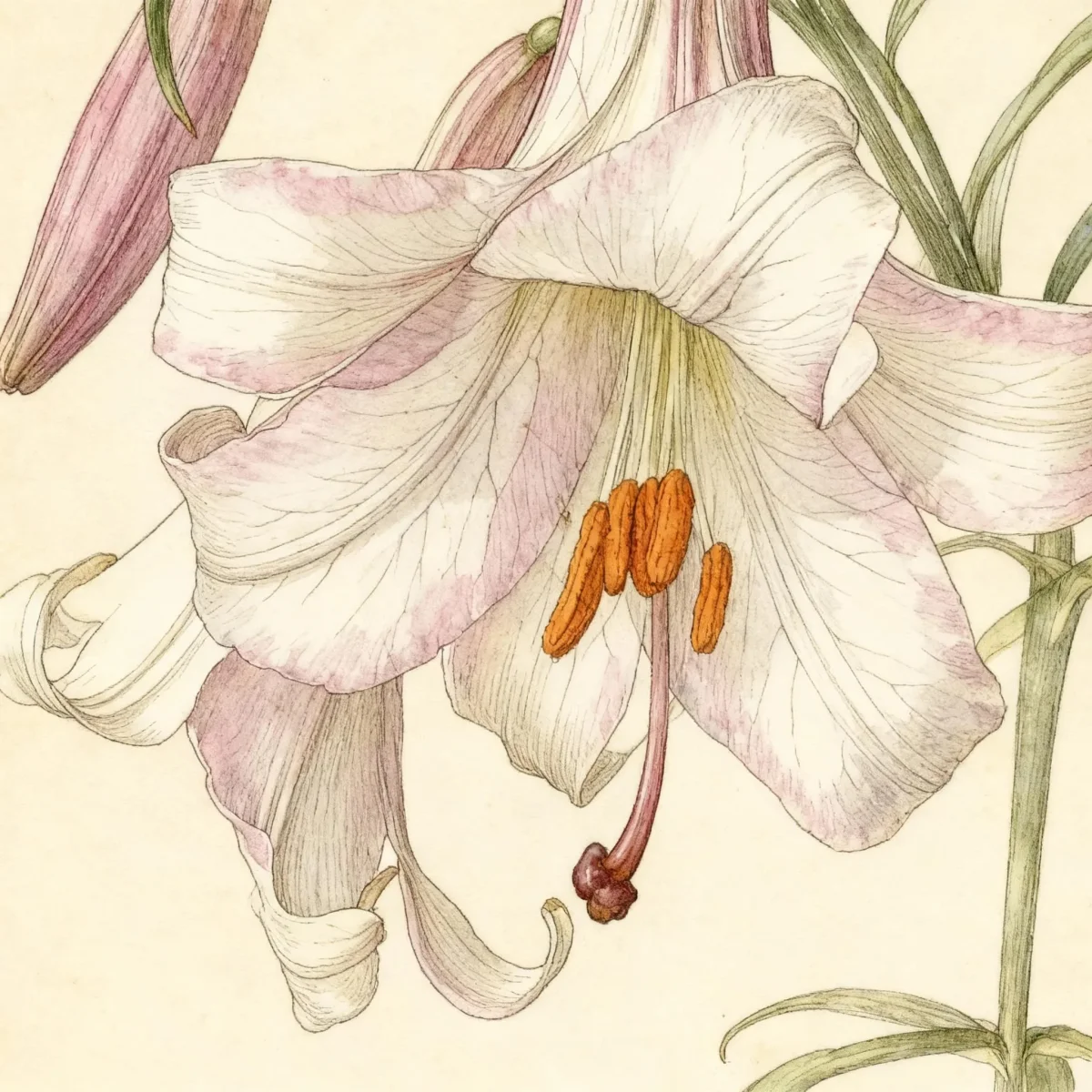
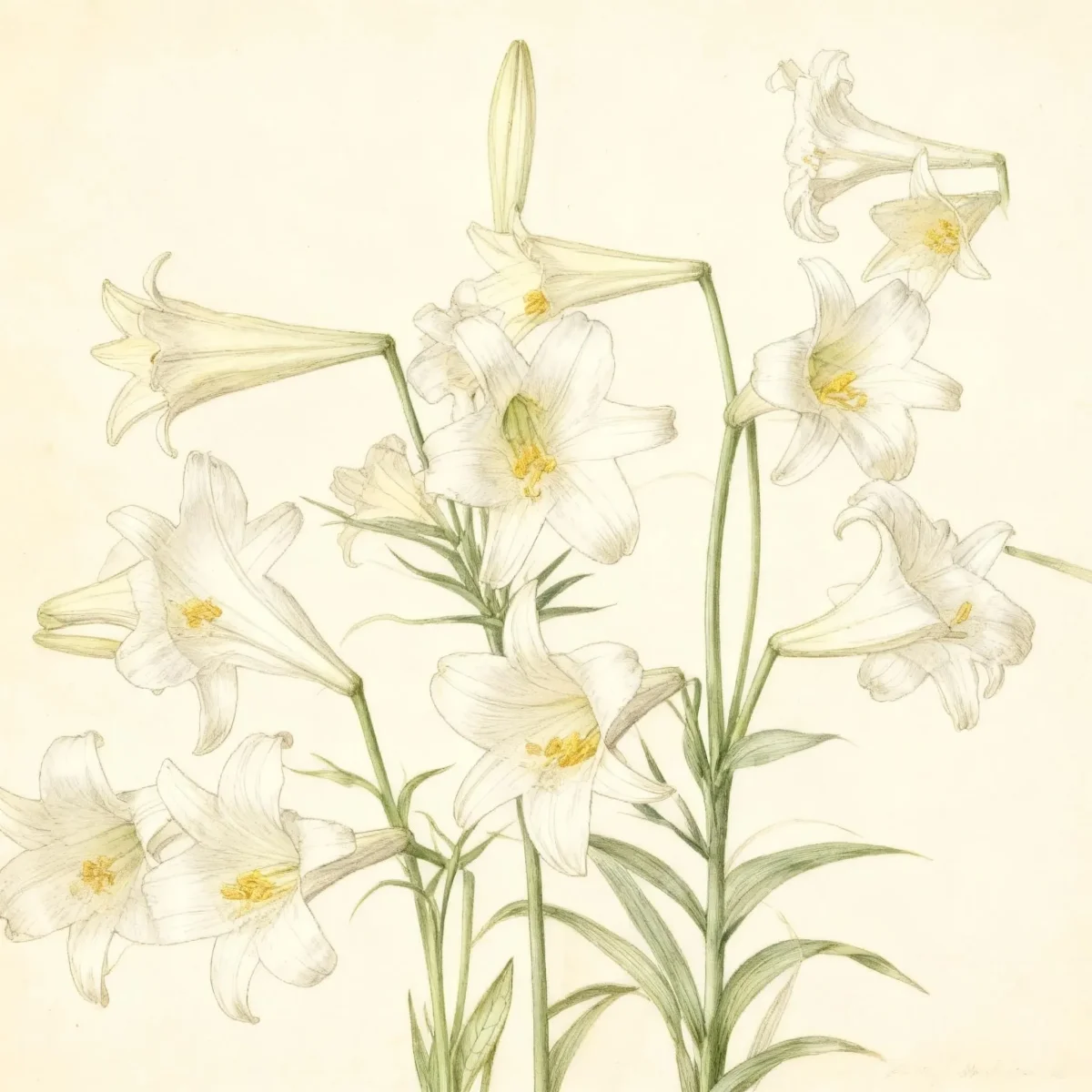
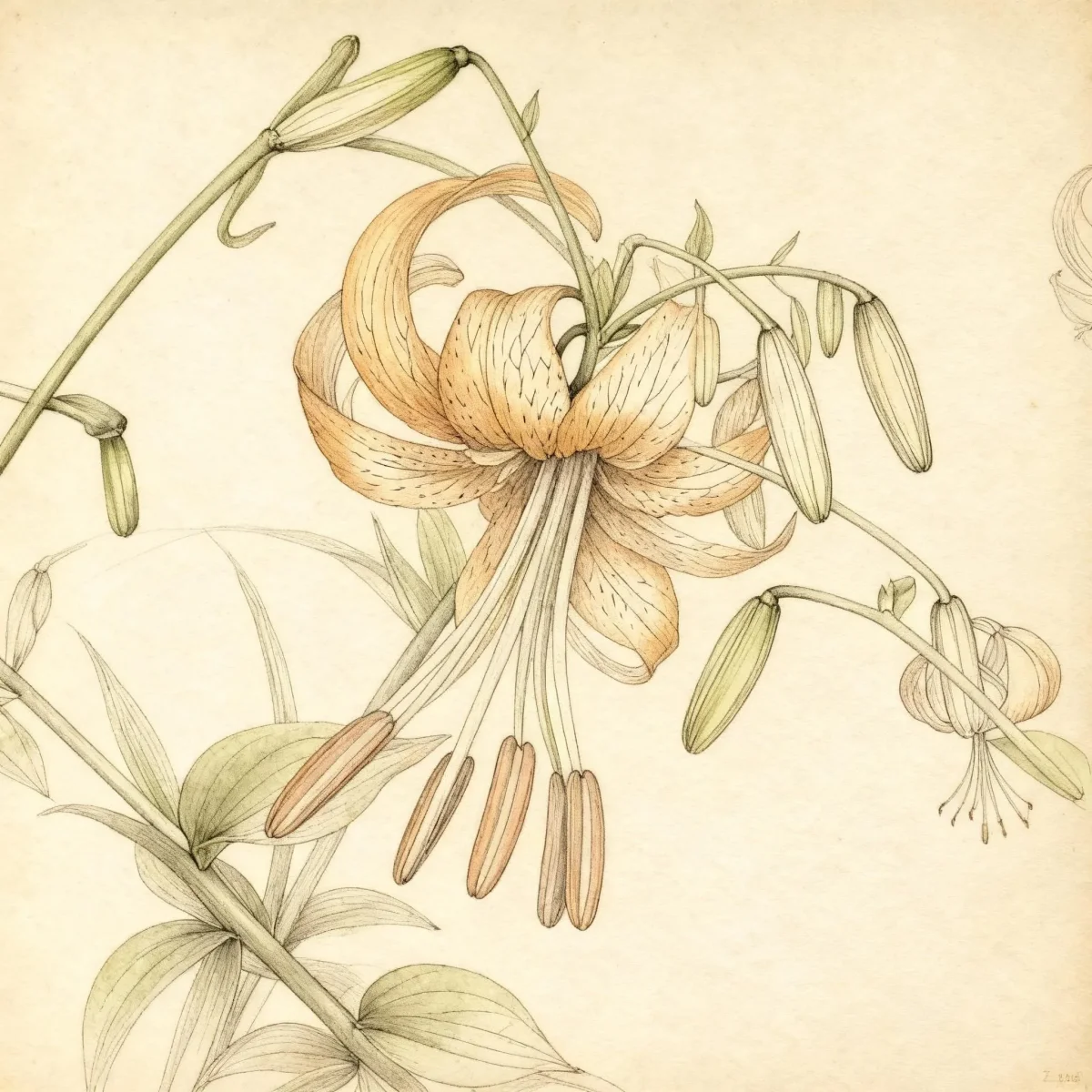
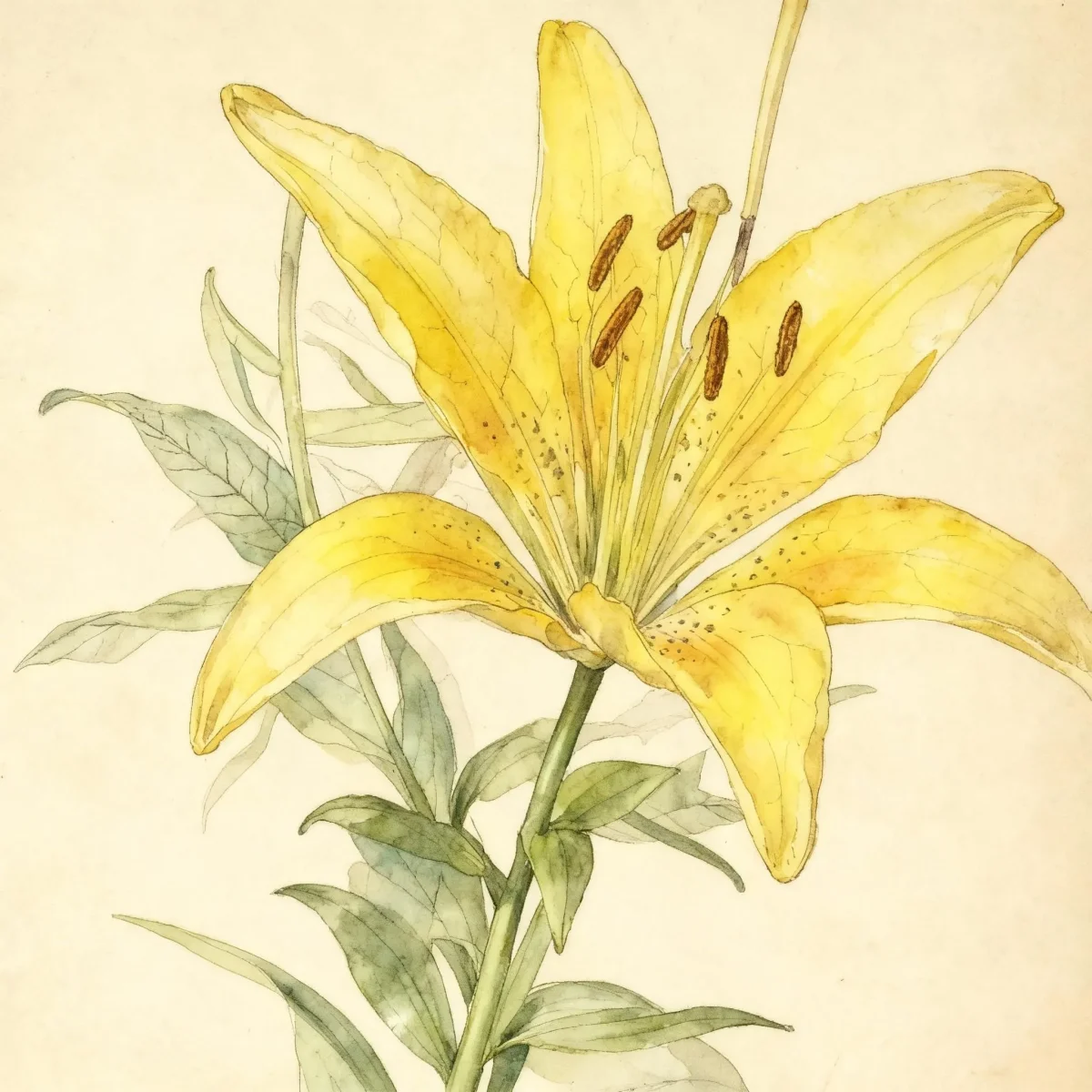
Trumpet lily (Lilium henryi var. citrinum)
Grow the spectacular Lilium henryi var. citrinum, a hardy Trumpet lily, for showy yellow blooms in mid-summer. Low maintenance.
Scroll down to discover growing tips, care requirements, companion plants, and more
Complete Plant Information
Overview
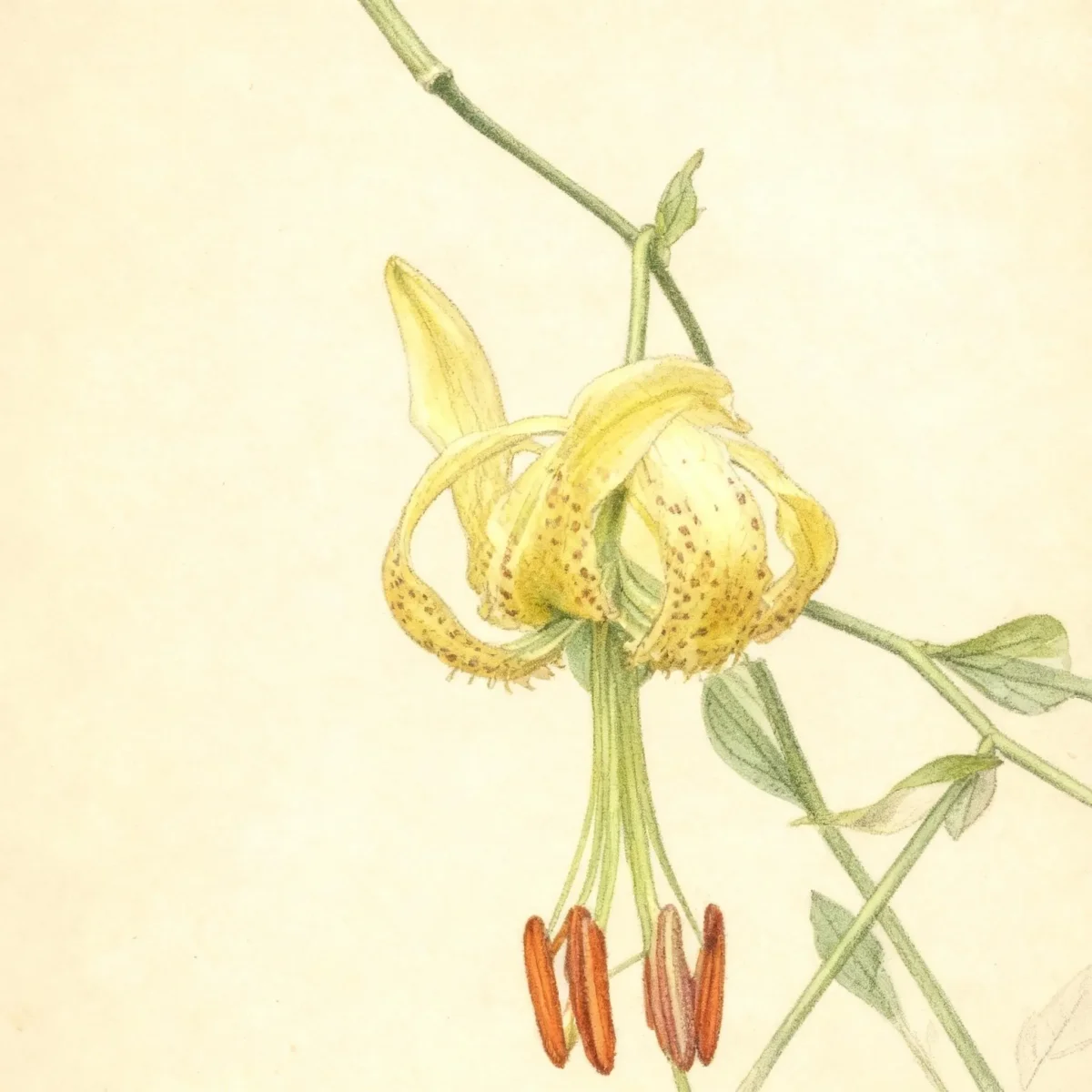
The Trumpet lily, scientifically known as Lilium henryi var. citrinum, offers a vibrant splash of color to the summer garden. This cultivar is highly valued for its distinctive yellow tepals accented with delicate maroon flecks, setting it apart from the orange-toned species. As a robust Division IX Asiatic lily descendant, its structure provides significant vertical interest.
These bulbs naturally originate from the mountain slopes of Central China, establishing them as surprisingly tough performers in temperate gardens. Lilium henryi var. citrinum is celebrated for its relatively low maintenance needs once established, making it accessible even for beginner gardeners seeking dramatic height.
Planting these reliably tall lilies provides spectacular floral architecture from mid to late summer. Gardeners appreciate the showy nature of this variety, suitable for background plantings where their height (up to 8 feet) can shine. Ensure planting occurs in the fall for the best summer show of the Trumpet lily.
Fast Facts
- Plant Family: Liliaceae
- Plant Type: Bulb
- Native Range: Central China
- Hardiness Zones: USDA Zones 5-8
- Size at Maturity:
- Height: 4-8 ft
- Spread: 2-3 ft
- Bloom Time: July to August
- Bloom Description: Yellow with maroon flecks
- Sun Exposure: Full sun to part shade
- Water Needs: Medium
- Maintenance Level: Low
How to Grow
For optimal establishment, plant Lilium henryi var. citrinum bulbs in the fall, setting them 6 to 8 inches deep in average, evenly moist, slightly acidic, well-drained soils. While they tolerate full sun, they perform best when situated where they receive part shade, often preferring richer, organic loams. Mulching heavily around the base of emerging plants is crucial to help keep the critical root zones cool throughout the warmer months.
Watering for this lily should be kept consistent; do not allow the soil to dry out, especially during active growth periods. This lily requires medium water levels to maintain vigor. Stems of Lilium henryi var. Citrinum are known to lean as they reach their impressive mature heights, so staking taller plants or providing strategic support is often necessary to maintain an upright appearance.
After the spectacular July-August bloom period for your Trumpet lily, resist the urge to tidy up immediately. Pruning should only occur after the stems and leaves have completely turned yellow naturally, allowing the bulb to recharge for the following year. This species also possesses the fascinating ability to produce bulbils within the leaf nodes, providing an easy, natural method of propagation if desired.
Landscape Uses
The height and striking yellow blooms of Lilium henryi var. citrinum make it an ideal specimen for the back of perennial borders, where it can tower over shorter plantings. Its vertical structure lends itself perfectly to cottage gardens, mimicking the dramatic spires of traditional English gardens. These lilies also thrive in open woodland settings, provided they receive adequate dappled sunlight.
If you are creating a dedicated cutting garden, the robust stems and showy flowers of the Trumpet lily are indispensable. For gardeners with limited space, Lilium henryi var. citrinum can be successfully grown in large pots or containers. Be mindful that while container culture is possible, the resulting plants and flower size may be somewhat reduced compared to those grown directly in the ground.
Standout Features
Flower Qualities
- Showy
- Fragrant
Noteworthy Characteristics
Lilium henryi, sometimes called Henry’s lily, is a Division IX species lily that is native to mountain slopes in south-central China. It typically grows from 4 to 8 feet (infrequently to 10’) tall on slender green to purple stems clad with lance-shaped deep green leaves (to 6” long). Leaves just below the flower clusters are ovate and shorter. Nodding, unscented, maroon spotted, light orange flowers (to 2” wide) have deeply recurved tepals and prominent papillae. Anthers are dark orange. Flowers bloom in clusters (racemes) of 10-20 from mid to late summer. This species has been a parent in a number of important hybrid lilies. Lilium henryi var. Citrinum differs from the species in the color of the tepals which are yellow rather than orange.Genus name comes from the Latin name meaning lily.The specific epithet henryi honors Irish plant explorer Augustine Henry (1857-1930) who found and collected this species at Ichang Gorge in central China in 1888. The infraspecific epithet citrinum means “yellow-colored”, in reference to the color of the tepals of this variety compared to the species.
Tolerances
This section is empty for the provided data.
Potential Problems
For the average gardener, this lily is easy to grow. It is generally pest free, but potential diseases include: (1) lily mosaic virus (prompt control of aphids which vector the disease is highly recommended, since there is no cure once infection occurs), (2) bulb rot (particularly in wet, poorly-drained soils), and (3) Botrytis. Bulbs of this species have resistance to fungi and viruses.
To prevent bulb rot, ensure your soil profile is well-drained, amending heavy clay with grit or compost if necessary. Managing aphids swiftly is the best defense against mosaic virus transmission, as there is no treatment once a plant is infected. Good air circulation, supported by proper spacing, also helps minimize fungal issues like Botrytis.
Frequently Asked Questions
What hardiness zones is Trumpet lily suitable for?
The Trumpet lily is hardy and thrives across USDA Zones 5 through 8.
How large does Trumpet lily grow?
This lily typically reaches mature heights between 4 and 8 feet tall, with a modest spread of 2 to 3 feet wide.
When does Trumpet lily bloom?
You can expect the distinctive flowers of Lilium henryi var. citrinum to appear in the garden from July through August, displaying yellow with maroon flecks.
What sun exposure does Trumpet lily need?
This species prefers full sun but is adaptable and will happily grow well in locations receiving part shade.
Conclusion
The ease of cultivation combined with the striking, tall stature makes Lilium henryi var. citrinum a superb choice for adding vertical drama to summer perennial beds. This variant of the Trumpet lily stands out with its unique yellow coloration, requiring minimal fuss beneath the soil line. Check your local hardiness zone compatibility and plan to plant these bulbs deeply this coming fall for incredible height next season.
Companion Planting
When selecting companions for Lilium henryi var. citrinum, prioritize plants that appreciate similar soil moisture and pH conditions while offering contrasting textures or bloom times. Because Trumpet lilies require cool roots, interplanting with groundcovers or low-growing perennials that spread will help shade the soil surface. Consider pairing the towering yellow spikes with shorter, mid-summer bloomers like Nepeta (Catmint) or shorter cultivars of Asters. Grouping them near foliage plants like Hostas, provided they are kept out of deep shade, can also create a rich tapestry of color and form.
Progressive Care Calendar
Managing your Trumpet lily involves targeted seasonal attention rather than constant work. In early spring, once growth begins, monitor for aphids to prevent potential virus transmission later in the season. Mid-spring is the ideal time to apply a layer of mulch to retain moisture and keep the roots cool. Once blooming concludes in late summer, resist cutting back the stems until late fall or, preferably, early winter after the foliage has fully yellowed, ensuring maximum energy storage in the bulb for next year’s display of Lilium henryi var. Citrinum.