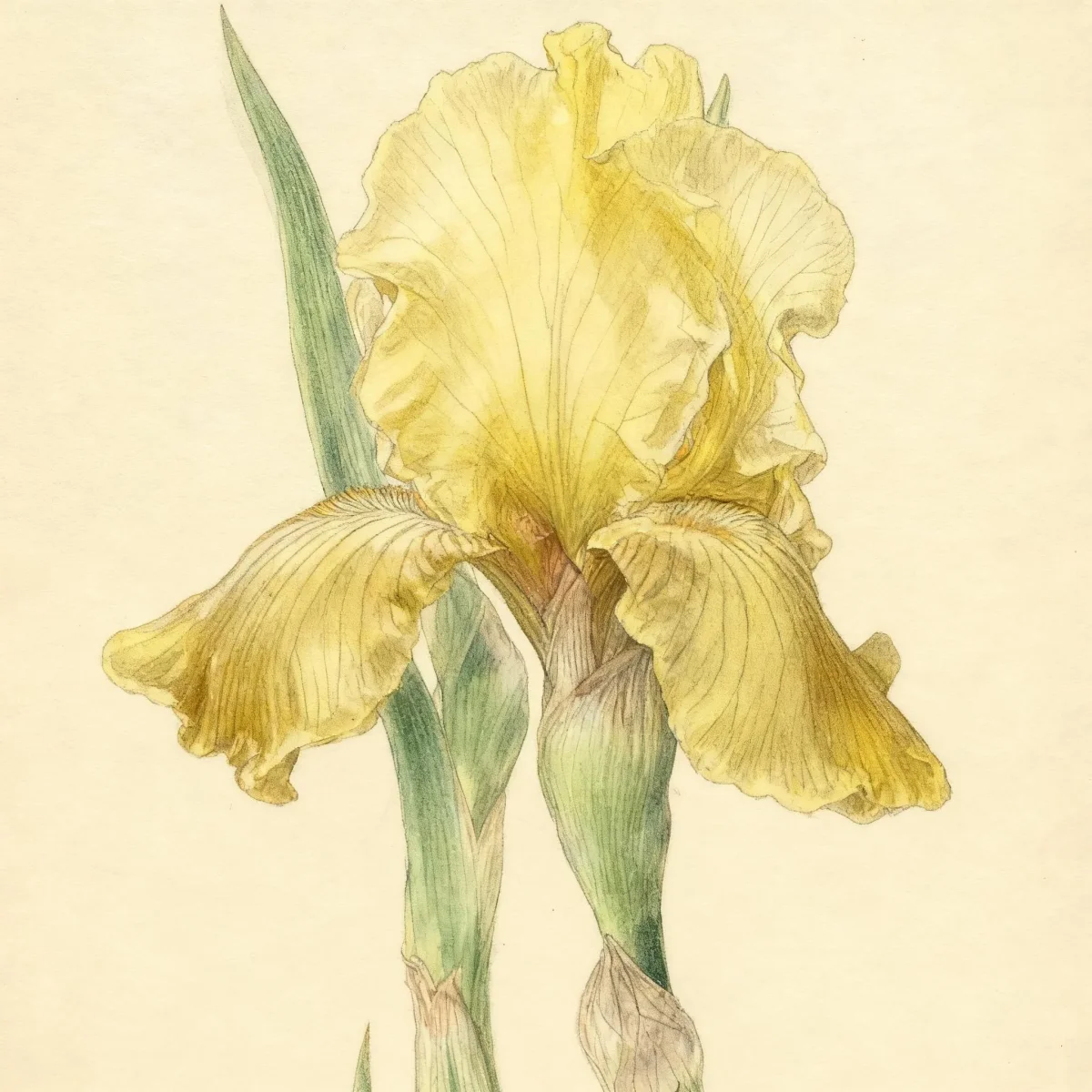
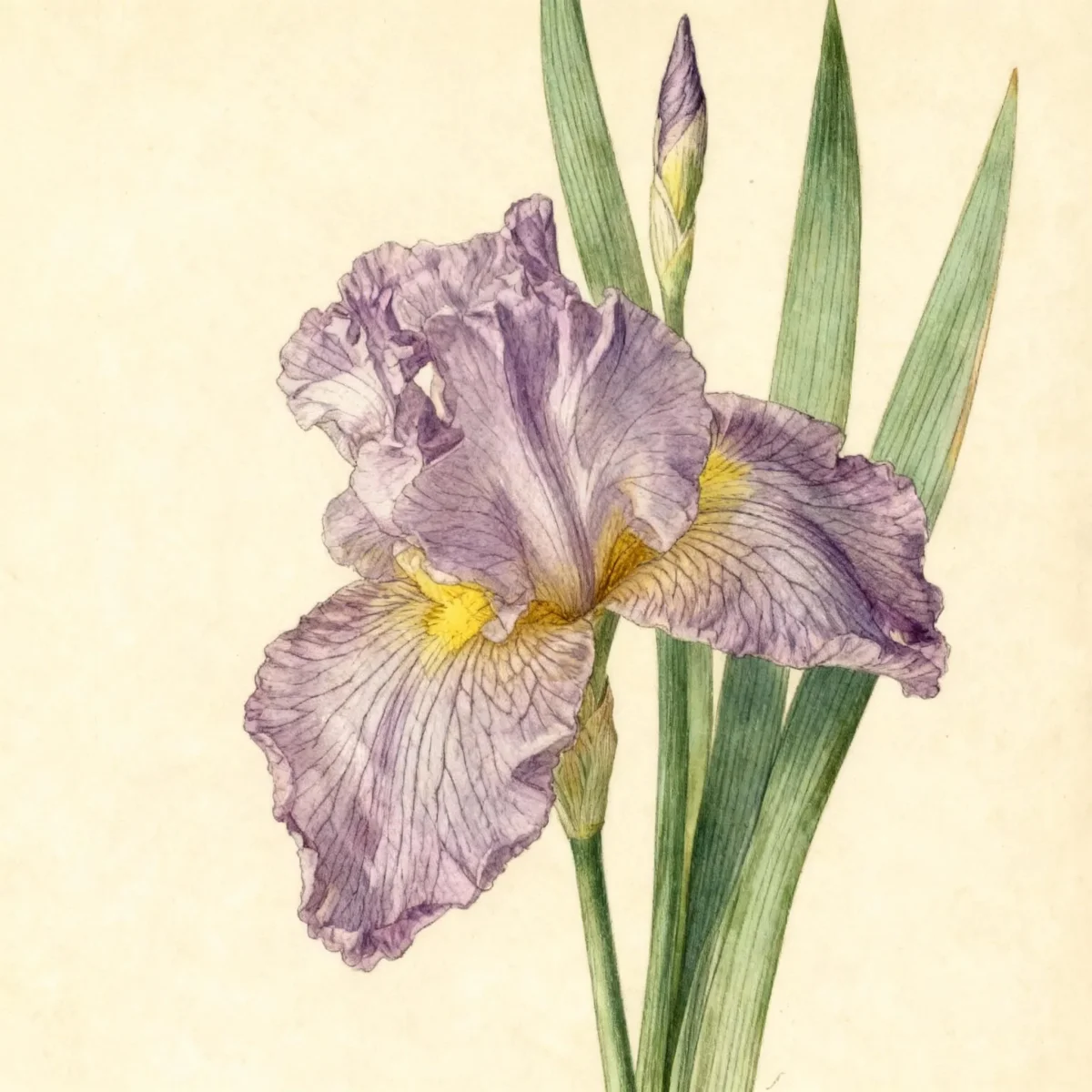
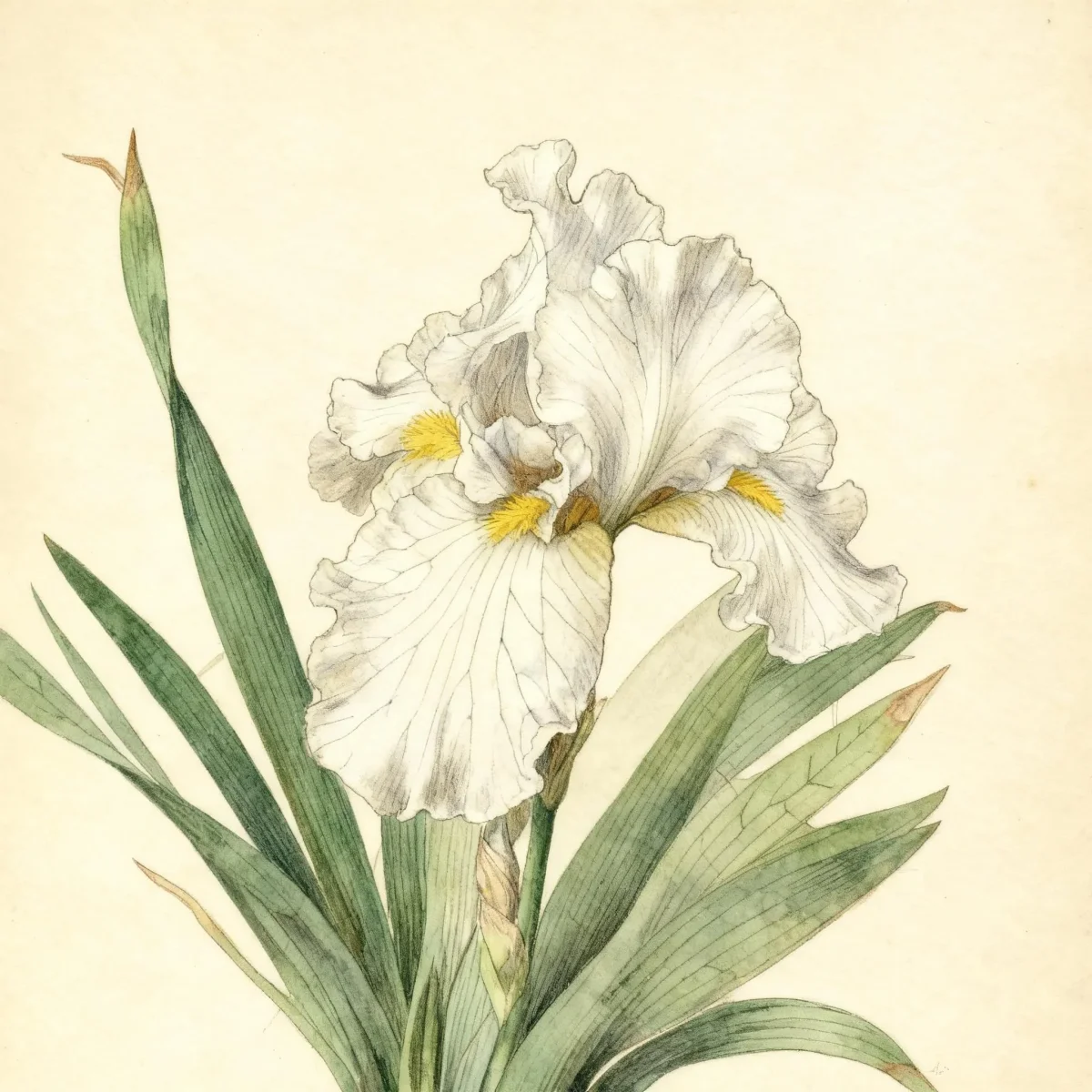
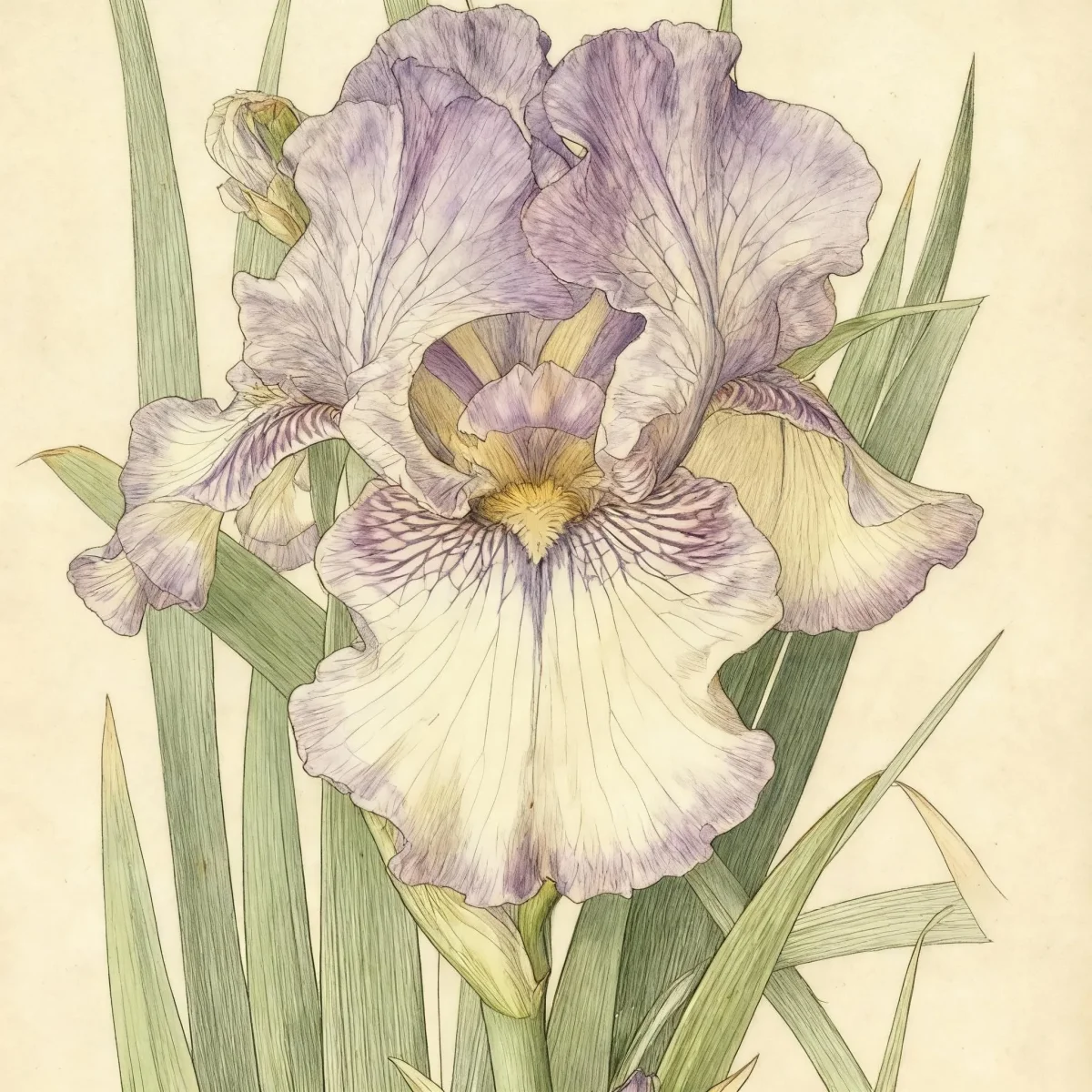
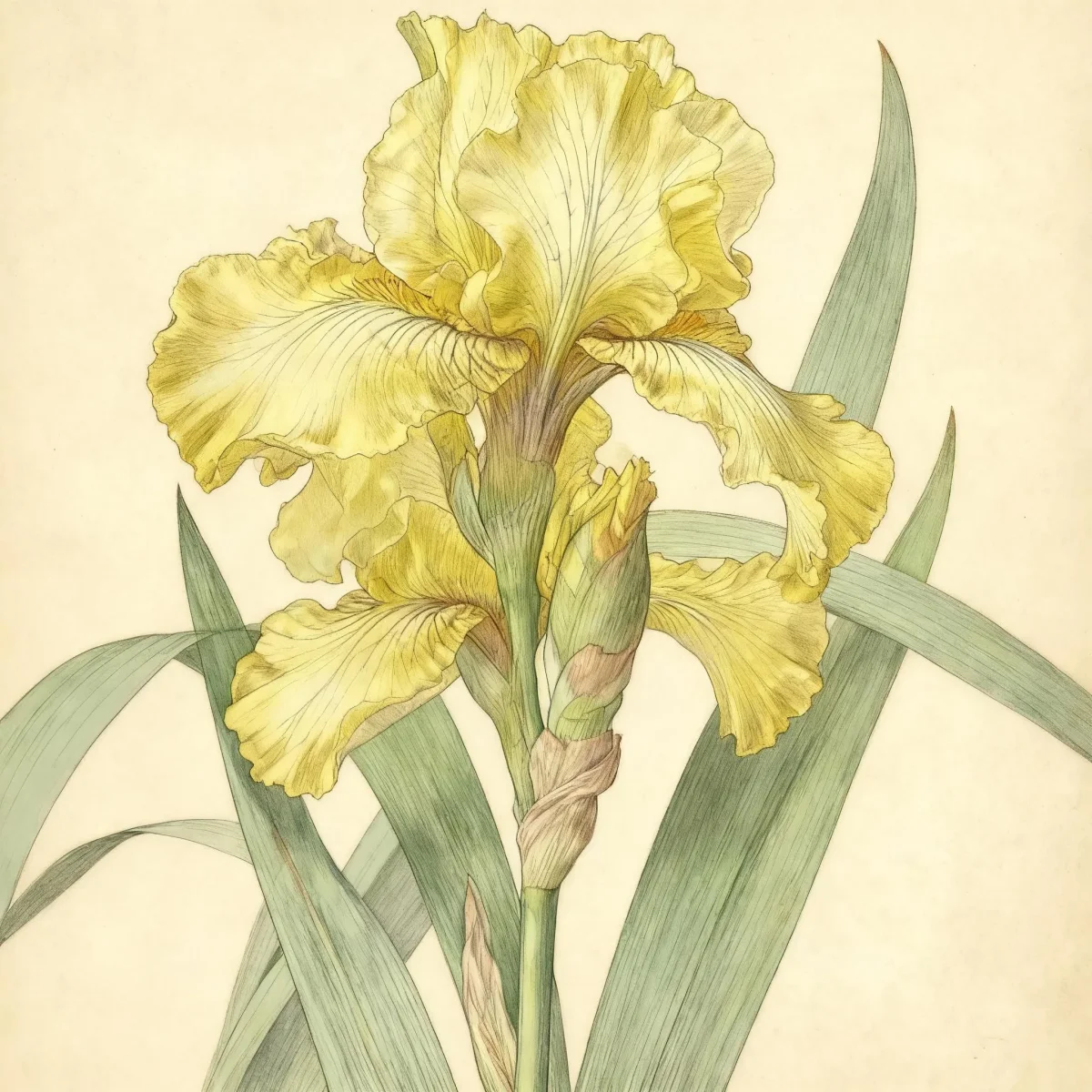
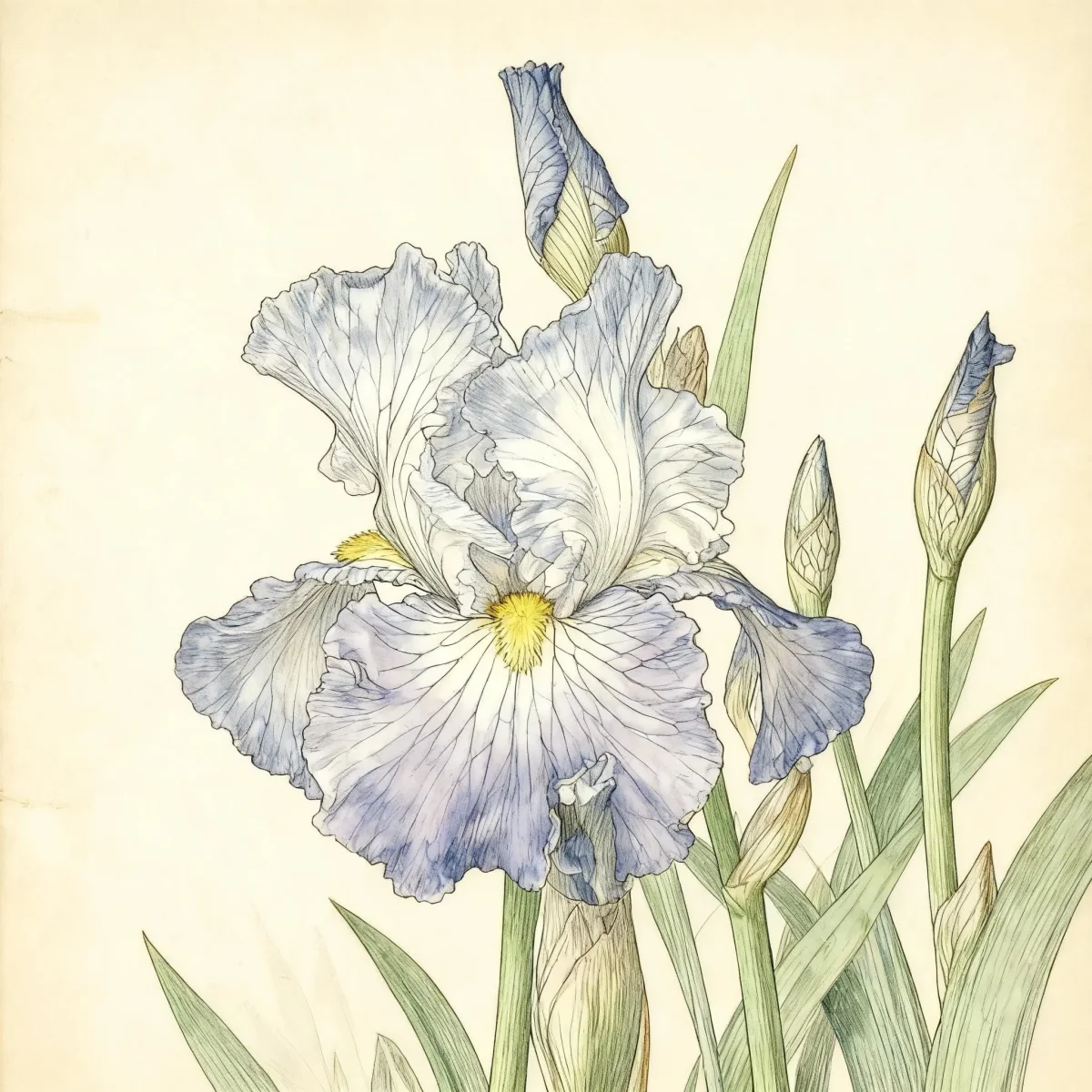
Tall bearded reblooming iris (Iris 'Jennifer Rebecca')
Iris 'Jennifer Rebecca', a Tall bearded reblooming iris, offers rose-pink flowers and thrives in full sun. A reliable perennial for zones 3-10.
Scroll down to discover growing tips, care requirements, companion plants, and more
Complete Plant Information
Overview
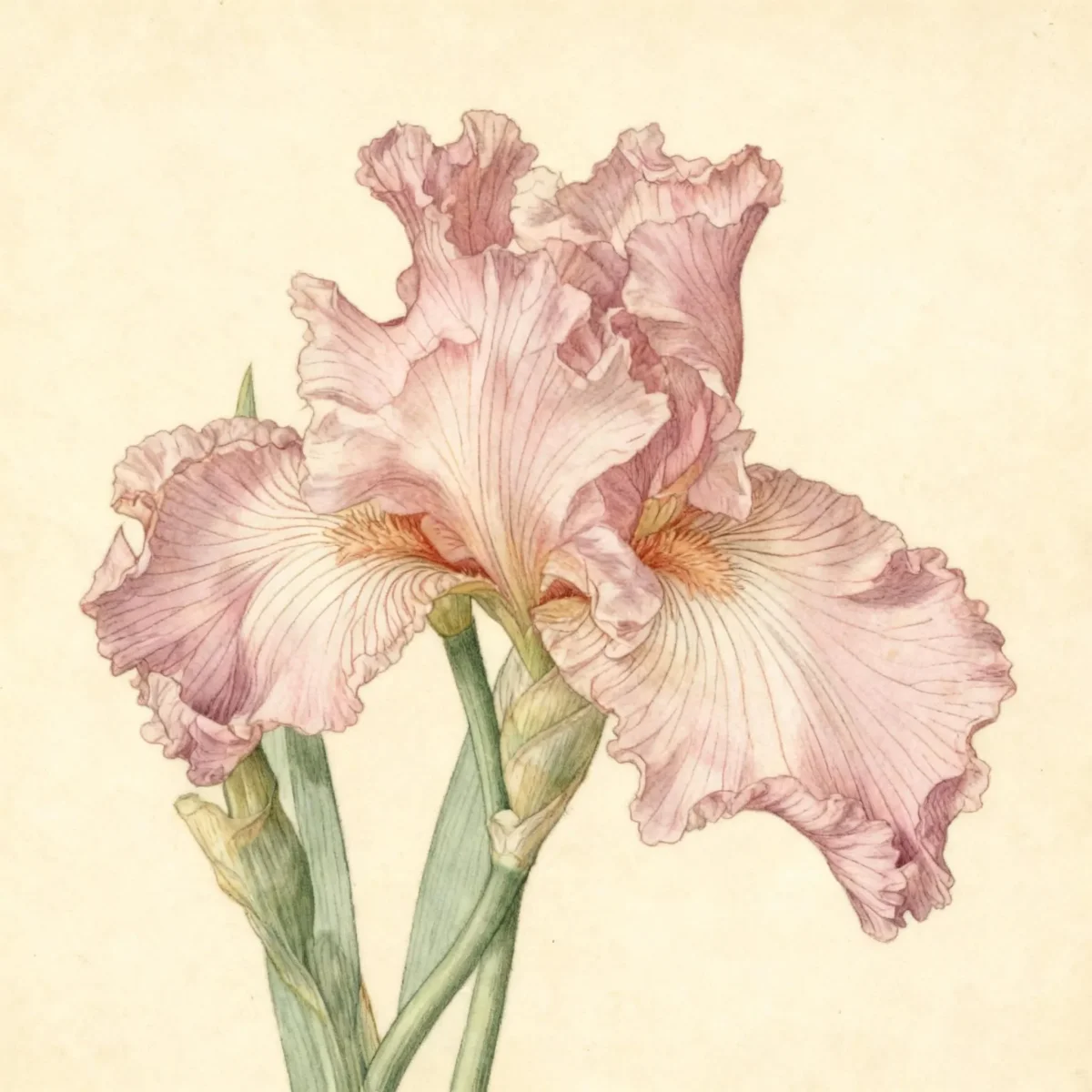
Iris ‘Jennifer Rebecca’ provides superb vertical interest and the bonus of repeat flowering, earning its place as a valued Tall bearded reblooming iris. This hybrid cultivar showcases beautiful rose-pink standards and falls, accented by a tangerine-pink beard, making it a visually striking addition to any spring and summer garden. As a rhizomatous perennial, it forms attractive clumps over time, offering reliable performance across many climates.
Gardeners appreciate the manageable size of this Tall bearded reblooming iris, typically reaching 2.5 to 3 feet tall. While primarily blooming in spring, the reblooming trait of Iris ‘Jennifer Rebecca’ provides a chance for subsequent flowers in late summer or fall, extending the season of color significantly. Proper drainage is key to success with this dependable variety.
The sword-shaped, linear green leaves provide good structure even when the plant is not in flower. For optimal display and rebloom potential, ensure Iris ‘Jennifer Rebecca’ receives full sun and consistent, but not excessive, moisture, especially during its main growing and flowering periods.
Fast Facts
- Plant Family: Iridaceae
- Plant Type: Herbaceous perennial
- Hardiness Zones: USDA Zones 3-10
- Size at Maturity:
- Height: 2.5-3 ft
- Spread: 1-2 ft
- Bloom Time: May
- Bloom Description: Rose-pink
- Sun Exposure: Full sun
- Water Needs: Medium
- Maintenance Level: Medium
How to Grow
Planting Iris ‘Jennifer Rebecca’ rhizomes is best done from late summer through fall, depending on your winter severity, aiming for late July through October. They thrive in full sun, though some light afternoon shade is tolerated in the hottest climates. Success hinges on excellent drainage; plant rhizomes shallowly on a slight mound or slope, ensuring one-third of the rhizome sits above the soil line with roots spread beneath. Space them 12 to 20 inches apart to allow room for clumping.
Watering should be medium and consistent, particularly from spring until six weeks after the initial bloom period ends, which supports the energy needed for rebloom. While established plants show some drought tolerance, consistent moisture maximizes performance. Fertilize twice annually—once in early spring and again in early July following the first bloom flush.
Maintenance involves keeping the beds weed-free, as weeds compete aggressively. If clumps become overcrowded, lift and divide the rhizomes in late summer (August) using a garden fork. Be vigilant against pests like slugs and iris borers, employing good sanitation practices by removing all debris annually after the first frost to minimize disease carryover.
Landscape Uses
The upright habit and extended bloom time make the Tall bearded reblooming iris highly versatile for sunny landscape placements. Iris ‘Jennifer Rebecca’ is best utilized when grouped or massed, providing significant blocks of color throughout perennial beds and along borders where their height adds necessary structure. They pair well near foundations or as a middle layer in mixed borders.
Consider pairing Iris ‘Jennifer Rebecca’ with shorter, early-season bloomers that fade before the iris takes center stage, or with late-season perennials that will emerge as the iris finishes its potential rebloom cycle. Their sword-like foliage offers strong architectural contrast to softer, mounding companions. Achieving the best visual impact with this Tall bearded reblooming iris often involves grouping at least five rhizomes together.
Standout Features
Flower Qualities
- Showy
Noteworthy Characteristics
Tall Bearded Iris cultivars, including the reblooming Iris ‘Jennifer Rebecca’, feature two or more branches and at least seven blossoms per stem, often exceeding 3 feet in height. The characteristic bushy “beard” is clearly visible on the falls of the flower. Reblooming is a desired trait, but it is never guaranteed and depends heavily on local climate and cultural care.
Tolerances
- Deer
- Drought
Potential Problems
Be aware that Iris ‘Jennifer Rebecca’ can be susceptible to fungal and bacterial issues like leaf spot, bacterial soft rot, and crown rot, especially in poorly drained conditions. Pests such as slugs, snails, and iris borers may also pose threats. The most common reason for poor flowering is planting the rhizome too deeply, planting in too much shade, or overcrowding.
Effective management centers on sanitation: promptly remove and destroy any diseased foliage or rhizomes. Ensure rhizomes are never planted too deep, as this favors rot. If flowering is sparse, division in late summer is generally the required cultural practice to rejuvenate the clumps.
Frequently Asked Questions
What hardiness zones is Tall bearded reblooming iris suitable for?
This versatile perennial, Iris ‘Jennifer Rebecca’, is suitable for USDA Zones 3 through 10.
How large does Tall bearded reblooming iris grow?
When mature, Iris ‘Jennifer Rebecca’ typically reaches a height between 2.5 and 3 feet, spreading 1 to 2 feet wide.
What sun exposure does Tall bearded reblooming iris need?
Iris ‘Jennifer Rebecca’ requires full sun for the best flowering performance, though it can tolerate a small amount of afternoon shade in very hot summer regions.
When does Tall bearded reblooming iris bloom?
The primary bloom time for Iris ‘Jennifer Rebecca’ is May, featuring rose-pink flowers, with the potential for rebloom later in the season.
Conclusion
Iris ‘Jennifer Rebecca’ is an outstanding choice for gardeners seeking reliable height and extended color thanks to its reblooming nature. This handsome Tall bearded reblooming iris adds structure and vibrant rose-pink tones to the sunny borders. Before planting, verify your site conditions align with the full sun and excellent drainage requirements to ensure a spectacular seasonal display.
Companion Planting
When placing Iris ‘Jennifer Rebecca’ in your perennial border, consider companions that appreciate similar sun and moisture needs but offer contrasting texture or bloom times. Low-growing, fine-textured plants like Catmint (Nepeta) or creeping thyme planted in front of the iris will complement the vertical lines of the foliage and help shade the soil around the rhizomes.
Avoid planting spring ephemerals that die back too early, leaving large bare spots as the iris matures. Conversely, taller summer bloomers should be situated behind the bearded iris to ensure the rhizomes remain exposed to sunlight, preventing overcrowding which leads to poor flower production and potential rot issues.
Propagation Tips
Propagation of Iris ‘Jennifer Rebecca’ is most successfully achieved through rhizome division, capitalizing on its identity as a rhizomatous perennial. This process is best done in late summer, typically August, after the main flowering season has concluded and the rhizomes have had time to mature.
Carefully lift the entire clump using a garden fork, taking care not to damage the fleshy roots or the fan of leaves. Separate the rhizomes, ensuring each division has a healthy fan of leaves attached and a viable growing point (the leafy end). Replant immediately following proper shallow planting techniques described in the culture section.