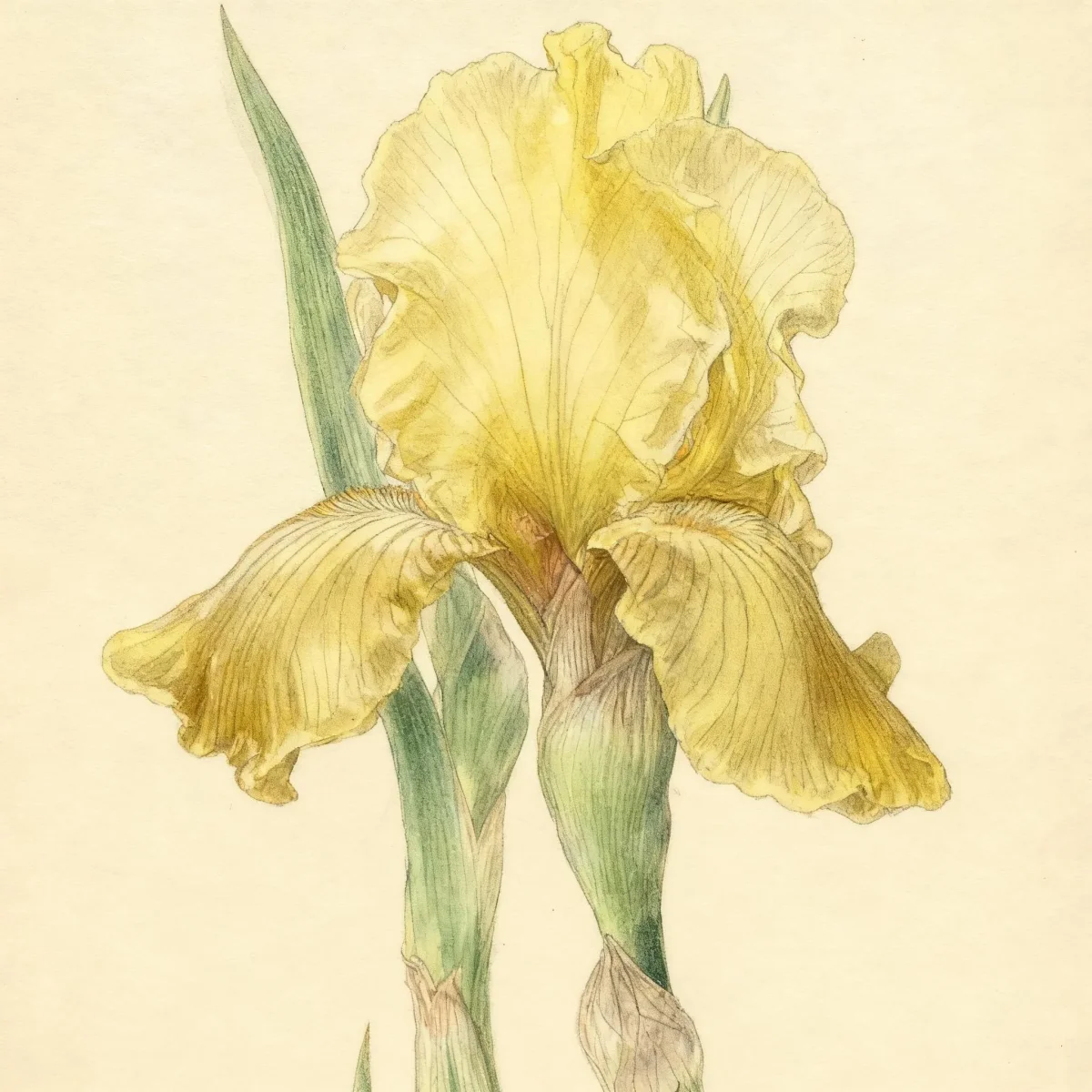
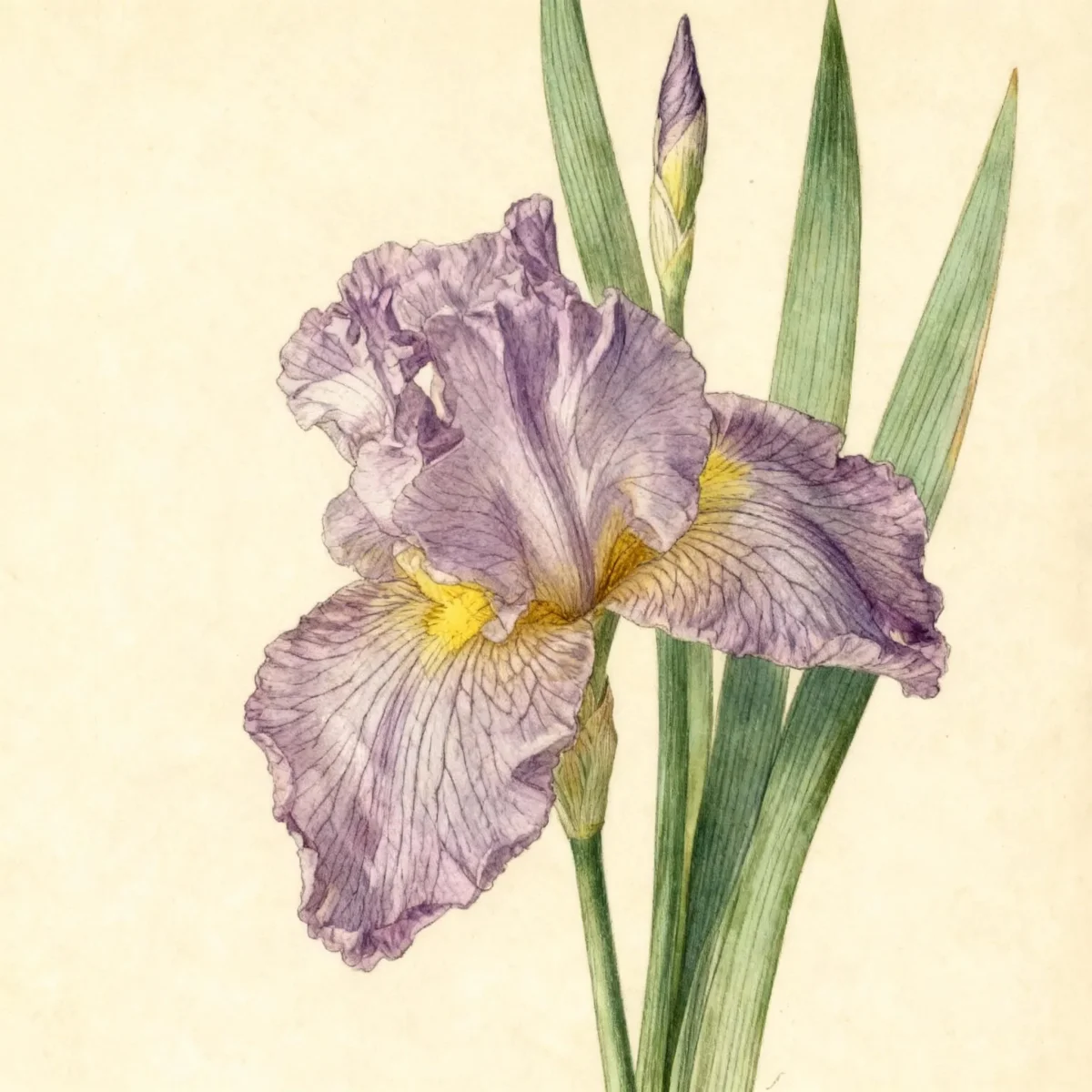
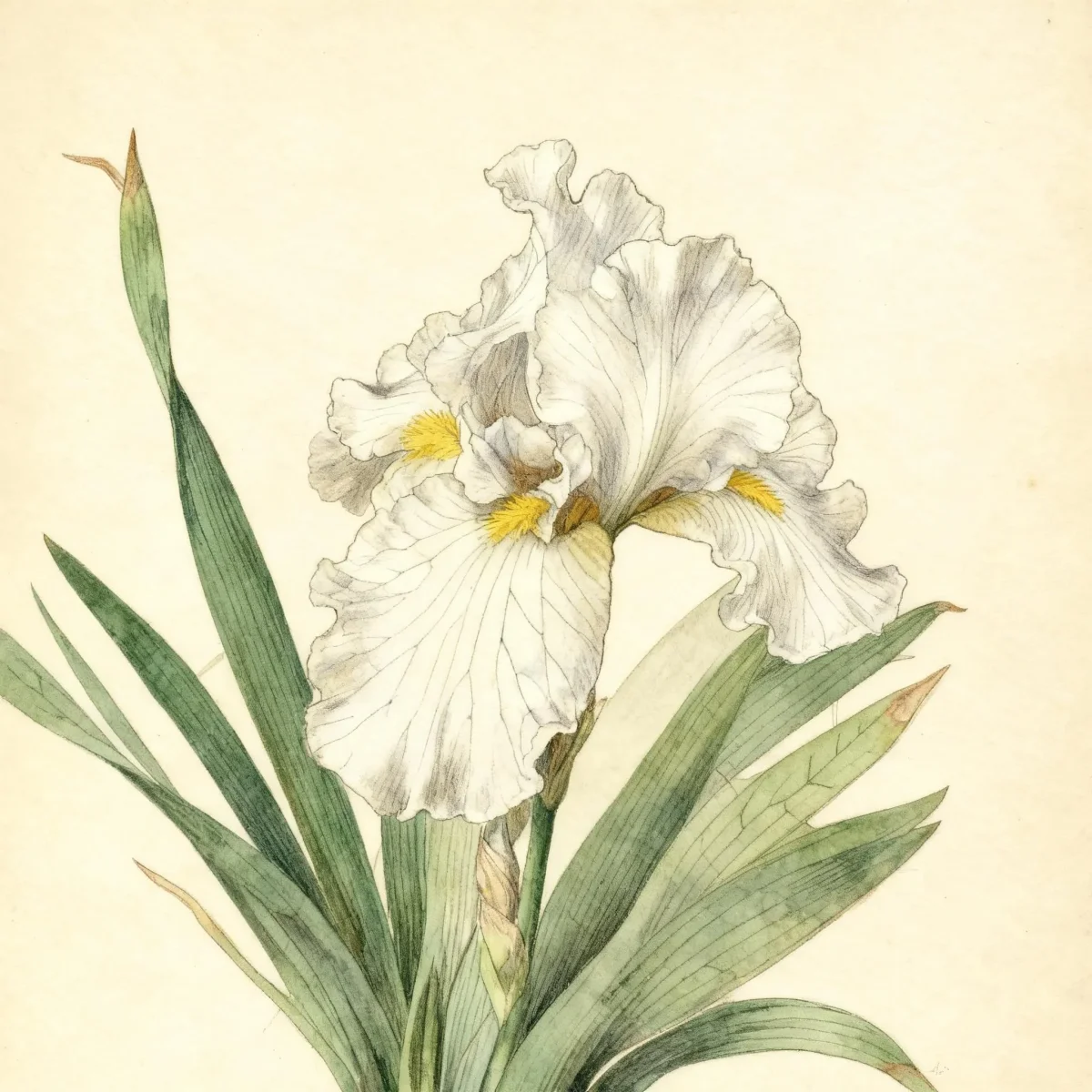
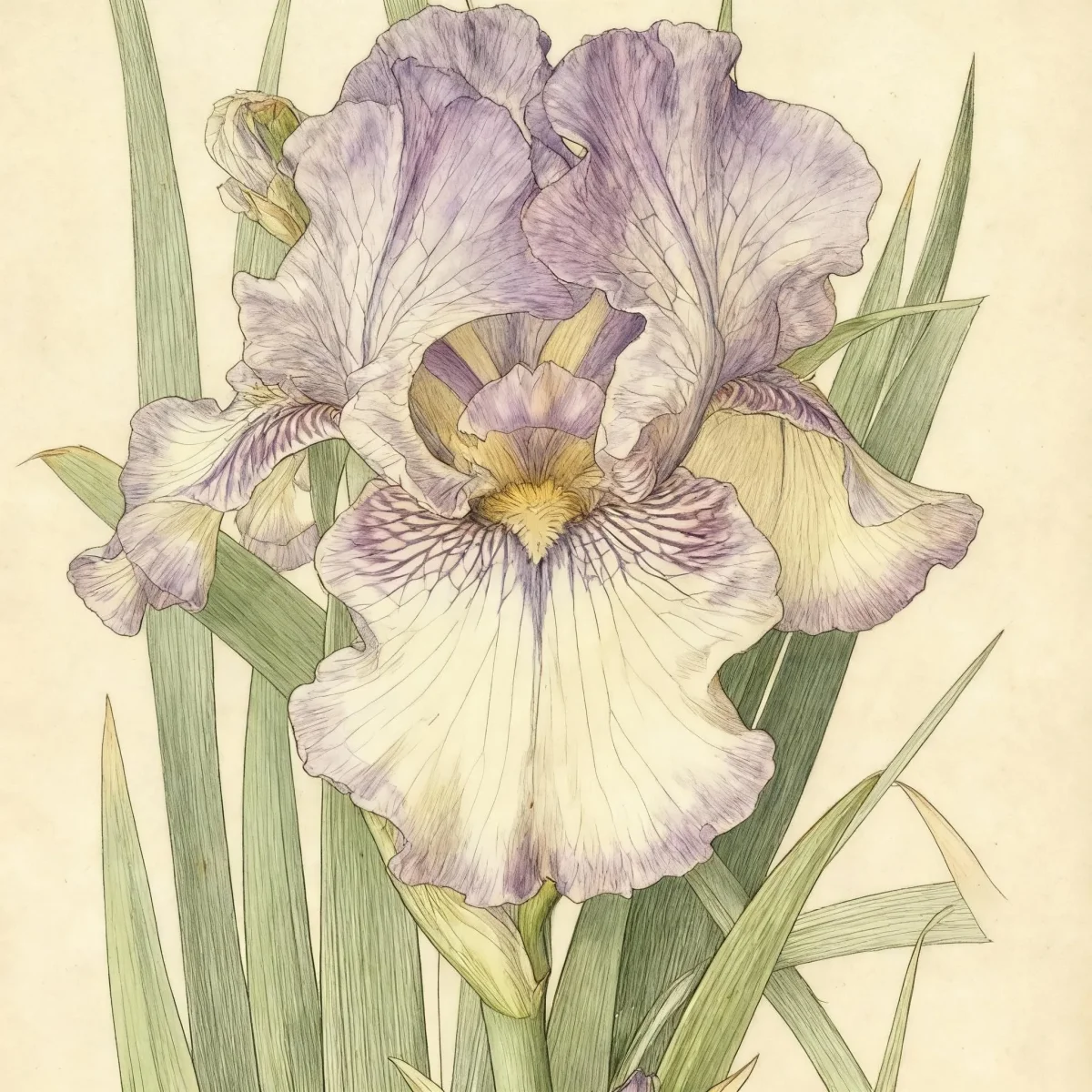
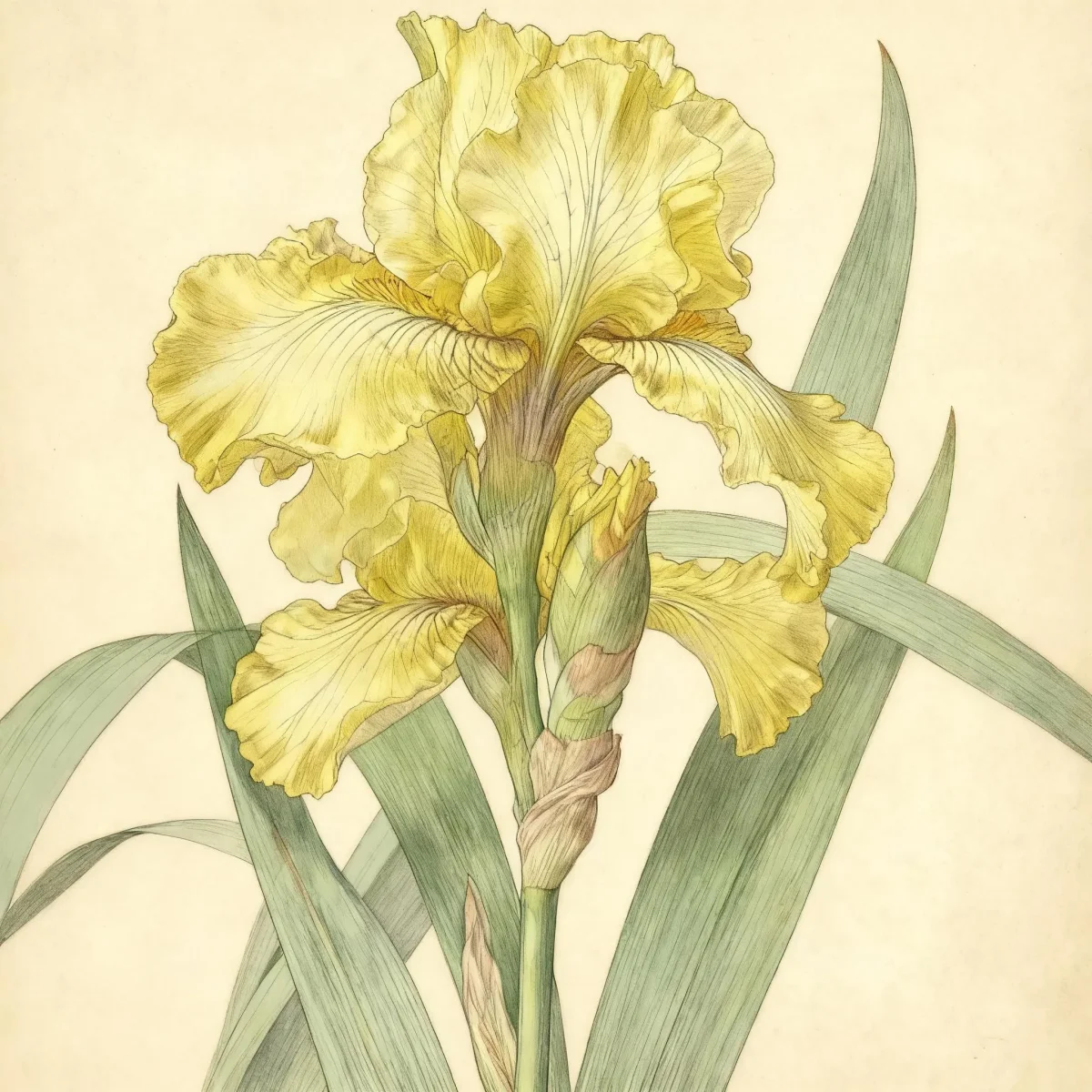
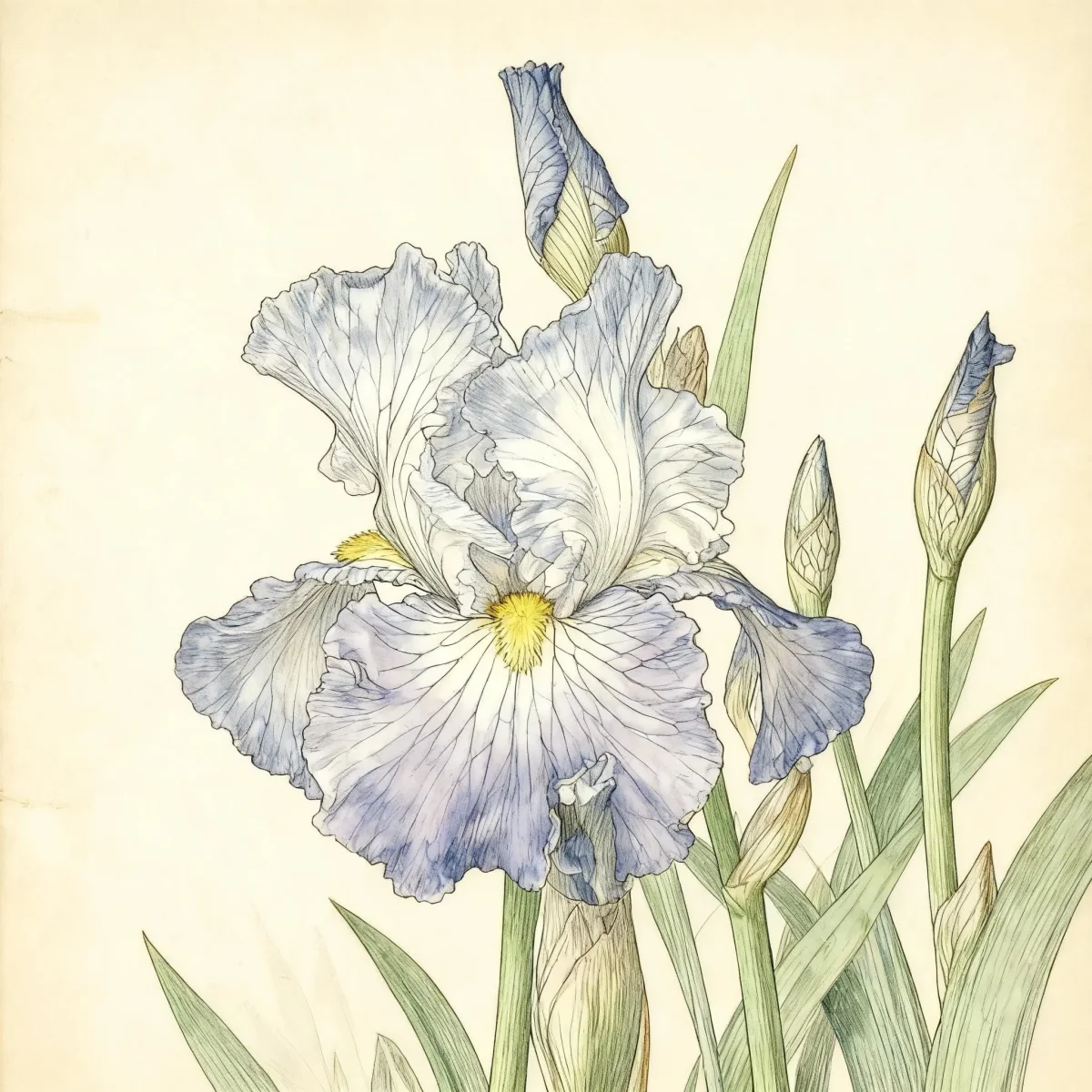
Tall bearded reblooming iris (Iris 'Pagan Goddess')
Iris 'Pagan Goddess' is a stunning Tall bearded reblooming iris featuring creamy pink standards and peach pink falls. Hardy zones 3-10.
Scroll down to discover growing tips, care requirements, companion plants, and more
Complete Plant Information
Overview
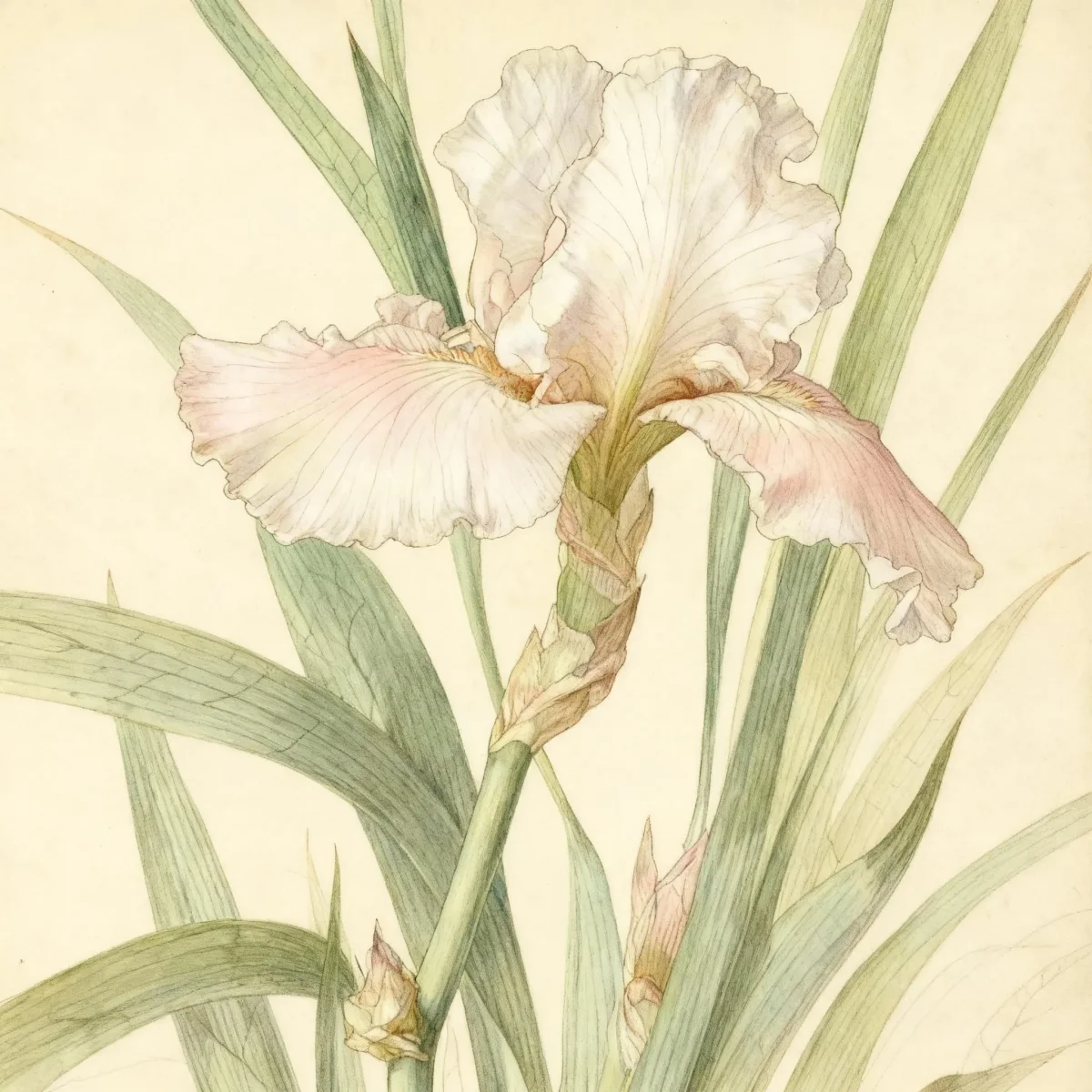
Iris ‘Pagan Goddess’ offers gardeners the distinctive beauty of Tall Bearded Iris combined with the sought-after characteristic of reblooming capability. This hybrid, a remarkable addition to the garden, displays elegant flowers with pale creamy-pink standards contrasting beautifully against peach-pink falls, accented by a white beard tipped with tangerine. As an herbaceous perennial, it forms reliable clumps, providing vertical interest reaching nearly three feet tall in the garden. While rebloom is dependent on climate and cultural care, the primary display in late spring is glorious, making Iris ‘Pagan Goddess’ a centerpiece in perennial borders.
This Tall bearded reblooming iris requires full sun for optimal performance, though it can tolerate a bit of afternoon shade in hotter regions. Proper rhizome planting depth and excellent drainage are paramount to ensuring both flowering and survival through the winter months. Gardeners prioritizing season-long interest will appreciate the potential for secondary flushes of blooms from this resilient variety.
The substantial, sword-shaped leaves provide good texture even when the plant is not in flower. Because it is a rhizomatous iris, division and transplanting are essential cultural tasks that help maintain vigor and maximize the potential for continuous flowering cycles throughout its life in the landscape.
Fast Facts
- Plant Family: Iridaceae
- Plant Type: Herbaceous perennial
- Hardiness Zones: USDA Zones 3-10
- Size at Maturity:
- Height: 2.5-3 ft
- Spread: 1-2 ft
- Bloom Time: May
- Bloom Description: Creamy pink (standards) and peach pink (falls)
- Sun Exposure: Full sun
- Water Needs: Medium
- Maintenance Level: Medium
How to Grow
Planting Tall bearded reblooming iris rhizomes is best done from late summer into fall, specifically late July through early September in cold regions, or September through October where winters are mild. Site Iris ‘Pagan Goddess’ where it receives full sun daily, though protection from intense afternoon heat is beneficial. Soil preparation is critical: ensure it drains exceptionally well, as rhizome rot is a major threat. If you encounter heavy clay or high rainfall, elevate the planting site by creating a slight slope or using raised beds to facilitate drainage.
When planting, create a small mound of soil and place the rhizome shallowly on top, ensuring about one-third of the rhizome surface remains exposed above the soil line, anchoring the roots below. Space rhizomes 12 to 20 inches apart to allow room for future clump expansion. Water consistently from spring until six weeks after the main bloom period concludes to encourage the energy reserves needed for reblooming later in the season.
Fertilization for this reblooming variety differs slightly from standard Beared Iris; apply fertilizer in early spring and again in early July, right after the first major flush of flowers subsides. Keep the planting area scrupulously weed-free to prevent competition at the rhizome level. Avoid overcrowding; if clumps become dense over time, lift, divide, and replant the rhizomes in late summer (August) to maximize flowering potential for your Iris ‘Pagan Goddess’.
Landscape Uses
Iris ‘Pagan Goddess’ excels when massed or grouped in established garden settings, providing strong vertical elements against lower-growing perennials. Their robust size and eye-catching coloration make them excellent candidates for the middle or back third of sunny perennial borders, creating reliable layers of color. When planted against foundations, ensure a clean line of sight for the spectacular blooms.
Consider pairing these Tall bearded reblooming iris varieties with late spring bloomers that share high light and medium water needs, such as Oriental Poppies or Peonies, for a spectacular early season show. For summer interest after the first bloom cycle fades, companion plants like Coneflowers (Echinacea) or ornamental Salvias will appreciate the same drainage needs and sunny location. Carefully chosen partners prevent the iris bed from looking sparse during mid-summer lulls.
Standout Features
Flower Qualities
- Showy
Noteworthy Characteristics
Tall Bearded Iris is a rhizomatous iris Group whose numerous hybrid cultivars grow to heights above 27.5” tall featuring two or more branches and 7 or more blossoms per stem with flowers spreading to more than 5” wide. Each flower has upright standards and pendant falls. Flowers bloom in June (St. Louis). Most cultivars produce plants significantly taller than 27.5”, with many rising to 38-40” tall. Bearded name comes from the bushy beard which is easily visible in the middle of each fall. Plants typically form clumps in the garden over time. Flowers bloom in an almost unlimited variety of different colors and color combinations. Narrow, linear green leaves are substantially erect. Tall Bearded Reblooming Irises are bred to rebloom, but rebloom is not guaranteed. Reblooming is dependent upon a large number of factors including geographic location, climatic conditions, soil type, fertility, disease presence, plant maturity and cultural practices. Reblooming irises may not rebloom every year.Genus named for the Greek goddess of the rainbow.‘Pagan Goddess’ is a reblooming (or remontant) tall bearded iris which typically grows to 36” tall and slowly spreads by rhizomes. Standards are pale creamy-pink and falls are peach-pink. White beard tipped with tangerine. The time and duration of the rebloom may vary considerably by climatic region, however. Sword-shaped, linear leaves. L. Miller 1995
Tolerances
- Deer
- Drought
Potential Problems
Common issues for this Tall bearded reblooming iris include fungal diseases like leaf spot, root rot, bacterial soft rot, and crown rot, alongside viral concerns such as the mosaic virus. Pests such as slugs, snails, whiteflies, aphids, and thrips may also appear, though iris borers can be particularly destructive in problem areas. The most important defense against both disease and insect pests is rigorous cultural sanitation. Promptly remove and destroy any diseased foliage or rhizomes, and perform a thorough annual cleanup of all debris after the first hard frost in the fall.
A common reason gardeners fail to see extensive flowering is improper planting technique—rhizomes planted too deeply rarely perform well. Furthermore, excessive shade or over-fertilization (especially high nitrogen) can lead to lush foliage but poor bud development. Finally, overcrowded clumps drastically reduce flower production; division every few years is essential for keeping your Iris ‘Pagan Goddess’ vibrant.
Frequently Asked Questions
What hardiness zones is Tall bearded reblooming iris suitable for?
Iris ‘Pagan Goddess’ is highly adaptable, suitable for USDA Zones 3 through 10.
How large does Tall bearded reblooming iris grow?
This variety typically reaches heights between 2.5 and 3 feet tall, spreading quietly to occupy an area 1 to 2 feet wide.
What sun exposure does Tall bearded reblooming iris need?
For best growth and reblooming potential, the Iris ‘Pagan Goddess’ requires full sun exposure in the garden.
When does Iris ‘Pagan Goddess’ bloom?
The main flush of bloom occurs in May, showcasing creamy pink standards and peach-pink falls.
Conclusion
The desirability of Iris ‘Pagan Goddess’ lies in its reliable structure, attractive bicoloration, and the potential for rebloom, offering extended beauty to sunny perennial settings. By adhering to rigorous drainage requirements and appropriate fertilizing schedules, you can ensure this Tall bearded reblooming iris thrives for years. Check your local USDA zone compatibility and plan your late summer or fall rhizome planting soon to enjoy this beauty next season.
Companion Planting
Choosing appropriate partners is key to managing moisture and ensuring the iris bed stays clean and attractive. Companion plants should appreciate full sun and share similar drainage needs; avoid plants that prefer consistently wet feet, as this promotes rhizome rot. Excellent companions that offer varied textures include plants like ornamental grasses (e.g., Stipa tenuissima or smaller Panicum cultivars) that don’t aggressively compete for nutrients.
For summer color following the main iris bloom, consider low-growing Sedums or culinary herbs like Thyme, which tolerate drier soil conditions once established. These companions can help anchor the soil around the iris rhizomes while maintaining the necessary open airflow around the bearded area of the flower.
Seasonal Care Calendar
Spring maintenance focuses heavily on encouraging the rebloom cycle. Apply a balanced, lower-nitrogen fertilizer lightly around the base of the foliage early in the season just as new growth emerges, and repeat this feeding in early July, after the first flush of flowers has completed. Consistent, medium watering is required from spring until the rebloom period ends in late summer.
Throughout the growing season, rigorously remove spent flower stalks (deadheading) to direct energy back into the rhizomes, but leave the strappy foliage intact until fall. Foliage must remain to photosynthesize and build energy reserves for next year’s bloom, including any potential rebloom. Avoid heavy mulching directly over the rhizomes, which can trap excessive moisture and encourage rot.