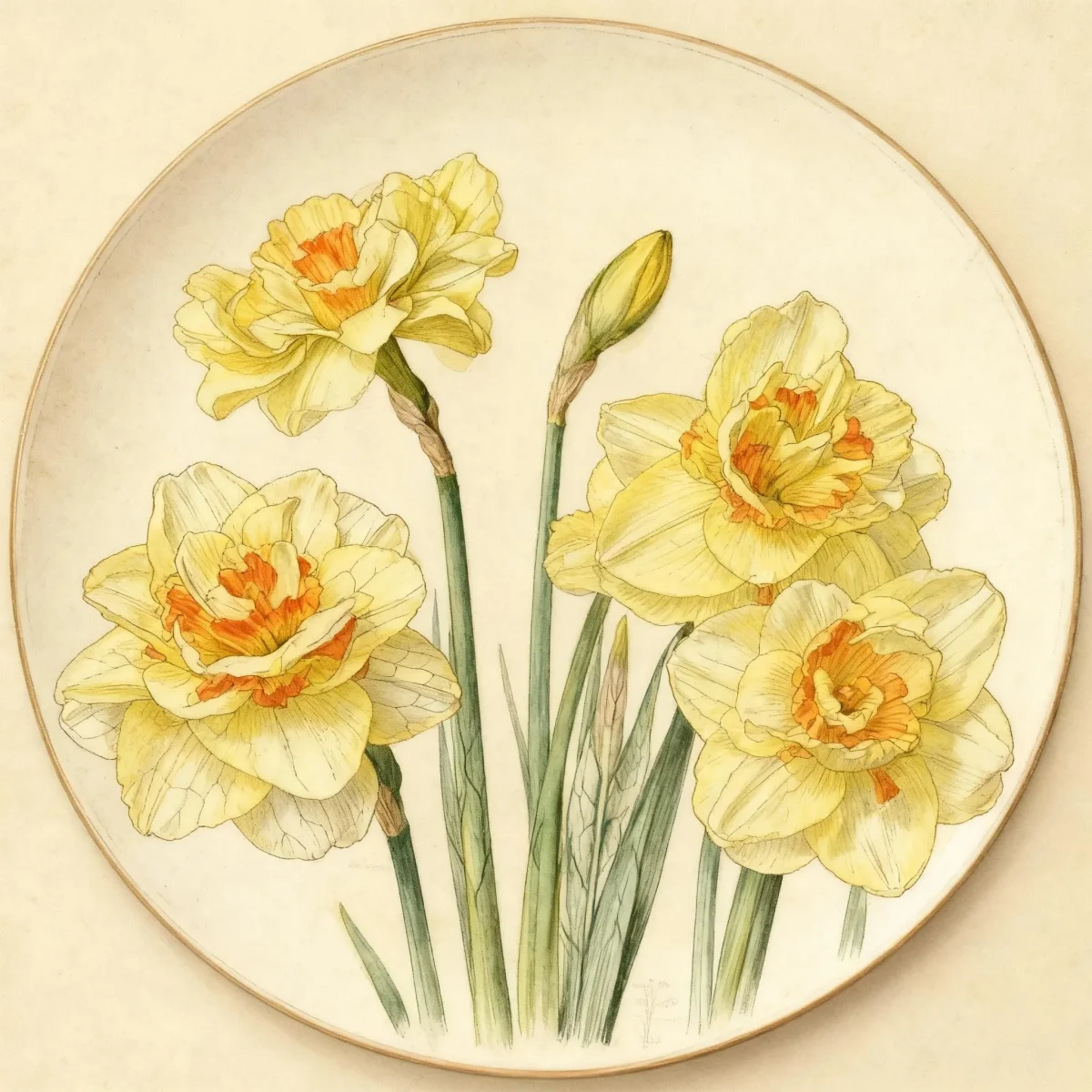
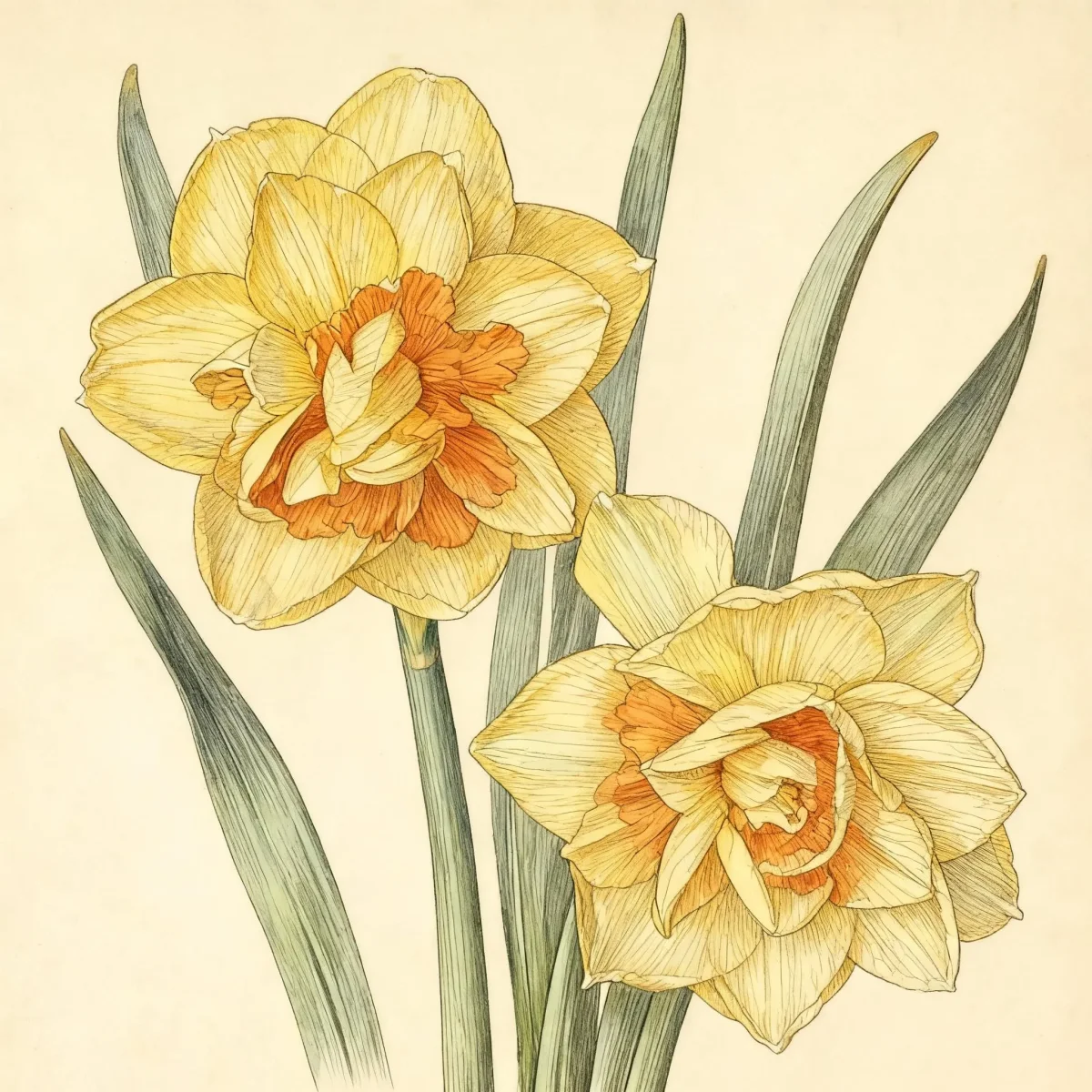
Double daffodil (Narcissus 'Brindabella')
Narcissus 'Brindabella' is a low-maintenance Double daffodil, offering vivid yellow flowers in early spring (Zones 3-8).
Scroll down to discover growing tips, care requirements, companion plants, and more
Complete Plant Information
Overview
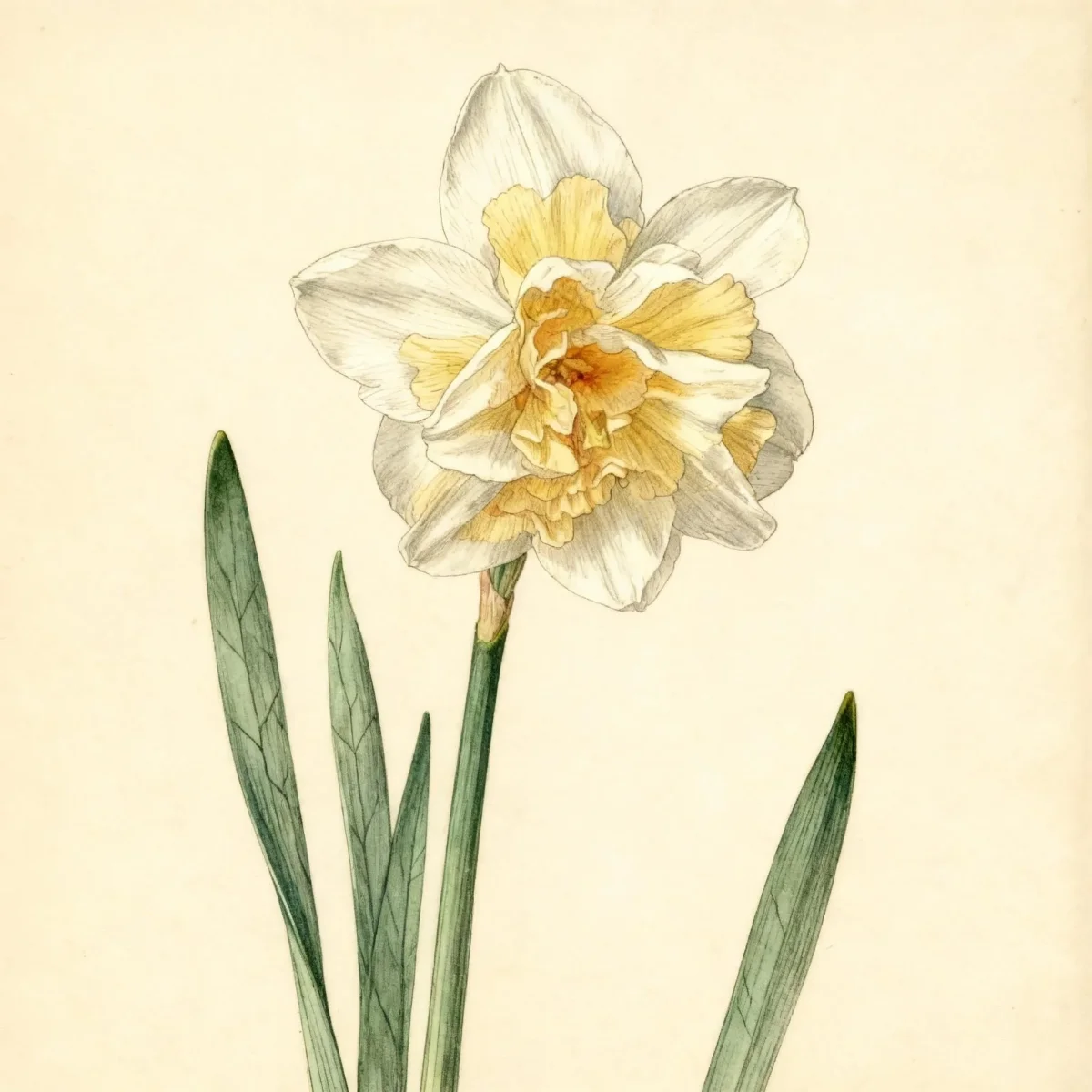
Narcissus ‘Brindabella’ is an outstanding variety within the daffodil genus, highly valued for its vibrant early spring display. As a distinct Double daffodil (Division IV), it provides complexity in its blooms, featuring multiple whorls of petals that enhance its brightness in the awakening garden. This perennial bulb offers aesthetic rewards with minimal gardener input.
Originating from the genus Narcissus, this specific cultivar, Narcissus ‘Brindabella’, offers reliable performance across USDA Zones 3 through 8. It stands between one and one-and-a-half feet tall, producing flowers with vivid yellow petals and a correspondingly deeper yellow corona, making it a true focal point as winter recedes.
Gardeners appreciate the low maintenance associated with this established spring bloomer. Once planted correctly in the fall, Narcissus ‘Brindabella’ will return reliably each year, providing cheerful color that enhances borders, naturalized areas, and early spring container arrangements.
Fast Facts
- Plant Family: Amaryllidaceae
- Plant Type: Bulb
- Hardiness Zones: USDA Zones 3-8
- Size at Maturity:
- Height: 1-1.5 ft
- Spread: 0.5-1 ft
- Bloom Time: March to April
- Bloom Description: Yellow petals and deeper yellow corona
- Sun Exposure: Full sun to part shade
- Water Needs: Medium
- Maintenance Level: Low
How to Grow
The ideal time to plant Narcissus ‘Brindabella’ bulbs is in early to mid-fall, ensuring they establish roots before the ground freezes. These low-maintenance bulbs thrive in average, medium-moisture, well-drained soils, preferably those rich in organic matter, such as loams. Excellent drainage is paramount to prevent bulb rot issues later on. When setting the bulbs, aim for a planting depth that is two to three times the height of the bulb itself, guaranteeing at least 3 inches of soil cover.
Spacing should usually allow 4 to 10 inches between bulbs, depending on size, though plants may look sparse initially. Keep the soil consistently moist throughout the spring active growing season. While dormant, this Double daffodil cultivar tolerates drought well, but consistent moisture aids bulb robustness. After flowering concludes in the spring, allow the foliage to fully yellow before cutting it back, as this process replenishes the energy reserves for next year’s blooms.
These bulbs can remain undisturbed for many years, establishing lovely colonies. Should the bloom quality or quantity diminish after several seasons, division is best performed by carefully lifting the clumps immediately after the foliage dies down. For optimal visual results where sunlight is a factor, plant bulbs so that any shaded areas fall behind the main viewing angle, as the flowers naturally orient themselves toward the sun.
Landscape Uses
While specific uses are not listed, the nature of Narcissus ‘Brindabella’ suggests versatility in the spring landscape. Given its manageable height of 1 to 1.5 feet, this daffodil works exceptionally well planted in drifts or groups along the edges of shrub borders, where it offers early color before deciduous shrubs leaf out. They can also be used effectively naturalized in open lawn areas or interspersed among later-emerging perennials, providing a stunning contrast as they emerge first.
As bulbs generally prefer reliable cultural conditions, consider pairing Narcissus ‘Brindabella’ with other spring ephemerals that share similar sun and soil needs, such as early tulips or grape hyacinths. Their bright yellow hue provides excellent structure among early-blooming spring bulbs before mid-season bedding plants take center stage.
Standout Features
Flower Qualities
- Showy
Noteworthy Characteristics
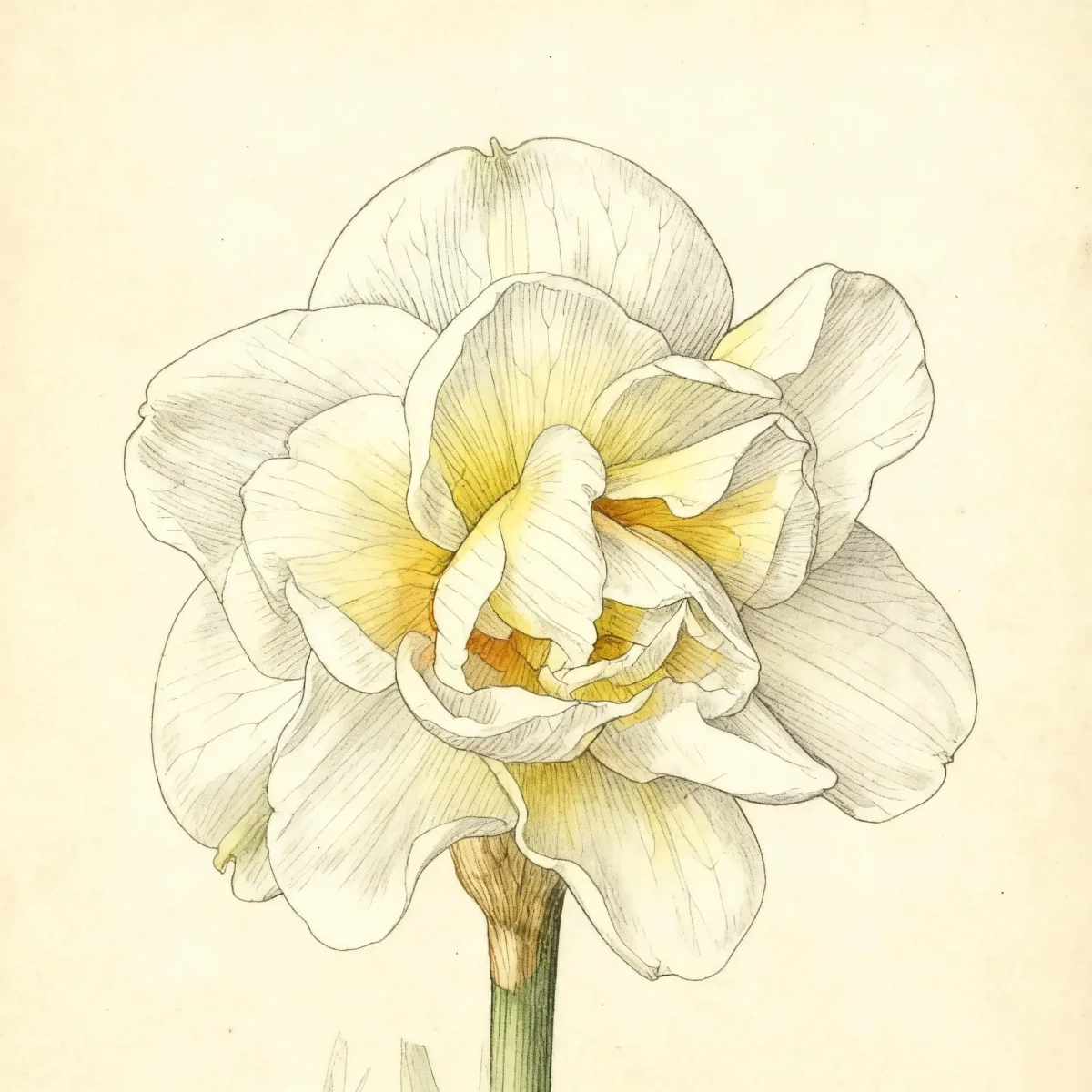
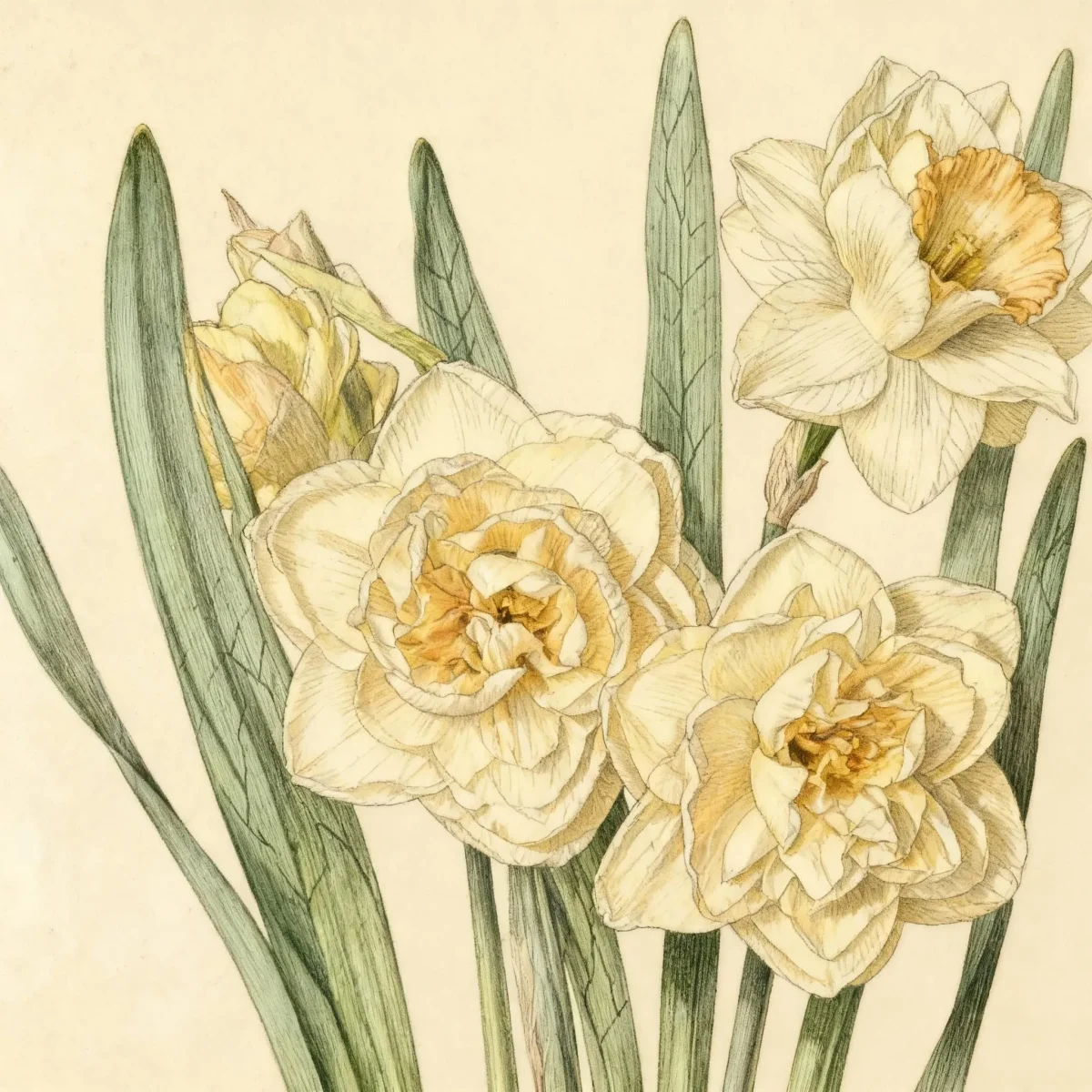
Narcissus is a genus of about 50 species of bulbous perennials from Europe and North Africa. They are a mainstay of the spring garden. Flowers generally feature a trumpet or cup (the corona) surrounded by six petals (perianth segments), in colors ranging from white to yellow to orange to pink to bicolors. ‘Brindabella’ is a double daffodil (Division IV). By definition, a double daffodil features a double flower in which the corona and/or the petals (perianth segments) are doubled. Each double flower features vivid yellow petals in three whorls and deeper yellow corona segments, blooming early in the season.
Tolerances
- Rabbit
- Deer
- Drought
Potential Problems
With proper soil preparation and culture, daffodils are generally robust and noted for being almost pest-free, lacking serious insect or disease issues. The primary cultural concern revolves around soil moisture: bulb rot is a significant risk if the planting site has poorly-drained soil, leading to anaerobic conditions. Infrequent insect pests that may occasionally appear include slugs and snails, narcissus bulb fly, and narcissus nematode. While rare, the Narcissus yellow stripe virus can sometimes manifest. Deer and rabbits instinctually avoid this plant due to the presence of toxic alkaloids in the bulbs and foliage.
Frequently Asked Questions
What hardiness zones is Double daffodil (Narcissus ‘Brindabella’) suitable for?
Narcissus ‘Brindabella’ is reliably hardy in USDA Zones 3 through 8.
How large does Narcissus ‘Brindabella’ grow?
This plant reaches a mature height between 1 and 1.5 feet, with a spread of 0.5 to 1 foot wide.
When does Narcissus ‘Brindabella’ bloom?
This variety typically blooms in early season, from March to April, showcasing its yellow petals and deeper yellow corona.
What sun exposure does Double daffodil need?
It performs best when situated in locations receiving full sun to partial shade throughout the day.
Conclusion
The Double daffodil, Narcissus ‘Brindabella’, provides exceptional value to early spring landscapes through its vivid, double yellow blooms and remarkably low maintenance requirements. Its resistance to common pests like deer and rabbits adds to its practicality, making it a reliable choice for consistent color. Ensure you purchase and plant these bulbs in the fall in well-drained soil to enjoy the classic splendor of Narcissus ‘Brindabella’ when the garden awakens.
Companion Planting Wisdom
Successful companion planting relies on matching cultural needs, making spring bulbs like this easy to integrate. Plant Narcissus ‘Brindabella’ near early spring ephemerals such as Scilla (Squill) or Chionodoxa (Glory-of-the-Snow) which offer contrasting blues and whites. Because the daffodil foliage must remain intact until it yellows, pair it with low-growing perennials like creeping Phlox or Alyssum that will emerge later to conceal the fading daffodil leaves, creating a continuous tapestry of spring color.
Design Ideas for Mass Plantings
For the greatest impact, plant large drifts of Narcissus ‘Brindabella’ bulbs rather than singular scattered specimens. These bulbs work beautifully when naturalized beneath deciduous trees, where they receive full sun early in the season before the tree canopy shades the area during summer dormancy. For formal designs, use the uniform height and color of this Double daffodil to create impactful layers in front of taller spring-flowering shrubs, or utilize them heavily in mixed bulb container designs that can be moved onto sunny patios in early spring.