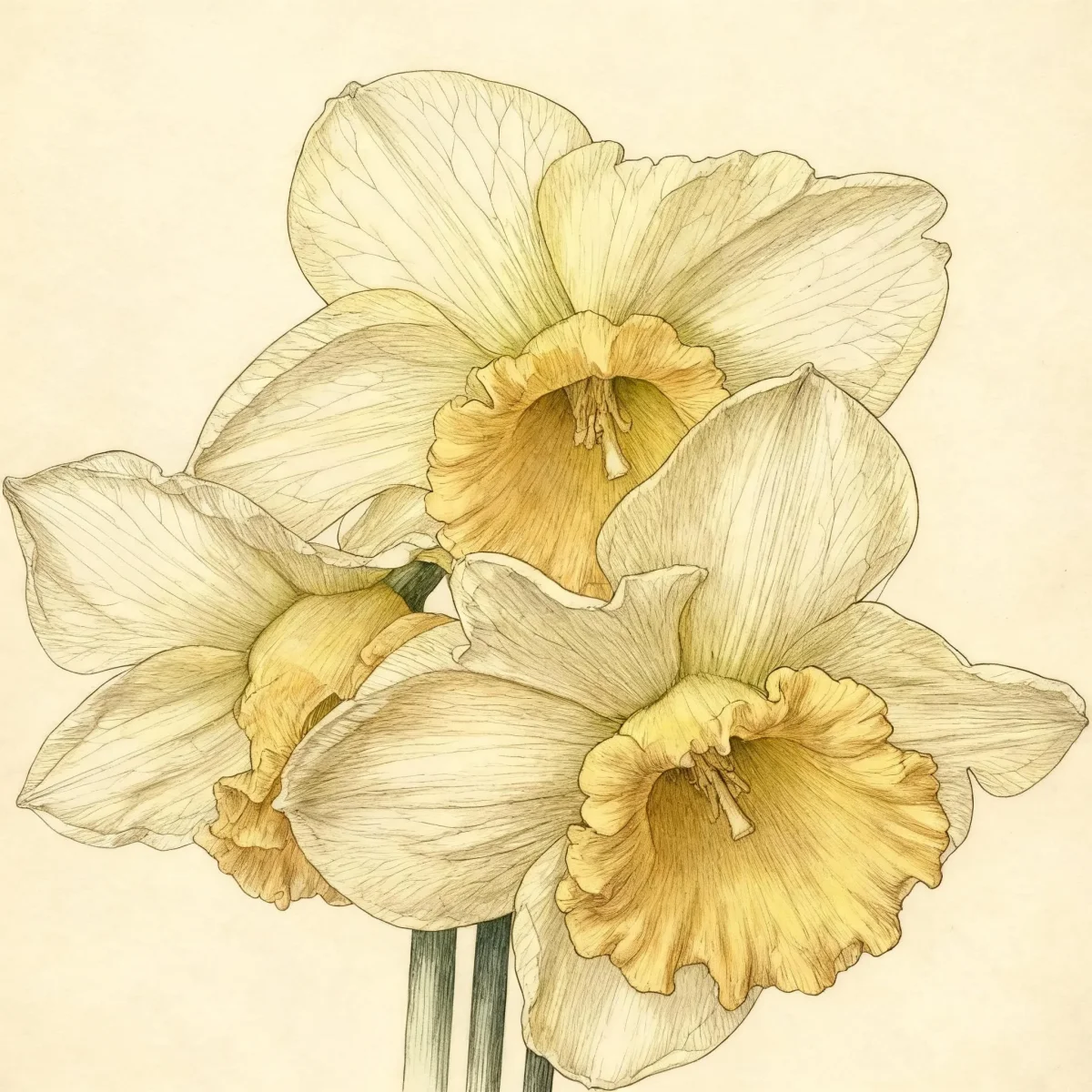
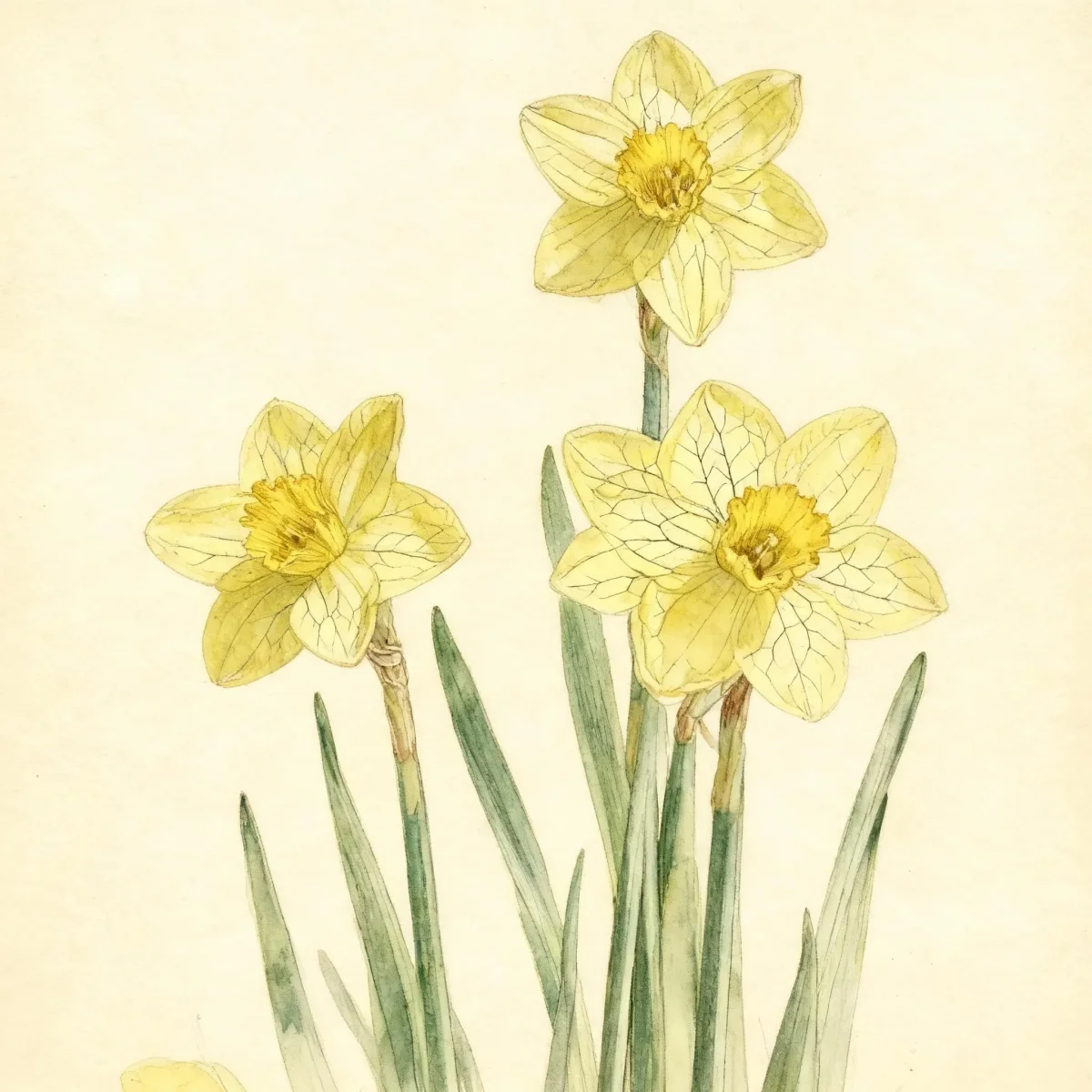
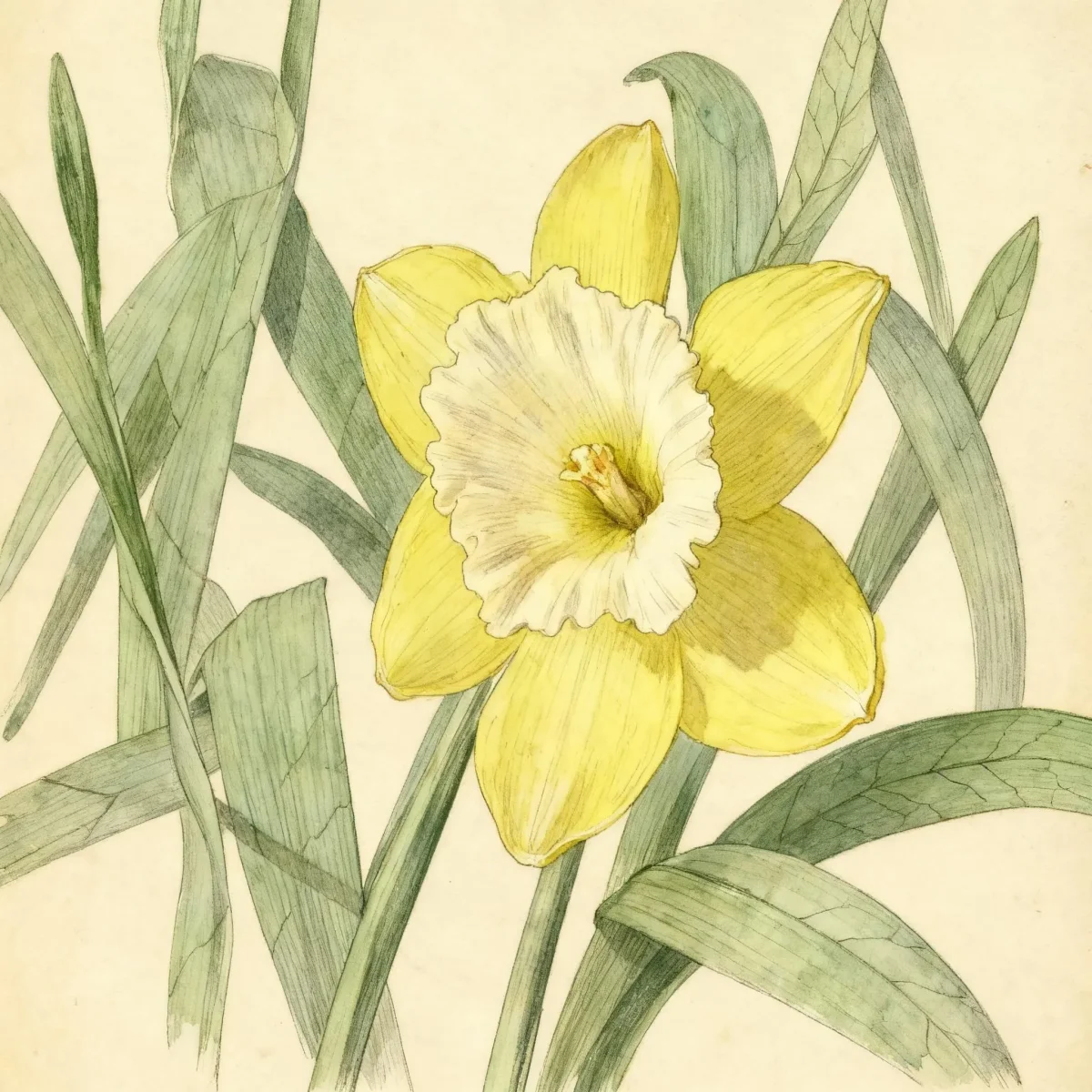
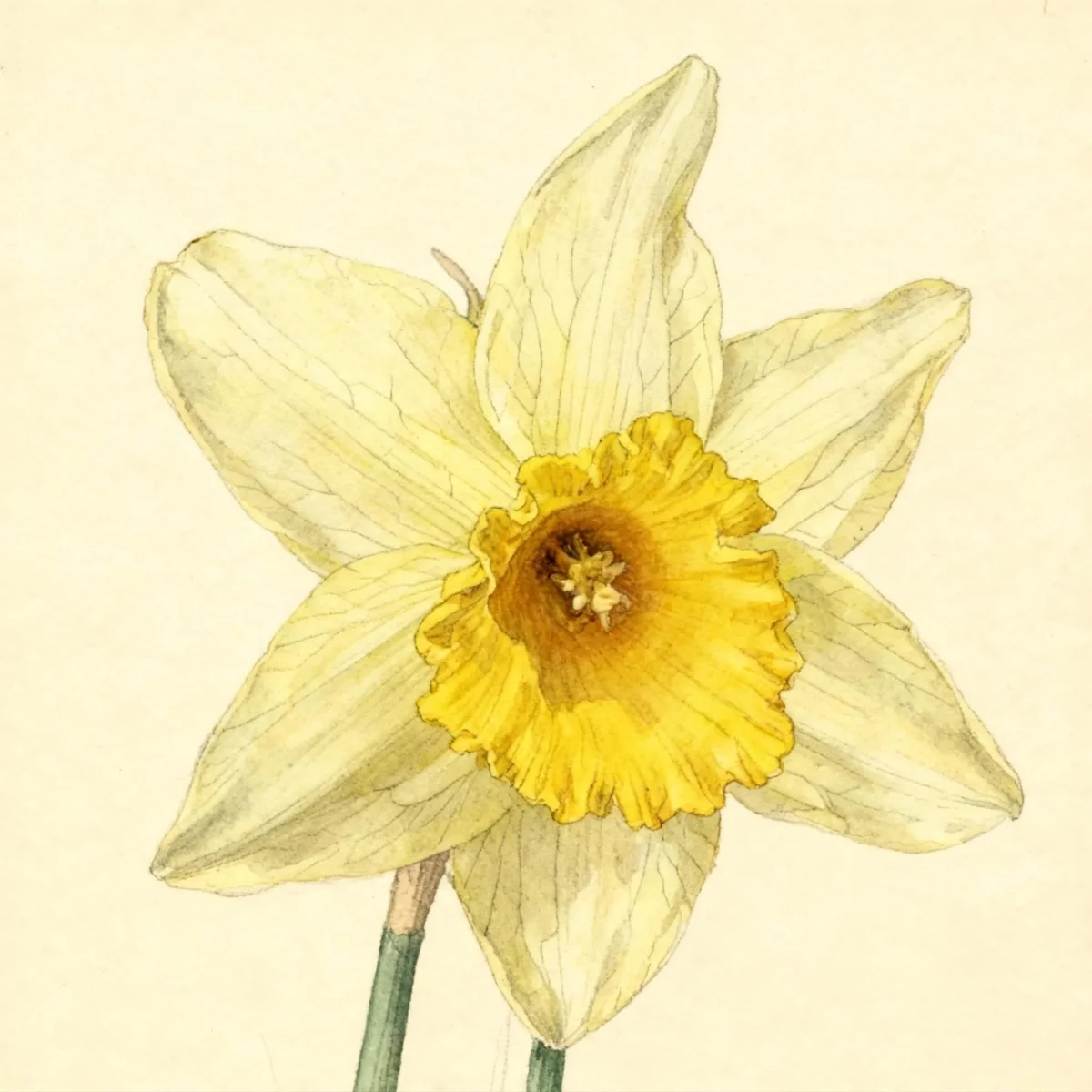
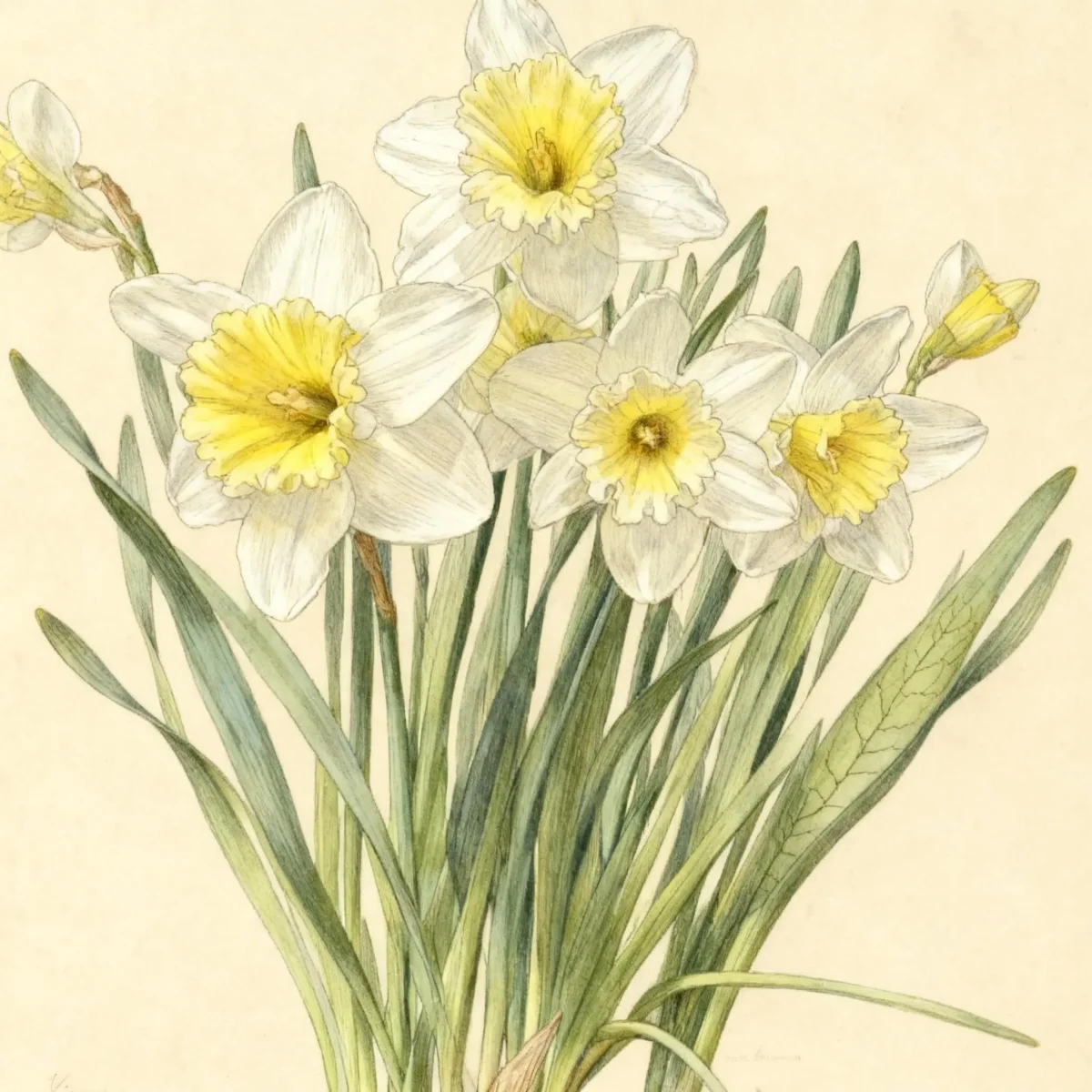
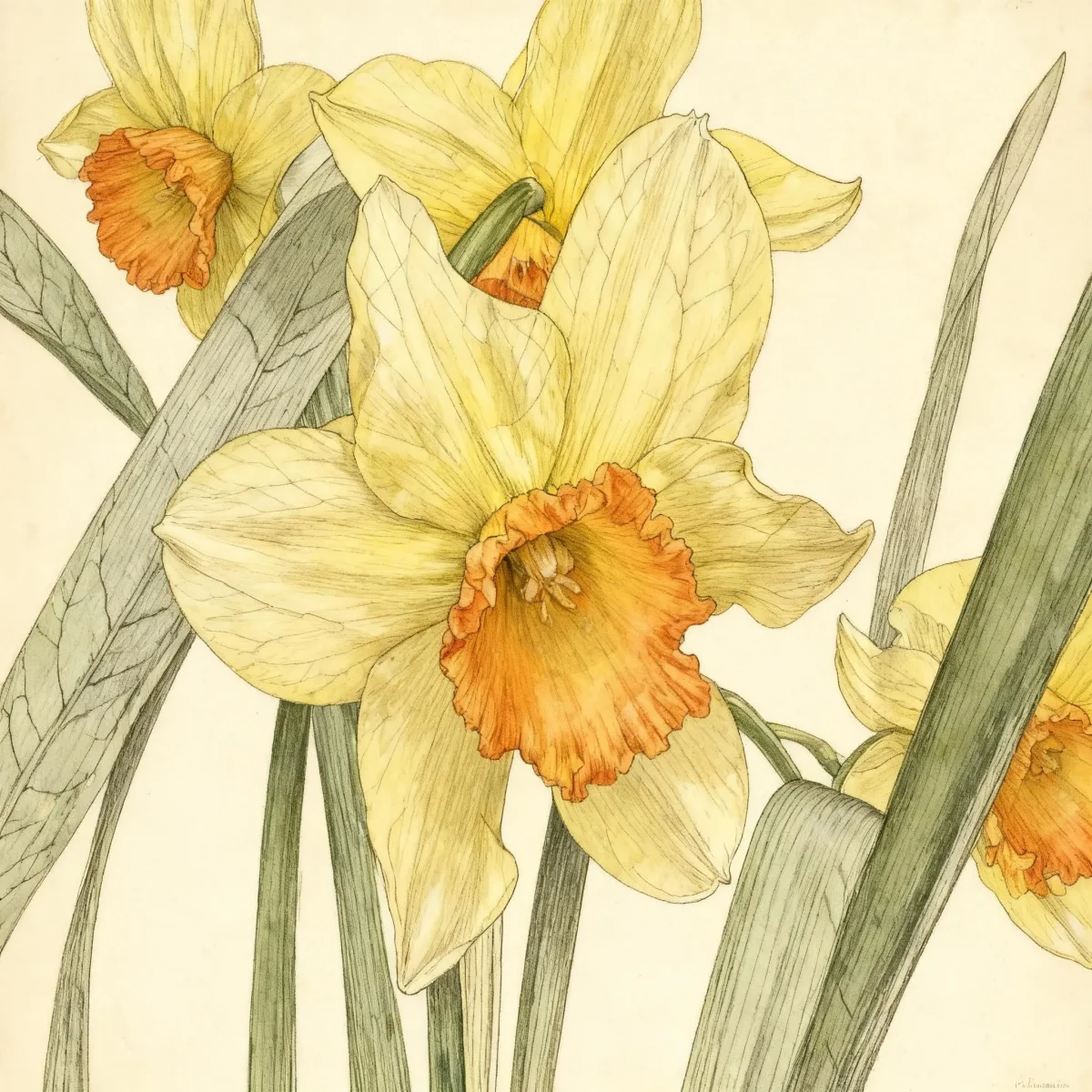
Large-cupped daffodil (Narcissus 'Euphonic Grace')
Narcissus 'Euphonic Grace' is a low-maintenance Large-cupped daffodil blooming bright yellow and white in April.
Scroll down to discover growing tips, care requirements, companion plants, and more
Complete Plant Information
Overview
Narcissus ‘Euphonic Grace’ stands out as a reliable cornerstone of the early spring garden, offering beautiful coloration as winter fades. Identified as a Large-cupped daffodil (Division II), this cultivar features a distinct cup length relative to its petals, creating visual interest that lasts through the spring season. This bulb is highly valued by gardeners for its low maintenance needs and its ability to naturalize, meaning it will return year after year with minimal intervention.
The distinctive bloom display of Narcissus ‘Euphonic Grace’ showcases soft lemon yellow petals that transition to a crisp white cup, marking a mid-season arrival in April. Growing between 1 to 1.5 feet tall, these stems emerge from clumps of narrow, strap-shaped green foliage. Its dependable nature and pest resistance make the Large-cupped daffodil an excellent choice for mixed borders, foundational plantings, or naturalized drifts.
Gardeners appreciate the robust nature of this plant, which thrives with average care provided its drainage requirements are met. Whether planted in mass groupings or sparingly placed among emerging perennials, Narcissus ‘Euphonic Grace’ delivers dependable, season-defining color that signals warmer weather ahead.
Fast Facts
- Plant Family: Amaryllidaceae
- Plant Type: Bulb
- Hardiness Zones: USDA Zones 3-8
- Size at Maturity:
- Height: 1-1.5 ft
- Spread: 0.5-1 ft
- Bloom Time: April
- Bloom Description: Lemon yellow petals and white cup
- Sun Exposure: Full sun to part shade
- Water Needs: Medium
- Maintenance Level: Low
How to Grow
Planting daffodils like Narcissus ‘Euphonic Grace’ is best accomplished in early to mid-fall before the ground freezes hard. Select a location that receives full sun to light afternoon shade, ensuring the soil is average, well-drained, and organically rich; excellent drainage is crucial to prevent bulb rot. Plant bulbs roughly 2 to 3 times the depth of the bulb itself, aiming for 3-6 inches deep and spaced 4 to 8 inches apart, allowing larger bulbs more room.
These Large-cupped daffodils require medium moisture, so soils should be kept consistently moist during the active growing period in spring. While they tolerate drought once dormant, ensure adequate water while foliage is emerging and blooming. Fertilization is rarely necessary if planted in rich loam; otherwise, a balanced, low-nitrogen fertilizer can be applied in early spring.
After the blossoms fade, resist the urge to cut back the foliage; allow the leaves to naturally yellow (until they begin to yellow) as this process replenishes the bulb’s energy stores for next year’s display. Only remove the spent flower stem above the leaf line to prevent seed formation. For best visual impact, site your Narcissus ‘Euphonic Grace’ so that any taller shade objects are located behind the planting area, as the flowers tend to face the sun.
Landscape Uses
Daffodils are foundational components for achieving vibrant spring displays, and Narcissus ‘Euphonic Grace’ is no exception. Unlike many short-lived annuals, these bulbs are designed to bloom reliably year after year, making them ideal for planting in beds and borders where long-term structure is desired. They look spectacular when massed in large drifts, creating sweeping pools of color beneath deciduous trees or at the front edge of shrub borders.
This mid-season bloomer mixes exceptionally well with early-blooming crocus and snowdrops, providing succession interest before tulips fully emerge. Consider using the color story of this Large-cupped daffodil alongside deep blue grape hyacinths (Muscari) or early spring perennials like Lungwort (Pulmonaria) for textural contrast once the daffodil foliage begins to fade. Because they naturalize easily, they are perfect for partially shaded woodland areas or naturalized meadows where they can slowly colonize.
Planting in quantities of six bulbs or more is recommended to achieve a significant visual impact. If you desire a less formal look, simply scatter the bulbs randomly across the planting site before burying them, allowing the gaps to fill in over successive seasons.
Standout Features
Flower Qualities
- Showy
Noteworthy Characteristics
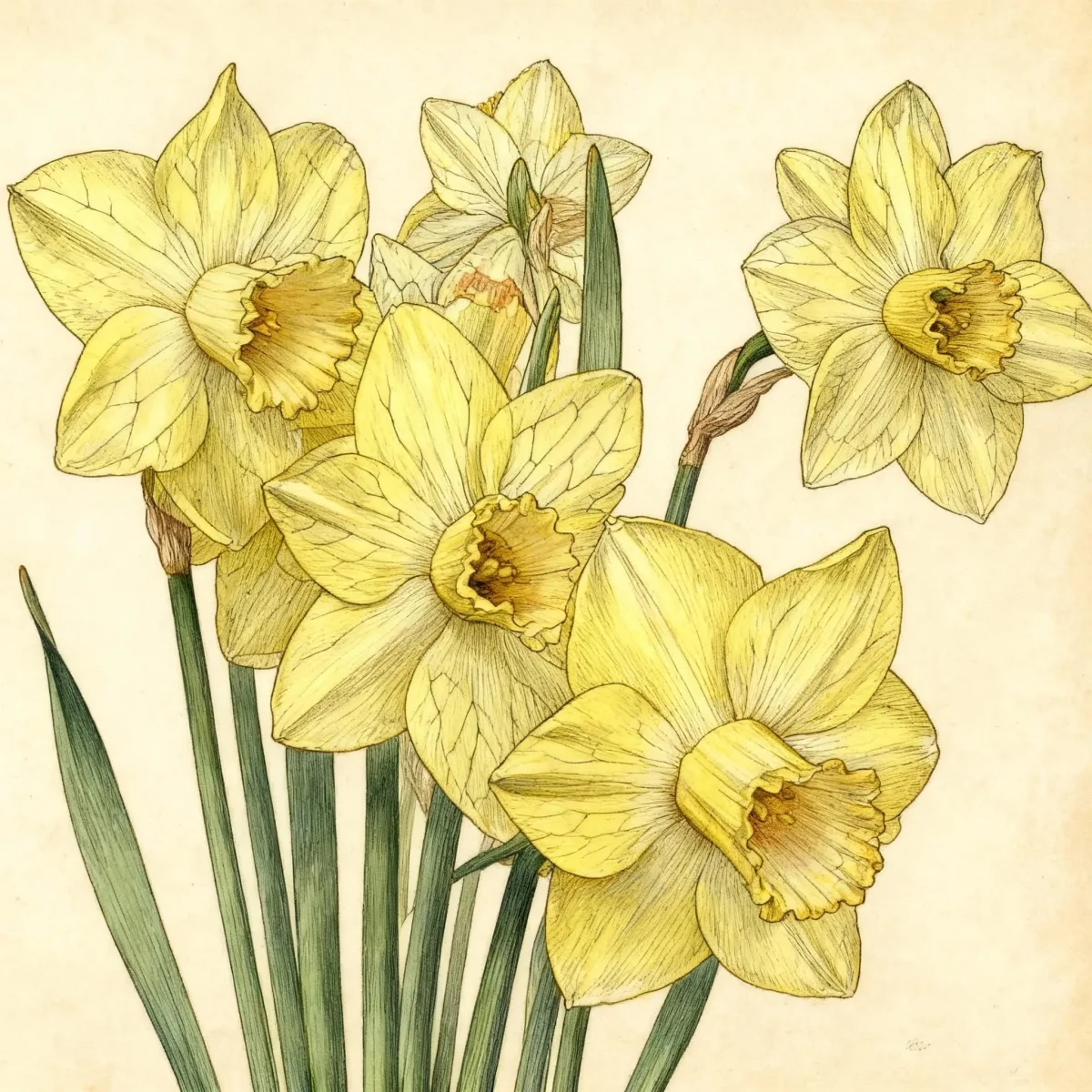
Narcissus, commonly known as daffodils, are bulbous perennials native to Europe and North Africa, considered a staple of the spring garden. These flowers typically display a central cup (corona) surrounded by six petals (perianth segments) in shades spanning white, yellow, and orange. Specifically, ‘Euphonic Grace’ falls into Division II, the large-cupped daffodils, defined by a cup that measures between one-third and the full length of the petals. This specific cultivar produces flowers with soft lemon petals and a white cup, rising on stems reaching 14-16 inches, and it blooms reliably in mid-spring around April.
Tolerances
- Rabbit
- Deer
- Drought
Potential Problems
Fortunately, daffodils, including Narcissus ‘Euphonic Grace’, are generally tough plants, noted for being almost pest-free when cultural needs are met. The primary concern revolves around soil conditions: bulb rot is common if the soil is poorly drained, leading to soggy winter conditions. Ensure your planting medium offers excellent drainage to prevent this common issue.
Infrequent pests can include slugs and snails, which may target new growth early in the spring, so monitoring or using appropriate barriers may be necessary. Be aware that narcissus yellow stripe virus can occasionally appear, although it is infrequent. If deer and rabbits are problems in your garden, rest assured that they typically avoid this plant due to the presence of toxic alkaloids in the bulb.
Frequently Asked Questions
What hardiness zones is Large-cupped daffodil suitable for?
The Narcissus ‘Euphonic Grace’ thrives in USDA Hardiness Zones 3 through 8.
How large does Narcissus ‘Euphonic Grace’ grow?
This cultivar typically reaches a height between 1 and 1.5 feet tall, with a spread of 0.5 to 1 foot wide.
When does Large-cupped daffodil bloom?
Narcissus ‘Euphonic Grace’ produces its distinctive lemon yellow petals and white cup bloom during April.
What sun exposure does Large-cupped daffodil need?
This daffodil variety performs best when situated in full sun to partial shade locations.
Conclusion
The Large-cupped daffodil, Narcissus ‘Euphonic Grace’, brings structure, reliable returning color, and minimal necessary upkeep to the early landscape. Its specific bicolored bloom provides sophisticated contrast when paired with other spring bloomers. Ensure you plant these bulbs in early fall in well-draining soil to maximize the show next April.
Companion Planting
When planning spring displays around Narcissus ‘Euphonic Grace’, consider plants that either emerge later or offer contrasting foliage textures. Early emerging perennial companions like Helleborus (Lenten Rose) can provide ground cover as the daffodil foliage begins to yellow, hiding it aesthetically. Other excellent partners include Siberian Squill (Scilla siberica) or Chionodoxa (Glory-of-the-Snow) which bloom slightly earlier, creating a layered effect as the taller trumpets of the Large-cupped daffodil emerge.
Seasonal Care Calendar
Spring maintenance focuses primarily on allowing the plant to complete its cycle naturally. Once the flowers of Narcissus ‘Euphonic Grace’ fade, prune off the spent bloom heads to stop seed production, but under no circumstances should the foliage be cut before it yellows. Summer is the dormant period; water needs are extremely low, and bulbs should be left undisturbed if they are performing well. Fall is the planting window: ensure bulbs are set during this time, setting them deeply enough to protect them from winter temperature swings.