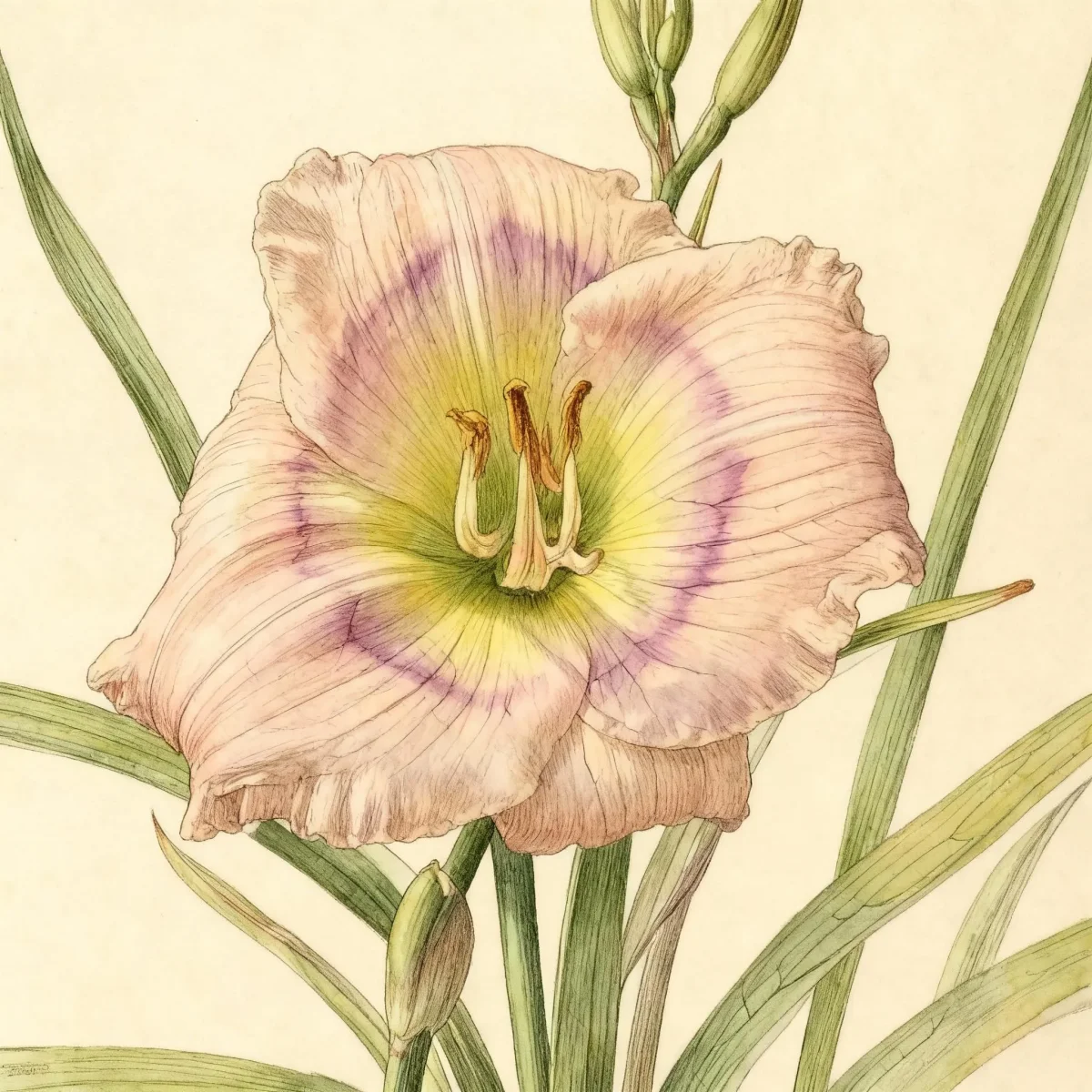
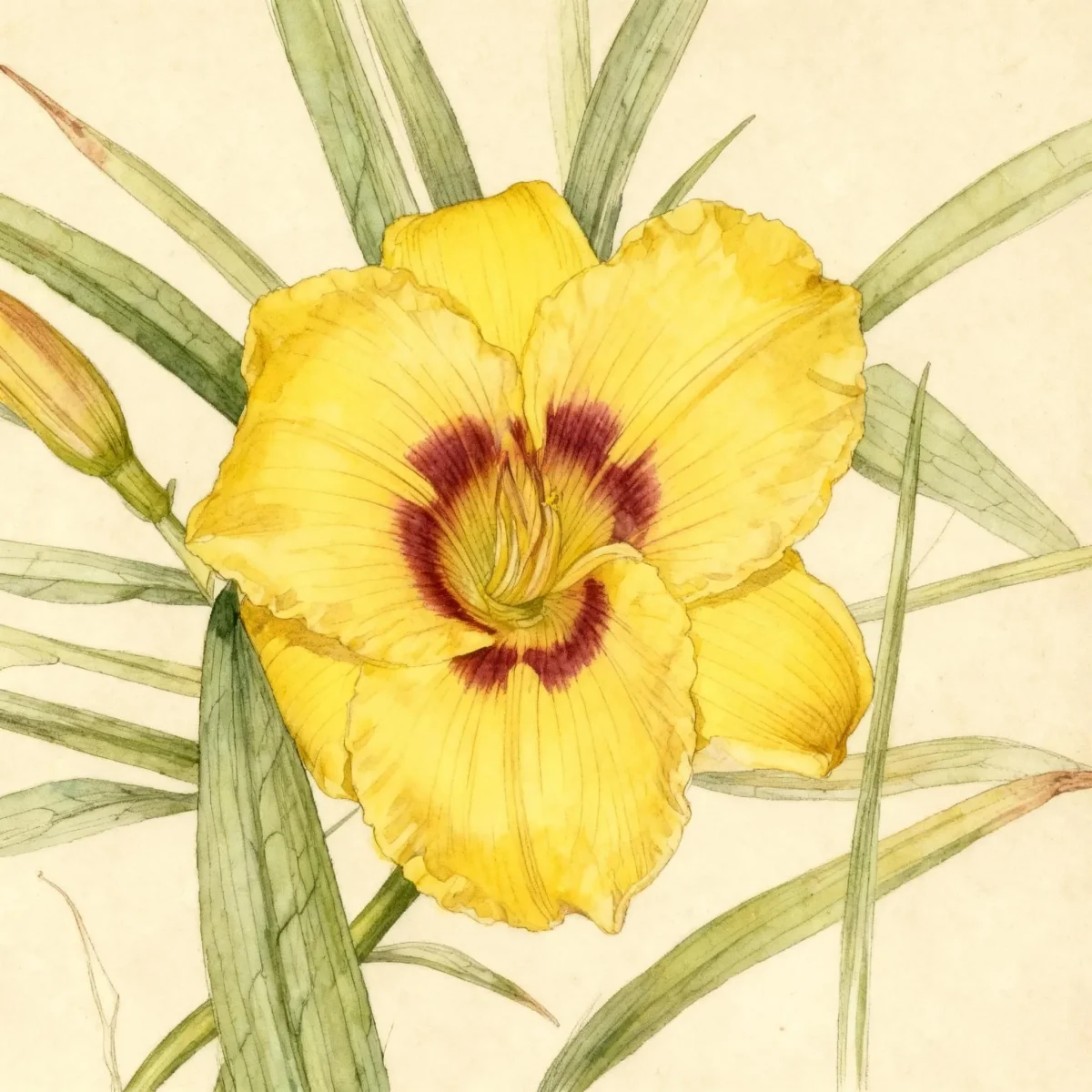
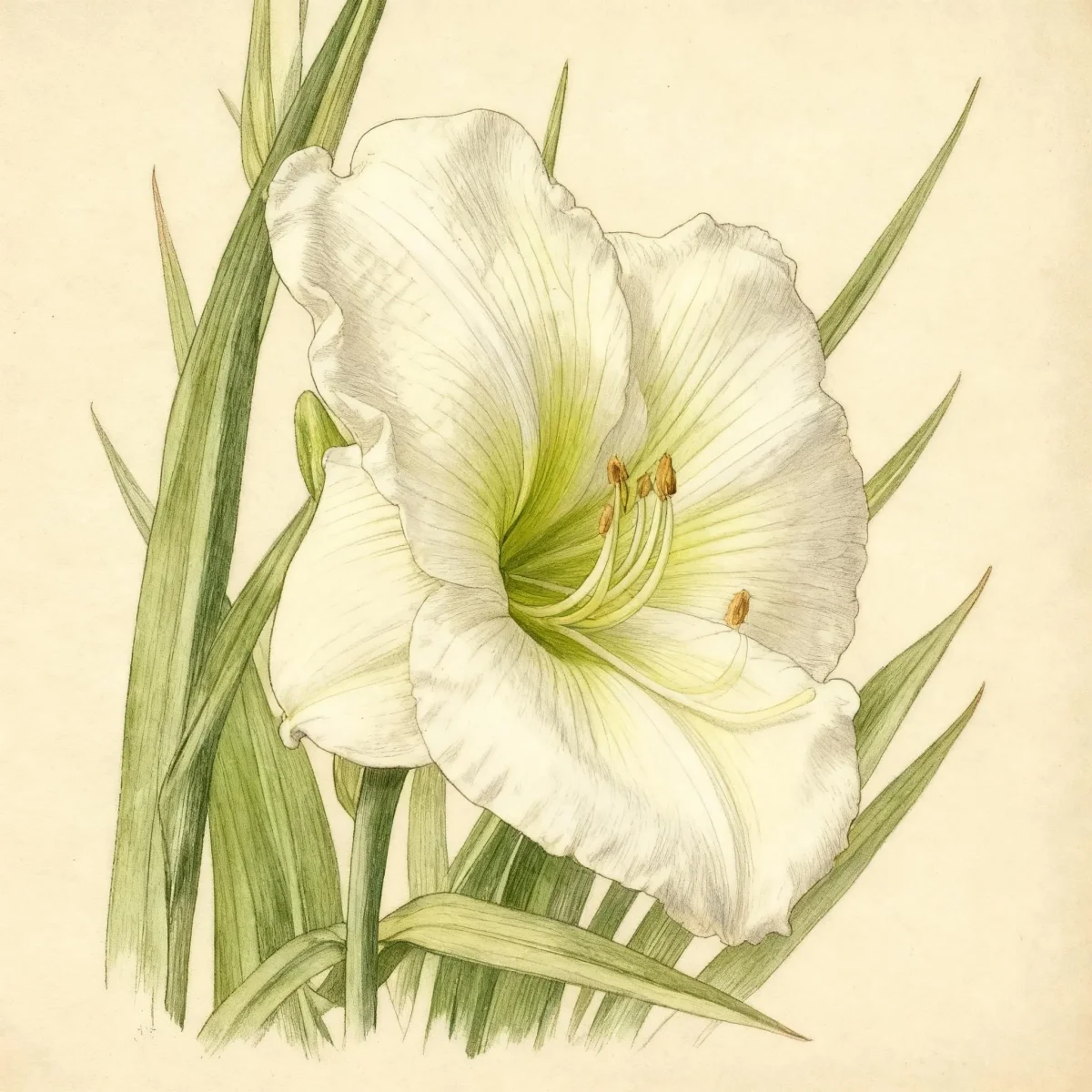
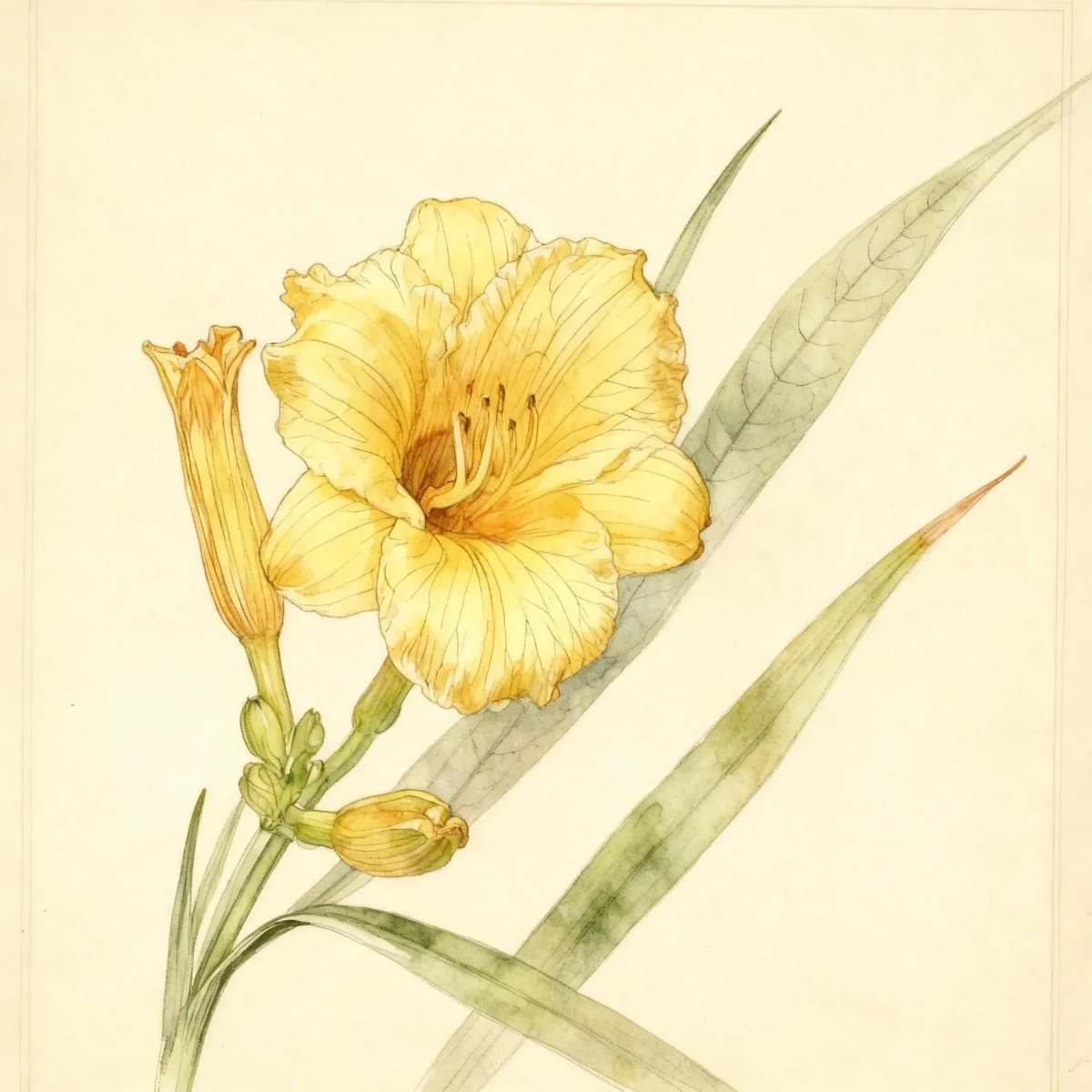
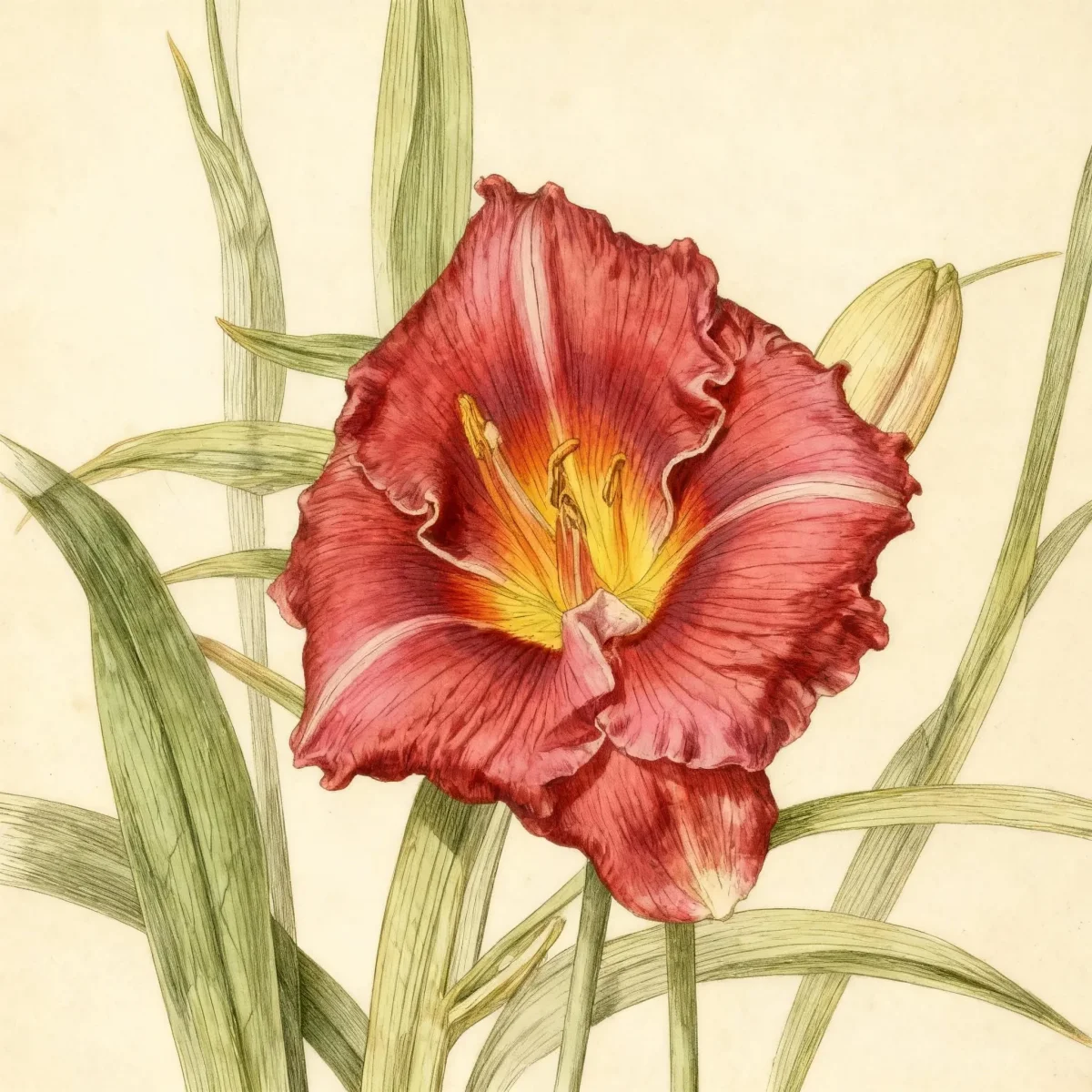
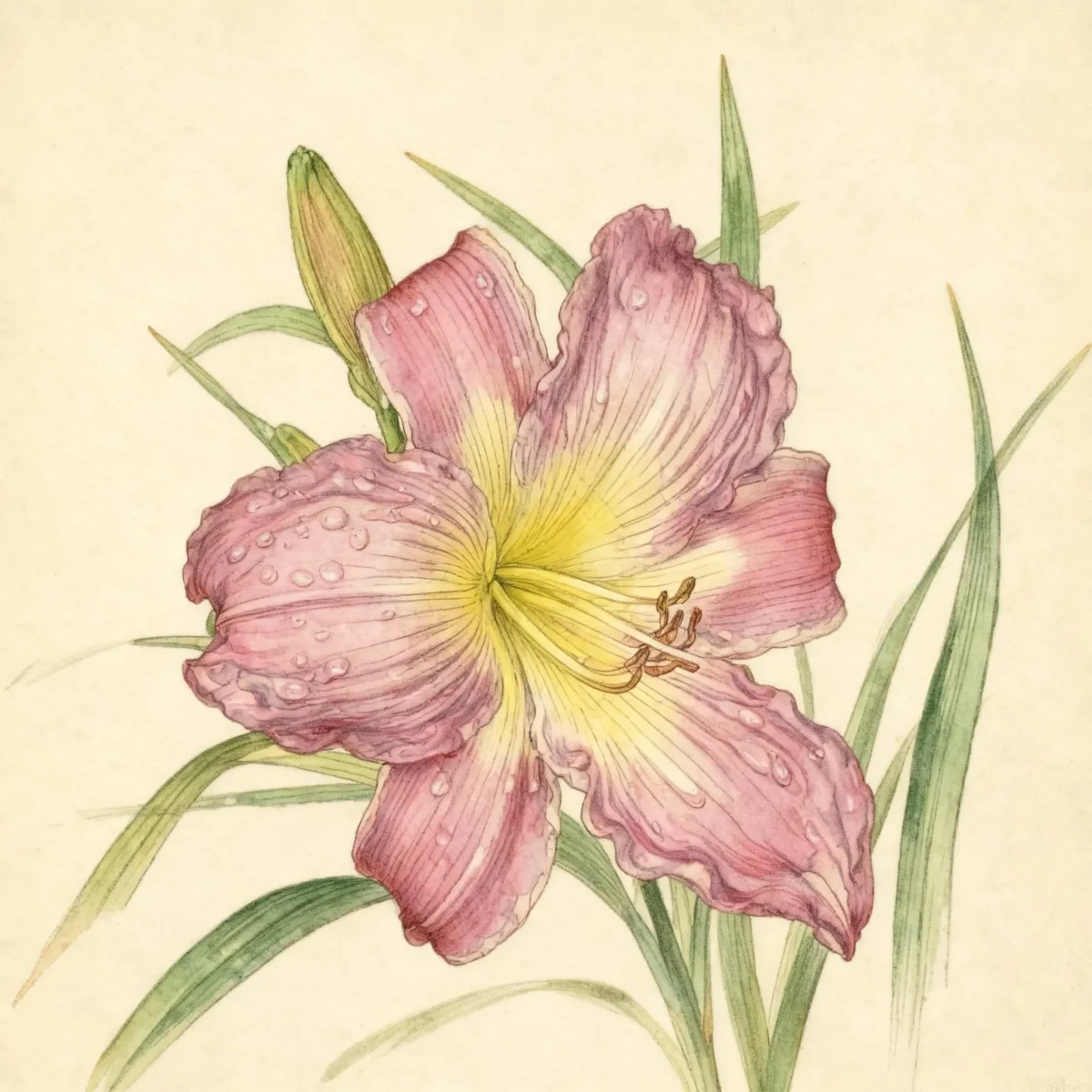
Daylily (Hemerocallis 'Late Plum')
Hemerocallis 'Late Plum' is a low-maintenance Daylily offering striking plum blooms from June to July in Zones 4-9.
Scroll down to discover growing tips, care requirements, companion plants, and more
Complete Plant Information
Overview
Hemerocallis ‘Late Plum’ is a highly valued Daylily cultivar, recognized for its reliable performance and the distinctive color of its flowers. Gardeners appreciate this perennial for its vivid plum-colored blooms that appear consistently during the peak summer months of June and July, providing significant mid-season color. This Daylily cultivar exhibits moderate height, generally reaching 2 to 2.5 feet tall, making it versatile for various landscape applications.
As an exceptionally adaptable herbaceous perennial, Hemerocallis ‘Late Plum’ thrives in a wide range of conditions, though it performs best in average, well-drained soils. Its low maintenance requirements make it an excellent choice for both novice and experienced gardeners looking to establish reliable summer interest. The grass-like foliage contributes texture throughout the season, even when the spectacular flowers are not in bloom.
This specific Daylily cultivar is part of the vast Hemerocallis genus, which has been extensively hybridized to introduce new traits. Hemerocallis ‘Late Plum’ offers a robust structure and reliable flowering habit, ensuring consistent visual appeal without demanding excessive labor, blending easily into established perennial borders.
Fast Facts
- Plant Family: Asphodelaceae
- Plant Type: Herbaceous perennial
- Hardiness Zones: USDA Zones 4-9
- Size at Maturity:
- Height: 2-2.5 ft
- Spread: 1.5-2 ft
- Bloom Time: June to July
- Bloom Description: Plum
- Sun Exposure: Full sun to part shade
- Water Needs: Medium
- Maintenance Level: Low
How to Grow
Planting Hemerocallis ‘Late Plum’ is easiest during the spring or fall, allowing the Daylily roots to establish before the stress of summer heat or deep winter cold. Locate them where they receive full sun to partial shade; while they tolerate many soils, they thrive best in deep, fertile loams with consistently medium moisture and excellent drainage. Ensure the central crown of the plant is situated at or slightly above the soil line, as burying the crown can suppress blooming.
Maintenance for this Daylily is generally low. Deadhead spent flowers daily to maintain neatness and remove the flower scapes once the blooms have completely finished for the season. Though tolerant of heat and humidity, provide deep watering during dry spells to keep the foliage looking fresh and prevent scorch. As winter dormant varieties, these need the cold period associated with upper zones (below Zone 9) to set buds properly for the following year’s display.
For optimal performance, plan to divide clumps of Hemerocallis ‘Late Plum’ every three to four years, ideally in the spring in colder regions. This division rejuvenates the plant and prevents overcrowding, which can reduce flower production. Remember that hybrid daylilies, including this one, will not breed true if propagated by seed.
Landscape Uses
Hemerocallis ‘Late Plum’ is inherently versatile, serving effectively as an easy-to-grow perennial border backbone. Use them for edging walkways or driveways where their uniform clump habit provides a clean line all season long. Due to their robustness and moderate height, they excel when massed over large garden areas, creating sweeping drifts of color.
Their arching, linear foliage offers a wonderful textural contrast against finer-leaved or mounding plants. In mixed perennial beds, pair this Daylily with later-blooming varieties, or contrast the plum tones with silver foliage or bright yellow companions. While this specific medium-sized cultivar might be too large for true rock gardens, smaller varieties are excellent there; however, ‘Late Plum’ is perfect for softening the foundation planting lines against fences or structures.
Standout Features
Flower Qualities
- Showy
Noteworthy Characteristics
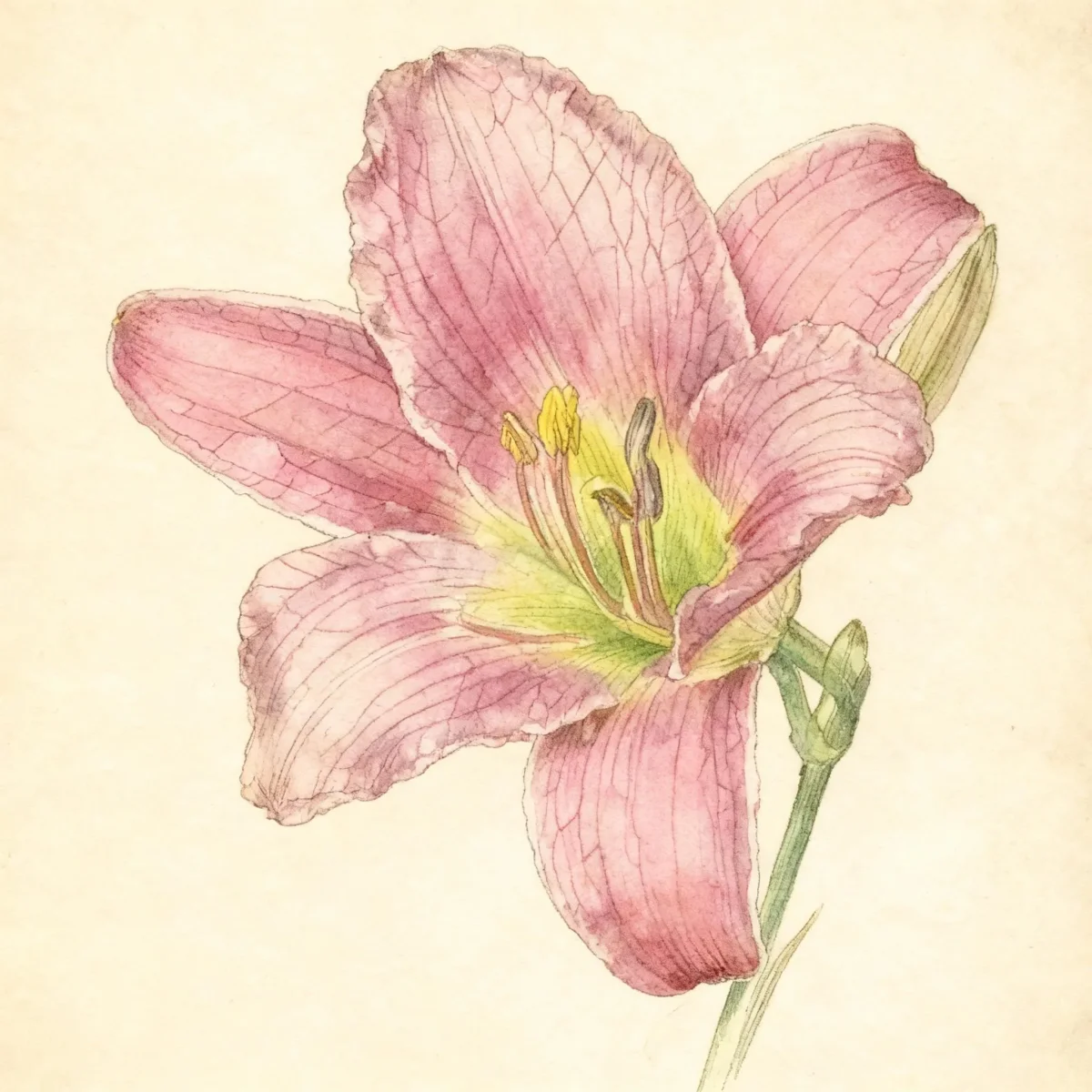
Hemerocallis is a genus of about 15 species of herbaceous perennials commonly known as daylilies, originally native to Asia and central Europe. Hybridizers have created over 60,000 registered cultivars by focusing on improved colors, shapes, and patterns, as each individual flower typically opens for just one day. Hemerocallis ‘Late Plum’ is a diploid cultivar specifically featuring 5.5-inch diameter, rich plum flowers that bloom later in the mid-season on scapes rising to about 28 inches.
Tolerances
- Rabbit
- Erosion
- Air Pollution
Potential Problems
Daylilies are remarkably adaptable and generally resist pests, making them a reliable choice. Occasionally, you might encounter mites, aphids, or thrips, which can usually be managed with insecticidal soap or strong water sprays. Daylily rust can become a significant issue in humid climates, requiring careful monitoring and potentially fungicidal treatment if problems arise. Gardeners should note that rabbits typically avoid foliage, offering inherent protection against browsing herbivores.
Frequently Asked Questions
What hardiness zones is Daylily suitable for?
Hemerocallis ‘Late Plum’ is reliably hardy across USDA Zones 4 through 9.
How large does Daylily grow?
This cultivar typically achieves a height between 2 and 2.5 feet, with a spread measuring approximately 1.5 to 2 feet at maturity.
When does Daylily bloom?
Hemerocallis ‘Late Plum’ produces its plum-colored blossoms primarily during the bloom time spanning from June into July.
What sun exposure does Daylily need?
This plant performs best when situated in an area receiving full sun to light afternoon shade.
Conclusion
Hemerocallis ‘Late Plum’ delivers significant value to the summer garden through its dependable growth, low maintenance needs, and beautiful plum coloration. This Daylily cultivar ensures reliable structure and vibrant color throughout the season. Before planting, confirm your local climate falls within USDA Zones 4-9 and prepare well-draining soil to ensure your Hemerocallis ‘Late Plum’ thrives.
Companion Planting
Selecting appropriate neighbors enhances the visual context of your Daylilies. Since Daylilies possess grassy, arching foliage that can sometimes look messy after blooming, pairing them with plants that have contrasting textures is highly effective. Consider planting shorter, mounding silver-leaved plants like Lamb’s Ears (Stachys byzantina) or fine-textured ornamental grasses nearby to create depth. For continuous summer color after the Hemerocallis ‘Late Plum’ finishes, utilize late-blooming Coneflowers (Echinacea) or Black-Eyed Susans (Rudbeckia) whose upright habits complement the Daylily structure.
Design Ideas for Daylilies
The versatility of Daylilies allows them to suit several design aesthetics, from cottage gardens to modern, clean lines. For an impactful display, group at least five to seven individual Hemerocallis ‘Late Plum’ plants together to create a substantial block of color rather than planting single specimens. These plants work exceptionally well as mid-layer plantings in tiered borders, positioned between low groundcovers and tall background shrubs. Their tolerance for erosion also makes them excellent candidates for stabilizing low slopes or banks where their fibrous root systems can help bind the soil.