Creeping velvetgrass (Holcus mollis 'Albovariegatus')
Holcus mollis 'Albovariegatus' is a low-maintenance, spreading ornamental grass perfect for ground cover, featuring soft, white-margined foliage.
Scroll down to discover growing tips, care requirements, companion plants, and more
Complete Plant Information
Overview
Creeping velvetgrass, scientifically known as Holcus mollis ‘Albovariegatus’, is a highly valued ornamental grass prized for its soft texture and bright, variegated foliage, making it excellent for brightening shaded areas. This rhizomatous grass spreads readily to form a dense, attractive mat, providing effective ground cover throughout the growing season. Gardeners appreciate Holcus mollis ‘Albovariegatus’ for its low maintenance requirements and adaptability across various light conditions.
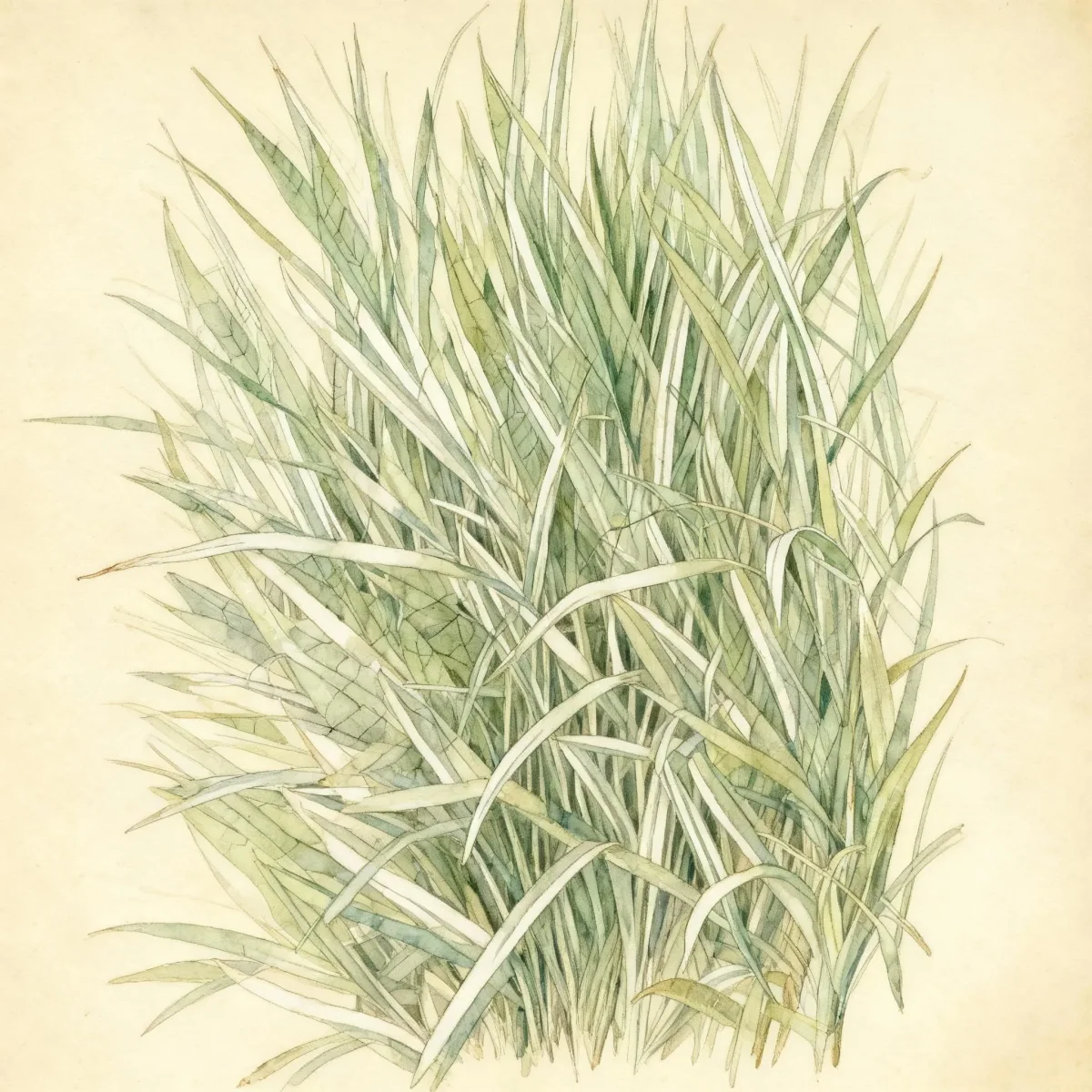
The variety ‘Albovariegatus’ specifically features narrow green blades accented by distinct white margins, setting it apart from the species form. Its formal name references the soft feel of the grass blades, living up to its common name, Creeping velvetgrass. Achieving moderate height, this cultivar excels in texture contrast when planted near broader-leaved perennials.
This spreading grass is easily incorporated into gardens where durable, low-growing texture is needed near structures or under trees where turf struggles. While it prefers consistently moist conditions, its drought tolerance post-establishment adds to the practicality of using Holcus mollis ‘Albovariegatus’ in challenging landscape spots.
Fast Facts
- Plant Family: Poaceae
- Plant Type: Ornamental grass
- Hardiness Zones: USDA Zones 5-9
- Size at Maturity:
- Height: 0.5-0.75 ft
- Spread: 0.5-1 ft
- Bloom Time: July to August
- Bloom Description: Purplish white
- Sun Exposure: Full sun to part shade
- Water Needs: Medium
- Maintenance Level: Low
How to Grow
Holcus mollis ‘Albovariegatus’ is remarkably easy to establish. It thrives in average, medium, well-drained soils, performing best when situated in locations receiving full sun to partial shade. When first planting, spacing plants about 8-12 inches apart is recommended if the primary goal is rapid coverage as a ground cover.
This grass requires a medium water supply, meaning consistent moisture, particularly during establishment. While Holcus mollis ‘Albovariegatus’ exhibits noted drought tolerance once established, providing even moisture will ensure the best color and vigor for the variegated foliage. Fertilization is typically unnecessary; excessive richness can sometimes reduce the intensity of the variegation.
Maintenance for Creeping velvetgrass is generally low. Minimal pruning is required, usually limited to cutting back the old foliage in late winter or very early spring before new growth begins. Be aware that its rhizomatous nature means it spreads, so strategic placement is key to avoid unwanted encroachment into formal beds.
Landscape Uses
The primary utility of Creeping velvetgrass lies in its function as an outstanding ground cover, quickly forming a dense, weed-suppressing mat due to its rhizomatous spreading habit. Its relatively short stature makes it an ideal edging plant along pathways or lawn borders where a soft transition is desired. This cultivar is also suitable for naturalizing in larger areas where a uniform, textured carpet is needed.
For rock gardens, use Holcus mollis ‘Albovariegatus’ as a small group accent planted among stones, allowing the fine texture to contrast sharply with hardscaping. In mixed plantings, pair it with shade-tolerant perennials that offer contrasting leaf shapes, such as Hostas or ferns, to maximize the visual impact of the variegated blades.
When designing with this variety, remember that its preference for well-drained soil ensures it integrates well into drier shade pockets, unlike many moisture-loving ground covers. Utilizing Creeping velvetgrass throughout a landscape unifies areas with differing sun exposure, provided moisture levels remain medium.
Standout Features
Flower Qualities
- Showy
Noteworthy Characteristics
Holcus mollis, commonly called velvet grass or creeping soft grass, is an erect, spreading, rhizomatous grass which typically forms a mat of foliage 6-8” tall. Features narrow green blades (to 1/2” wide). Purplish-white flower spikes appear in summer followed by non-showy seed panicles. The specific epithet ‘Albovariegatus’ is significant as it denotes foliage variegated with white margins.
Tolerances
- Drought
- Black Walnut
- Air Pollution
Potential Problems
This cultivar exhibits few serious insect or disease issues, which contributes to its low-maintenance profile. However, there is some reported susceptibility to leaf spot diseases, especially in conditions of high humidity or consistently poor air circulation. To mitigate this, ensure adequate spacing during planting to promote airflow around individual clumps of Creeping velvetgrass. Avoid overhead watering late in the evening to allow foliage to dry before nightfall.
Frequently Asked Questions
What hardiness zones is Creeping velvetgrass suitable for?
Creeping velvetgrass is hardy in USDA Zones 5 through 9, offering reliable performance across a wide range of climates.
How large does Creeping velvetgrass grow?
This ornamental grass typically reaches a short mature height between 0.5 and 0.75 feet tall, with a spread ranging from 0.5 to 1 foot wide.
What sun exposure does Holcus mollis ‘Albovariegatus’ need?
Holcus mollis ‘Albovariegatus’ adapts well, thriving in conditions ranging from full sun to partial shade.
When does Holcus mollis ‘Albovariegatus’ bloom?
The foliage is accented by purplish white flower spikes that typically appear throughout the summer, specifically from July into August.
Conclusion
The Creeping velvetgrass (Holcus mollis ‘Albovariegatus’) offers gardeners a textured, low-growing solution with excellent year-round appeal thanks to its striking white-margined foliage. Combining low maintenance with resilience against drought and air pollution, this grass is an invaluable texture provider. Before planting, confirm your location falls within USDA Zones 5-9 and plan space for its spreading habit.
Design Ideas
When using Holcus velvetgrass in designs, focus on height and texture juxtaposition. Plant it at the base of vertical elements like Japanese maples or upright evergreen shrubs to soften hard lines. Because of its rhizomatous spread, it acts as an excellent living mulch under high-value specimen plants, ensuring the soil remains covered and cool without demanding frequent replacement.
Consider using this cultivar in contemporary or modernist landscape designs where clean lines and repeating patterns are valued. The consistent striping of Holcus mollis ‘Albovariegatus’ allows it to function almost like a fine-textured, low-growing hedge row when spaced uniformly. Its preference for medium moisture means it pairs well culturally with many shade-loving ground covers like Vinca minor or Ajuga, though ensure the variegated grass gets sufficient light to maintain its bright color.
Companion Planting
Pairing plants with similar water and light needs will ensure the longevity of your Creeping velvetgrass display. Excellent companions include Helleborus species (Lenten Rose), which provide winter interest, and woodland phlox, which offer early spring color before the grass fully fills in. Many shade-tolerant ferns also make superb partners, as the fine blades of Holcus mollis ‘Albovariegatus’ provide the perfect contrast to the lacy fronds.