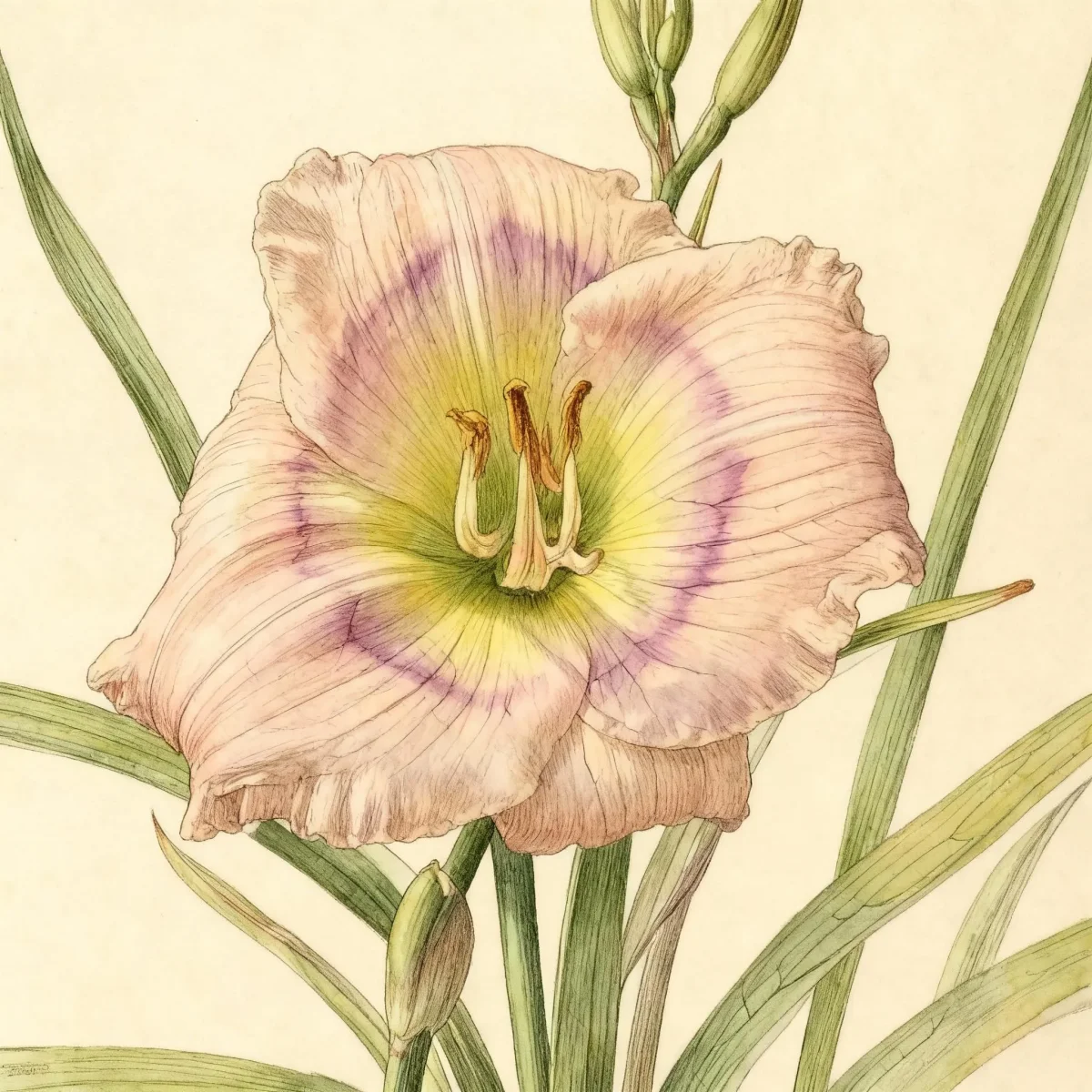
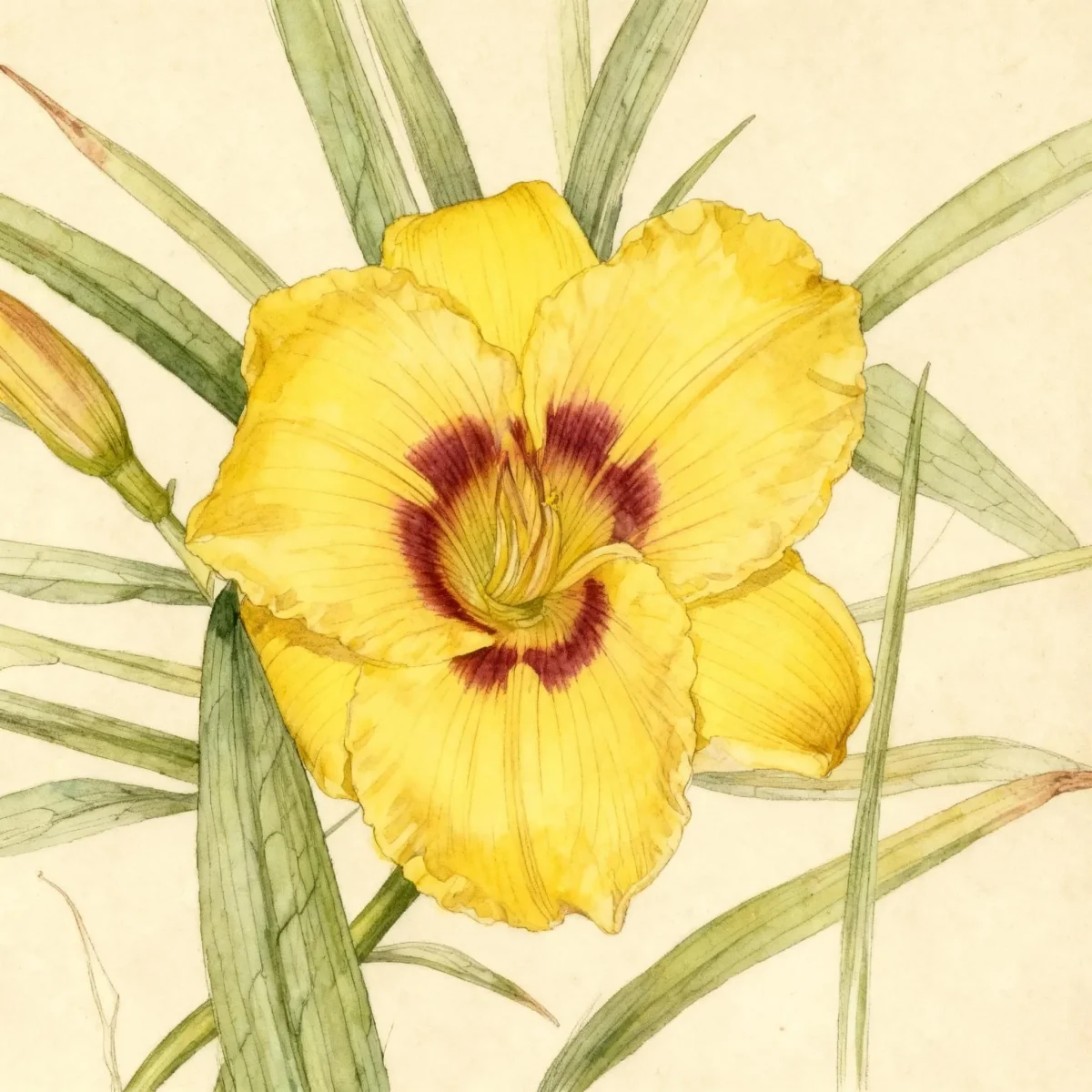
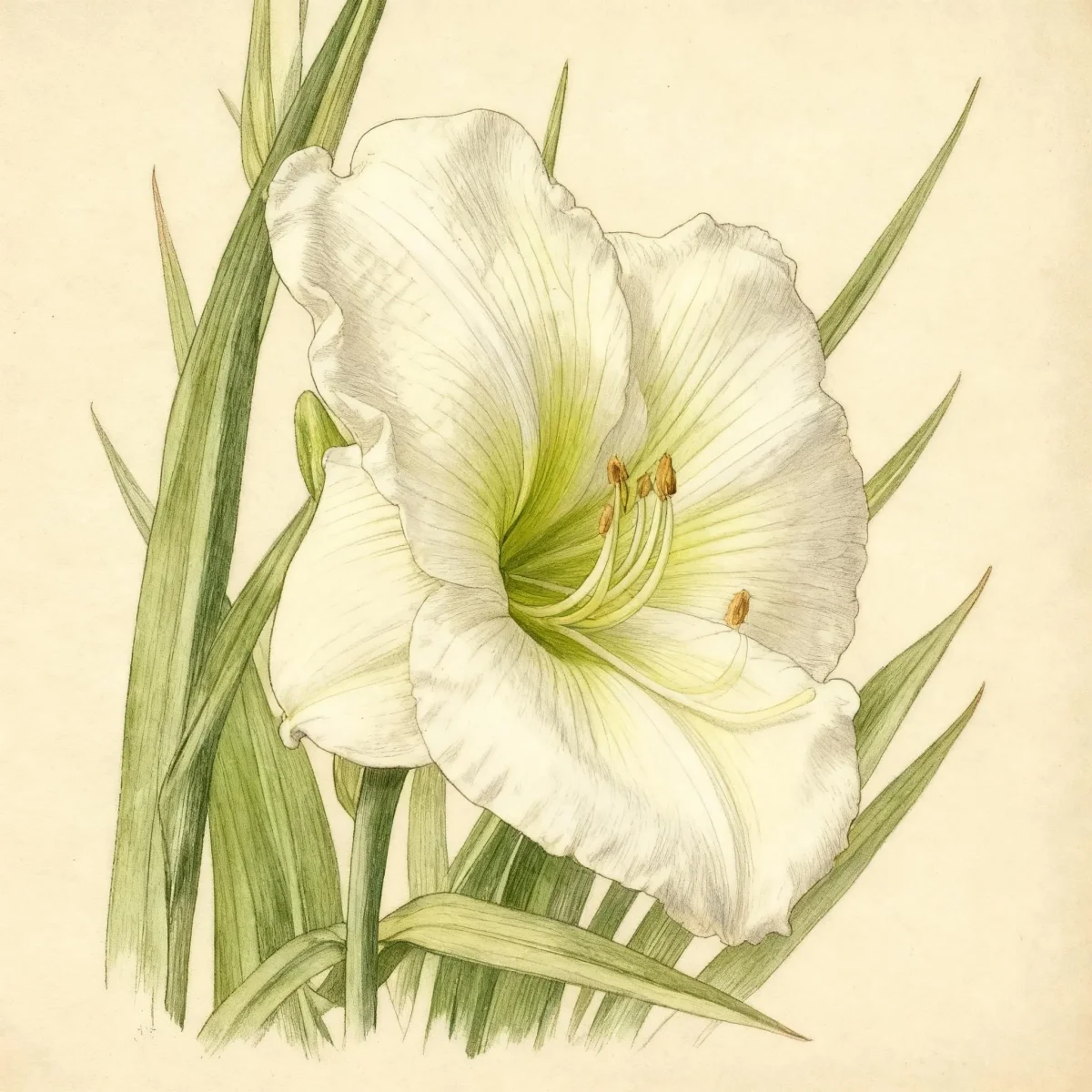
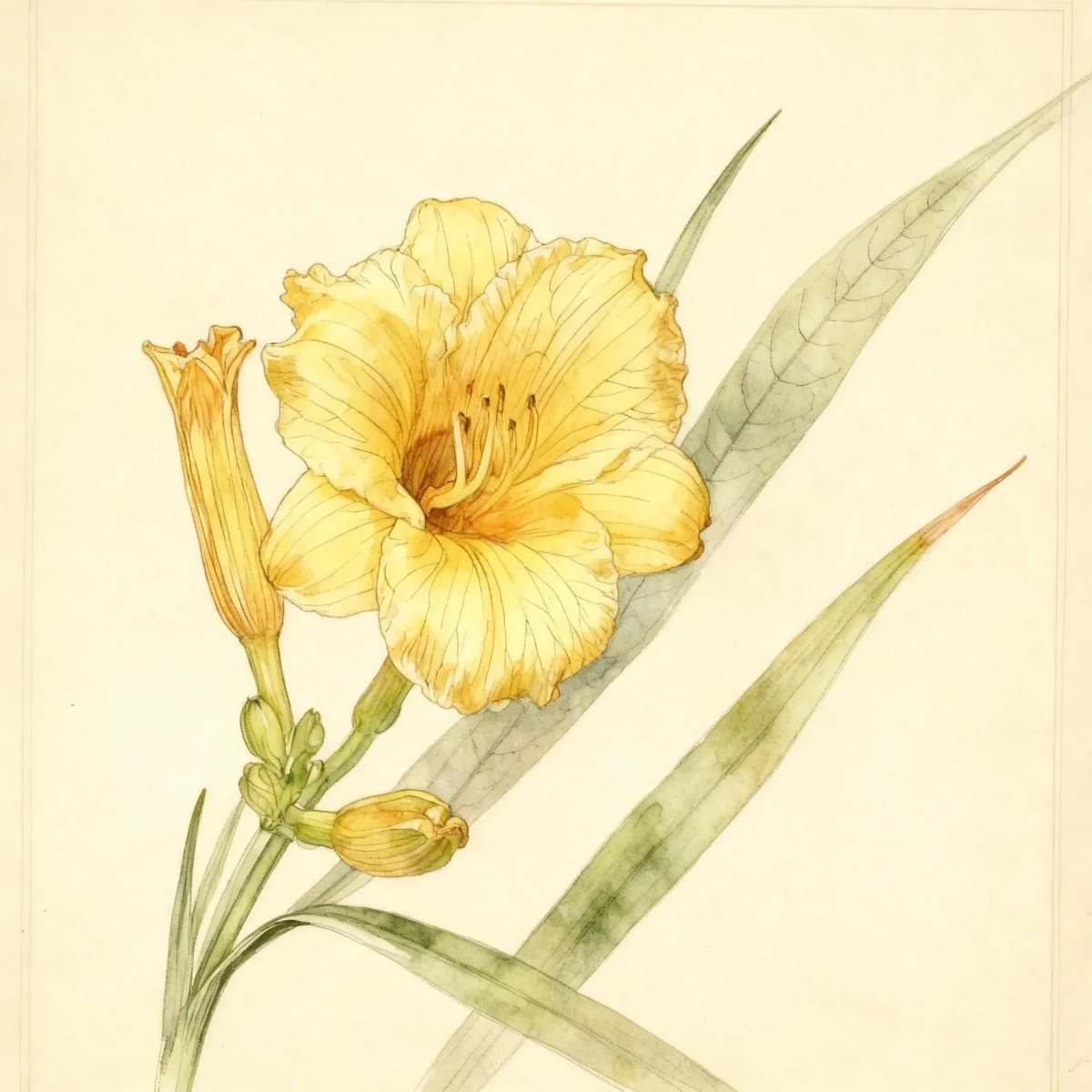
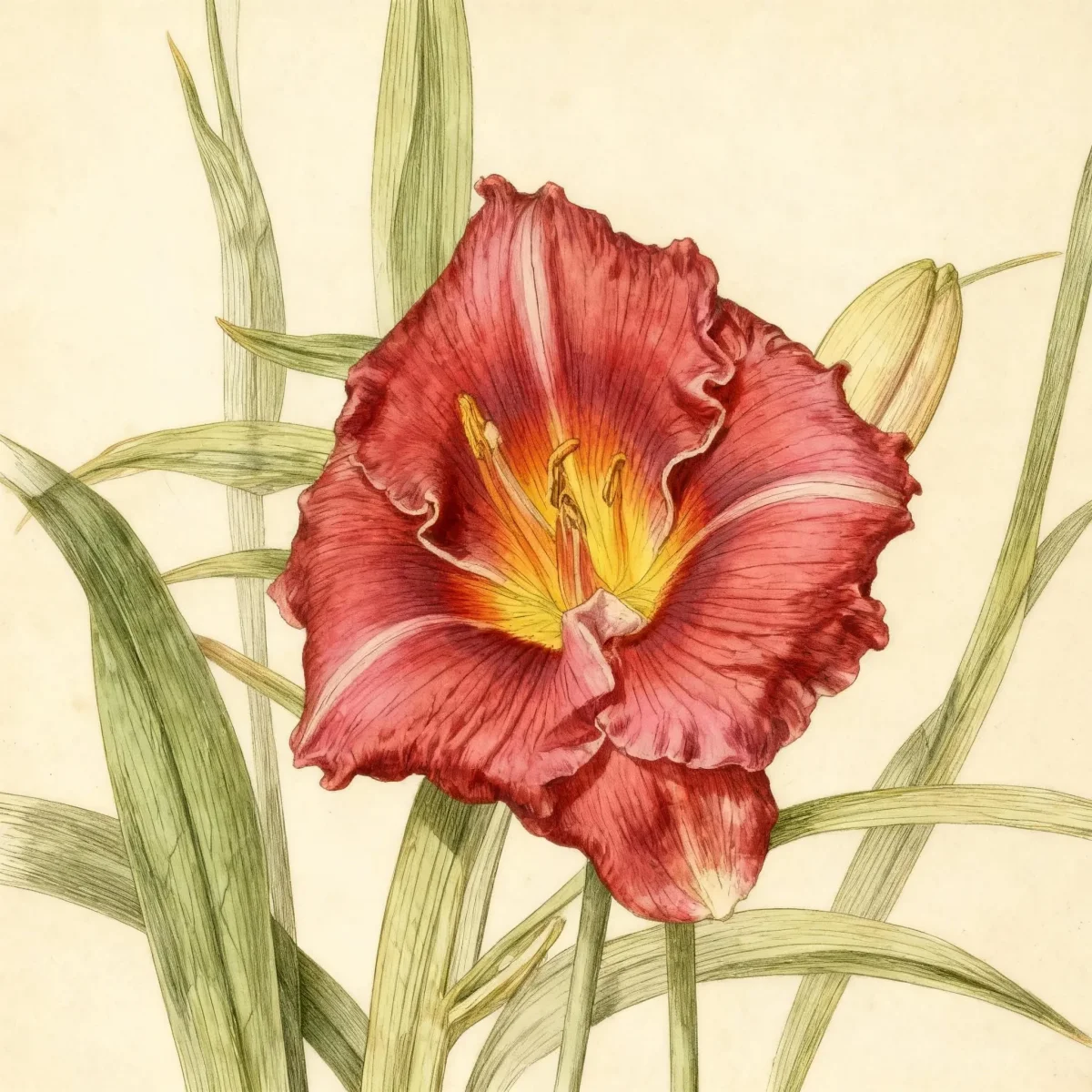
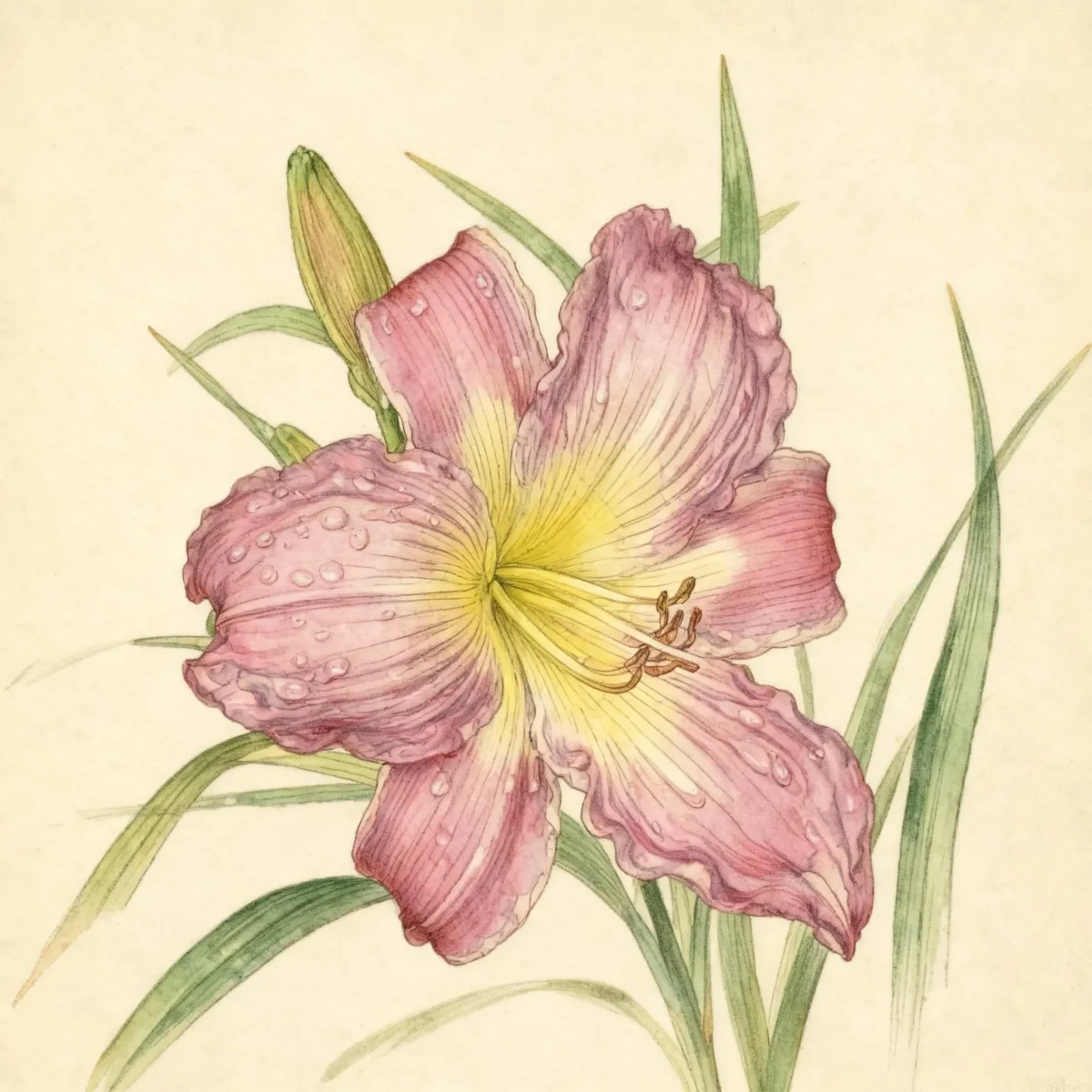
Daylily (Hemerocallis 'Almost Paradise')
Fragrant, showy Hemerocallis 'Almost Paradise' Daylily thrives in Zones 3-9 with low maintenance. Features greenish-gold spider flowers.
Scroll down to discover growing tips, care requirements, companion plants, and more
Complete Plant Information
Overview
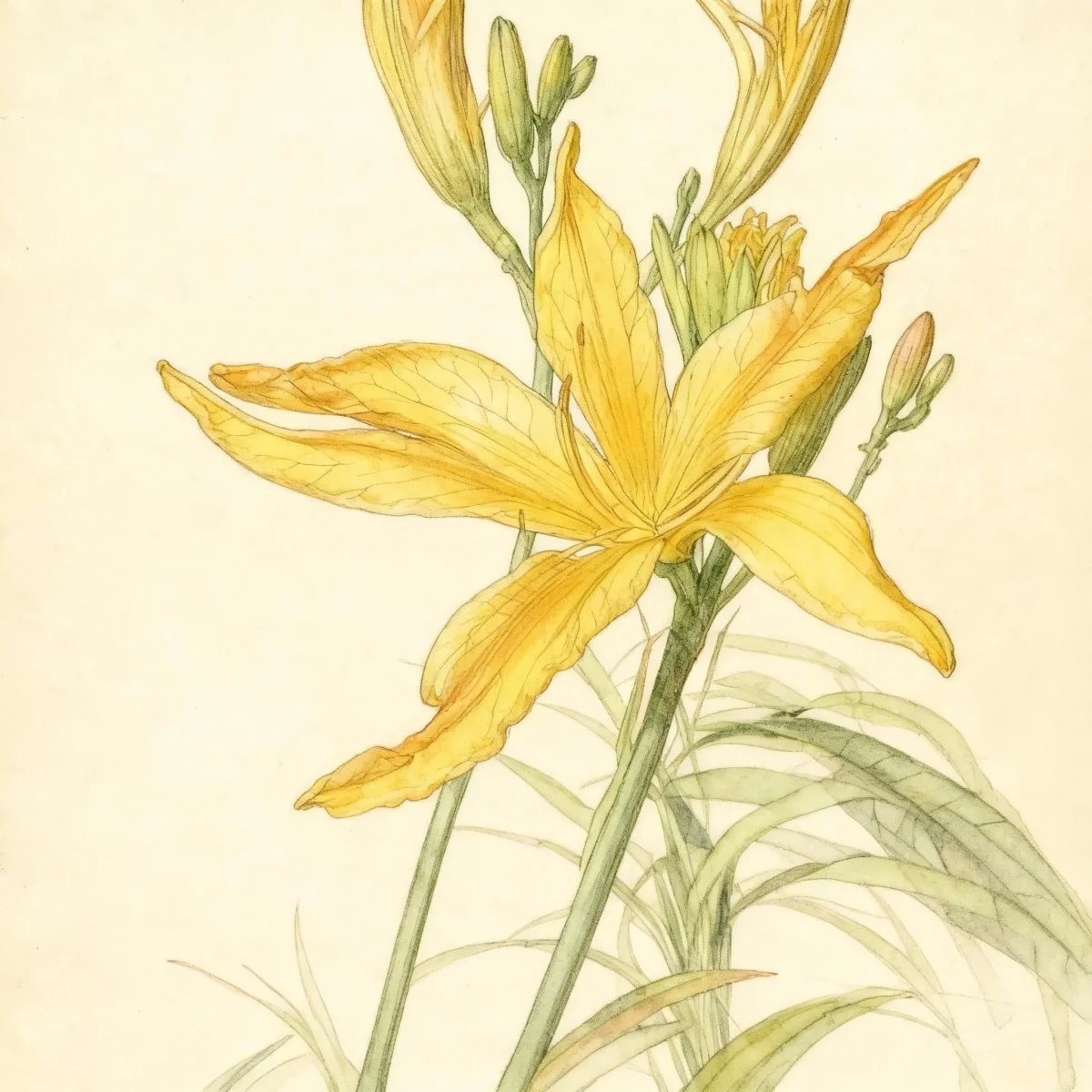
Hemerocallis ‘Almost Paradise’ is a highly desirable diploid daylily cultivar, prized by gardeners for its unique spider variant flower form and its appealing fragrance. This specific variety produces striking greenish-gold blooms that punctuate the landscape during the mid-season, offering reliable summer color and texture. As an herbaceous perennial, the Daylily establishes strongly, providing low-maintenance beauty year after year across a wide range of cooling climates.
With a manageable mature size, Hemerocallis ‘Almost Paradise’ fits well into various garden settings, from borders to mass plantings. Its robust nature allows it to tolerate common landscape challenges, making it a dependable choice even for novice gardeners seeking significant summer impact. Enjoy the fleeting beauty of its large, fragrant flowers, whose brief lifespan is compensated for by the sheer volume of blooms produced on strong scapes.
Fast Facts
- Plant Family: Asphodelaceae
- Plant Type: Herbaceous perennial
- Hardiness Zones: USDA Zones 3-9
- Size at Maturity:
- Height: 2.5-3 ft
- Spread: 2-2.5 ft
- Bloom Time: June to July
- Bloom Description: Greenish-gold
- Sun Exposure: Full sun to part shade
- Water Needs: Medium
- Maintenance Level: Low
How to Grow
Planting this Daylily cultivar is straightforward; aim for average, medium moisture, well-drained soil. While they perform best in deep, fertile loams, Hemerocallis ‘Almost Paradise’ is highly adaptable. Position them where they receive full sun for the best flower production, though part shade is tolerated.
Ongoing care for your Daylily is minimal. Deadhead spent flowers daily to maintain neatness, and promptly remove the entire scape once the flowering period concludes. Although tolerant of heat and humidity, provide deep watering during extended dry spells to help keep the attractive arching foliage looking its best throughout the season.
For optimal long-term performance, plan to divide clumps of Hemerocallis ‘Almost Paradise’ every three to four years, ideally in the spring, especially in colder regions. Be aware that this is a winter dormant type; it requires a cold period to bloom well and is not recommended for the warmest parts of Zone 9. If foliage declines in winter, cut it back to maintain a clean look.
Landscape Uses
Hemerocallis ‘Almost Paradise’ functions exceptionally well as an easy-to-grow herbaceous perennial for structured garden design. Its 2.5 to 3-foot height makes it perfectly suited for use in middle-ground borders where it can anchor groupings of shorter annuals or groundcovers. The arching, linear foliage creates a soft texture even when not in bloom.
Due to its low maintenance requirements and ability to handle mass planting, this Daylily is an excellent choice for edging pathways or stabilizing slopes, as it also rates highly for erosion control. Consider planting Dr. Reinke’s 1992 creation, ‘Almost Paradise’, near patios or seating areas to fully appreciate the fragrance released by its unique spider-form blooms.
Standout Features
Flower Qualities
- Showy
- Fragrant
Noteworthy Characteristics
Hybridizers have expended considerable effort over the years creating new daylilies featuring flowers with new colors, color combinations, shapes and patterns. Genus name comes from the Greek words hemera meaning day and kallos meaning beauty as each flower lasts but one day. Hemerocallis ‘Almost Paradise’ is a diploid daylily cultivar with spider variant form that features greenish-gold flowers (to 9”) that appear on naked stems rising typically to 38” tall.
Tolerances
- Rabbit
- Erosion
- Air Pollution
Potential Problems
Daylilies are renowned for being extremely adaptable and relatively pest-free perennials, meaning problems are rare. If issues do arise, occasionally scout for mites, aphids, or thrips, which can usually be managed with simple treatments. Daylily rust presents a more significant threat in some humid regions, requiring appropriate fungicide applications if it becomes established. Fortunately, Rabbits almost always leave the foliage of this Daylily untouched.
Frequently Asked Questions
What hardiness zones is Daylily suitable for?
Hemerocallis ‘Almost Paradise’ is suitable for USDA Hardiness Zones 3 through 9.
How large does Hemerocallis ‘Almost Paradise’ grow?
This variety typically reaches a height between 2.5 and 3 feet and spreads 2 to 2.5 feet wide at maturity.
When does Daylily bloom?
This Daylily blooms during the prime summer months, specifically June to July, displaying characteristic greenish-gold flowers.
What sun exposure does Hemerocallis ‘Almost Paradise’ need?
For the best performance, this Daylily requires full sun exposure, though it can tolerate partial shade locations.
Conclusion
The Daylily cultivar Hemerocallis ‘Almost Paradise’ offers gardeners a fantastic blend of aesthetic appeal—fragrant, showy flowers in a unique shape—and exceptional durability. Its low maintenance needs, coupled with its tolerance for various conditions, ensure this plant remains a staple in borders and landscapes. Before planting, confirm that your growing area falls between USDA Zones 3 and 9 to guarantee a spectacular mid-season display of greenish-gold blooms.
Companion Planting
When planning beds featuring Hemerocallis ‘Almost Paradise’, select companions that share similar needs for full sun to partial shade and medium moisture. Silvery foliage plants, such as Lamb’s Ears (Stachys byzantina), create an excellent contrast against the dark green blades of the Daylily foliage. For late-season interest after the Daylily finishes blooming in July, integrate late-blooming Coneflowers (Echinacea) or ornamental grasses that appreciate the well-drained conditions preferred by this cultivar.
Design Ideas
The height of Hemerocallis ‘Almost Paradise’ (up to 3 feet) positions it perfectly as a middle-layer plant in a tiered perennial border, preventing shorter foreground plants from being completely obscured. Its ability to tolerate erosion makes it ideal for softening the edges of banks or retaining walls where its fibrous roots can provide stabilization. For a contemporary look, mass planting simple cultivars like this throughout large swathes of your yard provides sweeping drifts of color with minimal upkeep.