Daylily (Hemerocallis 'Golliwog')
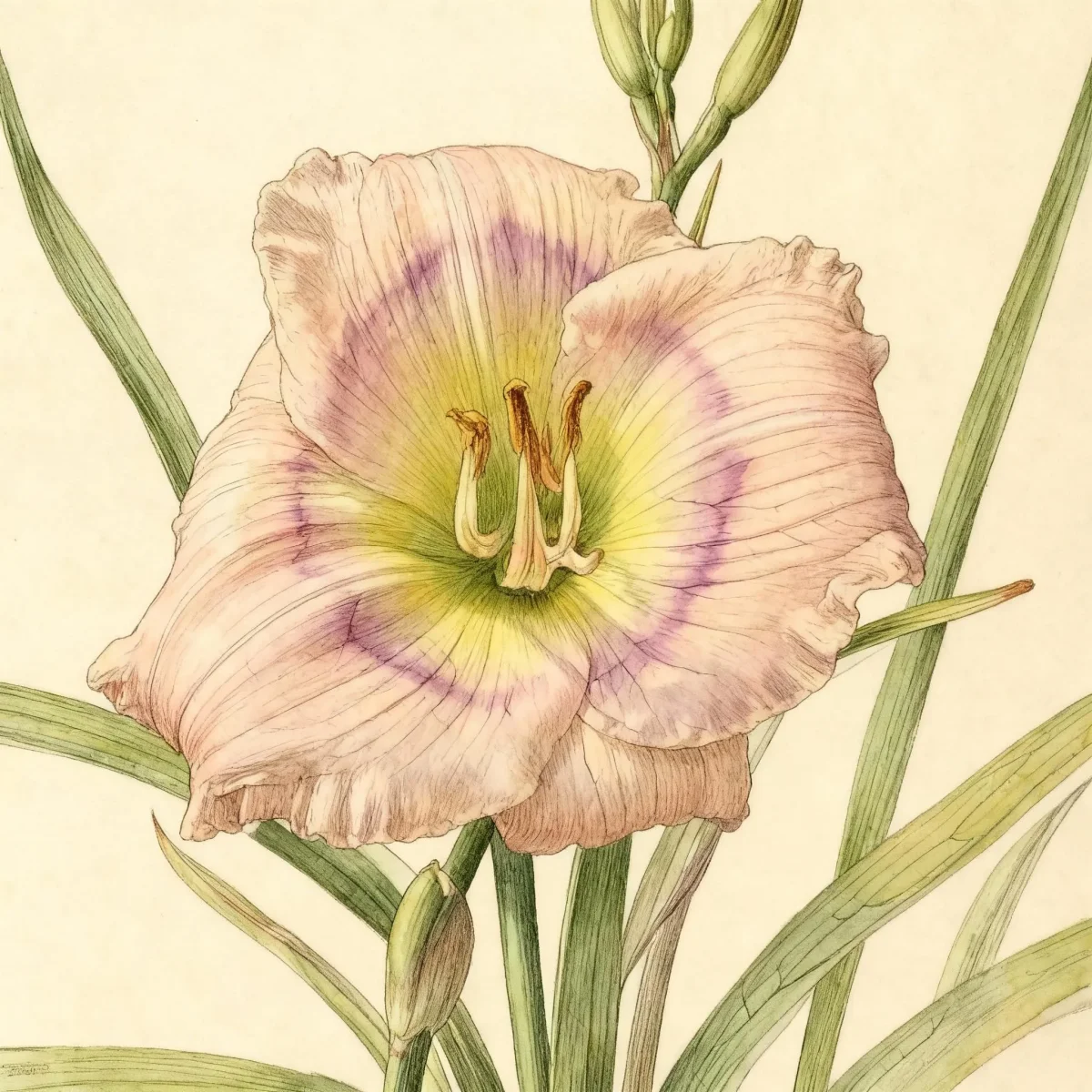
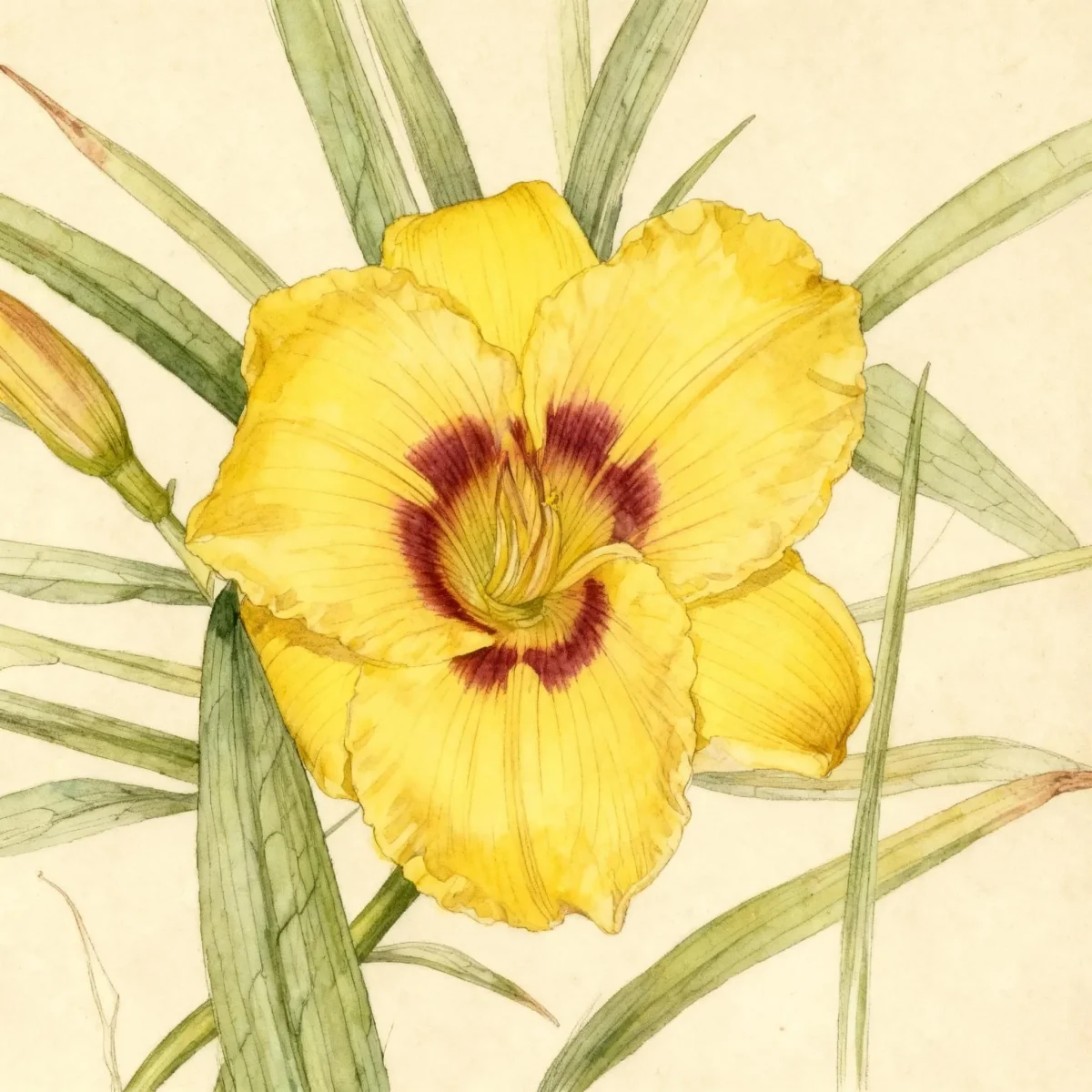
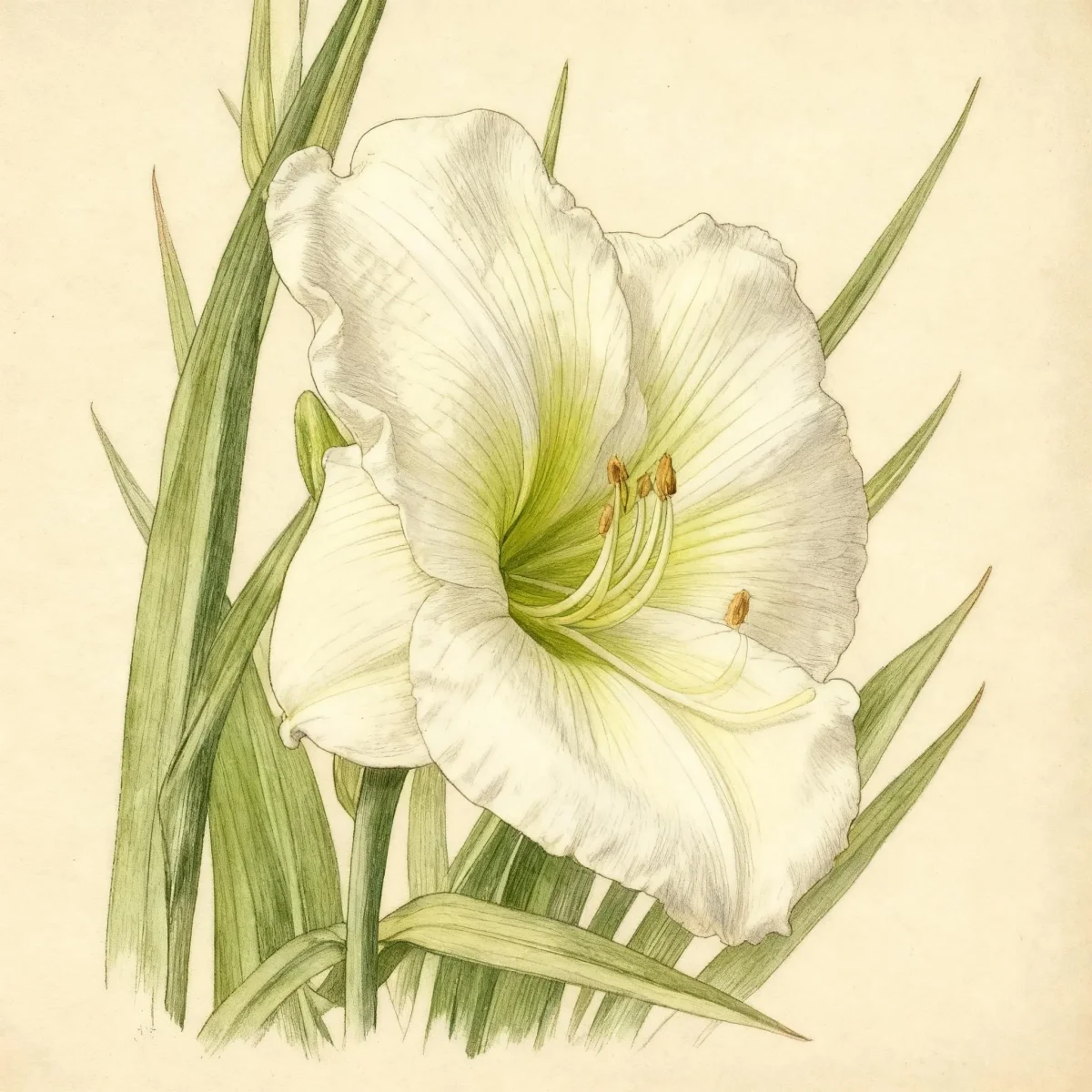
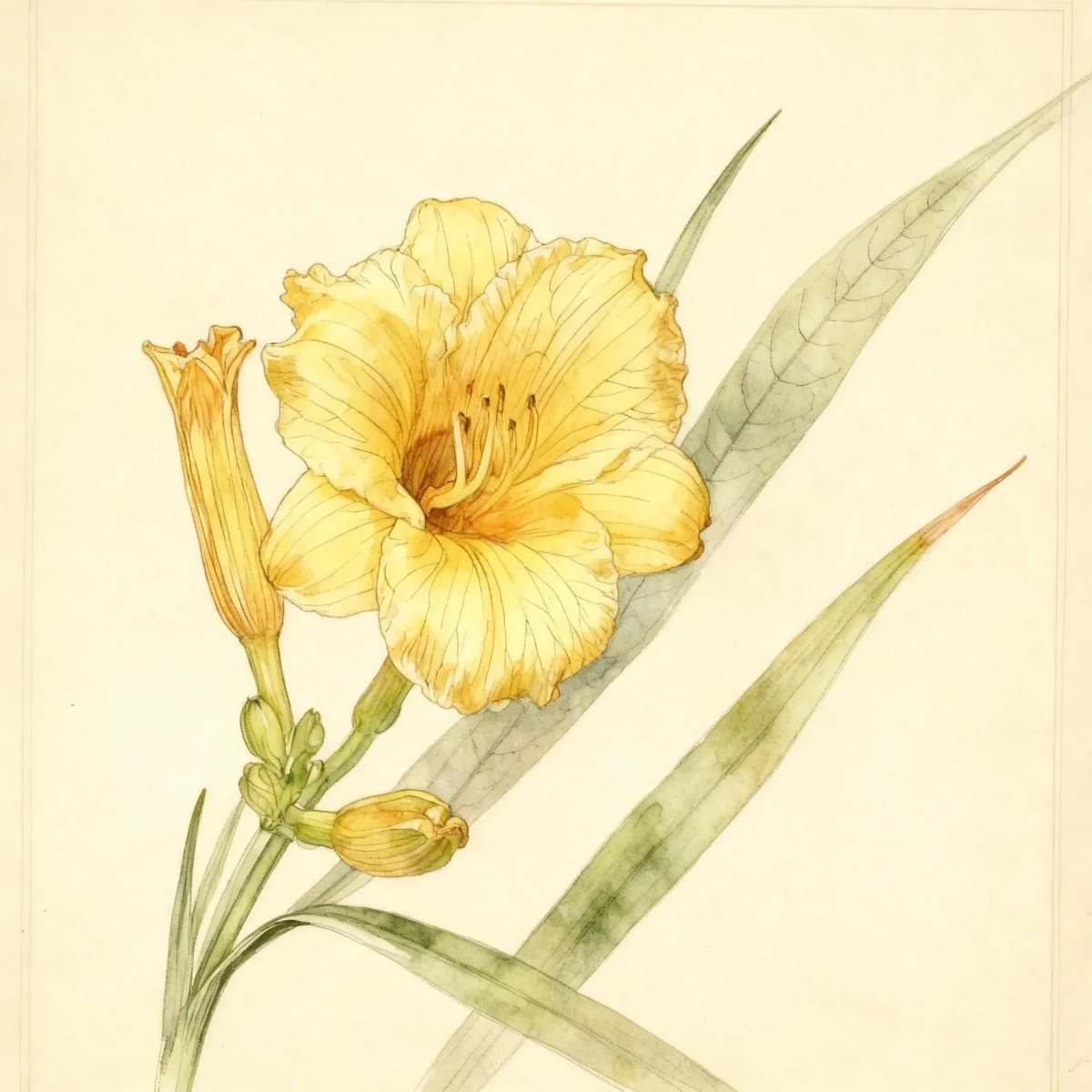
Hemerocallis 'Golliwog' is a low-maintenance Daylily offering peachy-yellow, reblooming flowers from June to August.
Scroll down to discover growing tips, care requirements, companion plants, and more
Complete Plant Information
Overview
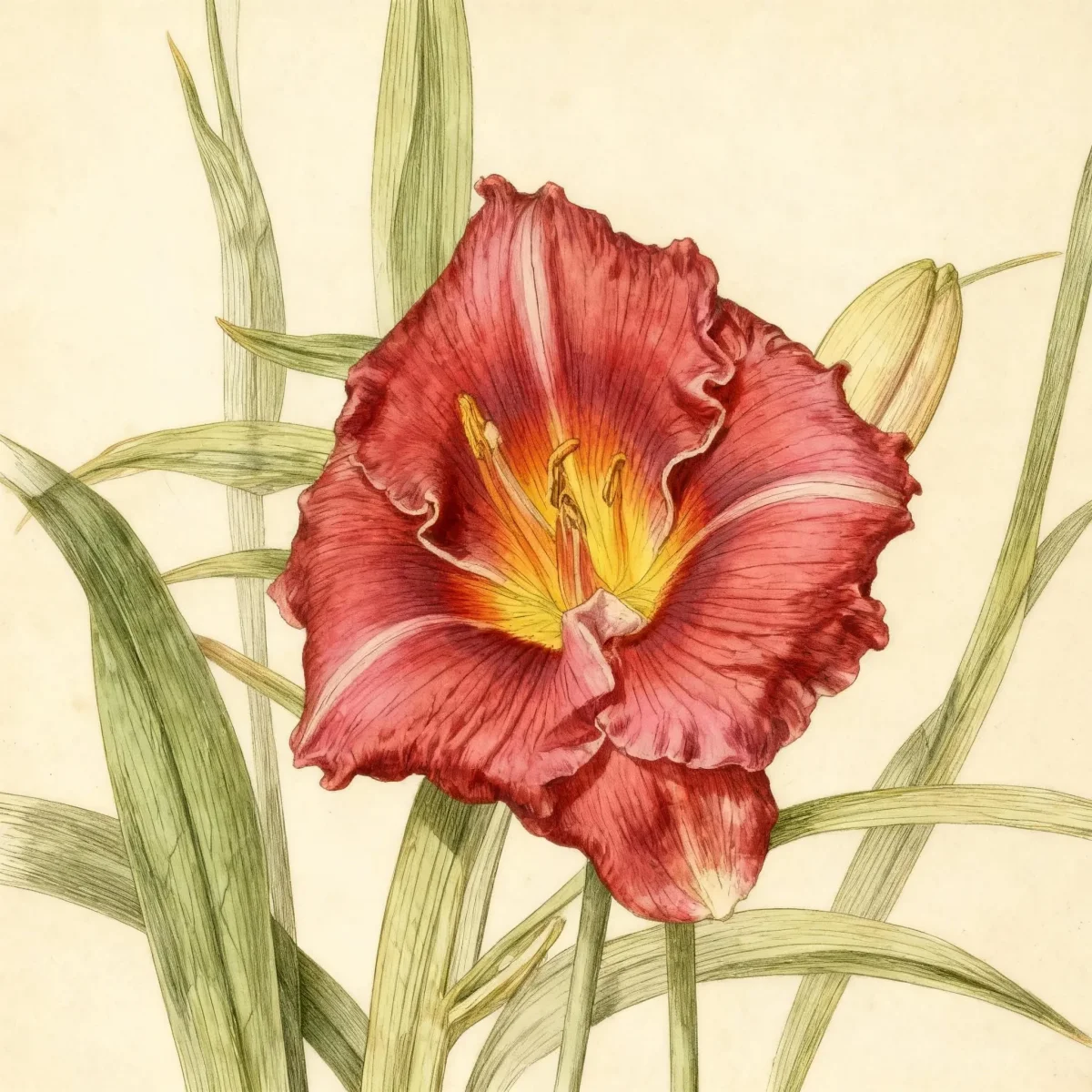
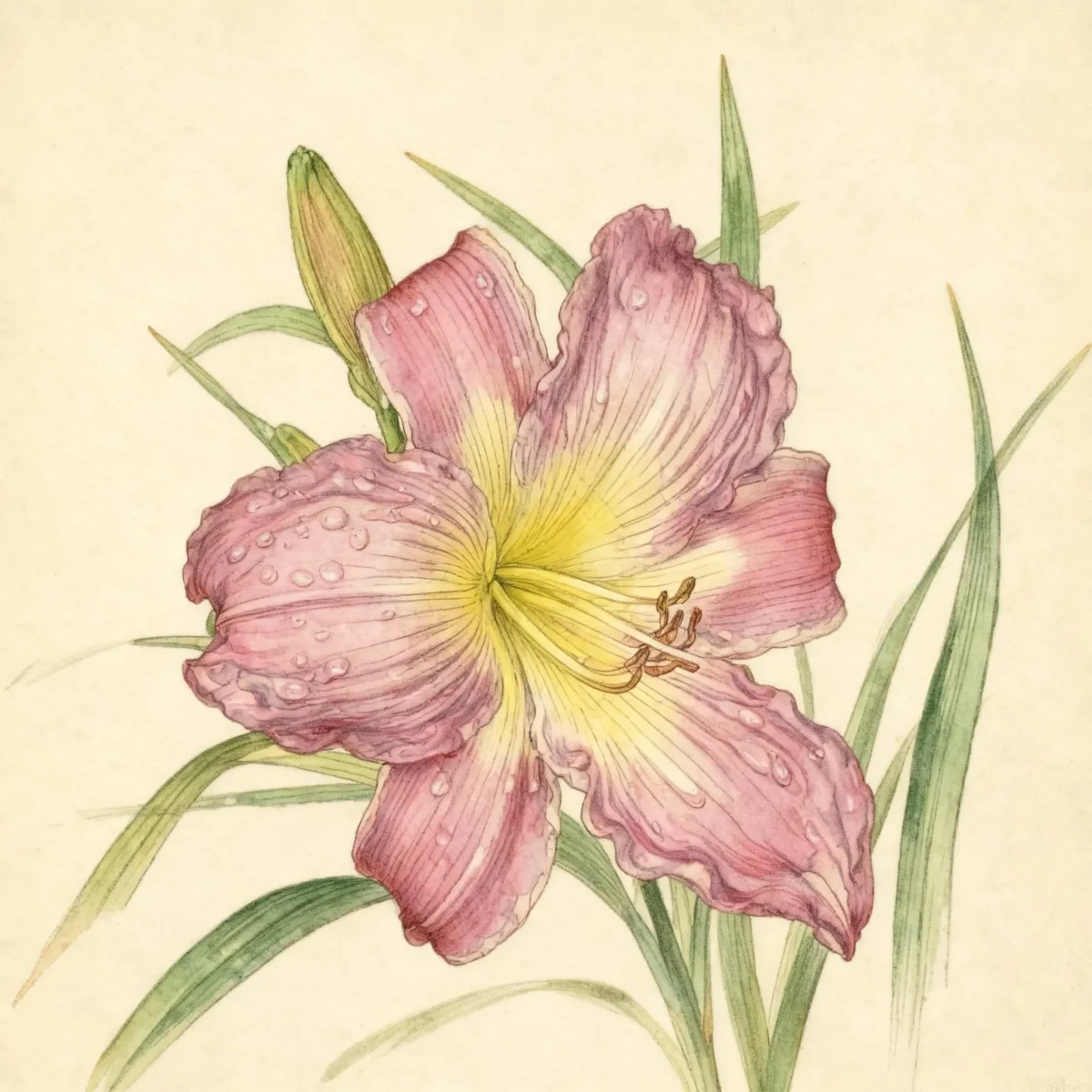
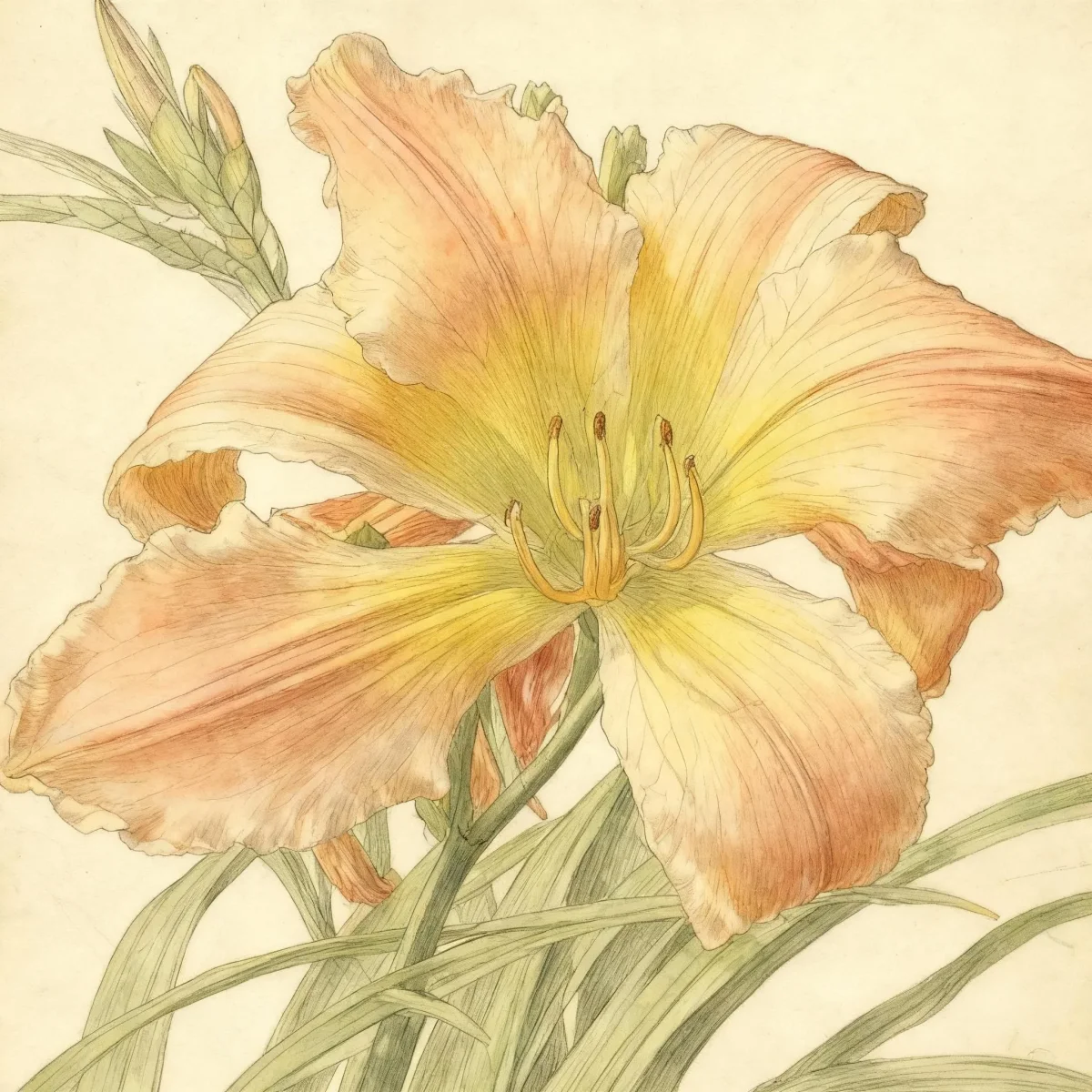
Hemerocallis ‘Golliwog’ is a highly valued Daylily cultivar, celebrated for its distinctive flower form and reliable summer performance. This herbaceous perennial produces ruffled, twisted, spider-like blooms in a appealing peachy-pinkish-yellow hue, making it a striking addition to perennial borders. As a diploid cultivar registered as a rebloomer, Hemerocallis ‘Golliwog’ provides extended color across the mid-to-late season when many other spring bloomers have finished.
Growing this Daylily is straightforward, as it thrives in average to fertile soils with medium moisture under full sun or partial shade conditions. Its low maintenance requirements and tolerance for heat and humidity make it exceptionally practical for busy gardeners looking for structural beauty throughout the summer months. The distinctive foliage creates a strong clump, providing year-round structure, although care must be taken to manage dormant vs. evergreen tendencies based on your local climate.
Gardens benefit greatly from the sheer volume of flowers produced successively on scapes that rise approximately 25 inches high. The ease of care, combined with the unique appearance of Hemerocallis ‘Golliwog’, secures its place as a garden favorite, offering long-lasting seasonal interest with minimal fuss.
Fast Facts
- Plant Family: Asphodelaceae
- Plant Type: Herbaceous perennial
- Hardiness Zones: USDA Zones 3-9
- Size at Maturity:
- Height: 1.5-2 ft
- Spread: 1.5-2 ft
- Bloom Time: June to August
- Bloom Description: Peachy-yellow with yellow-green throat
- Sun Exposure: Full sun to part shade
- Water Needs: Medium
- Maintenance Level: Low
How to Grow
Planting Hemerocallis ‘Golliwog’ is best achieved in spring or early fall into average, medium moisture, well-drained soil. While Daylilies are adaptable, they prefer deep, fertile loams for optimal performance and flower production. Ensure that the crown of the plant is situated just at the soil surface during planting to prevent rot.
Ongoing care for this Daylily is minimal. Deadhead spent flowers daily if neatness is desired, removing the individual blooms as soon as they fade. It is also important to remove the entire flower stalk (scape) once all the blossoms on it have completed their cycle. Though tolerant of heat, providing deep watering during extended dry spells will keep the foliage looking its best throughout the summer.
For long-term health and vigorous reblooming, plan to divide clumps of Hemerocallis ‘Golliwog’ every three to four years. Spring division is generally preferred in colder regions, such as the St. Louis area mentioned in cultural notes, while fall division is an option elsewhere. Remember that hybrid Daylilies like this cultivar will not breed true from seed, so division is the only way to propagate the authentic Hemerocallis ‘Golliwog’.
Landscape Uses
Daylilies, including the robust Hemerocallis ‘Golliwog’, are incredibly versatile working horses in the landscape. Their clump-forming, grass-like foliage provides excellent texture, functioning perfectly as a mid-sized border plant or for edging walkways where their two-foot stature prevents them from overwhelming smaller foreground plants. They excel when planted en masse over large areas, creating sweeping drifts of color that soften hardscaping elements.
Dwarf cultivars are particularly noted for their suitability in rock gardens, but even a standard size like Hemerocallis ‘Golliwog’ can provide strong vertical accents in mixed perennial beds. Because they are easy-to-grow, they pair well with almost any companion plant that shares similar sun and water needs, such as coneflowers, salvias, or ornamental grasses. Utilizing their tolerance to erosion also makes the Daylily an excellent choice for stabilizing gentle slopes in sunny areas of the garden.
Standout Features
Flower Qualities
- Showy
Noteworthy Characteristics
Hemerocallis is a widely hybridized genus, with over 60,000 cultivars registered, showcasing an incredible range of colors and forms except true blue. The flowers are typically funnel-shaped, featuring six perianth segments, and open on naked scapes emerging from basal, linear foliage. Specifically, Hemerocallis ‘Golliwog’ is recognized for its spider-like petals and its registration as a rebloomer, extending the period of beauty derived from the Greek words for ‘day’ and ‘beauty.‘
Tolerances
- Rabbit
- Erosion
- Air Pollution
Potential Problems
Daylilies are renowned for being extremely adaptable and are generally low-fuss plants regarding pests and diseases. They are relatively pest-free, though occasional infestations of mites, aphids, or thrips can occur; treating localized outbreaks with horticultural oil is often a sufficient remedy. A more significant concern in humid climates can be Daylily rust, which presents as yellow or brown dusting on the foliage.
Prevention of fungal issues like rust involves ensuring good air circulation around the clumps and avoiding overhead watering late in the day. If rust becomes established, promptly removing and disposing of severely infected foliage can help manage its spread, though cultural management is usually less critical for a tough cultivar like the Hemerocallis ‘Golliwog’. Note that rabbits, surprisingly, tend to avoid munching on Daylily foliage.
Frequently Asked Questions
What hardiness zones is Daylily suitable for?
The Hemerocallis ‘Golliwog’ Daylily is reliably hardy across USDA Zones 3 through 9, offering wide adaptability for most North American gardens.
How large does Hemerocallis ‘Golliwog’ grow?
This cultivar typically reaches a mature height between 1.5 and 2 feet tall and spreads approximately 1.5 to 2 feet wide, forming a manageable clump.
What sun exposure does Daylily need?
Hemerocallis ‘Golliwog’ performs best in full sun but tolerates partial shade, though bloom production might decrease slightly in less light.
When does Daylily bloom?
This Daylily variety blooms heavily from June through August, featuring striking peachy-yellow flowers accented with a yellow-green throat.
Conclusion
Hemerocallis ‘Golliwog’ offers incredible value due to its robust nature, low maintenance rating, and reliable, extended summer bloom period of peachy-yellow flowers. For gardeners seeking dependable, striking color, this Daylily is an excellent choice that blends aesthetic appeal with practicality. Before planting, confirm your landscape falls within USDA Zones 3-9, and be sure to plant in well-drained soil to ensure many seasons of enjoyment from your Hemerocallis ‘Golliwog’.
Companion Planting
Due to the Daylily’s specific growth requirements—full sun to part shade and medium, consistent moisture—selecting companions requires attention to their cultural symmetry. Excellent partners include Siberian Iris (Iris sibirica), which bloom earlier and have similar foliage habits, creating a layered effect as the Iris fades and the Daylily ramps up. Catmint (Nepeta spp.) works well along the front of borders; its silvery, lower-growing foliage contrasts nicely with the upright, grassy leaves of the Daylily while tolerating the same sun exposure.
Avoid planting moisture-loving plants directly against the base of the clump, as Daylilies prefer drainage, even when wanting medium water. For height contrast, taller, later-season bloomers like Russian Sage (Perovskia atriplicifolia) can serve as a background element, allowing the lower-growing flower scapes of Hemerocallis ‘Golliwog’ to stand out in the mid-ground.
Seasonal Care Calendar
Spring preparation for your Daylily clump involves cutting back any remaining dead foliage from the previous season, often done as soon as new green growth emerges. Focus fertilizer applications, if necessary, early in the spring before the main flush of growth begins to support robust flowering later in June and August. Summer is dedicated to deadheading spent flowers daily to maintain tidiness and to ensure all energy goes toward producing new buds for the reblooming cycle of Hemerocallis ‘Golliwog’.
In the late summer or early fall, monitor water needs; while tolerant of heat, deep watering during propagation or division periods is highly beneficial. If plants seem overcrowded in the fall or early spring (preferred), divide the fans to refresh vigor and prevent interior die-out. Winter dormancy in colder zones means foliage will naturally die back; heavy mulching is generally unnecessary unless planting in the coldest extremities of Zone 3.