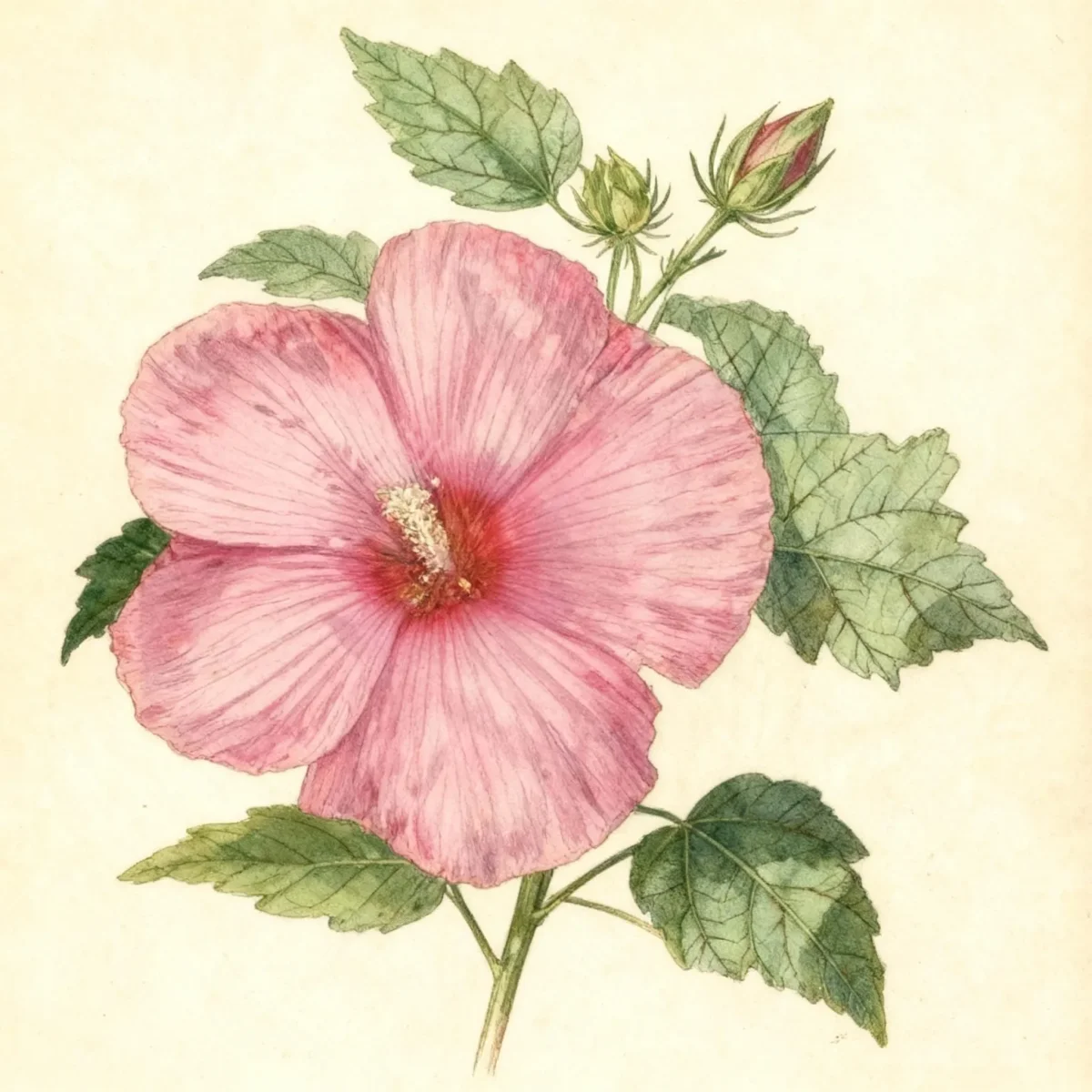
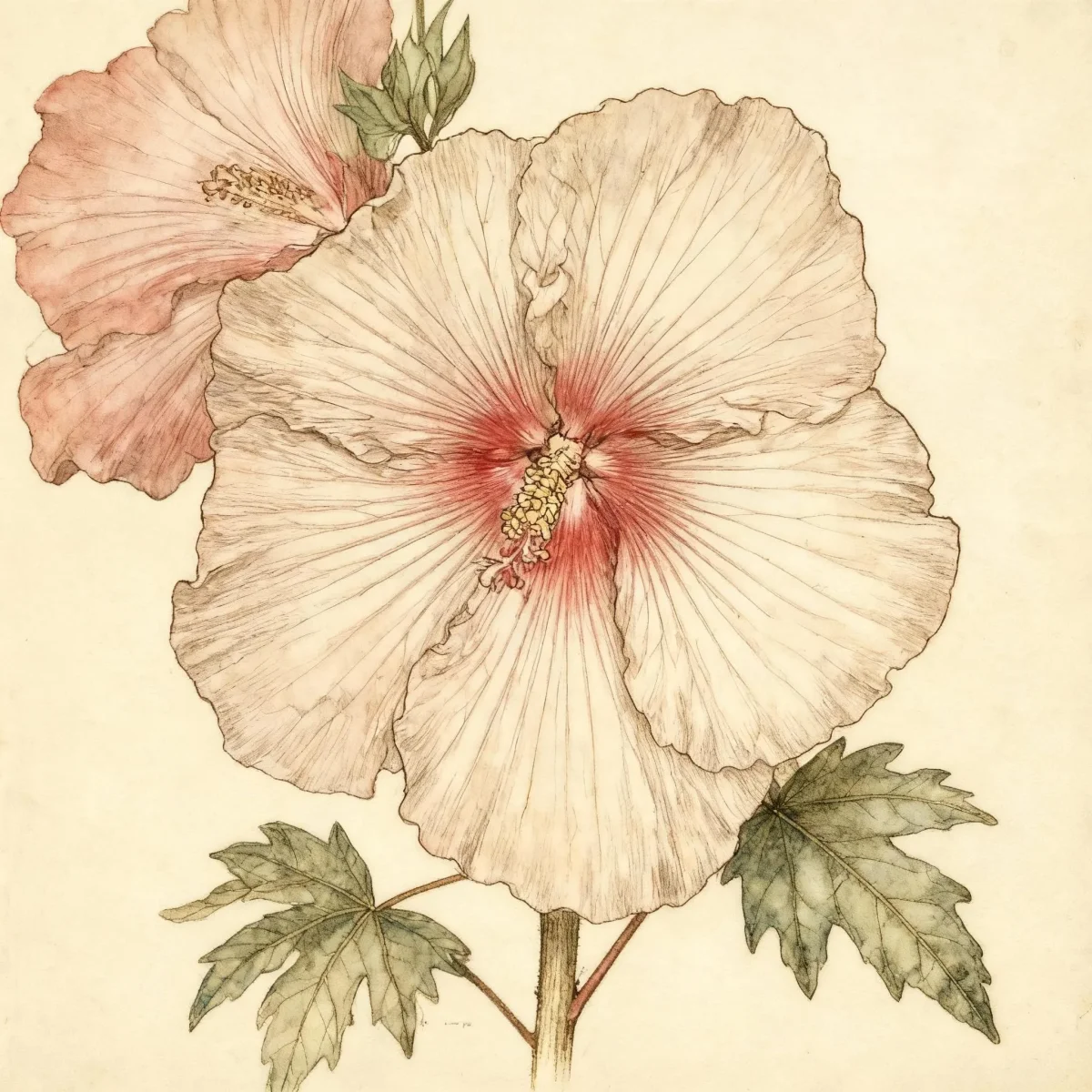
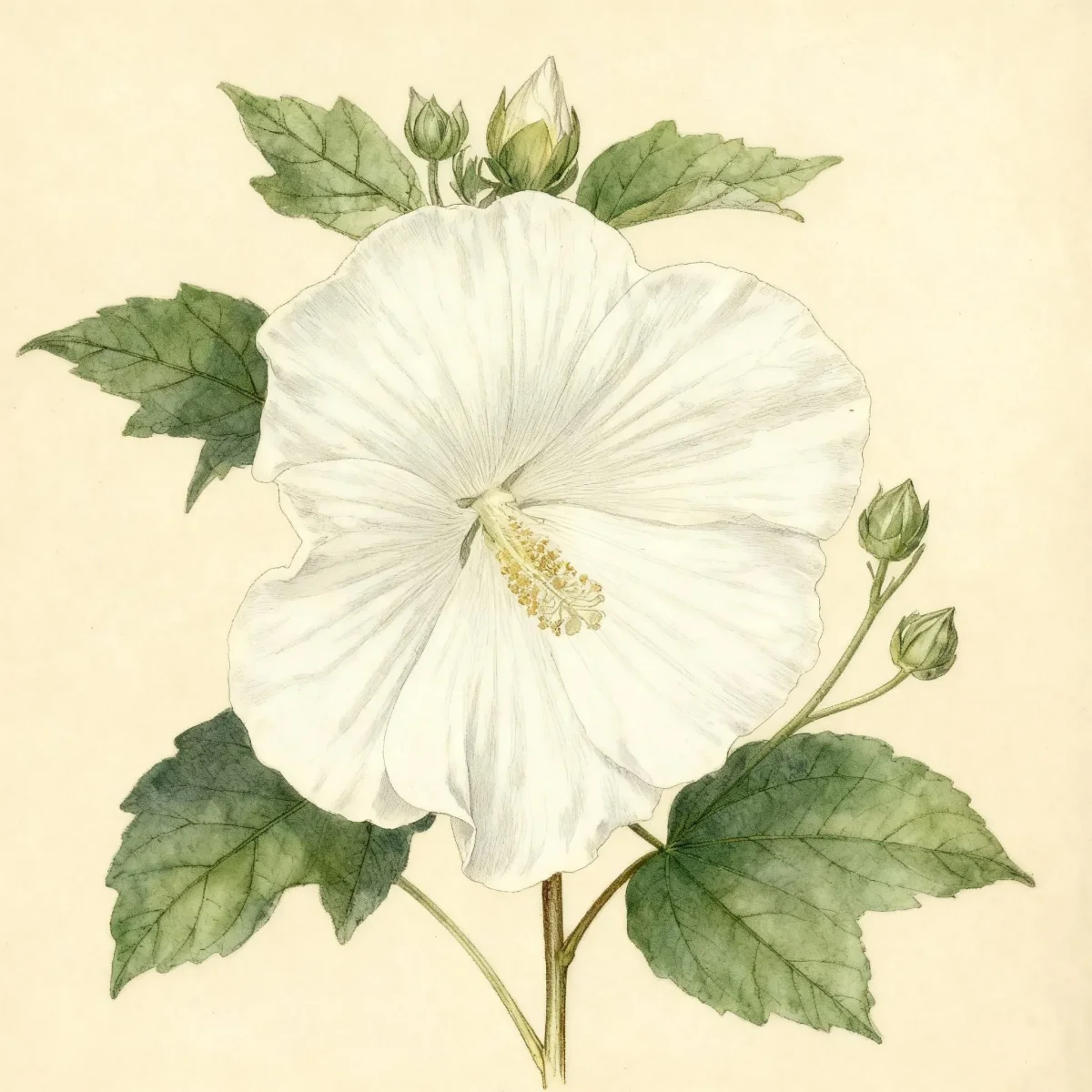
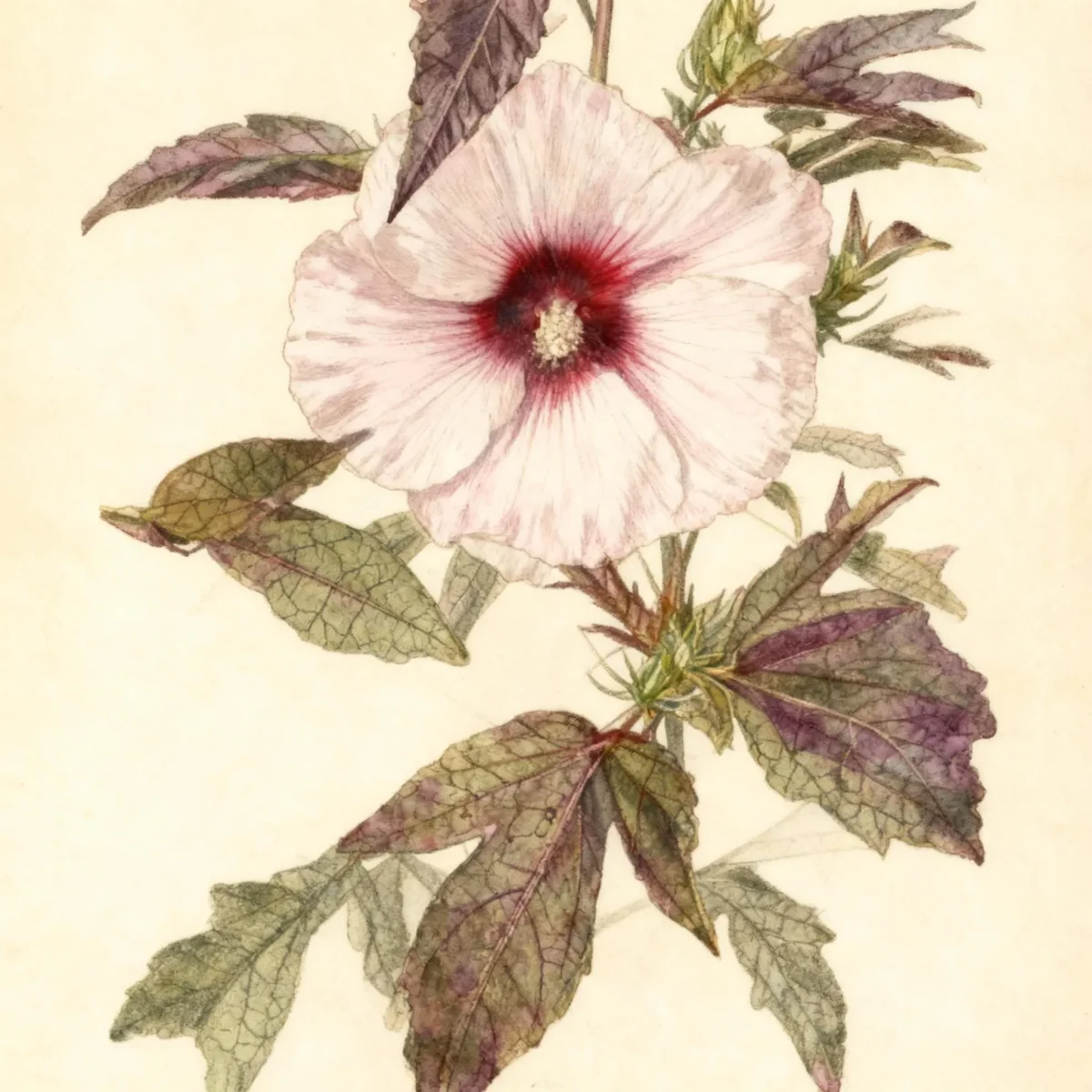
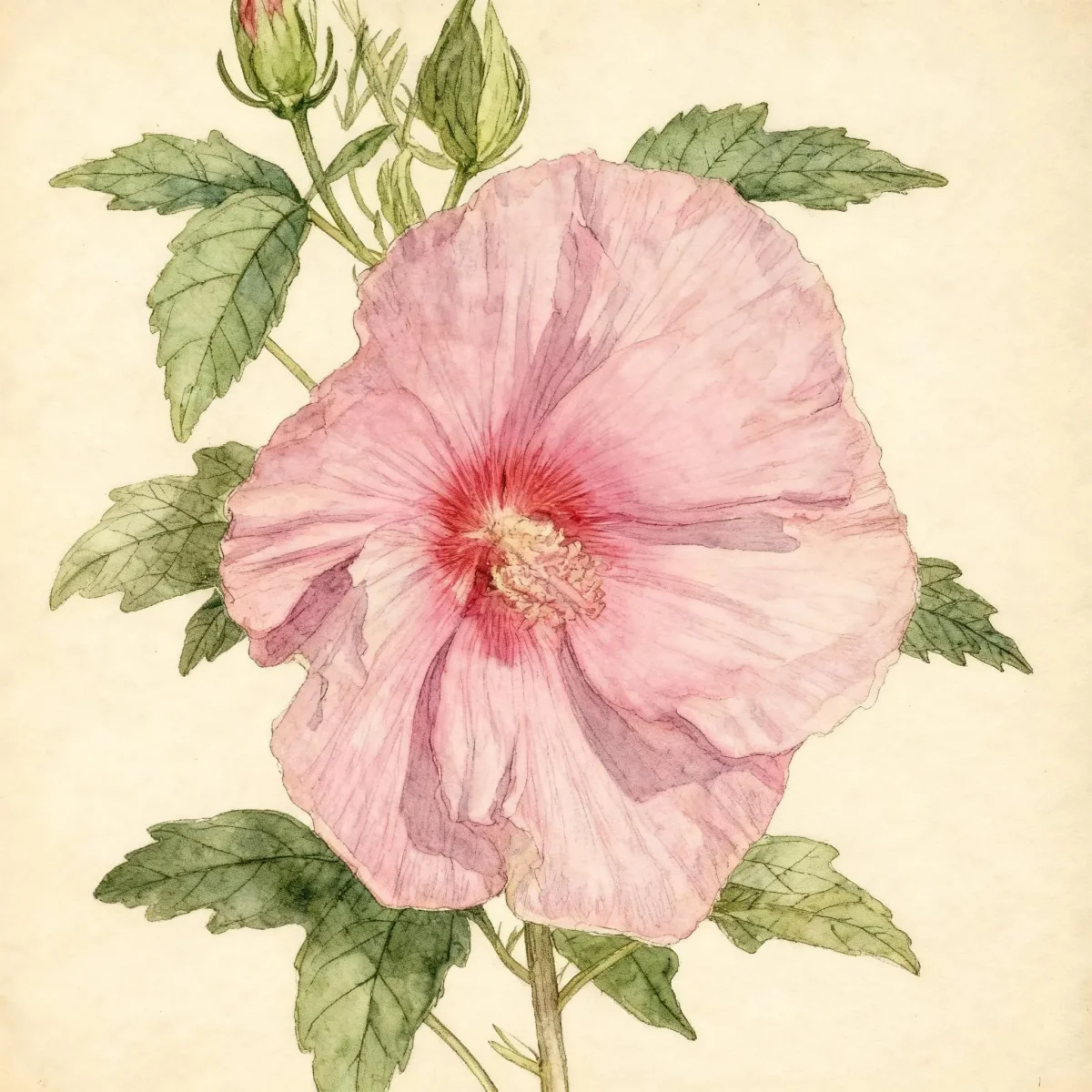
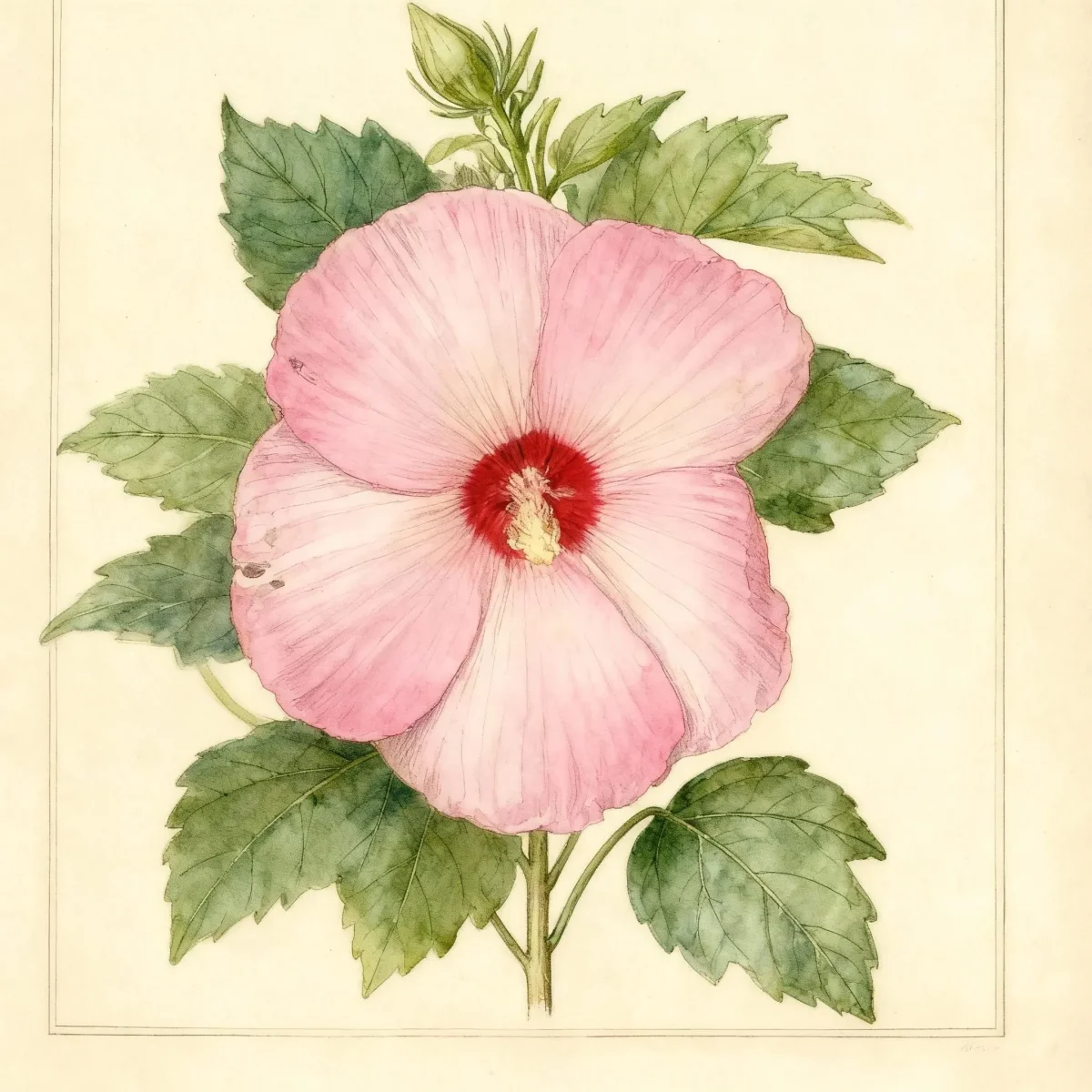
Common rose mallow (Hibiscus moscheutos 'Who says')
Discover the spectacular Hibiscus moscheutos 'Who says' (Common rose mallow), known for huge red blooms and low maintenance.
Scroll down to discover growing tips, care requirements, companion plants, and more
Complete Plant Information
Overview
The Common rose mallow, specifically the cultivar Hibiscus moscheutos ‘Who says’, offers gardeners breathtaking, dinner-plate-sized blooms on a reliably sturdy perennial structure. This plant is highly valued for its long bloom period spanning mid-summer into early fall, providing essential late-season color when many other perennials fade. Its vigorous nature and robust flower production make it a standout specimen in temperate to warm climates.
As a woody-based perennial, Hibiscus moscheutos ‘Who says’ provides significant vertical accent in the garden landscape. While it prefers consistently moist to wet conditions, its adaptability means it performs well even in average garden soils, provided it doesn’t completely dry out during heat waves. This resilience, combined with low maintenance needs, secures its place as a garden favorite.
The spectacular flowers of Common rose mallow not only provide high visual impact but also attract essential pollinators, adding dynamic life to the garden space. For gardeners seeking massive blooms and structural presence with minimal fuss, this hardy hibiscus delivers impressive summer spectacle.
Fast Facts
- Plant Family: Malvaceae
- Plant Type: Herbaceous perennial
- Hardiness Zones: USDA Zones 5-9
- Size at Maturity:
- Height: 3-5 ft
- Spread: 2-3 ft
- Bloom Time: July to September
- Bloom Description: Red with deeper red eye
- Sun Exposure: Full sun
- Water Needs: Medium to wet
- Maintenance Level: Low
How to Grow
Plant Hibiscus moscheutos ‘Who says’ in the spring after the danger of frost has passed, or in early autumn if local conditions allow for root establishment before dormancy. Ideal locations provide full sun, which encourages the strongest stems and minimizes disease pressure, though some light shade is tolerated. This plant thrives in moist, organically rich soils but is highly adaptable, handling average garden soils provided consistent moisture is maintained.
Watering is critical for optimal performance; regular, deep watering is advisable, especially during dry spells, as leaf scorch results if the soil dries excessively. While naturally adapted to wet locations, Common rose mallow benefits from regular fertilization throughout the growing season to support its heavy flower production. For a bushier structure, pinch back the growing tips when they reach 8 inches and again at 12 inches.
Pruning is generally straightforward. Deadheading individual flowers helps maintain neatness, though the plant is not reliant on it for repeat blooming. In late autumn, cut all stems back to about 3–4 inches above the ground. Be patient in spring; new growth on this hardy hibiscus can be slow to appear, but once it starts, it grows quite rapidly.
Landscape Uses
The sheer scale of the flowers and the plant’s stature make Hibiscus moscheutos ‘Who says’ an excellent focal point or specimen plant in medium to large gardens. It performs exceptionally well when situated in reliably moist environments, making it perfect for rain gardens, near ponds, or along streams where soils remain damp. Furthermore, its height allows it to serve effectively as a temporary summer screen or hedge.
Consider incorporating this Common rose mallow into mixed borders where you need reliable, vibrant color from mid-summer onward. Pair it with shorter, consistently watered companions like ferns or Astilbes that appreciate similar moisture profiles, or use its upright form to contrast with mounding plants. For smaller spaces, the vigorous Hibiscus moscheutos ‘Who says’ can thrive exceptionally well when grown in large containers.
Standout Features
Flower Qualities
- Showy
Noteworthy Characteristics
Hibiscus moscheutos, commonly known as hardy hibiscus or swamp rose mallow, is a vigorous, sturdy, rounded, somewhat shrubby, hairy-stemmed, woody-based perennial of the mallow family. Showy, dinner plate-sized flowers feature five overlapping red petals with deeper red edges surrounding a prominent creamy white to pale yellow central column. Individual flowers last only a day or two, but new blooms open daily from July through September, leading to masses of color at the peak of the season.
Tolerances
- Deer
- Wet Soil
Potential Problems
While generally robust, Common rose mallow can experience some fungal issues, including leaf spots, blights, rusts, and canker; proper siting in areas with good air circulation and full sun is the best preventative measure. Watch out for common pests such as Japanese beetles, which can quickly defoliate the plant if left unchecked, and occasional whiteflies, aphids, or scale. Remember that leaf scorch is a direct indication of insufficient water; never allow the soil to dry out completely during the growing season.
Frequently Asked Questions
What hardiness zones is Common rose mallow suitable for?
The Common rose mallow (‘Who says’ cultivar) is hardy and typically thrives in USDA Zones 5-9.
How large does Hibiscus moscheutos ‘Who says’ grow?
This variety usually matures to a height between 3 and 5 feet, spreading about 2 to 3 feet wide.
What sun exposure does Hibiscus moscheutos ‘Who says’ need?
This plant requires full sun exposure for the strongest stems and the most prolific bloom display.
When does Common rose mallow bloom?
Common rose mallow blooms consistently from July through September, displaying large flowers that are red with a deeper red eye.
Conclusion
The Hibiscus moscheutos ‘Who says’ is a powerhouse perennial, offering dramatic size and sustained, unbelievable floral displays throughout the hottest months. Its low maintenance requirements, coupled with its tolerance for wet conditions, make the Common rose mallow an indispensable staple for late-summer gardens. Before planting, ensure your location provides the required sun exposure and consistent moisture to unlock the full potential of this spectacular variety.
Companion Planting
Selecting appropriate companions helps frame the vertical accent of the Hibiscus moscheutos ‘Who says’ while supporting its need for moist soil. Consider using moisture-loving ornamental grasses like Miscanthus cultivars or taller sedges that thrive in similar conditions. Plants such as Joe-Pye Weed (Eutrochium spp.) or Cardinal Flower (Lobelia cardinalis) can share its preference for wet feet and provide contrasting vertical flower spikes or deeper jewel-toned colors beneath the massive hibiscus blooms.
Wildlife Benefits
The extraordinary size of the Hibiscus moscheutos ‘Who says’ flowers makes them irresistible to large pollinators, including hummingbirds and large bees, which are necessary to maximize seed set in mallows. The prominent, accessible staminal column ensures foraging is efficient for these visitors throughout the long bloom season. Furthermore, the robust foliage provides good cover during the summer months, contributing to local insect habitat structure.