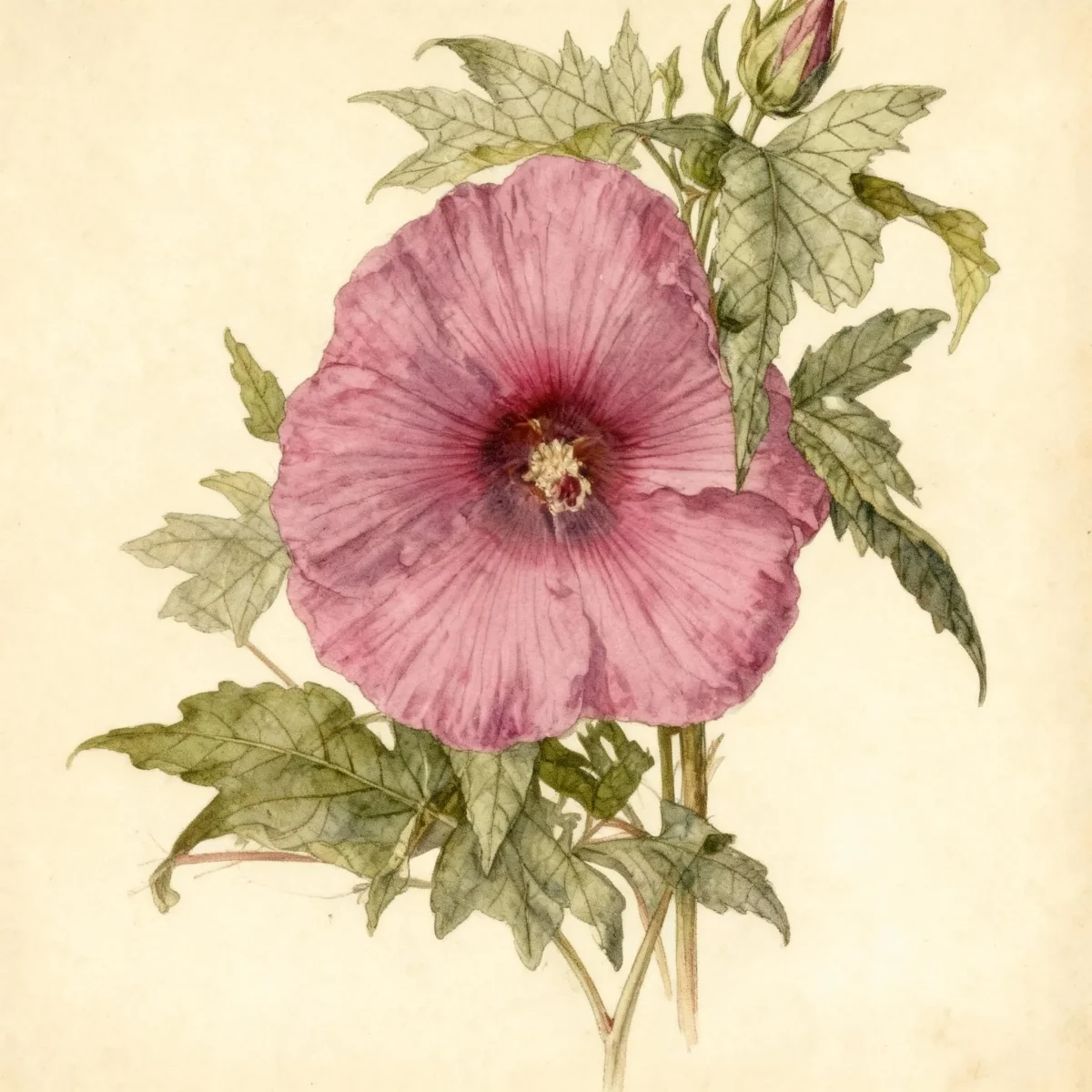
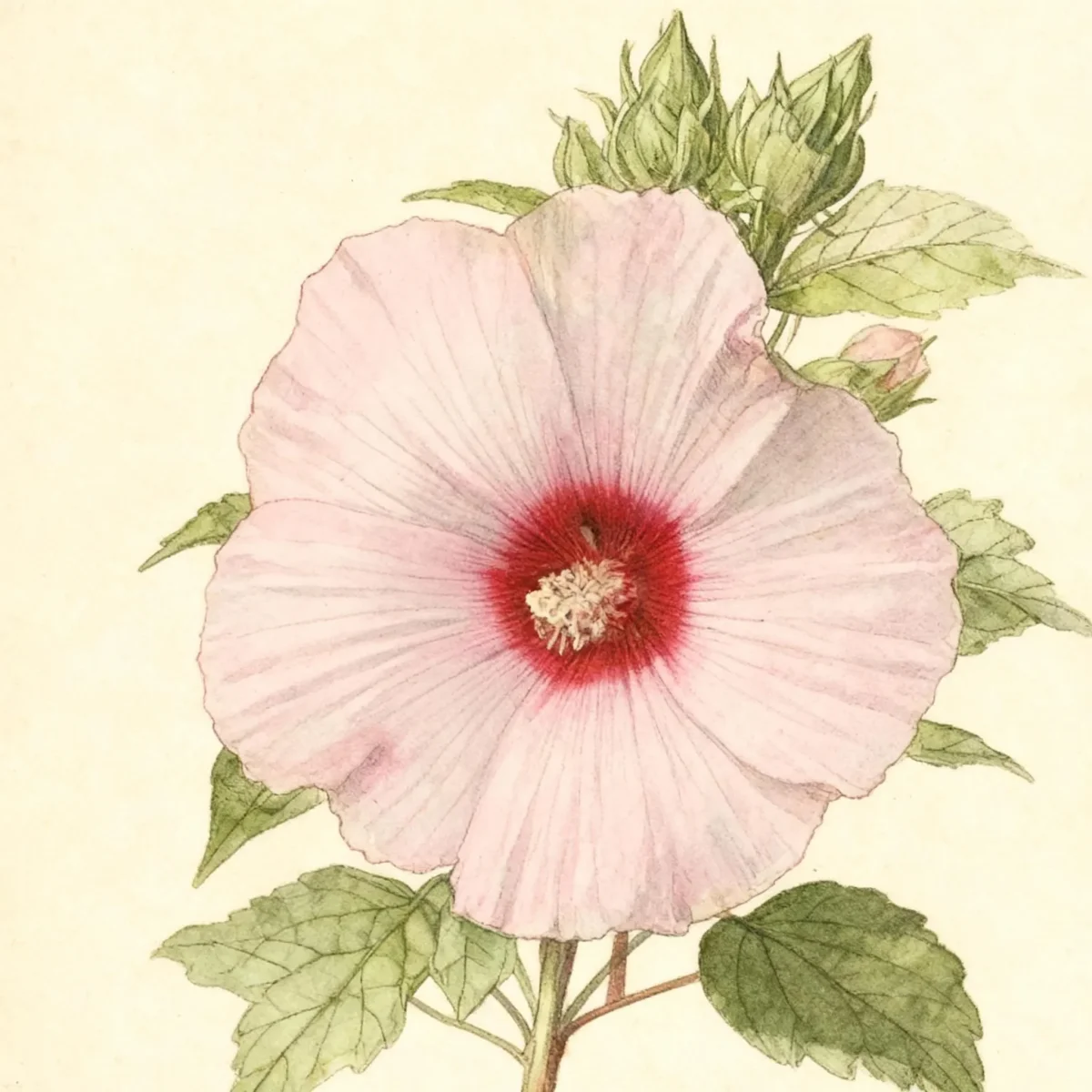
Hardy hibiscus (Hibiscus 'Draped Lady')
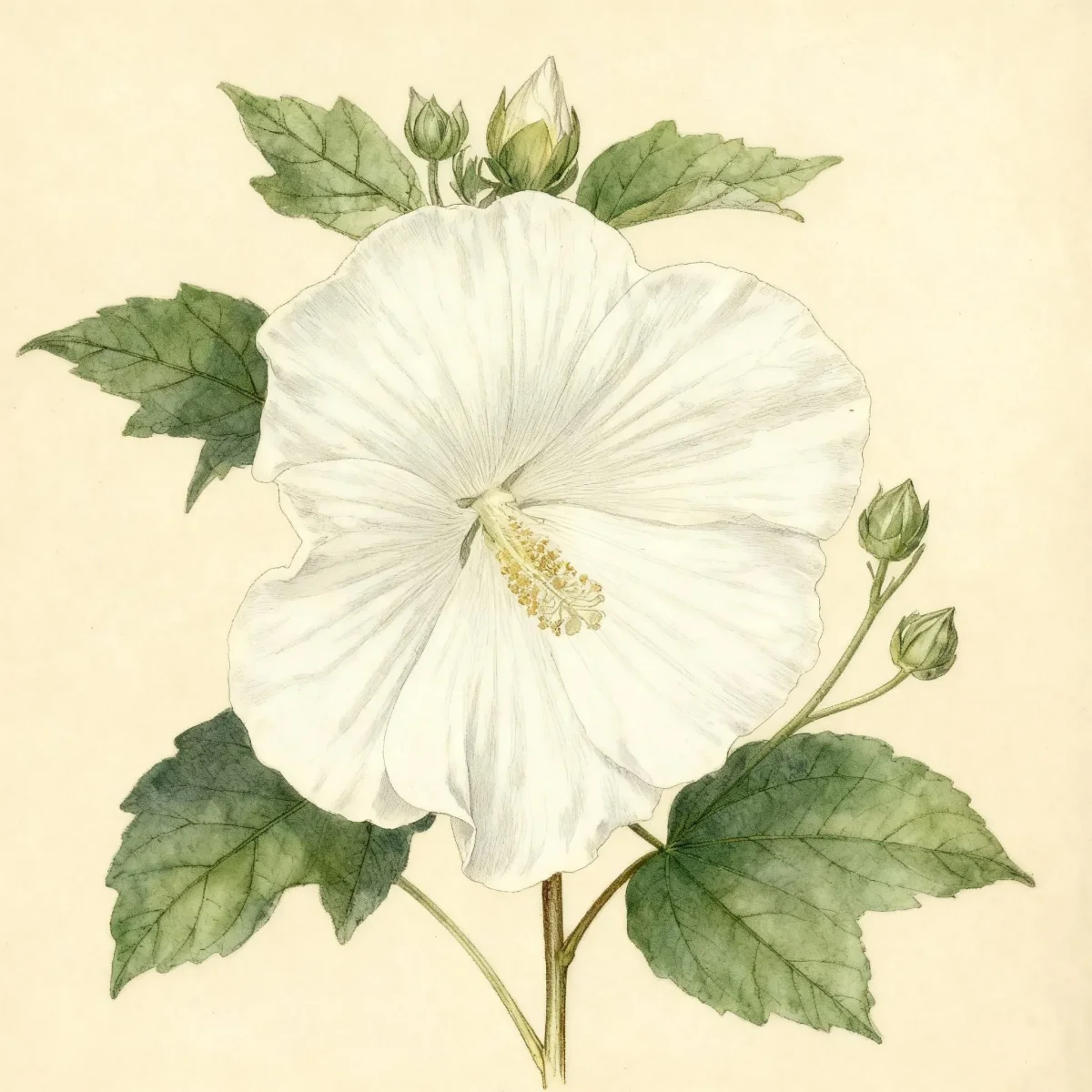
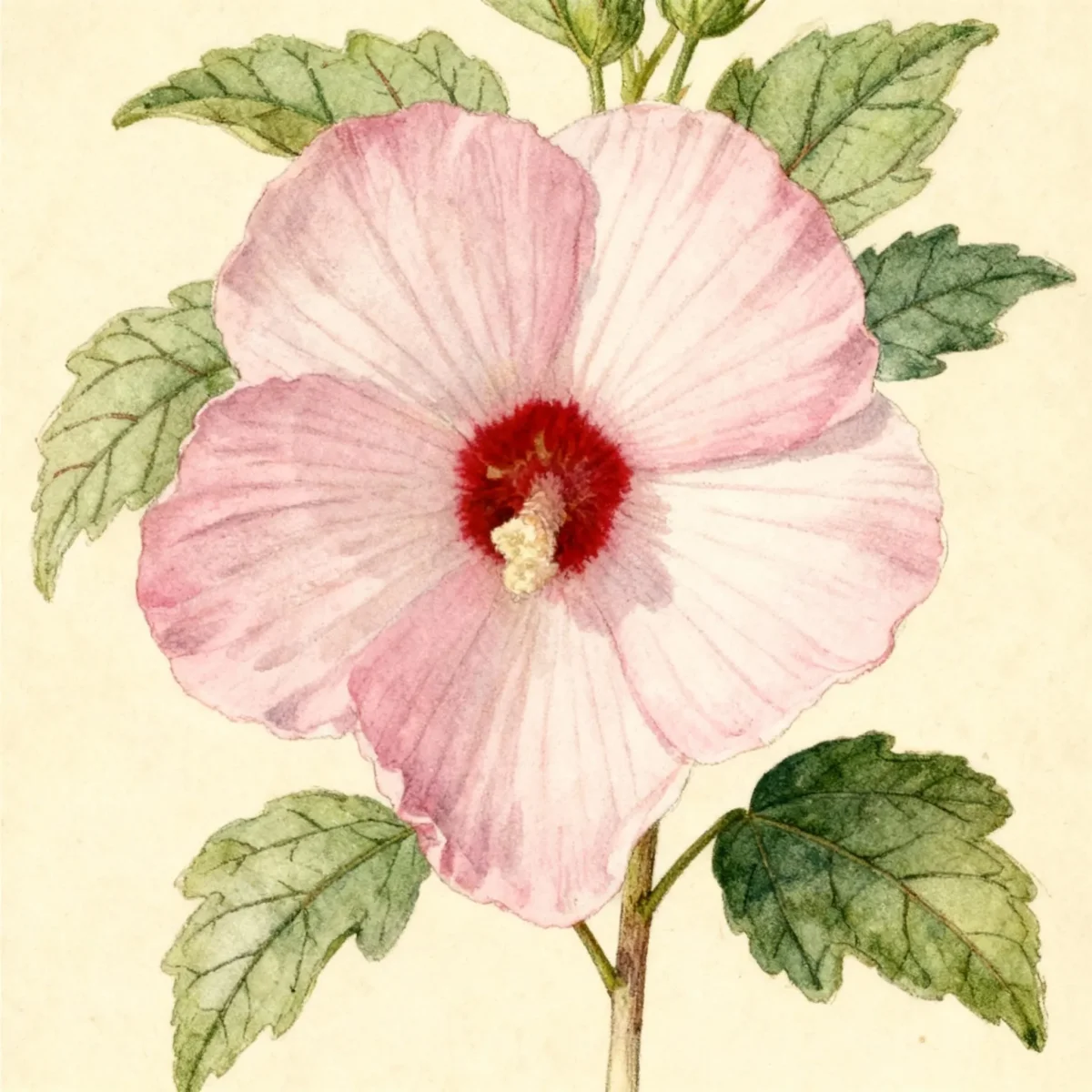
Hibiscus 'Draped Lady' is a hardy hibiscus producing dinner-plate white flowers with crimson eyes. Low maintenance and thrives in wet soils.
Scroll down to discover growing tips, care requirements, companion plants, and more
Complete Plant Information
Overview
Hibiscus ‘Draped Lady’ offers spectacular, large blooms, making it a standout feature in any summer garden. As a cultivar of hardy hibiscus, it combines the tropical look of giant flowers with reliable perennial endurance in cooler climates. These vigorous, woody-based perennials deliver exceptional visual impact throughout the mid to late summer season.
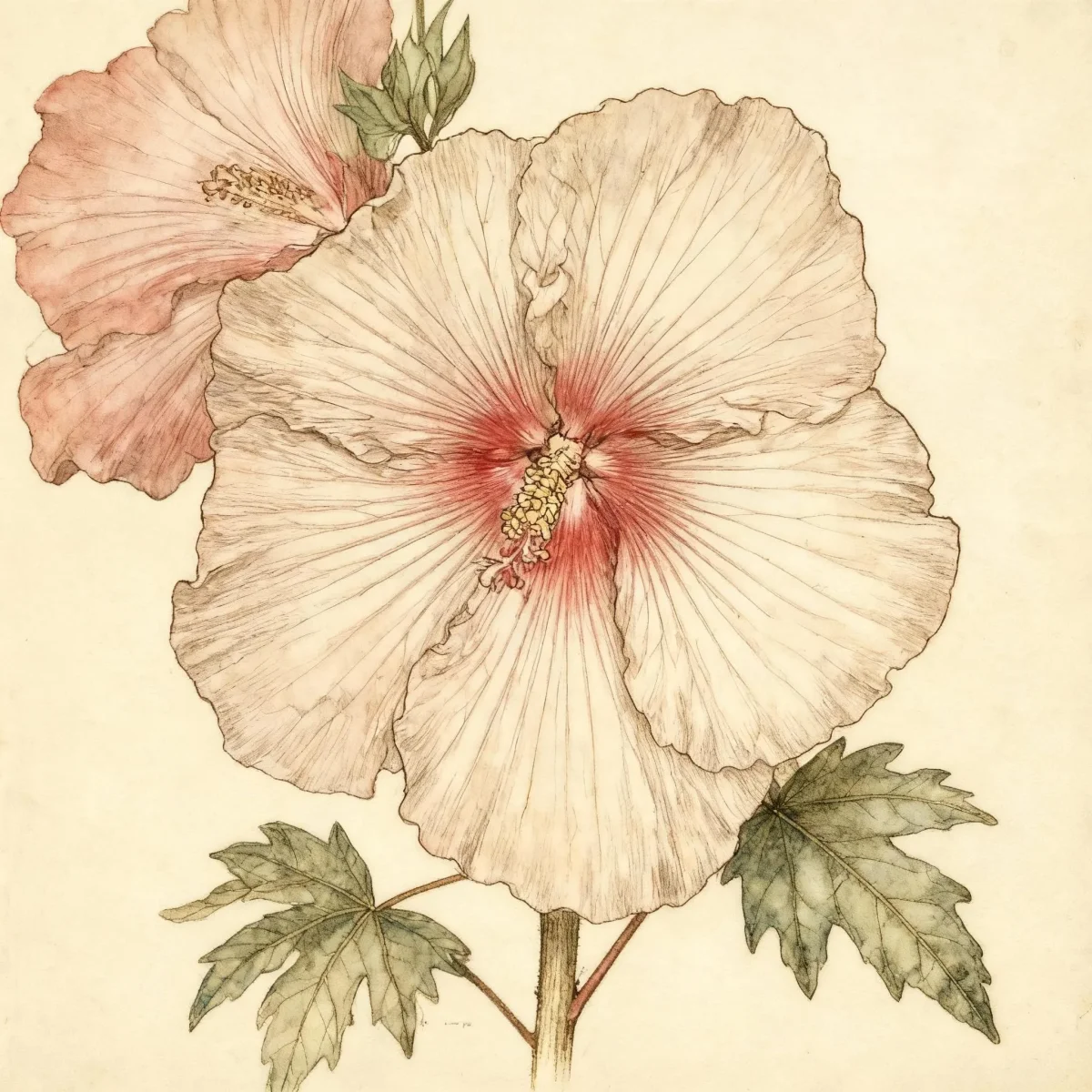
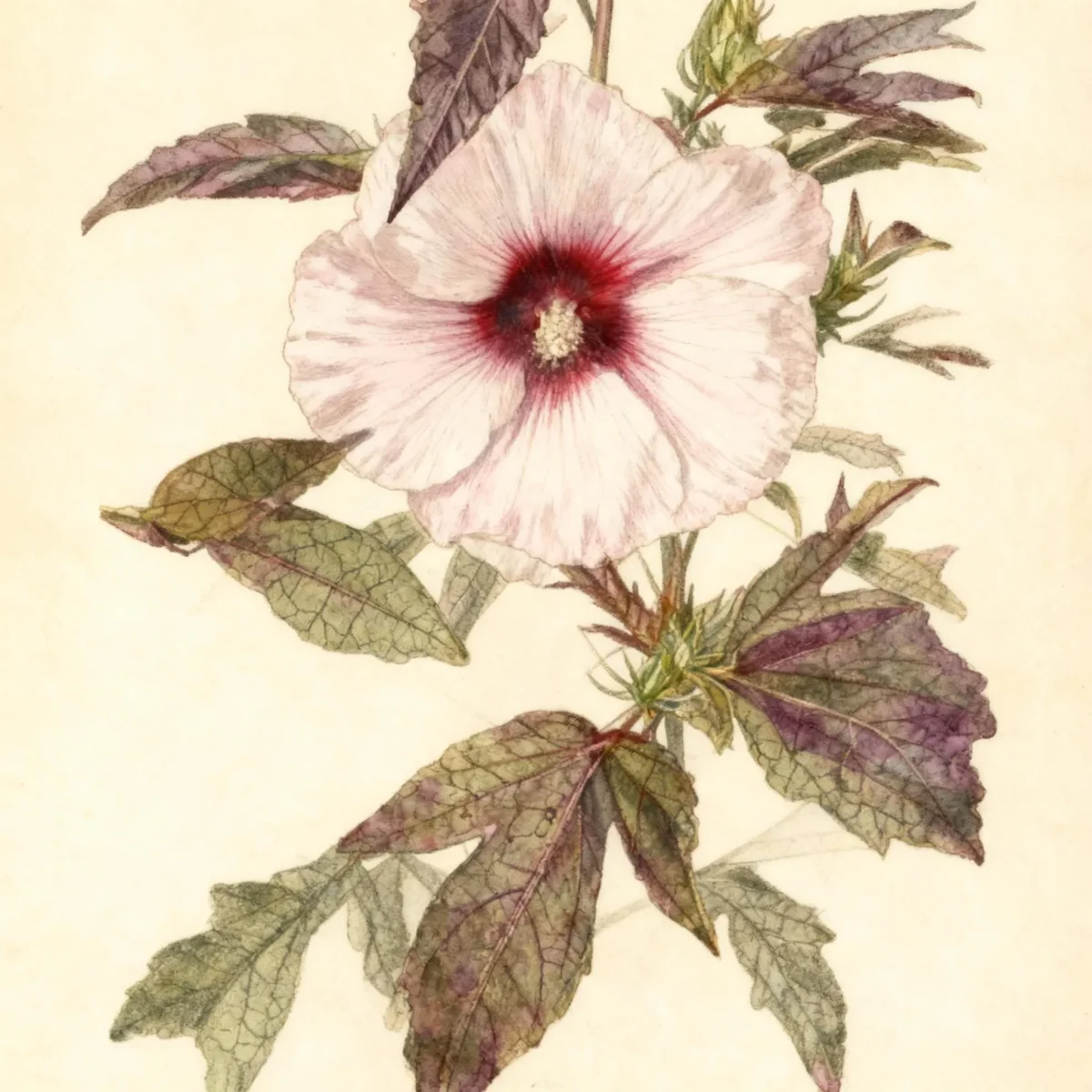
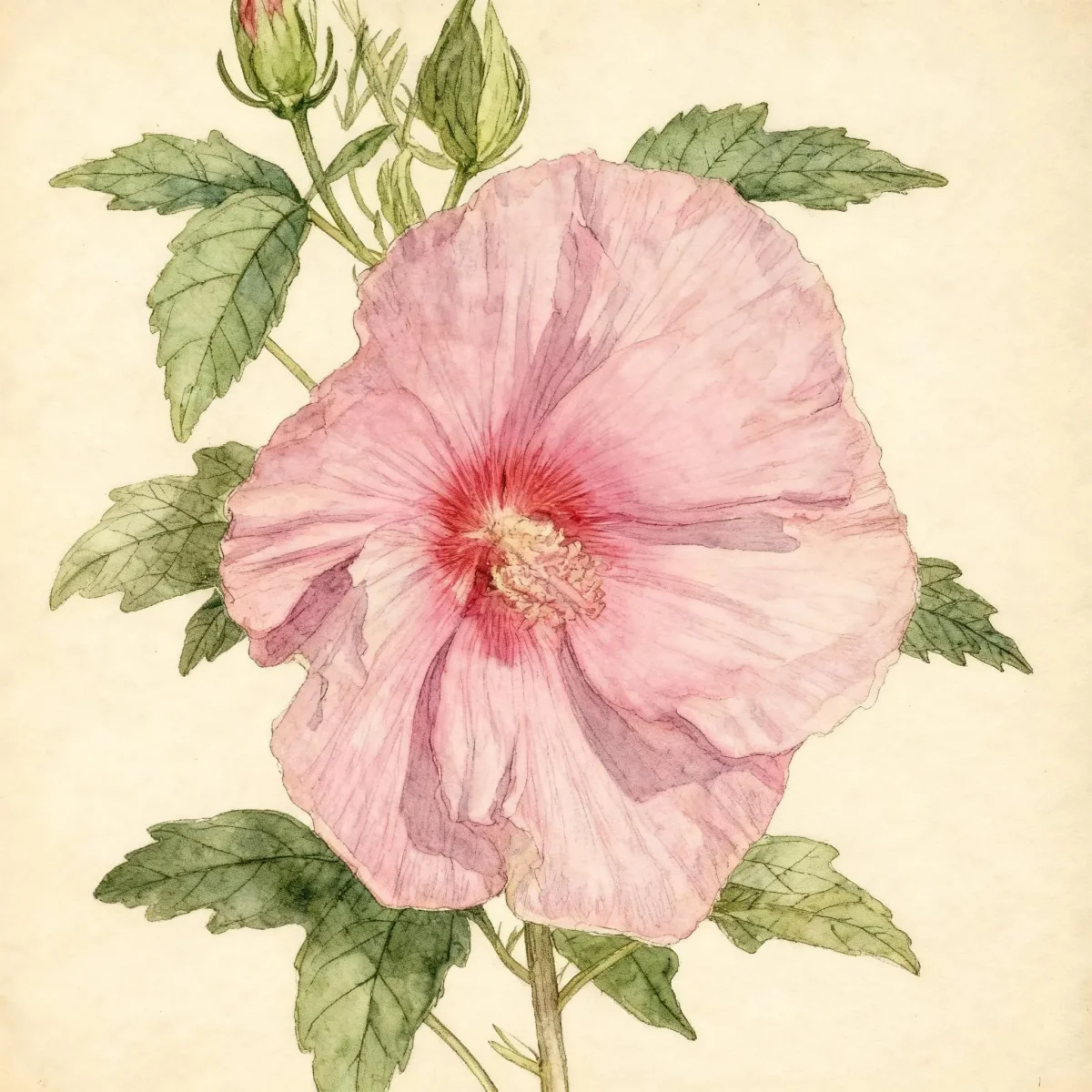
This specific cultivar, Hibiscus ‘Draped Lady’, produces truly impressive flowers—up to 8 inches in diameter—that are white, often displaying attractive pink shading and deep crimson centers. It is highly valued for its low maintenance requirements and its tolerance for wet ground conditions, setting it apart from many common garden shrubs.
Growing a robust Hibiscus ‘Draped Lady’ ensures a reliable source of exotic color from July straight through September. Experienced gardeners appreciate its hardiness and its ability to anchor moisture-retaining areas of the landscape where other plants may struggle.
Fast Facts
- Plant Family: Malvaceae
- Plant Type: Herbaceous perennial
- Hardiness Zones: USDA Zones 5-9
- Size at Maturity:
- Height: 3-4 ft
- Spread: 2-3 ft
- Bloom Time: July to September
- Bloom Description: White with crimson eye zones
- Sun Exposure: Full sun
- Water Needs: Medium to wet
- Maintenance Level: Low
How to Grow
The best time to establish your Hardy hibiscus, including Hibiscus ‘Draped Lady’, is when the threat of frost has passed and the soil has warmed slightly. Select a location receiving full sun; while it tolerates some light shade, maximum flower production and stem strength depend on ample light and good air circulation. This plant thrives in moist, organically rich soils but is surprisingly adaptable to average garden conditions, provided it does not completely dry out.
Deep and consistent watering is essential, especially during dry spells, as leaf scorch results quickly if soil moisture drops too low. Fertilize regularly throughout the growing season to support prolific blooming. Deadhead faded individual flowers promptly to keep the plant looking neat, although this is not strictly necessary for plant health.
As autumn progresses, cut back the stems on your Hibiscus ‘Draped Lady’ to about 3 to 4 inches above the ground. Be patient in the spring; new shoots emerge slowly but grow rapidly once established. For propagation, division or cuttings can be successful methods.
Landscape Uses
Hardy hibiscus excels when used to provide temporary screening or dramatic focal points. Planting Hibiscus ‘Draped Lady’ along borders creates a stunning transition between lawn and taller structures, benefiting from its sturdy, upright habit. Its tolerance for wet soil makes it exceptionally useful in low spots, rain gardens, or near natural water features like streams or ponds.
Mass planting this cultivar provides an incredibly vibrant, temporary hedge effect that stops traffic during its peak bloom. Consider pairing its white, crimson-eyed flowers with dark green foliage plants or deep blue summer bloomers to make the large flower heads truly pop in the landscape design.
Standout Features
Flower Qualities
- Showy
Noteworthy Characteristics
Hybrid hardy hibiscus cultivars are often derived from complex crosses involving native U.S. species, resulting in robust perennials that are far hardier than tropical types. Hibiscus ‘Draped Lady’ is a woody-based cultivar known for its rounded habit and impressive, dinner-plate sized flowers up to 8 inches wide. Each flower lasts only a day, but the succession of blooms from midsummer to fall means this plant produces hundreds of flowers per season.
Tolerances
- Deer
- Wet Soil
Potential Problems
While generally tough, this Hardy hibiscus does have some susceptibility to common fungal issues like leaf spots, blights, and rusts, especially in very humid or crowded conditions. Ensure excellent air circulation by planting in full sun and spacing correctly to mitigate these risks. Potential insect pests include aphids, whiteflies, and notably, Japanese beetles, which can skeletonize foliage quickly if infestations are severe.
Management often relies on cultural care; maintaining soil moisture prevents leaf scorch, and good airflow minimizes fungal disease pressure. For active pest infestations, handpicking Japanese beetles or using appropriate targeted insecticides can control outbreaks. Because this plant grows vigorously when sited properly, staking is usually unnecessary.
Frequently Asked Questions
What hardiness zones is Hardy hibiscus suitable for?
Hibiscus ‘Draped Lady’ is suitable for USDA hardiness zones 5 through 9.
How large does Hibiscus ‘Draped Lady’ grow?
It typically reaches a height between 3 and 4 feet with a spread of 2 to 3 feet.
What sun exposure does Hibiscus ‘Draped Lady’ need?
This plant requires full sun exposure for the best flowering and strongest stems.
When does Hibiscus ‘Draped Lady’ bloom?
It blooms consistently from July into September, displaying white flowers with crimson eye zones.
Conclusion
The Hibiscus ‘Draped Lady’ offers exceptional value, delivering massive, tropical-looking flowers while maintaining the low maintenance and winter hardiness expected of a true perennial. Its ability to handle medium to wet soil conditions makes it a versatile star for both sunny borders and specialized rain garden applications. Ensure you check your local USDA zone compatibility before planting this magnificent Hardy hibiscus this spring.
Companion Planting
Choosing the right partners enhances the beauty and health of your Hibiscus ‘Draped Lady’. Since this plant prefers consistent moisture, pair it with other moisture-loving perennials that share its blooming time and sun needs. Good companions include tall ornamental grasses like Miscanthus varieties, which offer contrasting texture, and late-blooming flowers such as Joe Pye Weed (Eutrochium species) or tall Veronicastrum (Culver’s root). Planting species that thrive in moist, organically rich soil will help maintain the humid microclimate that the hibiscus favors.
Design Ideas for Wet Areas
The architectural stature and incredible blooms of Hibiscus ‘Draped Lady’ are best showcased in a border placement or as a specimen near water features. If you are dealing with a consistently damp area, group these plants together for maximum impact, creating a ‘river’ of large white flowers in midsummer. They work perfectly as a lush backdrop for shorter, sun-loving perennials that can handle periodic dampness but require slightly better drainage than the hibiscus. Consider using edging materials that complement the darker stems often found on this cultivar during its growth phase.