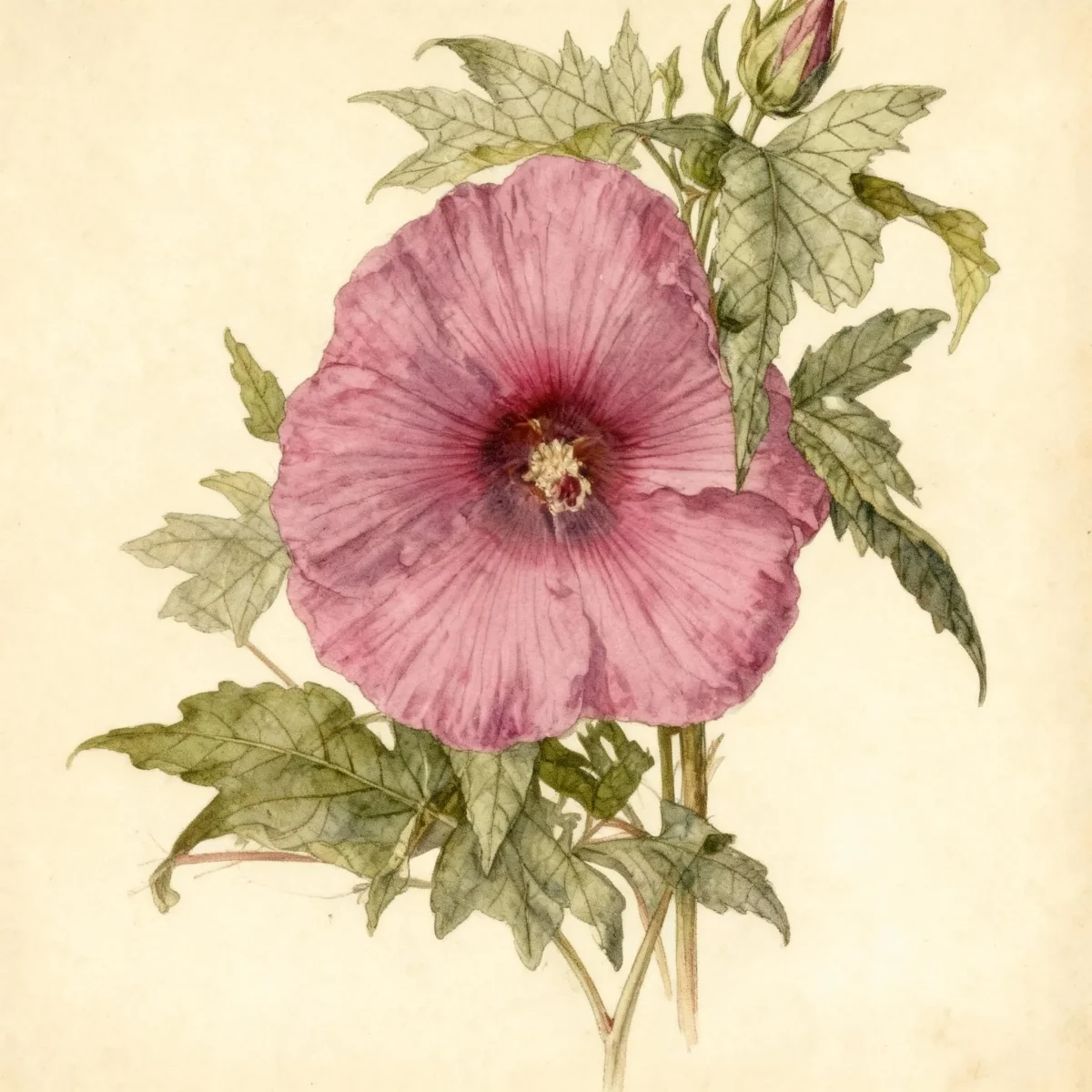
Hardy hibiscus (Hibiscus '100 Degrees')
Magnificent Hibiscus '100 Degrees' is a low-maintenance Hardy hibiscus featuring huge pink blooms. Thrives in wet soil.
Scroll down to discover growing tips, care requirements, companion plants, and more
Complete Plant Information
Overview
The dramatic Hibiscus ‘100 Degrees’ is a highly valued herbaceous perennial, offering gardeners massive, dinner-plate-sized flowers throughout the summer months. As a robust Hardy hibiscus cultivar, it provides tropical aesthetics without needing overwintering indoors, distinguishing it significantly from standard tropical varieties. This cultivar is prized for its sturdy, woody-based structure and exceptional bloom capacity, often producing hundreds of flowers per plant during a single season.
This Hardy hibiscus variety thrives when provided ample sunshine and consistently moist conditions, though it exhibits surprising adaptability to average garden soils. The key to maintaining vigorous growth and maximizing the incredible flower show of Hibiscus ‘100 Degrees’ is ensuring adequate water, especially during dry spells, which prevents leaf scorch. Its low maintenance requirements, despite the dramatic display, make Hibiscus ‘100 Degrees’ a superb focal point for late-season perennial beds.
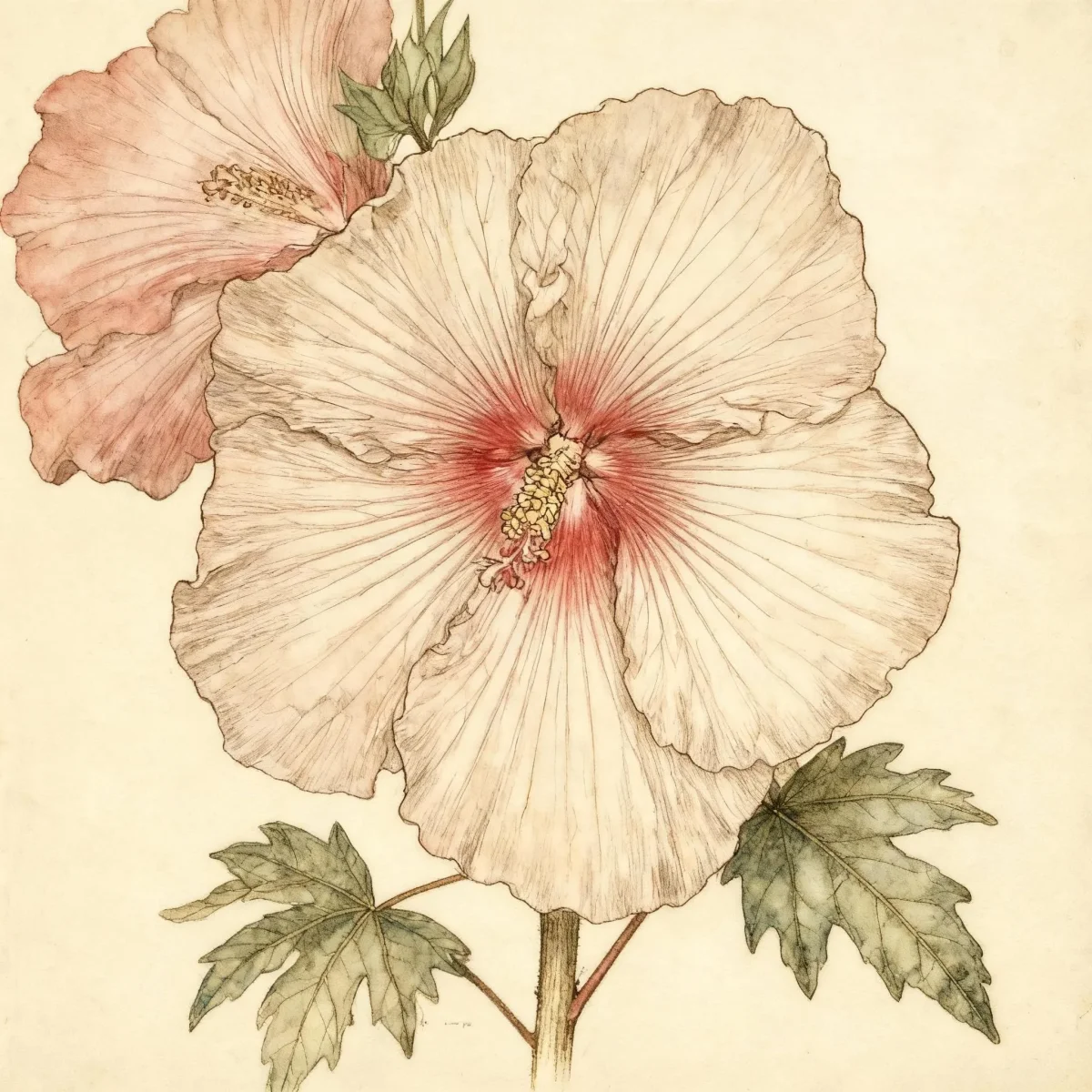
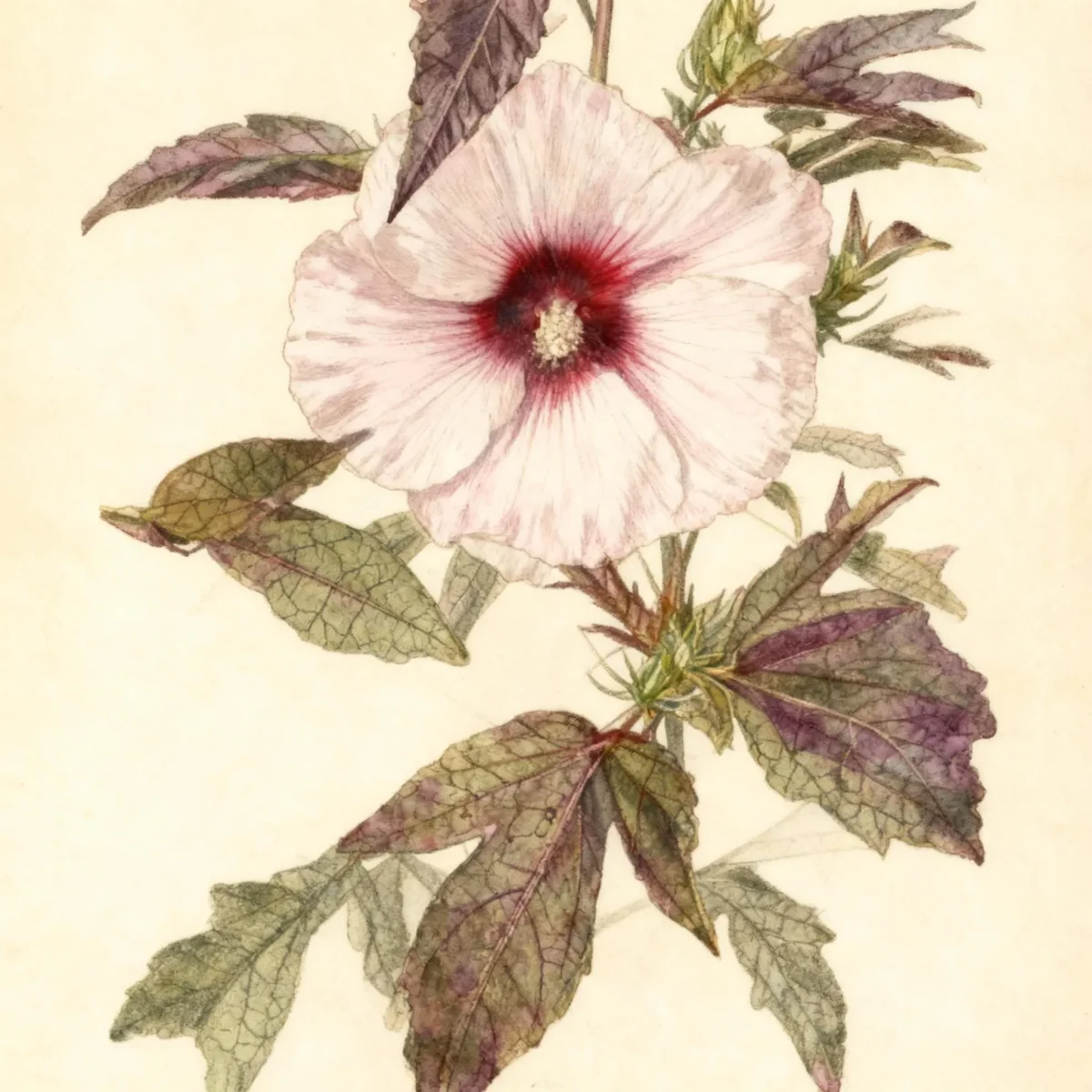
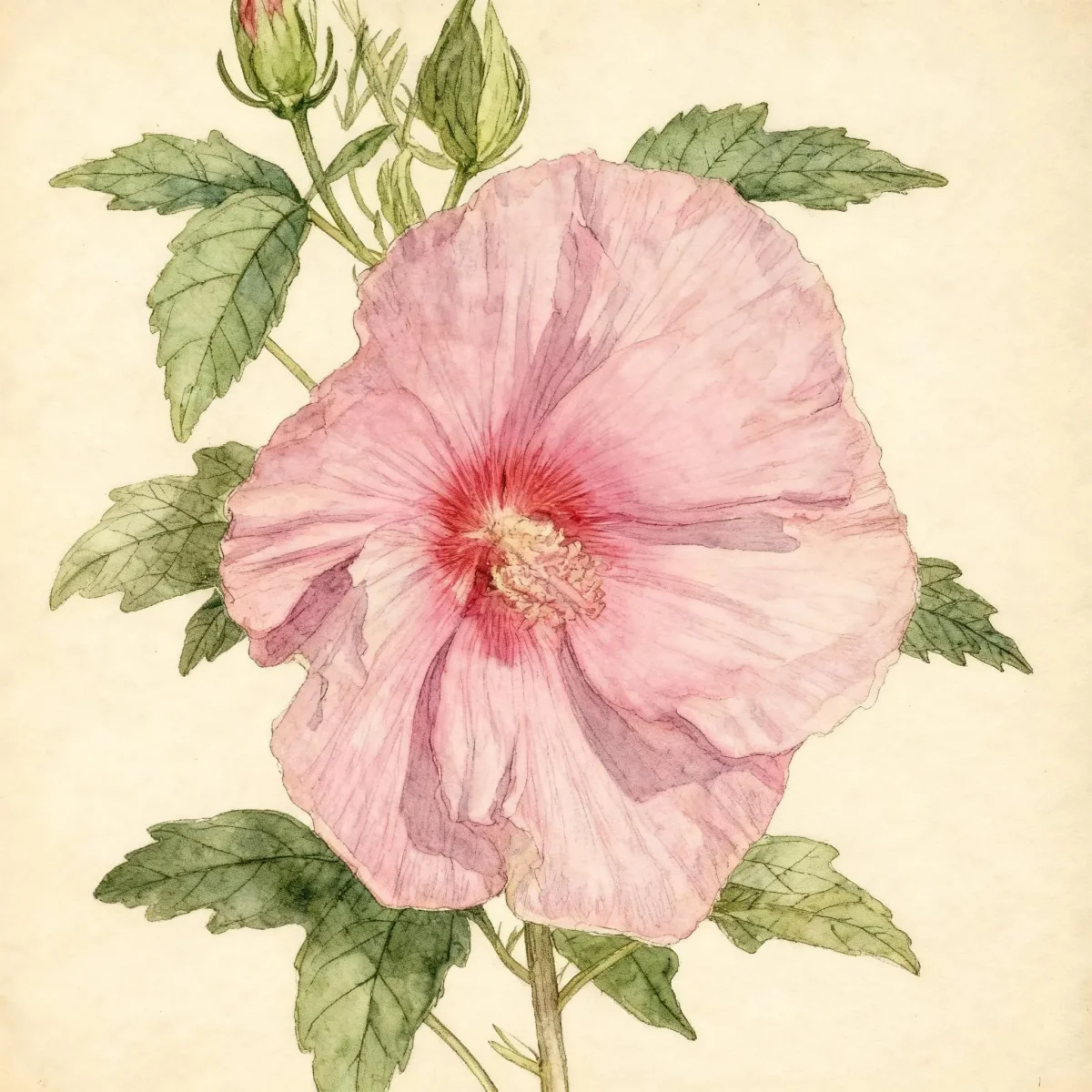
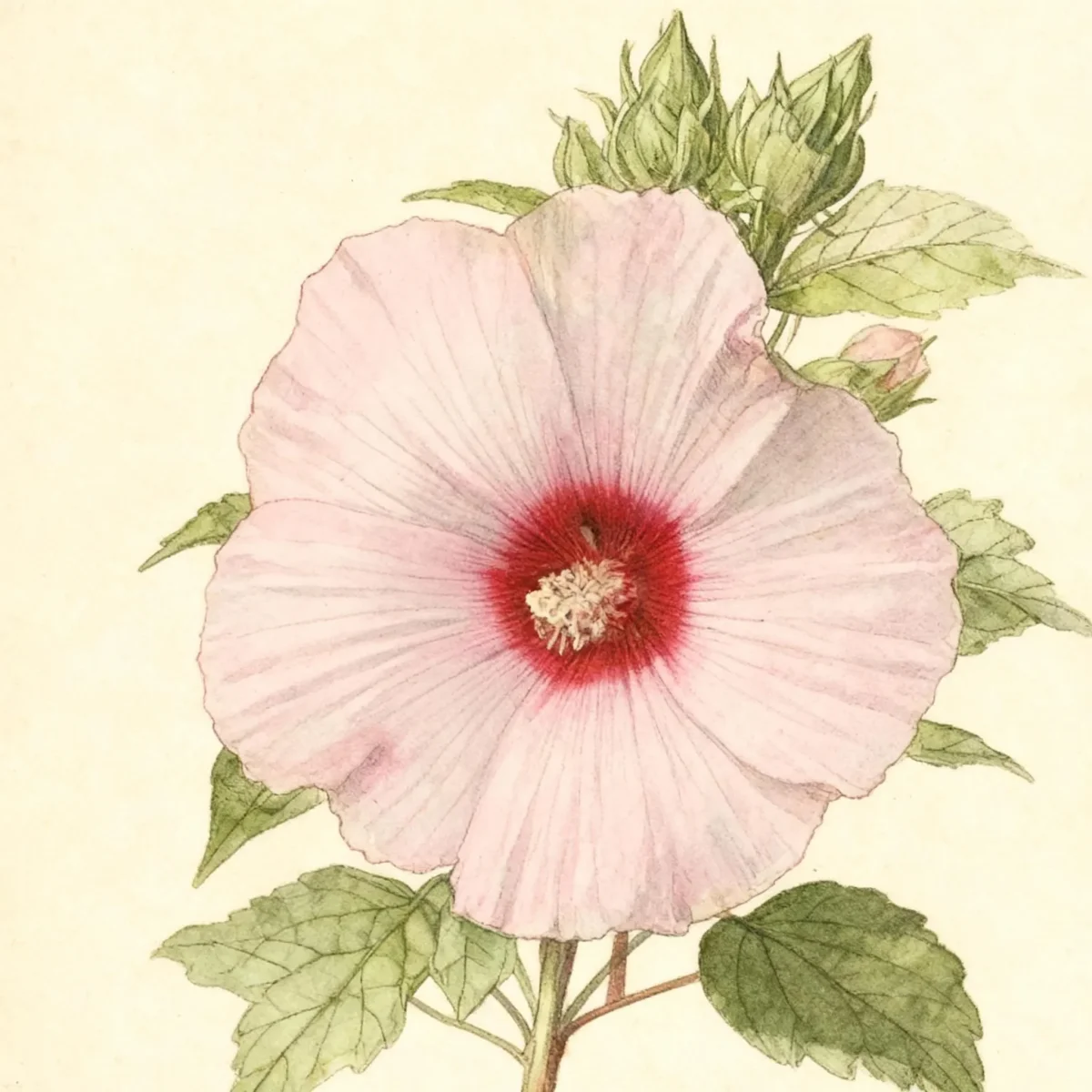
Gardeners should celebrate the massive, showy flowers of Hibiscus ‘100 Degrees’—each one a fleeting masterpiece of light pink accented by striking red eyes. Planting this cultivar ensures reliable, colorful performance from mid-summer until the first frost, dramatically extending the visual interest of the landscape.
Fast Facts
- Plant Family: Malvaceae
- Plant Type: Herbaceous perennial
- Hardiness Zones: USDA Zones 5-9
- Size at Maturity:
- Height: 3-4 ft
- Spread: 2-3 ft
- Bloom Time: July to September
- Bloom Description: Light pink with red eyes
- Sun Exposure: Full sun
- Water Needs: Medium to wet
- Maintenance Level: Low
How to Grow
Planting location is crucial for maximizing the performance of Hibiscus ‘100 Degrees’. Select a site that receives full sun exposure, offering excellent air circulation to bolster stems and minimize the slight susceptibility to fungal issues. While this Hardy hibiscus prefers moist, organically rich soils, it adapts well to average garden conditions provided you commit to deep, consistent watering schedules. Avoid planting in overly exposed, windy areas where foliage might suffer from wind burn.
Care throughout the growing season centers on moisture management and aesthetic upkeep. Deep and consistent watering is necessary, especially as soils dry out; drought will result in leaf scorch. While individual flowers only last a day, deadheading them immediately helps maintain a tidy appearance. Fertilize regularly during the growing season to support the heavy flowering habit of this vigorous plant.
Pruning is simple and done in late autumn. Cut the woody stems back to approximately 3 to 4 inches before winter sets in. Be patient in the spring; new growth shoots on the Hardy hibiscus can emerge late. Once growth begins, it accelerates rapidly, and plants quickly reach their mature size.
Landscape Uses
The bold structure and massive blooms of Hibiscus ‘100 Degrees’ make it an outstanding specimen plant, perfect for anchoring corners in a mixed border or creating striking group plantings for landscape accent. Its preference for moist soil opens up exciting possibilities for rain garden installations or locations alongside ponds and streams where other shrubs may struggle. Furthermore, this variety can serve as a bold, temporary hedge due to its rapid summer growth.
Pairing this prolific bloomer with textures that contrast its large leaves and huge flowers enhances its impact. Consider using fine-textured ornamental grasses or deep-hued foliage plants to offset the bright pink blooms of the Hardy hibiscus. Its height (3-4 ft) works well behind shorter perennials, ensuring the enormous flowers of Hibiscus ‘100 Degrees’ remain visible.
Whether used in mass plantings to create a solid wall of summer color or as a single focal point, this plant fills space quickly. Its cultural requirement for medium to wet soil means it excels in low spots in the landscape that collect runoff, making it both beautiful and functional.
Standout Features
Flower Qualities
- Showy
Noteworthy Characteristics
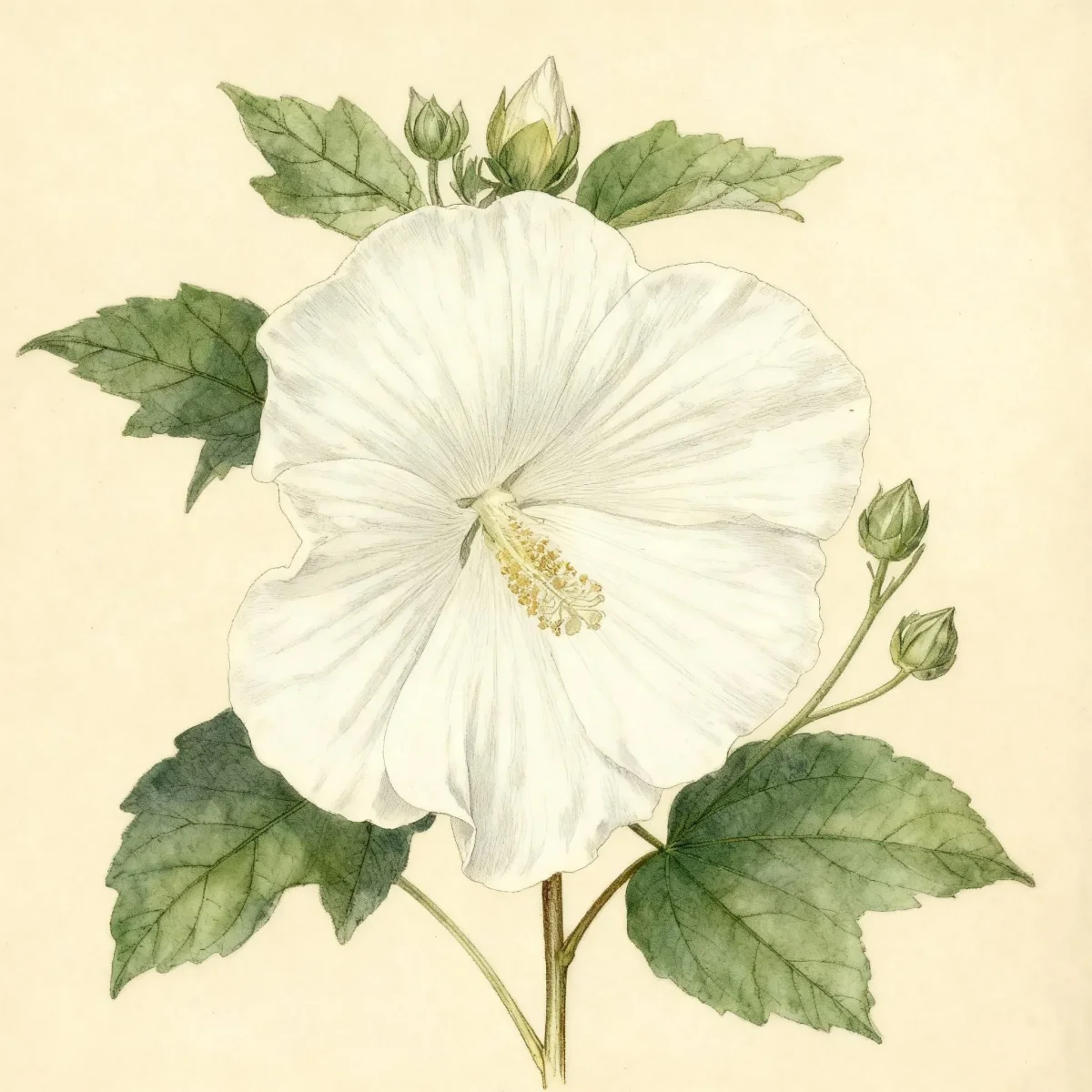
Hybrid hardy hibiscus cultivars are often the result of complex breeding work involving multiple species native to the U.S., offering winter hardiness often surprising for such dramatic flowers. Individual flowers remain in bloom for only one day, but a plant can produce up to 250 flowers per season in succession from mid-summer to early fall. Specifically, ‘100 Degrees’ features dinner plate-sized, 5-petaled, hollyhock-like flowers up to 9 inches in diameter, which surround a prominent, showy pale yellow central staminal column.
Tolerances
- Deer
- Wet Soil
Potential Problems
While generally tough, this cultivar shows some susceptibility to fungal issues like leaf spots, blights, rusts, and cankers, especially if air circulation is poor or foliage remains wet. Monitor for occasional insect pests, including whiteflies, aphids, and sawflies, though Japanese beetles are the most damaging, capable of rapidly consuming foliage if unchecked. The most common abiotic stress is leaf scorch, which occurs directly when soils are allowed to dry out completely; consistent watering prevents this nutritional stress. Healthy Hardy hibiscus plants grown in optimal full sun and well-hydrated conditions rarely require staking.
Frequently Asked Questions
What hardiness zones is Hardy hibiscus suitable for?
This specific cultivar, Hibiscus ‘100 Degrees’, is winter hardy in USDA Zones 5 through 9.
How large does Hibiscus ‘100 Degrees’ grow?
It typically matures to a height between 3 and 4 feet tall, with a spread ranging from 2 to 3 feet wide.
What sun exposure does Hibiscus ‘100 Degrees’ need?
For the best flowers and strongest stems, Hibiscus ‘100 Degrees’ requires full sun exposure.
When does Hibiscus ‘100 Degrees’ bloom?
This plant provides extended color, typically blooming from July straight through September with light pink flowers featuring distinct red eyes.
Conclusion
The Hardy hibiscus ‘100 Degrees’ offers an unmatched combination of low seasonal maintenance and truly spectacular, large-scale summer color, making it an essential choice for warm-season gardens. Its ability to tolerate wetter soils broadens its utility across various landscape situations. Before planting, confirm that your location provides the necessary full sun and consistent moisture to ensure your Hibiscus ‘100 Degrees’ provides its full floral potential.
Companion Planting
When selecting neighbors for Hibiscus ‘100 Degrees’, focus on plants that share a love for medium to wet soil and full sun. Tall, upright plants that contrast in texture work well, such as ornamental grasses like Switchgrass (Panicum virgatum) or dense, dark foliage plants like certain cultivars of Canna Lilies, provided they receive similar water levels. Avoid planting this hibiscus next to shallow-rooted perennials that aggressively compete for surface moisture, as consistency is key for this thirsty plant.
Seasonal Care Calendar
Spring cleanup involves cutting back the established woody stems to just a few inches above the ground once new growth begins to appear. While waiting for new shoots, benefit the plant with a balanced, slow-release fertilizer to fuel the immense growth ahead. Summer care is primarily focused on irrigation; apply deep, slow watering whenever the top few inches of soil begin to dry, especially during heatwaves, to prevent leaf scorch. In autumn, after frost has blackened the foliage, cut the stems back completely to prepare the Hardy hibiscus for its dormant period.