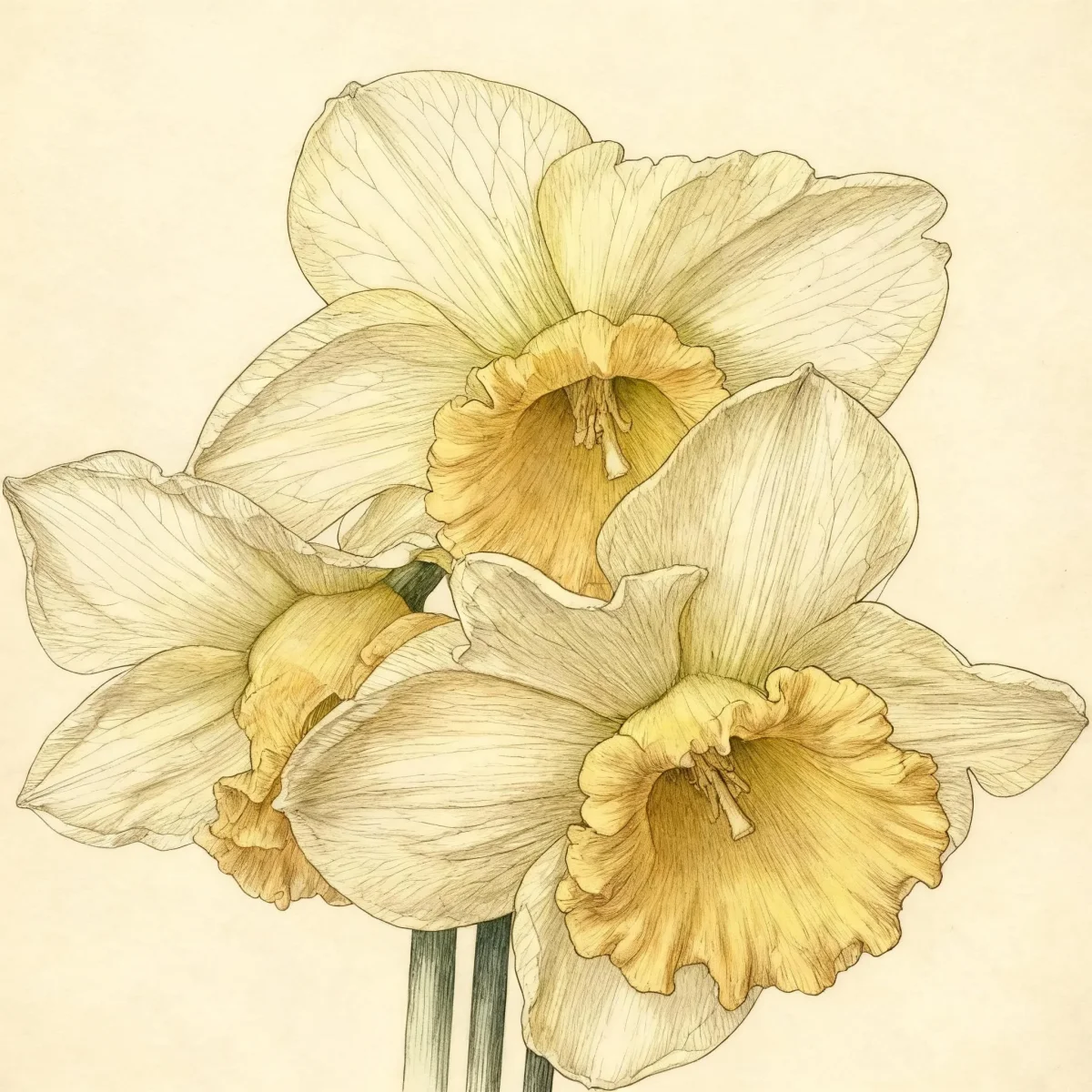
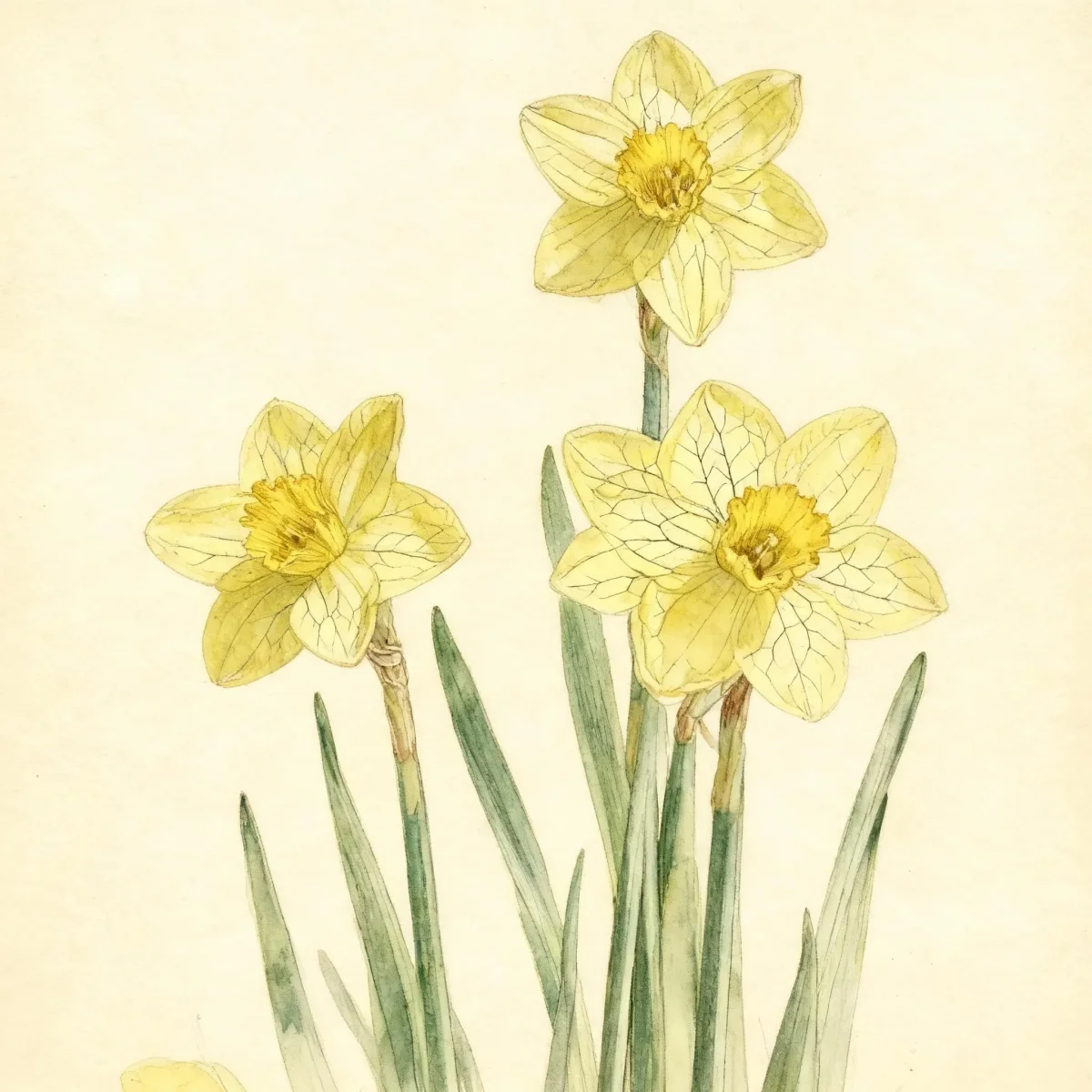
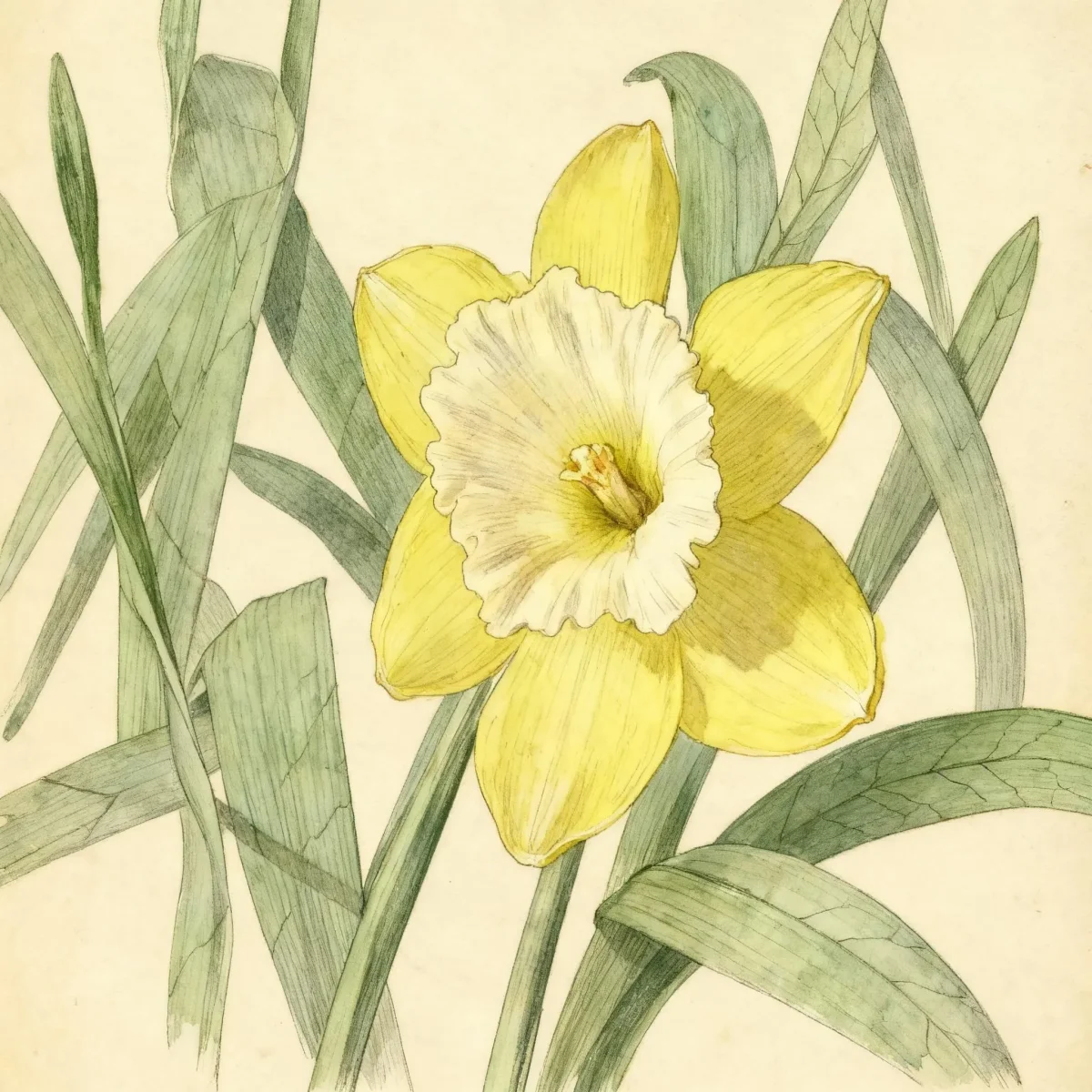
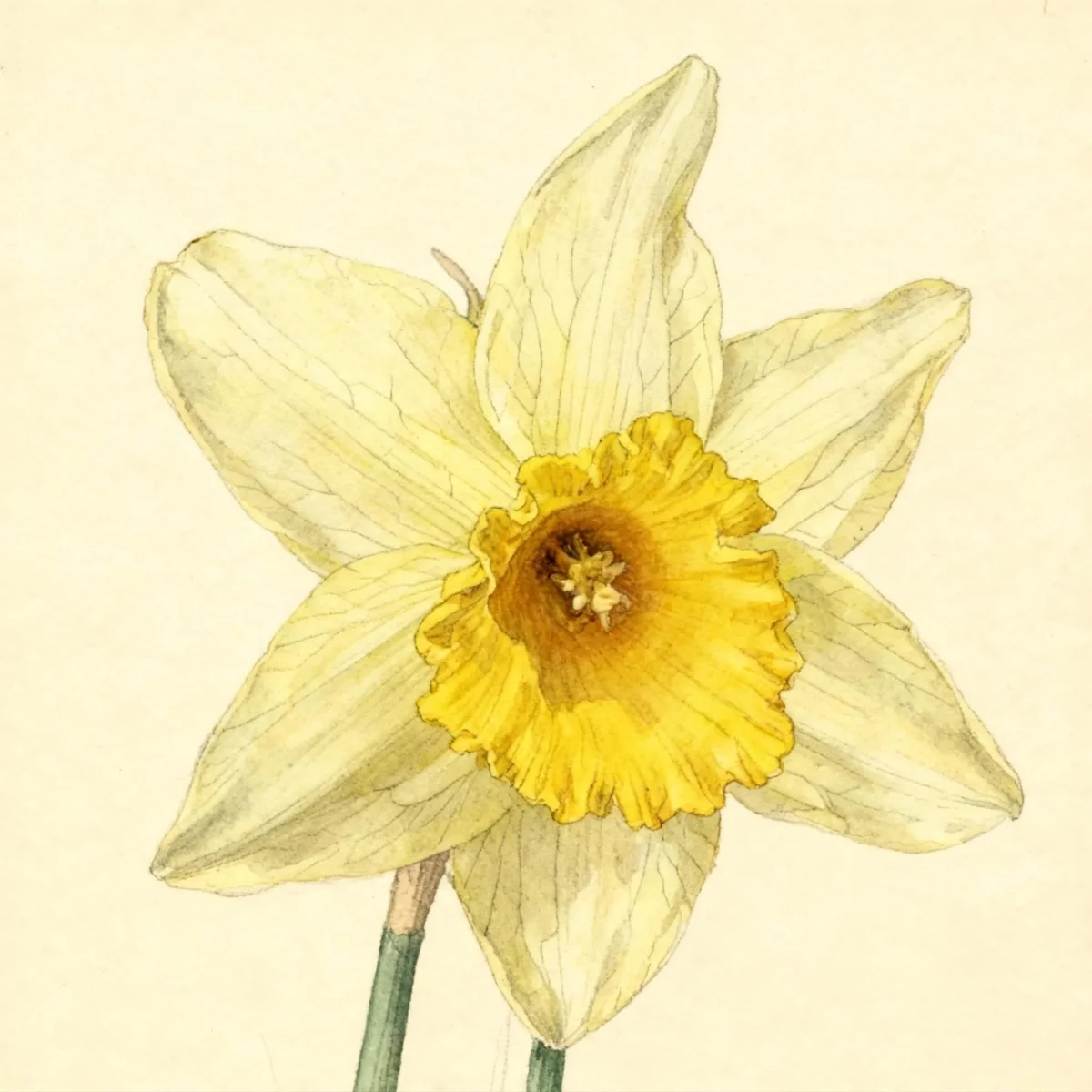
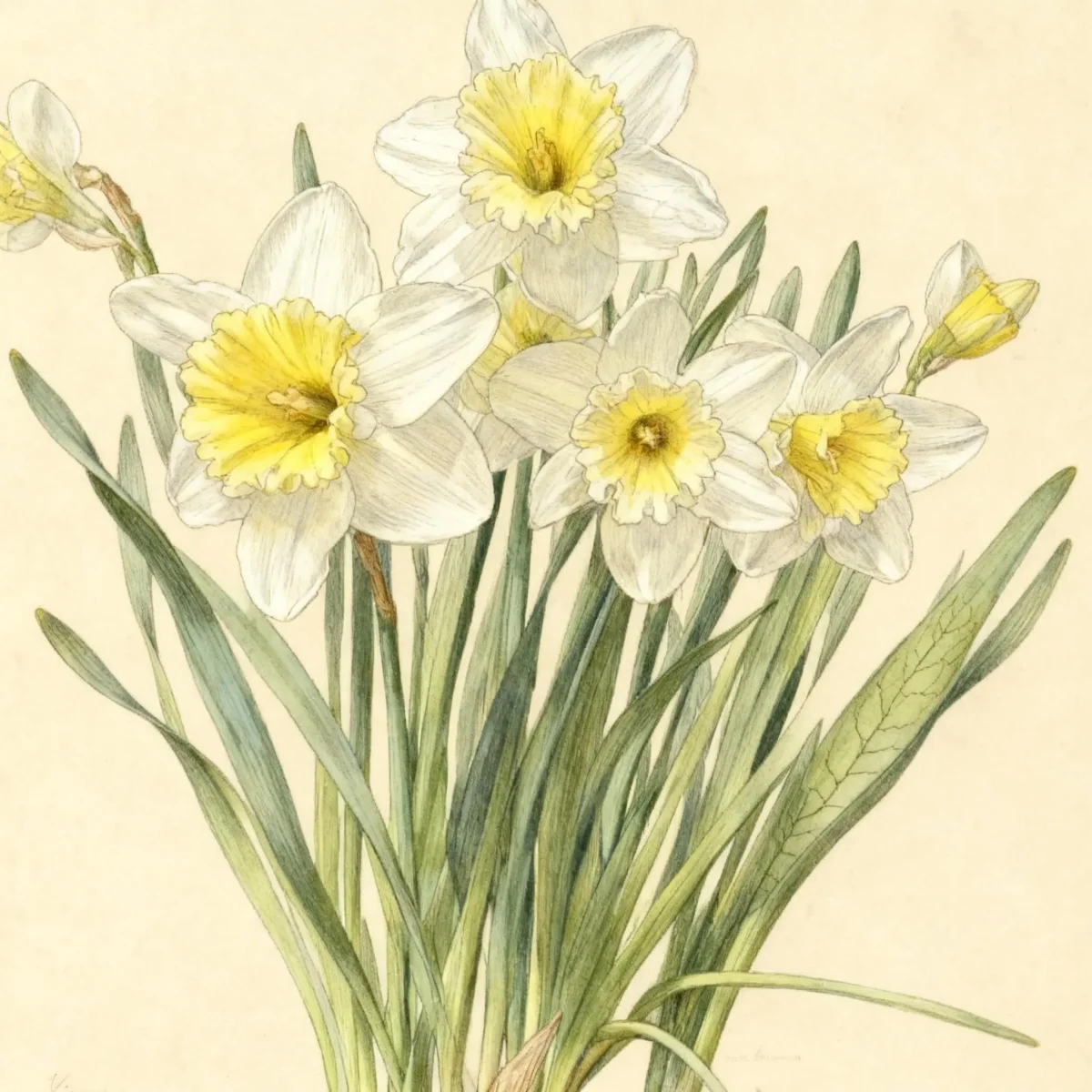
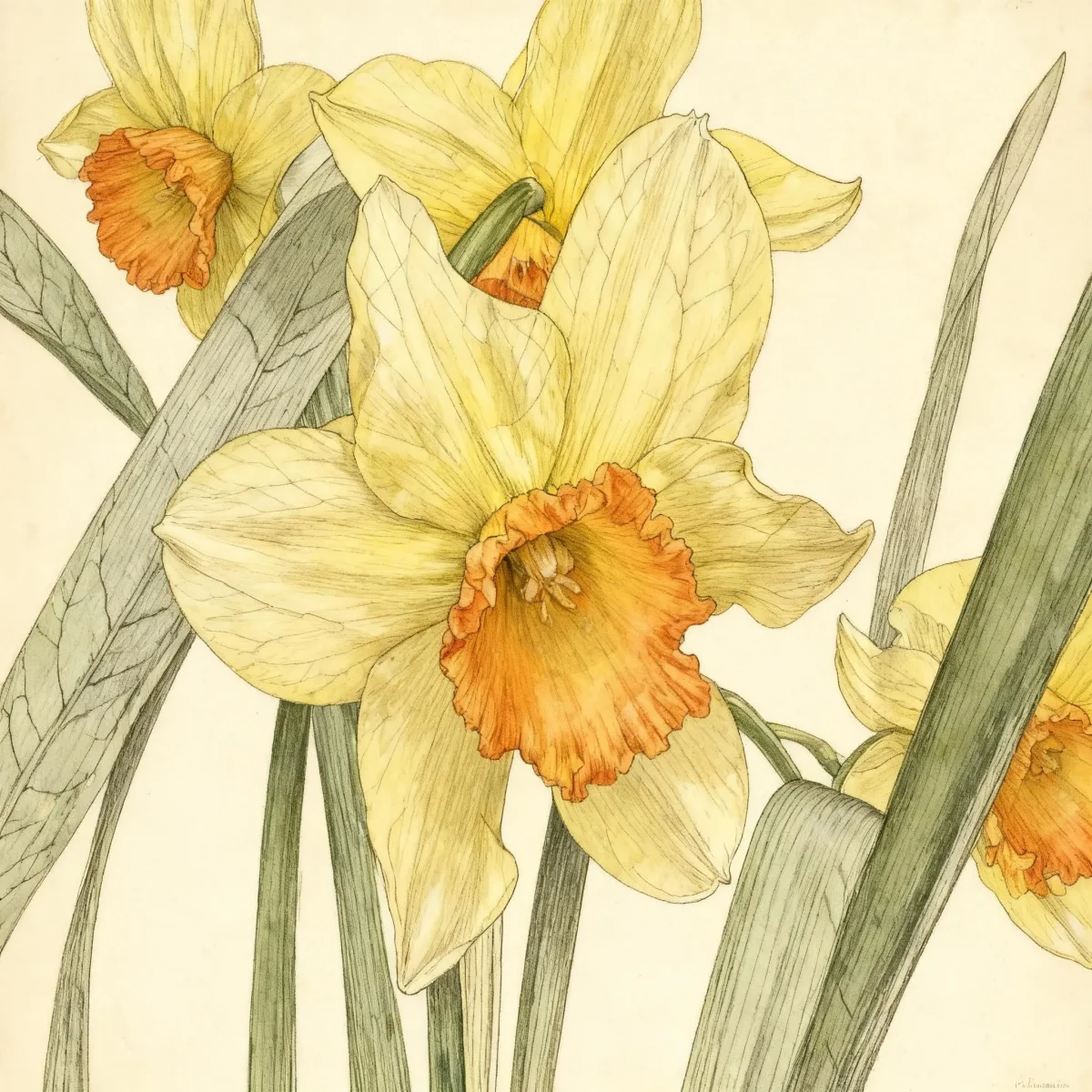
Large-cupped daffodil (Narcissus 'American Lakes')
Narcissus 'American Lakes' offers showy yellow petals and pink cups, thriving as a low-maintenance Large-cupped daffodil in Zones 3-8.
Scroll down to discover growing tips, care requirements, companion plants, and more
Complete Plant Information
Overview
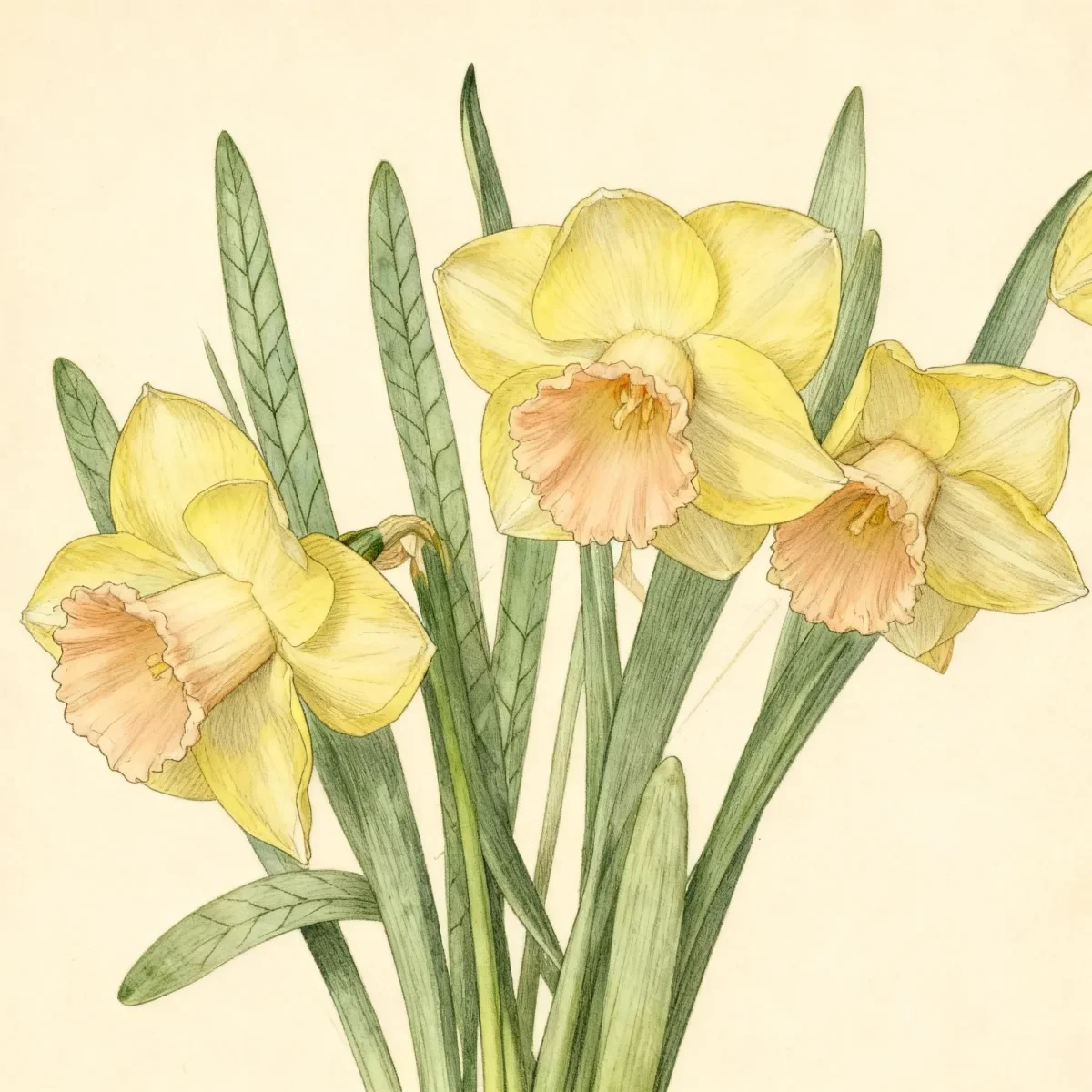
Narcissus ‘American Lakes’ is a classic and reliable bulb, instantly recognizable as a Large-cupped daffodil, bringing vibrant color to the early spring garden. This highly desirable cultivar features striking creamy lemon petals contrasting beautifully against a funnel-shaped, light creamy pink cup. It joins the ranks of daffodils celebrated for their ease of growth and longevity in the landscape.
As a Division II daffodil, ‘American Lakes’ adheres to the definition where the cup length is greater than one-third but less than the full length of the petals. These low-maintenance bulbs naturalize effectively, rewarding gardeners year after year without demanding intensive care, provided they receive proper drainage.
The visual impact of Narcissus ‘American Lakes’ in a mass planting makes it invaluable for foreground plantings or naturalizing drifts. Its strong deer and rabbit resistance, coupled with drought tolerance once established, offers practical benefits, ensuring the spring display remains intact.
Fast Facts
- Plant Family: Amaryllidaceae
- Plant Type: Bulb
- Hardiness Zones: USDA Zones 3-8
- Size at Maturity:
- Height: 1-1.5 ft
- Spread: 0.5-1 ft
- Bloom Time: March to April
- Bloom Description: Yellow petals and pink cup
- Sun Exposure: Full sun to part shade
- Water Needs: Medium
- Maintenance Level: Low
How to Grow
Planting this Large-cupped daffodil should occur in early to mid-fall, well before the ground freezes solid. Ensure the location offers good drainage, as soggy soils are the primary cause of bulb rot. Narcissus ‘American Lakes’ thrives in average, medium-moisture soils, though organically rich loams are preferable for best performance. Plant bulbs two to three times as deep as the bulb is tall—generally 3-6 inches deep—and space them 4 to 8 inches apart. Position plantings so that any overhead tree shade is behind the flowers, as the blooms tend to face the sun.
During the active growing season, keep the soil uniformly moist. While the plant tolerates drought once the foliage yellows and the bulb enters dormancy, consistent moisture aids bulb replenishment. After flowering, allow the foliage of Narcissus ‘American Lakes’ to ripen naturally, fading to yellow before cutting it back; this process is essential for storing energy for next year’s display. Removal of the spent flower stem top, just below the bloom, prevents unwanted seed production.
These bulbs are excellent candidates for long-term residency; they can be left undisturbed for many years. If, after several seasons, the quantity and quality of blooms decline, the clumps may be carefully divided. The best time to execute this division is immediately after the foliage has completely died back in late spring or early summer. Maintaining low maintenance is key to enjoying the reliable return of Narcissus ‘American Lakes’.
Landscape Uses
Daffodils like ‘American Lakes’ are fundamentally designed for mass planting to achieve that classic sweeping drift effect in the landscape. Unlike many annuals, they offer reliable returns, making them excellent choices for permanent borders, beds showcasing early spring interest, or under deciduous trees where they receive full sun before the canopy fills in.
Planting bulbs in groupings of at least six bulbs will create a much better visual impact than single sporadic placements. This Large-cupped daffodil mixes harmoniously with other spring-flowering bulbs, such as early tulips or grape hyacinths, which can be layered beneath them. Allow them to naturalize near open woodland edges or along walkways where their early bloom provides necessary structure.
For design symmetry, consider planting ‘American Lakes’ in front of later-blooming shrubs. Since the foliage must remain until it yellows, avoid placing them where late-spring clean-up crews might mistake the dying leaves for normal debris, which would risk removing necessary energy reserves.
Standout Features
Flower Qualities
- Showy
Noteworthy Characteristics
Narcissus is a genus of about 50 species of bulbous perennials from Europe and North Africa known for being a mainstay of the spring garden. Flower features include a central cup (corona) surrounded by six petals (perianth segments) in a variety of colors. ‘American Lakes’ is classified in Division II, exhibiting broadly ovate, creamy lemon petals and a funnel-shaped, light creamy pink cup with a crenate rim. Its defining characteristic as a Large-cupped daffodil is that its cup length is between 1/3 and equal to the length of the petals.
Tolerances
- Rabbit
- Deer
- Drought
Potential Problems
Daffodils are generally very low-maintenance regarding pests and diseases when cultural requirements are met. The main threat to Narcissus ‘American Lakes’ is bulb rot, which stems directly from poor soil drainage; amend heavy clay with organic matter to improve tilth. Infrequent insect issues include narcissus bulb fly or nematode presence, though these are rare in well-cared-for environments. Keep an eye out for slugs and snails when new shoots first emerge in early spring. Diseases like Narcissus yellow stripe virus, when present, are best managed by removing infected plants immediately to prevent spread. Importantly, rabbits and deer typically avoid consuming this bulb.
Frequently Asked Questions
What hardiness zones is Large-cupped daffodil suitable for?
Narcissus ‘American Lakes’ is suitable for USDA Zones 3 through 8, offering broad adaptability across many climate regions.
How large does Large-cupped daffodil grow?
This cultivar reaches a modest height between 1 and 1.5 feet tall, spreading between 0.5 and 1 foot wide at maturity.
When does Large-cupped daffodil bloom?
Narcissus ‘American Lakes’ typically blooms early, starting in March and continuing through April, displaying its signature yellow petals and pink cup.
What sun exposure does Large-cupped daffodil need?
This daffodil performs best and blooms most reliably with full sun exposure, although it tolerates light or part shade conditions well.
Conclusion
Narcissus ‘American Lakes’ stands out as a prime example of a reliable, beautiful Large-cupped daffodil, celebrated for its distinct yellow and pink bicoloration and minimal upkeep requirements. Its tolerance for pests and drought makes it a steadfast performer once established in well-draining soil. We strongly encourage planning your fall planting now to ensure a brilliant, low-effort display of this magnificent bulb next spring.
Design Ideas
For gardeners looking to create layered, season-long interest, consider design pairings that complement the early bloom time of Narcissus ‘American Lakes’. Since daffodils require foliage to remain intact well into late spring, companion plants should either emerge quickly enough to hide the dying foliage or bloom late enough that the daffodil fade is less noticeable.
Pairing this Large-cupped daffodil with later-blooming perennials such as Peonies or Siberian Iris works exceptionally well. As the daffodil leaves begin to yellow, the basal growth of the Iris or the emerging buds of the Peony will start to fill in the vertical space, effectively greening over the fading daffodil material.
In mixed borders, ensure that the companions require similar sun and water conditions—full sun to part shade and medium moisture. For a modern look, mass plant ‘American Lakes’ alongside deep purple or blue spring bloomers like Muscari or Chionodoxa for high contrast against the creamy lemon and pink.
Propagation Tips
While Narcissus ‘American Lakes’ is typically purchased as bulbs, successful naturalizing often leads to clumping over time, necessitating division. Division is the primary propagation method for this hybrid. Every three to five years, or when flowering diminishes, carefully dig up the entire clump just after the foliage has completely senesced.
Gently separate the offsets (smaller bulbs) clustered around the main or mother bulb. When replanting, adhere strictly to the general daffodil planting guidelines: plant bulbs 3-6 inches deep, ensuring the tips face upwards, and space them according to general size recommendations for good air circulation. If you are aiming to increase stock quickly, you can also attempt tissue culturing, though this is generally reserved for commercial nurseries.