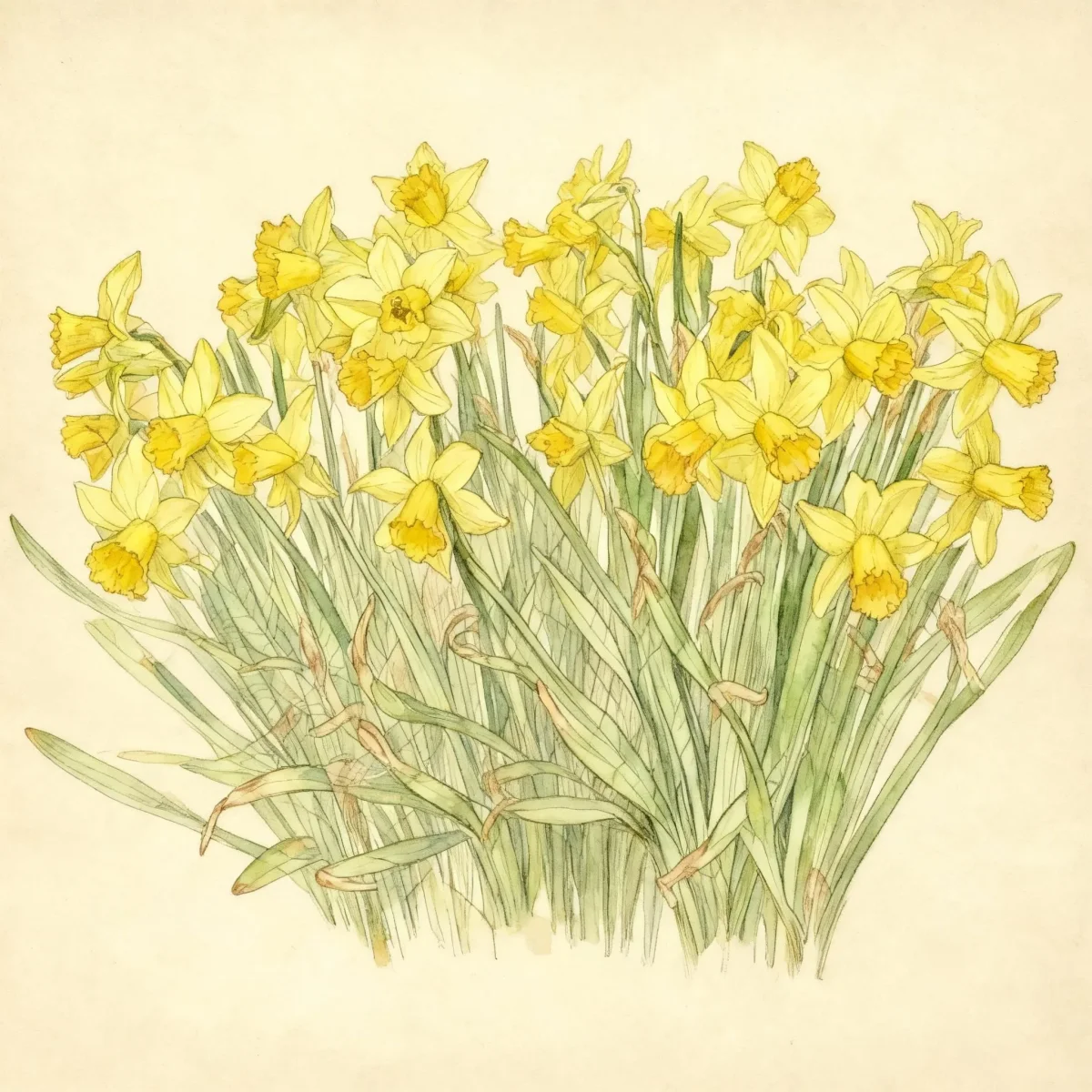
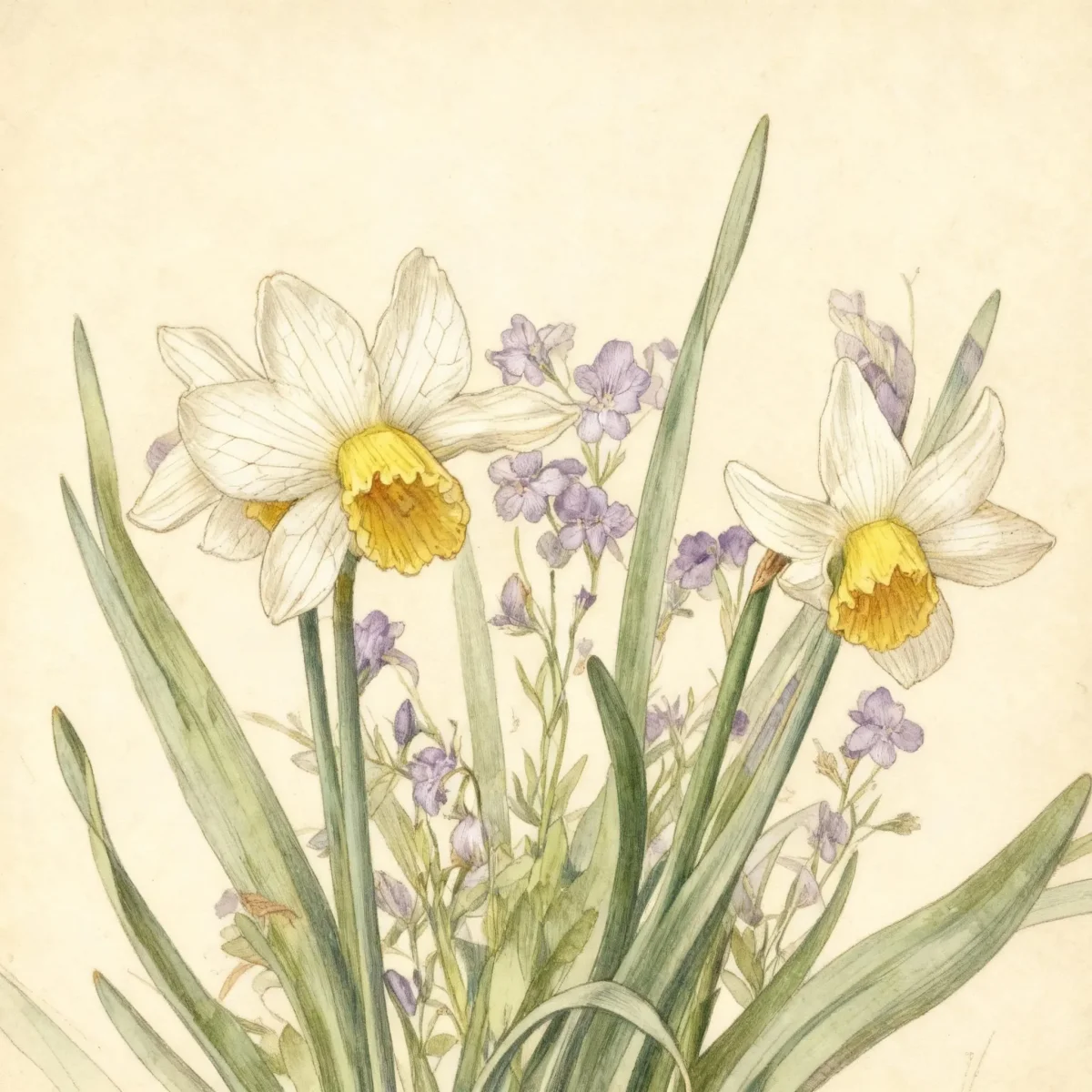
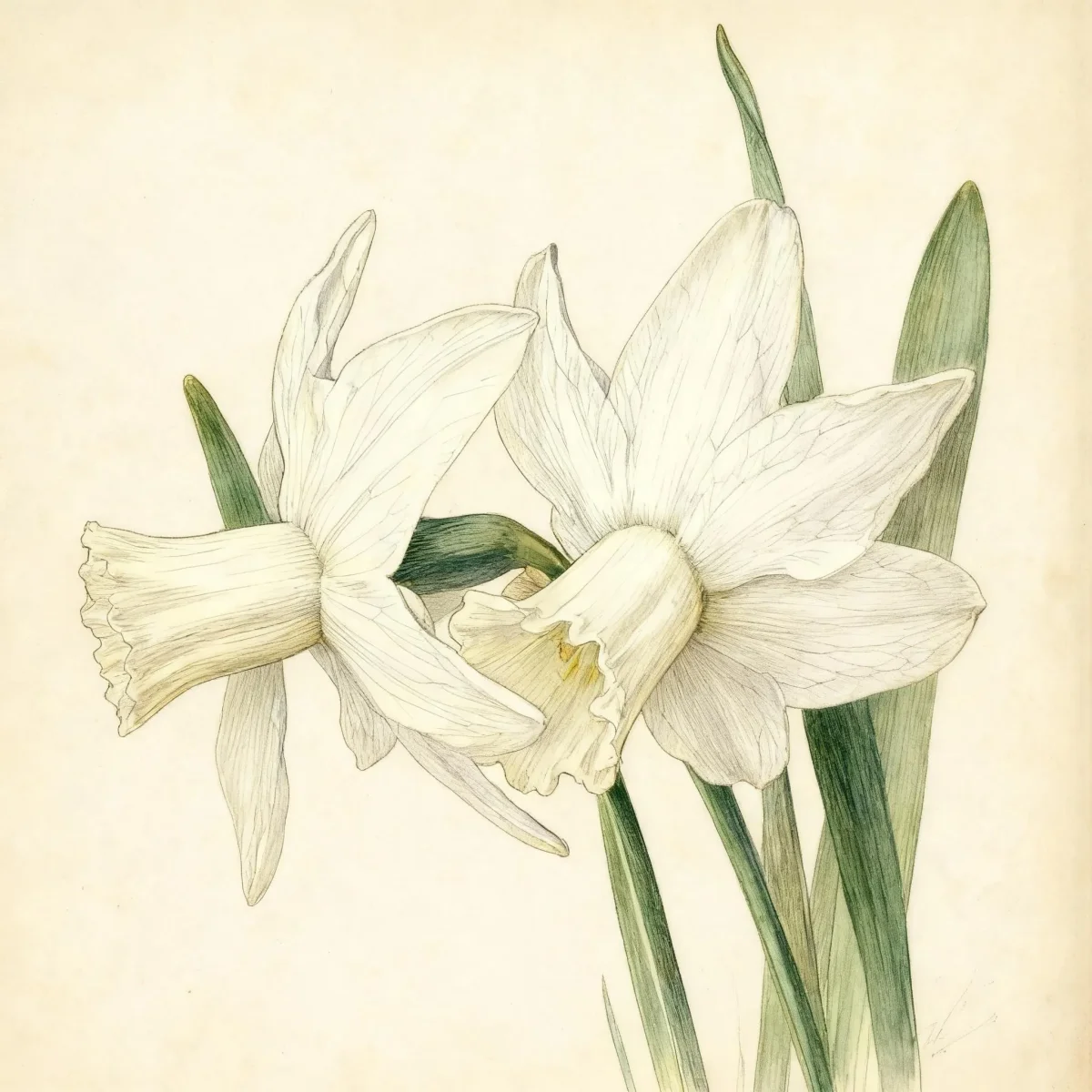
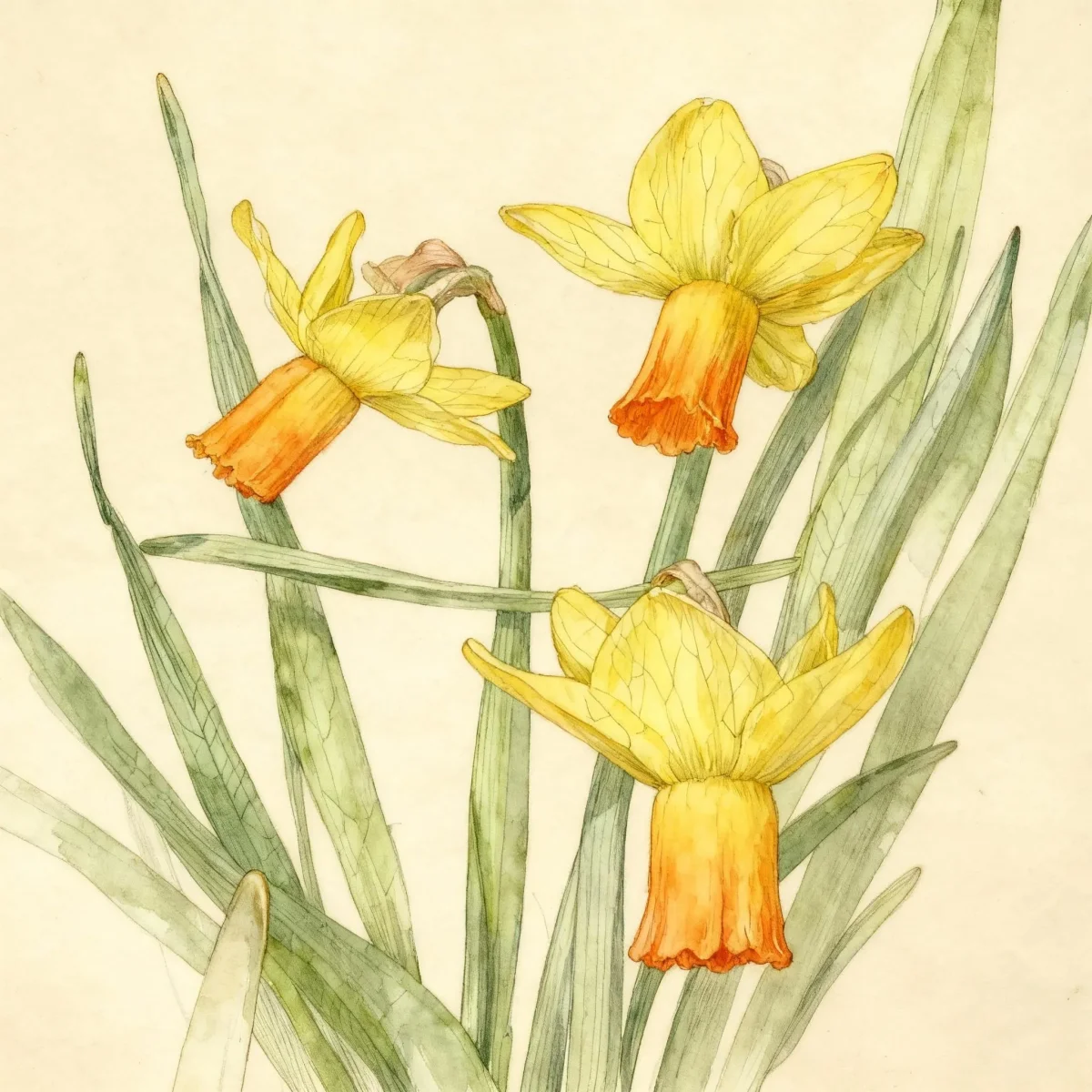
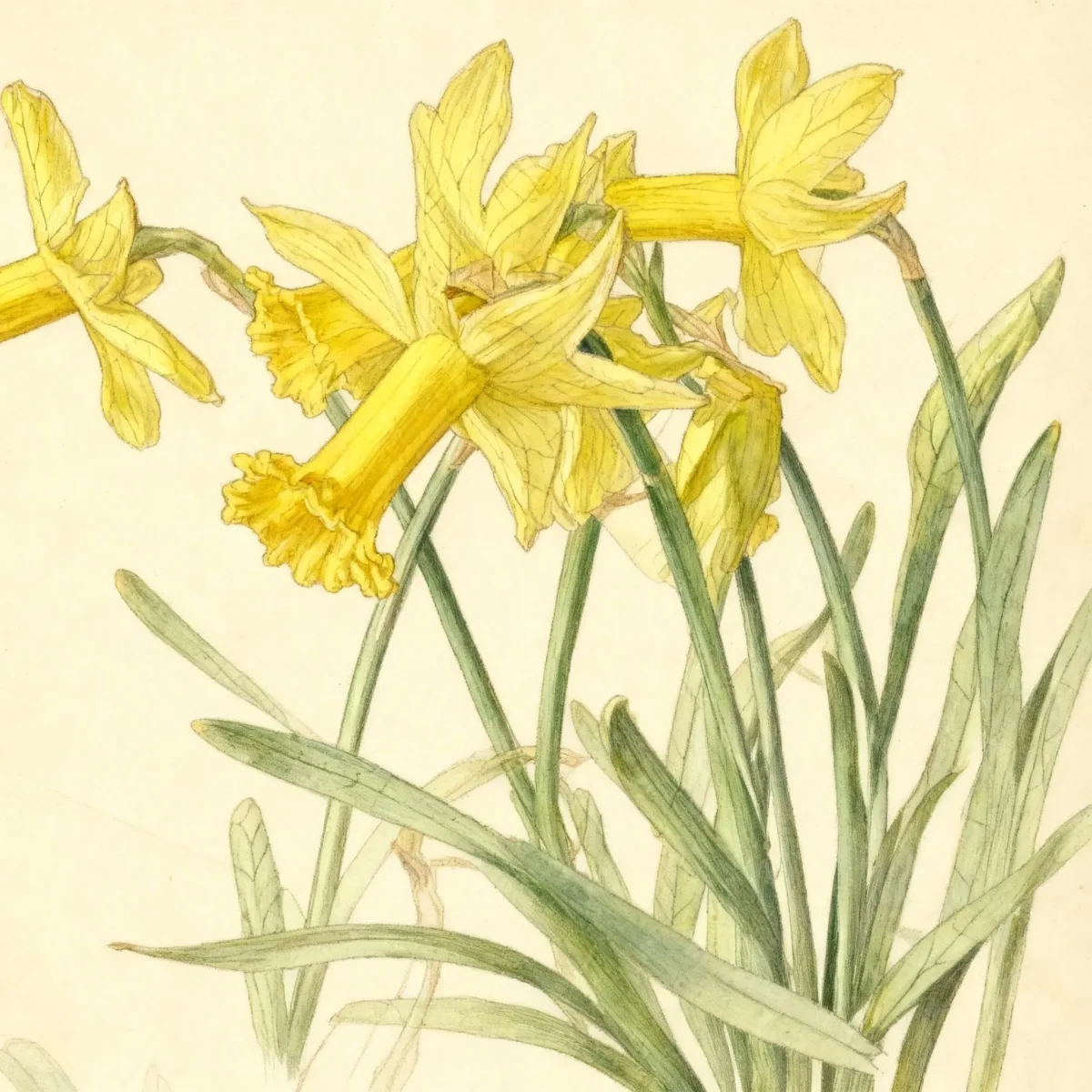
Cyclamineus daffodil (Narcissus 'Stony Brook')
Narcissus 'Stony Brook' is a striking Cyclamineus daffodil, offering early spring color and low maintenance for zones 3-8.
Scroll down to discover growing tips, care requirements, companion plants, and more
Complete Plant Information
Overview
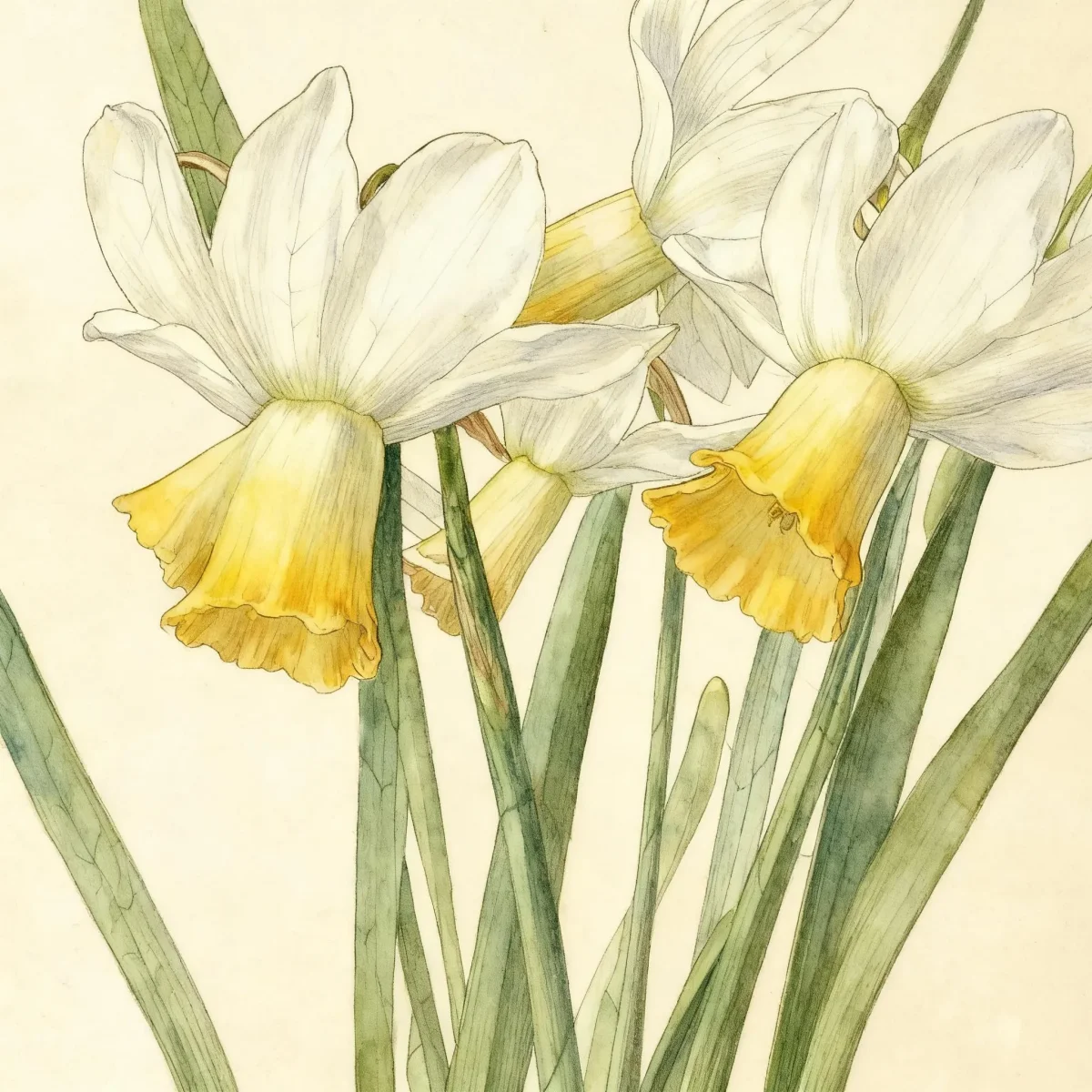
The Narcissus ‘Stony Brook’ is a treasured early-blooming bulb, belonging to the esteemed group of Cyclamineus daffodils. This variety offers gardeners a delightful display of white petals sharply contrasted by a vibrant yellow trumpet as winter transitions to spring. Its smaller stature and early season performance make it a highly valuable accent plant.
As a dwarf cultivar, Narcissus ‘Stony Brook’ excels in providing reliable, low-maintenance color. These dependable perennials naturalize well, requiring little intervention once established. They contribute strong architectural structure to the spring garden just as other plants are beginning to awaken.
This adaptable Cyclamineus daffodil performs best in average, well-drained soil, handling conditions from full sun to light afternoon shade. Its resilience against common pests and moderate drought tolerance once dormancy is reached ensure it remains a long-lasting fixture in perennial borders, making it an excellent choice for gardeners seeking high impact with minimal effort.
Fast Facts
- Plant Family: Amaryllidaceae
- Plant Type: Bulb
- Hardiness Zones: USDA Zones 3-8
- Size at Maturity:
- Height: 0.25-0.5 ft
- Spread: 0.25-0.5 ft
- Bloom Time: March to April
- Bloom Description: White petals and yellow trumpet
- Sun Exposure: Full sun to part shade
- Water Needs: Medium
- Maintenance Level: Low
How to Grow
Planting these bulbs is best accomplished in early to mid-fall before the ground freezes hard. Select a site that receives full sun or light afternoon shade, ensuring the soil is organically rich and drains exceptionally well, as poor drainage is the primary cause of bulb rot. In general guidance, plant the bulbs 3-6 inches deep and space them 4-8 inches apart; the planting depth should be roughly two to three times the height of the bulb itself, topped with at least three inches of soil.
Throughout the active growing season in spring, maintain medium moisture levels, keeping the soil uniformly moist. Once the flowers fade, resist the urge to cut back the foliage yet. Allowing the leaves to naturally yellow is crucial, as this process enables the plant to store energy for next year’s bloom cycle. Only the spent flower stem can be trimmed down if desired to prevent seed formation.
Narcissus ‘Stony Brook’ bulbs can be left undisturbed for many years, filling in space nicely over time. If bloom quantity declines after several seasons, it is time to divide the clumps. Wait until the foliage has completely died back before digging up the bulbs for separation and replanting.
Landscape Uses
Daffodils, including this beautiful Cyclamineus daffodil, are foundational components for early spring scenery, offering much more longevity than many other spring ephemerals like tulips. For dramatic effect, plant Narcissus ‘Stony Brook’ in generous groupings of at least six bulbs, leaning toward large, sweeping drifts for the best visual impact. They look stunning planted at the front of mixed shrub borders or lightly scattered under deciduous trees where they benefit from spring sun but are shaded during harsh summer heat.
Because of its dwarf habit, ‘Stony Brook’ is perfectly suited for smaller applications where larger daffodils might overwhelm the scale. Consider using them in rock gardens where their early flowers contrast nicely with evergreen groundcovers. They also combine well with other early bulbs like Scilla or miniature Narcissus varieties, creating layered spring interest before summer perennials emerge.
These bulbs naturalize readily when given appropriate drainage, making them ideal for wilder garden areas or naturalizing under lawns where they thrive without intense care. Remember that the narrow, strap-shaped foliage will require time to die back, so plant them where later-emerging perennials will conceal the fading leaves.
Standout Features
Flower Qualities
- Showy
Noteworthy Characteristics
Narcissus is a genus of about 50 species of bulbous perennials from Europe and North Africa, forming a mainstay of the spring garden. This variety, ‘Stony Brook’, is classified as a cyclamineus daffodil (Division VI), identified by petals that are extremely reflexed, resembling those of a cyclamen flower. A key feature of the Narcissus ‘Stony Brook’ dwarf is its 4-6 inch height, displaying ovate white petals and a cylindrical, whitish yellow trumpet that subtly shades toward pink at the crimped rim.
Tolerances
- Rabbit
- Deer
- Drought
Potential Problems
Daffodils are generally robust plants, known for being almost pest-free when cultural needs, particularly drainage, are met. The primary threat to Narcissus ‘Stony Brook’ is bulb rot, which occurs exclusively in overly saturated or poorly drained soils; ensure your planting site is amended for drainage before planting fall bulbs. While infrequent, watch for slugs and snails in damp conditions, as they can chew on new shoots.
Insect issues are rare, but occasionally narcissus bulb fly or narcissus nematode may be present. The Narcissus yellow stripe virus is another infrequent concern. If you notice discoloration or poor vigor, ensure you are not cutting the foliage too early, as this practice stresses the bulb and can predispose it to disease.
Frequently Asked Questions
What hardiness zones is Cyclamineus daffodil suitable for?
Narcissus ‘Stony Brook’, being a tough variety, is suitable for USDA Hardiness Zones 3 through 8.
How large does Narcissus ‘Stony Brook’ grow?
This dwarf Cyclamineus daffodil achieves a low stature, typically maturing between 0.25 to 0.5 feet tall, with a similar spread of 0.25 to 0.5 feet.
When does Cyclamineus daffodil bloom?
This early season bloomer flowers reliably from March to April, featuring distinctive white petals and a clear yellow trumpet.
What sun exposure does Cyclamineus daffodil need?
For best flowering, Narcissus ‘Stony Brook’ requires full sun to partial shade conditions.
Conclusion
The Narcissus ‘Stony Brook’ provides exceptional value as a low-maintenance, early-blooming accent for any garden space. Its charming white and yellow blooms mark the return of spring, and its tolerance for deer and drought adds to its reliable performance. Plan to plant your Cyclamineus daffodil bulbs in the fall to ensure you enjoy this beautiful display next spring.
Companion Planting
When selecting companions for Narcissus ‘Stony Brook’, focus on plants that emerge later in the season to accommodate the daffodil’s foliage die-back period. Evergreens make excellent background partners, as their deep green needles or leaves beautifully contrast with the bright white and yellow blooms in early spring. Consider low-growing, late-spring perennials like Alchemilla (Lady’s Mantle) or Geraniums; these will establish themselves and cover the fading daffodil leaves as the weather warms.
For color pairing, choose companions whose blooming schedules complement the March to April window of your Cyclamineus daffodil. Muscari (Grape Hyacinth) often bloom concurrently, providing a burst of blue or purple at the base of the taller Narcissus stems. Placing them near early-blooming species tulips can also create dynamic, multi-textured displays in a border setting.
Since good drainage is crucial for the bulb health of Narcissus ‘Stony Brook’, avoid companions that require consistently wet soil throughout the summer. Plants suited to average moisture levels that tolerate dry conditions once established once the daffodils go dormant will share similar cultural needs, promoting a healthier overall garden ecosystem.
Design Ideas for Spring Drifts
Mass planting is the most effective way to utilize the charm of Narcissus ‘Stony Brook’, especially in small-scale gardens or rockeries. Instead of planting single bulbs, plan for groupings of 15 or more to achieve a sweeping drift effect that mimics naturalized bulb fields. Place these drifts where they are visible from windows or seating areas, maximizing early seasonal impact.
For formal edging, carefully space the bulbs along a pathway or the edge of a flower bed. Since this is a dwarf variety reaching only up to half a foot tall, it functions perfectly as a “front border” plant, providing low, bright color that doesn’t obscure taller spring accents like tulips or late-blooming hyacinths planted behind them.
Consider planting the Cyclamineus daffodil bulbs under bare branches of early-flowering shrubs, such as Forsythia or early Azaleas. The dappled light they tolerate is sufficient for bloom, and the resulting layers of color—yellow/white flowers at ground level, followed by pink or yellow shrub blossoms—create excellent visual depth in the transitional spring garden.