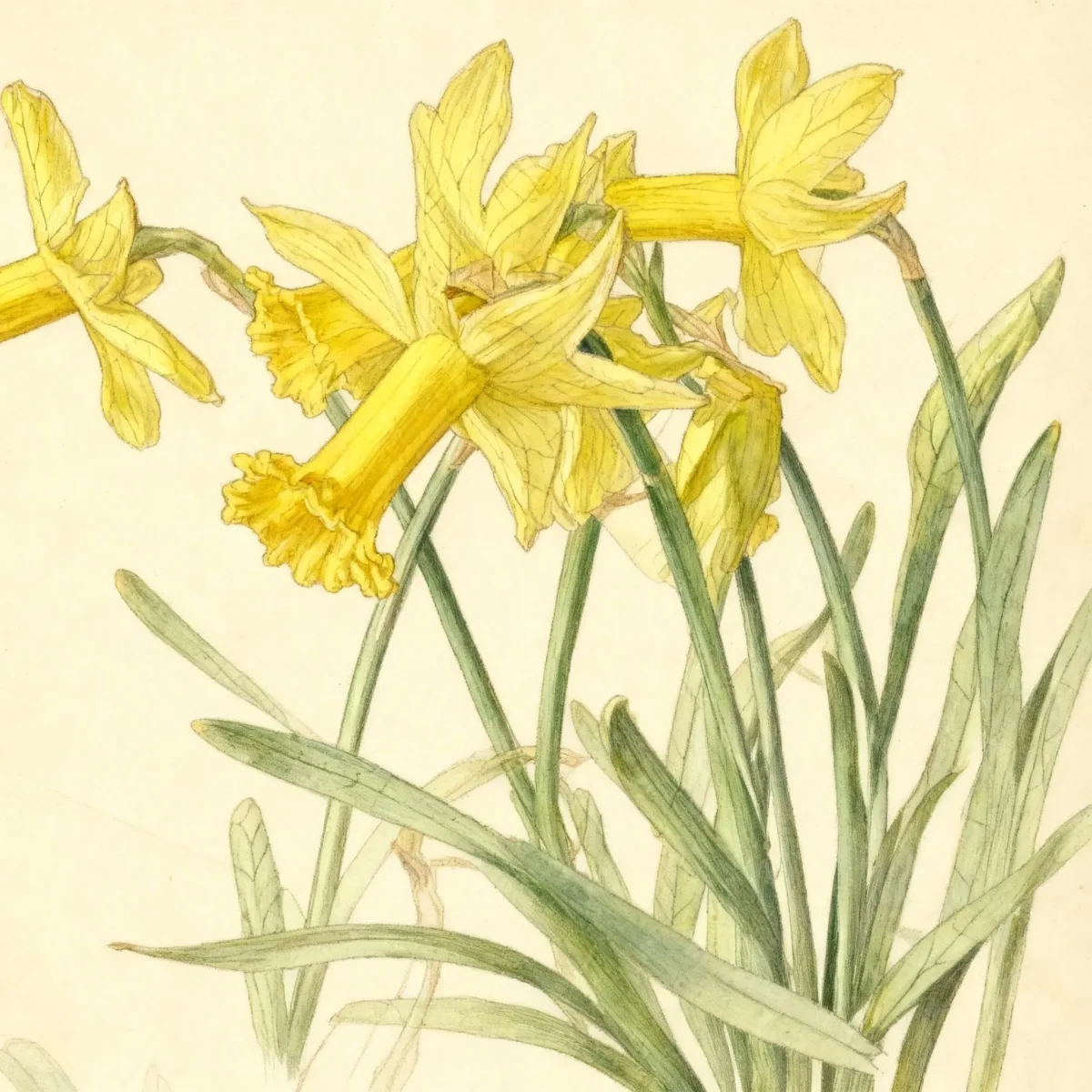
Cyclamineus daffodil (Narcissus 'Wings of Freedom')
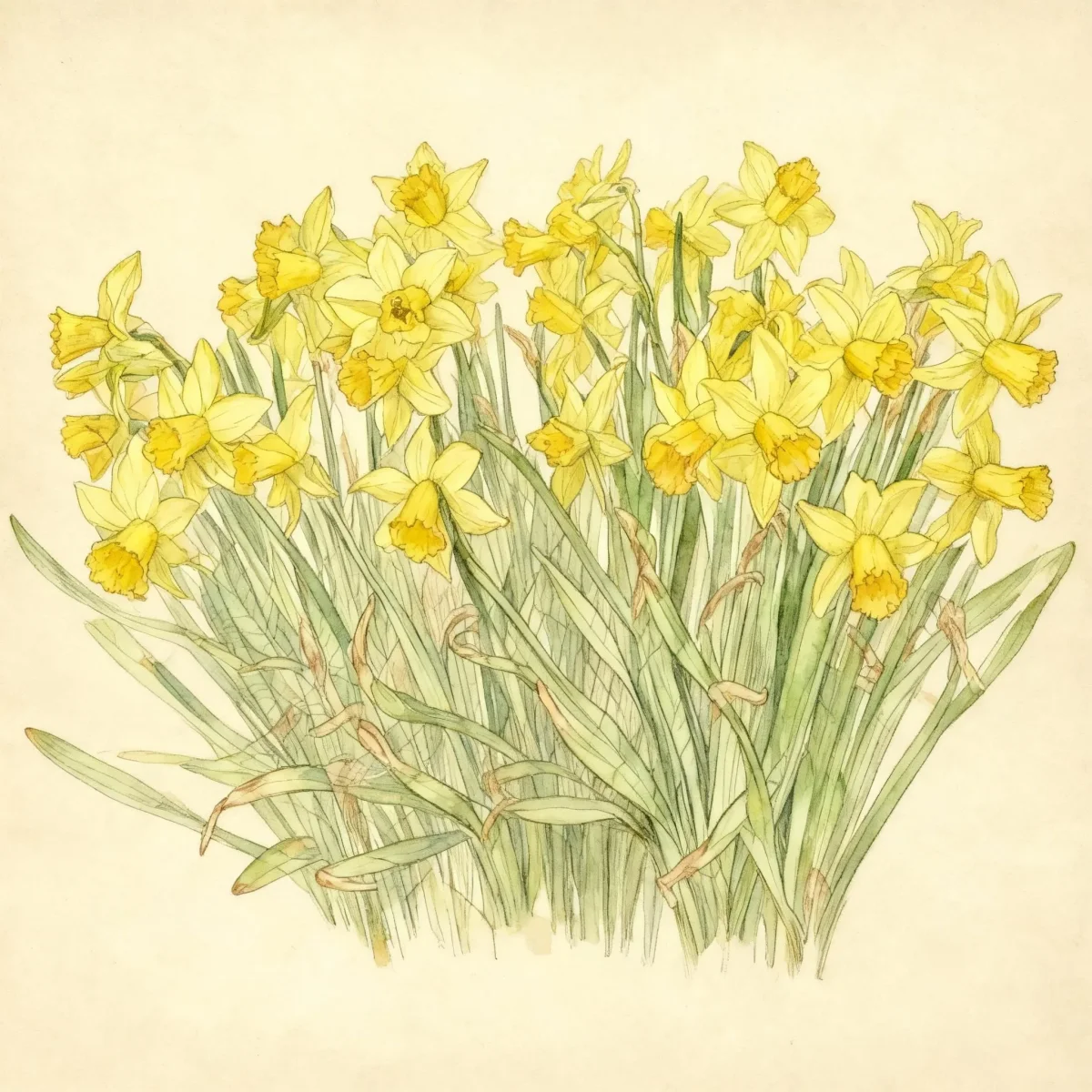
Narcissus 'Wings of Freedom' is an eye-catching Cyclamineus daffodil, flowering yellow in spring. Low maintenance and deer resistant.
Scroll down to discover growing tips, care requirements, companion plants, and more

Complete Plant Information
Overview
The Narcissus ‘Wings of Freedom’ stands out in the early spring landscape, offering vibrant color when few other plants are stirring. As a specific type of Cyclamineus daffodil, it is prized for its neat mound of foliage and distinctly shaped, bright yellow blooms. Gardeners appreciate this perennial bulb for its reliably low maintenance requirements once established.
This cultivar represents a successful hybridization, delivering cheerful flowers suitable for both close inspection and mass plantings. The ‘Wings of Freedom’ Cyclamineus daffodil thrives across a wide temperature range in USDA Zones 3 through 8, providing durable beauty year after year.
Ideal for creating definitive patches of early color, Narcissus ‘Wings of Freedom’ also performs wonderfully as a cut flower. Its resistance to common pests like rabbits and deer further secures its status as a reliable and rewarding addition to the spring garden scheme.
Fast Facts
- Plant Family: Amaryllidaceae
- Plant Type: Bulb
- Hardiness Zones: USDA Zones 3-8
- Size at Maturity:
- Height: 1-1.5 ft
- Spread: 0.75-1 ft
- Bloom Time: March to April
- Bloom Description: Yellow
- Sun Exposure: Full sun to part shade
- Water Needs: Medium
- Maintenance Level: Low
How to Grow
Planting Narcissus ‘Wings of Freedom’ bulbs should occur in the early to mid-fall season to allow roots to establish before the ground freezes. Ensure the site has excellent soil drainage, as this is critical for bulb health; organically rich, loamy soils are preferred. Plant each bulb two to three times as deep as the bulb is tall, ensuring at least three inches of soil covers the top of the bulb. Depending on size, space bulbs between 4 to 10 inches apart, remembering that larger spacing may look sparse initially but will fill in over time.
During the active growing season in spring, maintain medium soil moisture, keeping the soil uniformly moist. While actively growing, the bulbs appreciate consistent water, but note that Narcissus ‘Wings of Freedom’ tolerates summer drought once the foliage has yellowed. No regular fertilizing is usually required if the native soil is organically rich.
After the showy yellow flowers fade, remove the spent flower stems to prevent seed formation, but never cut back the foliage. Allow the leaves to remain intact until they begin to yellow naturally, which allows the bulb to store energy for next year’s display. Narcissus ‘Wings of Freedom’ bulbs can be left undisturbed for many seasons; if flowering declines, divide the clumps just after the foliage has completely died back.
Landscape Uses
Daffodils, including the reliable Cyclamineus daffodil hybrid Narcissus ‘Wings of Freedom’, serve as foundational elements in the spring landscape, offering dependable repeat performance unlike many annuals. They are best utilized when planted in substantial drifts rather than single specimens, aiming for groups of six bulbs at minimum to create a sweeping, naturalized effect. Site them prominently in borders, naturalized into open woodland areas under deciduous trees, or massed in front of evergreen shrubs to maximize visibility upon awakening.
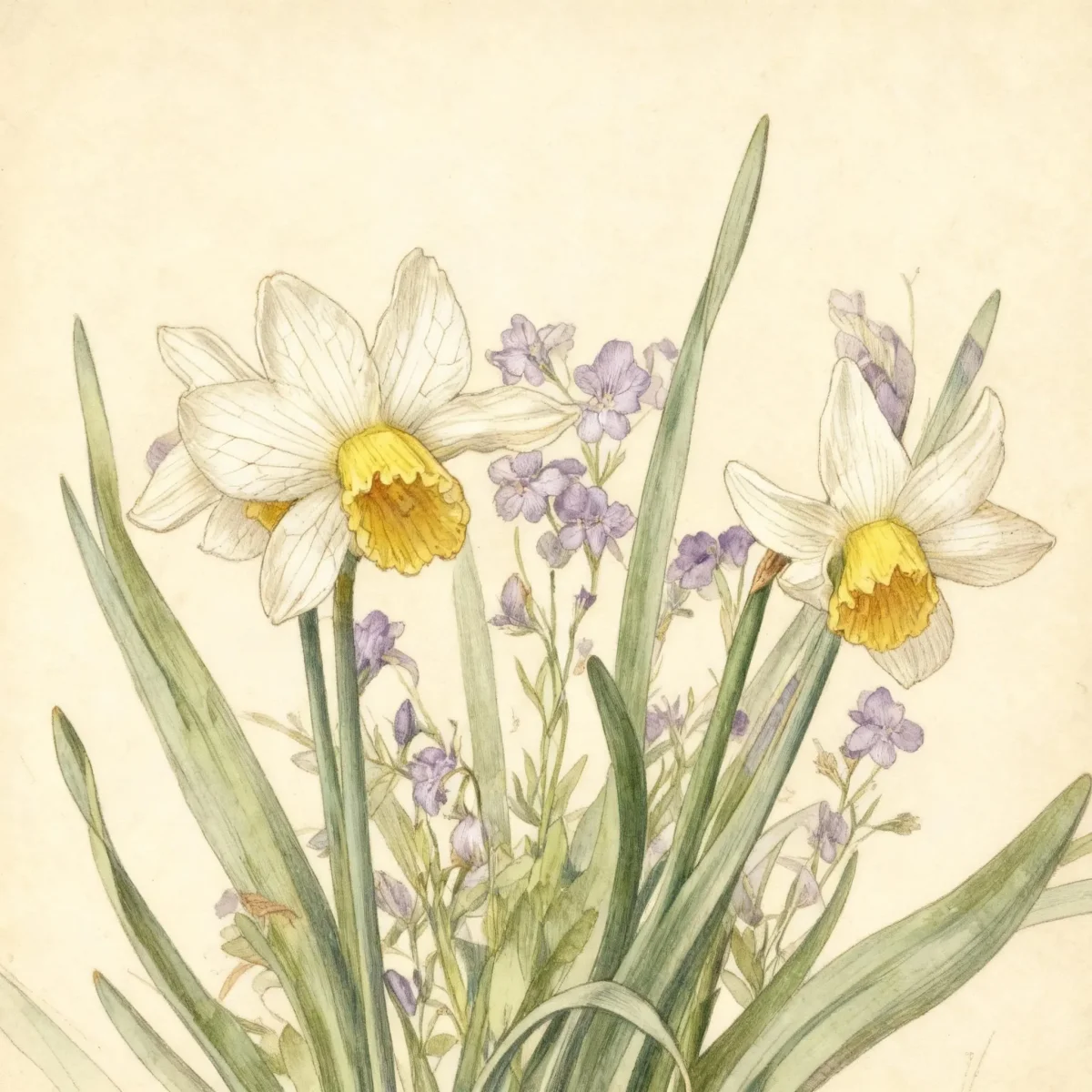
These bulbs mix exceptionally well with other spring-flowering companions, such as early tulips, crocus, or grape hyacinths, creating layered displays of color. Because the foliage yellows after blooming, companion planting with summer-blooming perennials that emerge later helps mask the fading daffodil leaves, keeping garden beds tidy. The bright yellow tones of ‘Wings of Freedom’ can brighten shaded areas beneath trees where they receive morning sun.
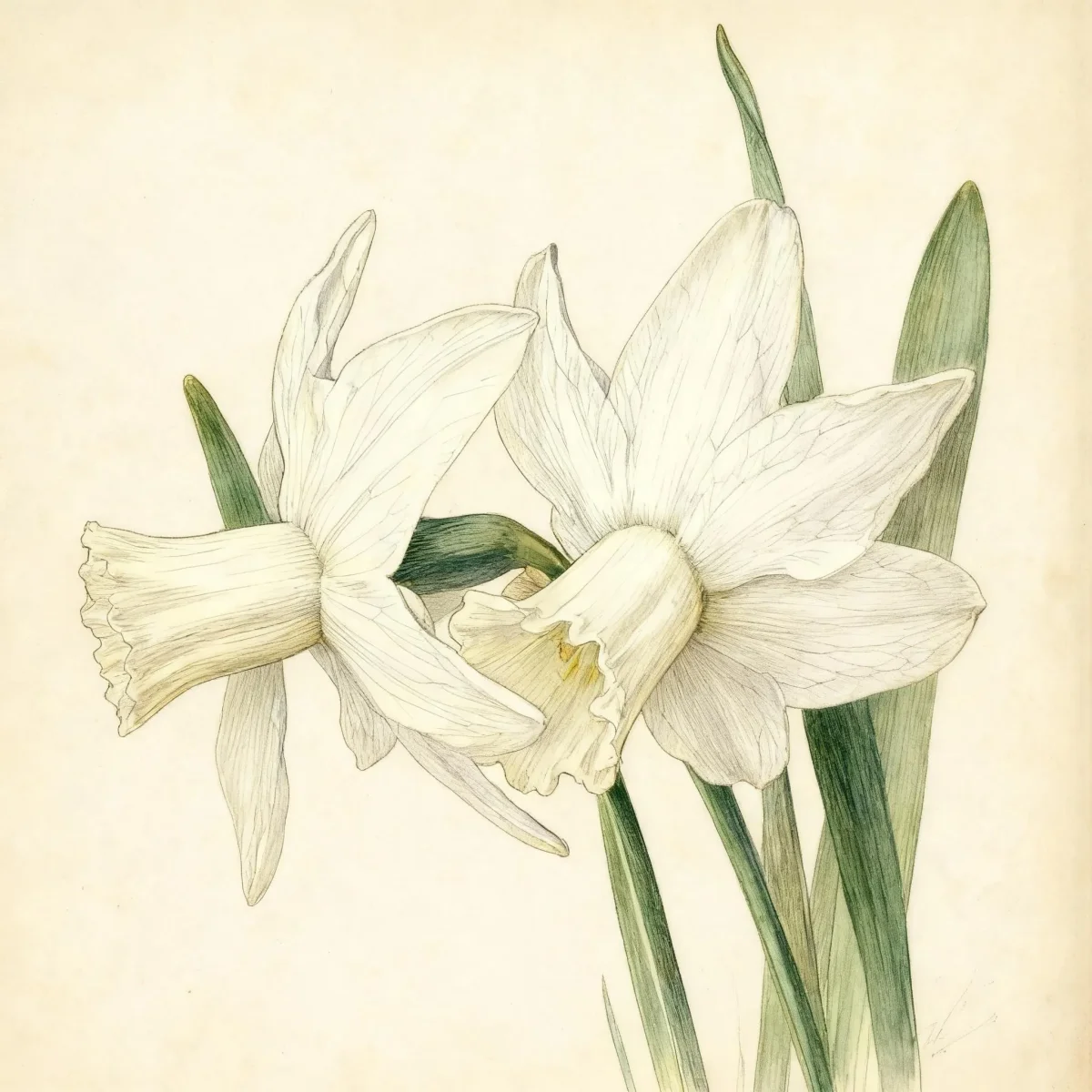
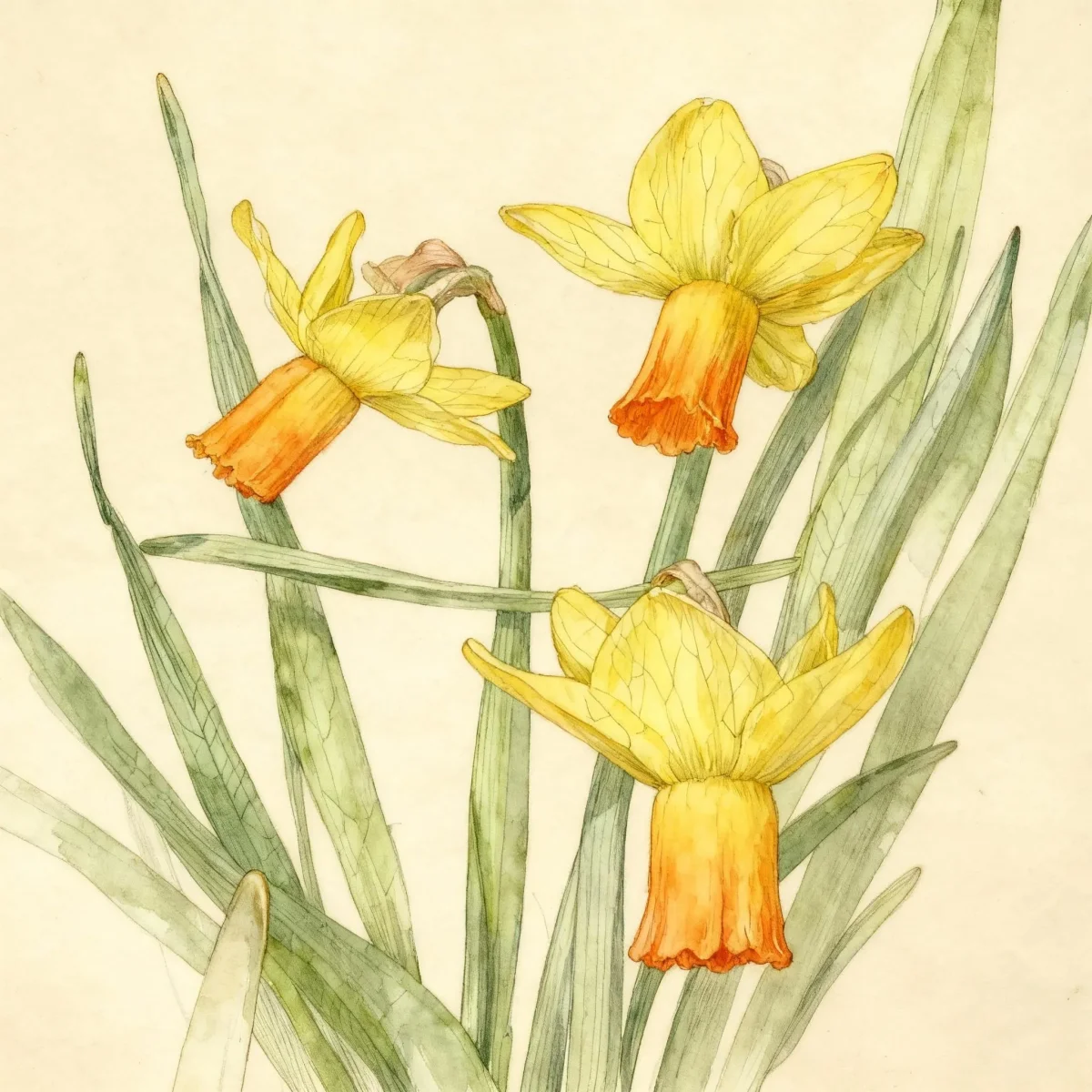
Allowing the clumps to naturalize is simple and highly effective. Over the years, the bulbs will multiply, creating increasingly impactful sweeps of early color, reducing the need for yearly division. The structure of the Cyclamineus daffodil’s bloom, featuring swept-back petals, adds textural contrast to flatter-faced standard daffodils.
Standout Features
Flower Qualities
- Showy
- Good Cut
Noteworthy Characteristics
Narcissus is a genus of about 50 species of bulbous perennials from Europe and North Africa, serving as a mainstay of the spring garden. ‘Wings of Freedom’ is specifically classified as a Division 6 or Cyclamineus Y-Y daffodil, characterized by one flower per stem with reflexed perianth segments and a straight, tubular corona. This dwarf daffodil, reaching 1 to 1.5 feet tall, features prominent bright yellow petals and corona, resulting from hybridization by Grant E. Mitsch.
Tolerances
- Rabbit
- Deer
- Drought
Potential Problems
Daffodils are generally renowned for being pest-free when cultural needs, particularly drainage, are correctly met. The primary issue faced by Narcissus ‘Wings of Freedom’ relates to poor soil conditions; bulb rot is a significant threat in areas where water pools or soil remains waterlogged. Prevention relies entirely on ensuring sharp soil drainage at planting time.
Infrequent pests that might occasionally appear include slugs and snails, which can chew on emerging foliage, and occasionally the narcissus bulb fly or scale mite. For these minor issues, physical removal or appropriate organic controls are usually effective. Be vigilant for the Narcissus yellow stripe virus, which is an infrequent problem but can weaken plants over time.
Rabbits and deer generally avoid consuming the foliage and bulbs of the Cyclamineus daffodil due to naturally occurring toxins, offering a practical advantage in areas with active wildlife. Proper spacing and diligent management of soil moisture remain the best cultural defenses against disease and decay for Narcissus ‘Wings of Freedom’.
Frequently Asked Questions
What hardiness zones is Cyclamineus daffodil suitable for?
The robust Narcissus ‘Wings of Freedom’ is suitable for planting across USDA Hardiness Zones 3 through 8, offering a broad range of usability.
How large does Narcissus ‘Wings of Freedom’ grow?
This dwarf daffodil typically reaches a mature height between 1 and 1.5 feet tall, with a spread of about 0.75 to 1 foot wide.
What sun exposure does Cyclamineus daffodil need?
This variety performs optimally in full sun conditions but adapts well to partial shade, provided the light is adequate for good flowering.
When does Narcissus ‘Wings of Freedom’ bloom?
This beautiful bulb blooms reliably during the early spring period, specifically from March into April, displaying its signature yellow coloration.
Conclusion
The Narcissus ‘Wings of Freedom’ is an invaluable addition to any early spring garden plan, delivering cheerful, low-care yellow blooms in the Cyclamineus daffodil class. Its height, pest resistance, and ability to naturalize make it wonderfully practical for long-term landscape design. Before the first chill of fall arrives, ensure you purchase and plant your bulbs in well-drained soil to guarantee a spectacular display next season.
Companion Planting
Because the foliage of the Cyclamineus daffodil begins to die back in late spring, companion planting with later-emerging perennials is highly recommended. Aim for plants that fill the gap once the yellow flowers fade, such as emerging hostas, astilbes, or late-blooming perennials like Iris or Peonies. These later plants will shade and conceal the browning daffodil leaves, maintaining garden neatness.
Consider pairing Narcissus ‘Wings of Freedom’ with plants that share similar dry-summer dormancy tolerances, even though the daffodil requires medium moisture during spring growth. Low-growing Ajuga or creeping Thyme work well as groundcovers around clumps, providing textural contrast without competing heavily for spring nutrients or root space.
Seasonal Care Calendar
Fall (Planting Time): This is the crucial window for planting Narcissus ‘Wings of Freedom’. Focus intently on proper bulb depth and excellent soil drainage now.
Late Winter/Early Spring (Emergence): Monitor actively for emerging shoots. Protect very early growth from late hard frosts if necessary, though daffodils are generally quite tough.
Late Spring (Post-Bloom): Once the yellow flowers fade, cleanly snip off the spent flower heads. Crucially, leave all the green foliage attached until it yellows naturally, signalling the bulb is ready for dormancy.
Summer (Dormancy): The best time for division, if migration or crowding is necessary, is just as the foliage completely yellows and dies back, before summer heat drives the clump too deep into dormancy for easy digging.