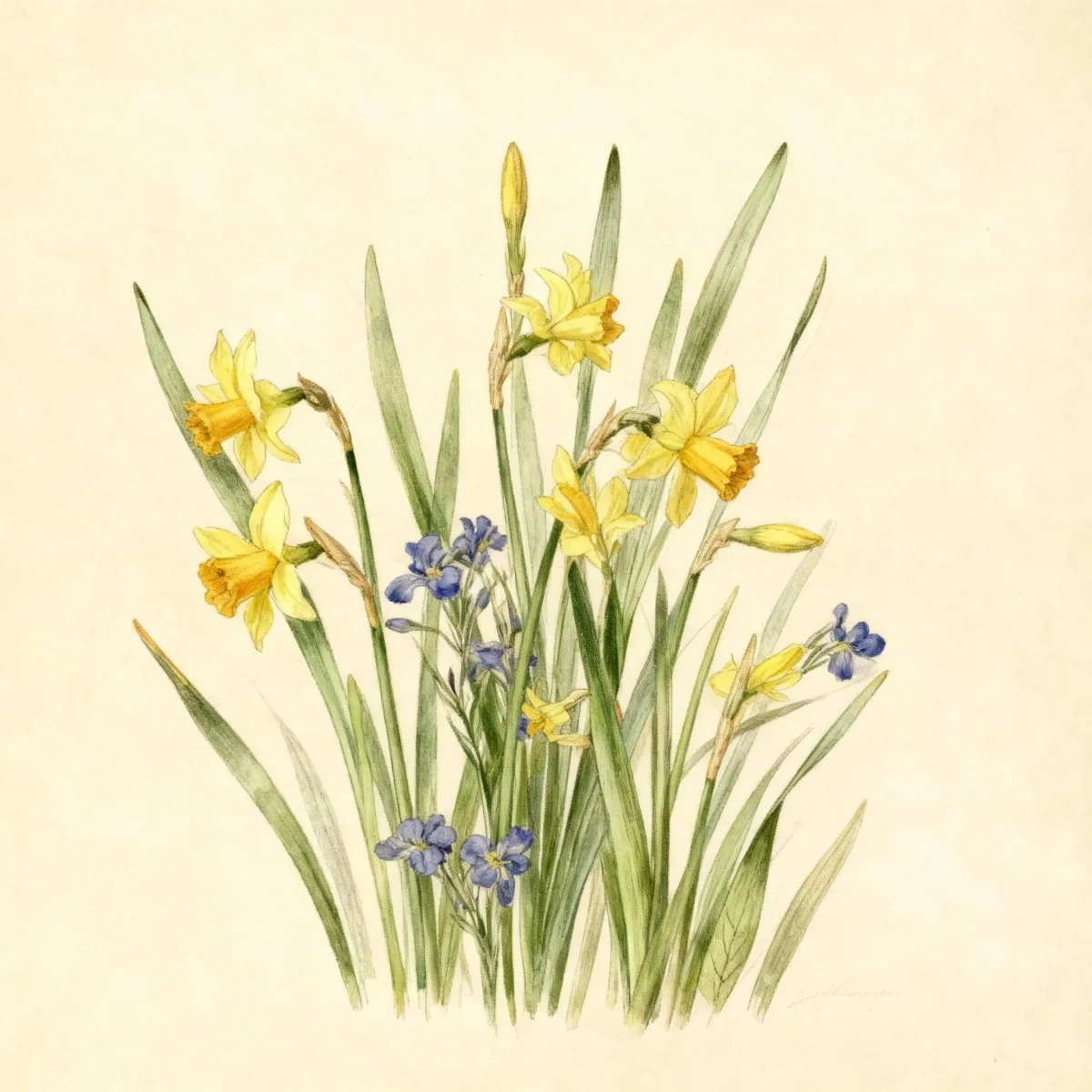
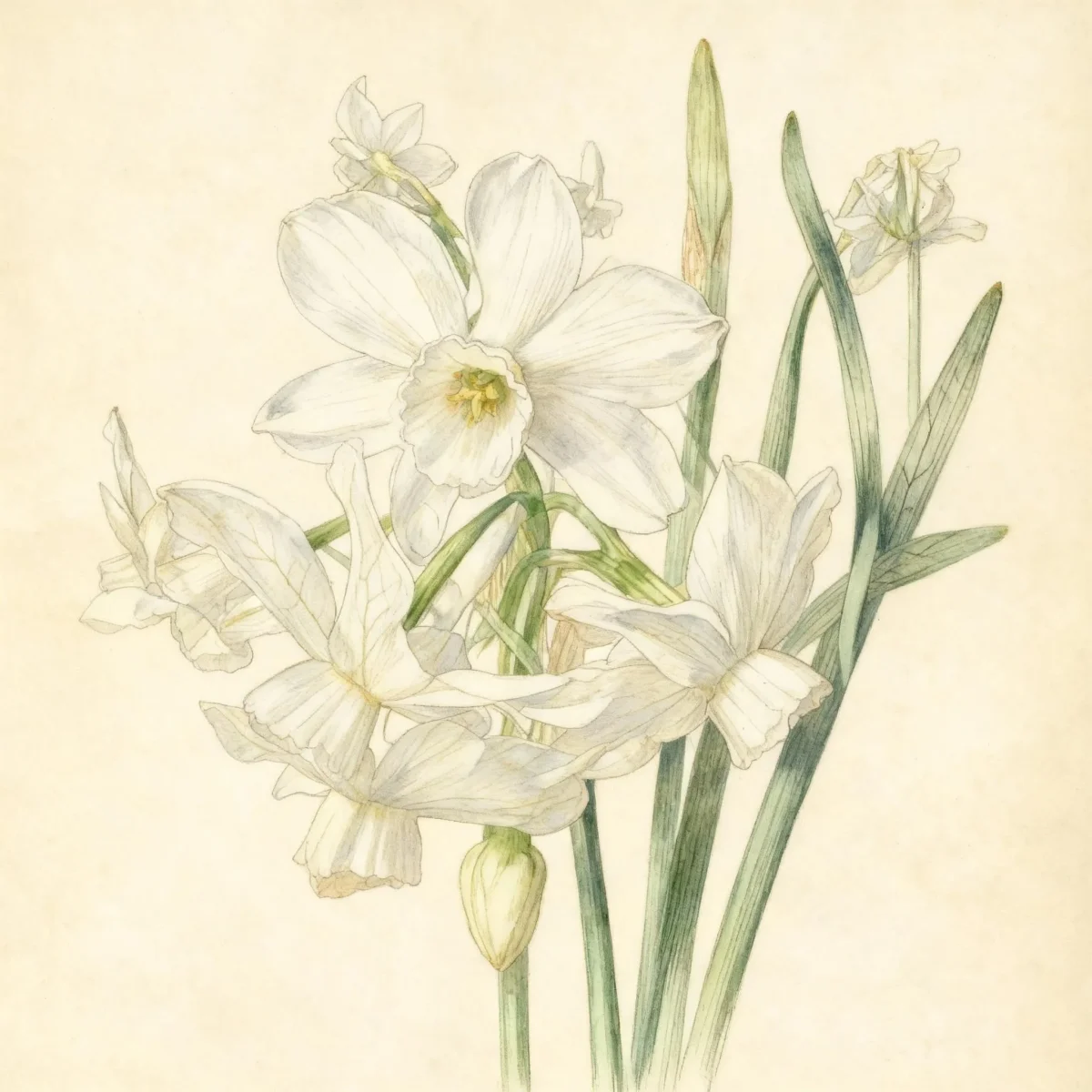
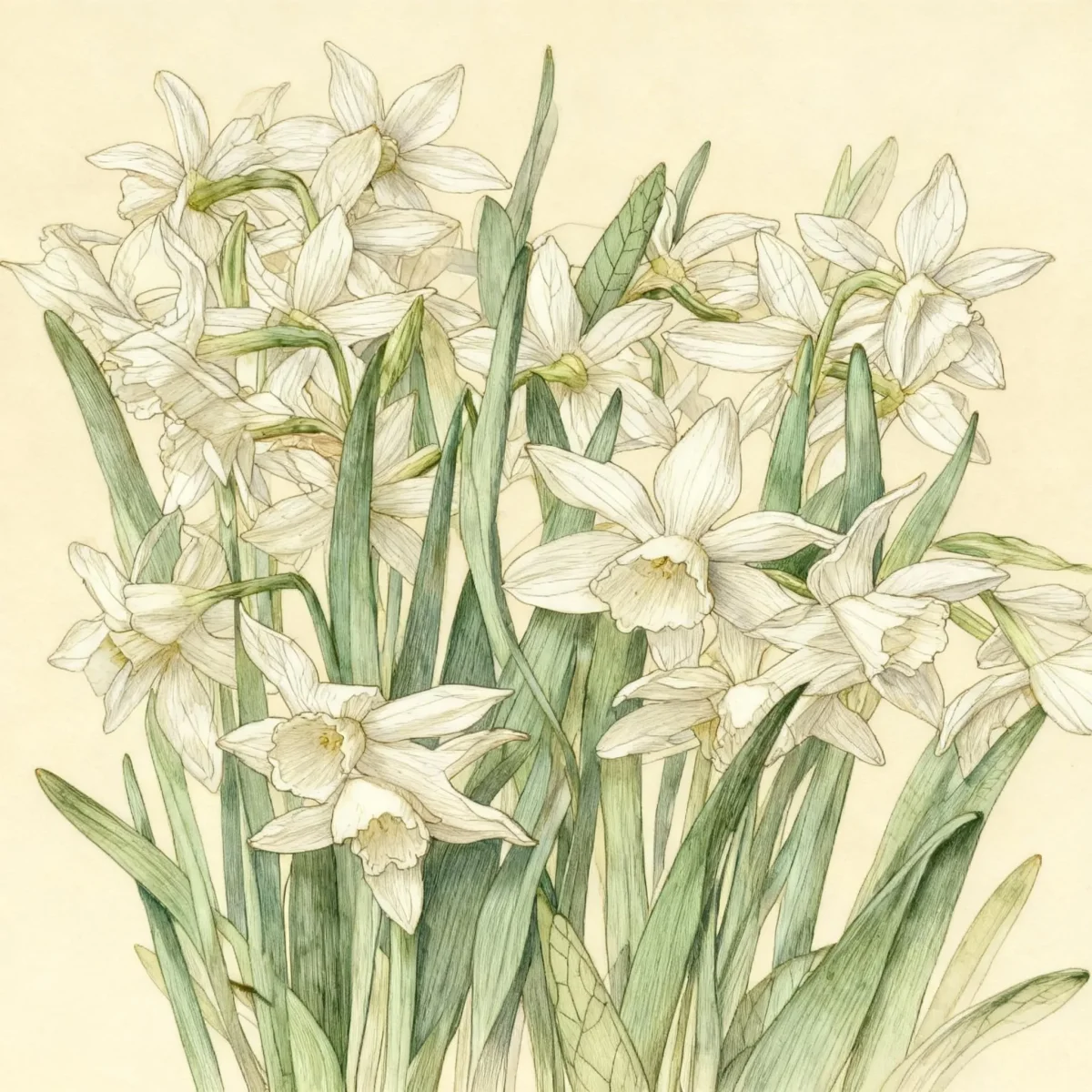
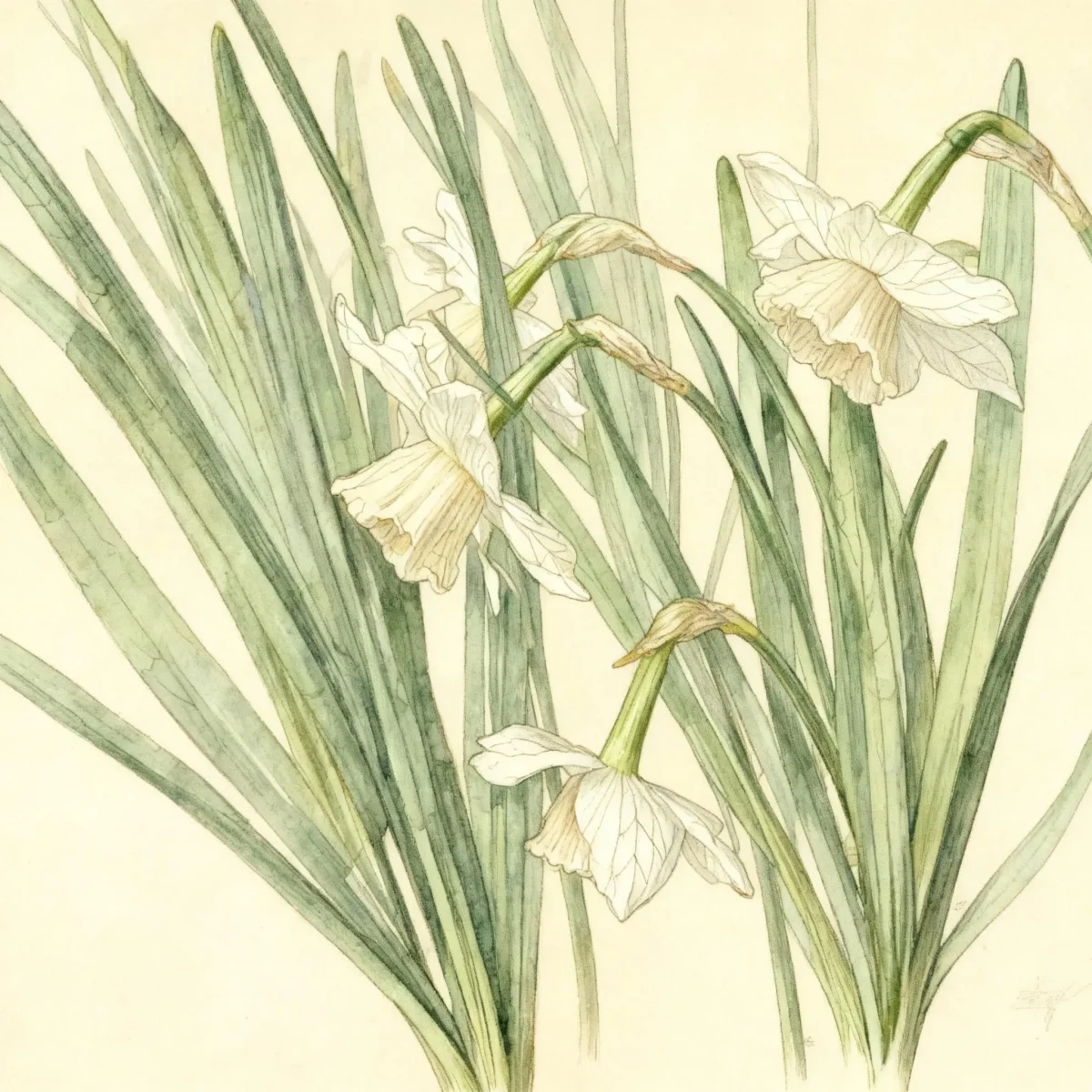
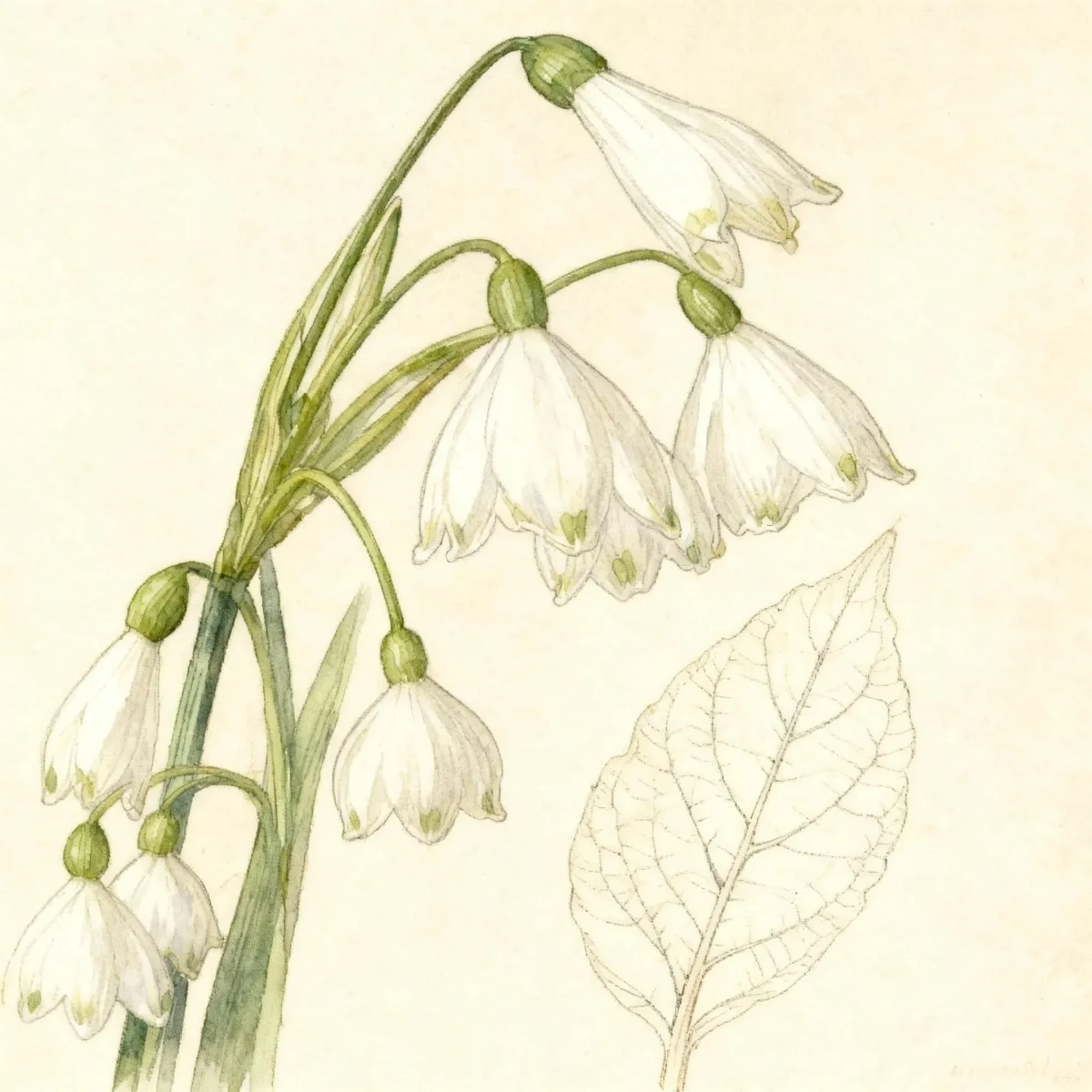
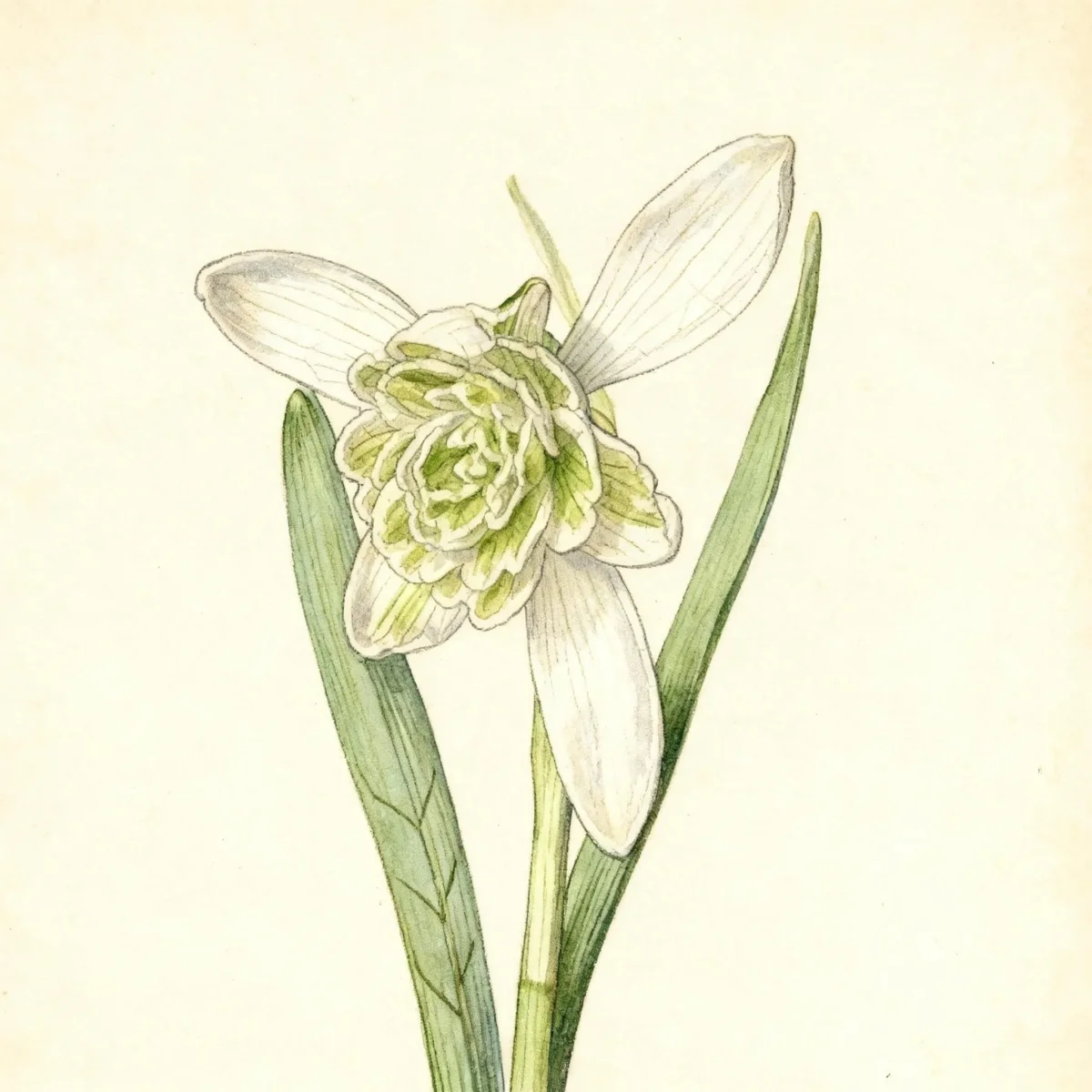
Triandrus daffodil (Narcissus 'Lemon Drops')
Narcissus 'Lemon Drops' is a showy, fragrant Triandrus daffodil blooming lemon yellow in April-May. Low maintenance and deer resistant.
Scroll down to discover growing tips, care requirements, companion plants, and more
Complete Plant Information
Overview
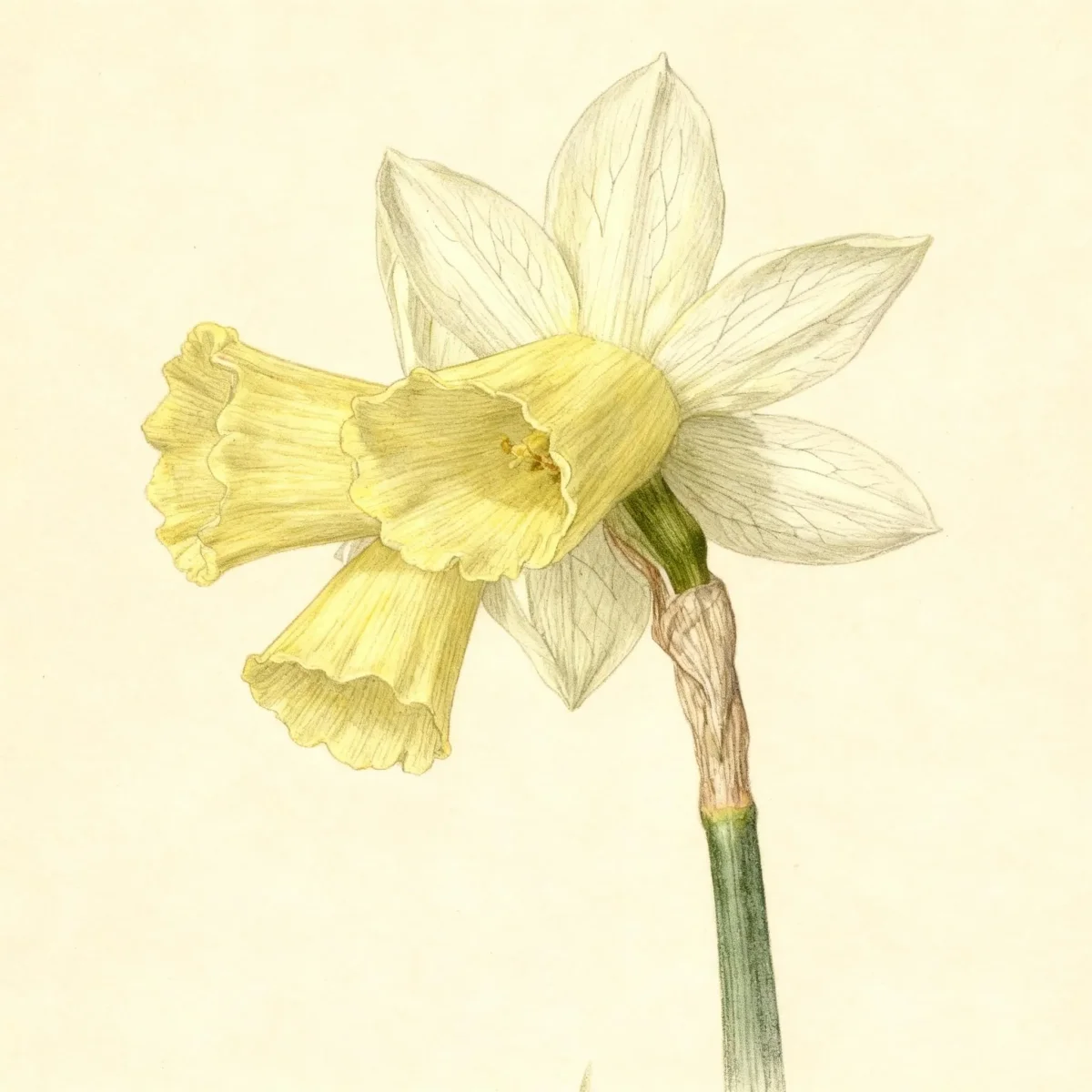
Narcissus ‘Lemon Drops’ is a highly desirable member of Division V, the Triandrus daffodils, instantly recognizable by its elegant cluster of nodding, fragrant flowers. This cultivar provides a cheerful splash of lemon yellow color right as spring transitions from early to late season, typically blooming from April into May. Gardeners value the Narcissus ‘Lemon Drops’ for its reliability, low yearly maintenance requirements, and its natural resistance to common garden pests.
As a classic Triandrus daffodil, each stem typically carries between two and six flowers, distinguishing it from trumpet types. The petals often exhibit a subtle reflex, surrounding a richly colored, short, fluted cup, making the overall impression quite sophisticated. This cheerful perennial bulb is a workhorse, returning year after year to brighten beds and borders with minimal fuss.
The low profile and charming bloom structure of Narcissus ‘Lemon Drops’ make it an excellent choice for naturalizing in lawns or mass plantings beneath deciduous trees. Its ability to establish successfully and persist with little interference ensures that gardeners can enjoy this dependable beauty season after season with only brief attention needed during the growing period.
Fast Facts
- Plant Family: Amaryllidaceae
- Plant Type: Bulb
- Hardiness Zones: USDA Zones 4-8
- Size at Maturity:
- Height: 0.75-1 ft
- Spread: 0.5-0.75 ft
- Bloom Time: April to May
- Bloom Description: Lemon yellow
- Sun Exposure: Full sun to part shade
- Water Needs: Medium
- Maintenance Level: Low
How to Grow
Planting Narcissus ‘Lemon Drops’ bulbs should occur in the early to mid-fall before the ground freezes solid. Success hinges on excellent drainage; these bulbs thrive in average, well-drained, organically rich loams. While they prefer medium moisture during active spring growth, they tolerate drought once dormant. Ensure proper depth: plant bulbs 2 to 3 times as deep as the bulb is tall, ideally resulting in about 3 inches of covering soil. Spacing between bulbs should range from 4 to 10 inches, allowing the clumps of this Triandrus daffodil to fill in over several years.
Maintain low maintenance once established. Water regularly when the foliage is actively growing, but cease supplemental watering when dormant. Fertilizing is rarely required if the soil is rich, though applying bone meal at planting time can encourage strong root development. After the stunning lemon yellow flowers fade, resist the urge to cut back the foliage. This leaves intact until it naturally yellows, a process crucial for recharging the bulb for next year’s display of Narcissus ‘Lemon Drops’.
If clumps of Narcissus ‘Lemon Drops’ become too crowded, reducing bloom quality, they can be divided after flowering when the foliage has completely died back. When positioning this variety, remember that the flowers tend to face the sun; place taller shrubs or structures behind the planting area so the blooms are visible from the primary viewing angle.
Landscape Uses
Daffodils, unlike many spring annuals, are designed to return reliably, making Narcissus ‘Lemon Drops’ perfect for establishing long-term garden interest. They shine when planted in generous drifts rather than small, isolated groupings; aim for groupings of at least six bulbs minimum, or sweeping masses for the best visual impact of this Triandrus daffodil.
Excellent placements include garden beds and borders where their height (under 1 foot) allows them to sit comfortably in front of taller spring shrubs or emerging perennials. They also naturalize beautifully in open woodland settings or beneath mature trees, provided they receive adequate light before leaf-out. Narcissus ‘Lemon Drops’ mix seamlessly with other spring-flowering bulbs, establishing a foundational layer of color for the entire season.
Standout Features
Flower Qualities
- Showy
- Fragrant
Noteworthy Characteristics
Narcissus is a genus of about 50 species of bulbous perennials from Europe and North Africa, serving as a spring garden mainstay. Flowers typically feature a corona (cup) surrounded by six perianth segments, appearing in colors from white to orange. Narcissus ‘Lemon Drops’ belongs to Division V, characterized as a triandrus daffodil, meaning each stem carries multiple (2-6) pendant flowers, featuring reflexed petals and short cups. The blooms of this specific variety are bright lemon yellow, offering a delightful fragrance.
Tolerances
- Rabbit
- Deer
- Drought
Potential Problems
These daffodils are generally robust, boasting few serious insect or disease concerns when planted in optimal, well-drained soil. The primary threat comes from overly wet conditions, which encourage bulb rot. Infrequent pests may include snails, slugs, or narcissus bulb fly. If disease does become apparent, such as Narcissus yellow stripe virus, infected bulbs should be promptly removed and discarded to prevent spread. Rabbits and deer generally leave the Narcissus ‘Lemon Drops’—and all daffodils—alone due to the natural toxins present in the bulb.
Frequently Asked Questions
What hardiness zones is Triandrus daffodil suitable for?
Narcissus ‘Lemon Drops’ performs best in USDA Zones 4 through 8, providing reliable perennial performance across these ranges.
How large does Narcissus ‘Lemon Drops’ grow?
This flower generally reaches a mature height between 0.75 and 1 foot tall, with a spread of 0.5 to 0.75 feet.
What sun exposure does Triandrus daffodil need?
For optimal flowering, plant Narcissus ‘Lemon Drops’ where it receives full sun to light, dappled part shade conditions throughout the spring.
When does Narcissus ‘Lemon Drops’ bloom?
This variety blooms consistently during the mid to late spring season, specifically from April to May, displaying signature lemon yellow flowers.
Conclusion
Narcissus ‘Lemon Drops’ brings reliable, low-effort elegance to the early spring landscape with its signature yellow color and pleasant fragrance. As a low-maintenance Triandrus daffodil, it naturally resists pests while offering dependable return bloom quality for years. Before winter sets in this fall, source your bulbs and plan where you will incorporate these beautiful jewels into garden beds.
Companion Planting
When planning spring bulb displays, consider companions that complement the short stature and mid-to-late bloom time of Narcissus ‘Lemon Drops’. Early-emerging perennials like woodland Phlox (P. stolonifera) or Brunnera macrophylla provide excellent ground cover once daffodil foliage begins to fade. Because daffodils tolerate partial tree cover, consider interplanting with shade-tolerant annuals like impatiens or bleeding hearts (Dicentra spectabilis) that will begin filling in the space once the bulb foliage yellows later in the season.
Seasonal Care Calendar
Prepare for the next season by focusing cleanup in late spring. After the Triandrus daffodil blooms, deadhead spent flowers to prevent seed production, which saps bulb energy. Crucially, allow the foliage of Narcissus ‘Lemon Drops’ to remain until it naturally yellows, usually around late May or early June, before cutting it back. This ensures maximum energy storage for the next year. In mid-fall, if you notice overcrowding, this is the correct time to carefully lift, divide, and replant the clumps to maintain vigor.