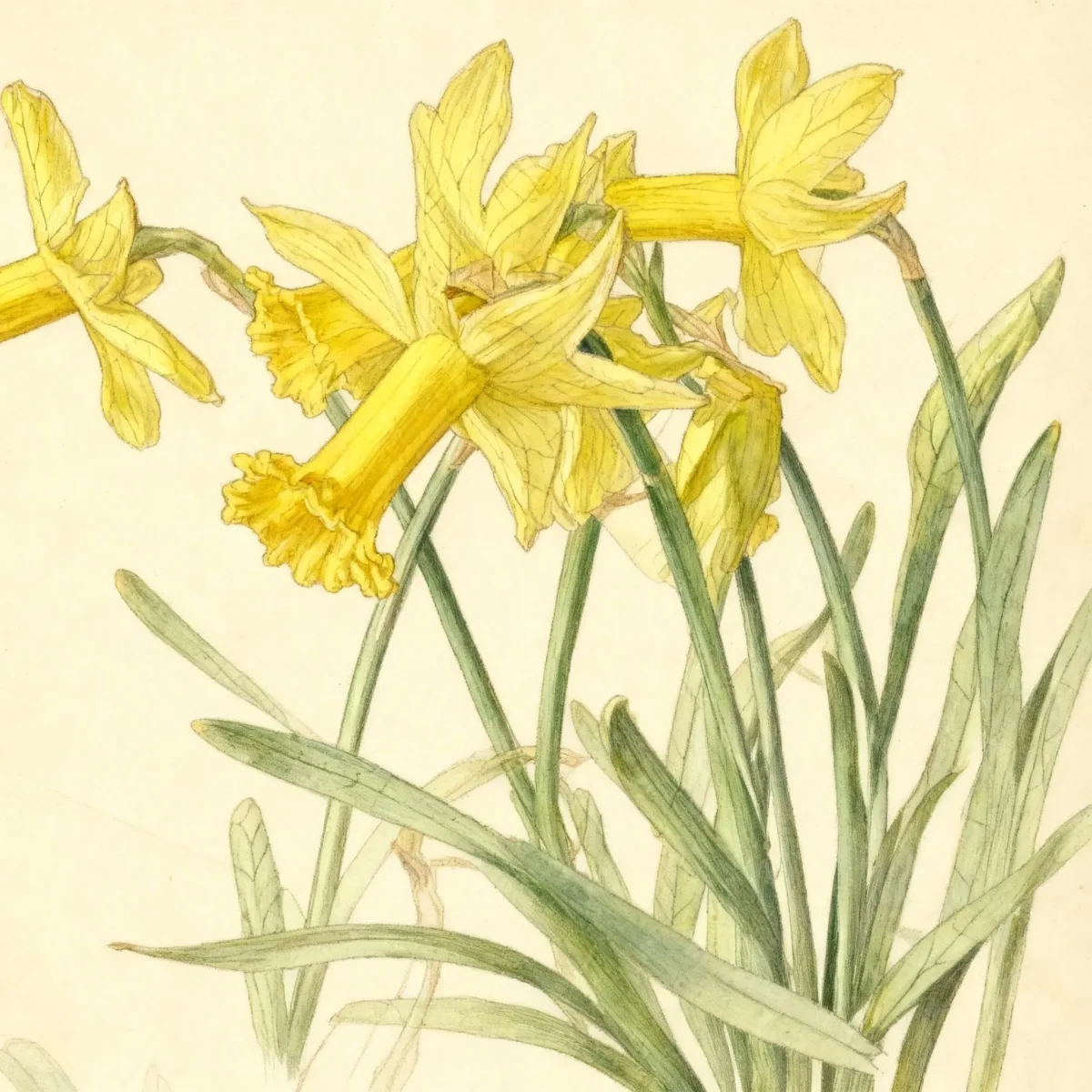
Cyclamineus daffodil (Narcissus 'Kaydee')
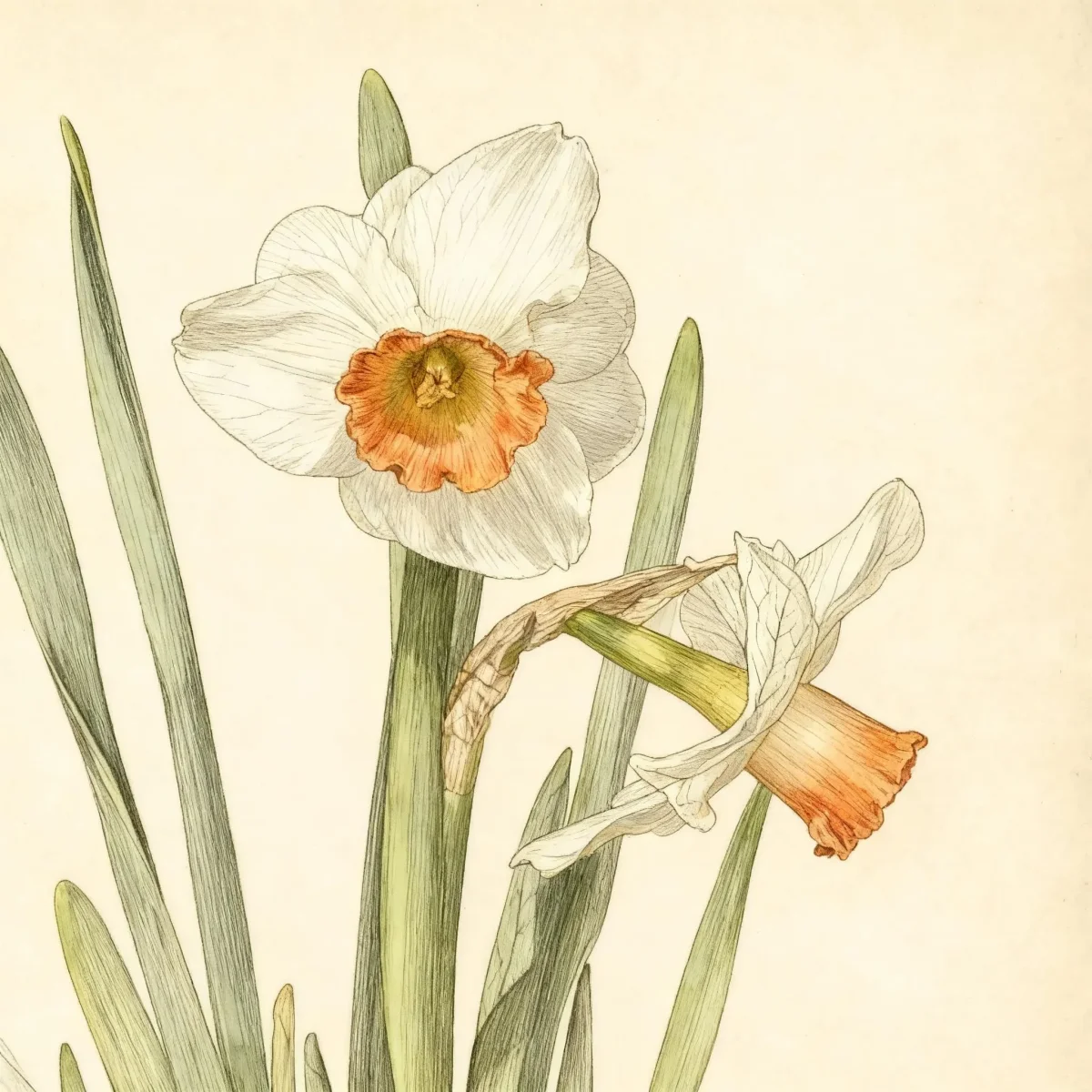
The Narcissus 'Kaydee' Cyclamineus daffodil is a low-maintenance spring bulb featuring white, reflexed petals and a salmon-pink trumpet.
Scroll down to discover growing tips, care requirements, companion plants, and more
Complete Plant Information
Overview
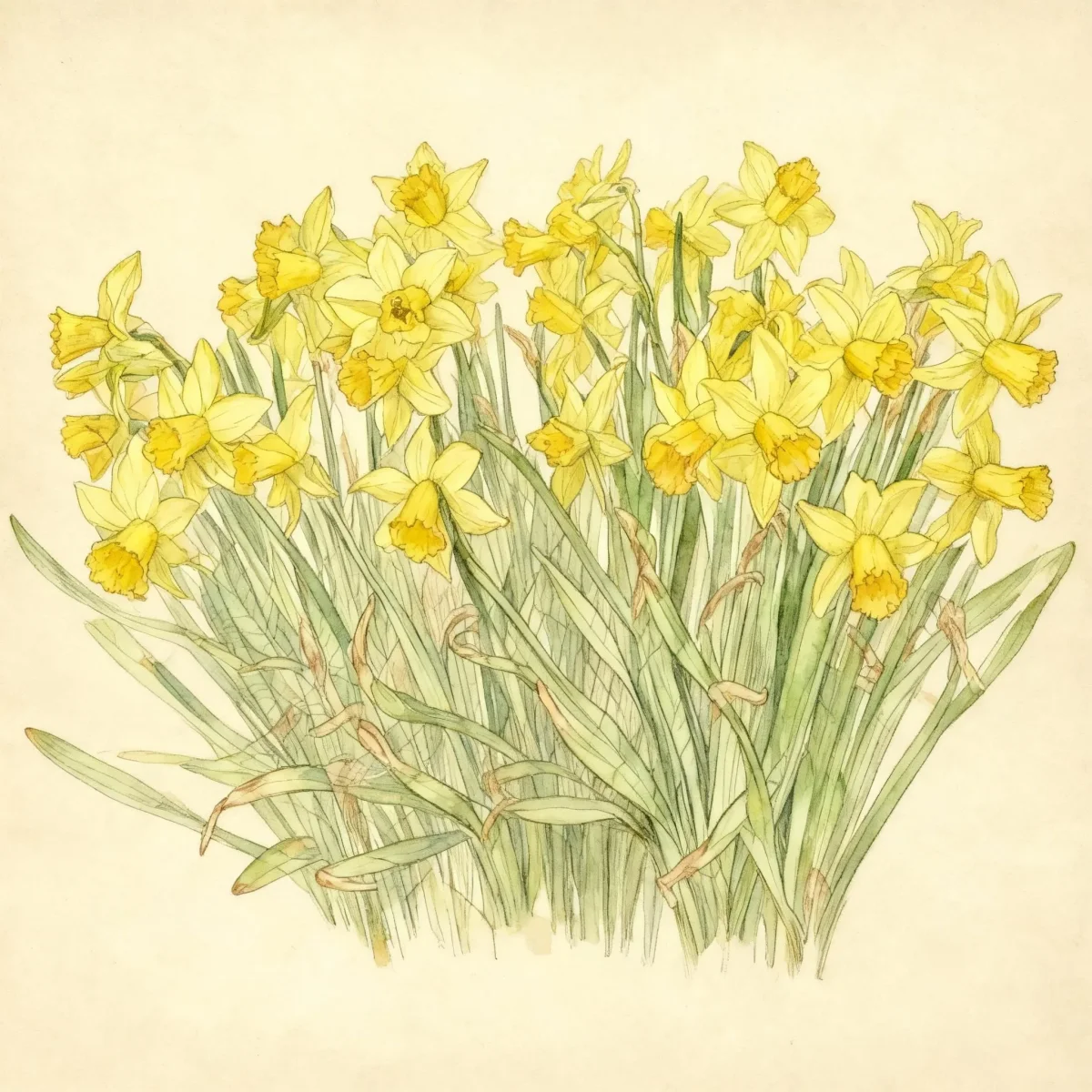
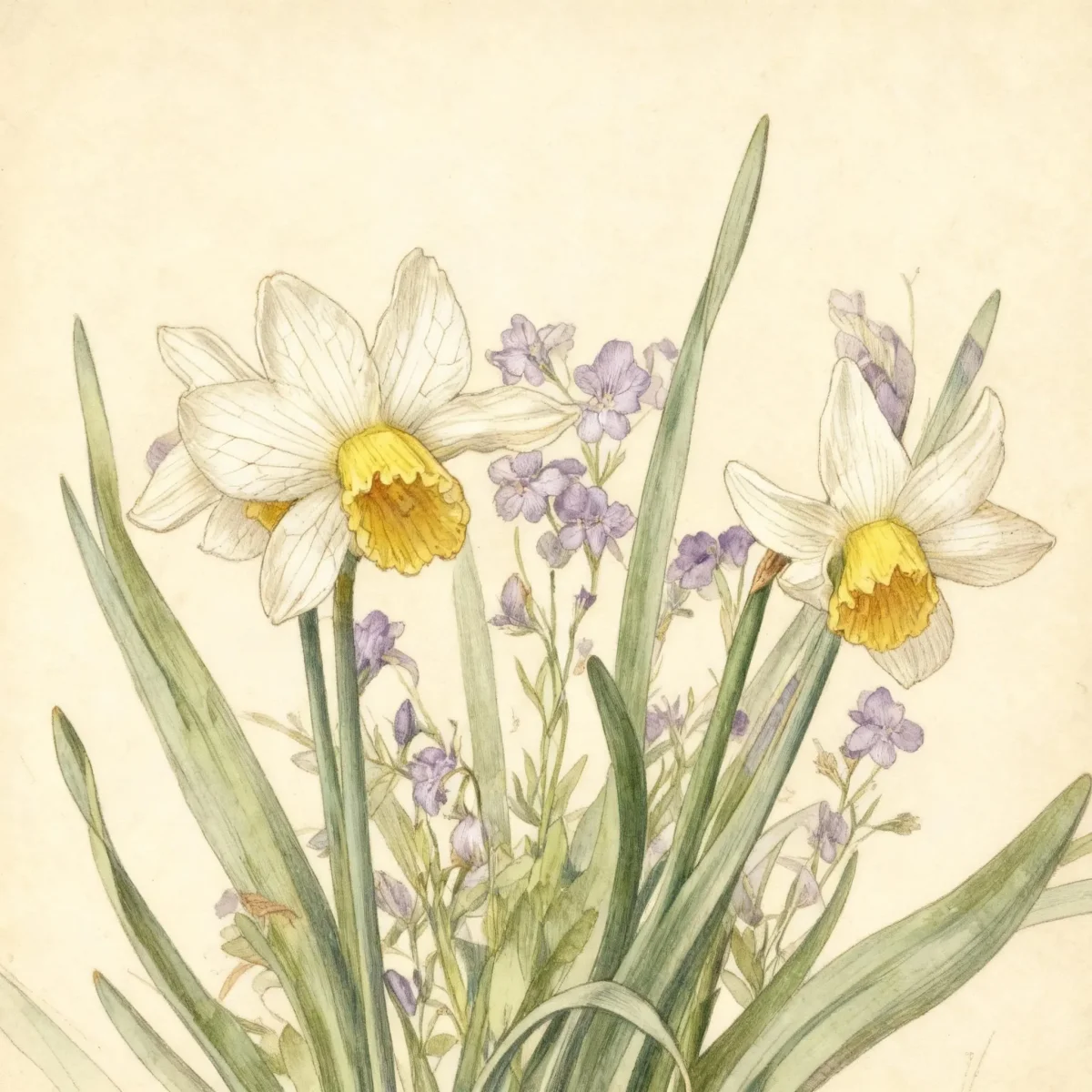
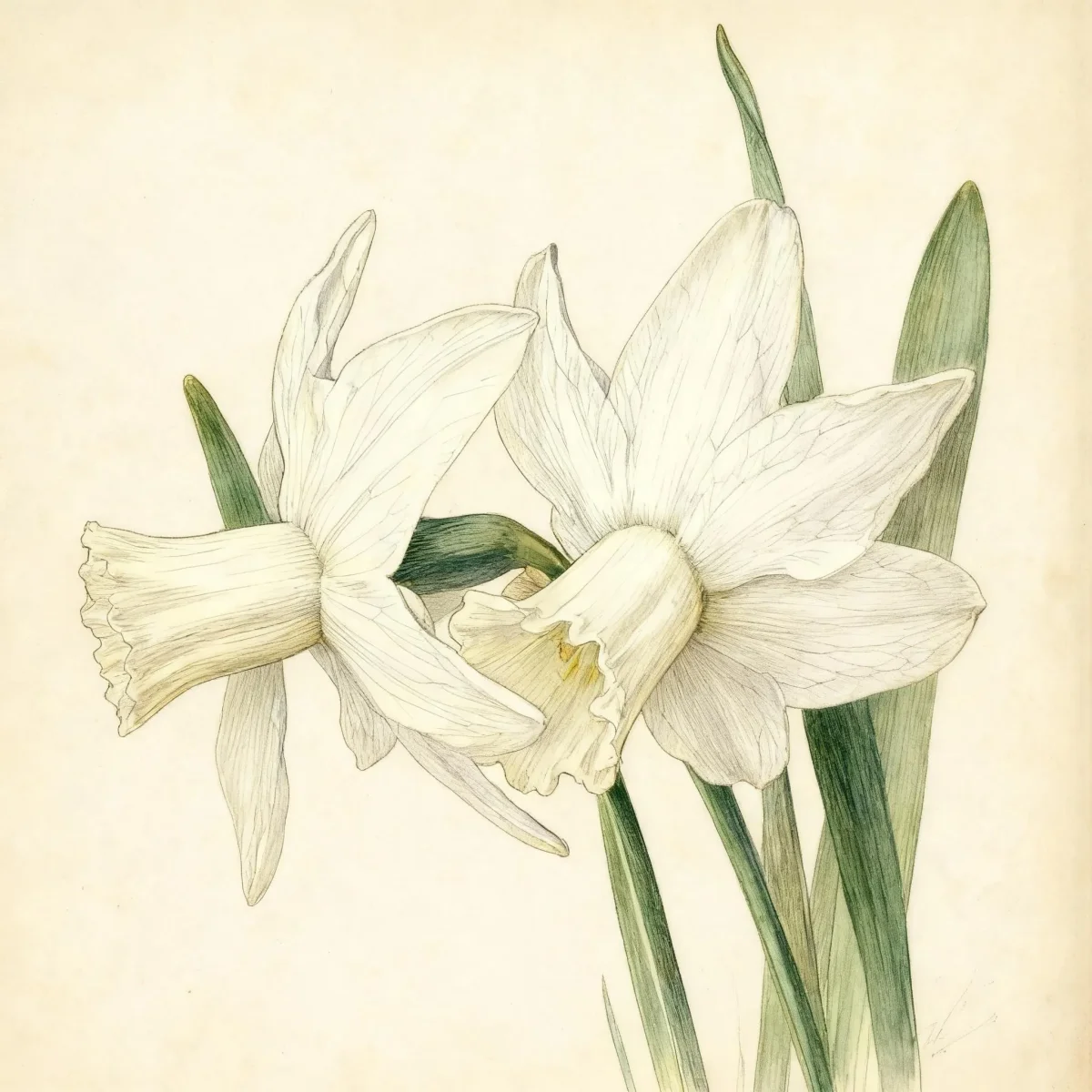
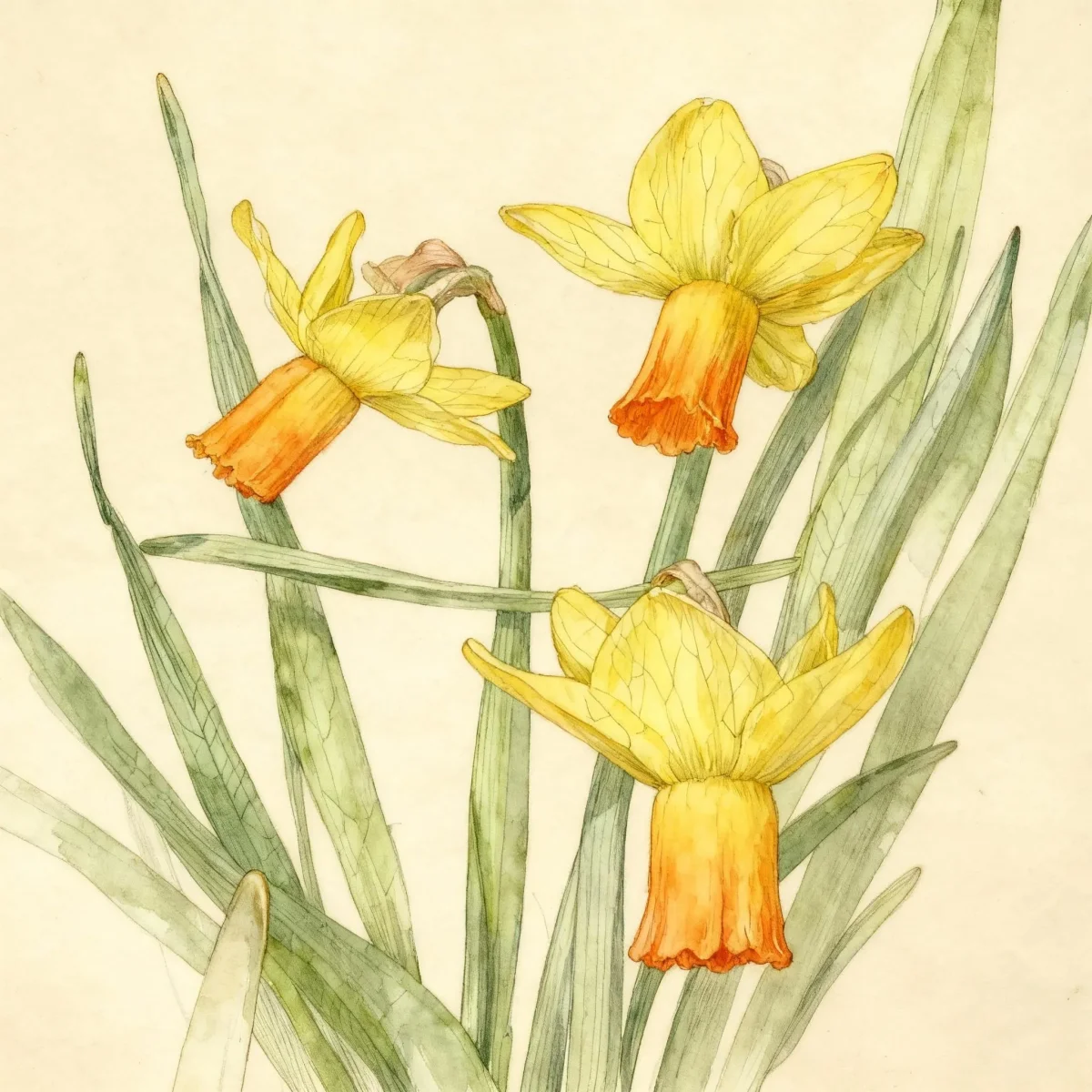
Narcissus ‘Kaydee’ offers a distinct profile within the spring garden, belonging to the celebrated family of cyclamineus daffodils. These bulbs are prized for their gracefully reflexed petals, which give the flower an elegant, swept-back appearance, often resembling the cyclamen flower, which inspired the division name. The salmon-pink trumpet contrasting sharply against the pure white petals makes Narcissus ‘Kaydee’ a highly showy addition to early spring displays.
As a low-maintenance perennial bulb, ‘Kaydee’ is valued for its reliability, returning year after year with minimal intervention once established. They thrive in average soil conditions, provided drainage is excellent, making them a dependable choice for transitioning the garden from late winter dormancy into vibrant spring color.
This reliable variety is perfect for mass plantings, naturalizing under deciduous trees, or as a striking border accent. Its relatively compact size ensures that the beauty of the Cyclamineus daffodil is appreciated up close while providing excellent pest and drought resistance for the gardener.
Fast Facts
- Plant Family: Amaryllidaceae
- Plant Type: Bulb
- Hardiness Zones: USDA Zones 4-8
- Size at Maturity:
- Height: 0.75-1 ft
- Spread: 0.5-0.75 ft
- Bloom Time: April
- Bloom Description: White with salmon-pink trumpet
- Sun Exposure: Full sun to part shade
- Water Needs: Medium
- Maintenance Level: Low
How to Grow
To establish Narcissus ‘Kaydee’ successfully, plant bulbs in early to mid-fall before the ground freezes hard. Choose a location with full sun to part shade, ensuring the soil is well-drained, which is crucial to prevent bulb rot. The planting depth should be 2 to 3 times the depth of the bulb itself, aiming for 3” of soil covering the top, spacing them about 4-10” apart depending on the bulb size.
Routine care involves keeping the soil consistently moist throughout the active growing period. While drought is tolerated once the plant is dormant, consistent moisture during spring flowering improves performance. After the characteristic April blooms fade, remove the flower stem to prevent seed development, but absolutely resist the urge to cut back the foliage. The leaves must remain intact until they naturally yellow, as this process replenishes the energy stored in the bulb for next year’s display of the Cyclamineus daffodil.
If you observe declining bloom quantity over several years, the clumps may benefit from division. This task should be timed for just after the foliage completely browns down in summer. For optimal viewing, position the bulbs so that any overhead shade occurs behind the flowers, allowing the blooms of Narcissus ‘Kaydee’ to naturally face the strongest available light.
Landscape Uses
Daffodils, unlike many other spring bulbs, are cherished because they reliably perennialize and naturalize, forming beautiful, larger drifts over time. Narcissus ‘Kaydee’ excels when planted in generous quantities—aiming for groupings of six bulbs minimum—to create sweeping bands of color in beds and along borders. Their early bloom time makes them invaluable for providing structure and light early in the season.
These cyclamineus daffodils also perform beautifully in less formal settings, such as open woodland patches or naturalized areas where they can mingle with groundcovers. Site them toward the front of shrub borders, where their compact form and bright spring color offer a perfect transition before later-blooming shrubs leaf out. They mix exceptionally well with other spring-flowering bulbs, providing continuous, low-effort interest.
Standout Features
Flower Qualities
- Showy
Noteworthy Characteristics
Narcissus is a genus rich with history, famed as a mainstay of the spring garden. The hybrid ‘Kaydee’ falls into Division VI, classifying it as a cyclamineus daffodil, characterized by highly reflexed petals which sweep backward, reminiscent of cyclamen flowers. For Narcissus ‘Kaydee’, this results in lovely white petals framing a short, open, salmon-pink trumpet that often displays a slightly crinkled rim, appearing faithfully in mid-season April.
Tolerances
- Rabbit
- Deer
- Drought
Potential Problems
Daffodils, including Narcissus ‘Kaydee’, are fortunately resistant to most common garden pests and diseases when cultured correctly. The primary threat to bulb health is bulb rot, which occurs exclusively in poorly-drained or waterlogged soils; excellent drainage remains the most critical cultural requirement. Infrequent pest issues may include slugs and snails, particularly when new foliage emerges. For management, ensure soil preparation emphasizes aeration and proper siting. If flower quality diminishes significantly over years, division is necessary, but otherwise, healthy bulbs need practically no intervention.
Frequently Asked Questions
What hardiness zones is Cyclamineus daffodil suitable for?
The Narcissus ‘Kaydee’ is highly adaptable and hardy across USDA Zones 4 to 8.
How large does Narcissus ‘Kaydee’ grow?
At maturity, this variety typically reaches a compact height between 0.75 and 1 foot tall, spreading lightly from 0.5 to 0.75 feet.
What sun exposure does Cyclamineus daffodil need?
This variety manages well in full sun but also performs nicely in areas receiving part shade, making it versatile for different landscape locations.
When does Narcissus ‘Kaydee’ bloom?
You can anticipate the classic white flowers with a salmon-pink trumpet appearing in April.
Conclusion
The Narcissus ‘Kaydee’ cyclamineus daffodil provides guaranteed, low-fuss color when the garden needs it most, combining attractive pest resistance with refined floral structure. Enjoying this dependable bloom of Narcissus ‘Kaydee’ starts with planting the bulbs correctly in the fall—ensuring deep planting in well-draining soil for years of reliable spring enjoyment.
Companion Planting
When designing spring displays around your Narcissus ‘Kaydee’, consider companions that share similar cultural needs, particularly medium moisture and excellent drainage. Low-growing perennials or annuals that emerge after the daffodil foliage begins to die back work wonderfully. Examples include early blooming Vinca minor (Periwinkle) or ground-covering Ajuga, which will help suppress weeds and mask the yellowing daffodil leaves.
For visual layering, plant these bulbs in front of mid-sized shrubs that offer contrast. Deciduous shrubs that leaf out later in the season allow Narcissus ‘Kaydee’ the necessary full sun exposure in early spring, providing a brilliant splash of color before the shrub canopy closes overhead.
Seasonal Care Calendar
Early Fall (Planting Time): Ensure bulbs for Narcissus ‘Kaydee’ are planted at the recommended depth and spacing, focusing intensely on soil drainage improvement if your site is heavy clay. Water thoroughly after initial planting.
Late Winter/Early Spring (Growth Phase): Maintain medium moisture levels. If planting bulbs beneath trees or shrubs, avoid disturbing the soil once growth begins. Deadhead spent flowers promptly after blooming ceases in April or May.
Late Spring/Summer (Dormancy Prep): Allow all foliage to turn completely yellow before cutting it back. This crucial late-season nutrient gathering fuels next year’s flowering performance for your Cyclamineus daffodil. Bulbs may be divided during summer dormancy if clumps become overcrowded.