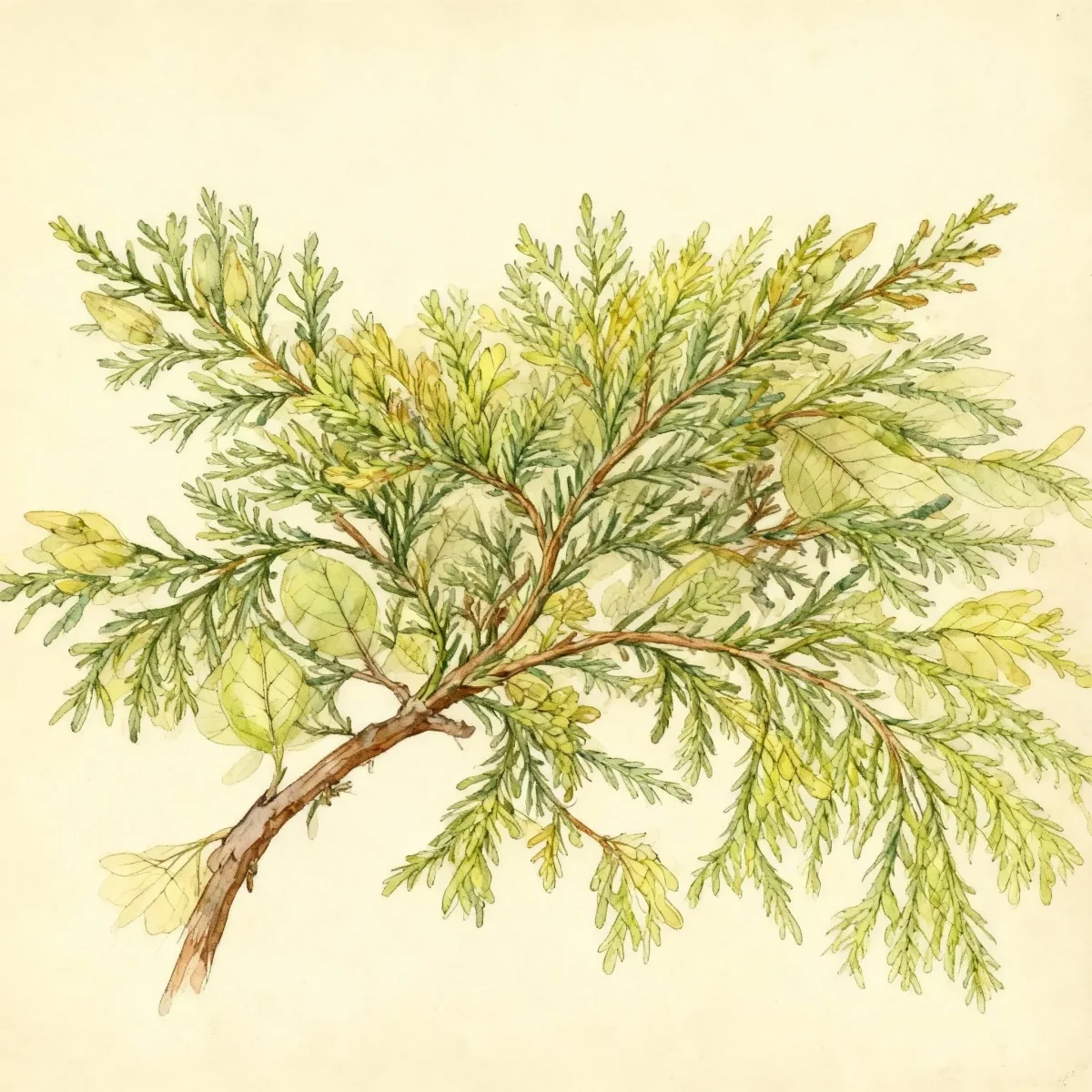
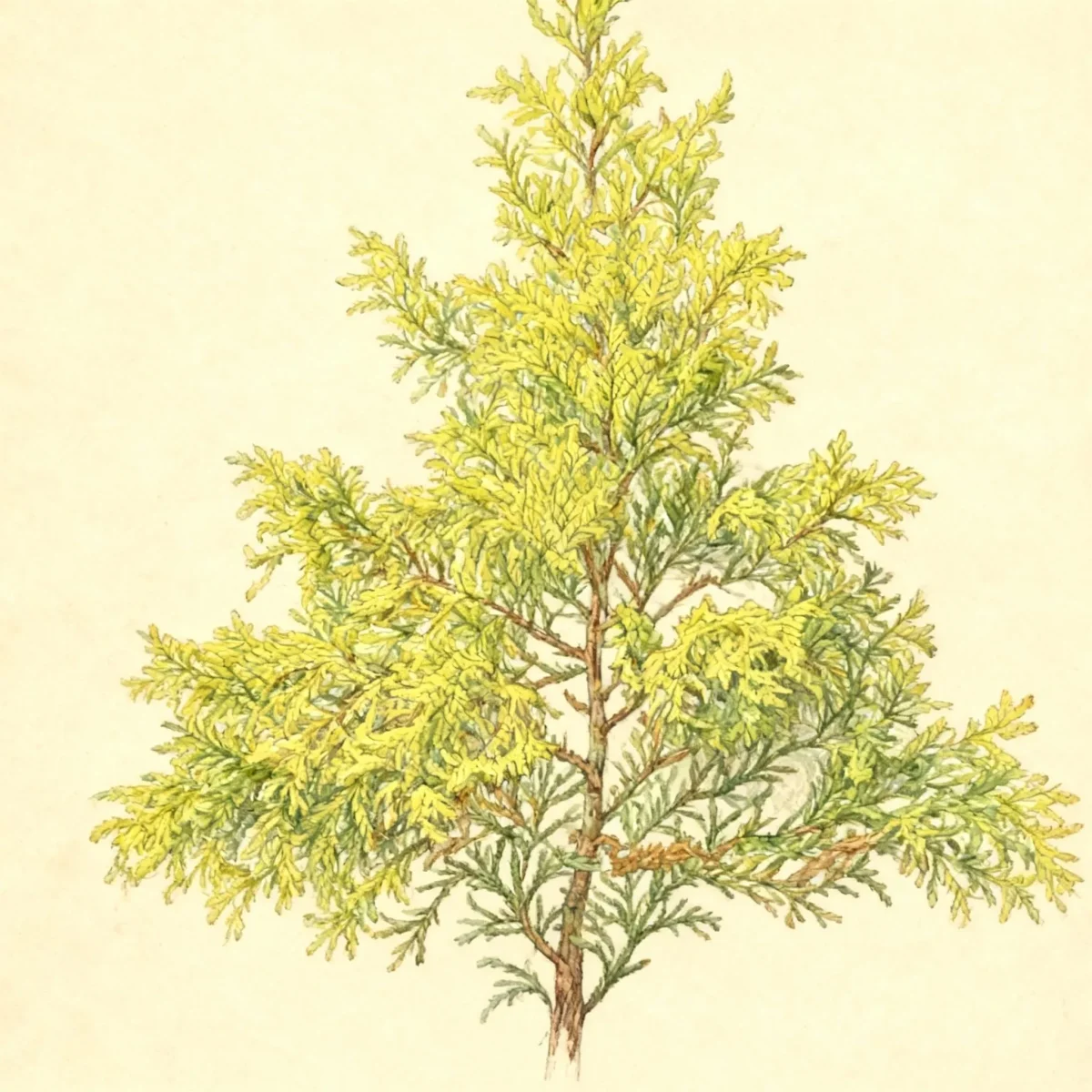
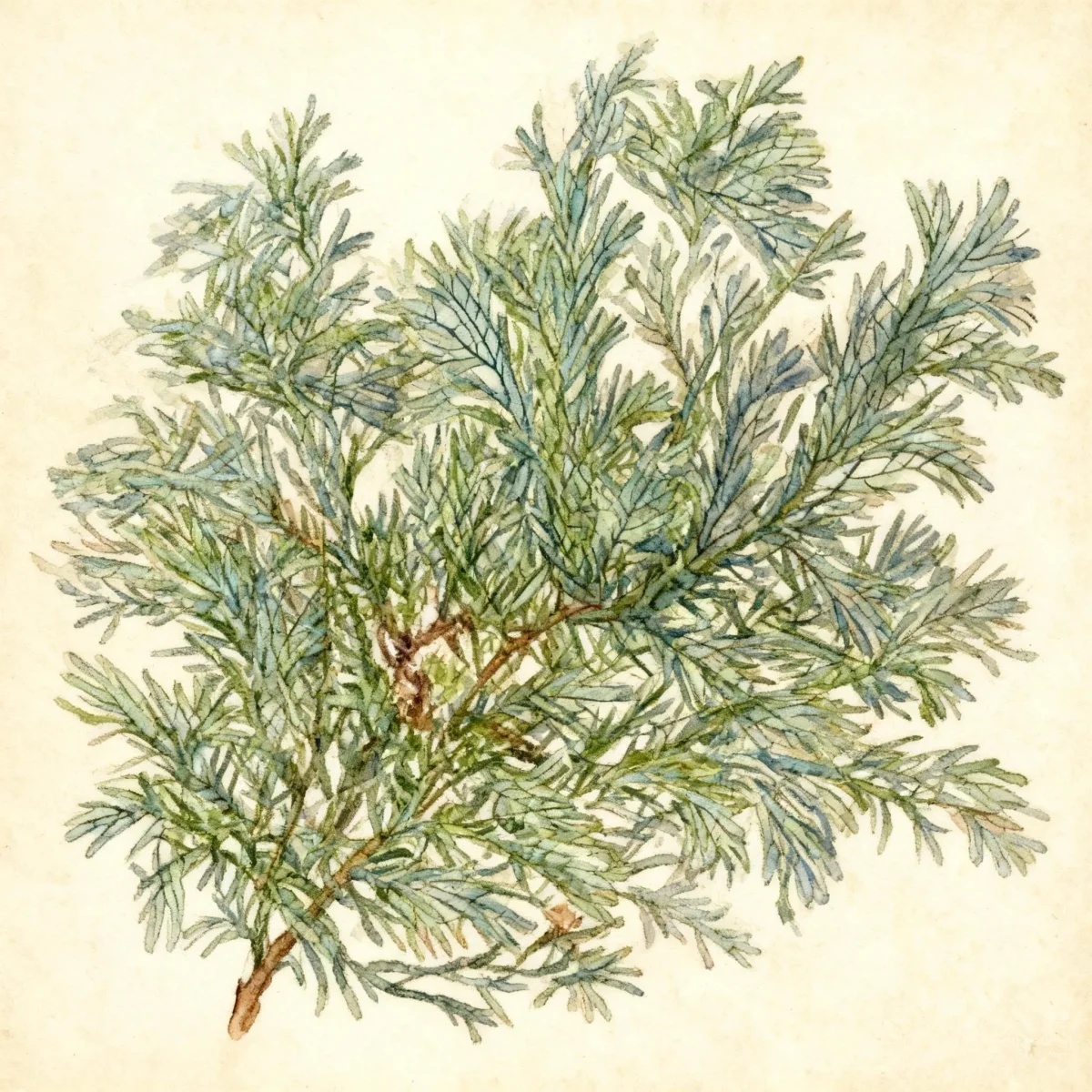
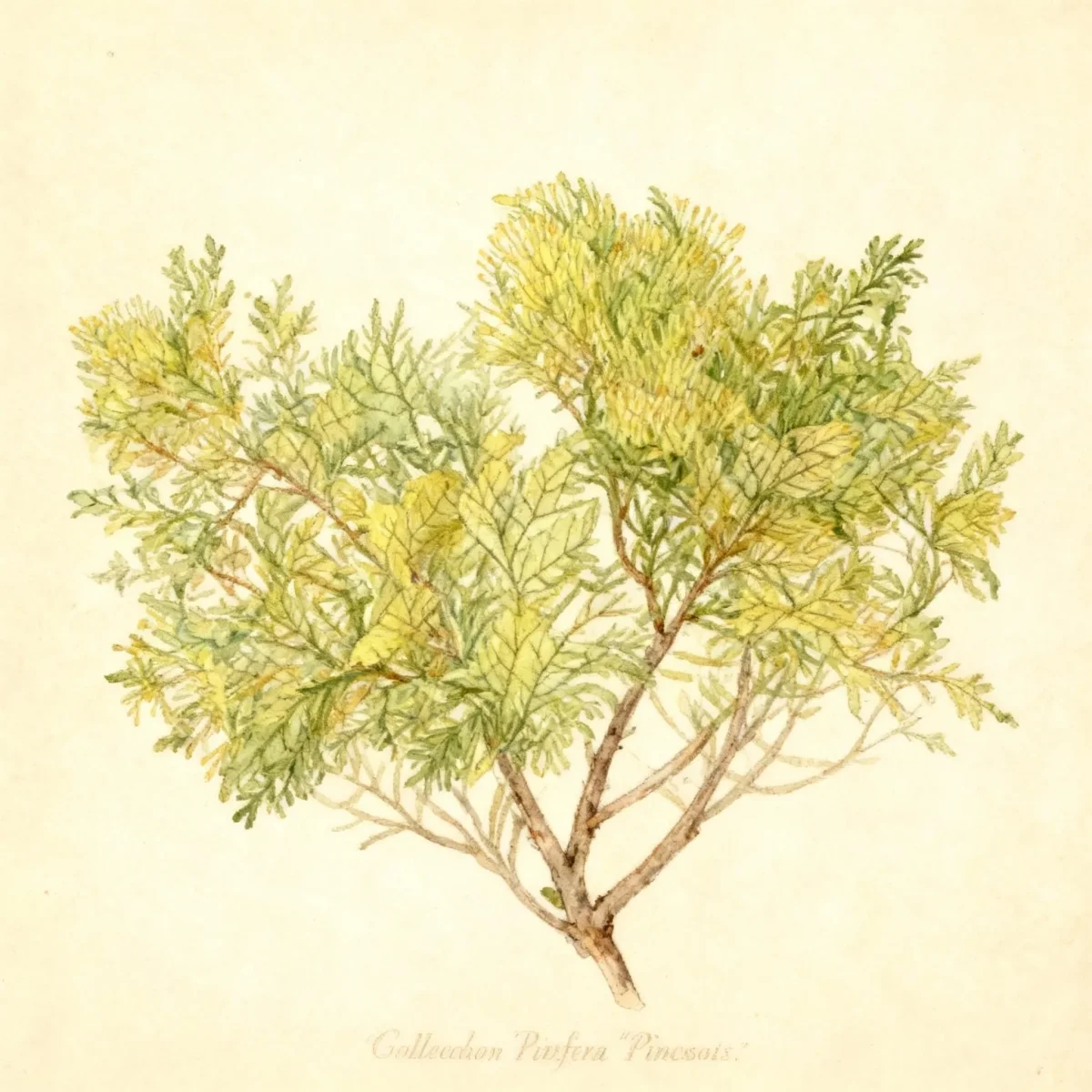
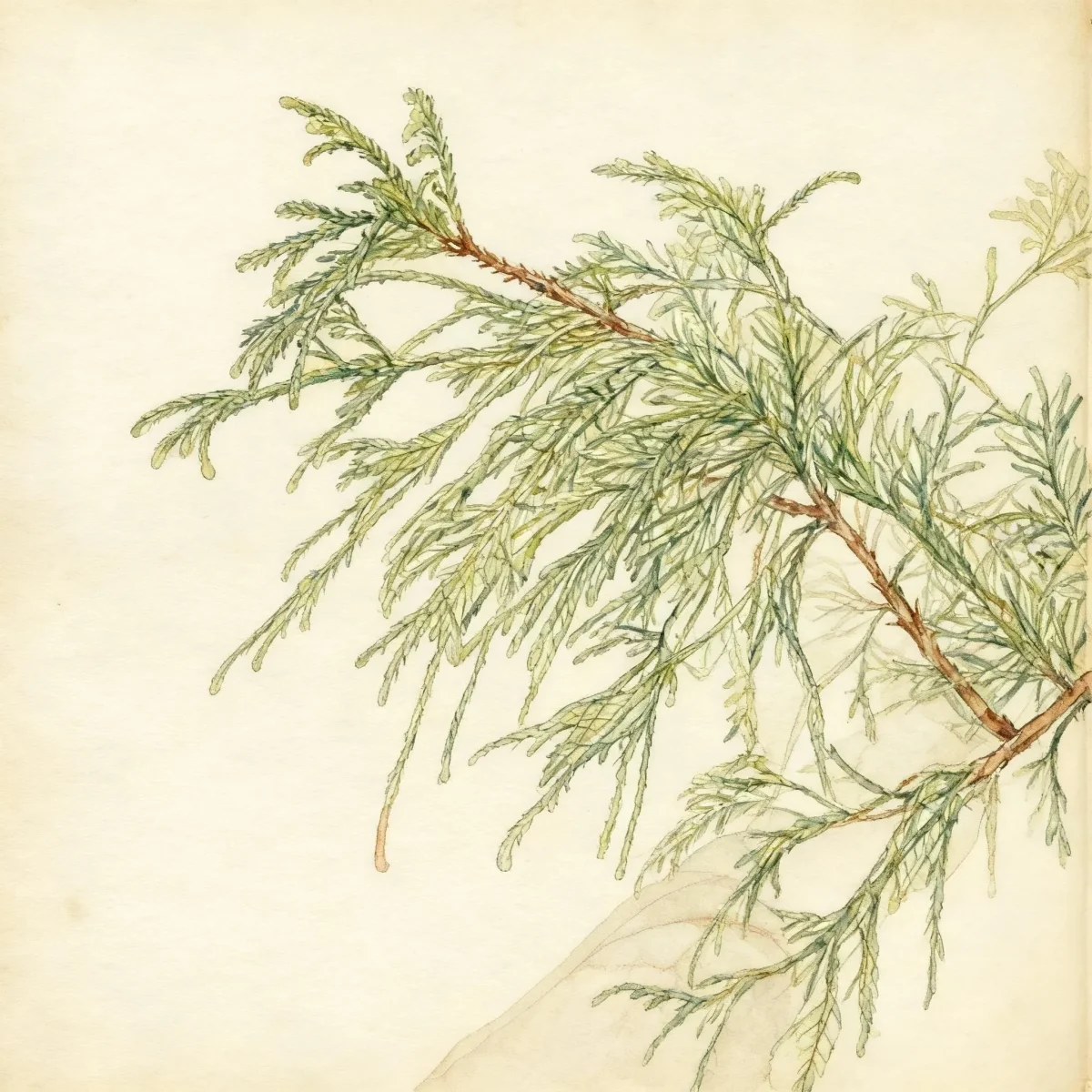
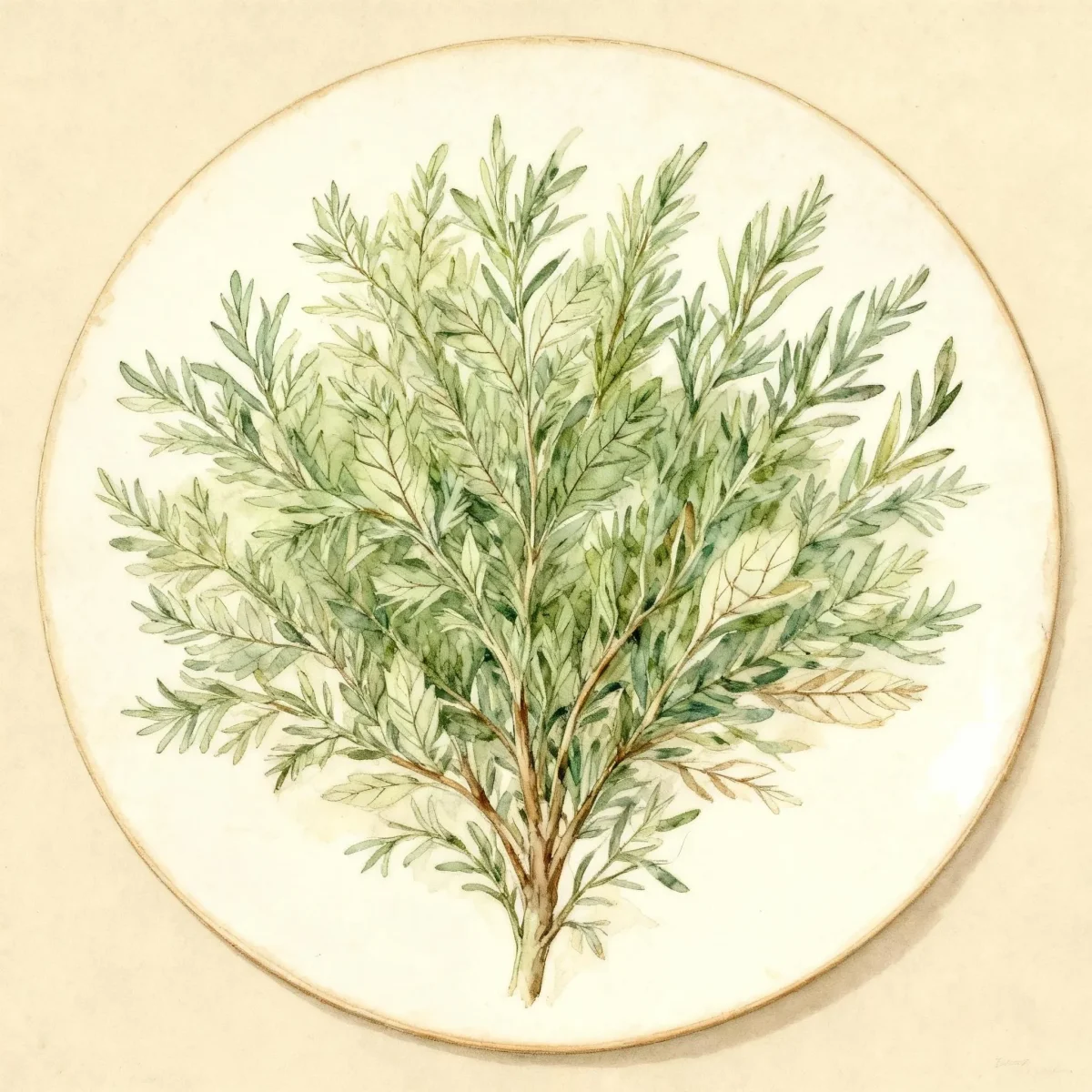
Japanese falsecypress (Chamaecyparis pisifera 'Curly Tops')
The Chamaecyparis pisifera 'Curly Tops' is a slow-growing, globose Japanese falsecypress featuring unique metallic blue foliage with strikingly curled branches, perfect for small gardens or rockeries.
Scroll down to discover growing tips, care requirements, companion plants, and more
Complete Plant Information
Overview
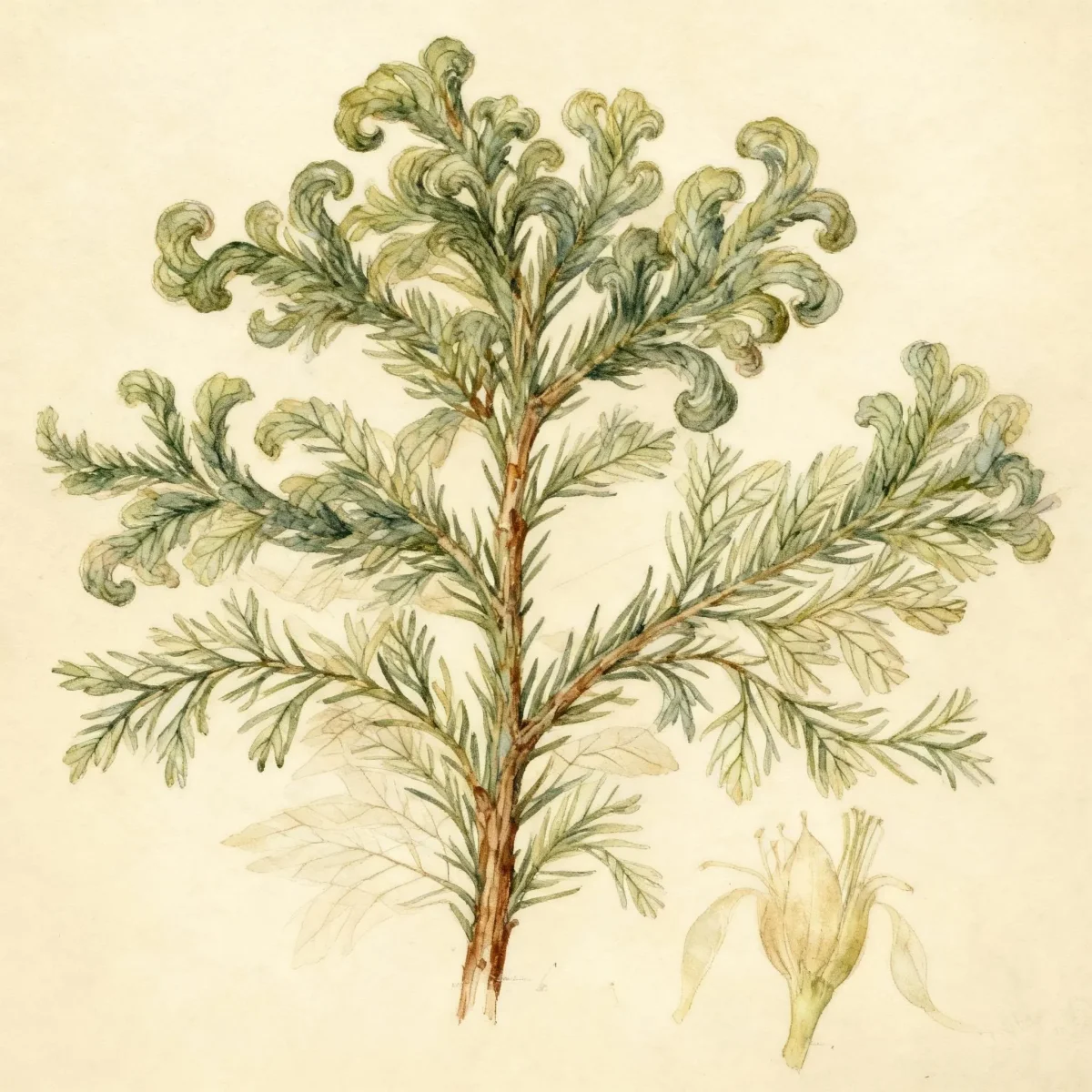
The Chamaecyparis pisifera ‘Curly Tops’ fills a unique niche in the landscape, offering year-round structure and highly textural interest. This semi-dwarf cultivar of the Japanese falsecypress is prized specifically for its dense, globose habit and its unusual, metallic blue foliage held on tightly twisted and curled branches. It provides excellent contrast against plants with flatter or darker green leaves.
As a slow-growing conifer, the Chamaecyparis pisifera ‘Curly Tops’ is an excellent choice for gardeners needing year-round color without committing to a massive specimen tree. Its low maintenance profile makes it highly appealing for contemporary or low-input garden designs. It brings the exotic texture associated with the larger Sawara cypress family into a manageable, compact form.
Ideal growing conditions support the vibrant coloration and tight form of this cultivar. Providing adequate moisture and protection from harsh afternoon sun will ensure your Japanese falsecypress remains a handsome focal point for years to come.
Fast Facts
- Plant Family: Cupressaceae
- Plant Type: Needled evergreen
- Hardiness Zones: USDA Zones 4-8
- Size at Maturity:
- Height: 3-5 ft
- Spread: 3-5 ft
- Bloom Time: Non-flowering
- Sun Exposure: Full sun to part shade
- Water Needs: Medium
- Maintenance Level: Low
How to Grow
Planting Chamaecyparis pisifera ‘Curly Tops’ is best done in spring or fall when temperatures are moderate, allowing the roots to establish before summer heat or winter cold stress. Locate your shrub where it receives good air circulation and protection from strong winds, which can damage the delicate foliage. The soil must be average, medium moisture, and highly well-drained.
Care is straightforward due to the low maintenance level of this Japanese falsecypress. While it tolerates average soil, growth is best in moist, fertile ground. Ensure you avoid areas where water pools; wet, poorly-drained soils are detrimental and can lead to root rot. Pruning is rarely necessary; allow the natural globose mound shape to develop.
If growing in hotter climates within its range (Zones 7-8), seek out a location offering afternoon shade, as excessive heat combined with full exposure can cause bronzing or scorching. In winter, avoid heavy snow loads, though established plants in suitable zones generally require minimal seasonal preparation.
Landscape Uses
The compact size and highly ornamental foliage make Chamaecyparis pisifera ‘Curly Tops’ versatile in small garden settings. Dwarf cultivars like this are perfectly suited for foundation plantings where larger shrubs would overwhelm the architecture. They also serve beautifully as specimen plants in mixed perennial borders, drawing the eye with their unique texture.
This cultivar excels in rock gardens, contrasting its fine needles against the rugged texture of stone. Consider planting drifts of ‘Curly Tops’ near low-growing groundcovers or next to plants with broader, solid green leaves for maximum visual impact. They also perform well in large, year-round containers on patios, provided drainage is impeccable.
Standout Features
Noteworthy Characteristics
Chamaecyparis pisifera, commonly known as Sawara cypress, presents various forms, but the ‘Curly Tops’ cultivar is a valued semi-dwarf selection. It features a distinctively round mound of foliage that displays a metallic blue hue, accentuated by its signature trademark: twisted and distinctly curled branching. Being slow-growing, it eventually reaches about 4 to 5 feet tall, making it an adaptable feature for modern or formal landscapes.
Tolerances
- No data provided for tolerances.
Potential Problems
This conifer generally faces no serious insect or disease problems when sited correctly. The primary threat comes from environmental stress, particularly poor drainage, which leads to root rot. Ensure the planting site is never waterlogged.
Gardeners should watch for susceptibility to issues like juniper blight, though it is not frequently reported. Occasionally, specific insect pests such as bagworms may appear; these should be handled manually or with targeted sprays if infestations become significant. Proper planting depth and soil aeration are the best preventative measures for overall conifer health.
Frequently Asked Questions
What hardiness zones is Japanese falsecypress suitable for?
The Chamaecyparis pisifera ‘Curly Tops’ is suitable for USDA Hardiness Zones 4 through 8.
How large does Chamaecyparis pisifera ‘Curly Tops’ grow?
This semi-dwarf cultivar typically reaches a mature height between 3 to 5 feet, with a similar spread of 3 to 5 feet.
What sun exposure does Chamaecyparis pisifera ‘Curly Tops’ need?
It thrives in full sun to part shade conditions, though it benefits from afternoon shade when planted in the hotter parts of its hardiness range.
When does Japanese falsecypress bloom?
This is a non-flowering needled evergreen; it does not produce noticeable or showy flowers for ornamental effect.
Conclusion
The Chamaecyparis pisifera ‘Curly Tops’ offers superb architectural interest through its metallic blue, tightly curled foliage and manageable, globose habit. Its remarkably low maintenance requirements solidify its status as an excellent evergreen addition to nearly any garden plan. Before planting, confirm that your site offers well-drained soil and the appropriate amount of sun exposure for this unique Japanese falsecypress.
Design Ideas
When incorporating Chamaecyparis pisifera ‘Curly Tops’ into a mixed border, contrast is key to highlighting its unique appeal. Pair it with low-growing, fine-textured plants that offer a different color palette, such as golden creeping juniper or dark green hostas with broad leaves. Its compact size also makes it an excellent anchor plant for creating structure in small foundation beds.
Avoid planting it too close to structures or beneath heavy overhangs where snow might drop directly onto the branches in winter, as the brittle nature of some cypress branches can lead to breakage. Instead, use hardscaping elements like boulders or gravel mulch to enhance the rock garden appeal of this textured conifer.
Seasonal Care Calendar
Spring is the ideal time to apply a light, balanced fertilizer if you wish to encourage moderate growth, though this plant generally thrives without heavy feeding. Focus on monitoring soil moisture throughout the first growing season to ensure consistent hydration while the root system develops.
During the summer months, the primary care involves checking for potential sun scorch if temperatures are extreme, especially on western exposures. For established plants, deep, infrequent watering during dry spells is more beneficial than frequent, shallow sprinkles, supporting the need for medium water requirements without saturating the root zone.