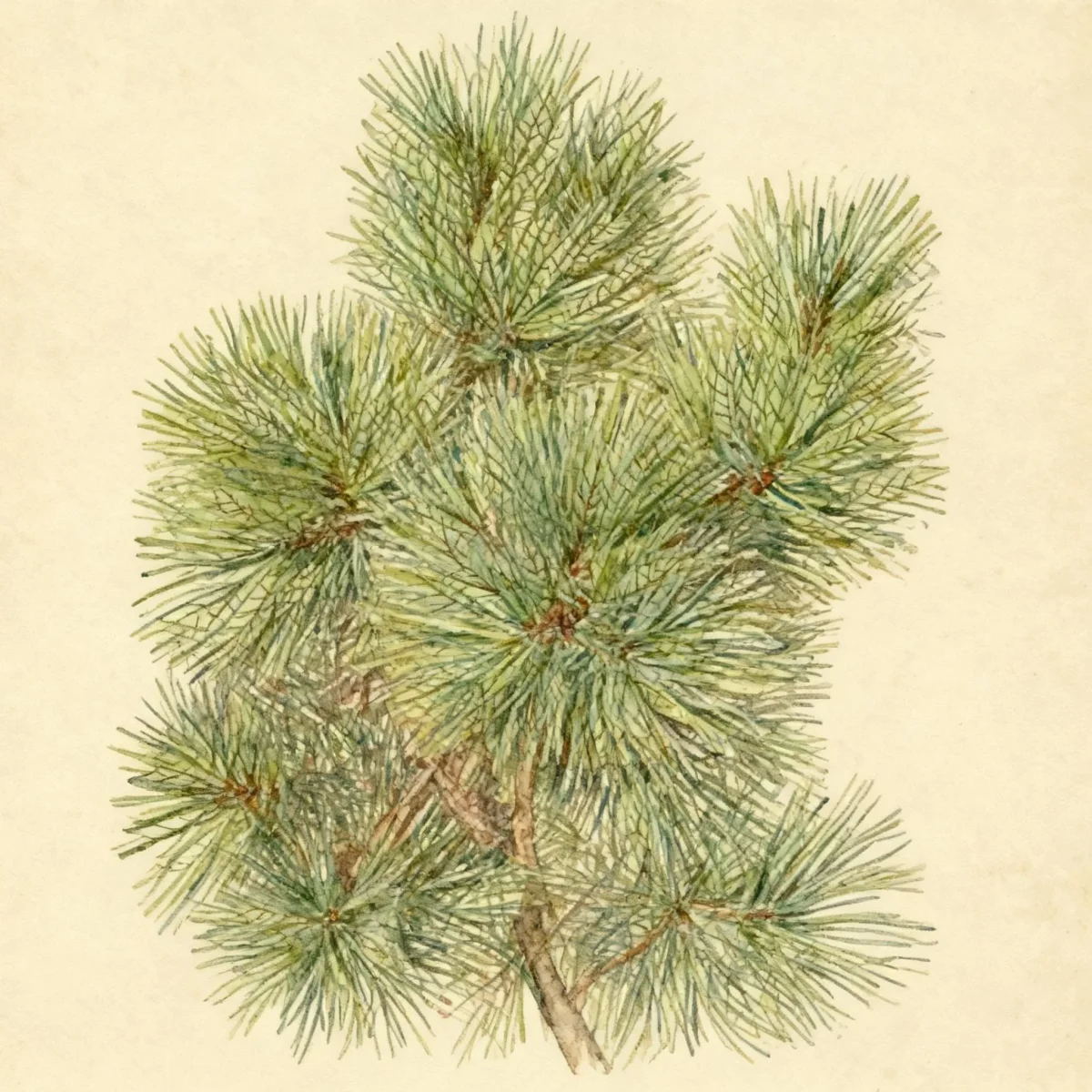
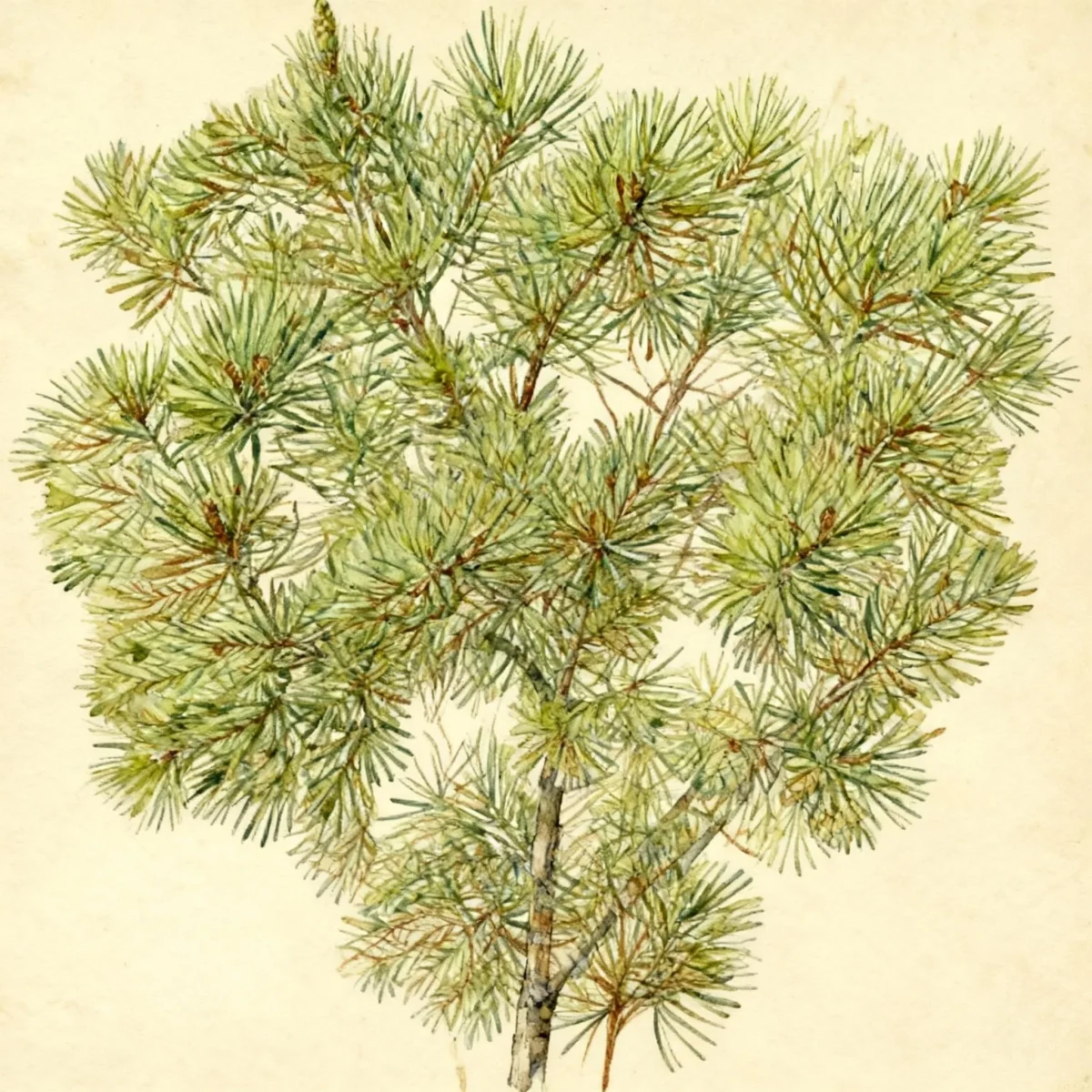
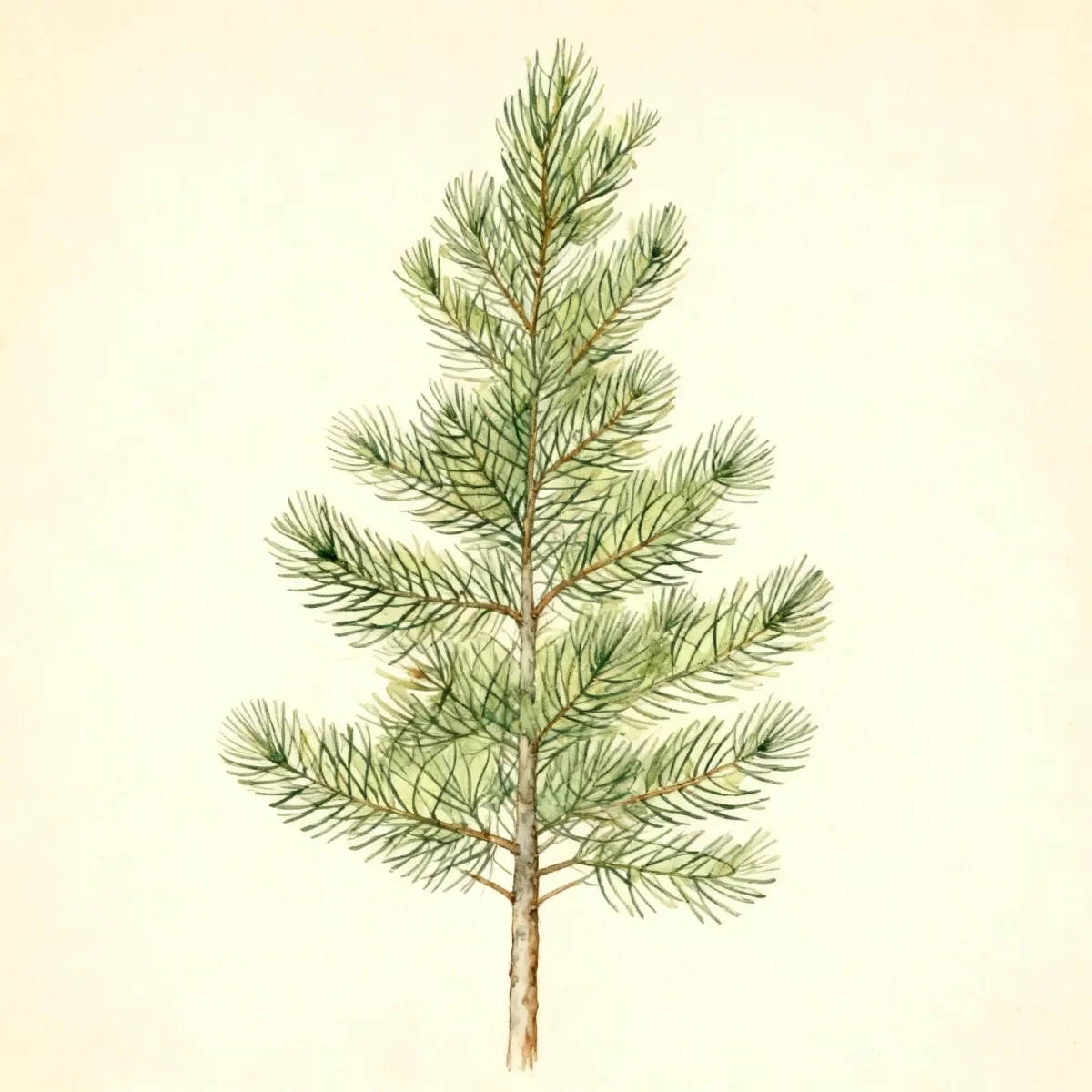
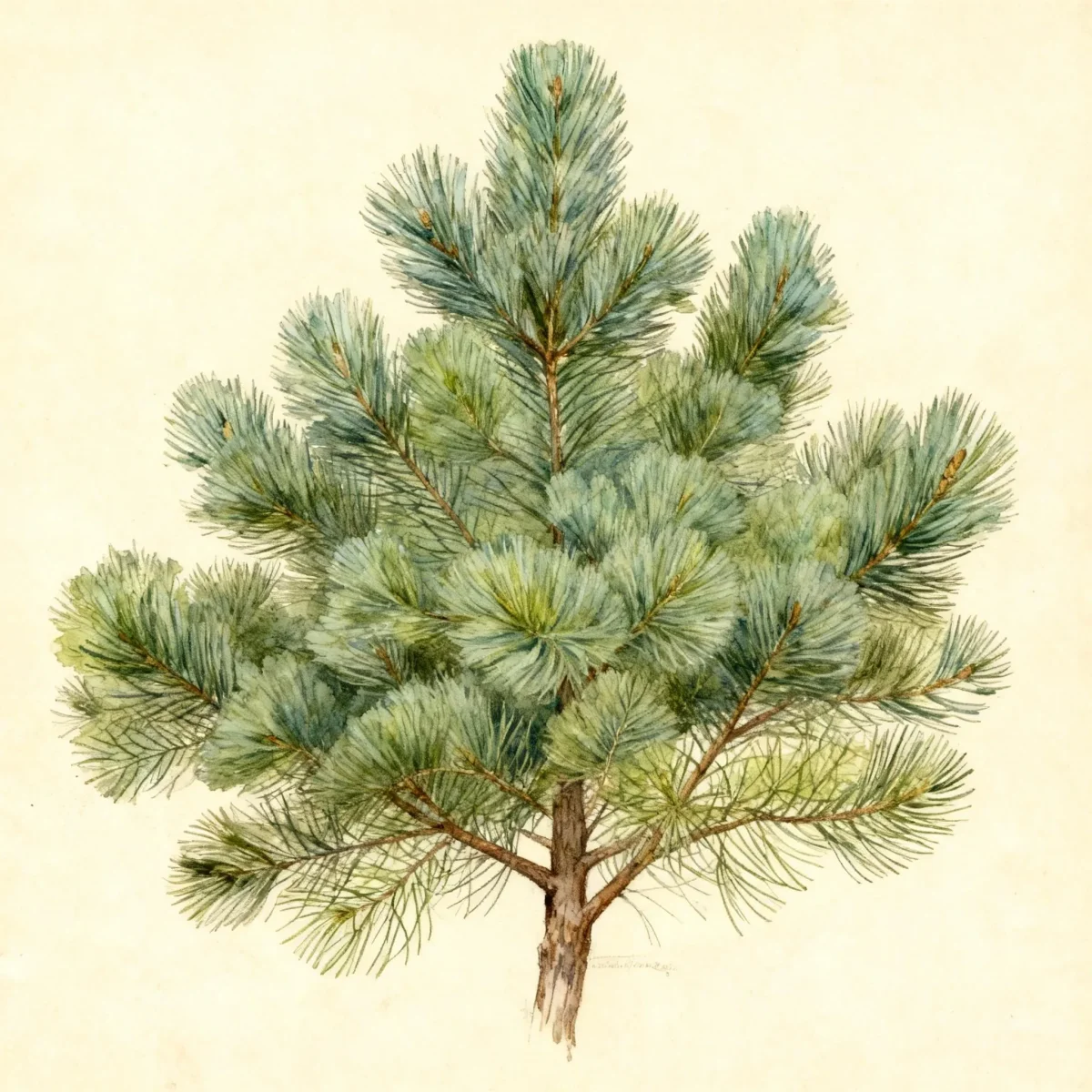
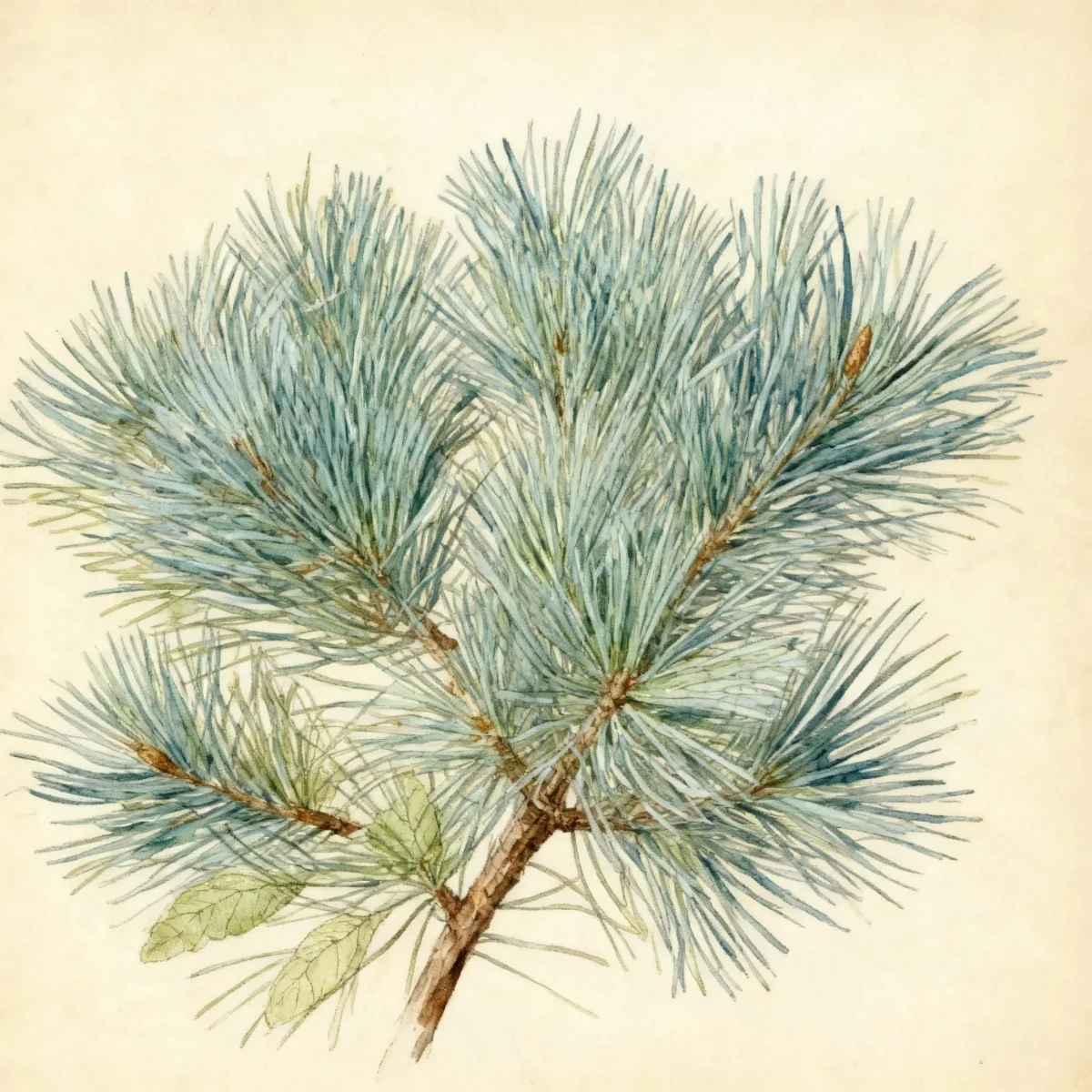
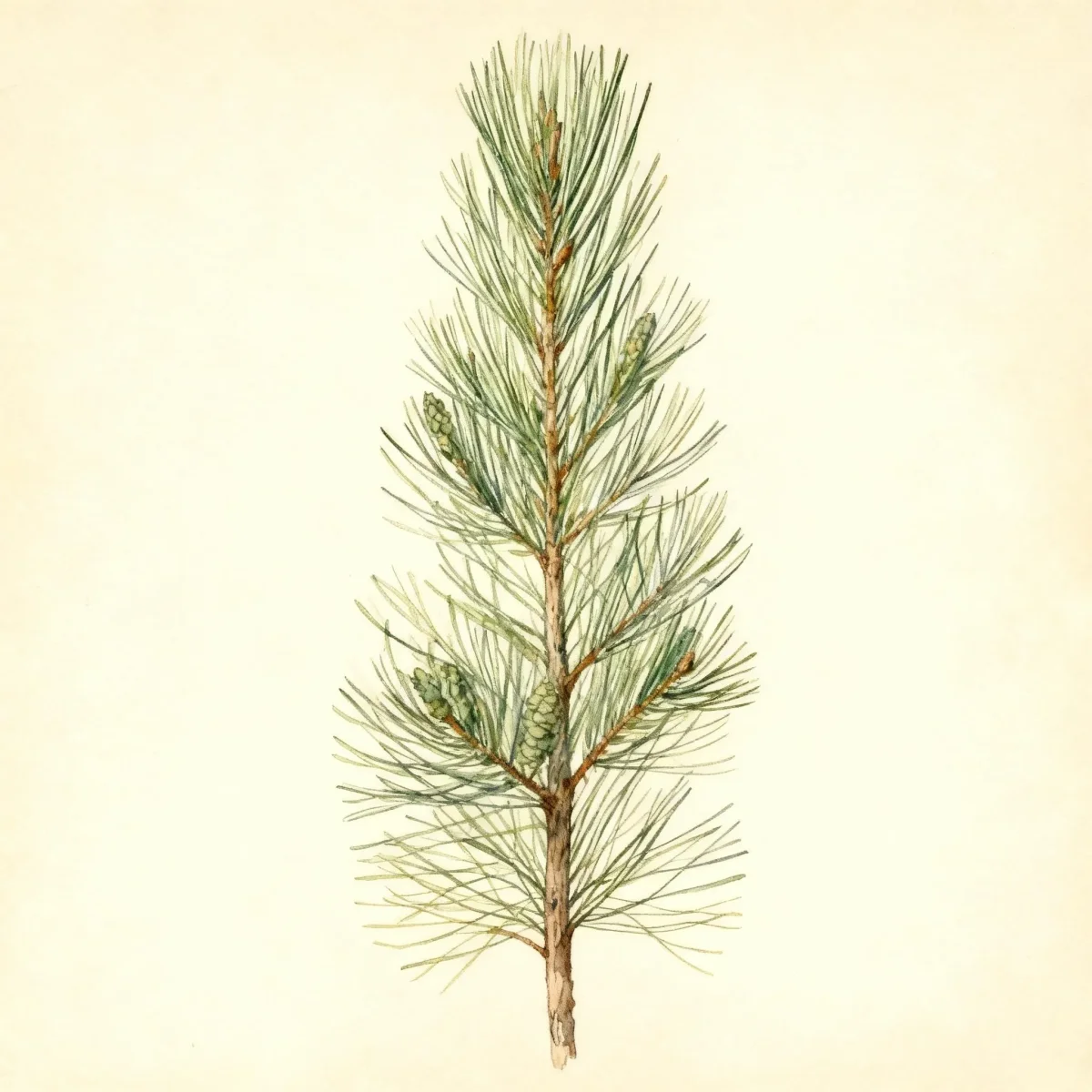
Eastern white pine (Pinus strobus 'Paul Waxman')
Pinus strobus 'Paul Waxman' is a dense, dwarf Eastern white pine perfect for rock gardens, growing slowly to 2-5 ft tall.
Scroll down to discover growing tips, care requirements, companion plants, and more
Complete Plant Information
Overview
The cultivar Pinus strobus ‘Paul Waxman’ offers all the desirable qualities of the Eastern white pine in a remarkably compact form, making it highly valuable for smaller garden spaces. This dense, slow-growing dwarf selection retains the characteristic soft, bluish-green needles of its parent species, often displaying intriguing color variation across its short foliage. Unlike the towering native species, Pinus strobus ‘Paul Waxman’ maintains a tight, globose habit, reducing long-term maintenance needs substantially. It provides year-round structure and texture, serving as an excellent focal point or anchor plant in perennial beds and rock features throughout USDA Zones 3 to 8.
This modified Eastern white pine is especially appreciated because it requires minimal management once established, fitting perfectly into low-input gardening schemes. While the majestic parent tree dominates landscapes, this cultivar allows gardeners to incorporate the classic look of the white pine without worrying about decades of growth toward the roofline. Cultivating Pinus strobus ‘Paul Waxman’ is an excellent way to introduce year-round evergreen interest.
Fast Facts
- Plant Family: Pinaceae
- Plant Type: Needled evergreen
- Hardiness Zones: USDA Zones 3-8
- Size at Maturity:
- Height: 2-5 ft
- Spread: 2-5 ft
- Bloom Time: Non-flowering
- Bloom Description: Non-flowering
- Sun Exposure: Full sun to part shade
- Water Needs: Medium
- Maintenance Level: Low
How to Grow
Plant Pinus strobus ‘Paul Waxman’ during the spring or fall when temperatures are moderate, which reduces transplant shock for evergreens. Locate this dwarf specimen where it receives full sun to light shade; while it tolerates slight afternoon shade, abundant sunlight enhances its desirable short needles. Success depends heavily on soil quality: easily grown in acidic, medium moisture, well-drained soil. Avoid locations with heavy, compacted clay soils or areas prone to alkalinity.
Watering should be consistent, meeting medium water needs, especially during the first few growing seasons to promote deep root establishment. Established plants are moderately drought tolerant but prefer reliable moisture. Fertilization is rarely necessary if planted in rich, fertile soils, as the species naturally prefers robust ground. Avoid heavy nitrogen applications, which can encourage weak, fast growth contrary to the dwarf nature of Pinus strobus ‘Paul Waxman’.
Pruning is generally minimal, given its slow growth and naturally dense, globose shape. If shaping is desired, light shearing should occur in late winter or early spring before new growth flushes. Be aware that the native Eastern white pine is intolerant of air pollutants like sulfur dioxide and ozone, so site selection in urban areas should consider local air quality.
Landscape Uses
The compact size and dense habit immediately suggest Pinus strobus ‘Paul Waxman’ for foundation plantings where space is limited. Its low profile makes it an excellent specimen for softening sharp corners of buildings or decks without obscuring views. As a dwarf cultivar, it thrives in rock gardens, lending permanent green-blue texture among low-growing perennials and alpine plants.
Use this cultivar to anchor small specimen plantings or within mixed evergreen borders where contrasting textures are desired. Because of its resistance to browsing (see Tolerances below), it can be safely placed near areas frequented by wildlife without fear of being completely consumed. Consider using the Eastern white pine dwarf form as a low hedge accent in formal parterres or knot gardens where traditional pines would quickly outgrow their bounds.
Standout Features
Noteworthy Characteristics
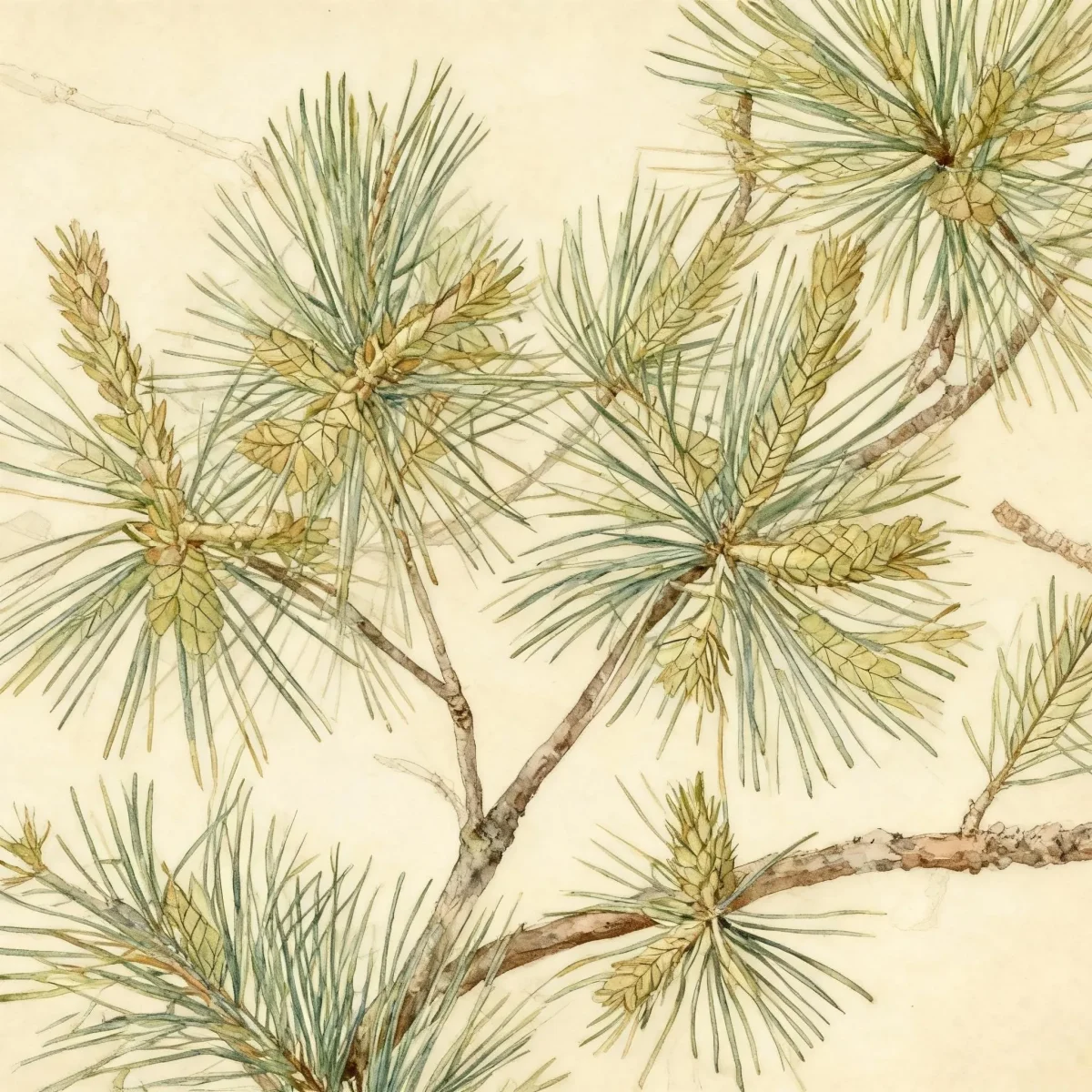
The parent species, Pinus strobus, is ecologically significant as a rapid-growing, long-lived evergreen tree native across the northeastern US and Canada. The mature species exhibits soft, five-needle bundles and large cones, while Pinus strobus ‘Paul Waxman’ is specifically noted for its density, slow growth, and unusually short needles that show captivating blue and green hues. This dwarf selection rarely exceeds five feet in height and spread over many years, making it a fantastic substitute for homeowners desiring structure without the massive scale of the species.
Tolerances
- Rabbit
- Deer
Potential Problems
While Pinus strobus ‘Paul Waxman’ is a manageable dwarf, all white pines are susceptible to several significant health challenges, particularly in areas with high moisture and moderate summers. The most dangerous threat is white pine blister rust, a serious bark infection requiring an alternate host: species of Ribes (currants and gooseberries). Gardeners must vigilantly scan for and remove these alternate hosts if blister rust is active nearby.
Other common ailments include various blights and cankers, which usually manifest in stressed or overcrowded plants. Insect pests require close monitoring; the white pine weevil, shoot borer, and scale insects commonly target this species. Regular scouting of the new growth in spring allows for early intervention, often controlling issues when they are small. Avoid planting where air circulation is poor or where known environmental stresses exist.
Frequently Asked Questions
What hardiness zones is Eastern white pine suitable for?
This dwarf cultivar, Pinus strobus ‘Paul Waxman’, is suitable for USDA hardiness zones 3 through 8.
How large does Pinus strobus ‘Paul Waxman’ grow?
This slow-growing cultivar typically matures to a height and spread between 2 to 5 feet over many years.
What sun exposure does Eastern white pine need?
This needled evergreen requires full sun to light part shade for optimal growth and color development.
When does Pinus strobus ‘Paul Waxman’ bloom?
This plant is a conifer and is technically non-flowering; it does not produce noticeable flowers.
Conclusion
The Pinus strobus ‘Paul Waxman’ offers an invaluable solution for gardeners needing the classic aesthetic of the Eastern white pine in a miniature, low-maintenance package. Its dense, globose form and unique needle coloring make it a standout evergreen for focused display areas. Before purchasing, confirm that your soil is acidic and well-draining, and assess your local landscape for the presence of Ribes species to proactively manage blister rust risk.
Companion Planting
Selecting appropriate companions is key to maximizing the health of your Pinus strobus ‘Paul Waxman’. Because this dwarf pine prefers acidic soil and dislikes wet feet, pair it with other acid-loving, well-drained species. Excellent companions include various Rhododendrons, Azaleas, and low-mounding Japanese Pieris. These plants share similar cultural needs regarding soil pH and moisture retention.
For textural contrast in rock gardens, consider pairing the bluish-green foliage of the dwarf white pine with brighter green, fine-textured groundcovers that do not require heavy mulch layers. Avoid vigorous spreading perennials that might compete heavily for scarce nutrients or choke out the slow-growing conifer.
Design Ideas for Dwarf Conifers
Dwarf conifers serve as permanent “bones” in a garden design. Use Pinus strobus ‘Paul Waxman’ as a year-round anchor near entryways where its slow growth guarantees it won’t quickly obstruct pathways. In contemporary or minimalist landscapes, a single specimen provides a strong, unchanging focal point against gravel or smooth stone mulches.
In contrast, integrating several specimens in an informal grouping mimics natural woodland structure but on a manageable scale. Since this cultivar maintains its distinct globose shape, it contrasts beautifully when set against upright, narrowly columnar shrubs or plants with strong seasonal color, such as deciduous Japanese maples that require similar acidic conditions.